
Acting
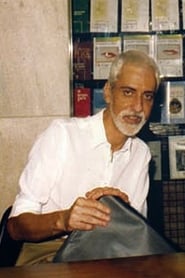
Tite de Lemos
Born — Died
1942-02-16 — 1989-06-17
Place of birth
Rio de Janeiro, Rio de Janeiro, Brazil
Known for
Acting
Credits
18 titles
Tite de Lemos (February 16, 1942 - June 17, 1989) was a Brazilian poet, journalist and playwright. He worked for the newspaper O Globo, produced theatrical pieces such as "A Serra", "A Liça" and "A Bola" and wrote the books "Marcos do Zorro" (1979), "Corcovado Park"and "Caderno de Sonetos"(1988). More than 20 years after his death, the book "Bella Donna" was released, with unpublished poems by the author.
Known for
 7.0
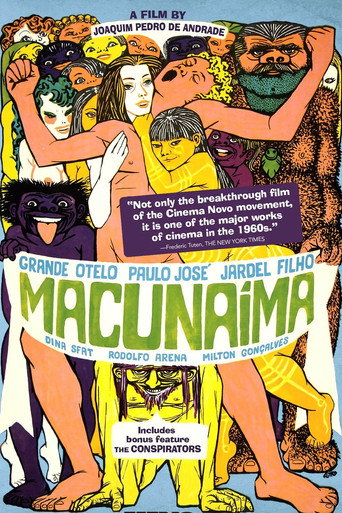
7.0Born a fully grown black man in a village in the Brazilian jungle, Macunaíma later magically transforms into a white man before making an adventure-filled trip to the city of São Paulo. Once there, he becomes something of a dandy, falling in love with Ci, a revolutionary who dies in an accidental bombing. After robbing a ruthless industrialist, Macunaima returns to his village where he finds his newly acquired knowledge and possessions of little use.
Macunaima
1969
Based on the life of the player Afonsinho, who was banned from playing football for growing his beard and hair and refusing to cut them. Fighting for his rights, the player managed to become the owner of his own transfer rights, that is, he obtained a "free transfer". From this incident, the film examines labor relations in Brazilian football.
Passe Livre
1974
No synopsis available yet.
O Visionário: A Poesia de Murilo Mendes
1983
 8.4
8.4Eduardo Coutinho was filming a movie with the same name in the Northeast of Brazil, in 1964, when there came the military coup. He had to interrupt the project, and came back to it in 1981, looking for the same places and people, showing what had ocurred since then, and trying to gather a family whose patriarch, a political leader fighting for rights of country people, had been murdered.
Twenty Years Later
1984
No synopsis available yet.
Cordiais Saudações
1968
 NR
NRThe origins and activities of the Academy, culminating in the election of the first female academic: Rachel de Queiroz.
Academia Brasileira de Letras
1977
Film credits
1980s · 3 titles
No synopsis available yet.
O Visionário: A Poesia de Murilo Mendes
1983
8.4Eduardo Coutinho was filming a movie with the same name in the Northeast of Brazil, in 1964, when there came the military coup. He had to interrupt the project, and came back to it in 1981, looking for the same places and people, showing what had ocurred since then, and trying to gather a family whose patriarch, a political leader fighting for rights of country people, had been murdered.
Twenty Years Later
1984
 NR
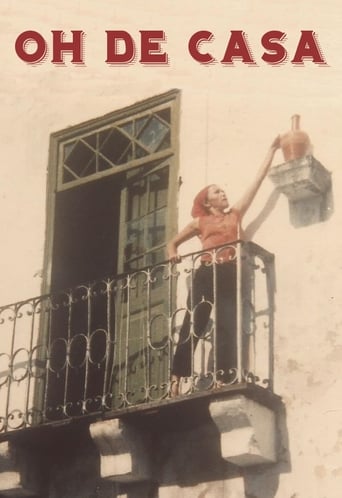
NRNo synopsis available yet.
Oh de Casa!
1985
1970s · 11 titles
Based on the life of the player Afonsinho, who was banned from playing football for growing his beard and hair and refusing to cut them. Fighting for his rights, the player managed to become the owner of his own transfer rights, that is, he obtained a "free transfer". From this incident, the film examines labor relations in Brazilian football.
Passe Livre
1974
NRThe origins and activities of the Academy, culminating in the election of the first female academic: Rachel de Queiroz.
Academia Brasileira de Letras
1977
It is the magazine that continues the Modern Art Week of 22.
Klaxon
1971
No synopsis available yet.
Visão do Nordeste
1974
 9.0
9.0Experimental film by Haroldo Marinho Barbosa.
Vida de Artista
1971
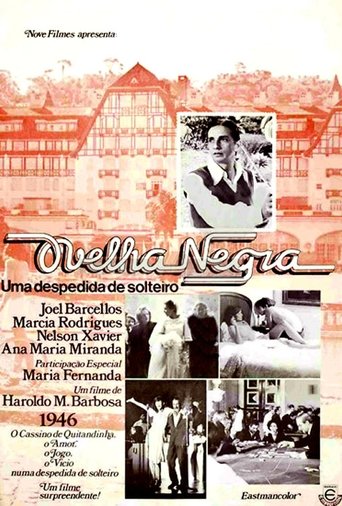 5.8
5.8João, a playboy, spends his last day as a single in a resort hotel, where he seduces a teenager and gets involved with the casino singer.
Ovelha Negra, Uma Despedida de Solteiro
1974
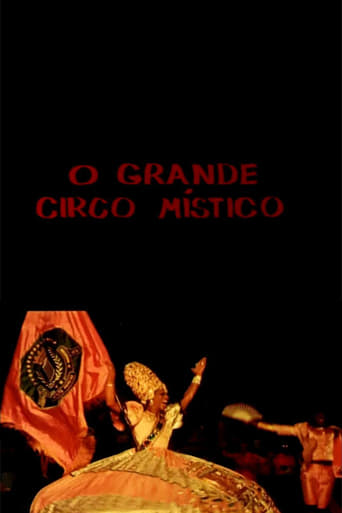 NR
NRThe world of Alagoas poet Jorge de Lima, author of unforgettable verses, is in O Grande Circo Místico, from 1977, directed by João Carlos Horta.
O Grande Circo Místico
1977
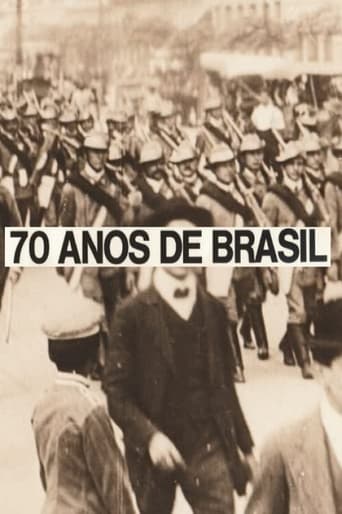 9.0
9.0A documentary assembled upon visual records of cultural, political and economic events from 20th century Brazilian life.
70 Anos de Brasil (Da Belle Époque aos Nossos Dias)
1975
 5.0
5.0A lesson in conciseness, expressiveness, and humor on the inexhaustible theme of the dream of making movies. A parodic lesson, a Brazilian version of historical scenes filmed by the Lumiére brothers in 1895—the baby, the bath in the garden, the workers leaving, and the arrival of the train. The melodrama of a couple of lovers through time and the history of cinema. Many sequence shots, as preferred and taught by Cinema Novo. Everything about a film being made and being watched. The language of cinema (shot, reverse shot, tracking shot, editing, mixing, dubbing, etc.), interspersed with quotes from Humberto Mauro, Godard, Glauber Rocha, and Rossellini.
Cinema
1974
 NR
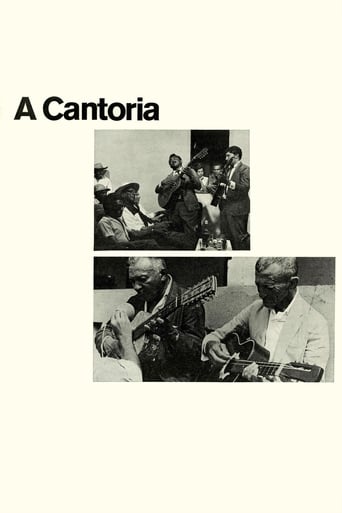
NRIn May 1969 at Tres Irmãos Farm, Caruaru, PE: Lourival Batista and Severino Pinto, two singers by profession, meet for a challenge. This film documents some moments of the Cantoria.
A Cantoria
1970
 NR
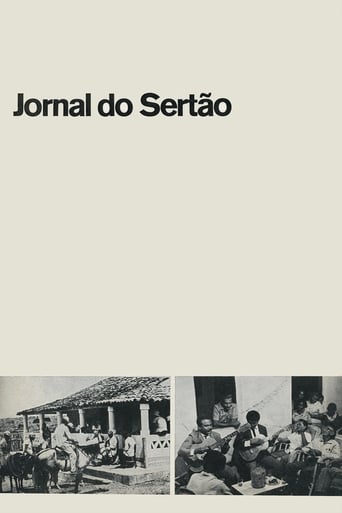
NRNo synopsis available yet.
Jornal do Sertão
1970
1960s · 4 titles
7.0Born a fully grown black man in a village in the Brazilian jungle, Macunaíma later magically transforms into a white man before making an adventure-filled trip to the city of São Paulo. Once there, he becomes something of a dandy, falling in love with Ci, a revolutionary who dies in an accidental bombing. After robbing a ruthless industrialist, Macunaima returns to his village where he finds his newly acquired knowledge and possessions of little use.
Macunaima
1969
No synopsis available yet.
Cordiais Saudações
1968
 6.8
6.8During the Brazilian military government, journalist Estêvão is sent from Rio de Janeiro to Brasilia to cover the important statement of a minister, but takes the opportunity to deliver incriminating documents to another one.
On Borrowed Time
1968
 NR
NRFilm portrait of Austrian intellectual, journalist and writer Otto Maria Carpeaux, who emigrated to Brazil to flee World Ward II, as his insights on the 1964 Brazilian dictatorship.
O Velho e o Novo
1967