
Directing
Wang Bing
Born
1967-11-16 (58)
Place of birth
Xi'an, Shaanxi Province, China
Known for
Directing
Credits
46 titles
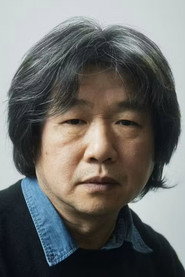
Wang Bing (Chinese: 王兵; pinyin: Wáng Bīng; born 16 November, 1967; Xi'an) is a Chinese documentary director, often referred to as one of the foremost figures in documentary film-making. Wang is the founder of his own production company, Wang Bing Studios, which produces most of his films. He began his career as an independent filmmaker in 1999. Discovered in 2003, "West of Tracks", an enormous documentary work of more than 9 hours, has garnered great success internationally. In addition to his feature documentaries, he is also active in video installation, fiction film and photography. His movie on Chinese labour camps, "The Ditch", was included in the 67th Venice Film Festival (2010) as the…
Known for
 5.0
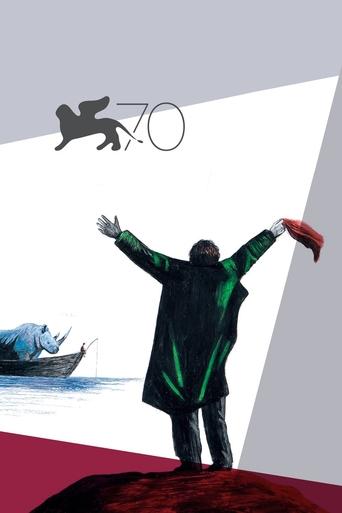
5.0Made for the Venice Film Festival's 70th anniversary, seventy filmmakers made a short film between 60 and 90 seconds long on their interpretation of the future of cinema.
Venice 70: Future Reloaded
2013
 8.2
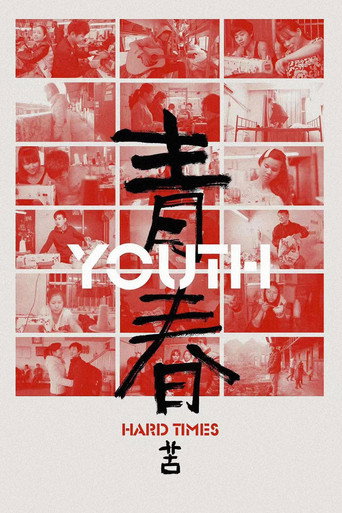
8.2In this enveloping second part of the Youth trilogy, shot between 2015 and 2019, Wang Bing deepens his vérité portrait of a generation struggling to survive on meager wages amidst a nation’s economic expansion, emphasizing the distrustful, increasingly combative relationship between workers and management.
Youth (Hard Times)
2025
 7.8
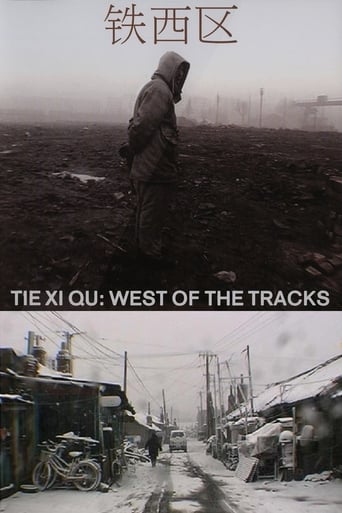
7.8A detailed look at the gradual decline of Shenyang’s industrial Tiexi district, an area that was once a vibrant example of China’s socialist economy. But industry is changing, and the factories of Tiexi are closing. Director Wang Bing introduces us to some of the workers affected by the closures, and to their families.
Tie Xi Qu: West of the Tracks
2004
 7.1
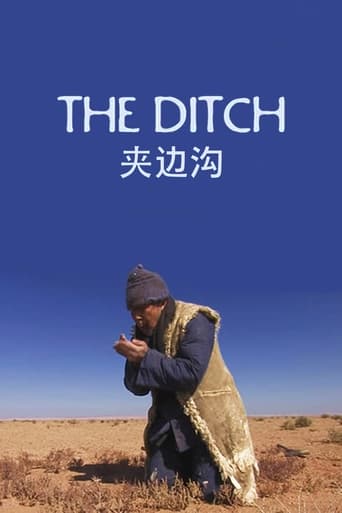
7.1The film focuses on the suffering of Chinese who were imprisoned in a forced labor camp called Jiabiangou in the Gobi Desert in winter 1960 under Mao Zedong on the grounds that they were "rightist elements". The film tells of the harsh life of these men, who coped with physical exhaustion, extreme cold, starvation and death on a daily basis.
The Ditch
2011
 6.9
6.9This film was shot between 2014 and 2019 in the town of Zhili, a district of Huzhou City in Zhejiang province, China. Zhili is home to over 18,000 privately-run workshops producing children's clothes, mostly for the domestic market, but some also for export. The workshops employ around 300,000 migrant workers, chiefly from the rural provinces of Yunnan, Guizhou, Anhui, Jiangxi, Henan and Jiangsu.
Youth (Spring)
2023
 7.1
7.1With Taiwan remaining in the grip of martial law in 1982, a group of filmmakers from that country set out to establish a cultural identity through cinema and to share it with the world. This engaging documentary looks at the movement's legacy.
Flowers of Taipei: Taiwan New Cinema
2014
Film credits
2010s · 5 titles
7.1With Taiwan remaining in the grip of martial law in 1982, a group of filmmakers from that country set out to establish a cultural identity through cinema and to share it with the world. This engaging documentary looks at the movement's legacy.
Flowers of Taipei: Taiwan New Cinema
2014
 NR
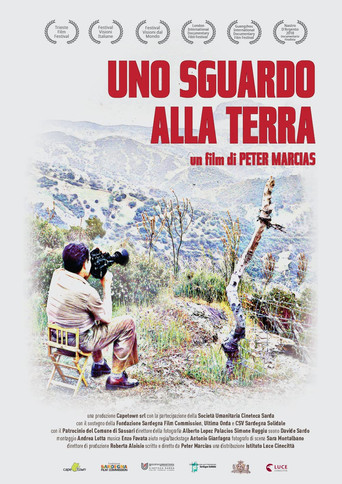
NRSardinia 2017. The starting point for the film is one of the most loved lands in the Mediterranean, using it to enter into the world of cinema. Ten international masters of cinema explain Fiorenzo Serra's images, one of the greatest post-war Italian documentary makers. His masterpiece, "The last punch of Earth", will be analyzed and debated, a film which examined Italian change and European reflection.
Uno sguardo alla Terra
2018
 NR
NRA portrait of the filmmaker and documenta 14 artist Wang Bing (winner of the Locarno Festival's Golden Leopard for "Mrs. Fang"). Wang Bing shot his previous films digitally, for example "15 Hours" which consists of a single 15-hour long shot. In Kassel, he bought his first Bolex (16 mm camera). With a stopwatch, he tests how long he film can film at a time.
Portrait Wang Bing
2017
 6.7
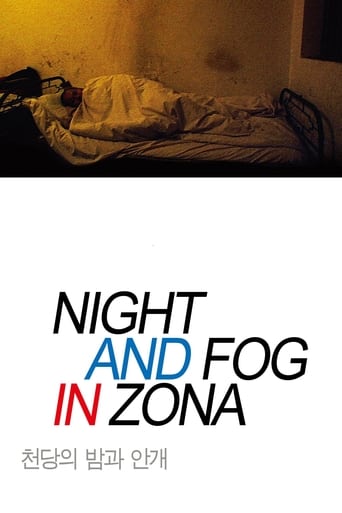
6.7Korean film critic Jeong Sung-il’s camera explores the work of Wang Bing, a Chinese director who won international fame with his film Tie Xi Qu: West of the Tracks. Jeong’s attempt to pry into Wang’s filmmaking secrets leads to the question: “What is film?”
Night and Fog in Zona
2018
 NR
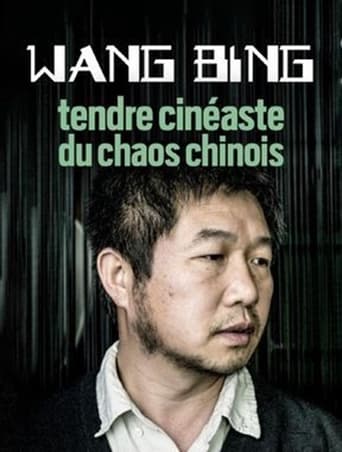
NRWang Bing is one of the greatest documentary-makers alive today, and his films offer a very insightful overview of the transformations occurring in Chinese society. Here, Dominique Auvray conducts an interview that, in addition to the biographical information, focuses above all on the relationship with things unsaid: Wang Bing attempts to do justice to his theme and the testimonies he’s gathered, but he stumbles over the words, struggling to keep his emotions in check. The pain of tackling history shows through the awkward speech.
Wang Bing, Tendre Cinéaste Du Chaos Chinois
2019

Behind the camera
5.0Made for the Venice Film Festival's 70th anniversary, seventy filmmakers made a short film between 60 and 90 seconds long on their interpretation of the future of cinema.
Venice 70: Future Reloaded
2013
8.2In this enveloping second part of the Youth trilogy, shot between 2015 and 2019, Wang Bing deepens his vérité portrait of a generation struggling to survive on meager wages amidst a nation’s economic expansion, emphasizing the distrustful, increasingly combative relationship between workers and management.
Youth (Hard Times)
2025
7.8A detailed look at the gradual decline of Shenyang’s industrial Tiexi district, an area that was once a vibrant example of China’s socialist economy. But industry is changing, and the factories of Tiexi are closing. Director Wang Bing introduces us to some of the workers affected by the closures, and to their families.
Tie Xi Qu: West of the Tracks
2004
7.8A detailed look at the gradual decline of Shenyang’s industrial Tiexi district, an area that was once a vibrant example of China’s socialist economy. But industry is changing, and the factories of Tiexi are closing. Director Wang Bing introduces us to some of the workers affected by the closures, and to their families.
Tie Xi Qu: West of the Tracks
2004
7.1The film focuses on the suffering of Chinese who were imprisoned in a forced labor camp called Jiabiangou in the Gobi Desert in winter 1960 under Mao Zedong on the grounds that they were "rightist elements". The film tells of the harsh life of these men, who coped with physical exhaustion, extreme cold, starvation and death on a daily basis.
The Ditch
2011
7.1The film focuses on the suffering of Chinese who were imprisoned in a forced labor camp called Jiabiangou in the Gobi Desert in winter 1960 under Mao Zedong on the grounds that they were "rightist elements". The film tells of the harsh life of these men, who coped with physical exhaustion, extreme cold, starvation and death on a daily basis.
The Ditch
2011
7.1The film focuses on the suffering of Chinese who were imprisoned in a forced labor camp called Jiabiangou in the Gobi Desert in winter 1960 under Mao Zedong on the grounds that they were "rightist elements". The film tells of the harsh life of these men, who coped with physical exhaustion, extreme cold, starvation and death on a daily basis.
The Ditch
2011
6.9This film was shot between 2014 and 2019 in the town of Zhili, a district of Huzhou City in Zhejiang province, China. Zhili is home to over 18,000 privately-run workshops producing children's clothes, mostly for the domestic market, but some also for export. The workshops employ around 300,000 migrant workers, chiefly from the rural provinces of Yunnan, Guizhou, Anhui, Jiangxi, Henan and Jiangsu.
Youth (Spring)
2023
 5.9
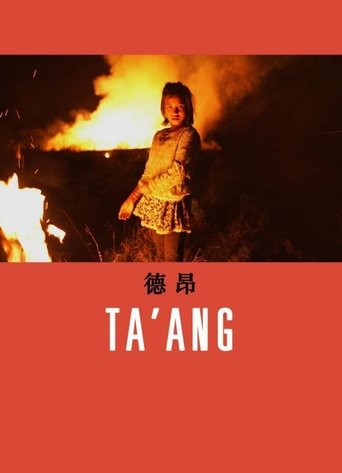
5.9The Ta'ang or Palaung people, an ethnic minority living in the mountainous area between Myanmar's Kokang region and China's Yunnan province, have historically suffered many forced migrations due to war. When their survival is threatened again in 2015, thousands of them flee across the border. Filmmaker Wang Bing accompanies them and becomes a privileged witness to a human story that is both a modern reportage and a mythical epic.
Ta'ang
2016
5.9The Ta'ang or Palaung people, an ethnic minority living in the mountainous area between Myanmar's Kokang region and China's Yunnan province, have historically suffered many forced migrations due to war. When their survival is threatened again in 2015, thousands of them flee across the border. Filmmaker Wang Bing accompanies them and becomes a privileged witness to a human story that is both a modern reportage and a mythical epic.
Ta'ang
2016
 7.6
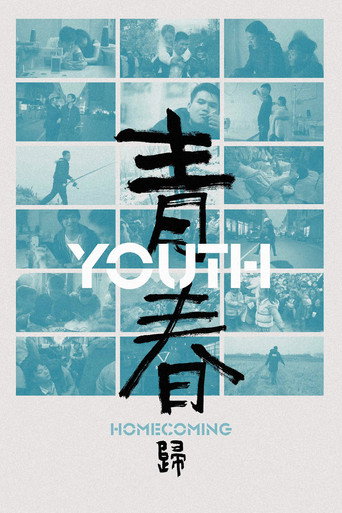
7.6Wang Bing concludes his monumental Youth trilogy in expansive fashion, giving ever wider scope to the lives of migrant workers in Zhili’s textile factories as they plan to go to their remote hometowns to visit their families and celebrate the festivities for New Year’s break.
Youth (Homecoming)
2025
7.6Wang Bing concludes his monumental Youth trilogy in expansive fashion, giving ever wider scope to the lives of migrant workers in Zhili’s textile factories as they plan to go to their remote hometowns to visit their families and celebrate the festivities for New Year’s break.
Youth (Homecoming)
2025
 7.1
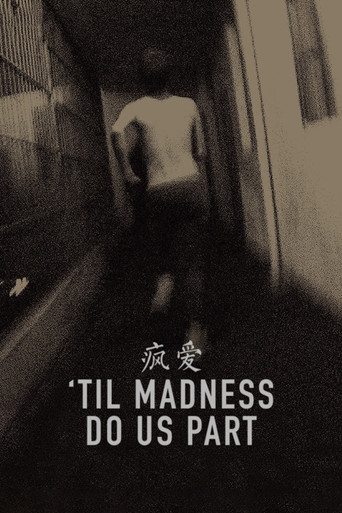
7.1An insight into the everyday lives of 50 inmates of a mental institution in the Chinese province of Yunnan, who are there for killing someone, committing a crime against a public official, or have a developmental disability.
'Til Madness Do Us Part
2014
7.1An insight into the everyday lives of 50 inmates of a mental institution in the Chinese province of Yunnan, who are there for killing someone, committing a crime against a public official, or have a developmental disability.
'Til Madness Do Us Part
2014
7.1An insight into the everyday lives of 50 inmates of a mental institution in the Chinese province of Yunnan, who are there for killing someone, committing a crime against a public official, or have a developmental disability.
'Til Madness Do Us Part
2014
 NR
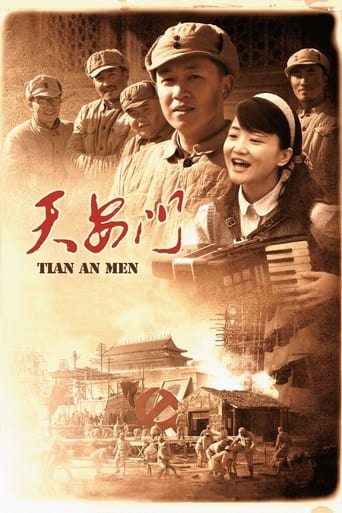
NRIt's 1949 and Tiananmen Square is a mess. Overgrown with weeds and thoroughly dilapidated it looks like hell, but it's where Chairman Mao wants to hold the Founding Ceremony for the People's Republic of China on October 1, 1949. And so TIAN AN MEN recounts the heroism, the struggle and the sacrifices of a People's Liberation Army unit as they...clean up and re-decorate the Tiananmen Gate? (Description by Subway Cinema)
Tiananmen
2009
 5.3
5.3Six directors, six independent films, six visions on the state of the world. Each carrying a unique and personal interpretation of a specific experience, their crossover creates new space for a dynamic and radical inquisitive reflection.
The State of the World
2007
5.3Six directors, six independent films, six visions on the state of the world. Each carrying a unique and personal interpretation of a specific experience, their crossover creates new space for a dynamic and radical inquisitive reflection.
The State of the World
2007
 6.1
6.1In a fast growing city of East China, migrants have been arriving and living for a dream of a better life. But what they find there is little opportunities and poor living conditions that push people, even couples, into violent and oppressive relations. Xiao Min, Ling Ling and Lao Yeh are some of the characters of this bitter chronicle of today China.
Bitter Money
2018
 NR
NRModern China. On a bright sunny day, in a building site, an industrial complex is being deconstructed. Night falls. The ruins of the factory are empty and silent. Phantoms appear, voices are heard, telling their stories....From the anthology The State of the World.
Brutality Factory
2007
NRModern China. On a bright sunny day, in a building site, an industrial complex is being deconstructed. Night falls. The ruins of the factory are empty and silent. Phantoms appear, voices are heard, telling their stories....From the anthology The State of the World.
Brutality Factory
2007
 7.4
7.4Wang Xilin, 86, is one of China's most important modern classical composers. During the Cultural Revolution he was the target of severe persecution, enduring beatings, imprisonment and torture. With excerpts from his Symphonies, he revisits for this film some of the horrifying events that still live on in his memory as testimony to an era that saw the dehumanization of the entire Chinese nation.
Man in Black
2023
 8.0
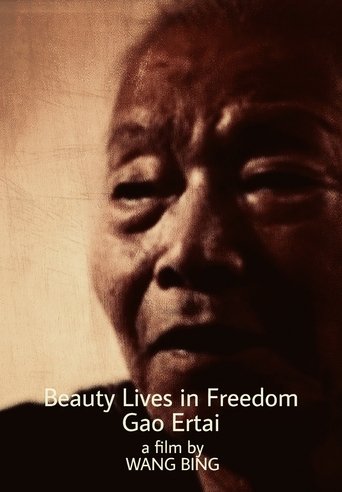
8.0Gao Ertai (1931) is an artist, teacher, philosopher who, in the 1950s, was imprisoned in the Jiabiangou Labour Camp. The film works as a diptych with Fengming, the confessional story of another victim of reprisals, and closes a vast film series on those who disappeared.
Beauty Lives in Freedom
2018
 7.4
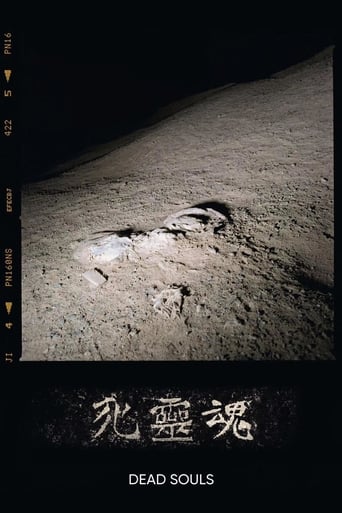
7.4In Gansu Province, northwest China, lie the remains of countless prisoners abandoned in the Gobi Desert sixty years ago. Designated as ultra-rightists in the Communist Party’s Anti-Rightist campaign of 1957, they starved to death in the reeducation camps. The film invites us to meet the survivors of the camps to find out firsthand who these persons were, the hardships they were forced to endure and what became their destiny.
Dead Souls
2018
7.4In Gansu Province, northwest China, lie the remains of countless prisoners abandoned in the Gobi Desert sixty years ago. Designated as ultra-rightists in the Communist Party’s Anti-Rightist campaign of 1957, they starved to death in the reeducation camps. The film invites us to meet the survivors of the camps to find out firsthand who these persons were, the hardships they were forced to endure and what became their destiny.
Dead Souls
2018
 6.4
6.4In 2010, while he was filming "Three Sisters" in the mountain of Yunnan province, Wang Bing met two teenagers, Yonggao and Yongjin, whose father, a stonemason, had gone to the city in the hope of finding work. Wang Bing met up with them again in 2014, when they had been reunited with their father after four years in Fumin. For about a month, Wang Bing filmed their daily lives in the single squalid room that was their home. The fixed camera recorded the micro-events that punctuated their days : their father leaving for work, the youngsters themselves waking up, breakfast time, in front of the television, etc.
Father and Sons
2014
 5.1
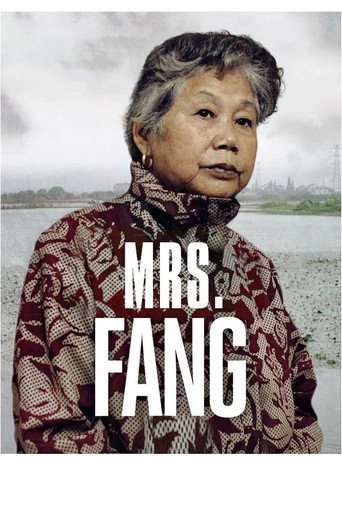
5.1In a quiet village in southern China, Fang Xiuying is sixty-seven years old. Having suffered from Alzheimer's for several years, with advanced symptoms and ineffective treatment, she was sent back home. Now, bedridden, she is surrounded by her relatives and neighbors, as they witness and accompany her through her last days.
Mrs. Fang
2018
5.1In a quiet village in southern China, Fang Xiuying is sixty-seven years old. Having suffered from Alzheimer's for several years, with advanced symptoms and ineffective treatment, she was sent back home. Now, bedridden, she is surrounded by her relatives and neighbors, as they witness and accompany her through her last days.
Mrs. Fang
2018
A collection of six documentary films featuring various locations and cultures of the world, screened at the Musée du Quai Branly from 18-23 May.
The Ways of the World: Vol. 1
2010
A collection of six documentary films featuring various locations and cultures of the world, screened at the Musée du Quai Branly from 18-23 May.
The Ways of the World: Vol. 1
2010
 7.8
7.8The film consists almost entirely of an interview with the elderly He Fengming, recounting her experiences in post-1949 China.
Fengming: A Chinese Memoir
2007
 6.2
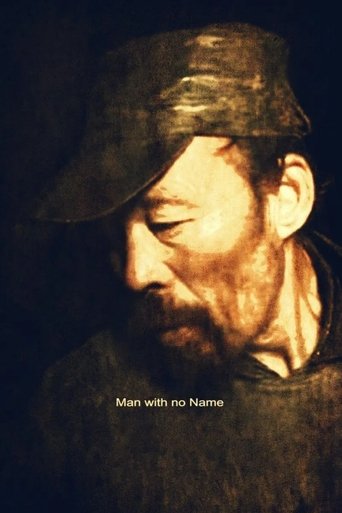
6.2The character of this story lives far from the worlds of the material and the spirit. He has built his own subsistence conditions. He often goes to the neighboring villages, although he doesn’t communicate with other people. He collects some waste but doesn’t beg. He prowls about the ruins of deserted villages, as an animal or as a ghost. Under double political and economical pressure, most of people are depriving of their last dignity into a world where it exists a lack of material and spirit. But a human being stays a human being. He is looking for reasons to continue to live. —Wang Bing
Man With No Name
2010
6.2The character of this story lives far from the worlds of the material and the spirit. He has built his own subsistence conditions. He often goes to the neighboring villages, although he doesn’t communicate with other people. He collects some waste but doesn’t beg. He prowls about the ruins of deserted villages, as an animal or as a ghost. Under double political and economical pressure, most of people are depriving of their last dignity into a world where it exists a lack of material and spirit. But a human being stays a human being. He is looking for reasons to continue to live. —Wang Bing
Man With No Name
2010
 7.5
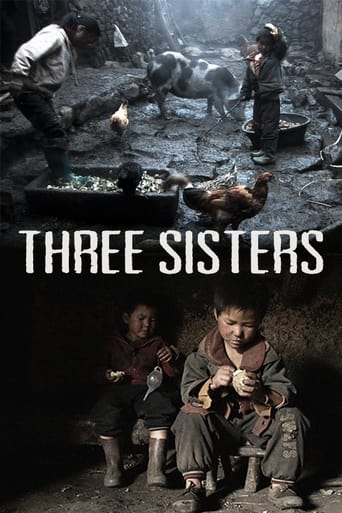
7.5The masterful new documentary from Wang Bing is an intimate, observational portrait of a peasant family who eke out a humble existence in a small village set against the stunning mountain landscapes of China's Yunnan province.
Three Sisters
2012
7.5The masterful new documentary from Wang Bing is an intimate, observational portrait of a peasant family who eke out a humble existence in a small village set against the stunning mountain landscapes of China's Yunnan province.
Three Sisters
2012
 10.0
10.0The town of Zhili accounts for 80 percent of China's output of children's clothes. 15 Hours was shot in August 2016. Zhili, part of the city of Huzhou in the province of Zhejiang, is home to around 18,000 small factories for children's clothing, manned throughout the year by over 200,000 migrant workers. In the 1980s, Zhejiang saw the emergence of a private capital-based garment industry open to any and all operators prepared to invest in flexible business models based on mutual credit or leasing. This film documents one day in the lives of the workers of 68 Xisheng Road in Zhili.
15 Hours
2017
 NR
NRFour years ago, Kingsley arrived from Nigeria in Guangzhou, China and shared a small room with other Africans in the basement of a commercial building. He converted this modest space into a barber’s shop. Kingsley is keen to start an import and export company and to register it officially in Guangzhou. He works every day until 11 pm then goes to sleep in a chair at McDonald’s. He must also send money to his wife, so despite all his efforts, he is still unable to put aside enough money to register his business. In mid-November 2019, he goes back to Lagos to renew his visa. There, he and his wife rent a small stall in the Ikotun Market in the suburbs. But business is hard. Early in 2020, Kingsley is due to head back to China to continue his quest, but with all travel blocked by the Covid-19 epidemic, he remains stuck in Nigeria. Meanwhile, in Guangzhou, the director meets Evelyn, a Nigerian woman, trying to survive with her 6-year-old daughter and with another one on the way.
I Come From Ikotun
—
 7.6
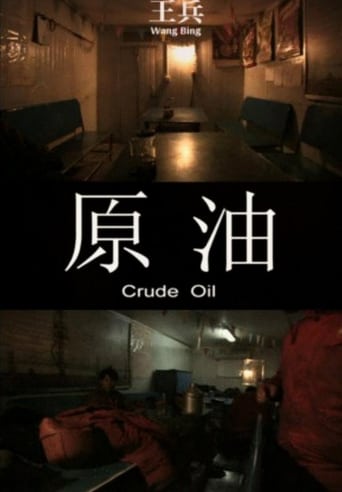
7.6Filmed in the Inner Mongolian portion of the Gobi Desert, this film follows a group of oil field workers as they go about their daily routine.
Crude Oil
2008
7.6Filmed in the Inner Mongolian portion of the Gobi Desert, this film follows a group of oil field workers as they go about their daily routine.
Crude Oil
2008
 6.9
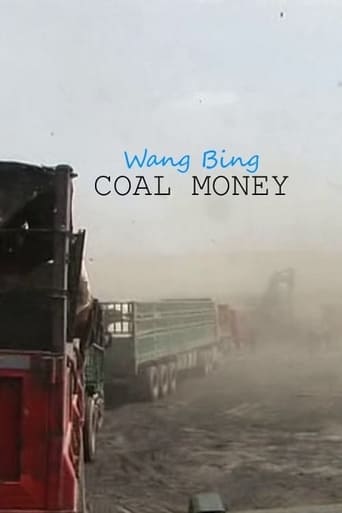
6.9On the coal road linking the Shanxi mines with the large port of Tianjin, in northern China, the drivers of 100-ton trucks shuttle endlessly to and from, day and night. On the roadside: prostitutes, cops, petty racketeers, garage owners, mechanics.
Coal Money
2009