
Directing
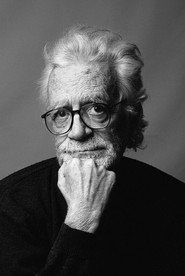
Eduardo Coutinho
Born — Died
1933-05-11 — 2014-02-02
Place of birth
São Paulo, São Paulo, Brazil
Known for
Directing
Credits
69 titles
Eduardo de Oliveira Coutinho OMC (São Paulo, May 11, 1933 — Rio de Janeiro, February 2, 2014) was a Brazilian filmmaker and journalist. He is considered by many to be the greatest documentary filmmaker in the history of Brazilian cinema. His brand was to make films that privileged the stories of ordinary people. His masterpiece is Cabra Marcado para Morrer, which marked his career as Brazil's leading documentary filmmaker. Among other notable works of his career are the documentaries Santo Forte, Edifício Master, Peões, Jogo de Cena and As Canções.
Known for
 6.5
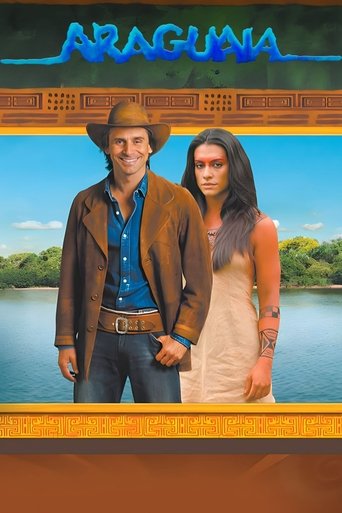
6.5Upon discovering that he is marked for death due to a curse placed on his ancestors, Solano, with Estela's support, embarks on a journey of revelations about his origins.
Destiny River
2010
 6.8
6.8After the death of her handsome but good-for-nothing husband Vadinho, Flor, a widow, marries Dr. Teodoro, a respectable gentleman. Hilarity ensues when Vadinho's spirit returns into her life.
Dona Flor and Her Two Husbands
1976
 6.9
6.9In the favelas of Rio de Janeiro of the 1930s, João Francisco dos Santos is several things — son of slaves, ex-convict, thug, homosexual and adopted father for a number of pariahs. João expresses himself on the stage of a cabaret as Madame Satã.
Madame Satã
2002
 7.2
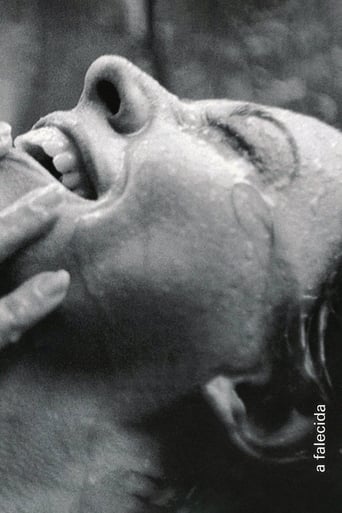
7.2After visiting a fortune teller, Zulmira is informed that a blonde woman will threaten her peace. After talking to her husband Toninho, she suspects that her cousin Glorinha may be that blonde.
The Deceased
1965
 5.0
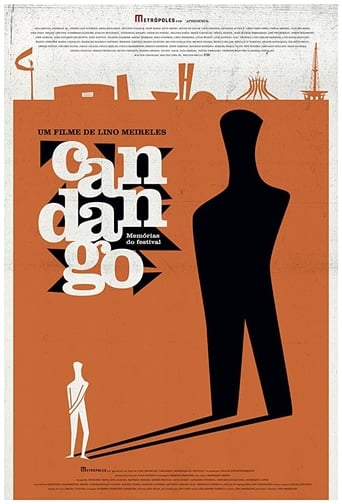
5.0In 1965, a year after the military coup in Brazil, an oasis of freedom opened in the country's capital. The Brasília Film Festival: a landmark of cultural and political resistance. Its story is that of Brazilian cinema itself.
Candango: Memoirs from a Festival
2020
 7.9
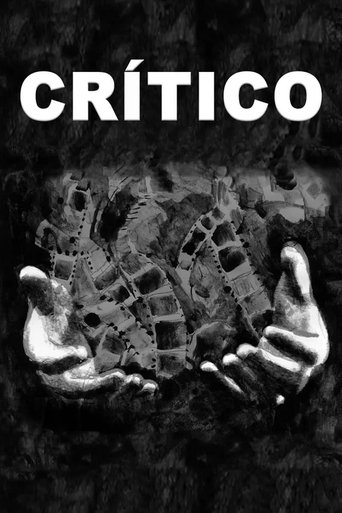
7.9Seventy critics and filmmakers discuss cinema around the conflict between the artist and the observer, the creator and the critic. Between 1998 and 2007, Kléber Mendonça Filho recorded testimonies about this relationship in Brazil, the United States and Europe, based on his experience as a critic.
Critic
2008
Film credits
2020s · 2 titles
5.0In 1965, a year after the military coup in Brazil, an oasis of freedom opened in the country's capital. The Brasília Film Festival: a landmark of cultural and political resistance. Its story is that of Brazilian cinema itself.
Candango: Memoirs from a Festival
2020
 NR
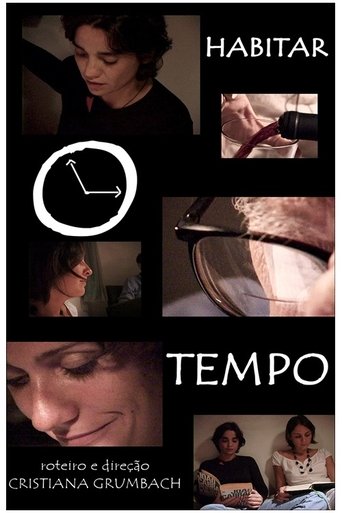
NRMay's full moon. Six friends. Two poems. One night, 22 years ago.
Inhabiting Time
2025
2010s · 9 titles
 NR
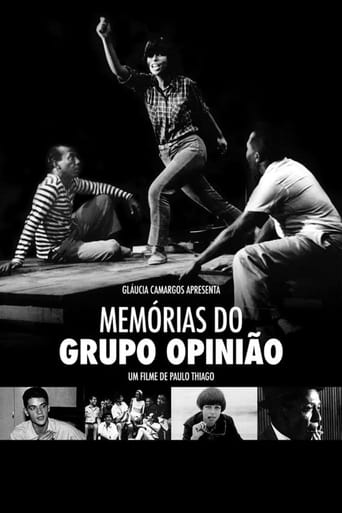
NRFollows the story of Opinião, a theatre group created in 1964 during the early Brazilian dictatorship period to oppose the government through artistic performances. Considered the first left-wing response to the dictatorship, the group gathered now famous Brazilian artists such as Nara Leão, Maria Bethânia, João do Vale and Millôr Fernandes.
Memórias do Grupo Opinião
2019
 NR
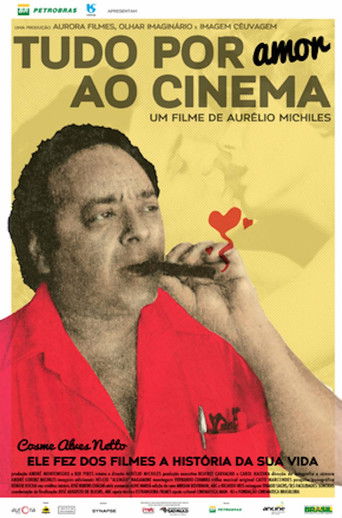
NRA documentary on Cosme Alves Netto (1937-1996), former head of the Cinematheque of the Museum of Modern Arts at Rio de Janeiro.
Tudo Por Amor ao Cinema
2015
 NR
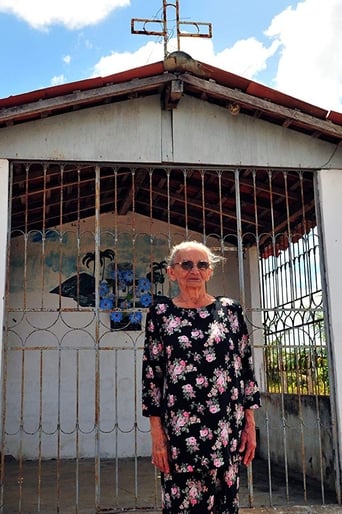
NRShort documentary about a woman known from a film by Eduardo Coutinho.
Uma Visita Para Elizabeth Teixeira
2011
 10.0
10.0How much theatricality is there in an interview-based documentary? On one side, someone answers. On the other side, someone asks questions – usually away from the camera eyes. But what would happen if also filmed the interviewers? And if the respondent also had the right to ask? And if the parties never met? What if instead of a glimpse into someone’s life, we had several? ‘Seven visits’ is a film about questions. And about the act of being interested in the other.
Sete Visitas
2015
 5.2
5.2The Method shows and reveals the knowledge and tools used by great documentary filmmakers on the challenge of representing the reality.
The Method
2019
 6.4
6.4Would have one of the masters of Brazilian cinema always made the same film? From an encounter with documentarian Eduardo Coutinho recorded in 2012 and a vast amount of archive footage, this film offers a general look at Coutinho's work and testifies how the filmmaker’s thinking still stand the test of time to this day and age.
A Treat of Coutinho
2019
 7.0
7.0A conversation with Brazilian documentary filmmaker Eduardo Coutinho about his work and methods.
Eduardo Coutinho, 7 de outubro
2013
 7.5
7.5Made from interviews with young Brazilian students by filmmaker Eduardo Coutinho before his death (in February 2014), the film seeks to understand how teenagers think, live and dream nowadays. The footage was edited by Coutinho’s longtime partner, film editor Jordana Berg, and the final cut is signed by João Moreira Salles.
Last Conversations
2015
 NR
NRIn an open conversation with Eduardo Coutinho, the filmmaker analyzes the period he worked for Globo Repórter on TV Globo. During the military dictatorship, he produced documentaries with a strong social focus. This experience marked his transition into a documentary filmmaker. After his time at Globo Repórter, he completed his most important film: "Twenty Years Later."
Coutinho Reporter
2011
2000s · 10 titles
6.9In the favelas of Rio de Janeiro of the 1930s, João Francisco dos Santos is several things — son of slaves, ex-convict, thug, homosexual and adopted father for a number of pariahs. João expresses himself on the stage of a cabaret as Madame Satã.
Madame Satã
2002
7.9Seventy critics and filmmakers discuss cinema around the conflict between the artist and the observer, the creator and the critic. Between 1998 and 2007, Kléber Mendonça Filho recorded testimonies about this relationship in Brazil, the United States and Europe, based on his experience as a critic.
Critic
2008
 5.0
5.0Documentary that shows the events that culminated in the deposition of President João Goulart, on March 31, 1964, and the implementation of the military dictatorship in Brazil. Around 40 characters reveal behind the scenes and comment in detail on this important moment in Brazilian political history.
1964: 40 Years After
2004
 5.7
5.7Continuing the exploration of the thin line between truth and performance, Eduardo Coutinho turns his attention to the drama generated during rehearsals for the Galpão Theater Company’s performance of Chekov’s The Three Sisters. As he shoots scenes from the play, Coutinho attempts to capture the very moment in which reality becomes fiction and vice versa—whether through the actors’ bodies and words or in backstage scenes of a performance that will exist only on film.
Moscow
2009
 6.1
6.1From cinema-verite; pioneers Albert Maysles and Joan Churchill to maverick movie makers like Errol Morris, Werner Herzog and Nick Broomfield, the world's best documentarians reflect upon the unique power of their genre. Capturing Reality explores the complex creative process that goes into making non-fiction films. Deftly charting the documentarian's journey, it poses the question: can film capture reality?
Capturing Reality
2008
 8.4
8.4Following a newspaper ad, ordinary women tell part of their life stories to director Eduardo Coutinho, which are then re-enacted by actresses, blurring the barriers between truth, fiction and interpretation.
Playing
2007
 8.1
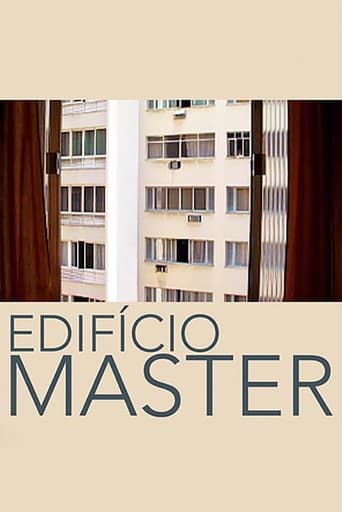
8.1The daily lives and routine of 37 families living in a huge 12-story building in Copacabana, Rio de Janeiro: their drama, aspirations, intimate revelations, loneliness, dreams...
Master, a Building in Copacabana
2002
 7.9
7.9Documentary on poor people living in a slum in Rio de Janeiro, on the occasion of New Year's Eve of 1999.
Babilônia 2000
2001
 7.0
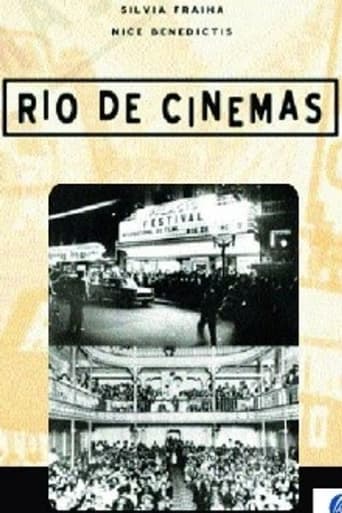
7.0The story of Rio de Janeiro’s movie theaters and the radical transformation they have endured since the invention of Cinema.
Movie Theaters of Rio
2001
 8.0
8.0The audience follows the creative process of the filmmaker Eduardo Coutinho in the documentary, from the research phase until the end of the filming of "Master, a Building in Copacabana".
Coutinho.doc - Apartment 608
2009
1990s · 3 titles
 7.6
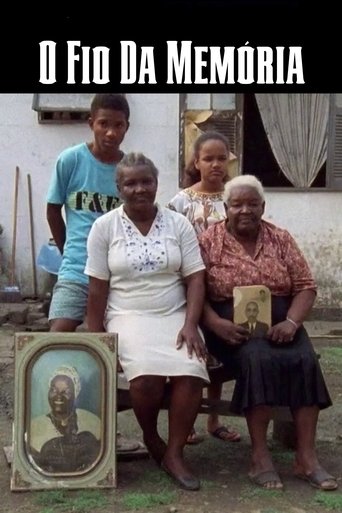
7.6A panorama of the Brazilian black experience, starting with the figure of the semi-illiterate popular artist and employee of a salt mine Gabriel Joaquim dos Santos.
The Memory Thread
1991
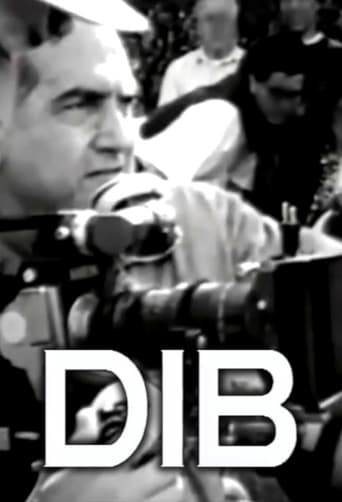 8.0
8.0Documentary that addresses, through the testimony of directors and actors, the work of Dib Lutfi, considered one of the greatest photographers of Brazilian cinema.
Dib
1997
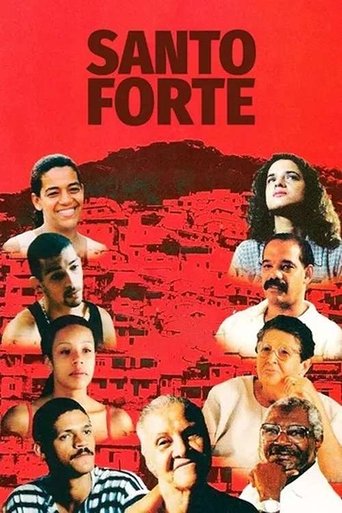 7.1
7.1An overview of Brazilian spirituality and religions.
The Mighty Spirit
1999

1960s · 2 titles
 6.3
6.3Chronicles the life of a 17 year-old girl living in the upper-class Rio de Janeiro neighbourhood of Ipanema. Márcia lives a life of parties and spend her days among bohemians, musicians and intellectuals. While seeming happy in the outside, she's extremely anguished inside. Based on the famous song by Antonio Carlos Jobim and Vinicius de Moraes.
The Girl from Ipanema
1967
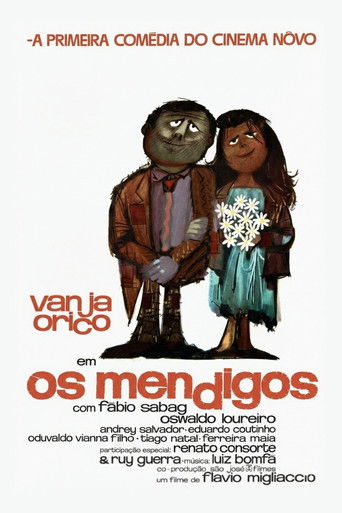 9.0
9.0A young female fugitive escapes from a juvenile institution (the Child Assistance Service) and joins a group of poor beggars with the intention of finding a potential partner to marry in order to avoid her return to that place.
The Beggars
1963
Series credits
Behind the camera
6.8After the death of her handsome but good-for-nothing husband Vadinho, Flor, a widow, marries Dr. Teodoro, a respectable gentleman. Hilarity ensues when Vadinho's spirit returns into her life.
Dona Flor and Her Two Husbands
1976
7.2After visiting a fortune teller, Zulmira is informed that a blonde woman will threaten her peace. After talking to her husband Toninho, she suspects that her cousin Glorinha may be that blonde.
The Deceased
1965
 8.4
8.4Eduardo Coutinho was filming a movie with the same name in the Northeast of Brazil, in 1964, when there came the military coup. He had to interrupt the project, and came back to it in 1981, looking for the same places and people, showing what had ocurred since then, and trying to gather a family whose patriarch, a political leader fighting for rights of country people, had been murdered.
Twenty Years Later
1984
8.4Eduardo Coutinho was filming a movie with the same name in the Northeast of Brazil, in 1964, when there came the military coup. He had to interrupt the project, and came back to it in 1981, looking for the same places and people, showing what had ocurred since then, and trying to gather a family whose patriarch, a political leader fighting for rights of country people, had been murdered.
Twenty Years Later
1984
8.4Eduardo Coutinho was filming a movie with the same name in the Northeast of Brazil, in 1964, when there came the military coup. He had to interrupt the project, and came back to it in 1981, looking for the same places and people, showing what had ocurred since then, and trying to gather a family whose patriarch, a political leader fighting for rights of country people, had been murdered.
Twenty Years Later
1984
5.7Continuing the exploration of the thin line between truth and performance, Eduardo Coutinho turns his attention to the drama generated during rehearsals for the Galpão Theater Company’s performance of Chekov’s The Three Sisters. As he shoots scenes from the play, Coutinho attempts to capture the very moment in which reality becomes fiction and vice versa—whether through the actors’ bodies and words or in backstage scenes of a performance that will exist only on film.
Moscow
2009
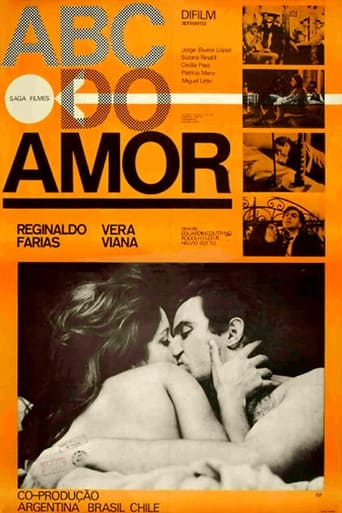 6.0
6.0Film that includes three short films by different authors about love: "O pacto" by Eduardo Coutinho, "Terrible Night" by Rodolfo Kuhn, and "Magic World" by Helvio Soto.
The ABC of Love
1967
 6.9
6.9The documentary tracks 19 hours of broadcasting from several brazilian TV channels making live surfing between channels. The result was edited latter.
A Day in the Life
2010
6.9The documentary tracks 19 hours of broadcasting from several brazilian TV channels making live surfing between channels. The result was edited latter.
A Day in the Life
2010
 5.8
5.8In a fictitious country, a civil servant receives the greatest inheritance in history (ten trillion dollars) and is confined by authorities to prevent a collapse of the world economy. But he manages to escape.
The Man Who Bought the World
1968
5.8In a fictitious country, a civil servant receives the greatest inheritance in history (ten trillion dollars) and is confined by authorities to prevent a collapse of the world economy. But he manages to escape.
The Man Who Bought the World
1968
7.6A panorama of the Brazilian black experience, starting with the figure of the semi-illiterate popular artist and employee of a salt mine Gabriel Joaquim dos Santos.
The Memory Thread
1991
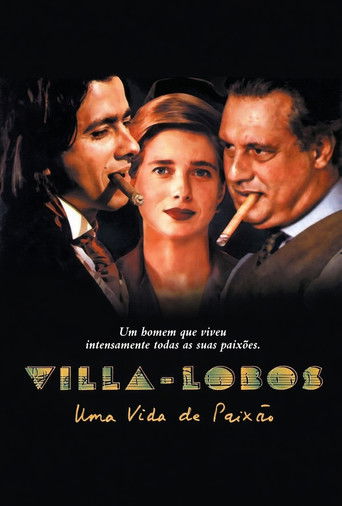 6.0
6.0The film tells the story of an intuitive, adventurous man who loved his country and being Brazilian. This man fought to be loyal to himself. His music is a transparent portrait of his genius, intuition, freedom, adventure and passion for Brazil.
Villa-Lobos: A Life of Passion
2000
8.4Following a newspaper ad, ordinary women tell part of their life stories to director Eduardo Coutinho, which are then re-enacted by actresses, blurring the barriers between truth, fiction and interpretation.
Playing
2007
8.4Following a newspaper ad, ordinary women tell part of their life stories to director Eduardo Coutinho, which are then re-enacted by actresses, blurring the barriers between truth, fiction and interpretation.
Playing
2007
6.3Chronicles the life of a 17 year-old girl living in the upper-class Rio de Janeiro neighbourhood of Ipanema. Márcia lives a life of parties and spend her days among bohemians, musicians and intellectuals. While seeming happy in the outside, she's extremely anguished inside. Based on the famous song by Antonio Carlos Jobim and Vinicius de Moraes.
The Girl from Ipanema
1967
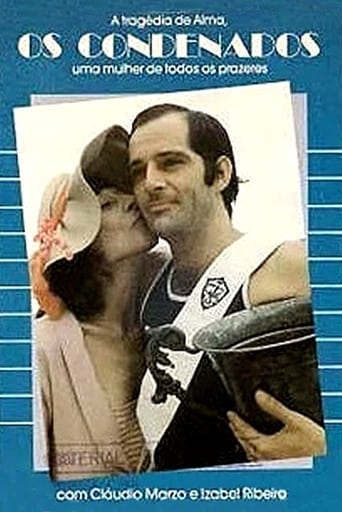 6.0
6.0In São Paulo, during the 1920s, a woman who is loved by a telegraphist and seduced by a slacker ends up in prostitution.
Os Condenados
1974
 8.0
8.0After an initial meeting in 1964 interrupted by military dictatorship and a new meeting in the early 1980s to end the film "Twenty Years Later", Eduardo Coutinho once again find Elizabeth Teixeira, survivor of peasant struggles.
Fifty Years Later
2014
8.1The daily lives and routine of 37 families living in a huge 12-story building in Copacabana, Rio de Janeiro: their drama, aspirations, intimate revelations, loneliness, dreams...
Master, a Building in Copacabana
2002
8.1The daily lives and routine of 37 families living in a huge 12-story building in Copacabana, Rio de Janeiro: their drama, aspirations, intimate revelations, loneliness, dreams...
Master, a Building in Copacabana
2002
The life and work of deputy Ulysses Guimarães based on news reports, interviews and testimonies.
Ulysses Cidadão
1993
 7.0
7.0No synopsis available yet.
O Homem de Areia
1982
7.9Documentary on poor people living in a slum in Rio de Janeiro, on the occasion of New Year's Eve of 1999.
Babilônia 2000
2001
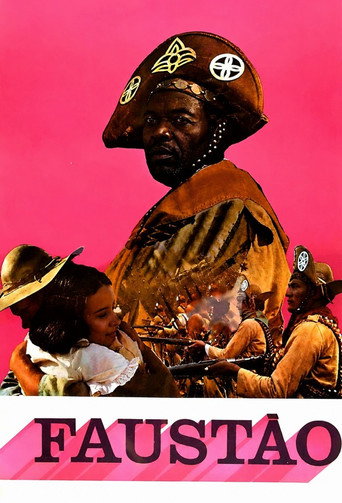 8.0
8.0A gang of bandits led by Faustão intervene in a fight between two members of rival families, the Pereiras and the Araújos. Henrique Pereira, son of Colonel Pereira, is wounded in an ambush. Faustão rescues him and demands the father to pay a ransom in exchange for the life of his son. The bandit makes it clear to Henrique that he is not a prisoner and that he is only obeying the law of the backlands. Lucena, a henchman working for the Araújos, finds Faustão and offers twice the amount being asked to the colonel in order to take Henrique as a prisoner, but the bandit refuses the offer. Colonel Henrique pays the ransom, but the son refuses to return home, even being aware of the feud between his family and the Araújos. The young man chooses to join the gang.
Faustão
1971
8.0A gang of bandits led by Faustão intervene in a fight between two members of rival families, the Pereiras and the Araújos. Henrique Pereira, son of Colonel Pereira, is wounded in an ambush. Faustão rescues him and demands the father to pay a ransom in exchange for the life of his son. The bandit makes it clear to Henrique that he is not a prisoner and that he is only obeying the law of the backlands. Lucena, a henchman working for the Araújos, finds Faustão and offers twice the amount being asked to the colonel in order to take Henrique as a prisoner, but the bandit refuses the offer. Colonel Henrique pays the ransom, but the son refuses to return home, even being aware of the feud between his family and the Araújos. The young man chooses to join the gang.
Faustão
1971
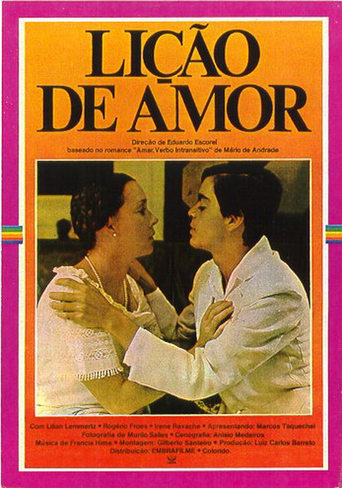 4.6
4.6A German governess is hired to give German and piano lessons to the teenager son of a rich traditional family, in the 20s. But soon they get involved, and she teaches him love lessons instead.
Love Lesson
1975
 NR
NRStimulated by sketches in which young actors improvise about situations related to AIDS and Sexually Transmitted Diseases (STDs), students from a public school in Rio de Janeiro and teenagers from the Zona Sul and the Baixada Fluminense debate these themes. This video was made by CECIP for the Adolescence and STD / AIDS Project, with the support of the Ministry of Health's National STD / AIDS Control Program.
Dá pra Segurar!
1997
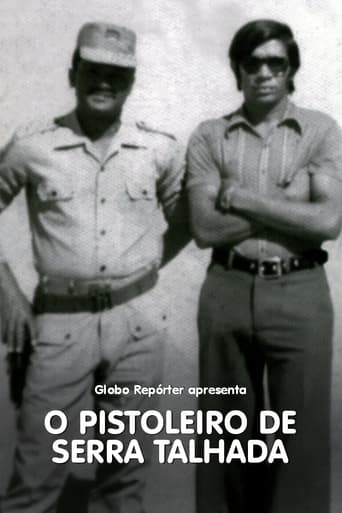 NR
NRA documentary by Eduardo Coutinho about a hired-gun from Brazil's Northeast.
O Pistoleiro de Serra Talhada
1977
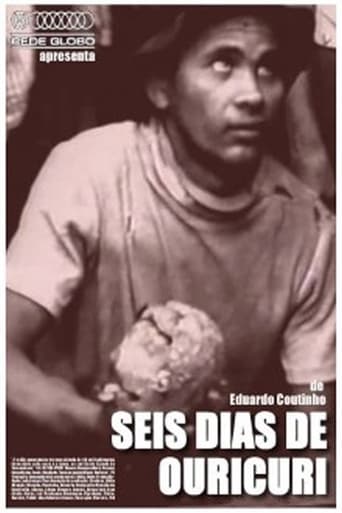 NR
NREarly documentary by Eduardo Coutinho dealing with the water shortage in the city of Ouricuri in the seventies.
Seis Dias de Ouricuri
1976
NREarly documentary by Eduardo Coutinho dealing with the water shortage in the city of Ouricuri in the seventies.
Seis Dias de Ouricuri
1976
 7.0
7.0The daily life in a shantytown in the north part of Rio de Janeiro, with 10,000 people living in bad conditions, their problems and the issue of police violence.
Santa Marta: Duas Semanas no Morro
1987
 NR
NRMedium length film on environmental protection in the 1988 Brazilian Constitution.
A Lei e a Vida
1992
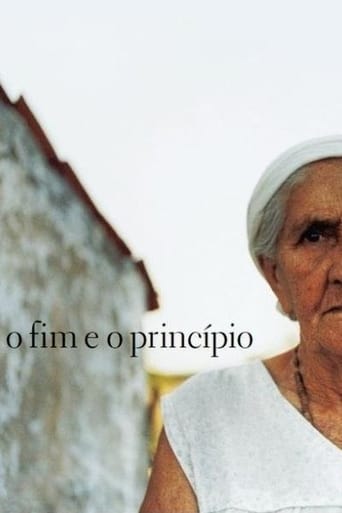 4.6
4.6A film that began from zero. Without any previous research, characters, locations or established themes, a film crew arrives at the Paraiba backlands in search of people with stories to tell. In the town of São João do Rio Peixe, they discover the Araçás Farm, a rural community where 86 families live, the majority connected by family ties. Thanks to the mediation of a young woman from Araçás, the residents – consisting mostly of elderly people – tell their life stories, marked by popular Catholicism, hierarchy, a sense of family and honor. A world on the verge of disappearing.
The End and the Beginning
2006
7.1An overview of Brazilian spirituality and religions.
The Mighty Spirit
1999
7.1An overview of Brazilian spirituality and religions.
The Mighty Spirit
1999
 6.7
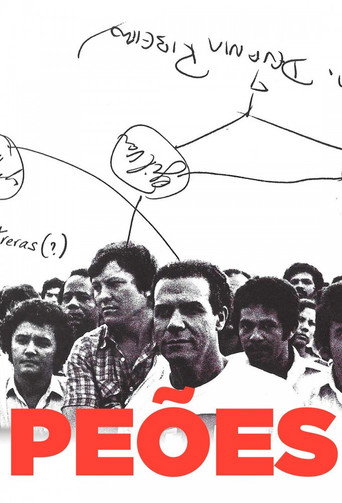
6.7In 1979 and 1980, workers in São Paulo’s metallurgical industry organized a series of strikes that changed the face of union politics in Brazil. In the process, they established the groundwork for Brazil’s Worker’s Party and brought to the national spotlight union leader Luís Inácio Lula da Silva. Metalworkers is a feature-length documentary about the stories of 21 of these workers who took part in these historic strikes but remain in relative anonymity today.
Metalworkers
2004
 NR
NRIn the late 1970s, the labor movement began to gain strength. In 1988, the workers of the National Steel Company (CSN) in the city of Volta Redonda decreed a great strike. Military intervention is immediate; repression kills three young workers and injures dozens.
Volta Redonda – Memorial Da Greve
1989
 NR
NRSix stories of children and adolescents who had their rights violated, and the reality of the Rights Councils and Guardianship Councils (newly created in 1995) of two Brazilian cities, Blumenau and Belo Horizonte.
Seis Histórias
1995
 7.0
7.0In January 2013, Eduardo Coutinho back to Pernambuco to rediscover two of the characters in "Twenty Years Later" (1984): Cicero and João José.
Sobreviventes de Galileia
2014
 8.7
8.7In this documentary Coutinho examines the plight of the people who live off the waste of the Brazilian cities. These people make their living by scavenging the immense urban garbage dumps searching for whatever they can find to sell as well as whatever they can find to eat.
The Scavengers
1992