
Directing
Herbert Kline
Born — Died
1909-03-13 — 1999-02-05
Place of birth
Chicago, Illinois, U.S.
Known for
Directing
Credits
21 titles
Herbert Kline (March 13, 1909 – 1999) was an American filmmaker known for his powerful documentary work and political activism. Born in Chicago and raised in Davenport, Iowa, Kline was involved in Leftist organizations and contributed to theater and film as an editor, playwright, and director. His early career included editing a theater magazine and staging Clifford Odets' plays. His documentaries covered major historical events, including the Spanish Civil War, Nazi invasions, the Holocaust, and the Mexican Revolution, as well as social topics like modern art and sports. Despite being blacklisted during the 1950s for his political views, Kline returned to filmmaking in the 1970s. He was mar…
Known for
 5.7
5.7Narrated by Ricardo Montalbán, this documentary examines the history of Mexican murals and their artists. Among the works examined are those by José Clemente Orozco, Diego Rivera and David Alfaro Siqueiros.
Walls of Fire
1971
 5.1
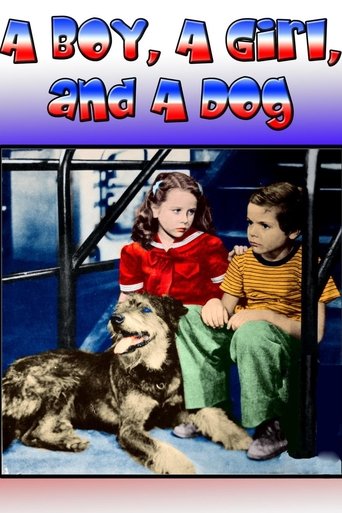
5.1During World War II, a young boy and girl, living with their respective families in an apartment house that had restrictions against pets, adopt a lost dog and hide it in a vacant apartment, which may have been the only vacant apartment in the United States at the time this movie was being filmed. A burglar breaks in and the apartment is damaged when the dog and crook have a tussle. This blows the dog's cover, but the kids enlist him in the K-9 Corps, and the dog distinguishes himself in the WWII Italian campaign
A Boy, a Girl and a Dog
1946
 6.5
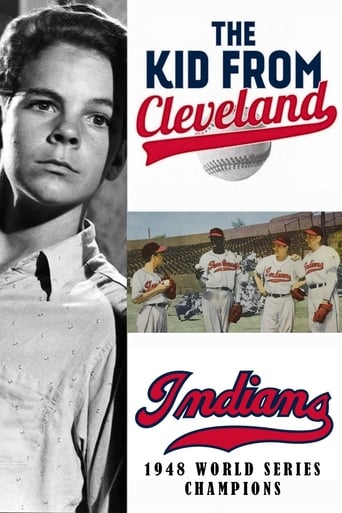
6.5Johnny Barrows, a young man heading toward a life of juvenile delinquency as his home life spirals out of control, sneaks into the 1948 World Series and seeks friendship by playing a sympathetic orphan. He finds stability and mentorship in sportscaster Mike Jackson and the Cleveland Indians, who try to set Johnny on the right path in this touching story for the whole family.
The Kid from Cleveland
1949
 5.5
5.5A boxer, in Mexico, sets out to avenge the murder of his family by using the money from his winnings to purchase weapons.
The Fighter
1952
 6.4
6.4The Challenge... A Tribute to Modern Art is a 1974 American documentary film directed by Herbert Kline. The film shows footage of great modern artists in their studios creating and commenting on their work, with narration and commentary by Orson Welles. It was nominated for an Academy Award for Best Documentary Feature.
The Challenge... A Tribute to Modern Art
1974
 5.3
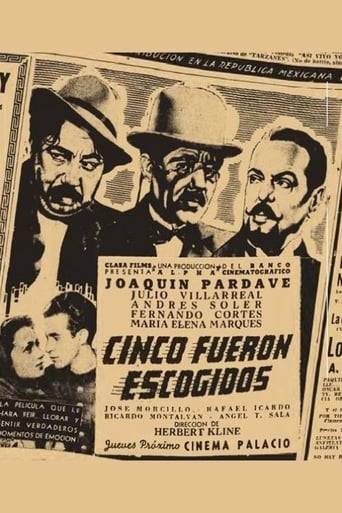
5.3Cinco fueron escogidos taking place in Slavko, a "peaceful town in Yugoslavia," with only Yugoslavians and Germans as characters, not a Mexican or Spaniard in sight. Another interesting point about Cinco fueron escogidos is the existence of an alternate version, shot in English with a different cast (at least in major roles). Sadly, this film, usually referred to as "Five Were Chosen" but sometimes called "Hostages" (not to be confused with the somewhat similar 1943 Hollywood movie with that title), appears to be lost. García Riera indicates the English-language version was screened in Mexico, at least for the press, but does not seem to have been released commercially in the Mexico or the USA. Since Herbert Kline was well-known for his leftist views, it's not surprising to note that many of the imported Hollywood actors were also left-leaning (and in fact more than one was blacklisted during the Red Scare era).
Cinco fueron escogidos
1943
Film credits
Behind the camera
5.7Narrated by Ricardo Montalbán, this documentary examines the history of Mexican murals and their artists. Among the works examined are those by José Clemente Orozco, Diego Rivera and David Alfaro Siqueiros.
Walls of Fire
1971
5.1During World War II, a young boy and girl, living with their respective families in an apartment house that had restrictions against pets, adopt a lost dog and hide it in a vacant apartment, which may have been the only vacant apartment in the United States at the time this movie was being filmed. A burglar breaks in and the apartment is damaged when the dog and crook have a tussle. This blows the dog's cover, but the kids enlist him in the K-9 Corps, and the dog distinguishes himself in the WWII Italian campaign
A Boy, a Girl and a Dog
1946
6.5Johnny Barrows, a young man heading toward a life of juvenile delinquency as his home life spirals out of control, sneaks into the 1948 World Series and seeks friendship by playing a sympathetic orphan. He finds stability and mentorship in sportscaster Mike Jackson and the Cleveland Indians, who try to set Johnny on the right path in this touching story for the whole family.
The Kid from Cleveland
1949
5.5A boxer, in Mexico, sets out to avenge the murder of his family by using the money from his winnings to purchase weapons.
The Fighter
1952
5.5A boxer, in Mexico, sets out to avenge the murder of his family by using the money from his winnings to purchase weapons.
The Fighter
1952
6.4The Challenge... A Tribute to Modern Art is a 1974 American documentary film directed by Herbert Kline. The film shows footage of great modern artists in their studios creating and commenting on their work, with narration and commentary by Orson Welles. It was nominated for an Academy Award for Best Documentary Feature.
The Challenge... A Tribute to Modern Art
1974
6.4The Challenge... A Tribute to Modern Art is a 1974 American documentary film directed by Herbert Kline. The film shows footage of great modern artists in their studios creating and commenting on their work, with narration and commentary by Orson Welles. It was nominated for an Academy Award for Best Documentary Feature.
The Challenge... A Tribute to Modern Art
1974
6.4The Challenge... A Tribute to Modern Art is a 1974 American documentary film directed by Herbert Kline. The film shows footage of great modern artists in their studios creating and commenting on their work, with narration and commentary by Orson Welles. It was nominated for an Academy Award for Best Documentary Feature.
The Challenge... A Tribute to Modern Art
1974
5.3Cinco fueron escogidos taking place in Slavko, a "peaceful town in Yugoslavia," with only Yugoslavians and Germans as characters, not a Mexican or Spaniard in sight. Another interesting point about Cinco fueron escogidos is the existence of an alternate version, shot in English with a different cast (at least in major roles). Sadly, this film, usually referred to as "Five Were Chosen" but sometimes called "Hostages" (not to be confused with the somewhat similar 1943 Hollywood movie with that title), appears to be lost. García Riera indicates the English-language version was screened in Mexico, at least for the press, but does not seem to have been released commercially in the Mexico or the USA. Since Herbert Kline was well-known for his leftist views, it's not surprising to note that many of the imported Hollywood actors were also left-leaning (and in fact more than one was blacklisted during the Red Scare era).
Cinco fueron escogidos
1943
 8.0
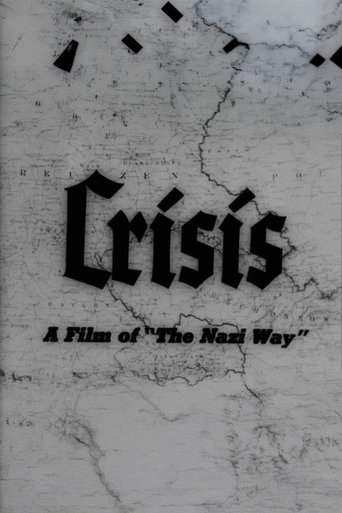
8.0A documentary about the conquest of Czechoslovakia by the Nazis just prior to World War 2.
Crisis
1939
8.0A documentary about the conquest of Czechoslovakia by the Nazis just prior to World War 2.
Crisis
1939
8.0A documentary about the conquest of Czechoslovakia by the Nazis just prior to World War 2.
Crisis
1939
Documentary examining the conflicts between the coming of modernization and the traditional culture of a small Mexican village.
The Forgotten Village
1941
Documentary examining the conflicts between the coming of modernization and the traditional culture of a small Mexican village.
The Forgotten Village
1941
In this propaganda film intended to raise money for republicans fighting in the Spanish Civil War, Henri Cartier-Bresson first presents the achievements of the Spanish Republic in the field of public health. He then shows how members of the public and organizations across the world were supporting the fighters.
Return to Life
1937
Adapted from Mexico's "The Forgotten Village". It deals with the fight that develops from the superstitious and ignorant interpretation of a problem and its real, scientific solution.
Pueblito de Santiago
—
 7.3
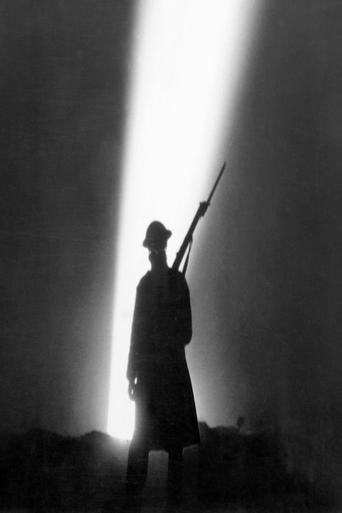
7.3This pulse-pounding documentary from the filmmaker Herbert Kline traces the rise of Hitler up to the very brink of WWII. The commentary, written by James Hilton and read by Fredric March, urges American viewers to abandon neutrality and enter a conflict about to explode.
Lights Out in Europe
1940
David, a child refugee from Nazi-occupied Poland, arrives in British Palestine and begins a search for his father who promised to meet him there after the war.
My Father's House
1947
 7.5
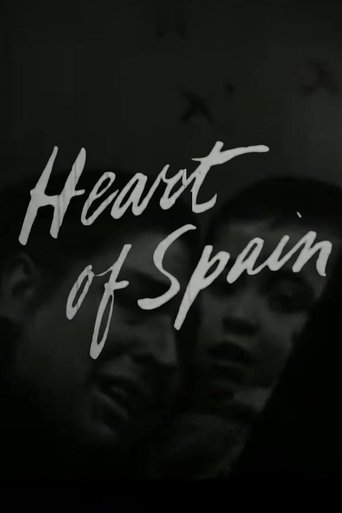
7.5The first production from Frontier Films, the film production collective that was the successor to NYKino and the Workers Film and Photo League, Heart of Spain focuses on the Spanish Civil War, a conflict that became a touchstone of its era and was the most forceful opposition to the rising threat of fascism in Europe. Heart of Spain was begun by Geza Karpathi and Herbert Kline, who ultimately turned their footage over to Paul Strand, Leo Hurwitz, and Ben Maddow to make the film. It is compelling both for its shrewd formal aesthetics and as a sympathetic human document of the war.
Heart of Spain
1937
7.5The first production from Frontier Films, the film production collective that was the successor to NYKino and the Workers Film and Photo League, Heart of Spain focuses on the Spanish Civil War, a conflict that became a touchstone of its era and was the most forceful opposition to the rising threat of fascism in Europe. Heart of Spain was begun by Geza Karpathi and Herbert Kline, who ultimately turned their footage over to Paul Strand, Leo Hurwitz, and Ben Maddow to make the film. It is compelling both for its shrewd formal aesthetics and as a sympathetic human document of the war.
Heart of Spain
1937