
Acting
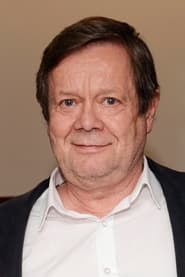
Vlado Černý
Born
1951-06-21 (75)
Place of birth
Bratislava, Czechoslovakia [now Slovakia]
Known for
Acting
Credits
100 titles
Vlado Černý was born on June 21, 1951 in Bratislava. Here he also grew up with his grandmother and grandfather, as his parents lived mainly in Prague. Vlad's parents were athletes; my father was a pentathlete and my mother a swimmer. He himself also began to play pentathlon and had a life on the sport. His grandmother, on the other hand, was an amateur, and with his grandfather, as he claims, he was forced into a recitation, which in turn was closer to acting. Then came the experience thanks to the television editorial staff, which cast him in the short film Havko. But perhaps the biggest fateful impulse towards the actor's career was a tricky meeting with director Paľo Bielik, to whom he br…
Known for
Film credits
2020s · 2 titles
 4.3
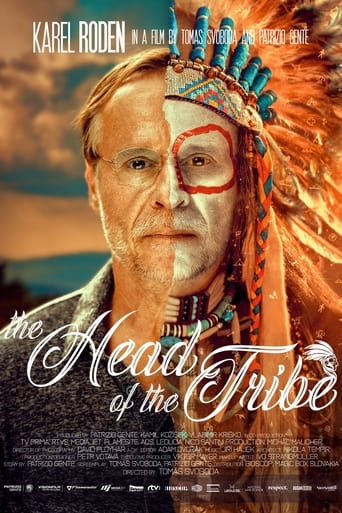
4.3Andrew is a tough businessman and an arrogant workaholic. He runs a large, successful company in Prague. The meaning of his life is money. Ondřej has just negotiated the deal of a lifetime in Nebraska with a wealthy investor who will finance the construction of luxury residences on the outskirts of Prague. On his way back from America, the plane flies over a reservation where an Indian chief is being buried. The spirit of the Indian rising to the sky crashes into the plane and inadvertently becomes incarnate in Ondrej. And this spirit has decidedly different ideas about Andrew's life and values.
Indián
2022
 5.0
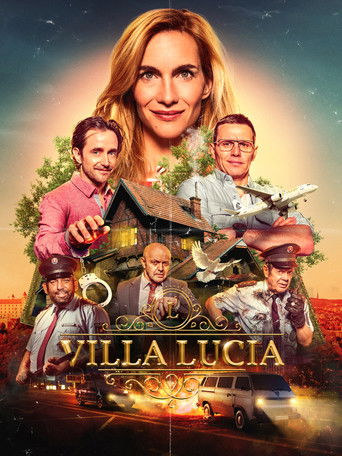
5.0Three men are trying to get over their teenage obsession with their school classmate. One suicidal, one secretly engaged to her, one dreaming to re-live the good old days. ...and all of them hostages to a homicidal burglary in progress.
Villa Lucia
2023
2000s · 4 titles
 6.1
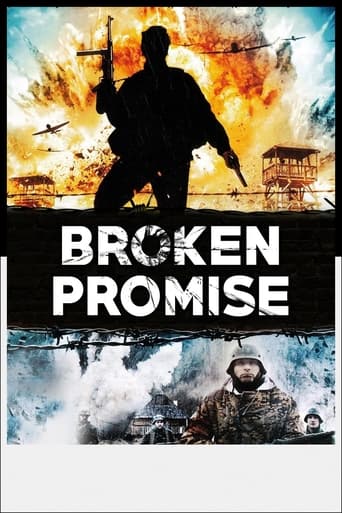
6.1Slovakia, on the eve of the outbreak of World War II. The family of the young Jewish Martin Friedmann gathers to celebrate his bar mitzvah and make a solemn promise that they will all meet again a year later around the same table; but the storms of war and anti-Semitic fanaticism will lead each of them down very different paths.
Broken Promise
2009
 7.2
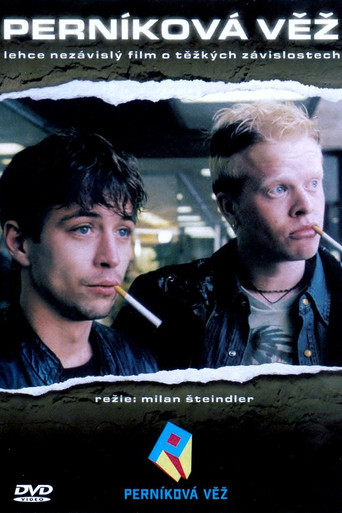
7.2Jakub, a young, small time drug dealer, wakes up to find the police storming the apartment building while his parents are both away on holiday. After flushing all of his "secret stashes" in the toilet, he finds out they are actually there to investigate the death of the girl upstairs, a close childhood friend of his and the family. He slowly retraces the past week that she has been lying dead in her flat and remembers that he asked her to "receive a package" unbeknownst to her from his drug dealer, Pexeso.
Coal Tower
2002
 4.5
4.5No synopsis available yet.
Die Todeswelle - Eine Stadt in Angst
2000
Television adaptation of the classic novel by American author N. West.
Slečna Dušehojivá
2000
1990s · 9 titles
No synopsis available yet.
Diabol vo Francúzsku
1991
No synopsis available yet.
Čerti nespia
1991
The story of Mr. Nicholas, a lonely old pensioner, begins the moment he decides to make children's dreams come true. As a temporary worker, he works at the post office, where letters addressed to St Nicholas have been piling up since the end of November. The post office workers put them in an old banana box and nobody notices them anymore. After all, who has time for such stupidity. It is only Nicholas Frost, in whose name the persons to whom the letters are addressed are associated, who thinks that this year he will make at least a few children in the house and on the street where he lives happy. And so he buys sweets and, with the help of a young student he has taken in at his place, starts delivering sweet parcels...
Mikuláš Mráz
1995
At the beginning was the Slovak television series Lekár umierajúceho czasu (Doctor of Dying Time), dedicated to the Rudolphine-era scientist Jan Jesenius. He ended up on the scaffold along with other gentlemen after losing the anti-Habsburg uprising. When director Miloslav Luther conceived the idea of making an abridged version of the footage for cinema, he had to not only rebuild the storyline but also dub it into Czech. However, the result was only an illustrative puzzle, describing the various stages of the hero's turbulent life.
Svědek umírajícího času
1991
The production is based on the famous novella of the same name by M. Kukučín. The author knew his characters well, their joys, pains and desires, and his knowledge and human message are still valid today.
When The Little Boy From Chocholov Dies
1990
No synopsis available yet.
Kucapaca alebo Obnovenie poriadku
1990
 3.2
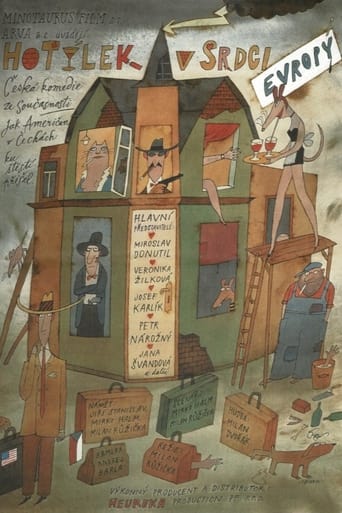
3.2This comedy starring Miroslav Donutil tells the story of an American of Czech origin who returns to his homeland in the 1990s. At his parents' request, he is supposed to take over the family hotel in Prague and find a Czech bride. However, he has no idea what he will have to endure in the atmosphere of the 1990s, what condition he will find the property in, or what tragicomic situations he will have to go through before someone deprives him of his property. But in the end, he finds a girl who, unbeknownst to her, comes from the same background as him.
Hotýlek v srdci Evropy
1994
No synopsis available yet.
Tri stromy
1993
 5.0
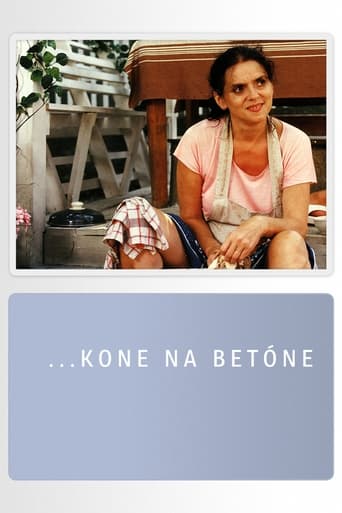
5.0The loose sequel to the film "Pásla kone na betóne" returns to the familiar heroes after some time. The communist dictatorship is no longer raging and capitalism is penetrating even the remote corners of Slovakia. As it turns out, however, people don't change much over time, and their joys and worries are still the same. The tragicomic story depicts the vicissitudes of Johanna's new relationship with brewery manager Janko Kvašný, the unhappy marriage of her daughter Paulina and life in the new social conditions in an eastern Slovak village.
...kone na betóne
1995
1980s · 27 titles
 6.3
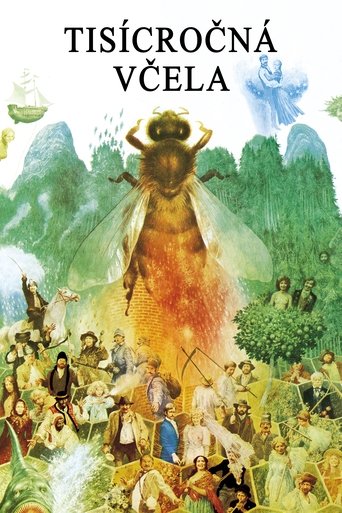
6.3A family saga taking place mostly in a small Slovak village over a period of thirty years (1887–1917). The first part captures the life of Martin Pichandu in the development of his craft, masonry; in the second part, his son is center stage living in a period of socio-political crisis, which ultimately results in the first World War. After originally airing on Czechoslovakian television in 1983 as a four-part 226-minute mini-series, this production received a 163-minute theatrical release in 1984.
The Millennial Bee
1983
 6.6
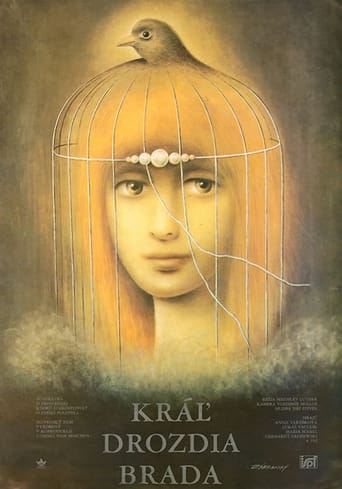
6.6When a selfless king learns of a beautiful princess in a neighboring kingdom who callously turns down every suitor with an insult, he tries his luck to no avail. So, he hatches a plot with her father in which the princess is married to him, in disguise as a beggar, so he can teach her lessons about humility and compassion.
King Thrushbeard
1984
 5.5
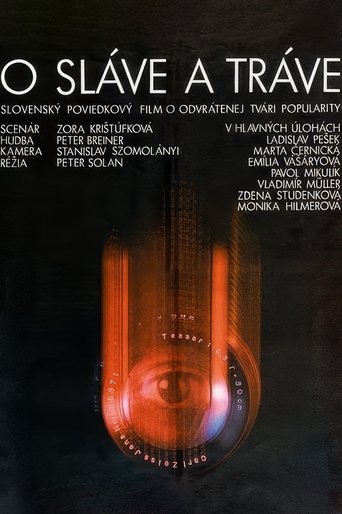
5.5Each of the four short stories, framed by the figure of the photographer, depicts the lives of women and girls whose work has brought them to the limelight, but also marked their relationships with those closest to them.
O sláve a tráve
1985
No synopsis available yet.
Vianočná etuda
1988
No synopsis available yet.
Rodák
1988
 5.3
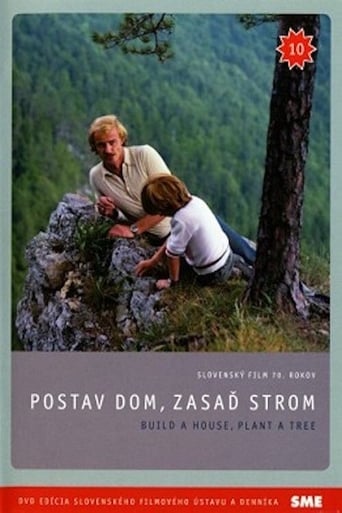
5.3Juraj Jakubisko's first feature film after a forced nine-year-long break is a story about an unconventional man, Jozef Matúš. He arrives to a small village in eastern Slovakia to settle down and start a family. He is ready to subordinate everything to his goal. It all starts with stealing building material and ends with him disregarding those close to him to a point where his ambitions are turning against him. Build a House, Plant a Tree is a viewer-friendly film with a plot resembling a western, including several attractive action sequences.
Build a House, Plant a Tree
1980
No synopsis available yet.
Čakanie na všedné dni
1987
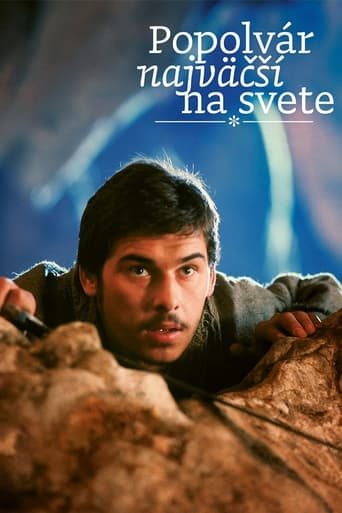 7.9
7.9A fairy-tale about knight honour, punished evil and tender love. Three royal brothers are put to the test in the fight with the king of the underworld in order to save captured princess, Láskykvet.
Popolvar, Biggest in the World
1982
No synopsis available yet.
Izba naivného deda
1981
The story of a young, university-qualified agronomist Tomáš Rajecký and his humanly complicated opponent, Viliam Kubica, who has been tempered and hardened by years of practice and is the chief agronomist of the unified farmers' cooperative in Machov, shows how their - initially almost generational - struggle gradually turns into productive cooperation in the interest of achieving a common goal after many minor and major clashes and conflicts.
Dozrievanie
1982
No synopsis available yet.
Právo na omyl
1983
No synopsis available yet.
Zostane to v rodine
1988
No synopsis available yet.
Stalo sa v našom mestečku
1984
No synopsis available yet.
Len kosti práchnivé
1989
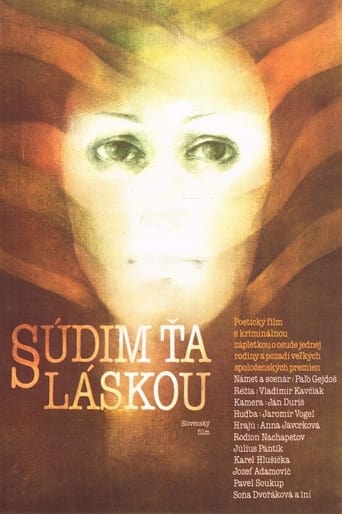 8.0
8.0A sociological drama with a detective plot taking place in the period of industry and agriculture collectivization of the 1950s. Peter Lánik, a young lawyer, during a trial finds out that whom he thought to be his father is in fact only his stepfather. Little by little he learns about the tragic life of his parents as well as about the dramatical atmosphere of the forced cooperativization of village farms.
I Judge You by Love
1982
No synopsis available yet.
Najstarší škorec Svätopluk
1982
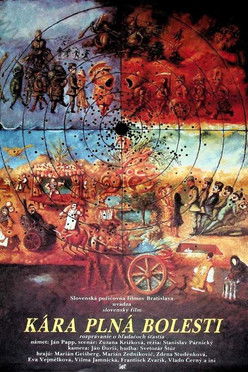 4.3
4.3War takes its cruel toll, which everyone must pay. It hits a small Slovak village especially hard, where the struggle for a bare life becomes a test of human character. For two impoverished friends, Jakub and Maja, struggling through poverty is more than difficult. Jakub delivers sour milk from somewhere on his cart to the entire village and lives in a dilapidated house with his sister Tereza, whose caregiver and guide through life is the experienced woman Mara, who provides herself with money from seduced soldiers. Maja, on the other hand, is a foundling and homeless man who does whatever he can to survive the next day. The only consolation for the two inseparable friends are the circulating tales of a kind of promised land, where there is no poverty or hunger, and where they could both go. Only this vision, this idea alone keeps the two of them and the rest of the village on their feet, and gives them hope for a better tomorrow.
Kára plná bolesti
1986
No synopsis available yet.
Bankinghouse Khuwich and Comp.
1985
No synopsis available yet.
Takmer božský omyl
1985
No synopsis available yet.
Kráľovna noci v kamennom mori
1985
No synopsis available yet.
V bludisku pamäti
1985
No synopsis available yet.
A čo láska?
1981
No synopsis available yet.
Kto ste, Jozef Gabčík
1987
No synopsis available yet.
Malvína z Bretónska
1983
TV movie "Triptych of love" was created by short stories by famous Slovak writer Ladislava Nádaši - Jégeho. Historical themes in his works have an ambition to bring over to look attractive environment and time bygone era strong dramatic stories and exciting human destinies. Renaissance short stories from the collection "Italy" are a variety of views from different backgrounds, linking theme of many forms of love, its tones and semitones, from bitterly ridiculous after tragic. Screenwriter Ján Števček that dramatically processed three Jégeho stories.
Triptych o láske
1981
No synopsis available yet.
Oddychový čas (pre sudcu)
1982
No synopsis available yet.
Celý svet nad hlavou
1983
1970s · 16 titles
No synopsis available yet.
Tetované časom
1976
No synopsis available yet.
Mário a kúzelník
1976
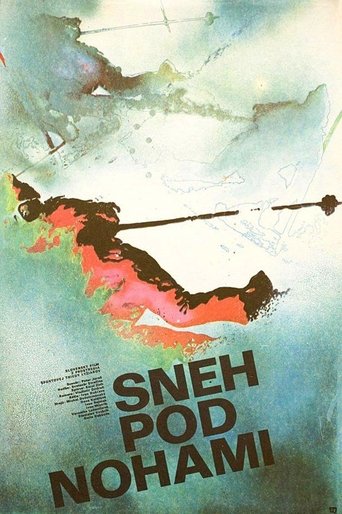 NR
NRA contemporary story from the lives of young people, students of a ski high school, who, in addition to their studies, are preparing for a career as active sports competitors.
Sneh pod nohami
1979
 10.0
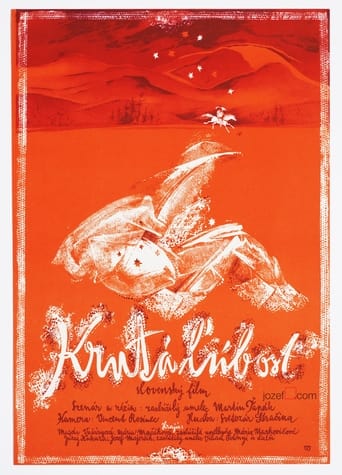
10.0A film based on short stories by K. Przerwu-Tetmajer's Grey Eyes and M. Urban's Melted Heart. The heroines of both stories are young women with the same name - Kristka. They fight for their love, they both love with humility and surrender, but when necessary, they can be decisive and uncompromising. One is cruel in her love, the other fights for it with touching tenderness and kindness. These are not idyllic loves; they are full of life, full of raging blood...
Krutá ľúbosť
1978
No synopsis available yet.
Šediny doktora Ondáka
1977
A balladic story situated in a Slovak mountain region before the 2nd World War. A young man returns to his native village after many years. There he meets Zuna, a mysterious girl of the forest, who opens his eyes to the charming nature to perceive hidden corners of the world and of his own soul.
The Bride of the Mountains
1972
 8.2
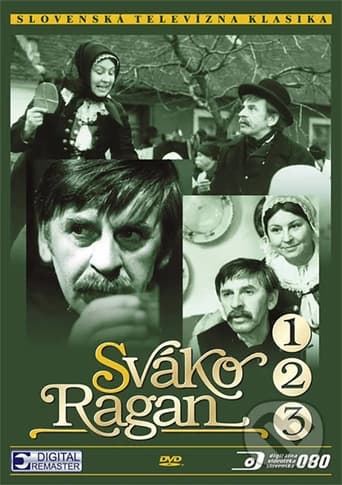
8.2Who could forget the Favorites figure Svákov Ragan in acting creations neopakovatel'ného Jozef Kroner? Three-part television film Sváko Ragan, created according to stories Ela Sándor already at its first introduction many years ago, soon won favor with audiences. Brought not only good fun, but also an attractive view of a world Myjavská site with many rustic Alpine traditions and characters and witty dialect used, especially Myjavský and Brezovský. Above all this, however, it is dominated by the ability to invent Svákov Ragan was even in the most uncomfortable situations ... Brezovskí tanners have been known not only to the quality of its products, but ischopnosťou their products at fairs successfully foreground. Highly after the fairs and markets in the near and distant surroundings Birch Nachod and Sváko Ragan and no wonder that their business has seen wandering the lot but cheerful and made many hilarious but also less hilarious "deal" ...
Sváko Ragan
1976
 7.0
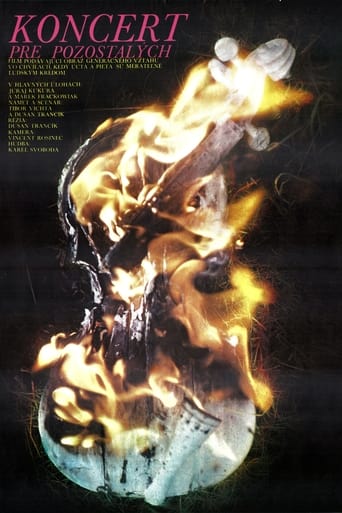
7.0A picture of generational confrontations between children and parents. A young and ambitious violin virtuoso, Peter, lives in long-lasting conflicts with his father. Only after his death Peter realizes how much he had been hurting his father. Still, not even the tragedy can make a change in his shallow life in stereotype.
Concert for the Survivors
1977
No synopsis available yet.
Španielska gitara
1976
 6.5
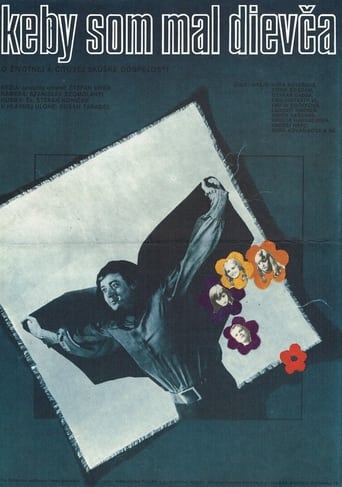
6.5Vlado has just passed his high school diploma and is starting a job as a home tutor in the family of a big businessman. He finds himself in a very difficult turning point in 1947-48. He does not understand much of what is happening around him. He constantly experiences emotional confusion, comes into conflict with his conscience and finally has to decide between love and reason...
If I Had a Girl
1976
A television film based on a novella "Zhanobená krv" ("Dishonored Blood") by František Švantner.
Brat
1970
No synopsis available yet.
Postup
1977
A contemporary story from the winegrowers' environment about the merger of the JRD. There are mutual conflicts between supporters and opponents of the new project. Šimon Príboj's successful efforts to merge the two farms lose their meaning when he discovers that his wife is having a melodramatic love affair with the flighty Pavel Dian.
Zlatá réva
1977
No synopsis available yet.
Koruna lásky a smrti
1977
No synopsis available yet.
Pochábeľ
1979
 4.2
4.2A short story film depicting the three different faces of crime. In the short story "The Weekend", Karas kills a woman he raped some time ago in order to silence her. However, he accidentally kills another woman. In "Hostages", a drug addict, Chaban, terrorizes the hospital's operating team, but the disciplined doctors handle the difficult situation. In "The Pickpocket", the thief Benda wants to return to his trade immediately after his release, but his attempt ends tragically.
The Motive for Murder
1975
1960s · 2 titles
 7.8
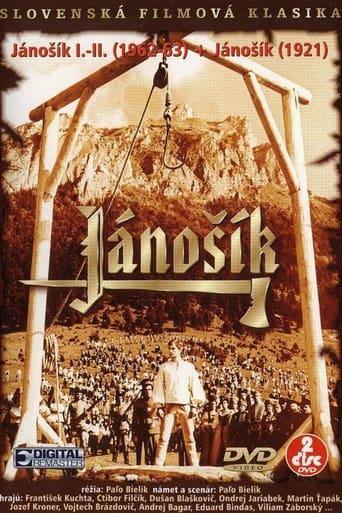
7.8This film is one of the most popular pictures of Slovak cinema and relates the story about the legendary folk hero and brigand Juro Jánošík [1688-1713] and the social situation in Slovakia of the late 17th and early 18th centuries. The first part talks about Jánošík's childhood, studies and return to his native village. In the second part Jánošík leaves for the hills, where he organizes his band of brigands and starts an anti-feudal resistance. The film concludes with Jánošík's execution.
Jánošík
1963
No synopsis available yet.
Havko
1961
Series credits
 7.0
7.0No synopsis available yet.
Bakaláři
1972
 5.0
5.0No synopsis available yet.
Nemocnica
2021
5.0No synopsis available yet.
Nemocnica
2021
 7.0
7.0No synopsis available yet.
Dunaj, k vašim službám
2023
7.0No synopsis available yet.
Dunaj, k vašim službám
2023
 8.0
8.0No synopsis available yet.
Búrlivé víno
2013
 4.8
4.8No synopsis available yet.
Odsúdené
2009
 1.0
1.0No synopsis available yet.
Osud
2026
 6.5
6.5No synopsis available yet.
Dobre vedieť
2016
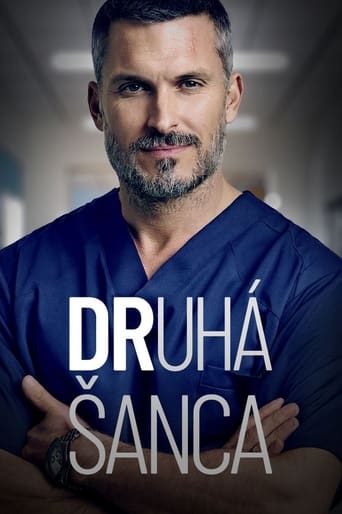 4.0
4.0No synopsis available yet.
Second Chance
2022
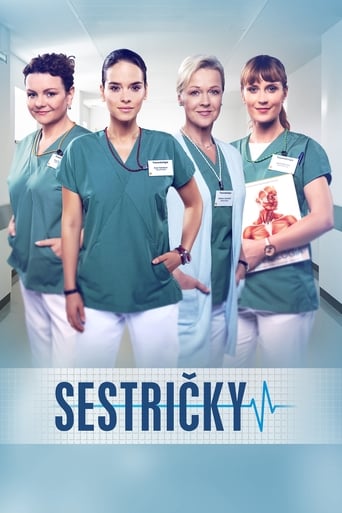 5.5
5.5No synopsis available yet.
Sestričky
2018
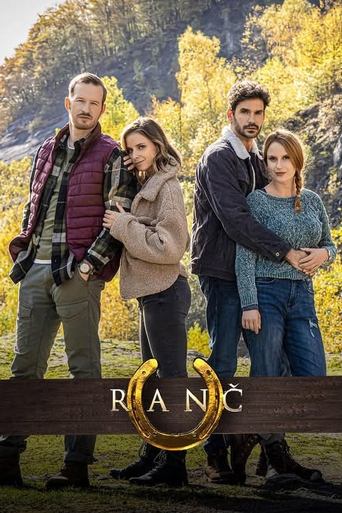 2.0
2.0No synopsis available yet.
Ranč
2025
2.0No synopsis available yet.
Ranč
2025
 8.0
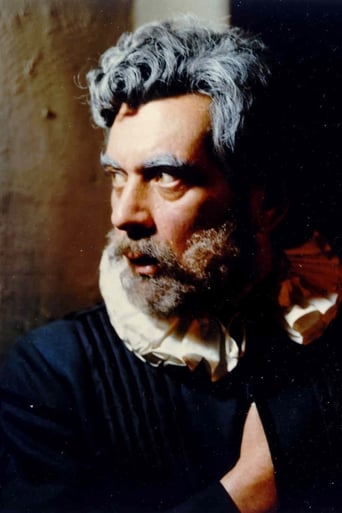
8.0Series about the life of Renaissance anatomist, scholar and politic Johannes Jessenius. Already legendary series today, was produced by Czechoslovak Television Bratislava, directed by Slovak director Miroslav Luther in the first half of 80's in Barrandov Studios in Prague. The story and screenplay of the series wrote Czech writer Vladimír Körner. Five-episodes epic historical narration is a biographical story of distinguished Renaissance scholar, anatomist and politic of Slovak origin, Johannes Jessenius (Ján Jesenský, 1566–1621). It displays his life from the first studies and successes. In 1594 he became professor of surgery and anatomy on Wittenberg University, which he had attended years before. From that moment, his life went through social and personal wins and losses, to the sad end on the Prague Old Town Square gallows, among 27 noblemen, knights and burgenses, after lose Bohemian Revolt in 1621. His destiny was coupled with key events of Czech history in the break of 16th and 17th century, when Renaissance and European humanism slowly fade out.
The Physician of a Dying Time
1984
8.0Series about the life of Renaissance anatomist, scholar and politic Johannes Jessenius. Already legendary series today, was produced by Czechoslovak Television Bratislava, directed by Slovak director Miroslav Luther in the first half of 80's in Barrandov Studios in Prague. The story and screenplay of the series wrote Czech writer Vladimír Körner. Five-episodes epic historical narration is a biographical story of distinguished Renaissance scholar, anatomist and politic of Slovak origin, Johannes Jessenius (Ján Jesenský, 1566–1621). It displays his life from the first studies and successes. In 1594 he became professor of surgery and anatomy on Wittenberg University, which he had attended years before. From that moment, his life went through social and personal wins and losses, to the sad end on the Prague Old Town Square gallows, among 27 noblemen, knights and burgenses, after lose Bohemian Revolt in 1621. His destiny was coupled with key events of Czech history in the break of 16th and 17th century, when Renaissance and European humanism slowly fade out.
The Physician of a Dying Time
1984
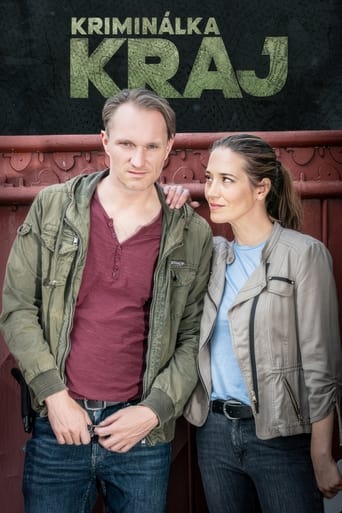 6.0
6.0A crime drama series following the work of a fictional regional criminal police unit investigating cases in the unique Záhorie region. The show presents intriguing cases where ordinary people commit serious crimes but go to extraordinary lengths to carry them out or cover their tracks. The detective duo always finds themselves facing off against clever perpetrators.
Kriminálka Kraj
2022
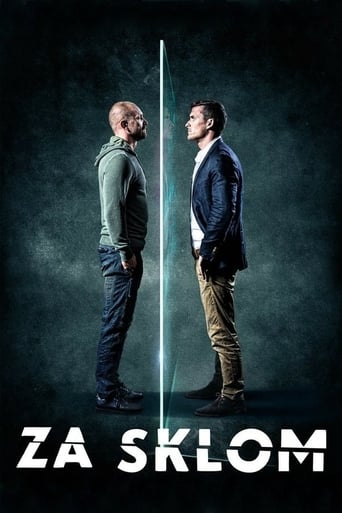 5.6
5.6No synopsis available yet.
Za sklom
2016
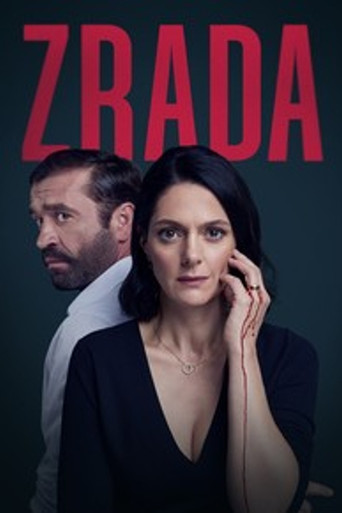 7.0
7.0No synopsis available yet.
Zrada
2024
No synopsis available yet.
Povstalecká história
1984
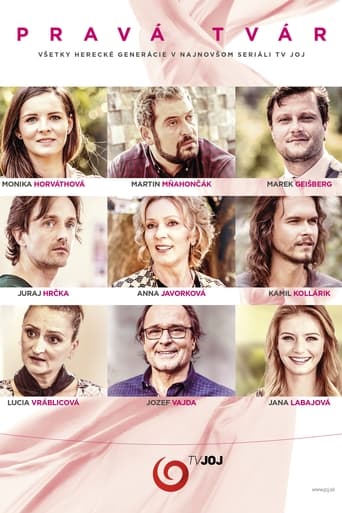 6.0
6.0No synopsis available yet.
Pravá tvár
2017
6.0No synopsis available yet.
Pravá tvár
2017
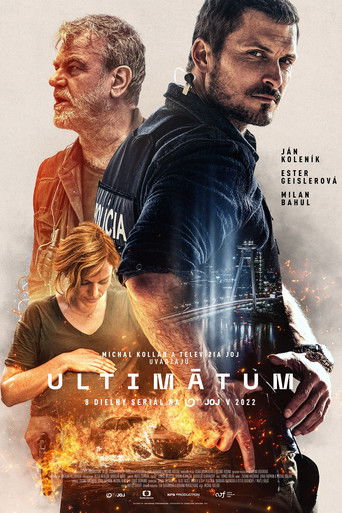 6.2
6.2Police negotiator Andrik faces accidentally kidnapper, former soldier Kornan, who keeps in hostage the Minister of Defence and Andrik pregnant partner Lena.
Ultimátum
2022
No synopsis available yet.
Zrod divadla
2020
 4.0
4.0No synopsis available yet.
Pod povrchom
2012
 2.0
2.0No synopsis available yet.
Večne mladí
2024
 1.5
1.5No synopsis available yet.
Bodka
2021
No synopsis available yet.
Rozprávky pätnástich sestier
1982
 5.0
5.0No synopsis available yet.
Doktori
2014
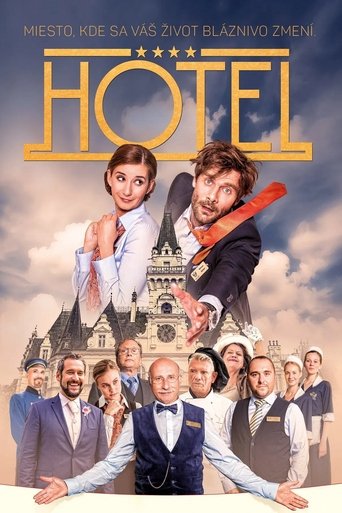 5.0
5.0No synopsis available yet.
Hotel
2018
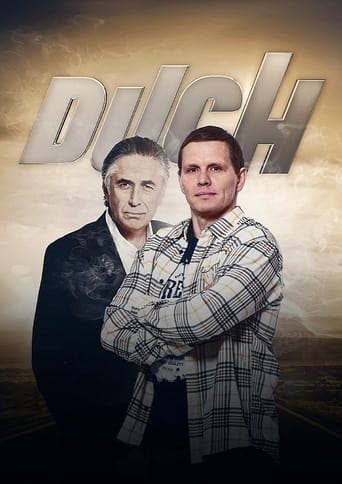 5.0
5.0No synopsis available yet.
Duch
2023
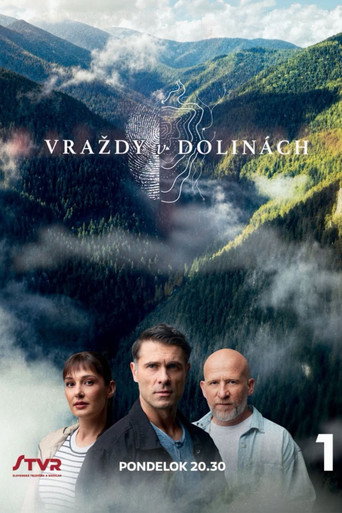 4.0
4.0No synopsis available yet.
Vraždy v dolinách
2026
No synopsis available yet.
V službách zákona
1983
No synopsis available yet.
Profesor Bernhardi
1993
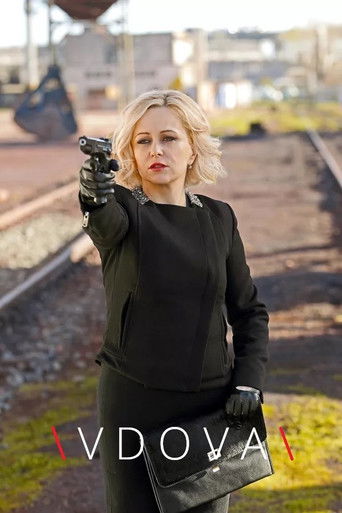 NR
NRNo synopsis available yet.
Vdova
2014
No synopsis available yet.
Tridsaťdeväť stupňov v tieni
1976
 7.5
7.5No synopsis available yet.
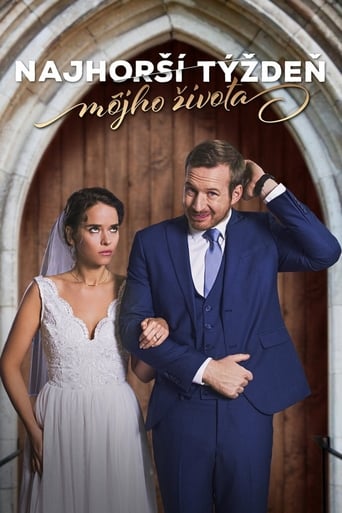
Najhorší týždeň môjho života
2021
7.5No synopsis available yet.
Najhorší týždeň môjho života
2021
No synopsis available yet.
Hráč na vlastnú päsť
1982
No synopsis available yet.
Straty a nálezy
1975
The series depicts the history of Slovak society in the first decades of our century and leaves a deep faith in humanity and the nation. It tells the life story of Pavlínka, the daughter of a laborer and innkeeper, whose fate is filled with love, social ambitions, and unfulfilled dreams, and who ultimately returns to the basics of life, to naturalness and wisdom.
Život bez konca
1983