
Acting
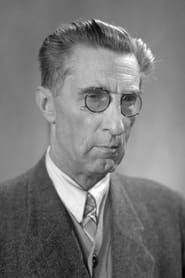
Henryk Modrzewski
Born — Died
1897-05-12 — 1965-10-04
Place of birth
Kańczuga, Austro-Węgry (obecnie Polska)
Known for
Acting
Credits
30 titles
Known for
 9.0
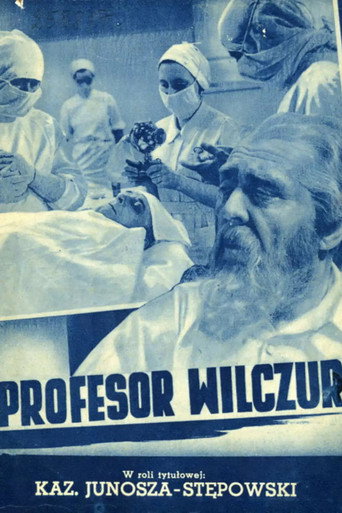
9.0Profesor Wilczur is a 1938 Polish romantic drama film directed by Michał Waszyński. It is based on the novel by Tadeusz Dolega-Mostowicz.
Profesor Wilczur
1938
 6.7
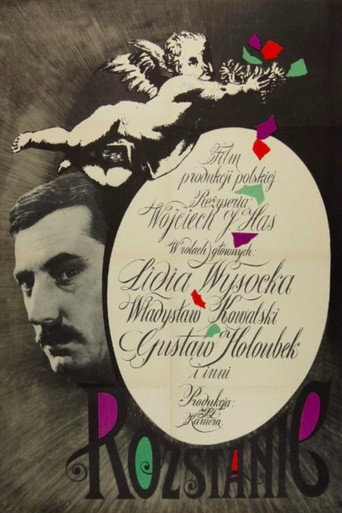
6.7An actress visits her hometown to attend the funeral of her grandfather. She realizes that the places and people from her past differ from her cherished memories.
Goodbye to the Past
1961
 7.3
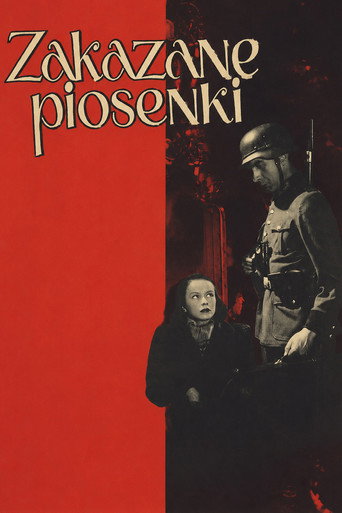
7.3Set during the German occupation of Warsaw during WWII, this musical tells the story of several inhabitants of the same tenement house.
Forbidden Songs
1947
 7.7
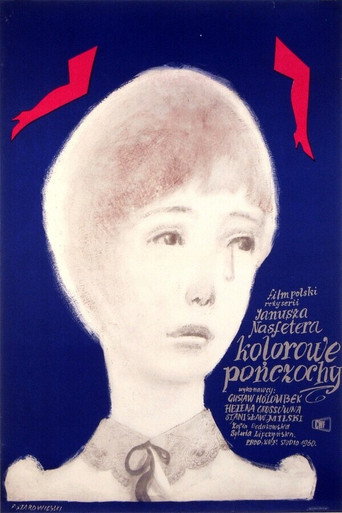
7.7The film consists of two parts. In the first, the protagonist is Matilda. Her dream is fashionable stockings, which she cannot afford. She becomes the laughing stock of the school when she appears in stockings sewn by her grandmother. The humiliation leads Matilda to take a dramatic step. The second part tells the story of Jadźka, who is an object of derision at her school. Fearing embarrassment, she increasingly misses school and plunges into a world of autistic dreams.
Coloured Stockings
1960
 6.0
6.0Young Frederic Chopin comes of age during a tumultous time in Polish history.
Young Chopin
1952
 8.0
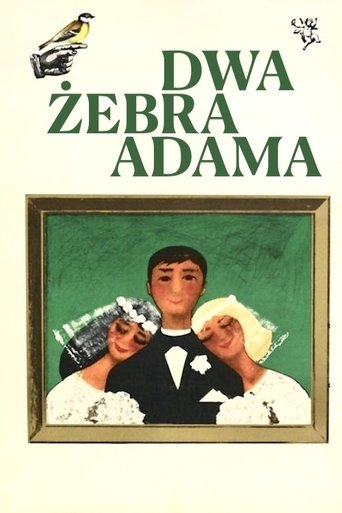
8.0An engineer comes home from abroad to his waiting wife. After some time, his second wife, an Italian one, joins him. For a small town, such a triangle will turn out to be unacceptable, especially since the spouses live peacefully under one roof.
Adam's Two Ribs
1964
Film credits
1960s · 12 titles
6.7An actress visits her hometown to attend the funeral of her grandfather. She realizes that the places and people from her past differ from her cherished memories.
Goodbye to the Past
1961
7.7The film consists of two parts. In the first, the protagonist is Matilda. Her dream is fashionable stockings, which she cannot afford. She becomes the laughing stock of the school when she appears in stockings sewn by her grandmother. The humiliation leads Matilda to take a dramatic step. The second part tells the story of Jadźka, who is an object of derision at her school. Fearing embarrassment, she increasingly misses school and plunges into a world of autistic dreams.
Coloured Stockings
1960
8.0An engineer comes home from abroad to his waiting wife. After some time, his second wife, an Italian one, joins him. For a small town, such a triangle will turn out to be unacceptable, especially since the spouses live peacefully under one roof.
Adam's Two Ribs
1964
 8.0
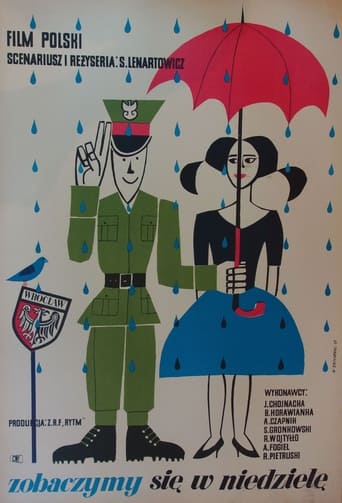
8.0Two soldiers spend their free Sunday in Wrocław.
Zobaczymy się w niedzielę
1960
 5.2
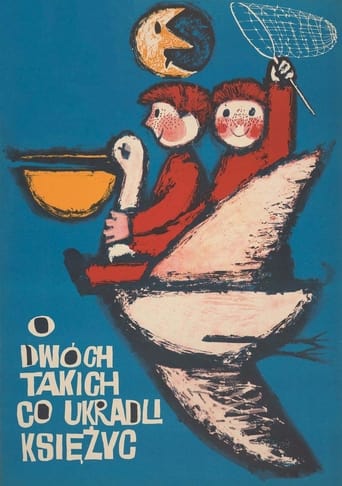
5.2Twin brothers, Jacek and Placek, are the town's troublemakers. They're lazy, greedy and also cruel. They despise hard work, so they cook up a plan to make easy money that would make them rich for the rest of their lives: steal the moon and sell it. They set on a journey to find a place where the moon would be low enough for them to steal. Before they leave, they take the last loaf of bread from their poor hardworking mother. After numerous adventures the boys manage to catch the moon in a fishing net. But it is only the beginning of their troubles.
The Two Who Stole the Moon
1962
 7.2
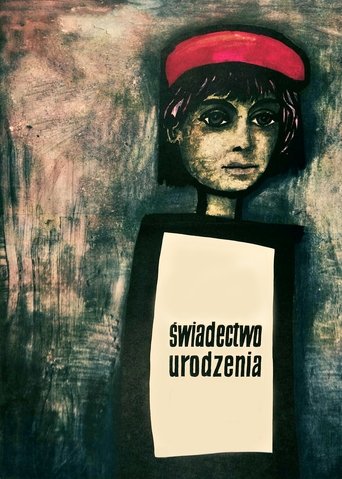
7.2Three separate stories depicting the tense everyday life during occupation, as seen through the eyes of children. In “On the Road,” the two main protagonists are lost in the September’s strife: a young boy, and a soldier transporting the valueless documents of his broken unit. In “Letter from the Concentration Camp” the story’s protagonists are young boys who help their mother during the hardships of the occupation. Their treasure is an officer uniform belonging their father who is being held in a prisoner of war camp. In “Blood Drop,” the Germans find a set of typical Aryan characteristics in this story’s protagonist – a Jewish girl, hiding in an orphanage.
Birth Certificate
1961
 8.0
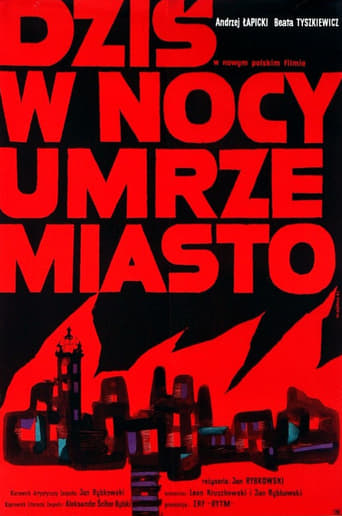
8.0An unlikely couple - a Polish concentration camp inmate and a young German girl - stick together and try to survive the RAF bombing of Dresden in February 1945.
Dziś w nocy umrze miasto
1961
 7.5
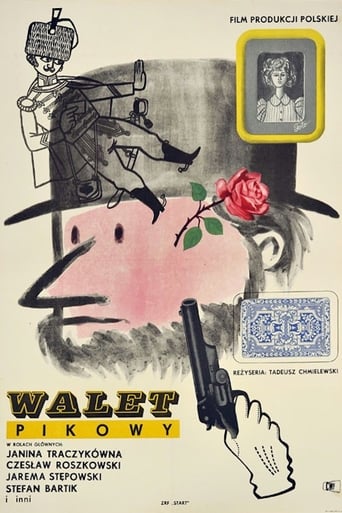
7.5A reclusive lighthouse worker accepts the offer to swap jobs with a police inspector for a while, just to help him catch Teston, the so-called criminal of criminals.
The Knave of Spades
1960
 6.9
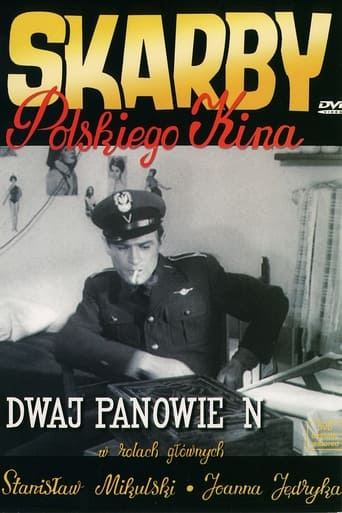
6.9Kazmierz Dziewanowicz's hobby is very strange. He collects people who were born on the 29th of February. One day he sees that in his collection there are two men with the same name, the same birth place, the same date of birth and the same parents. In the middle of the night somebody kills him. The Intelligence Agency begins investigation.
Two Gentlemen 'N'
1962
An average notary finds a small fortune of coins hidden in his fireplace alongside a manuscript dating back 100 years.
Tysiąc talarów
1960
 6.7
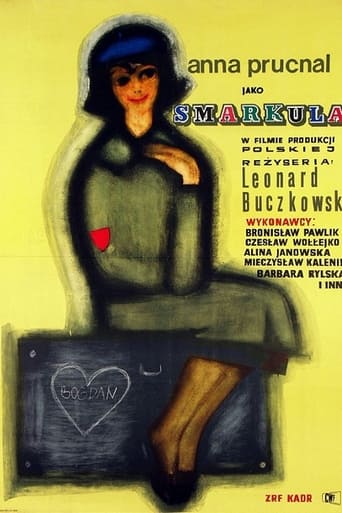
6.7A young teenager from the provinces comes to Warsaw to find her relatives and gets herself in various trouble.
Teenager
1963
 NR
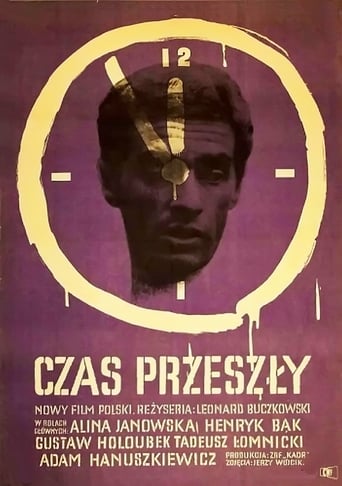
NRFram is in a German POW camp where brutal, cold-hearted Gestapo officers like Weber or Von Steinhagen terrorize and execute their Polish prisoners. One day Fram sees a way to escape the camp and he takes it, heading out to find his fellow resistance fighters.
Time Past
1961
1950s · 15 titles
6.0Young Frederic Chopin comes of age during a tumultous time in Polish history.
Young Chopin
1952
 5.6
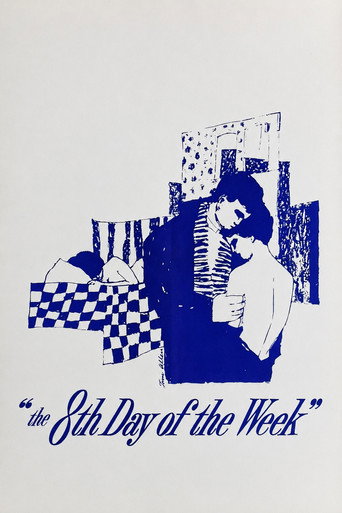
5.6Zbigniew Cybulski and Sonja Ziemann play lovers struggling to find happiness and privacy in overcrowded Warsaw. The movie shows an honest picture of life in a war-damaged city, contrasting the characters' difficulties with their dreams of a better life. It was banned in Poland in 1958 and would not be seen anywhere until its European release one year later.
The Eighth Day of the Week
1958
 7.2
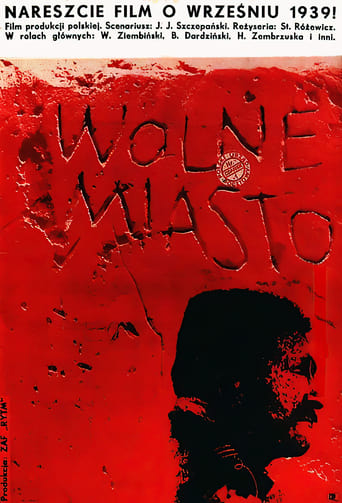
7.2The heroic struggle of Polish post office workers in Gdańsk on the first day of World War II.
Free City
1958
 6.8
6.8Ewa Bonecka, a young student about to start school in a new place finds herself without a place to sleep after she is declined a room in a women-only hotel. Helped by a pleasant policeman, Piotr, she tries to find a lodging in the strange town full of thieves and petty troublemakers.
Ewa Wants to Sleep
1958
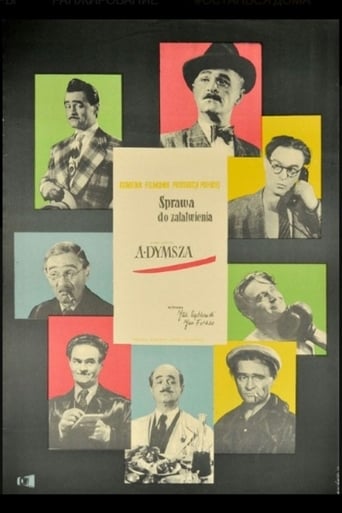 7.0
7.0A series of misfortunes plagues a journalist and his new friend.
Sprawa do załatwienia
1953
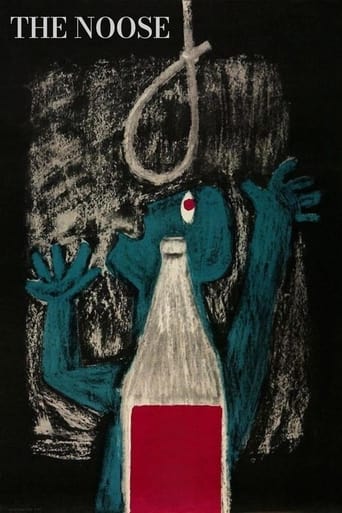 7.1
7.1A day in the life of an alcoholic. With the help of his girlfriend Krysia, Kuba attempts to regain control of his life.
The Noose
1958
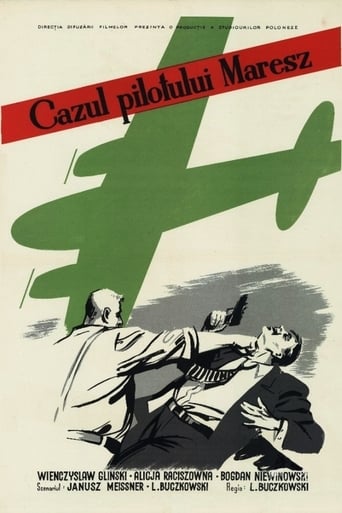 8.0
8.0A Polish RAF Officer returns to his homeland and finds himself torn between love for his friend's wife and illegal activities he gets himself involved in.
Sprawa pilota Maresza
1956
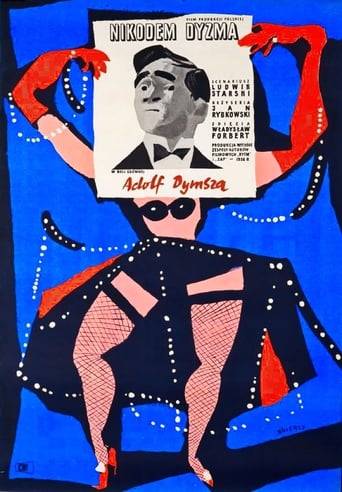 4.7
4.7Nikodem Dyzma is a poor dancer who comes to Warsaw to find a job. The problem is that nobody wants to hire him. One day he finds an invitation to the party with very important people and decides to attend. A small accident at the party makes him the hero of the night and becomes the beginning of his career.
Nikodem Dyzma
1956
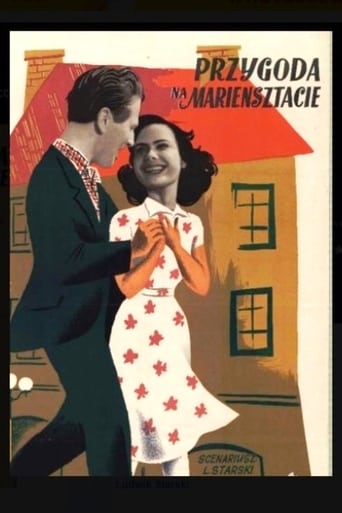 6.5
6.5While visiting Warsaw, Hanka falls for a record-breaking bricklayer. She returns to the city to work at construction sites and prove that women can work as hard as men
Adventure in Marienstadt
1954
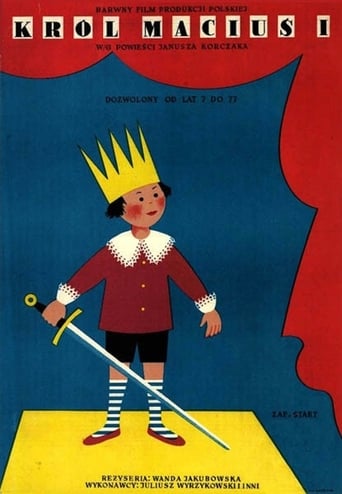 6.5
6.5A 10-year old boy becomes a king after the death of his father and tries to bring reforms to the country, with varying results
Król Maciuś I
1958
The dark drama of a peasant family from the second half of the 19th century: Seduced by a municipal clerk (in exchange for a promise to release her husband from military service), the woman dies at the hands of her jealous husband.
Szkice węglem
1957
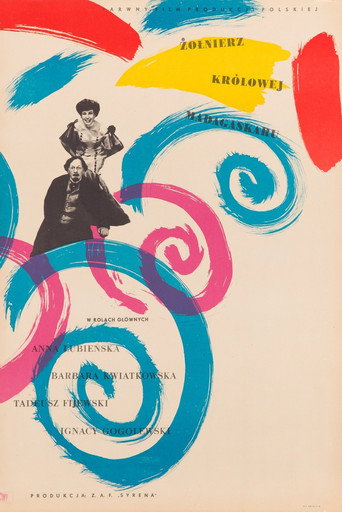 6.0
6.0A shy lawyer tries to win the hand of a beautiful girl and hilarities ensue.
Żołnierz królowej Madagaskaru
1958
Three women, ex-prisoners of a Nazi death camp, decide to live together after the war.
Trzy kobiety
1957
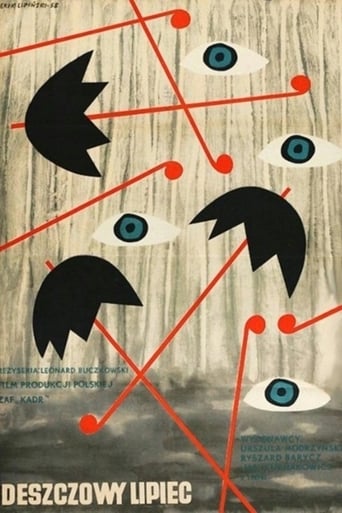 6.5
6.5A woman learns that her husband has cheated on her and decides to do the same.
Rainy July
1958
 7.0
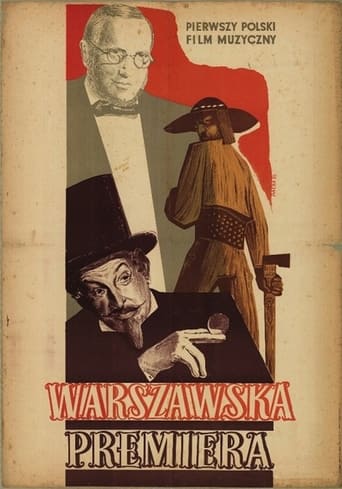
7.0Polish composer Stanisław Moniuszko fights for the right to stage his opera "Halka".
The Warsaw Debut
1951
1940s · 2 titles
7.3Set during the German occupation of Warsaw during WWII, this musical tells the story of several inhabitants of the same tenement house.
Forbidden Songs
1947
 6.9
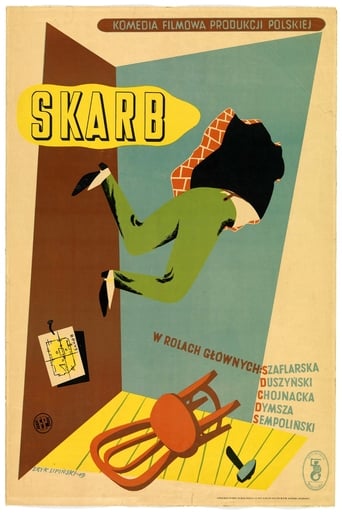
6.9Witek and Krysia, a married couple, move to Warsaw and have nowhere to stay. They rent a room in a house with many other lodgers. Witek dreams of their own house and draws a sketch of their future home, marking the place where his wife will sleep with the word "treasure". The other lodgers find the draft and a frantic search for the treasure begins.
Treasure
1949