

Acting
Aleksander Gąssowski
Born — Died
1910-06-07 — 1980-05-22
Place of birth
Petersburg, Rosja
Known for
Acting
Credits
24 titles
Known for
 6.4
6.4Polish Fanfan, the first Polish series from the "cloak and dagger" - written about the "black cloud" in the press of the 70's. Axis of the plot became a dramatic episodes of the struggle for the maintenance of the Polish Prussia. They remained in feudal depending on the Republic from 1525, when Albrecht Hohenzollern secularized religious state and filed in Krakow tribute to the Polish king.
Clouds of War
1973
 7.1
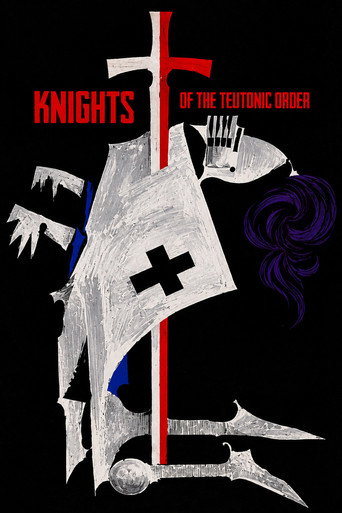
7.1A tale of a young impoverished nobleman, who with his uncle returns from a war against the order of the Teutonic Knights in Lithuania. He falls in love with a beautiful woman and pledges an oath to bring her "three trophies" from the Teutonic Knights.
Knights of the Teutonic Order
1960
 NR
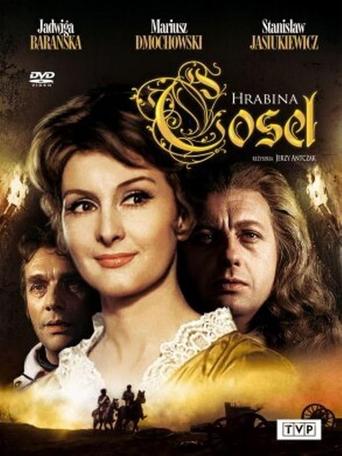
NRNo synopsis available yet.
Hrabina Cosel
1969
 7.0
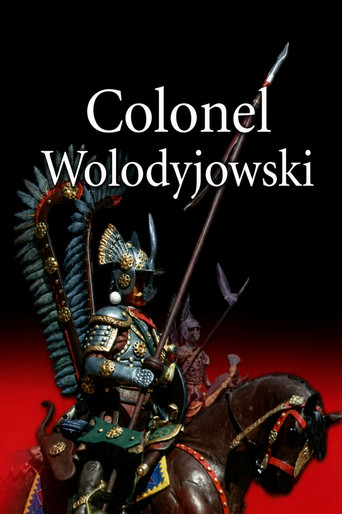
7.0In 1668 Polish colonel Michał Wołodyjowski, who recently retired to a monastery, is recalled to active duty and takes charge of Poland's eastern frontier defenses against invading Tatar hordes and Ottoman armies.
Colonel Wolodyjowski
1969
 7.2
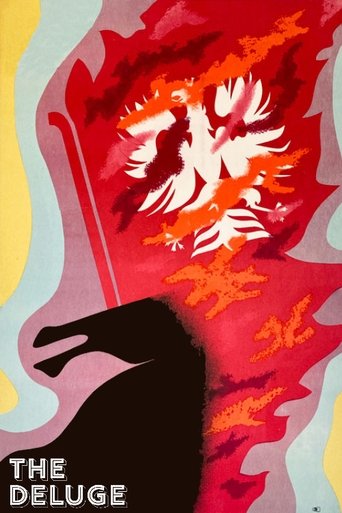
7.2During the Swedish invasion of Poland, the brave warrior Andrzej Kmicic, considered a traitor to the nation, fights for a country, redemption and love across the 17th-century Polish territories.
The Deluge
1974
 6.1
6.1Told in flashback as Mieszko lies feverish in his bed just before the Battle of Cedynia, Gniazdo recounts how the revered leader extended Poland's borders, formed an alliance with Emperor Otto I, and ultimately strengthened his country's autonomy by achieving victory during that crucial battle in the year 972.
The Nest
1974
Film credits
1970s · 11 titles
7.2During the Swedish invasion of Poland, the brave warrior Andrzej Kmicic, considered a traitor to the nation, fights for a country, redemption and love across the 17th-century Polish territories.
The Deluge
1974
6.1Told in flashback as Mieszko lies feverish in his bed just before the Battle of Cedynia, Gniazdo recounts how the revered leader extended Poland's borders, formed an alliance with Emperor Otto I, and ultimately strengthened his country's autonomy by achieving victory during that crucial battle in the year 972.
The Nest
1974
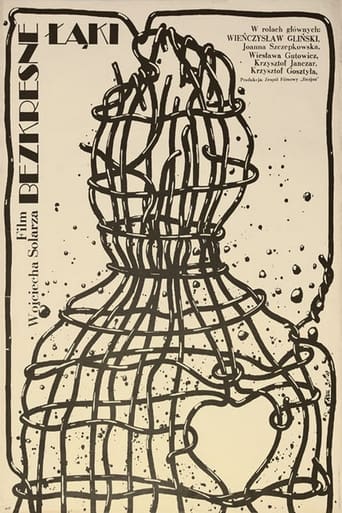 10.0
10.0A lyrical comedy; an escape to nature for a civil servant tired of everyday life and the monotony of life becomes an opportunity to reflect on the meaning of existence; it helps to regain mental balance. Henry, an exemplary husband and civil servant, returns to the places of his childhood, wants to find the treasure buried decades ago by Tereska, who fell in love with him. Along the way, he picks up two boys and two girls, who begin to compete for him. One of the boys assaults him when Henry digs up a bottle containing, it turns out, Tereska's love letter. The youngsters notify Henryk's wife of his whereabouts.
Bezkresne łąki
1976
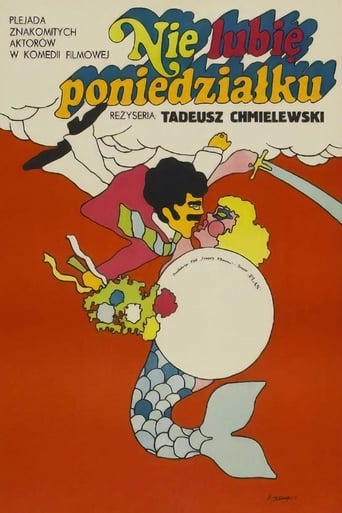 7.4
7.4An acute case of Mondayitis in Warsaw. Interwoven stories of a few inhabitants of Warsaw, including one very unlucky Italian on a governmental mission and a charitable Polish American.
I Hate Mondays
1971
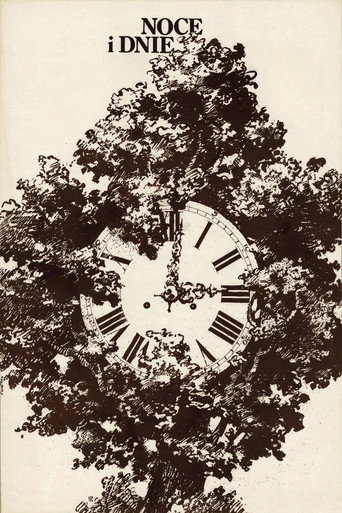 7.1
7.1A family saga of Barbara Ostrzeńska-Niechcic and Bogumił Niechcic against the backdrop of the January Uprising of 1863 and World War I. The film is a rather straightforward and faithful adaptation of a novel by Maria Dabrowska with the same title. The plot is woven around the changing fortunes of a noble (upper-class) Niechcic family in the pre-WWI Poland. There are two main crossing threads: a social history one and an existential one.
Nights and Days
1975
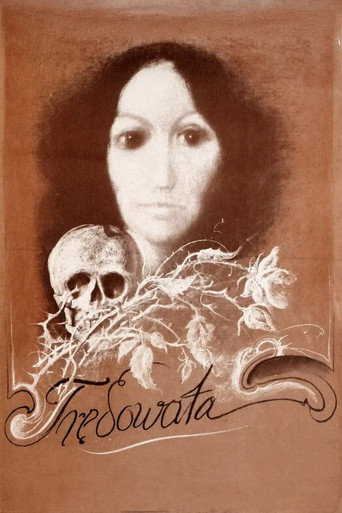 6.5
6.5A simple governess and a wealthy aristocrat fall madly in love with each other. However, his family are prejudiced towards her and have other plans for him.
The Leper
1976
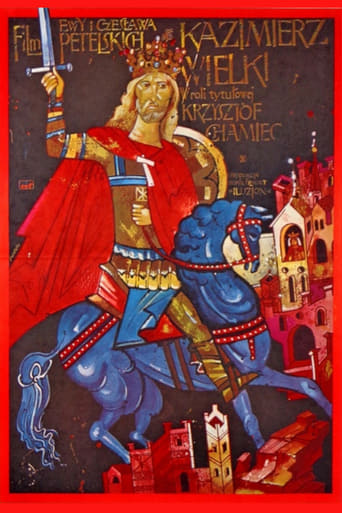 7.5
7.5The life and reign of Polish king Casimir III The Great.
Kazimierz Wielki
1976
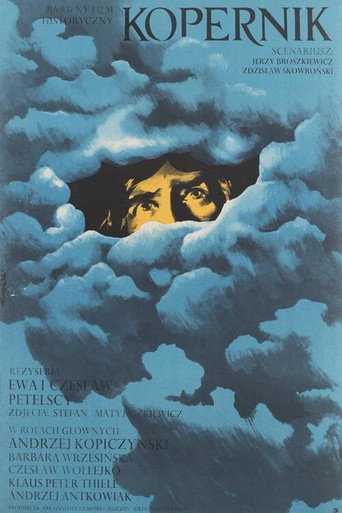 6.0
6.0A biography of Nicholas Copernicus covering 50 years of the astronomer's life - from his studies in Europe to his theological work all the way to the creation of his magnum opus, On the Revolutions of the Celestial Spheres.
Copernicus
1973
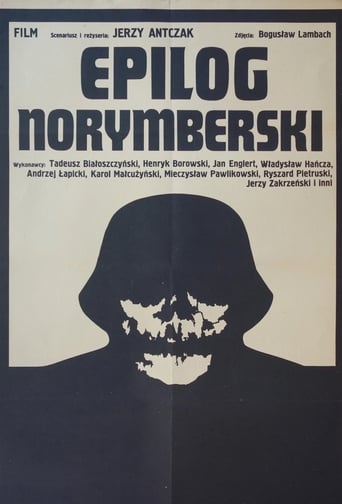 8.7
8.7Reproduction of the Nuremberg trials using transcripts, made for Polish TV.
Nuremberg Epilogue
1971
Psychological drama: a teacher's internal moral conflict, who wins the students' sympathy and respect by devising a heroic war life story.
Pejzaż z bohaterem
1971
 9.0
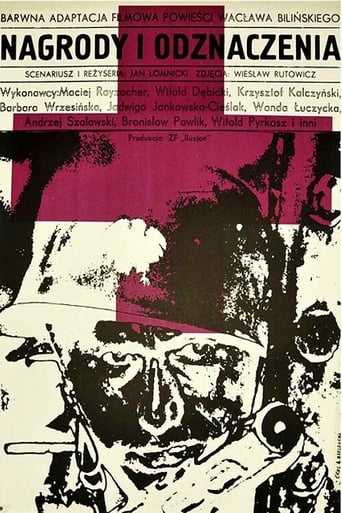
9.0A wartime drama set in a 1944 military hospital where wounded officers and staff from opposing political camps confront ideological conflict and moral uncertainty.
Awards and Decorations
1974
1960s · 3 titles
7.1A tale of a young impoverished nobleman, who with his uncle returns from a war against the order of the Teutonic Knights in Lithuania. He falls in love with a beautiful woman and pledges an oath to bring her "three trophies" from the Teutonic Knights.
Knights of the Teutonic Order
1960
7.0In 1668 Polish colonel Michał Wołodyjowski, who recently retired to a monastery, is recalled to active duty and takes charge of Poland's eastern frontier defenses against invading Tatar hordes and Ottoman armies.
Colonel Wolodyjowski
1969
 7.0
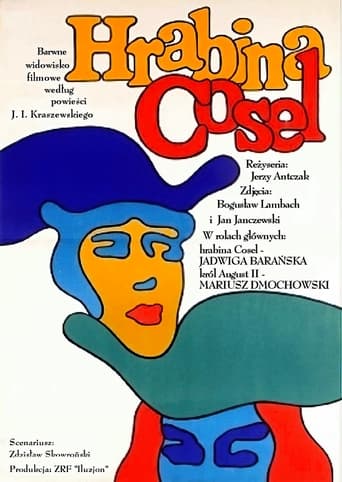
7.0The Countess Cosel is based on the true story of the beautiful Anna Constantia of Brockdorff, a German noblewoman who became a mistress of Augustus the Strong, King of Poland and Elector of Saxony in 1704.
Countess Cosel
1968
1950s · 5 titles
 6.0
6.0Young Frederic Chopin comes of age during a tumultous time in Polish history.
Young Chopin
1952
 8.0
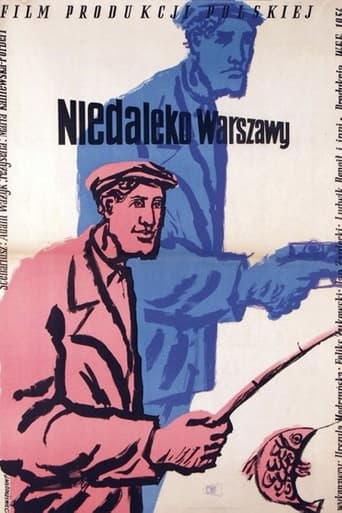
8.0Imperialist spies try to disrupt and stop production in a large steelworks.
Not Far from Warsaw
1954
 6.4
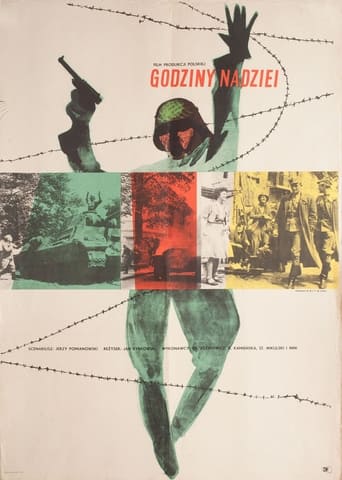
6.4In the last days of World War 2, people of various ethnic background meet in a Polish military hospital in a small German town, whereas a Nazi SS division hides in the local forests and tries to move westwards.
The Hours of Hope
1955
 7.0
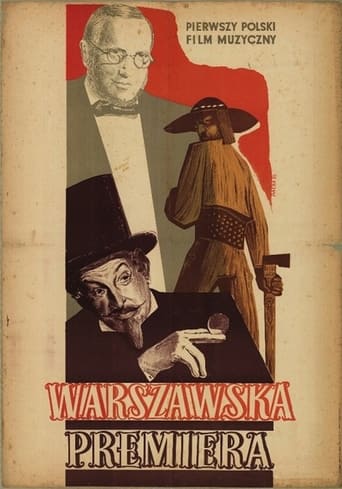
7.0Polish composer Stanisław Moniuszko fights for the right to stage his opera "Halka".
The Warsaw Debut
1951
 4.7
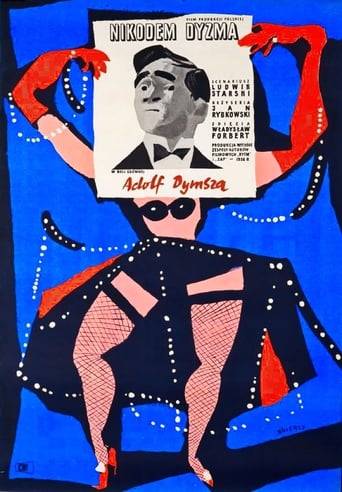
4.7Nikodem Dyzma is a poor dancer who comes to Warsaw to find a job. The problem is that nobody wants to hire him. One day he finds an invitation to the party with very important people and decides to attend. A small accident at the party makes him the hero of the night and becomes the beginning of his career.
Nikodem Dyzma
1956

Series credits
6.4Polish Fanfan, the first Polish series from the "cloak and dagger" - written about the "black cloud" in the press of the 70's. Axis of the plot became a dramatic episodes of the struggle for the maintenance of the Polish Prussia. They remained in feudal depending on the Republic from 1525, when Albrecht Hohenzollern secularized religious state and filed in Krakow tribute to the Polish king.
Clouds of War
1973
6.4Polish Fanfan, the first Polish series from the "cloak and dagger" - written about the "black cloud" in the press of the 70's. Axis of the plot became a dramatic episodes of the struggle for the maintenance of the Polish Prussia. They remained in feudal depending on the Republic from 1525, when Albrecht Hohenzollern secularized religious state and filed in Krakow tribute to the Polish king.
Clouds of War
1973
NRNo synopsis available yet.
Hrabina Cosel
1969