
Directing
Ken Jacobs
Born — Died
1933-05-25 — 2025-10-05
Place of birth
Williamsburg, Brooklyn, New York, USA
Known for
Directing
Credits
78 titles
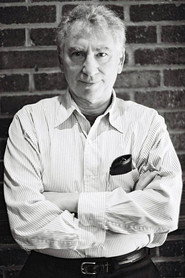
A pioneer of the American film avant-garde of the 1960s and '70s, Ken Jacobs is a central figure in post-war experimental cinema. From his first films of the late 1950s to his recent experiments with digital video, his investigations and innovations have influenced countless artists. A New Yorker by birth, Jacobs graduated from City University to find himself in the midst of the downtown art scene of the 1960s, which included artists Robert Rauschenberg and Andy Warhol, beat writers Allen Ginsberg and Jack Kerouac; and the experimental theater troupes of Trisha Brown and Yvonne Rainer. Although Jacobs had studied painting with Hans Hoffman, he quickly gravitated to film, finding kindred spi…
Known for
 4.2
4.2An anthology of one-minute films created by 51 international filmmakers on the theme of the death of cinema. Intended as an ode to 35mm, the film was screened one time only on a purpose-built 20x12 meter public cinema screen in the Port of Tallinn, Estonia, on 22 December 2011. A special projector was constructed for the event which allowed the actual filmstrip to be burnt at the same time as the film was shown.
60 Seconds of Solitude in Year Zero
2011
 6.5
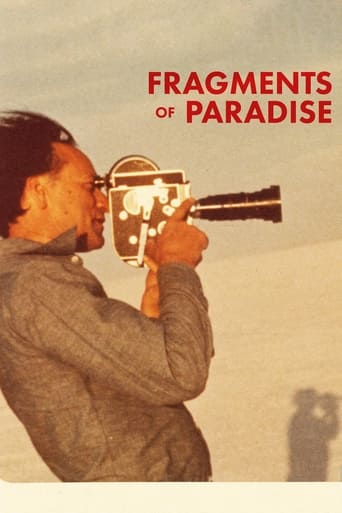
6.5For over 70 years, Jonas Mekas, internationally known as the "godfather" of avant-garde cinema, documented his life in what came to be known as his diary films. From his arrival in New York City as a displaced person in 1949 to his death in 2019, he chronicled the trauma and loss of exile while pioneering institutions to support the growth of independent film in the United States. Fragments of Paradise is an intimate look at his life and work constructed from thousands of hours of his own video and film diaries-including never-before-seen tapes and unpublished audio recordings. It is a story about finding beauty amidst profound loss, and a man who tried to make sense of it all... with a camera.
Fragments of Paradise
2022
 NR
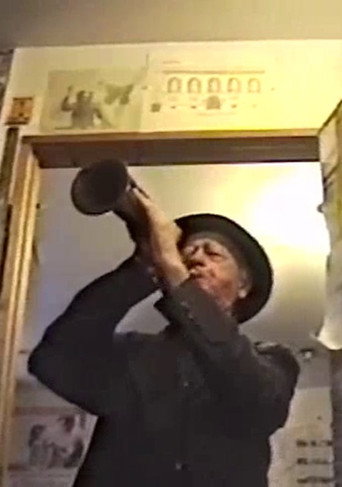
NRScenes from the life and work at Anthology Film Archives. Much of the footage in this video was shot by Auguste Varkalis.
Laboratorium Anthology
1999
 7.8
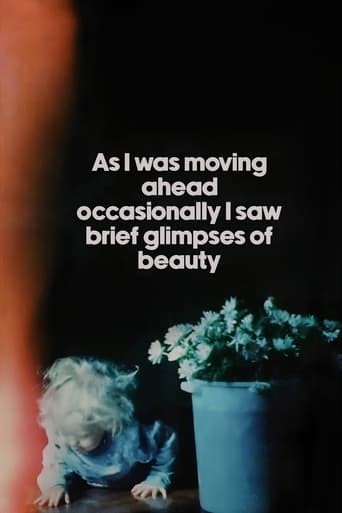
7.8A compilation of over 30 years of private home movie footage shot by Lithuanian-American avant-garde director Jonas Mekas, assembled by Mekas "purely by chance", without concern for chronological order.
As I Was Moving Ahead Occasionally I Saw Brief Glimpses of Beauty
2000
 7.3
7.3Also known as Walden, Jonas Mekas’s first diary film is a six-reel chronicle of his life in 1960s New York, interweaving moments with family, friends, lovers, and artistic idols. Blending everyday encounters with portraits of the avant-garde art scene, it forms an epic, personal meditation on community, creativity, and the passage of time.
Diaries, Notes, and Sketches
1968
 8.2
8.2Explores the life and career of cartoonist Art Spiegelman including the creation and ground-breaking impact of his Pulitzer Prize-winning graphic novel MAUS.
Art Spiegelman: Disaster is My Muse
2025
Film credits
2020s · 6 titles
6.5For over 70 years, Jonas Mekas, internationally known as the "godfather" of avant-garde cinema, documented his life in what came to be known as his diary films. From his arrival in New York City as a displaced person in 1949 to his death in 2019, he chronicled the trauma and loss of exile while pioneering institutions to support the growth of independent film in the United States. Fragments of Paradise is an intimate look at his life and work constructed from thousands of hours of his own video and film diaries-including never-before-seen tapes and unpublished audio recordings. It is a story about finding beauty amidst profound loss, and a man who tried to make sense of it all... with a camera.
Fragments of Paradise
2022
8.2Explores the life and career of cartoonist Art Spiegelman including the creation and ground-breaking impact of his Pulitzer Prize-winning graphic novel MAUS.
Art Spiegelman: Disaster is My Muse
2025
 NR
NRFounded by Richard Linklater in 1985 as a screening series dedicated to bringing experimental and art cinema to the city of Austin, Texas, the Austin Film Society has grown into a cornerstone of the city's creative community - while remaining true to its edgy, eclectic roots.
Art-House America: Austin Film Society
2023
This very special film features a carefully curated selection of some of the priceless messages that have graced Anthology’s voicemail system over the years. From the historically important to the utterly (and sublimely) absurd, they feature a cast of characters ranging from legendary avant-garde filmmakers, scholars, and other cultural figures to civilians whose legend has (until now) been confined to the offices of Anthology, thanks precisely to their witty, eloquent, eccentric – or in some cases unforgettably psychotic – voicemails. We’ve toyed with the idea of sharing these messages in some form for years, and the “Imageless Films” series provides a perfect pretext.
Please Leave a Message: Anthology Film Archives Voicemails Through the Ages
2022
 NR
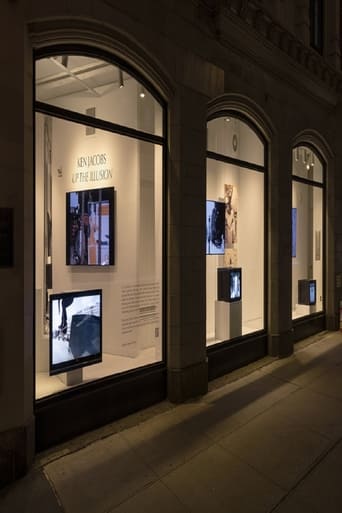
NRA celebration of Ken Jacobs' work at 80WSE.
Up the Illusion
2023
 NR
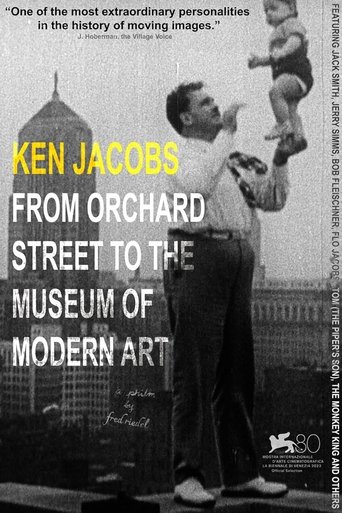
NROne of the most extraordinary personalities in the history of moving images, native New Yorker Ken Jacobs, and his wife and long-time creative partner Flo Jacobs, sit down for a series of discussions, reflecting on numerous clips from the many films and performances conjured onto screens since 1955 and through to today. From the antic collaborations with Jack Smith and company as a central artist in the 1960s underground film movement, through later, seminal, ground-breaking formalist works which expanded his recognition by The Museum of Modern Art and other major cultural institutions, to his invention of the Nervous System and the Cyclopean 3D patented Eternalism and remarkable musical collaborations (with JG Thirlwell, Aki Onda, Nisi Jacobs, Michael Schumacher and others) of his recent work, Jacobs demonstrates and articulates his endless fascination and pursuit of exceptional, moving image art.
Ken Jacobs - from Orchard Street to the Museum of Modern Art
2023
2010s · 10 titles
 6.4
6.4Using the words and ideas of great filmmakers, from archival interviews with Alfred Hitchcock and Robert Bresson to new interviews with Mike Leigh, David Lynch, and Jonas Mekas, Oscar-winning filmmaker Chuck Workman shows what these filmmakers and others do that can't be expressed in words - but only in cinema.
What Is Cinema?
2013
 NR
NRA “Cinéma, de notre temps” series episode directed by french filmmaker Jackie Raynal, originally aired 29 May 2016.
Reminiscences of Jonas Mekas
2016
 6.8
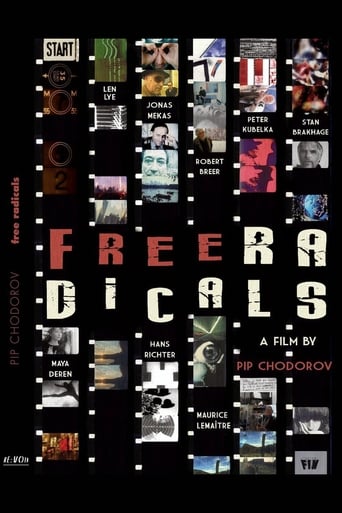
6.8Experimental filmmaker Pip Chodorov traces the course of experimental film in America, taking the very personal point of view of someone who grew up as part of the experimental film community.
Free Radicals: A History of Experimental Film
2011
 5.0
5.0The documentary’s starting point is the discovery and restoration of a rare and unknown photography reel reproduced from a mutoscope film, made in 1901 in London, about Santos Dumont (1873 – 1932). The work approaches historic and artistic aspects from the beginning of Cinema (pre cinema, variety film) and a cinema that appropriates archive material (found footage, recycled films), through interviews, documents, visual metaphors and the articulation of a poetic essay.
Santos Dumont: Pré-Cineasta?
2010
 5.3
5.3Unable to sleep, Jonas Mekas drifts through New York nights, moving between apartments, studios, galleries, bars, and clubs. Along the way he encounters friends and fellow artists—including Ken and Flo Jacobs and Yoko Ono—capturing an intimate mosaic of nocturnal encounters, reflections, and moments of community.
Sleepless Nights Stories
2011
 NR
NRA young woman stands by a car while scenes from metropolitan life flash by.
Cyclopean 3D: Life with a Beautiful Woman
2011
 7.0
7.0A series of video letters between José Luis Guerín and Jonas Mekas.
Cinematic Correspondences: Jonas Mekas - J.L. Guerin
2011
 NR
NRA wholesome moment: Jonas Mekas, MM Serra, Ken Jacobs, and Flo Jacobs take lavender from a stranger's bush.
Lavender
2010
 NR
NRIn celebration of his 80th birthday, here is: THE ETERNAL COURTSHIP (an ipad short) For Ken and Flo Jacobs, with love and affection from all of us out here who bask in the glow...
The Eternal Courtship
2013
 1.0
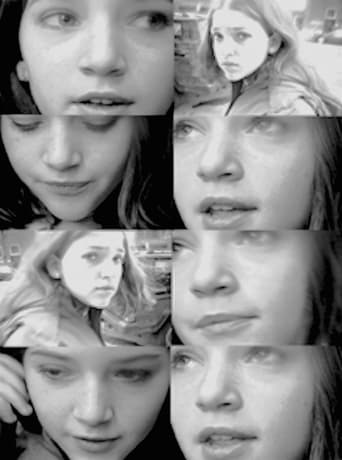
1.0Henry Hills’s Emma’s Dilemma reinvents the portrait for the age of digital reproduction. In a set of tour-de-force probes into the images and essences of such downtown luminaries as Richard Foreman, Ken Jacobs, and Carolee Schneemann, Hills’s cinematic inventions literally turn the screen upside down and inside out. In this epic journey into the picaresque, we follow Emma Bee Bernstein, our intrepid protagonist, from her pre-teen innocence to her late teen-attitude, as she learns about the downtown art scene firsthand. In the process, Hills reimagines the art of video in a style that achieves the density, complexity, and visual richness of his greatest films.
Emma's Dilemma
2012
2000s · 8 titles
7.8A compilation of over 30 years of private home movie footage shot by Lithuanian-American avant-garde director Jonas Mekas, assembled by Mekas "purely by chance", without concern for chronological order.
As I Was Moving Ahead Occasionally I Saw Brief Glimpses of Beauty
2000
 10.0
10.0This exhibition focuses on Jonas Mekas’ 365 Day Project, a succession of films and videos in calendar form. Every day as of January 1st, 2007 and for an entire year, as indicated in the title, a large public (the artist's friends, as well as unknowns) were invited to view a diary of short films of various lengths (from one to twenty minutes) on the Internet. A movie was posted each day, adding to the previously posted pieces, resulting altogether in nearly thirty-eight hours of moving images.
365 Day Project
2007
"I filmed Flo and Ken Jacobs in 2001 when they visited me in my studio (the School of Artistic Photography, Vienna). Our acquaintance, friendship began in 1974. Flo and Ken had witnessed the wild, avant-garde years of independent film in New York. They are practiced New Yorkers. Maybe that's why I thought I could be actionistic and surprising to them while filming: I took the contents of Ken's breast pocket. Ken got angry, as you can see. I hereby apologize in retrospect". (Friedl vom Gröller 2021)
Flo and Ken Jacobs
2001
 6.7
6.7In this entrancing documentary on performance artist, photographer and underground filmmaker Jack Smith, photographs and rare clips of Smith's performances and films punctuate interviews with artists, critics, friends and foes to create an engaging portrait of the artist. Widely known for his banned queer erotica film Flaming Creatures, Smith was an innovator and firebrand who influenced artists such as Andy Warhol and John Waters.
Jack Smith and the Destruction of Atlantis
2007
 7.7
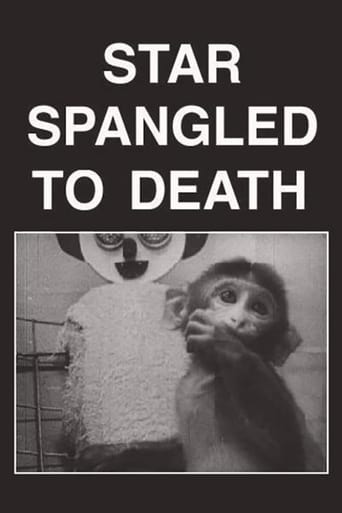
7.7An examination of the history of the U.S. through archival footage and contrasting views of society, incorporating audiovisual material ranging from political campaign films to animated cartoons to children’s phonograph records, featuring Al Jolson, Mickey Mouse, the young Jack Smith, and a half-dozen American presidents.
Star Spangled to Death
2004
 6.2
6.2An adult decides to escape the pressures of life and return to his old bedroom at his parents' house.
Momma's Man
2008
 NR
NRIn NERVOUS KEN, experimental film legend Ken Jacobs is "interviewed" by my urbane 12-year old M.C., Emma Bernstein. Envisioning an exploration of the nature of listening (of apprehending or not, remembering or not, and creating meaning) and of the repetitions & variations of verbal expression and its accompanying often-emphatic physical gesturing as a basis for making visual music, I, as filmmaker turned "media artist", employ the full range of temporal manipulation available within my concurrent digital set-up, exploiting unique corners which differentiate DV from 16mm, though including frequent references to themes & techniques from Jacobs' own work within the arcanum of film. The "musical score" is derived through permutations of the sync track. This was the first released section from the ongoing series, premiering March 2004 at the Museum of Modern Art.
Nervous Ken
2003
Features interviews with famed underground filmmaker Ken Jacobs and associates, and screens in full two rare Jacobs works: Nissan Ariana Window, and Spaghetti Aza.
Shorts From the Underground
2002
1990s · 4 titles
NRScenes from the life and work at Anthology Film Archives. Much of the footage in this video was shot by Auguste Varkalis.
Laboratorium Anthology
1999
 7.0
7.0Jonas Mekas assembles 160 portraits, appearances, and fleeting sketches of underground and independent filmmakers captured between 1955 and 1996. Fast-paced and archival in spirit, the film celebrates the avant-garde as its own “nation of cinema,” a vital community existing outside the dominance of commercial film.
Birth of a Nation
1997
 6.4
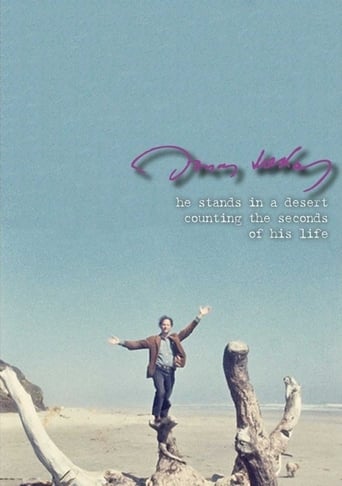
6.4Not a documentary in the strictest sense of the word. Rather, it is a journey through the world of the artist Jonas Mekas - one of the exponents of independent U.S. movies; founder and director of the New York Anthology Film Archive.
Jonas in the Desert
1994
 7.5
7.5Quartet Number One (1991) 8 min.
Quartet Number One
1991
1980s · 2 titles
1970s · 3 titles
 NR
NRDuring the 1970s I shot, helped to make, or commissioned about ten document films, mainly about film-makers. This film is one of them. It was made with Dan Ochiva, who acted as cameraman on about half of the footage. I shot the rest, and then edited the film. It is a record of a conference held at the State University of New York at Buffalo on March 22-25, 1973. Among the participants filmed were Gerald O'Grady (who organized the conference), Will Hindle, Stan Brakhage, Jonas Mekas, Robert Creeley, Bruce Baillie, Scott Bartlett, Hollis Frampton, Ken Jacobs, Ed Pincus, Stan Vanderbeek, Ed Emshwiller, Sally Dixon, James Cox. This footage will eventually become part of my film PEOPLE, PLACES, THE 1970S. –R. H.
Notes on the Buffalo Conference: “Autobiography in American Independent Cinema”
1973
 7.1
7.1Drawn from footage shot between 1949 and 1963, Jonas Mekas’s autobiographical diary film chronicles his early years in exile, capturing the struggle to build a new life in New York and his gradual discovery of a vibrant artistic community.
Lost, Lost, Lost
1976
 8.5
8.5Working with Virgil’s four-part poem “Georgics” and Antonio Vivaldi’s concertos “The Four Seasons” as models, Gottheim arranged his painterly compositions into four distinct sections, each edited according to its own exacting pattern. The seasonal flux thus informs both the form and content of the image, with the basic elements of trees, sky, hills and the occasional crisscrossing clothesline filmed in every imaginable light.
Horizons
1973
1960s · 5 titles
7.3Also known as Walden, Jonas Mekas’s first diary film is a six-reel chronicle of his life in 1960s New York, interweaving moments with family, friends, lovers, and artistic idols. Blending everyday encounters with portraits of the avant-garde art scene, it forms an epic, personal meditation on community, creativity, and the passage of time.
Diaries, Notes, and Sketches
1968
 3.0
3.0Jack Smith poses in elaborate costumes, plays with everyday objects, and performs for the camera while his disjointed voiceover unfolds through songs, personal reflections, and provocative stories. Assembled by Ken Jacobs from unfinished footage shot by Bob Fleischner, this experimental film blends performance, fantasy, and dark humor into an unconventional portrait of its subject.
Blonde Cobra
1963
 NR
NR"The whole film are non-art portraits of people in which they do what they want with this hat – and therefore, act or stand in front of my camera. It’s only love: therefore it can’t harm you". Joyce Wieland.
Bill's Hat
1967
 NR
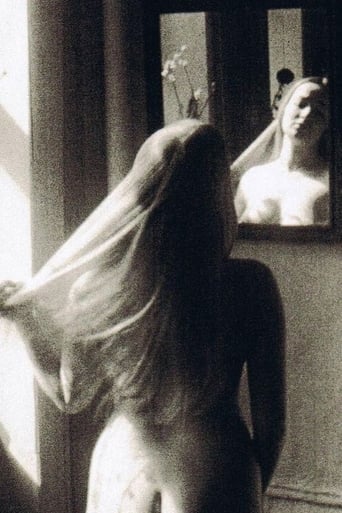
NRIn 1968, Noren finished Huge Pupils, a gorgeous, sensuous, sexually outrageous visual study of his daily life, and part I of an ongoing series he would come to call The Adventures of the Exquisite Corpse.
Huge Pupils
1968
 4.4
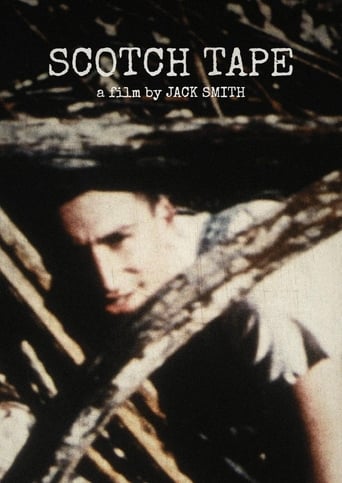
4.4Shot in 1959, Scotch Tape is Jack Smith's first film -- a joyous, three-minute romp, in color, using Peter Duchin's rhumba "Carinhoso" for its soundtrack. Three young men merrily bop through the wreckage of razed buildings at the site of what would become Lincoln Center. Apparently, Scotch Tape was never edited and, instead, was cut in the camera by Smith, combining long shots and close-ups while filming mostly from overhead. The title comes from a small strip of scotch tape that was accidentally stuck on the camera and so is visible in the lower-right corner of the frame throughout the film.
Scotch Tape
1963
Behind the camera
4.2An anthology of one-minute films created by 51 international filmmakers on the theme of the death of cinema. Intended as an ode to 35mm, the film was screened one time only on a purpose-built 20x12 meter public cinema screen in the Port of Tallinn, Estonia, on 22 December 2011. A special projector was constructed for the event which allowed the actual filmstrip to be burnt at the same time as the film was shown.
60 Seconds of Solitude in Year Zero
2011
 5.9
5.9A story told by director Ken Jacobs but without conventional storyline. Using a modified magic lantern, an early type of image projector developed in the 17th century, he morphs, flickering images that look like photo-negatives.
Celestial Subway Lines/Salvaging Noise
2005
5.9A story told by director Ken Jacobs but without conventional storyline. Using a modified magic lantern, an early type of image projector developed in the 17th century, he morphs, flickering images that look like photo-negatives.
Celestial Subway Lines/Salvaging Noise
2005
 6.0
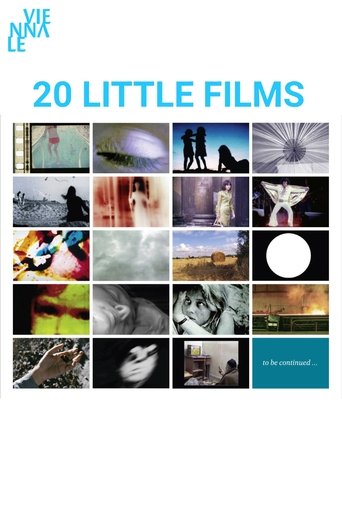
6.0Since 1995, the Viennale has invited renowned directors to create short, one-minute films as personal contributions to the festival. Ranging from home movies to political essays, musical sketches to abstract studies, these “little films” form a unique anthology of cinematic moments. 20 Little Films collects a selection of these works, premiering together for the Viennale’s 50th anniversary at the Locarno Film Festival.
20 Little Films
2012
3.0Jack Smith poses in elaborate costumes, plays with everyday objects, and performs for the camera while his disjointed voiceover unfolds through songs, personal reflections, and provocative stories. Assembled by Ken Jacobs from unfinished footage shot by Bob Fleischner, this experimental film blends performance, fantasy, and dark humor into an unconventional portrait of its subject.
Blonde Cobra
1963
 6.0
6.0First shown on January 30, 1967, FOR LIFE AGAINST THE WAR was an open-call, collective statement from American independent filmmakers disparate in style and sensibility but united by their opposition to the Vietnam War. Part of the protest festival Week of the Angry Arts, the epic compilation film incorporated minute-long segments which were sent from many corners of the country, spliced together and projected. The original presentation of the works was more of an open forum with no curation or selection, and in 2000 Anthology Film Archives preserved a print featuring around 40 films from over 60 submissions.
For Life, Against the War
1967
 4.8
4.8Suggestion: Please see 'Another Occupation' before 'Seeking the Monkey King'. Contains flicker like many of my works; avoid if you have epilepsy or other unusual brain conditions.
Seeking the Monkey King
2011
NRA young woman stands by a car while scenes from metropolitan life flash by.
Cyclopean 3D: Life with a Beautiful Woman
2011
7.7An examination of the history of the U.S. through archival footage and contrasting views of society, incorporating audiovisual material ranging from political campaign films to animated cartoons to children’s phonograph records, featuring Al Jolson, Mickey Mouse, the young Jack Smith, and a half-dozen American presidents.
Star Spangled to Death
2004
7.7An examination of the history of the U.S. through archival footage and contrasting views of society, incorporating audiovisual material ranging from political campaign films to animated cartoons to children’s phonograph records, featuring Al Jolson, Mickey Mouse, the young Jack Smith, and a half-dozen American presidents.
Star Spangled to Death
2004
 5.0
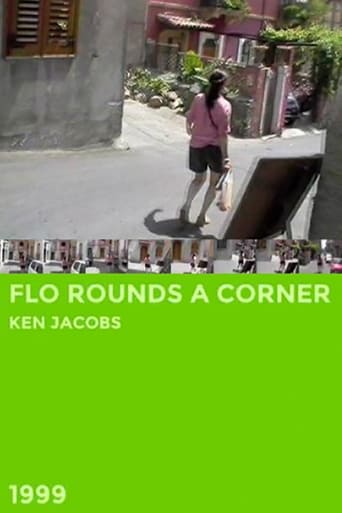
5.0A short by Ken Jacobs. Taormina, Sicily; Mt. Etna erupting nearby.
Flo Rounds a Corner
1999
NRA celebration of Ken Jacobs' work at 80WSE.
Up the Illusion
2023
 6.5
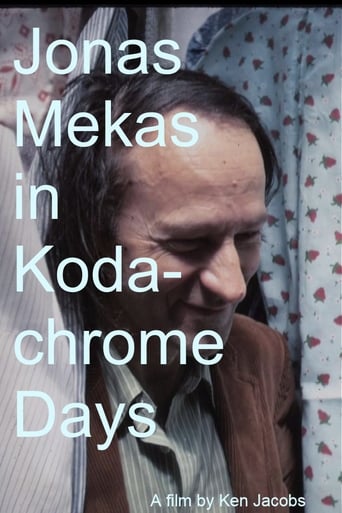
6.5Using his trademark flicker method, Ken Jacobs pays homage to the oldest type of color film, Kodachrome (whose production was discontinued in 2009) and to Jonas Mekas, who managed to breathe life into Kodachrome.
Jonas Mekas in Kodachrome Days
2009
 NR
NRA strobing deconstruction of Orson Welles' Chimes at Midnight.
From Introduction to Orson Welles’s Falstaff: Chimes at Midnight
2023
 10.0
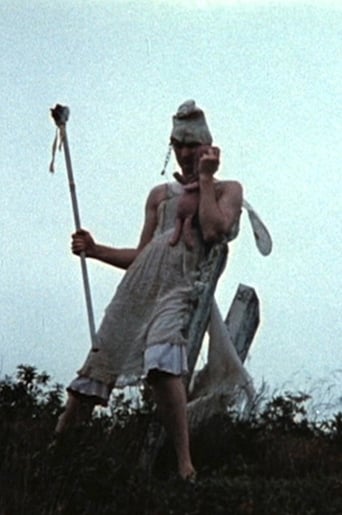
10.0Shot in Provincetown in the summer of '61 with the goal of funding a larger project, the film was never completed due to a violent argument between actor Jack Smith and director Ken Jacobs shortly after the shooting began. A title card explains that Smith 'would've starred as the Fairy Vampire.'
The Death of P'town
1961
 5.8
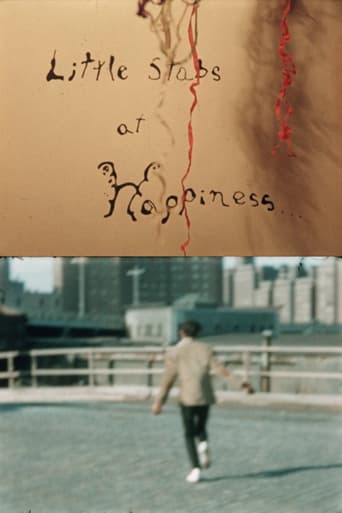
5.8Little Stabs at Happiness is a collection of silent shorts Jacobs shot from the period of 1959-1963. Jaunty tunes (and a somber reflection) accompany the footage.
Little Stabs at Happiness
1963
 NR
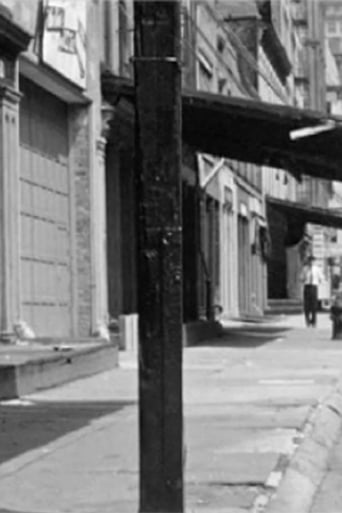
NRShort film with Jack Smith as the mysterious leader of an even-more-mysterious cult, garbed in pseudo-papal regalia and adorned with jewelry and makeup. His followers do his bidding by abducting and cross-dressing an unsuspecting mailman. Smith launches a processional and is soon joined by real neighborhood children in the streets of Lower Manhattan. Eventually, the police came along and shooting ends, but Ken Jacobs gets an overhead shot of Smith trying to explain himself to the cops.
Saturday Afternoon Blood Sacrifice
1956
 NR
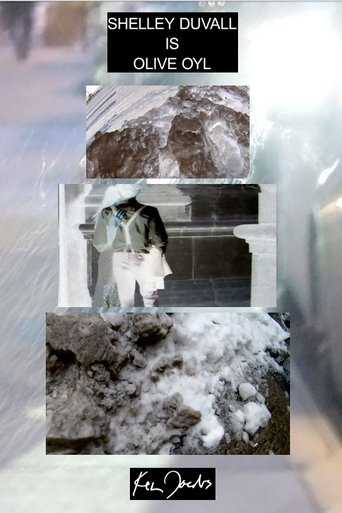
NRDescription by Ken Jacobs: Shelley Duvall is Olive Oyl is the fourth in a series of shorts (Popeye Sees 3D; Pappy Sees 3D, Too; Sweepea’s Favorite Eternalisms. We’re crazy about both the original Popeye and the Robert Altman film but the point in evoking the one-eyed sailor was to bring attention to single-eye depth perception. The Eternalism is my name for moving screen-images that not only appear in depth on 2D monitors but can continue in place with no start and no repeat point forever, defying time as we know it but also with their impossible depths available to even a single eye. Time’n’space time’n’space, transformed by cinema! The unthinkable available as the new electronic greeting card.
Shelley Duvall is Olive Oyl
2017
 6.0
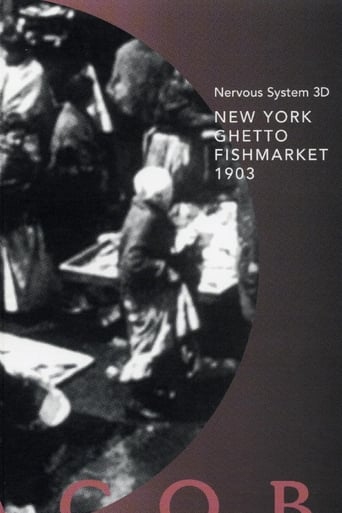
6.0First created and presented as a Tzadik New Jewish Culture offering in 1993. First performed live as a Nervous System performance with Catherine Jauniaux performing onstage, this version has been reconstructed from scratch (film-frame by film-frame) on the computer. This current embodiment does not hesitate to electronically embrace the fish-peddlers and buyers of 1903.
New York Ghetto Fishmarket 1903
2007
6.0First created and presented as a Tzadik New Jewish Culture offering in 1993. First performed live as a Nervous System performance with Catherine Jauniaux performing onstage, this version has been reconstructed from scratch (film-frame by film-frame) on the computer. This current embodiment does not hesitate to electronically embrace the fish-peddlers and buyers of 1903.
New York Ghetto Fishmarket 1903
2007
 NR
NR"Influenced by avant-garde artist-refugees from Europe, non-representational art dominated the art market after WW2 [...] Viewers offered open minds, picking up on pointed suggestion and discovering the heady adventure of engagement with ambiguity. MOVIE THAT INVITES PAUSING is just such a work in the realm of cinema. It offers no particular path to follow and running time is tentative; for repeat viewings it has none." - Ken Jacobs
Movie That Invites Pausing
2020
 NR
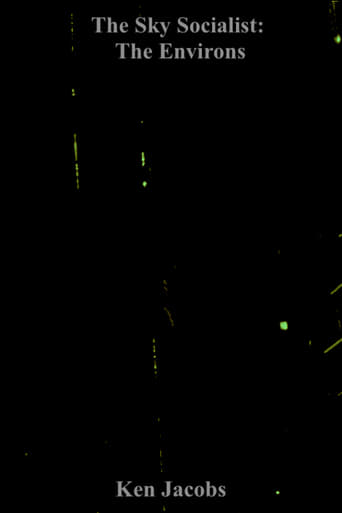
NRFall into winter 1964, Urban Renewal forced us to move a few blocks to West of Broadway. Our Sky Socialist ‘set’ is still standing and I’m drawn back to document more. It’s old New York, a lot of history. And then it no longer stands, no more than my first home in the slums of Williamsburg just across the river.
The Sky Socialist: The Environs
2019
 NR
NR"Hidden in a movie shot is an infinity of monsters. Pause and they show themselves (at their worst in 3D)." - Ken Jacobs
The Lackadaisical Speed of Light
2015
 NR
NR'Blinking' 2D rendition of one of Ken Jacobs' Nervous System performances first presented in 1994.
Bitemporal Vision: The Sea
1994
 NR
NRA 2023 Ken Jacobs Eternalism
Dr. Jekyll and Mr. Hyde
2023
 5.3
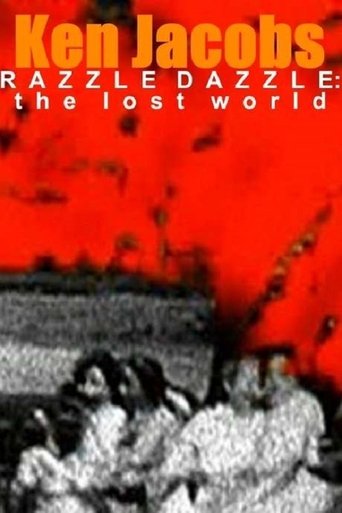
5.3Avant-garde master Ken Jacobs' dizzying digital reinvention of a 1903 Edison "actuality" stretches and bends the one-minute film to an incredible, almost hallucinogenic ninety-three, combining period stereoscopic slides to create a fascinating play of depth and 2- and 3-dimensionality, narrative and scintillating spectacle.
Razzle Dazzle: The Lost World
2007
 6.8
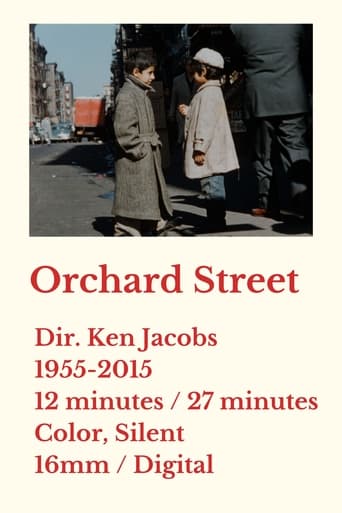
6.8This short film documents the daily life of the goings-on on Orchard Street, a commercial street in the Lower East Side New York City.
Orchard Street
1955
 NR
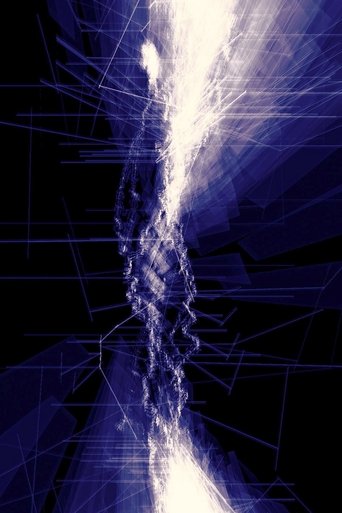
NRA picturing of sound in 3D.
Ulysses in the Subway
2017
 NR
NRCo-made with Nisi Ariana
America Lets Her Hair Down 1905
2022
 NR
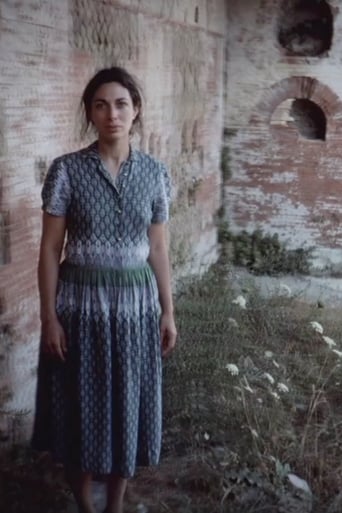
NRA 3-D vacation album, The Day Was a Scorcher pictures what Jacobs describes as "movie-star Flo, Nisi the thoughtful young girl, and Aza old enough to trudge with the rest of us, but still expecting to be pushed around on wheels," frolicking in a sun-drenched Rome in the 1970s. Explains Jacobs, "It's a perfect day when nothing happens."
The Day Was a Scorcher
2009
NRA 3-D vacation album, The Day Was a Scorcher pictures what Jacobs describes as "movie-star Flo, Nisi the thoughtful young girl, and Aza old enough to trudge with the rest of us, but still expecting to be pushed around on wheels," frolicking in a sun-drenched Rome in the 1970s. Explains Jacobs, "It's a perfect day when nothing happens."
The Day Was a Scorcher
2009
 6.0
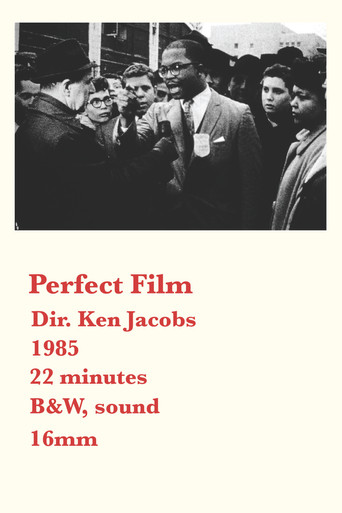
6.0Directed by Ken Jacobs, 1985. In Jacobs' own words: "I wish more stuff was available in its raw state, as primary source material for anyone to consider, and to leave for others in just that way, the evidence uncontaminated by compulsive proprietary misapplied artistry, "editing", the purposeful "pointing things out" that cuts a road straight and narrow through the cine-jungle; we barrel through thinking we’re going somewhere and miss it all. Better to just be pointed to the territory, to put in time exploring, roughing it, on our own. For the straight scoop we need the whole scoop, or no less than the clues entire and without rearrangement. O, for a Museum of Found Footage, or cable channel, library, a shit-museum of telling discards accessible to all talented viewers/auditors. A wilderness haven salvaged from Entertainment."
Perfect Film
1985
Freeview 3D film by Ken Jacobs
Berkeley To San Francisco
2009
Ken Jacobs short film
Eat the Rich: Aligning Perspectives and Other Challenges to Viewers
2022
 6.2
6.2An experimental feature made by rephotographing the 1905 Biograph short Tom, Tom, the Piper's Son.
Tom, Tom, the Piper's Son
1969
 NR
NR"Abstract Expressionist Cinema"
Ken Jacobs / JG Thirlwell @ The Nervous Magic Lantern Festival
2016
 NR
NRAn Eternalism film.
Foliage in Moving Car Window
2020
 NR
NRThis is how the film begins, duck-on-a-leash to Little Bo Peep to the revealing of the too-busy full stage-set. Each gets their close-up and the many choreographed incidents happening together, and impossible to sort out, are given time out of the welter of events to shine. While it seems a mistake to break apart the wonderful muchness of the original, it's fun to see one action centered while others we've become familiar with repeat around it in the grand clockwork mechanism that is cinema. Actions made familiar take off into abstract permutations, veering in and out of recognition. God appears, centering the commotion, but splits when the crowd deserts his act to go after Tom."
Return to the Scene of the Crime
2008
 NR
NR"My last image of Jonas."—Ken Jacobs
Sebastian and Jonas Leaving the Party
2019
 NR
NRPart of a series of Eternalisms
Tourists of the Familiar 15
2023