

Directing
Lynne Littman
Born
1941-06-26 (85)
Place of birth
New York City, New York, USA
Known for
Directing
Credits
12 titles
Lynne Littman (born June 26, 1941) is an American film and television director and producer. Her best known work is the 1983 film Testament and she has won several awards including an Academy Award for her documentary short film Number Our Days (1976).
Known for
 7.1
An annual American awards ceremony honoring cinematic achievements in the film industry. The various category winners are awarded a copy of a statuette, officially the Academy Award of Merit, that is better known by its nickname Oscar.
The Oscars
1953
 6.4
It's just another day in the small town of Hamlin until something disastrous happens. Suddenly, news breaks that a series of nuclear warheads has been dropped along the Eastern Seaboard and, more locally, in California. As people begin coping with the devastating aftermath of the attacks — many suffer radiation poisoning — the Wetherly family tries to survive.
Testament
1983
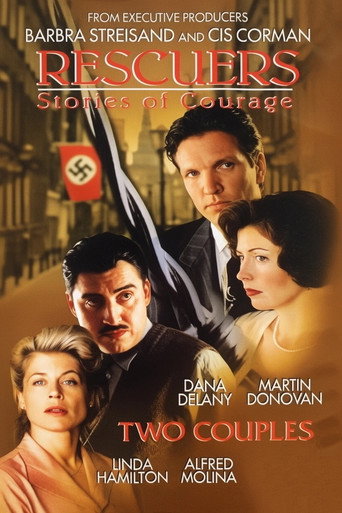 5.0
Two fact-based tales about citizens who risked everything, including their lives, to save Holocaust victims.
Rescuers: Stories of Courage - Two Couples
1998
 5.7
After being diagnosed with Multiple Sclerosis, a rebellious young woman is disease-stricken. Upon being admitted to a nursing home, she finds hope in the most unlikely of places...
Freak City
1999
 8.5
Detectives Cagney and Lacey come face-to-face with their true feelings about capital punishment when they're assigned to the city's first capital murder case in 10 years.
Cagney & Lacey: True Convictions
1996
Documentary short that explores how anxieties about nuclear war have endured in the years since the release of the 1983 film Testament.
Testament: Nuclear Thoughts
2004
Series credits
Behind the camera
6.4It's just another day in the small town of Hamlin until something disastrous happens. Suddenly, news breaks that a series of nuclear warheads has been dropped along the Eastern Seaboard and, more locally, in California. As people begin coping with the devastating aftermath of the attacks — many suffer radiation poisoning — the Wetherly family tries to survive.
Testament
1983
5.0Two fact-based tales about citizens who risked everything, including their lives, to save Holocaust victims.
Rescuers: Stories of Courage - Two Couples
1998
5.7After being diagnosed with Multiple Sclerosis, a rebellious young woman is disease-stricken. Upon being admitted to a nursing home, she finds hope in the most unlikely of places...
Freak City
1999
8.5Detectives Cagney and Lacey come face-to-face with their true feelings about capital punishment when they're assigned to the city's first capital murder case in 10 years.
Cagney & Lacey: True Convictions
1996
Documentary short that explores how anxieties about nuclear war have endured in the years since the release of the 1983 film Testament.
Testament: Nuclear Thoughts
2004
 7.3
Tells the story of Sadie and Bessie Delany, two African-American (they preferred "colored") sisters who both lived past the age of 100. They grew up on a North Carolina college campus, the daughters of the first African-American Episcopal bishop, who was born a slave, and a woman with an inter-racial background. With the support of each other and their family, they survived encounters with racism and sexism in their own different ways. Sadie quietly and sweetly broke barriers to become the first African-American home-ec teacher in New York City, while Bessie, with her own brand of outspokenness, became the second African-American dentist in New York City. At the ages of 103 and 101, they told their story to Amy Hill Hearth, a white New York Times reporter who published an article about them. The overwhelming response launched a bestselling book, a Broadway play, and this film.
Having Our Say: The Delany Sisters' First 100 Years
1999
 7.8
Based on the book by anthropologist Barbara Myerhoff, this Academy Award-winning short documentary offers a tender portrait of a community of elderly yet resilient Jews living, loving, and at times struggling, in Venice, California. From everyday trials to traditional celebrations, this compassionate portrayal of Eastern European survivors cuts straight to the heart of every viewer and reminds us of the joys and realities of long life. Preserved by the Academy Film Archive in 2007.
Number Our Days
1976
Interviews with crew and cast look back 20 years to the filming and release of "Testament" in 1983.
Testament at 20
—
 10.0
A documentary about Dr. Barbara Myerhoff and Los Angeles's Fairfax district.
In Her Own Time
1985
 NR
Poses the potential for manipulation and alteration of man's life through the use and abuse of drugs as a part of drug education. Discusses the use of drugs for increased learning power, memory stimulation, accelerated maturing processes and tension control and the responsibilities educators and administrators may have in such applications.
Drugs And Beyond
1971