
Acting
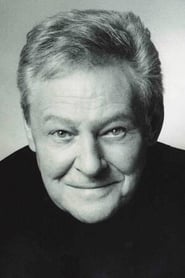
Trevor Bannister
Born — Died
1934-08-14 — 2011-04-14
Place of birth
Durrington, Wiltshire, England, UK
Known for
Acting
Credits
53 titles
Trevor Gordon Bannister (14 August 1934 - 14 April 2011) was an English actor best known for having played the womanising junior salesman Mr Lucas in the sitcom Are You Being Served? from 1972 to 1979, and for his role as Toby Mulberry Smith in the long-running sitcom Last of the Summer Wine, from 2003 until it ended its run in 2010.
Known for
 6.2
6.2Drama series about the staff and patients at Holby City Hospital's emergency department, charting the ups and downs in their personal and professional lives.
Casualty
1986
 7.6
7.6A team of exceptional forensic pathologists and scientists investigate heinous crimes and use their skills to catch the people responsible.
Silent Witness
1996
 7.8
7.8A quirky spy show of the adventures of eccentrically suave British Agent John Steed and his predominantly female partners. Jonathan Steed - an urbane, proper gentleman spy - teams with various assistants throughout the series' run, including Dr. David Keel, Cathy Gale, Emma Peel and Tara King, to repeatedly save the world from diabolical schemes plotted by equally diabolical evil-doers (among them robots and man-eating monsters).
The Avengers
1961
 7.4
7.4Simon Templar is The Saint, a handsome, sophisticated, debonair, modern-day Robin Hood who recovers ill-gotten wealth and redistributes it to those in need.
The Saint
1962
 7.3
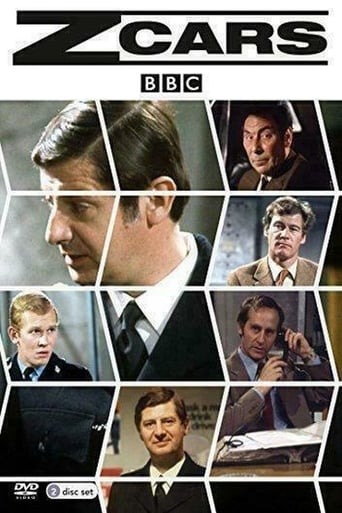
7.3Z-Cars or Z Cars is a British television drama series centred on the work of mobile uniformed police in the fictional town of Newtown, based on Kirkby, Merseyside. Produced by the BBC, it debuted in January 1962 and ran until September 1978.
Z-Cars
1962
 3.4
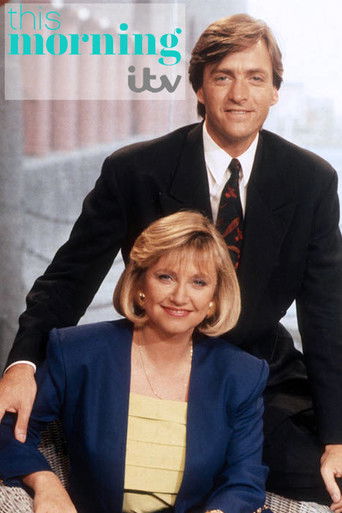
3.4Richard & Judy was a British chat show presented by the married couple Richard Madeley and Judy Finnigan. The show originally aired on Channel 4, from 2001 to 2008, but later moved to digital channel, Watch, in October 2008. The programme featured a number of celebrities and a book club. Its final episode aired in July 2009 due to low ratings.
Richard & Judy
2001
Film credits
2020s · 2 titles
 7.0
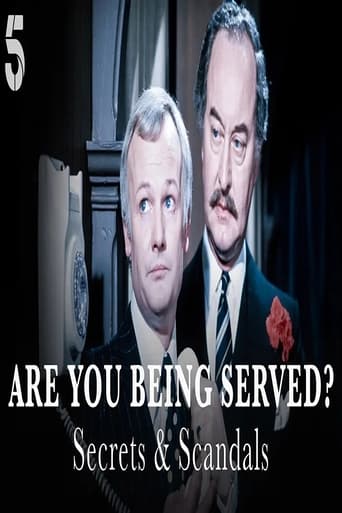
7.0Are You Being Served? is one of the most popular and most outrageous British sitcoms of all time. For more than a decade, millions of viewers tuned in for its smutty innuendo and the electric chemistry between the cast. But behind the laughter were plenty of secrets and scandals.
Are You Being Served? Secrets & Scandals
2022
 NR
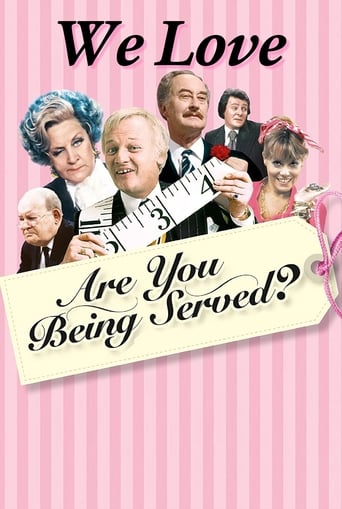
NRGrace Brothers shut up shop over thirty years ago but for one night only we are reopening that infamous department store, climbing into the lift and going up to celebrate everything we love about Britain's brashest bawdiest sitcom, Are You Being Served?. Featuring side-splitting clips and behind the scenes footage, prepare to have your ribs well and truly tickled as we pay tribute to the true-blue sitcom phenomenon that is Are You Being Served?
We Love Are You Being Served?
2020
2000s · 2 titles
 10.0
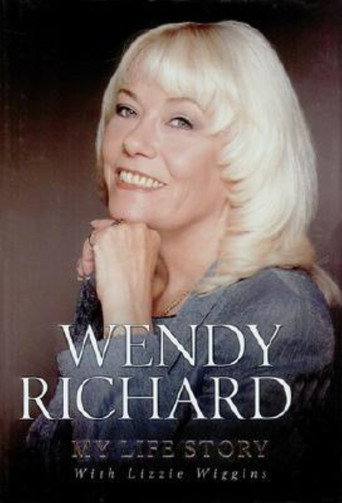
10.0Profile of actress Wendy Richard's remarkable television career, featuring classic clips and contributions from colleagues.
Wendy Richard: A Life on the Box
2001
Movie with some of the greatest brittish comedians such as Rowan Atkinson, John Cleese.
The Funny Blokes of British Comedy
2005
1990s · 2 titles
 3.8
3.8A weary British spy retreats to a Buenos Aires hotel and recalls his last dirty job, complete with lover.
Hostage
1992
 5.5
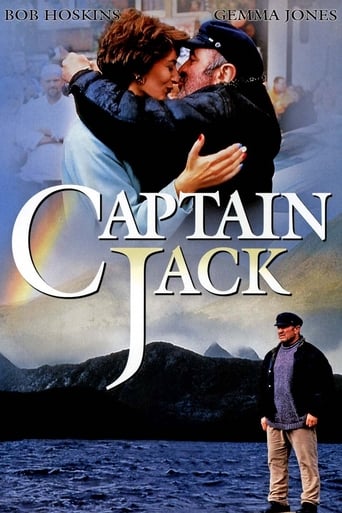
5.5Rebellious and irreverent, Captain Jack is a man on a mission. Come hell or high water, he's determined to follow in the footsteps of Whitby's unsung hero, Captain Scoresby, who set sail from the town bound for the Arctic in the 18th Century. Assembling a crew of oddballs and misfits, the cantankerous captain weighs anchor and voyages into the unknown. His ship has been certified unseaworthy, and he's pursued by the Royal Navy, NATO and journalists, but nothing is going to stop Captain Jack fulfilling his wildest dream.
Captain Jack
1999
1970s · 5 titles
 4.6
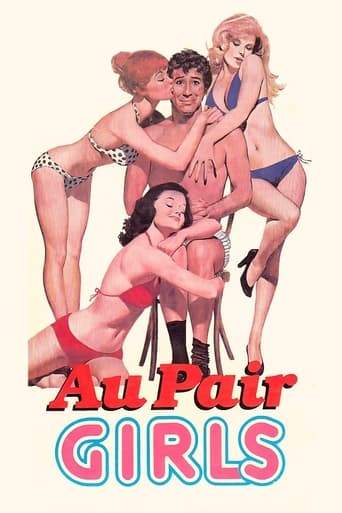
4.6Four sexy young foreign girls come to England as au pairs and quickly become quite intimate with their employers, host families, and just about everyone else they encounter.
Au Pair Girls
1972
 5.0
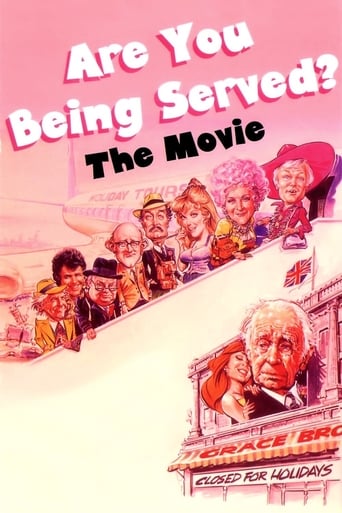
5.0In this feature film version of the popular BBC sitcom, the staff of Grace Brothers go on holiday to Costa Plonka, where they find themselves in the middle of a revolution.
Are You Being Served? The Movie
1977
 5.0
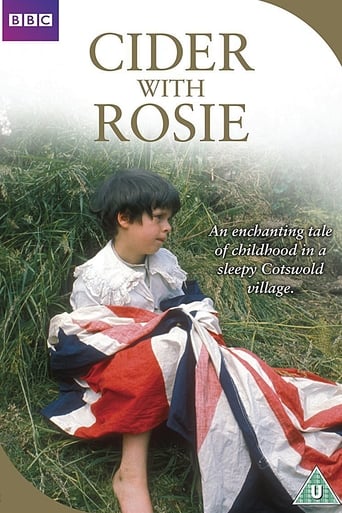
5.0An enchanting tale of childhood in a sleepy Cotswold village during and immediately after the First World War.
Cider with Rosie
1971
Tommy Adams has become quite the grown man. Now 19 years old, he is the man of the house, working full-time and supporting his widowed mother. He has also taken quite a fancy to Rachel Sullens, a 26 year old woman who lives with her 19 year old sister, Lindy.
The Sullens Sisters
1972
Trevor returns to his old home town to see his estranged wife and son, but fails to see why she is afraid of him.
If You Could See What I Can See
1974
1960s · 4 titles
 6.0
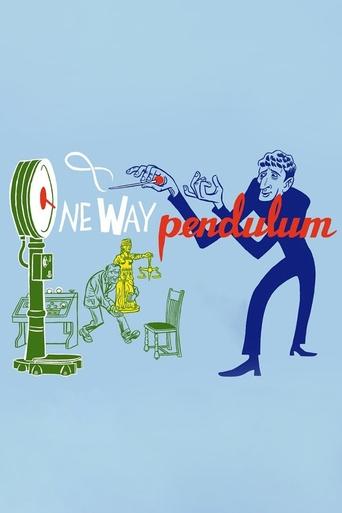
6.0A study of absurdity in a suburban family: father recreates the Old Bailey in the living room while the son teaches speak-your-weight machines to sing in the attic.
One Way Pendulum
1965
Salesman shares a bedsit with a part-time waiter with mystical beliefs. The house is owned by an eccentric old lady. When the salesman girfriend comes around for a visit, they do not get privacy they crave.
Travelling Light
1967
Lancashire newlyweds Violet and Arthur Fitton are forced to postpone their honeymoon and move in temporarily with his parents.
Honeymoon Postponed
1961
 NR
NRSusan and Neville begin to have doubts the evening before their wedding.
The Night Before The Morning After
1966
Series credits
6.2Drama series about the staff and patients at Holby City Hospital's emergency department, charting the ups and downs in their personal and professional lives.
Casualty
1986
7.6A team of exceptional forensic pathologists and scientists investigate heinous crimes and use their skills to catch the people responsible.
Silent Witness
1996
7.8A quirky spy show of the adventures of eccentrically suave British Agent John Steed and his predominantly female partners. Jonathan Steed - an urbane, proper gentleman spy - teams with various assistants throughout the series' run, including Dr. David Keel, Cathy Gale, Emma Peel and Tara King, to repeatedly save the world from diabolical schemes plotted by equally diabolical evil-doers (among them robots and man-eating monsters).
The Avengers
1961
7.4Simon Templar is The Saint, a handsome, sophisticated, debonair, modern-day Robin Hood who recovers ill-gotten wealth and redistributes it to those in need.
The Saint
1962
7.3Z-Cars or Z Cars is a British television drama series centred on the work of mobile uniformed police in the fictional town of Newtown, based on Kirkby, Merseyside. Produced by the BBC, it debuted in January 1962 and ran until September 1978.
Z-Cars
1962
3.4Richard & Judy was a British chat show presented by the married couple Richard Madeley and Judy Finnigan. The show originally aired on Channel 4, from 2001 to 2008, but later moved to digital channel, Watch, in October 2008. The programme featured a number of celebrities and a book club. Its final episode aired in July 2009 due to low ratings.
Richard & Judy
2001
 7.0
7.0ITV Playhouse is a British comedy-drama TV series that ran from 1967 to 1983, which featured contributions from playwrights such as Dennis Potter, Rhys Adrian and Alan Sharp. The series began in black and white, but was later shot in colour and was produced by various companies for the ITV network, a format that would inspire Dramarama. Actors appearing in the series included Leslie Anderson, Gwen Nelson, Ricky Alleyne, Pat Heywood, Michael Elphick, Ian Hendry, Edward Woodward, Margaret Lockwood, Jessie Matthews and Lloyd Peters.
ITV Playhouse
1967
 7.2
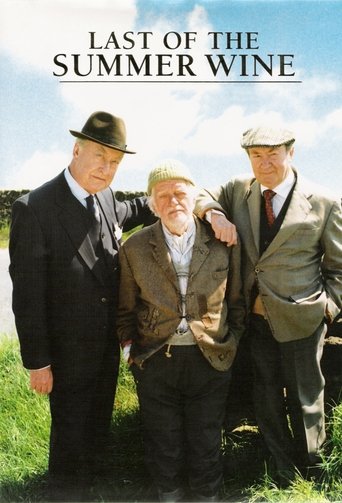
7.2Unencumbered by wives, jobs or any other responsibilities, three senior citizens who've never really grown up explore their world in the Yorkshire Dales. They spend their days speculating about their fellow townsfolk and thinking up adventures not usually favored by the elderly. Last of the Summer Wine premiered as an episode of Comedy Playhouse in 1973. The show ran for 295 episodes until 2010. It is the longest running comedy Britain has produced and the longest running sitcom in the world.
Last of the Summer Wine
1973
7.2Unencumbered by wives, jobs or any other responsibilities, three senior citizens who've never really grown up explore their world in the Yorkshire Dales. They spend their days speculating about their fellow townsfolk and thinking up adventures not usually favored by the elderly. Last of the Summer Wine premiered as an episode of Comedy Playhouse in 1973. The show ran for 295 episodes until 2010. It is the longest running comedy Britain has produced and the longest running sitcom in the world.
Last of the Summer Wine
1973
 7.3
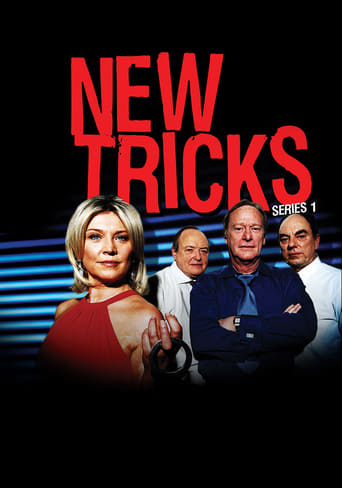
7.3New Tricks is a British comedy-drama that follows the work of the fictional Unsolved Crime and Open Case Squad of the Metropolitan Police Service. Originally led by Detective Superintendent Sandra Pullman, it is made up of retired police officers who have been recruited to reinvestigate unsolved crimes.
New Tricks
2004
 4.2
4.2An anthology of short plays shown on BBC Television between 1965 and 1973, used in part at least as a training ground for new writers, on account of its short length, and which therefore attracted many writers who later became well known.
Thirty-Minute Theatre
1965
4.2An anthology of short plays shown on BBC Television between 1965 and 1973, used in part at least as a training ground for new writers, on account of its short length, and which therefore attracted many writers who later became well known.
Thirty-Minute Theatre
1965
 4.8
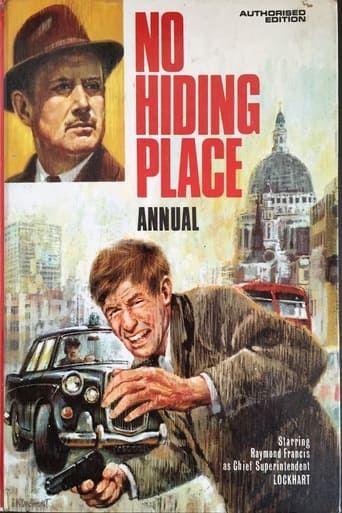
4.8No Hiding Place is a British television series that was produced at Wembley Studios by Associated-Rediffusion for the ITV network between 16 September 1959 and 22 June 1967. It was the sequel to the series Murder Bag and Crime Sheet, all starring Raymond Francis as Detective Superintendent, later Detective Chief Superintendent Tom Lockhart.
No Hiding Place
1959
 6.7
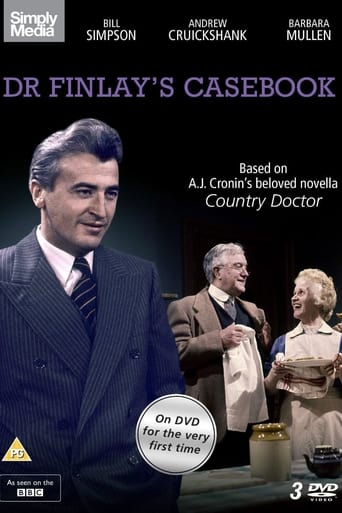
6.7Dr Finlay's Casebook is a BBC television series that was broadcast from 1962 until 1971. Based on A. J. Cronin's novella Country Doctor, the storylines centred on a general medical practice in the fictional Scottish town of Tannochbrae during the late 1920s.
Dr. Finlay's Casebook
1962
 7.2
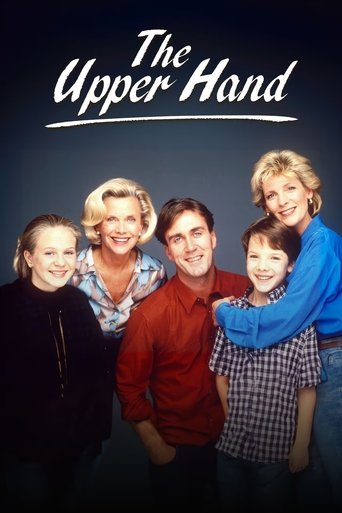
7.2The Upper Hand is a British television sitcom, produced by Central Independent Television and Columbia Pictures Television and broadcast by ITV from 1990 to 1996. The programme was adapted from the American sitcom Who's the Boss?. As in the former series, an affluent single woman, raising a son with the help of her mother, hires a housekeeper only to have a man apply for the job.
The Upper Hand
1990
 7.3
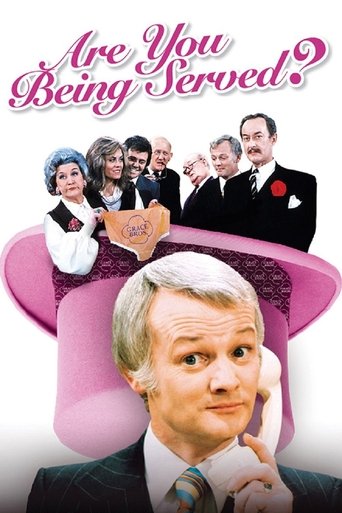
7.3This comedy series, which follows the exploits of employees at London's fictional "Grace Brothers" department store, is full of sexual innuendo, slapstick, visual gags, and double entendres. Much of the show's humor parodies Britain's class system, and many of the show's characters are based on stereotypes of the period, including the effeminate Mr. Humphries and the rich, but stingy, store owner.
Are You Being Served?
1972
 6.0
6.0Dixon of Dock Green was a BBC television series following the activities of police officers at a fictional Metropolitan Police station in the East End of London from 1955 to 1976. Some episodes were later remade as a BBC radio series in 2005 and 2006.
Dixon of Dock Green
1955
 7.8
7.8A father and son who work as rag-and-bone men live together in Shepherd's Bush, London. While Albert is content with their way of life, Harold aspires to better himself and build a life of his own, but his attempts are repeatedly thwarted by his father, leading to frequent clashes between the two.
Steptoe and Son
1962
 6.4
6.4Doomwatch is a British science fiction television programme produced by the BBC, which ran on BBC 1 between 1970 and 1972. The series was set in the then present-day, and dealt with a scientific government agency led by Doctor Spencer Quist, responsible for investigating and combating various ecological and technological dangers. The series was followed by a film adaptation produced by Tigon British Film Productions and released in 1972, and a revival TV film was broadcast on Channel 5 in 1999.
Doomwatch
1970
Thursday Theatre is a British television anthology programme produced by and aired on the BBC from 1964–1965. The productions ranged in duration from 75 to 95 minutes. Out of the 23 episodes, 13 are believed lost, and one is incomplete.
Thursday Theatre
1964
 7.0
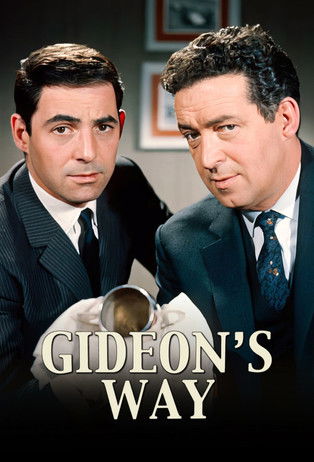
7.0Gideon's Way is a British television crime series made by ITC Entertainment in 1964/65, based on the novels by John Creasey. The series was made at Elstree in twin production with The Saint TV series. It starred Liverpudlian John Gregson in the title role as Commander George Gideon of Scotland Yard, with Alexander Davion as his assistant, Detective Chief Inspector David Keen, Reginald Jessup as Det. Superintendent LeMaitre, Ian Rossiter as Detective Chief Superintendent Joe Bell and Basil Dignam as Commissioner Scott-Marle. The show did not acknowledge any help from Scotland Yard, any other police force or advisor. Daphne Anderson starred as his wife, Kate with Giles Watling as young son, Malcolm, Richard James as older son, Matthew who seemed to have a lot of new girlfriends and Andrea Allan as daughter, Pru. Unusually for police stories, Gideon was shown as a family man at home though urgent phone calls from his bosses tend to disrupt family plans too often. However, he did admit in "State Visit" that his wife had walked out on him for a while years ago when he put the job first and her second. They live in an expensive detached house in Chelsea.
Gideon's Way
1965
Story Parade specialized in adaptations of modern novels. It was broadcast on June 5, 1964 and repeated on August 28, 1964. The teleplay was by Terry Nation (who invented "Blake's 7" and the Daleks in Dr. Who), and Elijah Baley was played by the late Peter Cushing. It also starred John Carson John Carson as R. Daneel Olivaw and Kenneth J. Warren. The master tapes of the program were erased, however a few clips from the production have turned up in various documentaries about Isaac Asimov's work.
Story Parade
1964
 7.2
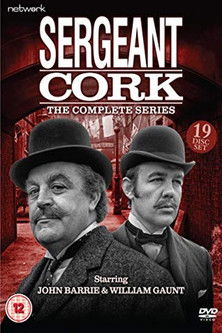
7.2Sergeant Cork is a British detective television series which first aired between 1963 and 1968 on ITV. It was a police procedural show that followed the efforts of two police officers and their battle against crime in Victorian London. In all 66 hour-long episodes were aired during the five-year run, although the last episode was not broadcast until January 1968, 16 months after the others. Journalist Tom Sutcliffe has credited it as a first example of the use of the Victorian-era policeman in a television crime series. A 1969 review in The Age opined that rather than suspense, the strengths of the series were its "excellent period settings and wonderfully thick pea-soupers" which "add up to splendid evocative stuff", as well as the performance of star John Barrie. At no time during the whole series is Sergeant Cork's first name given.
Sergeant Cork
1963
 6.2
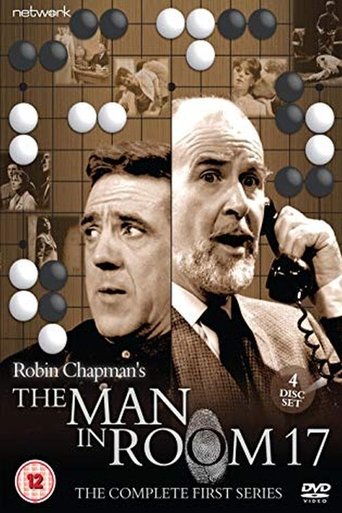
6.2The Man in Room 17 is a British television series which ran for two seasons in the mid-1960s, produced by the Northern ITV franchise, Granada Television. Key to the series' success was the involvement of writer/producer Robin Chapman. The show was set in Room 17 of the Department of Social Research, where former wartime agent-turned-criminologist Edwin Oldenshaw solved difficult police cases through theory and discussions with his assistants. The novelty of the series was that Oldenshaw and his colleagues never needed to leave their office in order to resolve cases, preferring to spend their time playing the Japanese board game of Go. They simply provided their prognosis and left the police to do the cleaning up. Different directors were often appointed to film the Room 17 and outside-world scenes independently, to maintain a sense of distance between the two worlds.
The Man in Room 17
1965
 NR
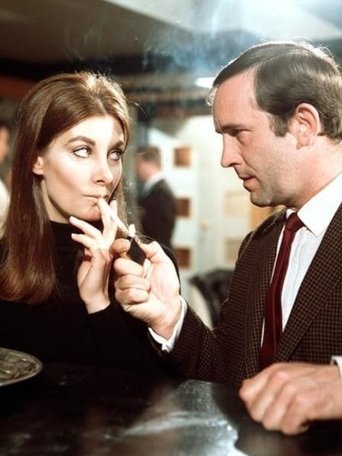
NRThe Informer is a British crime drama series broadcast on ITV from August 1966 to December 1967. Created by John Whitney and Geoffrey Bellman, it stars Ian Hendry as former barrister Alex Lambert, disgraced and disbarred, who has to rebuild his life. He utilises his former contacts on both sides of the law to become a paid informer. Living well from the rewards paid by insurance companies, Lambert still has to hide his activities from both his wife and others behind a new persona in the guise as a business consultant. Two seasons were produced, totalling 21 episodes. Only two episodes are known to exist, the remainder presumably wiped.
The Informer
1966
 4.6
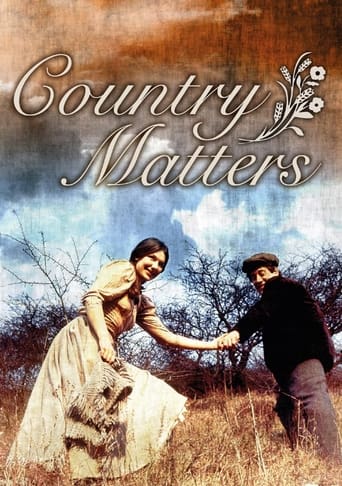
4.6An anthology series adapted from plays and short stories by A.E Coppard and H.E. Bates, depicting English country life and rural romance at the turn of the 20th-century. It presents unsentimental stories of human relationships and raw emotions – heartfelt passions, crippling frustrations, unspoken love and destructive jealousy.
Country Matters
1972
An anthology of self-contained stories about acts of resistance in occupied Europe during the Second World War. Producer Gerard Glaister drew upon his own wartime experiences, having served as a pilot in the RAF.
Moonstrike
1963
 6.0
6.0Armchair Theatre is a British television drama anthology series of single plays that ran on the ITV network from 1956 to 1974. It was originally produced by Associated British Corporation, and later by Thames Television from mid-1968.
Armchair Theatre
1956
6.0Armchair Theatre is a British television drama anthology series of single plays that ran on the ITV network from 1956 to 1974. It was originally produced by Associated British Corporation, and later by Thames Television from mid-1968.
Armchair Theatre
1956
Four young women – boy-crazy Samantha; gluttonous Gillian, aka 'Pudding'; dumb blonde Clover; and self-proclaimed leader Virginia – share a London flat.
It's Awfully Bad for Your Eyes, Darling
1971
A collection of one-off thrillers, each ending with a disturbing twist.
The Wednesday Thriller
1965
 5.6
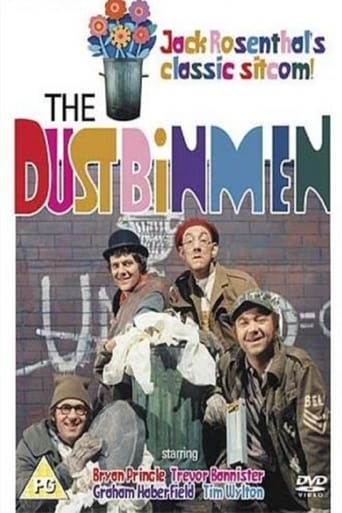
5.6The Dustbinmen is a British television sitcom made by Granada Television for ITV, which starred Bryan Pringle, Trevor Bannister, Graham Haberfield, and Tim Wylton. The show was a spin-off from a one-off 90-minute TV film "There's a Hole in Your Dustbin, Delilah" written by Jack Rosenthal and directed by Michael Apted. This led to the sitcom which ran for three series between 1969 and 1970. Rosenthal wrote all of the episodes of the first two series.
The Dustbinmen
1969
 6.0
6.0After a burglary at his sister's house, retired soldier Major Wyatt sets up a Neighbourhood Watch group. The motley collection of individuals who come together to form the group are quickly divided by personality clashes. This is particularly true where Major Wyatt and smarmy salesman Peter Pitt are concerned.
Wyatt's Watchdogs
1988
 7.0
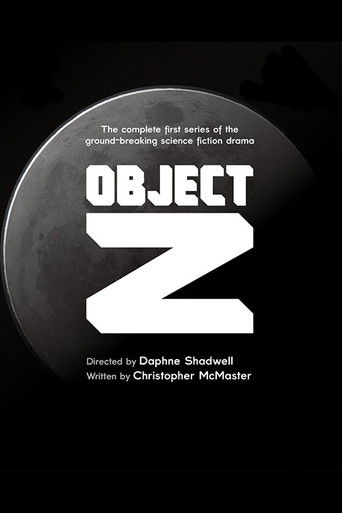
7.0A mysterious mass–known only as Object Z–hurtles through space, threatening earth with destruction. As society erupts into riotous panic and extremist political factions attempt to snatch control, the world's nations must unite to find a solution in the face of Armageddon. A television producer and his assistant become embroiled in the race to find answers, with time running out.
Object Z
1965
The War of Darkie Pilbeam written by Tony Warren, produced by Richard Everitt, was first a 3-part period drama set in the North of England. It originally aired on British television in 1968. The title character, Darkie Pilbeam, a none too successful petty crook, managed to rise to the top of his profession by running a profitable black-market operation. Inevitably, Pilbeam's world crashed and burned, but it was fun while it lasted. The series was shown in three episodes titled: ⁕Phase I - September 1939 ⁕Phase II - June 1942 ⁕Phase III - August 1945
The War of Darkie Pilbeam
1968
 NR
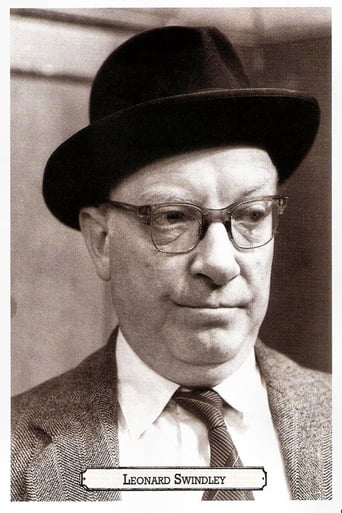
NRTurn Out the Lights was an ITV sitcom series made by Granada Television, that was first broadcast from Monday 2 January to Monday 6 February 1967 by Associated Rediffusion and Tyne Tees Television,. The series was a spin-off from the sitcom Pardon the Expression, itself a spin-off from the highly popular soap opera Coronation Street. Leonard Swindley was the central character, along with Wally Hunt. Swindley was formerly the manager of the fashion retail store "Gamma Garments" in Coronation Street and the deputy manager of the department store Dobson and Hawks in Pardon the Expression: in this series he becomes a professional speaker on astrology who encounters various supernatural events on his travels around the country, along with his colleague Wally Hunt, after they were both fired from Dobson and Hawks in the last episode of "Pardon the Expression". The series directors were David Boisseau and Michael Cox, production designers were Dennis Parkin and Roy Stonehouse.
Turn Out the Lights
1967