
Acting
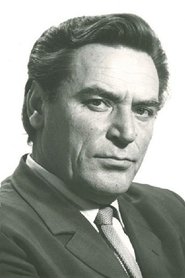
Bert Sotlar
Born — Died
1921-02-04 — 1992-06-10
Place of birth
Kočevje, Slovenia
Known for
Acting
Credits
47 titles
Known for
 7.0
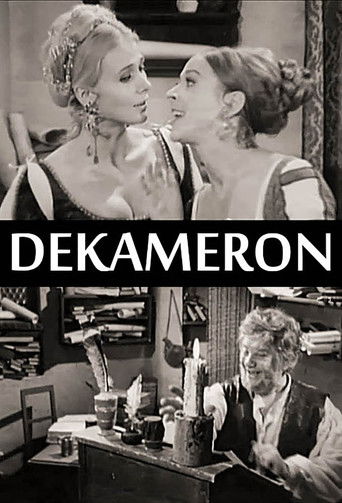
7.0Depicts many funny and satirical tales from Giovanni Boccaccio. Around 200 actors, among them almost all the greatest of the time, with Stane Sever at the helm. He played a mischievous writer who, in each episode, leads viewers into new intriguing stories of the human spirit. After the eighth part, he was replaced by Stevo Žigon due to his death. In 2013, the series was digitized and restored. After many years, it was then broadcast again, but not in the original order.
Decameron
1971
 7.0
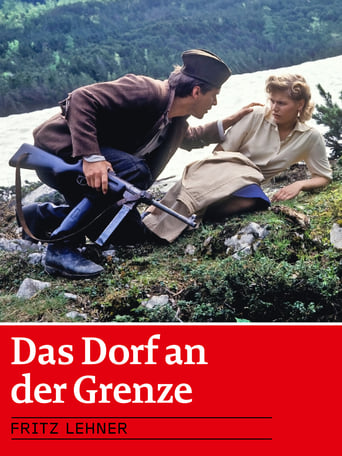
7.0A fictional town on the Austrian-Yugoslav border from 1920—through World War II—until the breakup of Yugoslavia in 1991.
Das Dorf an der Grenze
1979
 6.6
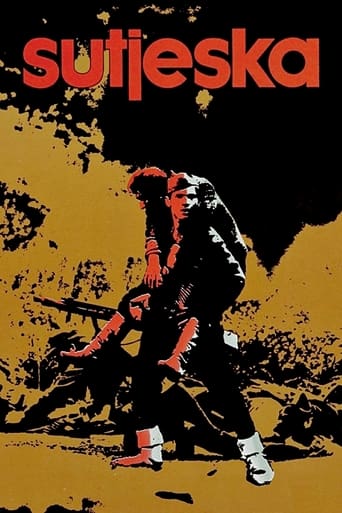
6.6The headquarters of the Marshal Tito's Liberation Army are surrounded by Axis forces. The Partisans have no choice but to fight their way out of the encirclement and face the enemy on the plains of Sutjeska.
The Battle of Sutjeska
1973
 6.7
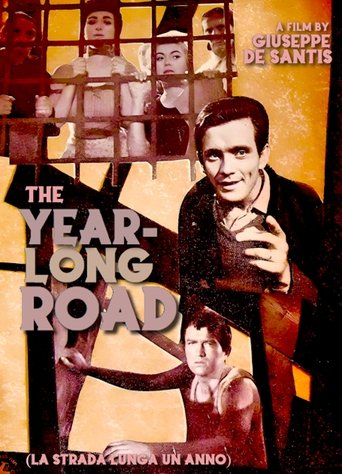
6.7Set in an unspecified country and an unspecified time period, the film follows a communist intelectual who, after travelling the world for many decades, decides to return and settle down to the place he grew up in, a small coastal village seemingly forgotten by time itself. With him, he brings news of the dawn of a new world on the horizon, with which he wishes to connect with through constructing a modern highway. This news is welcomed in the village, however, the construction of the road begins to bring out violent conflicts, reveals forbidden romances and ends up regressing the community even further into the darkness from which it wanted to escape.
The Year Long Road
1958
 9.0
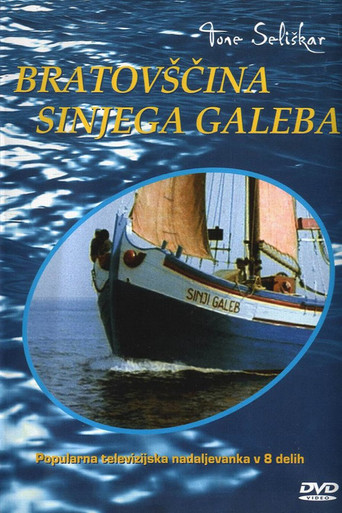
9.0The story about a brave boy called Ivo and his friends, who get into fights with smugglers.
The Crew of the Blue Seagull
1969
 6.2
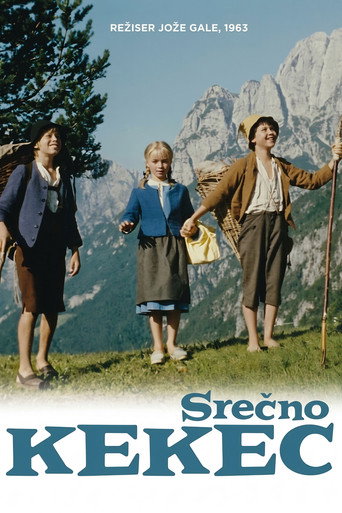
6.2Two boys, Kekec and Rozle, come to serve a farmer, with a blind daughter Mojca, as shepherds. As the night falls, the two boys start talking about a woman who lives in the mountains and is supposed to steal children. Her name is Pehta. In the morning, Kekec, Rozle and Mojca go to an Alpine cottage and Kekec promises Mojca that he will find her a remedy for her eyes. As the girl is picking flowers, Pehta arrives and takes Mojca into her cottage. She wants to keep Mojca because of her singing.
Good Luck, Kekec
1963
Film credits
1980s · 8 titles
 10.0
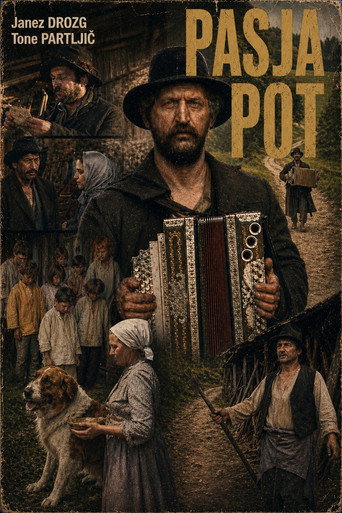
10.0A TV adaptation of the story “Twins” by Prezihov Voranc.
Dog's Path
1983
 10.0
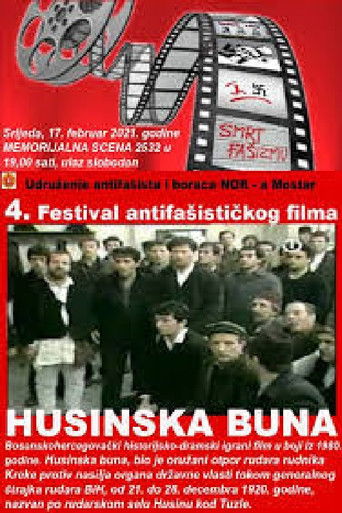
10.0This is the true story of the miners who were seeking their rights by doing the hardest job in the world. Husinska rebellion is an armed resistance miners mine Krek against the violence of the state government during the general strike of miners Bosnia and Herzegovina, from 21 to 28 December 1920, named after the mining village Husin near Tuzla.
Husino Rebellion
1980
 7.0
7.0At the end of the last century hunters who hunted wild roosters, while waiting for prey to show up, were killing time with storytelling. The first story is about Jernac that had a fight with Tomas because of Rezika. Another story tells about Tincek, limp foundling, who spent his youth with the Komar family, where he fell in love with their Lencka. The third is the story of a rich Miholac whose attention was grabbed by poor Polonca, a romance that was opposed by his father. The central theme of all stories is love that eventually everybody die of.
Love Is the Ruin of Us All
1987
 7.2
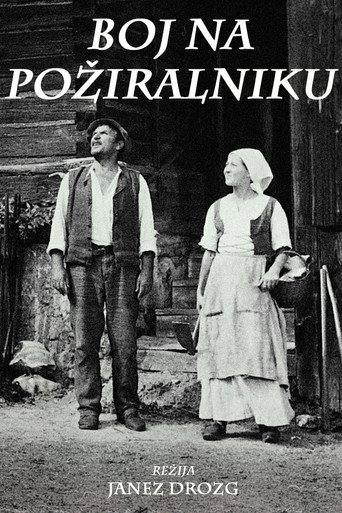
7.2Based on a novel by Prežihov Voranc, it tells a story about a farmer's family who live in Northern Slovenia before WW2.
The Esophagus Battle
1982
A three-part omnibus drama that shows destinies of three grown men: first segment (Escape) is about a sculptor, the second segment (Shade) is about a loner, while the third segment (Ring) is about a movie star.
P.S. - Post Scriptum
1988
 5.9
5.9Melkior Tresic is one of many intellectuals in 1941 Zagreb who is helplessly waiting for the encroaching war.
Cyclops
1982
 5.4
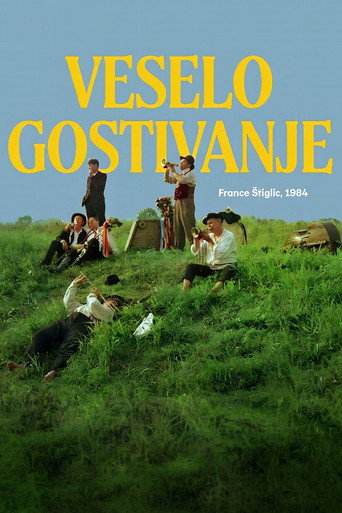
5.4In 1920s Ljubljana, a student of theology decides to leave his studies and dedicate to music.
The Merry Wedding
1984
 5.5
5.5Based on the novel by Josip Jurcic and set in rural Yugoslavia in the 1840's. The tenth brother of a family returns to the family home to take revenge on his father who had abandoned him as a child.
The Tenth Brother
1982
1970s · 13 titles
6.6The headquarters of the Marshal Tito's Liberation Army are surrounded by Axis forces. The Partisans have no choice but to fight their way out of the encirclement and face the enemy on the plains of Sutjeska.
The Battle of Sutjeska
1973
 9.0
9.0Between the two World Wars, Yugoslavia was ruled by a monarchy. This movie explores the difficulties faced by a Communist Party organizer under that regime when an order goes out to kill anyone threatening the current regime. At first he is willing to leave the country, but his experience of the situation of workers moves him to stay. Despite efforts of captors to help him escape, he refuses, and dies a martyr's death.
Four Days to Death
1976
 6.5
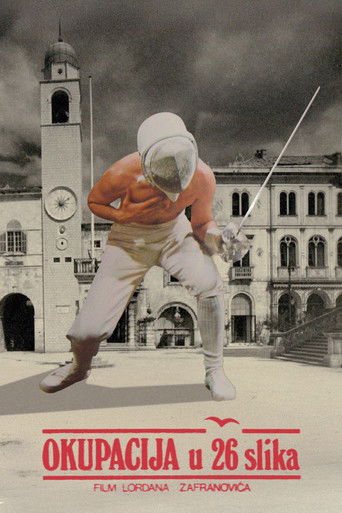
6.5Set in Dubrovnik, this drama chronicles a friendship between three men, that began just before World War II. One of the men is of Italian origin, another is the wealthy heir of a shipping fortune, and the third is the son of a Jewish antique-store owner. Before the war, they are fast friends, enjoying one another's company at carnivals and at a private fencing club. However, when the war comes, the Italians and Germans move in to create the Independent State of Croatia. The Italian friend becomes a fascist and courts and marries the sister of his rich friend. Soon enough, atrocities are being committed, and anyone suspected of Jewish or Serbian parentage or anti-fascist leanings, is killed.
Occupation in 26 Pictures
1978
 7.1
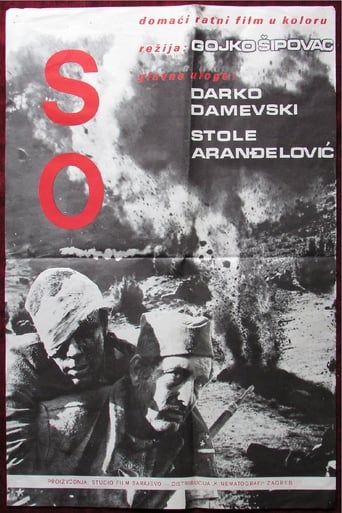
7.1Due to fighting against the Germans and the Ustashas, the partisans in central Bosnia decide to strike the salt pans, and take the much needed salt for the people and army. After serious attacks and heavy losses, they complete their mission successfully.
Salt
1973
 6.5
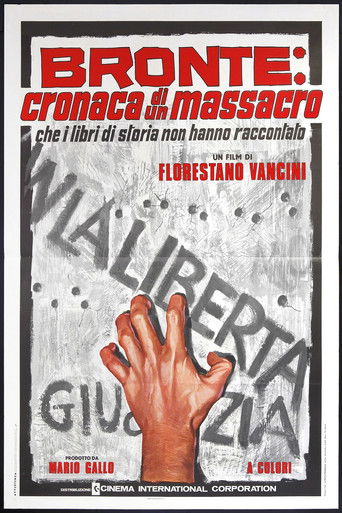
6.5The revolt of the people of a Sicilian village further to the Expedition of the Thousand which, in 1860, enables Garibaldi to liberate Sicily.
Liberty
1972
 8.5
8.5In the winter of 1941, Nazi forces pass through the village of Dolovi. No dialogue.
Silences
1972
 6.7
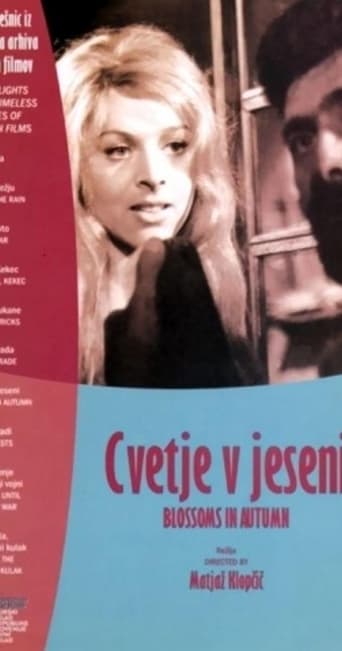
6.7Doctor Janez, a somewhat elderly lawyer, tired of urban life, pays a few week's visit to his relative Presecnik, a well-off farmer living in highland village. Farm life holds a great attraction for him, particularly because a deep and secret love develops between himself and Presecnik's daughter Meta. After a few serene and cheerful days spent on the farm, filled with pleasant labor and walks together with Meta in the unspoilt surroundings, he has to return to Ljubljana to resume his office work. But he cannot forget Meta and he makes his mind to buy a property not far from the Presecnik home and and to become a farmer. He does indeed buy a farm and sets out again to the Presecnik home to ask Meta to be his wife.
Blossoms in Autumn
1973
 8.2
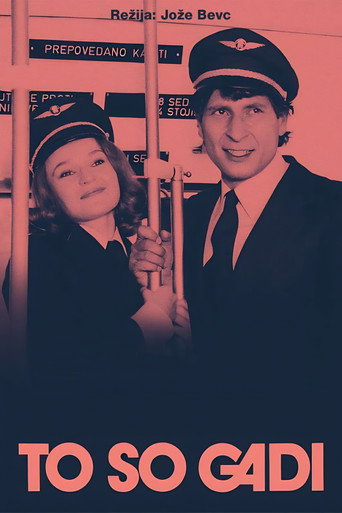
8.2In Ljubljana lives a bus driver Stebe. He's a widower. He lives with five sons and a maid Rozi. The boys are very naughty and keep annoying Rozi and, in fact all neighbourhood. One day Rozi in desperation declares that she is leaving them, because she cant stand it no more. And she does leave, although she is fond of the boys. Soon afterwards Rozi's niece Meri comes by, asking if she might stay because she wants to find herself a job in town. Meri is good girl but cannot cope with the kitchen work as successfully as her aunt. But the whole Steb family seems to be charmed by her. Even one of Stebe's own colleagues, Tone, begins to take interest in the girl. Meri likes him too. Stebe's boys feel quite disappointed because of it. But all's well that ends well: in full conspiracy Meri qualifies as bus driver while Rozi returns to the Stebe family.
Real Pests!
1977
 4.7
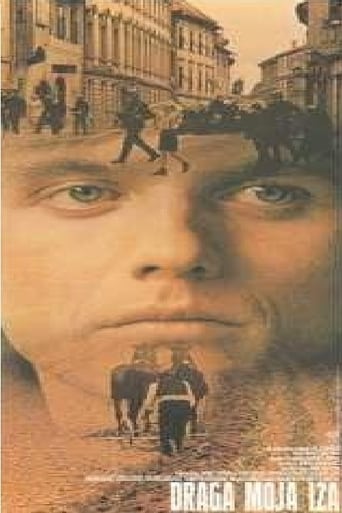
4.7The film is a portrait of the Novak family: the results of the marriage between the farmer Novak and a townswoman of German descent, their children and their tragic fates and the life of Andrej - the Novaks' only surviving child. Andrej recalls the days of his youth and the wartime years, in which the family slowly breaks up due to different political beliefs and world-outlooks. In addition to the loss of many members of his family, Andrej must also face the fact that his father has disowned him and his girlfriend left him. Despite all, however, he keeps alive his hopes of a better future, which, to him, is embodied by the beautiful Iza.
My Dear Iza
1979
 8.0
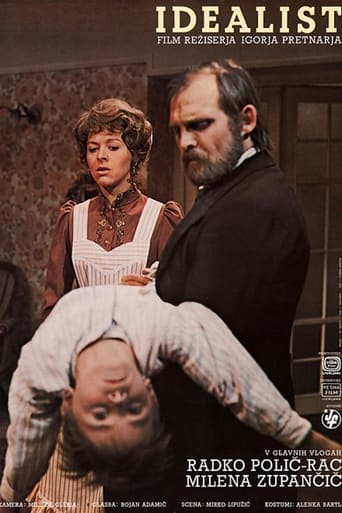
8.0The movie based upon the classical Slovene novel Martin Kačur, depicts the clash between the teacher Martin Kačur and his conservative environment. Due to his progressive ideas, he is transferred to a small town. The village environment is even more depressing than his former surroundings were, as the influence of both the secular and the Church authorities is even greater in the country. Even though Martin meets Tončka and the two of them get married, he gradually becomes a disillusioned and embittered man. In time, when society's strictures become somewhat milder, Martin is transferred to a more friendly environment, but all the injustices he has experienced have already bitten too deep. Unlike his wife, Martin finds it very difficult to accept changes. When his son dies, it seems as though he has lost all his elan and the will to live. Will he be able to go on bringing the light of knowledge to the ignorant masses, or will his ideals be buried forever like a man in a snowdrift?
The Idealist
1976
 4.5
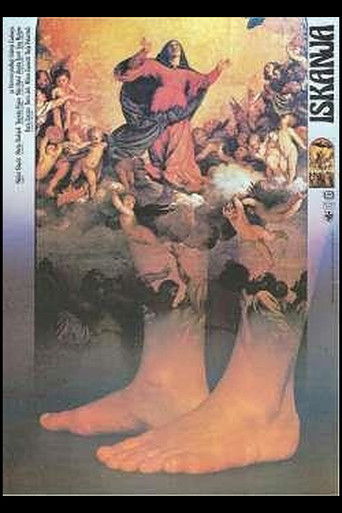
4.5Some years before WWI, art historian and priest Ciril from Ljubljana and his friend Fritz set out on a journey through Italy. Ciril hopes that his doctorate on Italian art would provide him inner peace, thus starting a new life. Emotionally disturbed Fritz, on the other hand, tries to escape everyday life, as well as from commitment he has to his female friend.
Temptations
1979
 6.2
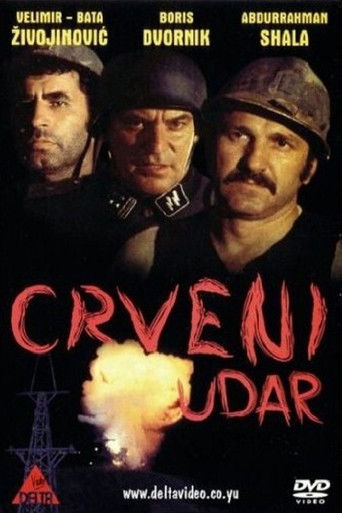
6.2At the beginning of the war the Germans come to the mine Trepca in Kosovo and occupy it. Communist Party and the workers do not agree with that and under constant repression, beginning small diversions, which will be transferred in the conquest and liberation of the entire mine.
Red Blow
1974
A speechless war poem set in a remote village. The farmers struck by war turn into fighters.
Destinies
1978
1960s · 11 titles
6.2Two boys, Kekec and Rozle, come to serve a farmer, with a blind daughter Mojca, as shepherds. As the night falls, the two boys start talking about a woman who lives in the mountains and is supposed to steal children. Her name is Pehta. In the morning, Kekec, Rozle and Mojca go to an Alpine cottage and Kekec promises Mojca that he will find her a remedy for her eyes. As the girl is picking flowers, Pehta arrives and takes Mojca into her cottage. She wants to keep Mojca because of her singing.
Good Luck, Kekec
1963
 7.2
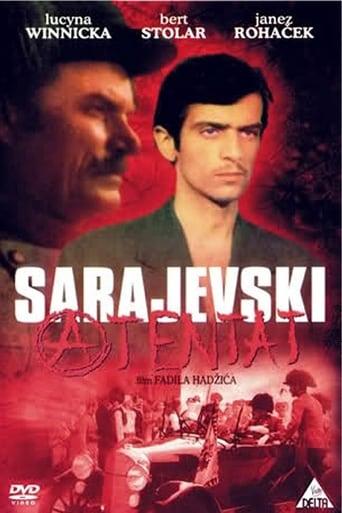
7.2A resistance fighter in WW2 Sarajevo is running from the Gestapo and finds shelter in the home of the old man. The old man is a former member of the Mlada Bosna organization and tells the young man about his youth and events that which led to assassination of Archduke Franz Ferdinand in Sarajevo.
The Sarajevo Assassination
1968
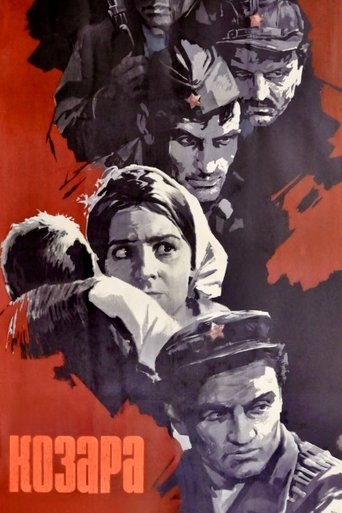 6.3
6.3In June of 1942 Germans and their collaborators decide to get rid of partisans and their stronghold in the woods of Mount Kozara in Northern Bosnia. They encircle the mountain and begin the mop up operation. Out gunned and outnumbered the partisans must not only take care of themselves but try to protect thousands of refugees too.
Kozara
1962
Yugoslavian television horror movie from 1969.
Polikarp
1969
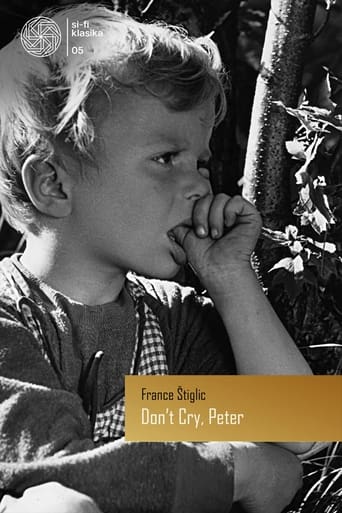 6.9
6.9Two partisan miners are entrusted with the task of honor to transfer safely three orphan children from a dangerous zone of fighting to the safe liberated territory. In the beginning the two miners feel humiliated because they would like to engage in more important action, but later they become big friends with the children, especially with Peter, the youngest one.
Don't Cry, Peter
1964
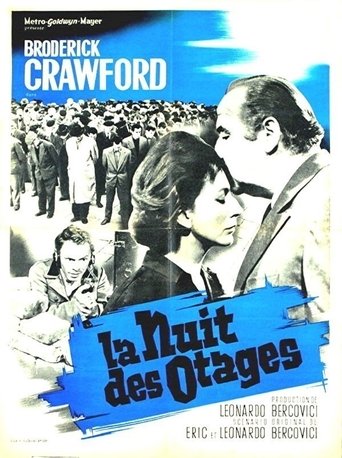 6.4
6.4Set in Italy, the story takes place in this very country, during WW2, where German occupation army ruled everything, just before the allied forces came, in 1944. Crawford plays here a doctor whose son has been shot by the Germans. Of course he has no more taste in life. He continues his work as a German officers' physician. One day, he throws a bomb just in the middle of German troops. Many soldiers and officers are killed. Some time later, the lead officer of the Nazis troops suspects the doctor to be the responsible of the explosion. He lets him know that he himself knows...
Square of Violence
1961
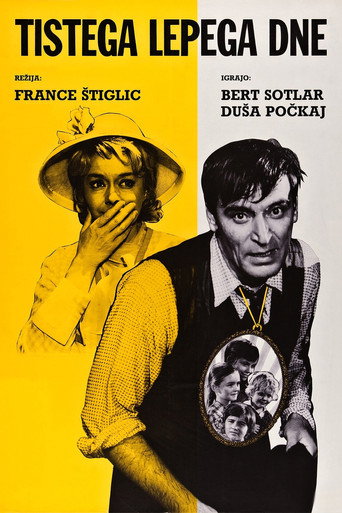 7.0
7.0A story set in a Slovenian village during Italian occupation. Stefuc, a man who has been widowed twice and has four daughters, wants to get married for the third time with Zana, who's already engaged and pregnant with Ludvik. Stefuc tries to separate them away, but realizes that he'll have to marry Hedvika, a nice looking girl who has just returned from Milan. In the meantime, Italian fascist authorities decide to eradicate five Slovenian songs with the help of local traitors.
One Fine Day
1962
 6.2
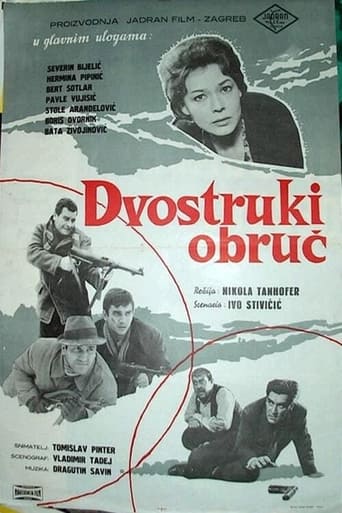
6.2Treachery and escape from agents provocateurs of underground workers among the early days of national rising in Croatia.
Double Circle
1963
 10.0
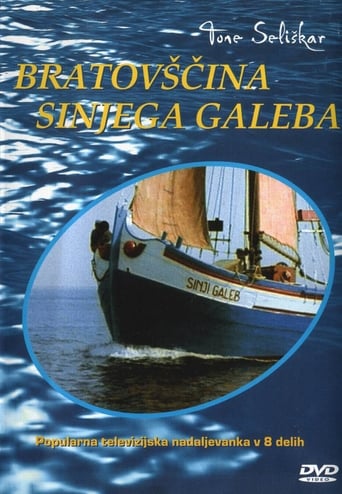
10.0It talks about a orphan who lives without a father and he loves boats.
The Cyan-Blue Seagull Brotherhood
1969
 8.0
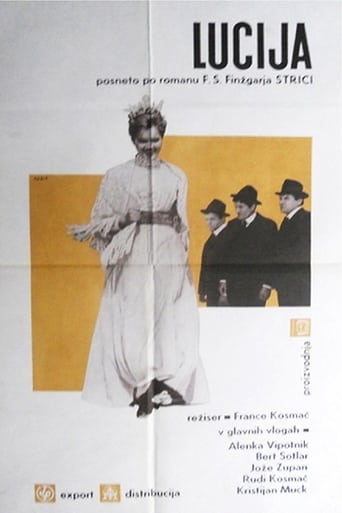
8.0A melodramatic story of Lucia, who serves as a charwoman on the Podlogar family's rich farm, and makes a fuss among householder's sons, as she becomes pregnant with one of them. A decision on whether one should be forced into marriage with the pregnant charwoman and her child, ends tragically. Will Lucia be able to sustain psychological pressure, contempt and pity of the Podlogar brothers?
Lucia
1965
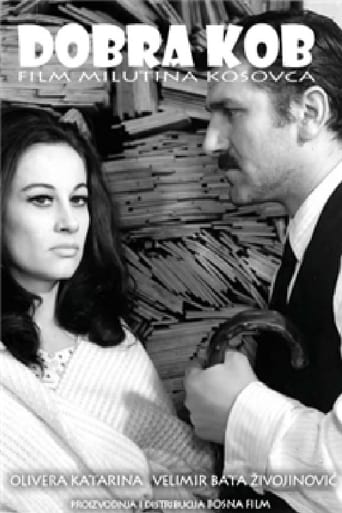 6.5
6.5An Australian of German descent has come to Yugoslavia on a hunting trip. He has an arrangement to hunt deers on the hunting ground high in Bosnian mountain. He shoots running deers straight in the head with his sniper carbine. This master shooting arouse suspicion with the gamekeeper that the stranger might be the notorious Nazi sniper who murdered many innocent civilians the same way during WWII.
Good Luck Hunting
1964
1950s · 11 titles
6.7Set in an unspecified country and an unspecified time period, the film follows a communist intelectual who, after travelling the world for many decades, decides to return and settle down to the place he grew up in, a small coastal village seemingly forgotten by time itself. With him, he brings news of the dawn of a new world on the horizon, with which he wishes to connect with through constructing a modern highway. This news is welcomed in the village, however, the construction of the road begins to bring out violent conflicts, reveals forbidden romances and ends up regressing the community even further into the darkness from which it wanted to escape.
The Year Long Road
1958
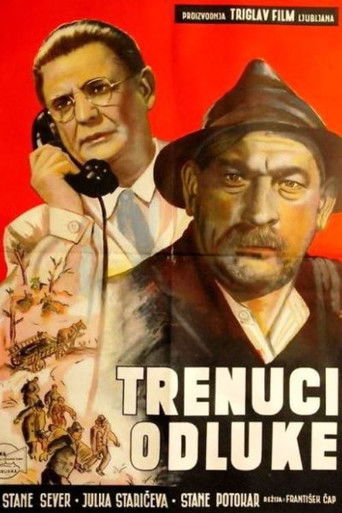 5.8
5.8A story set in a Slovenian town during WW2. The White Guardists bring a wounded partisan to doctor Koren, but he kills their lieutenant, thus helping them both to escape.
Moment of Decision
1955
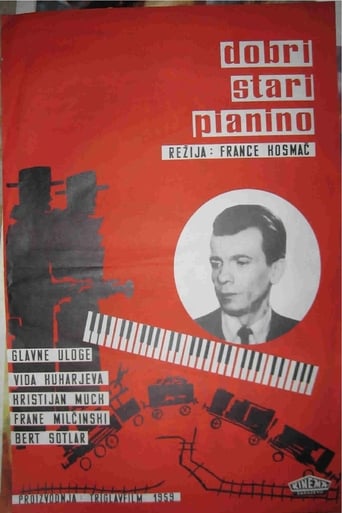 5.5
5.5Composer and pianist Blaz Gaber lives only for his music and does not want to know anything about the outside world, where the war is raging. Upon his arrival from his poorly attended concert, he finds himself in prison for having stars drawn in his notebook by a little boy. A young illegal activist seeks refugee in the school, where the pupils hide his pistol inside the Gaber's piano. A German officer comes with his soldiers to find the hidden illegal, orders the school to be evacuated and takes the piano together with him on a train.
The Good Old Piano
1959
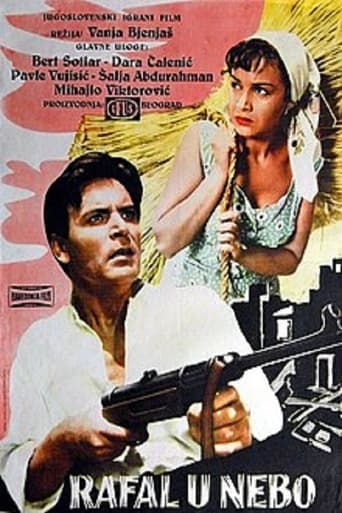 6.8
6.8Upon returning home at war's end, a young lieutenant discovers that his family has been murdered by the Nazis. It's all the handiwork of a treasonous "Chetnik," who during the war worked against the partisans on behalf of the Germans. In bitter retaliation, the lieutenant sets about to decimate the Chetnik's family. He stops short, however, when he realizes that the sins of the fathers are not always passed down to the innocent children.
Shots in the Sky
1958
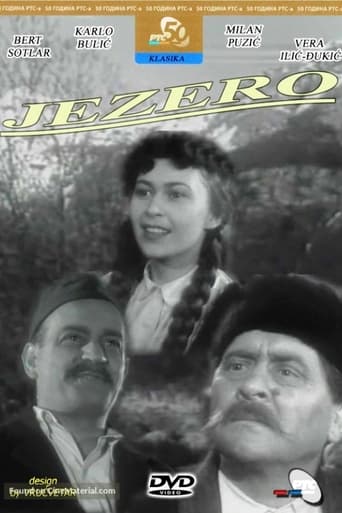 6.8
6.8Bad weather, farmers who do not allow the dumping of their estate, and people who are willing to sabotage for ideological reasons, disrupt the building of hydro-power on the Neretva river. Upon completion of construction, the benefits of electricity assures people of the necessity of progress.
The Lake
1950
 7.0
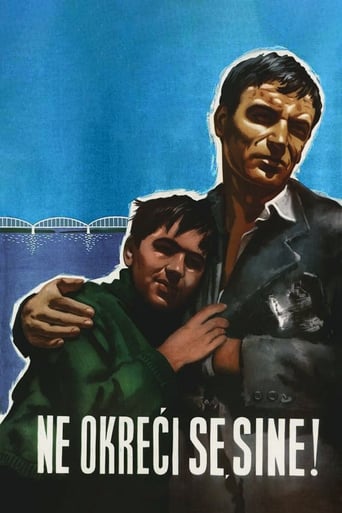
7.0Engineer and leftist illegal Neven Novak runs away from a train in which Ustashas transport their prisoners to the prison camp Jasenovac. He returns to Zagreb and tries to save his son Zoran from an orphanage. During his stay in the orphanage, Zoran was indoctrinated with fascist ideology. When he realizes that his father is an enemy of the regime, he refuses to escape with Zoran to the Partisans' territory. Novak faces his son's antagonism and the police that chase after them.
Don't Look Back, My Son
1956
The story takes place in a town on Adriatic coast. Mother wants to marry her daughter to a wealthy doctor, but her plan proves to be challenging as they're both seduced by a handsome smuggler.
The House on the Coast
1954
 8.2
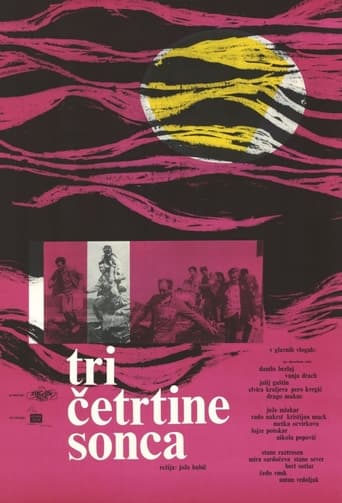
8.2A story of a group of men at a small frontier railway station who have been released from German concentration camps and are on their way home.
Three Quarters of the Sun
1959
A small coastal town, where almost everybody are into fishing. Niko and Mato are friends, both in loved with the same girl Visnja, in charge of the fishermen's strike against the owners of the fishing boats. After being caught, Mato betrays his friends. Thus he becomes the subject of scorn both by the entire village and Visnja, who then marries Niko.
In the Net
1956
 7.0
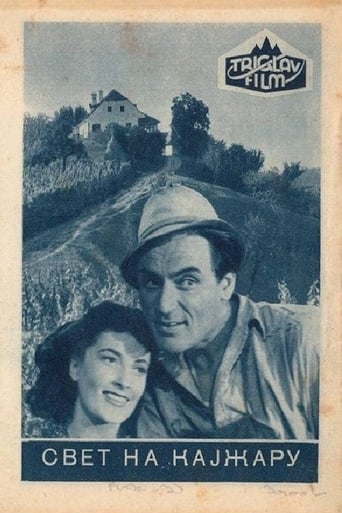
7.0A post-WW2 story about the village largely involved in wine-making business. The peasants who claimed possessions of lands, woods, and churches after communist party seized the power hold a party where a member of so-called reactionary forces (kulaks, clergy and Axis collaborators) tries to break in and stop it.
Life in Kajzar
1952
 9.0
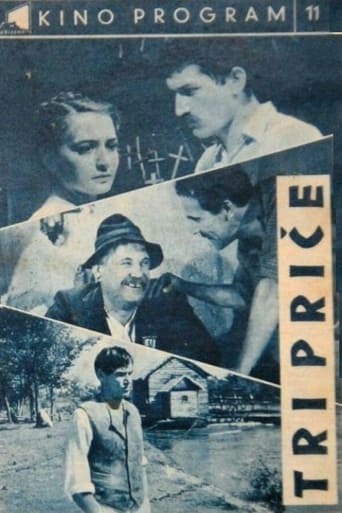
9.0Three stories connected by the motifs of water and death told in neorealist style.
Three Stories
1955
Series credits
7.0Depicts many funny and satirical tales from Giovanni Boccaccio. Around 200 actors, among them almost all the greatest of the time, with Stane Sever at the helm. He played a mischievous writer who, in each episode, leads viewers into new intriguing stories of the human spirit. After the eighth part, he was replaced by Stevo Žigon due to his death. In 2013, the series was digitized and restored. After many years, it was then broadcast again, but not in the original order.
Decameron
1971
7.0A fictional town on the Austrian-Yugoslav border from 1920—through World War II—until the breakup of Yugoslavia in 1991.
Das Dorf an der Grenze
1979
9.0The story about a brave boy called Ivo and his friends, who get into fights with smugglers.
The Crew of the Blue Seagull
1969