
Editing
Laura Israel
Known for
Editing
Credits
6 titles
Laura Israel cut her teeth editing award-winning commercials and music videos while still a film student at NYU. By the time she graduated she had formed her own editorial company, Assemblage. Her client list included: John Lurie, Lou Reed, Patti Smith, Keith Richards, Sonic Youth, New Order, Ziggy Marley, David Byrne, artists Laurie Simmons and Robert Frank. The films she edited with Frank have screened all over the world and won many awards. WINDFALL, her debut doc, premiered at the Toronto International Film Festival and won top prize at Doc NYC. A NY Times Critics Pick, the paper dubbed it “Urgent, informative and artfully assembled”. WINDFALL is distributed by First Run Features, and …
Known for
 4.5
Wind power... It's green... It's good... It reduces our dependency on foreign oil... That's what the people of Meredith, in upstate New York first thought when a wind developer looked to supplement this farm town's failing economy with a farm of their own — that of 40 industrial wind turbines. Attracted at first to the financial incentives, residents grow increasingly alarmed as they discover side effects they never dreamed of, as well as the potential for disturbing financial scams. With wind development growing rapidly at 39% annually in the US, WINDFALL is an eye-opener for anyone concerned about the future of renewable energy.
Windfall
2012
 7.0
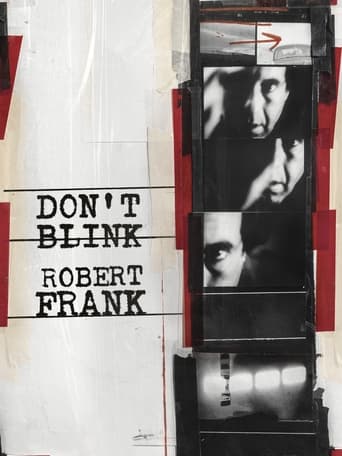
The life and work of Robert Frank—as a photographer and a filmmaker—are so intertwined that they're one in the same, and the vast amount of territory he's covered, from The Americans in 1958 up to the present, is intimately registered in his now-formidable body of artistic gestures. From the early '90s on, Frank has been making his films and videos with the brilliant editor Laura Israel, who has helped him to keep things homemade and preserve the illuminating spark of first contact between camera and people/places. Don't Blink is Israel's like-minded portrait of her friend and collaborator, a lively rummage sale of images and sounds and recollected passages and unfathomable losses and friendships that leaves us a fast and fleeting imprint of the life of the Swiss-born man who reinvented himself the American way, and is still standing on ground of his own making at the age of 90.
Don't Blink - Robert Frank
2015
What was it like working with Robert Frank? Laura Israel and Alex Bingham, in partnership with the June Leaf and Robert Frank Foundation, asked a number of his collaborators in photography and filmmaking to reflect on this deceptively simple question. Sid Kaplan, June Leaf, Ed Grazda, Gary Leon Hill, Susan Steinberg, Brian Graham, Ayumi Furuta (A-chan), Ed Lachman, and Tom Jarmusch all make appearances. — Museum of Modern Art
Fearless Frank
2024
 NR
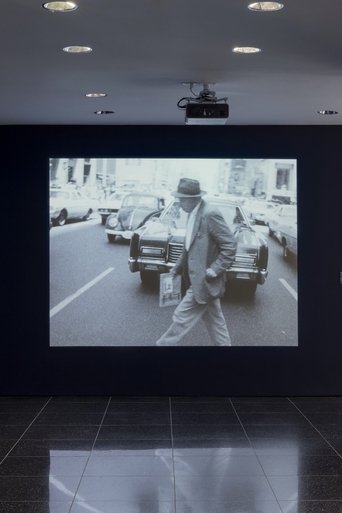
After Robert Frank’s death in 2019, film canisters and video tapes were discovered in storage places, containing footage of Frank’s reflections on the world and his place in it, scraps of ideas, and stirrings of art. These moving images, only now being brought to light, offer insight into the home and work life of an artist who is foremost known for the photographs he took of the postwar United States. Partnering with the June Leaf and Robert Frank Foundation, Laura Israel, Frank’s longtime film editor, and art director Alex Bingham have used these fragments to create a kind of moving-image scrapbook. Featuring projections across multiple screens, the installation conveys the intimacy and immediacy of Frank’s observations of family, friends, and collaborators, as well as of domestic interiors and vistas of city and coastline. To capture this footage, which spans 1970 to 2006, Frank spent countless hours behind the viewfinders of various film and video cameras. — Museum of Modern Art
Robert Frank's Scrapbook Footage: New York 1971
2024
 NR
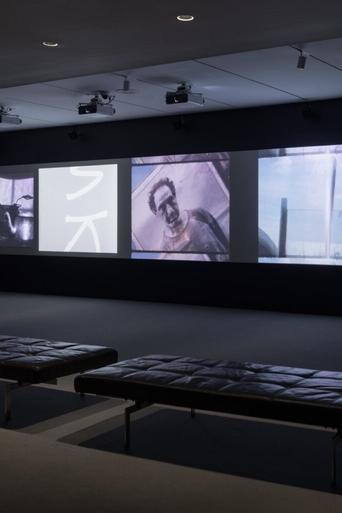
Super 8, 16mm film, and video transferred to HD video (six-channel projection, color and black and white, sound). Like many artists, Frank kept diaries and scrapbooks, which provide a window into his interior life. Similarly, the raw footage used in this installation sheds new light on Frank’s artistic process, stitched together by Israel and Bingham in a way that evokes his restless gaze and declamatory voice, at once comical and melancholy. He journeys between his homes in New York and Nova Scotia; the open roads of the United States and Canada; and urban landscapes, including those of Beirut, Cairo, Moscow, and his native Switzerland. Frank makes timeless the most fleeting of pleasures: a warm bath and a steaming tea kettle, a glimpse of his wife June Leaf in her studio, or the play of sunlight on his hand. — Museum of Modern Art
Robert Frank's Scrapbook Footage, 1970–2006
2024
Behind the camera
4.5Wind power... It's green... It's good... It reduces our dependency on foreign oil... That's what the people of Meredith, in upstate New York first thought when a wind developer looked to supplement this farm town's failing economy with a farm of their own — that of 40 industrial wind turbines. Attracted at first to the financial incentives, residents grow increasingly alarmed as they discover side effects they never dreamed of, as well as the potential for disturbing financial scams. With wind development growing rapidly at 39% annually in the US, WINDFALL is an eye-opener for anyone concerned about the future of renewable energy.
Windfall
2012
7.0The life and work of Robert Frank—as a photographer and a filmmaker—are so intertwined that they're one in the same, and the vast amount of territory he's covered, from The Americans in 1958 up to the present, is intimately registered in his now-formidable body of artistic gestures. From the early '90s on, Frank has been making his films and videos with the brilliant editor Laura Israel, who has helped him to keep things homemade and preserve the illuminating spark of first contact between camera and people/places. Don't Blink is Israel's like-minded portrait of her friend and collaborator, a lively rummage sale of images and sounds and recollected passages and unfathomable losses and friendships that leaves us a fast and fleeting imprint of the life of the Swiss-born man who reinvented himself the American way, and is still standing on ground of his own making at the age of 90.
Don't Blink - Robert Frank
2015
What was it like working with Robert Frank? Laura Israel and Alex Bingham, in partnership with the June Leaf and Robert Frank Foundation, asked a number of his collaborators in photography and filmmaking to reflect on this deceptively simple question. Sid Kaplan, June Leaf, Ed Grazda, Gary Leon Hill, Susan Steinberg, Brian Graham, Ayumi Furuta (A-chan), Ed Lachman, and Tom Jarmusch all make appearances. — Museum of Modern Art
Fearless Frank
2024
NRAfter Robert Frank’s death in 2019, film canisters and video tapes were discovered in storage places, containing footage of Frank’s reflections on the world and his place in it, scraps of ideas, and stirrings of art. These moving images, only now being brought to light, offer insight into the home and work life of an artist who is foremost known for the photographs he took of the postwar United States. Partnering with the June Leaf and Robert Frank Foundation, Laura Israel, Frank’s longtime film editor, and art director Alex Bingham have used these fragments to create a kind of moving-image scrapbook. Featuring projections across multiple screens, the installation conveys the intimacy and immediacy of Frank’s observations of family, friends, and collaborators, as well as of domestic interiors and vistas of city and coastline. To capture this footage, which spans 1970 to 2006, Frank spent countless hours behind the viewfinders of various film and video cameras. — Museum of Modern Art
Robert Frank's Scrapbook Footage: New York 1971
2024
NRSuper 8, 16mm film, and video transferred to HD video (six-channel projection, color and black and white, sound). Like many artists, Frank kept diaries and scrapbooks, which provide a window into his interior life. Similarly, the raw footage used in this installation sheds new light on Frank’s artistic process, stitched together by Israel and Bingham in a way that evokes his restless gaze and declamatory voice, at once comical and melancholy. He journeys between his homes in New York and Nova Scotia; the open roads of the United States and Canada; and urban landscapes, including those of Beirut, Cairo, Moscow, and his native Switzerland. Frank makes timeless the most fleeting of pleasures: a warm bath and a steaming tea kettle, a glimpse of his wife June Leaf in her studio, or the play of sunlight on his hand. — Museum of Modern Art
Robert Frank's Scrapbook Footage, 1970–2006
2024