
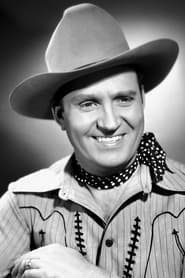
Acting
Gene Autry
Born — Died
1907-09-29 — 1998-10-02
Place of birth
Near Tioga, Texas, USA
Known for
Acting
Credits
66 titles
From Wikipedia, the free encyclopedia Orvon Grover "Gene" Autry (September 29, 1907 – October 2, 1998), nicknamed The Singing Cowboy, was an American singer, songwriter, actor, musician and rodeo performer who gained fame largely by singing in a crooning style on radio, in films, and on television for more than three decades beginning in the early 1930s. From 1934 to 1953, Autry appeared in 93 films, and between 1950 and 1956 hosted The Gene Autry Show television series. During the 1930s and 1940s, he personified the straight-shooting hero - honest, brave, and true. Autry was also one of the most important pioneering figures in the history of country music, considered the second major infl…
Known for
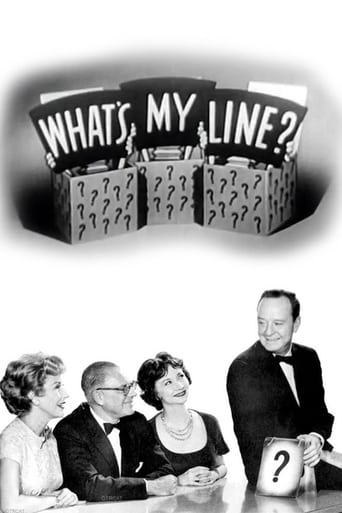 7.0
7.0Four panelists must determine guests' occupations - and, in the case of famous guests, while blindfolded, their identity - by asking only "yes" or "no" questions.
What's My Line?
1950
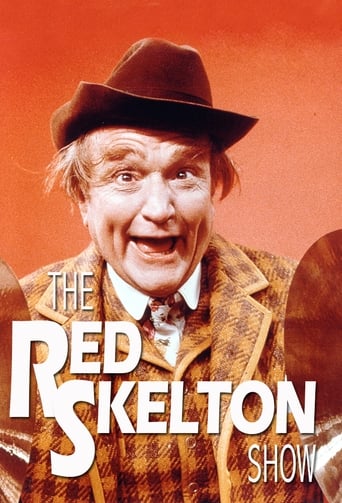 7.4
7.4The Red Skelton Show is an American variety show that was a television staple for two decades, from 1951 to 1971. It was second to Gunsmoke and third to The Ed Sullivan Show in the ratings during that time. Skelton, who had previously been a radio star, had appeared in several motion pictures as well. Although his television series is largely associated with CBS, where it appeared for more than fifteen years, it actually began and ended on NBC. During its run, the program received three Emmy Awards, for Skelton as best comedian and the program as best comedy show during its initial season, and an award for comedy writing in 1961.
The Red Skelton Show
1951
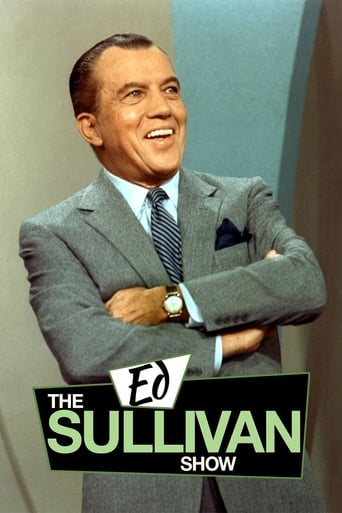 6.8
6.8The Ed Sullivan Show is an American TV variety show that originally ran on CBS from Sunday June 20, 1948 to Sunday June 6, 1971, and was hosted by New York entertainment columnist Ed Sullivan. It was replaced in September 1971 by the CBS Sunday Night Movie, which ran only one season and was eventually replaced by other shows. In 2002, The Ed Sullivan Show was ranked #15 on TV Guide's 50 Greatest TV Shows of All Time.
The Ed Sullivan Show
1948
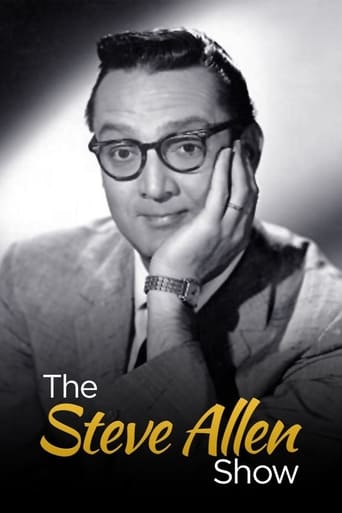 6.2
6.2No synopsis available yet.
The Steve Allen Show
1956
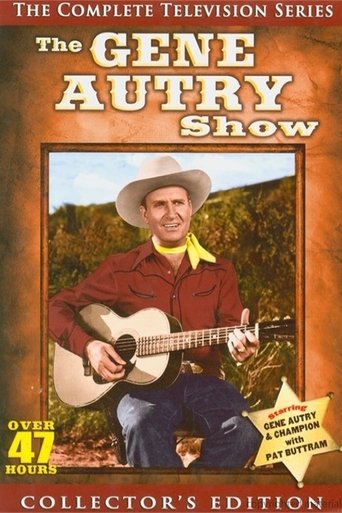 4.7
4.7The Gene Autry Show is an American western/cowboy television series which aired for 91 episodes on CBS from July 23, 1950 until August 7, 1956, originally sponsored by Wrigley's Doublemint chewing gum.
The Gene Autry Show
1950
 6.0
6.0Dozens of stars--including Arnold Schwarzeneggar, Bob Hope, and more--demonstrate how the yuletide season is celebrated in the perpetually warm and sunny world of Hollywood, California.
Christmas from Hollywood
2003
Film credits

2000s · 3 titles
6.0Dozens of stars--including Arnold Schwarzeneggar, Bob Hope, and more--demonstrate how the yuletide season is celebrated in the perpetually warm and sunny world of Hollywood, California.
Christmas from Hollywood
2003
 NR
NRHonorary Mayor of Hollywood, Johnny Grant, leads us through the history of this special holiday in the City of Angels.
Elf: Christmas in Tinseltown
2004
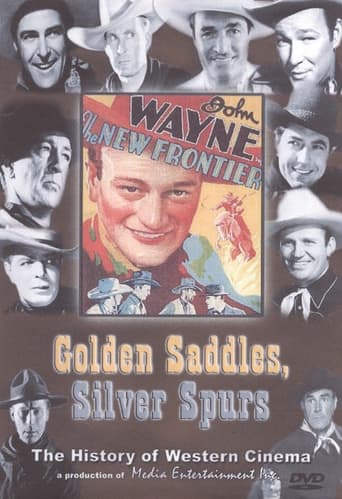 10.0
10.0This documentary traces the history of the B-Western from it's silent movie origins to its demise in the early 1950s. The film contains a large number of scenes from early silents and seldom seen films, as well as old photographs of the stars and one-sheet advertisements for lost films.
Golden Saddles, Silver Spurs
2000
1990s · 2 titles
 7.6
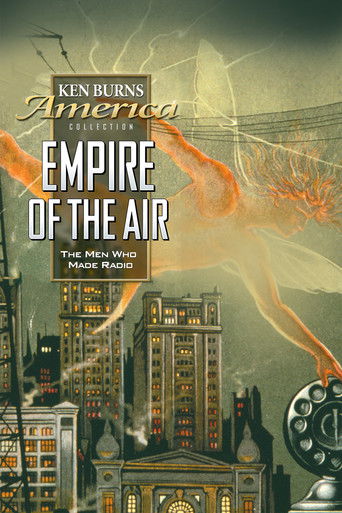
7.6For 50 years radio dominated the airwaves and the American consciousness as the first “mass medium.” In Empire of the Air: The Men Who Made Radio, Ken Burns examines the lives of three extraordinary men who shared the primary responsibility for this invention and its early success, and whose genius, friendship, rivalry and enmity interacted in tragic ways. This is the story of Lee de Forest, a clergyman’s flamboyant son, who invented the audion tube; Edwin Howard Armstrong, a brilliant, withdrawn inventor who pioneered FM technology; and David Sarnoff, a hard-driving Russian immigrant who created the most powerful communications company on earth.
Empire of the Air: The Men Who Made Radio
1991
 NR
NRA history of Republic Pictures studios, featuring hundreds of clips plus on-camera interviews with stars, director, stuntman, etc.
The Republic Pictures Story
1991
1970s · 3 titles
 5.0
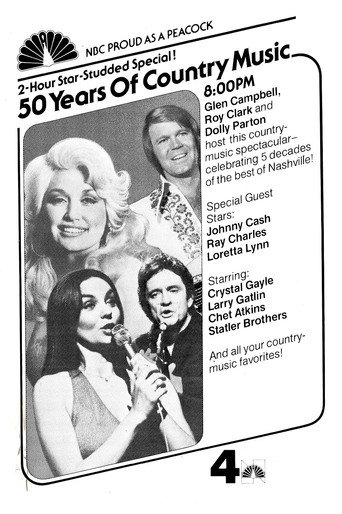
5.0A three-hour program chronicling the history of country music up to 1978, hosted by Dolly Parton, Glen Campbell, and Roy Clark and featuring performances by many iconic and contemporary stars of the genre, including Roy Acuff, Kitty Wells, Bill Monroe, Ernest Tubb, Crystal Gayle, Merle Haggard, Loretta Lynn, and Johnny Cash.
50 Years of Country Music
1978
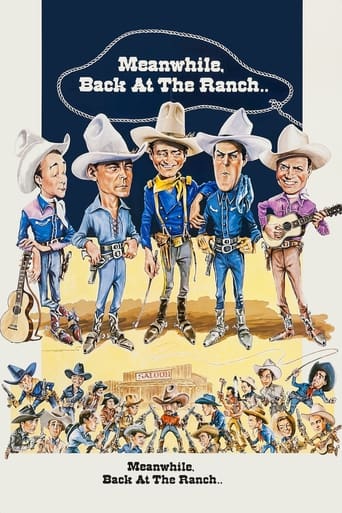 8.5
8.5A Western-genre narrative, loosely woven from old clips from B-Western features.
Meanwhile, Back at the Ranch
1976
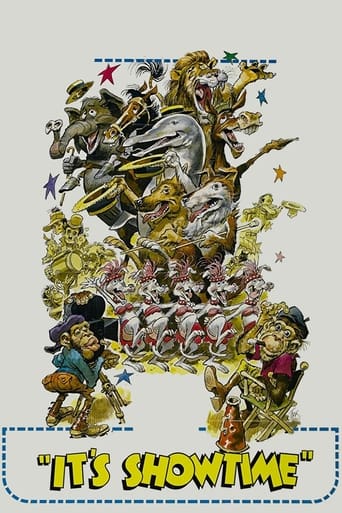 7.5
7.5A collection of film clips profiling animal actors.
It's Showtime
1976
1950s · 14 titles
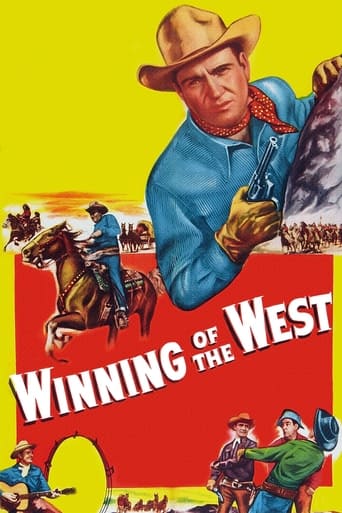 6.0
6.0A singing territorial ranger (Gene Autry) spots his younger brother in an outlaw gang.
Winning of the West
1953
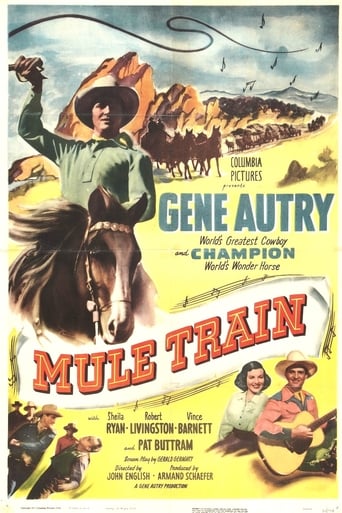 6.0
6.0A prospector discovers natural cement and suggests it should be used for a new dam. But this is the last thing the badmen of Trail End want, as they have a monopoly of the wagons needed to haul rocks to the site. A pretty sheriff notwithstanding, it's a job for a singing marshal.
Mule Train
1950
 9.0
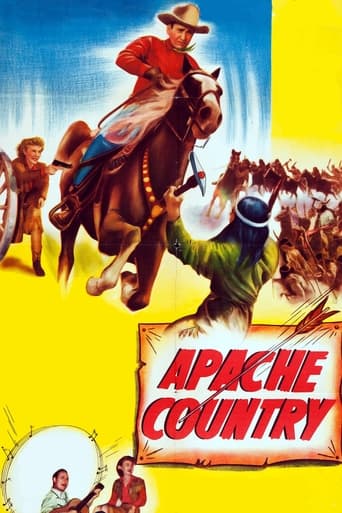
9.0A criminal gang provokes the local Apaches in order to divert the authorities' attention from their own activities.
Apache Country
1952
 NR
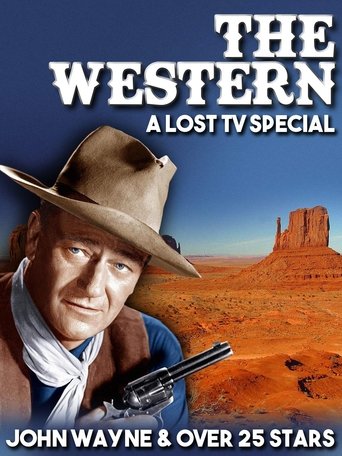
NRA 1958 TV special celebrating westerns featuring John Wayne, John Ford, Gary Cooper, Gene Autry, Gabby Hayes and more.
The Western: A Lost TV Special
1958
 5.8
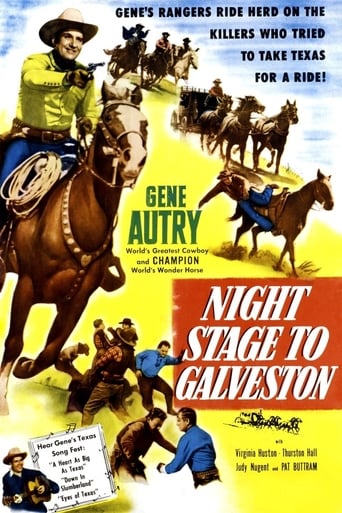
5.8A former Texas Ranger teams up with some of his old colleagues to rid the state of corruption in their new police force.
Night Stage to Galveston
1952
 10.0
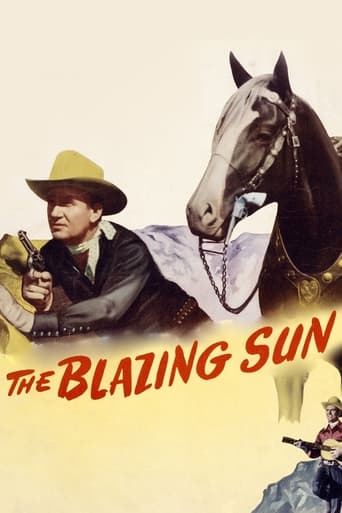
10.0Gene Autry hunts bank robbers Al Bartlett and Trot Lucas with his old friend Mike. Bartlett, to throw off his pursuers, kills Trot and his own brother. When Kitty Bartlett comes to town claiming to be the slain Bartlett's widow, Gene has to save her from the irate townspeople who are not aware that her name isn't Bartlett but she really is the daughter of a law officer slain by Al Bartlett. Ben Luder, a local hood, tricks Bartlett back into town by saying he has to fixed to have Doc Larry Taylor do plastic surgery on him. En route they meet Doc and his assistant Helen Ellis and Ben's ruse is exposed. Bartlett kills Ben and forces Doc to drive him to the railroad. Gene, in a fight atop a runaway train, captures Bartlett.
The Blazing Sun
1950
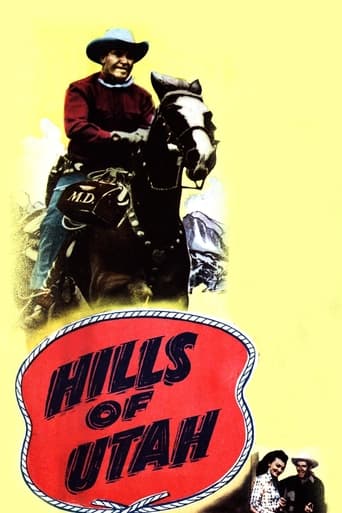 9.0
9.0A singing doctor on horseback heals a feud between cattlemen and copper miners.
Hills of Utah
1951
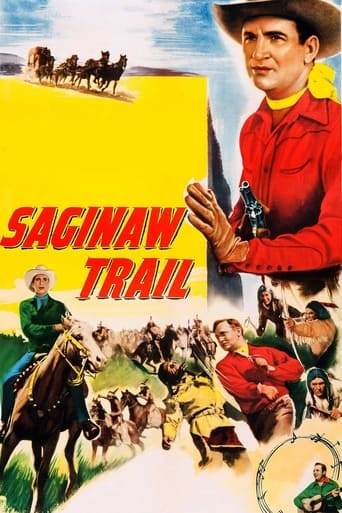 6.5
6.5Hamilton's Rangers, led by our hero Gene, must keep the Indians in the northern Michigan territory from attacking the settlers.
Saginaw Trail
1953
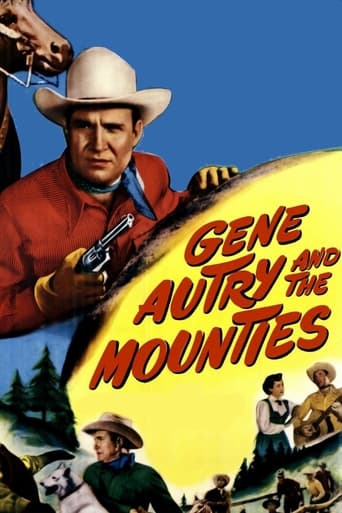 8.0
8.0Montana Marshals Gene and Scat are tracking some bank robbers. When the baddies cross into Canada, the Mounties are called upon to help.
Gene Autry and the Mounties
1951
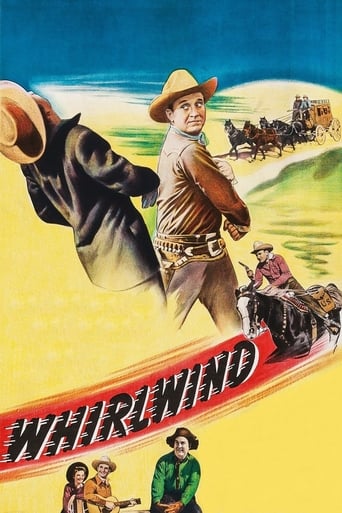 6.0
6.0A singing postal inspector (Gene Autry) and his partner (Smiley Burnette) save a woman's (Gail Davis) estate from fraud.
Whirlwind
1951
 10.0
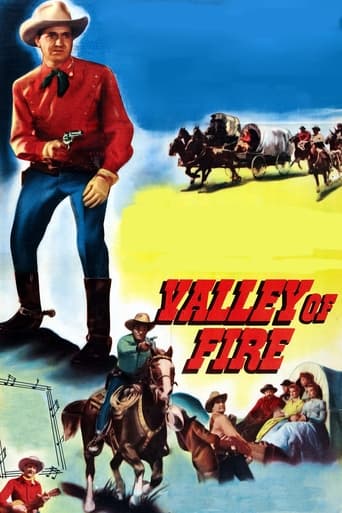
10.0An outcast gambler hijacks a wagon train of eligible women taken west by a mayor.
Valley of Fire
1951
 6.5
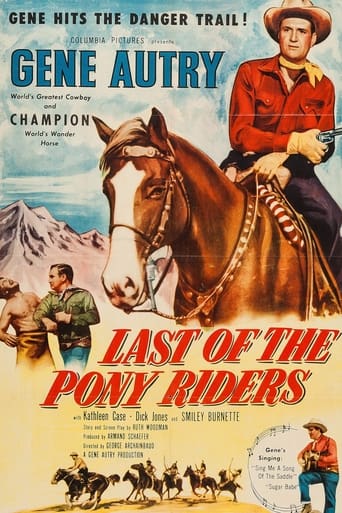
6.5Ex-Pony Express rider Autry ties to protect his US mail franchise as the Pony Express gives way to stage coach mail and the telegraph. Gene's last film appearance as a singing cowboy.
Last of the Pony Riders
1953
 6.2
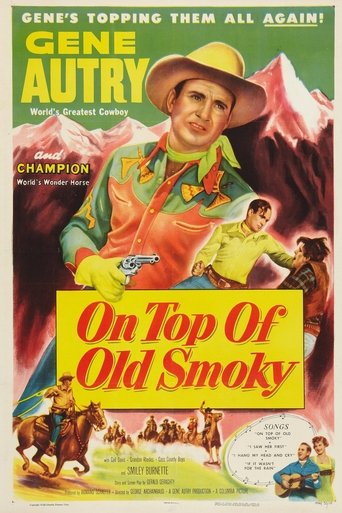
6.2Poachers are harassing toll road owner Jen Larrabee. They want her land because it holds valuable minerals. Autry and the Cass County Boys, mistaken for Texas Rangers, help out.
On Top of Old Smoky
1953
 6.3
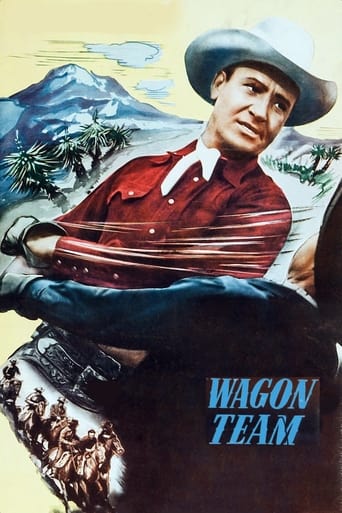
6.3Gene Autry is back in the saddle again as an undercover detective in this action-packed Western complete with a showdown. Gene poses as a jailbird to wangle the truth from a boy (Dick Jones) suspected of stealing an Army payroll. When the youngster escapes from lockup and rejoins his family's medicine show, intrigue is in the wind as Gene tries to solve the mystery of the missing money and to save the lad from a vicious mob. Pat Buttram co-stars.
Wagon Team
1952
1940s · 22 titles
 10.0
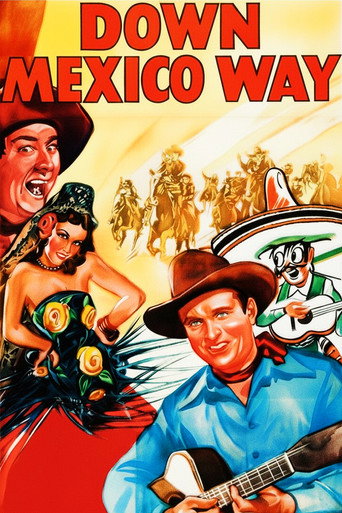
10.0Like 1940's Melody Ranch, the 1941 Gene Autry vehicle Down Mexico Way was designed as a "special", to be promoted separately from Autry's regular B-western series as an A-picture attraction. The story gets under way when a pair of con artists, Gibson (Sidney Blackmer) and Allen (Joe Sawyer), breeze into the town of Sage City claiming to be movie producers. The two scoundrels promise to film a movie in the little burg on the condition that the townsfolk pony up the necessary production fees.
Down Mexico Way
1941
 7.0
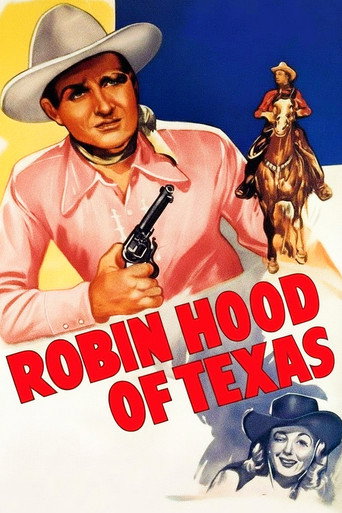
7.0When the bank is robbed, Gene and the boys are singing nearby and the Chief arrests them as gang members but lets them go thinking they will lead them to the others.
Robin Hood Of Texas
1947
 5.2
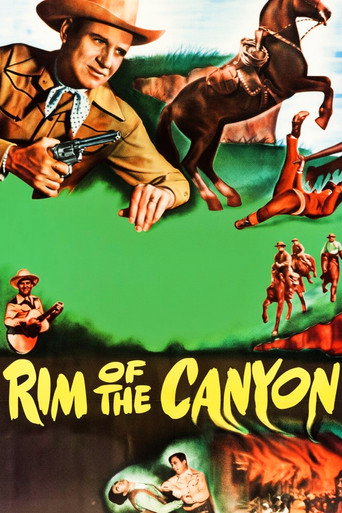
5.220 years ago, 3 men robbed a stage and hid $30,000. They were caught and sent to prison by Marshal Steve Autry. 20 years later, the men bust out of prison and return to the ghost town where they stashed their treasure searching. Steve's grandson picks up where Steve left off to foil the plans of the outlaws.
Rim of the Canyon
1949
 6.5
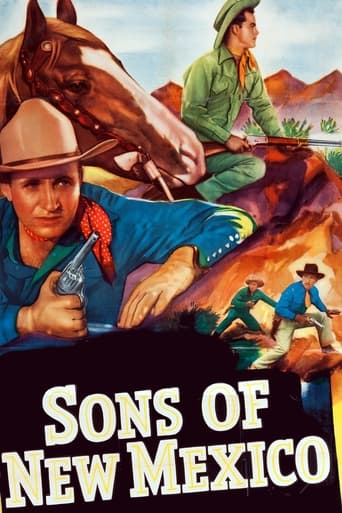
6.5Not quite as memorable as his previous Riders in the Sky, Gene Autry's Sons of New Mexico is still well up to the star's standard. This time, Gene tries to reform Randy Pryor, a would-be juvenile delinquent, played by Autry-protégé Dick Jones (who later starred in the Autry-produced TV series Range Rider and Buffalo Bill Jr). To this end, Pryor is enrolled at the New Mexico Military Institute, where much of this film was lensed. The kid chafes at the school's regimen and escapes, heading back to his criminal mentor Pat Feeney (Robert Armstrong).
Sons of New Mexico
1949
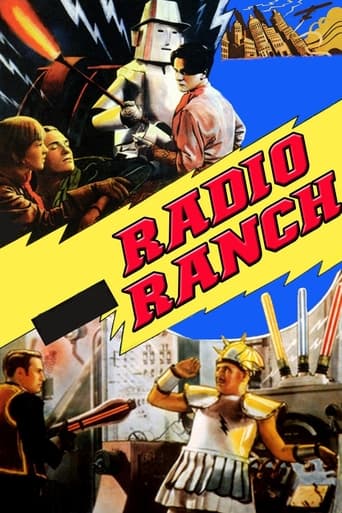 5.6
5.6Re-edited feature version of serial The Phantom Empire (1935). Singer Gene Autry discovers a race of advanced humans living beneath the earth.
Radio Ranch
1940
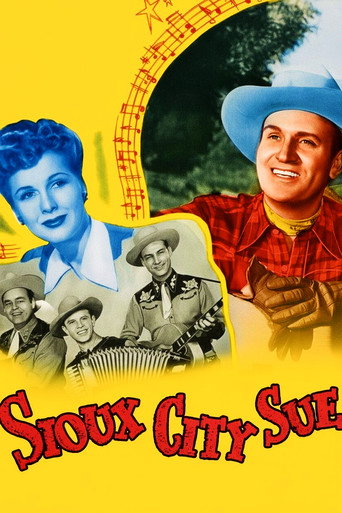 10.0
10.0A Hollywood scout averts disaster for a singing cowboy she has misled.
Sioux City Sue
1946
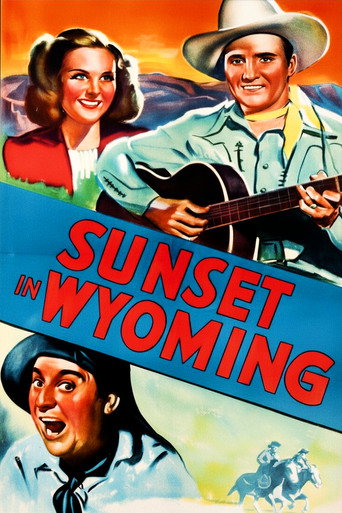 7.0
7.0By stripping all the timber from the land, a lumber baron threatens everyone with flooding. Gene won't let that happen.
Sunset in Wyoming
1941
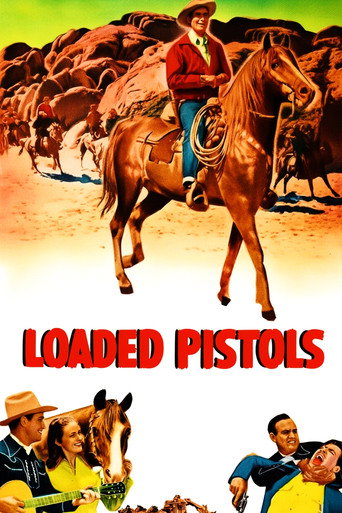 5.6
5.6A singing cowboy clears a boy accused of murder by finding the real killer.
Loaded Pistols
1948
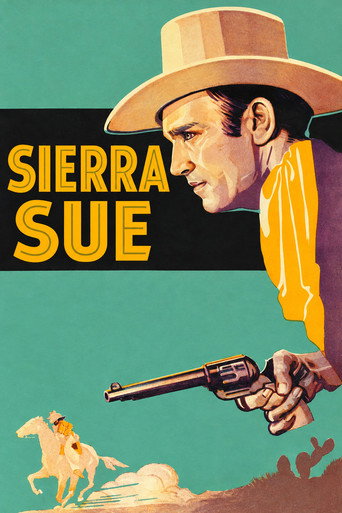 7.0
7.0To fight a poisonous weed, ranchers are burning their land. Gene is the Inspector brought in and he recommends spraying. The spraying goes well until the Larabee ranch is reached. When Larrabee refuses to allow the equipment on his land, Gene has it sprayed by airplane. Cattle must stay off recently sprayed land and when a Larrabee man shoots down the plane, the crash sends the cattle stampeding toward the newly sprayed land.
Sierra Sue
1941
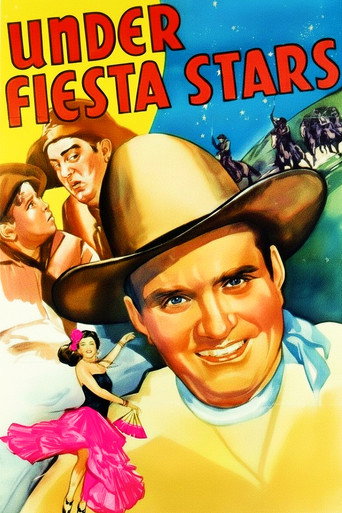 9.0
9.0Rodeo champ Gene Autry inherits half interest in both a ranch and a mine that provides steady employment for the surrounding rancheros. Unfortunately, the other half goes to Easterner Barbara Erwin (Carol Hughes), who is only interested in monetary remuneration. To convince Gene to buy her share, Barbara enters into an unholy alliance with unscrupulous attorneys Arnold (Ivan Miller) and Fry (Sam Flint), who, without their client's consent, hire a gang of thugs headed by Tommick (John Merton). When a ranchero (Elias Gamboa) is mortally wounded in the ensuing gun battle, Barbara sees the error of her way and switches sides.
Under Fiesta Stars
1941
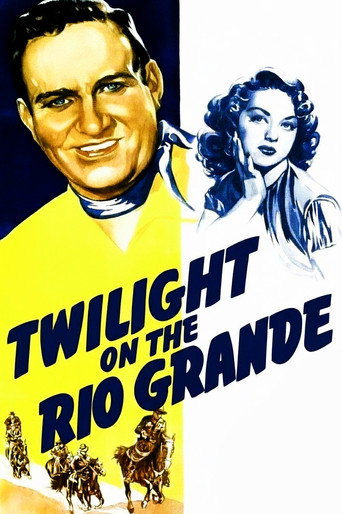 3.1
3.1Gene and Pokie are on vacation in Mexico when they learn that their buddy Dusty has been bumped off.
Twilight on the Rio Grande
1947
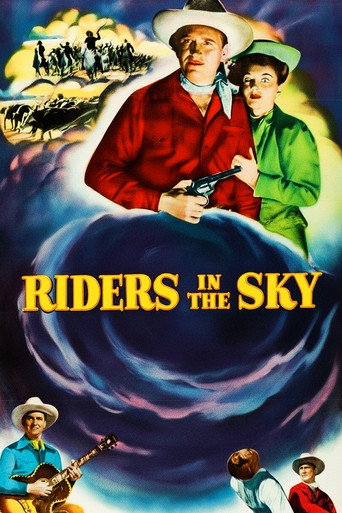 6.4
6.4When asked about the Ghost Riders song he sings, Gene Autry tells this legend: Gene is about to resign as an investigator for the county attorney and go into the cattle business with his pal Chuckawalla Jones but decides instead to help Anne Lawson clear her father, rancher Ralph Lawson, of a false murder charge. He looks for the three witnesses who can testify that Lawson shot only in self defense in killing a gambler, but the witnesses are terrorized by another gambler, town boss Rock McCleary, who shoots witness Pop Roberts Morgan. Fatally wounded, Pop gives Gene the information needed to clear Lawson, then dies crying the "Ghost Riders" are coming for him. Gene then heads for a showdown with McCleary.
Riders in the Sky
1949
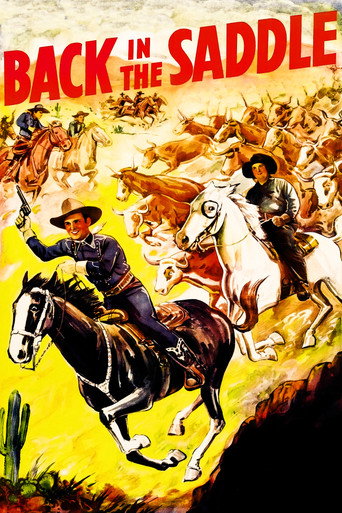 6.0
6.0Gene returns from the East with new ranch owner Tom Bennett to find everyone's cattle dying. Blaine has reopened the copper mine and the waste is poisoning the water supply. While Gene is away Tom confronts the miners and a man is killed in the ensuing gunfight. Now Gene not only has the dying cattle problem but his ranch owner is in jail.
Back in the Saddle
1941
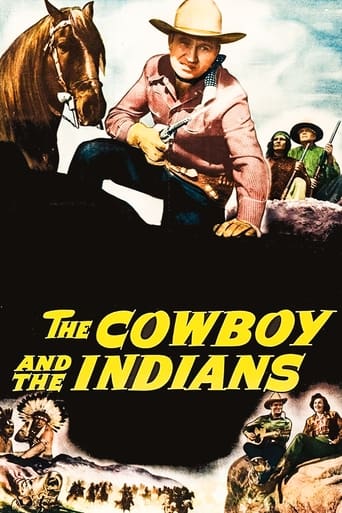 7.0
7.0Finding Indians stealing from his ranch, Gene learns they are suffering from malnutrition. Store owner Martin is cheating them and now he is after the Chief's valuable necklace. When the dying chief is found, having been attacked and robbed, Martin blames Lakhona who would become the new chief. When Gene helps Lakhona they soon find themselves fleeing from the law.
The Cowboy and the Indians
1949
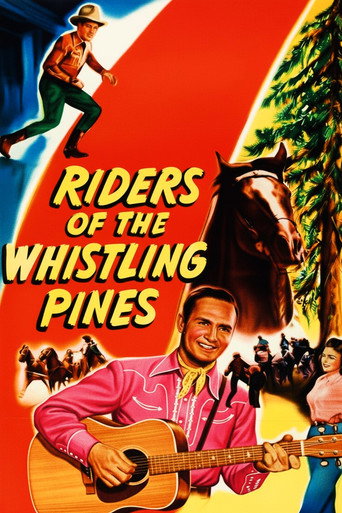 5.7
5.7While trailing Forest Ranger Charles Carter, who is suspected of permitting lumber man Henry Mitchell to cut restricted timber, Gene fires at a dangerous mountain lion and apparently kills Carter. Actually, Bill Wright, Mitchell's associate, killed Carter because the ranger had discovered tussock moth infestation in the forest, and if the infestation was not reported, the trees would die and have to be cut, thereby profiting Mitchell and Wright. In order to compensate the best he can, Gene sells his sportsman's camp and gives the money to Carter's daughter Helen . En route to Texas, Gene discovers the infestation and is assigned by the Forest Department to supervise the program of spraying the area with DDT from the air. After the first day of spraying, the DDT is blamed by furious stock men for the many animals found dead of poisoning.
Riders of the Whistling Pines
1949
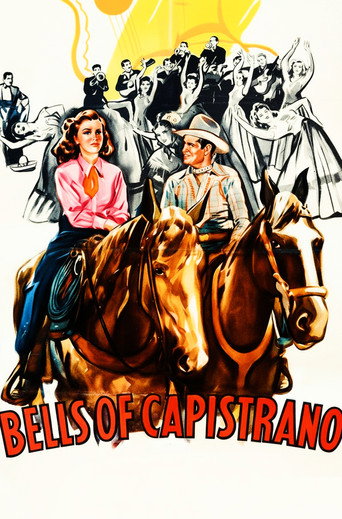 7.0
7.0America's favorite singing cowboy Gene Autry stars in this vintage tale as an up-and-coming rodeo singer caught in the middle of two rival companies, both angling to ride the talented crooner to riches. Featuring several memorable musical performances from Autry, including renditions of "Forgive Me" and "In Old Capistrano," this rousing Western co-stars Smiley Burnette, Virginia Grey and Lucien Littlefield.
Bells of Capistrano
1942
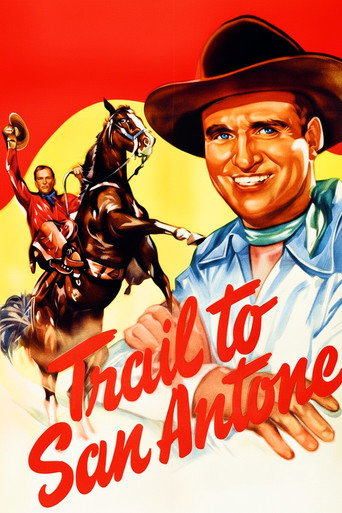 7.5
7.5Gene Autry is back near the saddle, trying to help out a crippled jockey. Gene is certain that the jockey can ride in the Big Race if the lad can regain his self-confidence. Meanwhile, Gene and comical sidekick Sterling Holloway have another problem on their hands: A rogue stallion has "kidnapped" Gene's prize mare. Piloting a plane, Autry seeks out and locates the stallion.
Trail to San Antone
1947
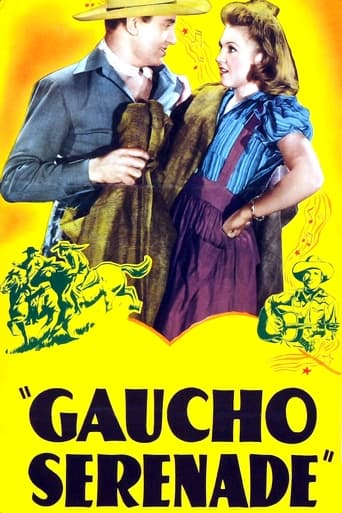 6.5
6.5Gene Autry and sidekick Frog Millhouse depart Madison Square Garden and NYC heading west for home in their car and a horse trailer carrying Gene's horse, Champion. They discover that Ronnie Willoughby, a young boy just off the boat from school in England, has hitched a ride, thinking that Gene and Frog were sent by his father to meet him. Ronnie thinks his father is a big rancher in the west and doesn't know that his father, Alfred Willoughby, is serving time in San Quentin prison because of a frame-up by the officials of a packing company. To keep the father from testifying against them, the packing company officials, Carter, Jenkins and Martin, have arranged for the boy to be kidnapped. Along the way a runaway bride, Joyce Halloway, and her young sister Patsy join the troupe.
Gaucho Serenade
1940
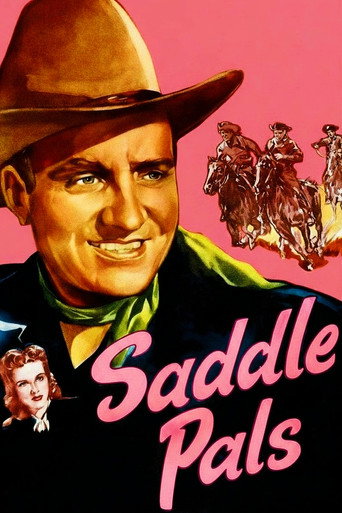 6.5
6.5Autry is drawn into the plot when he's given power of attorney in a property settlement involving his old pal and a gang of land swindlers. The pal then goes on an extended vacation, leaving Autry to sort things out.
Saddle Pals
1947
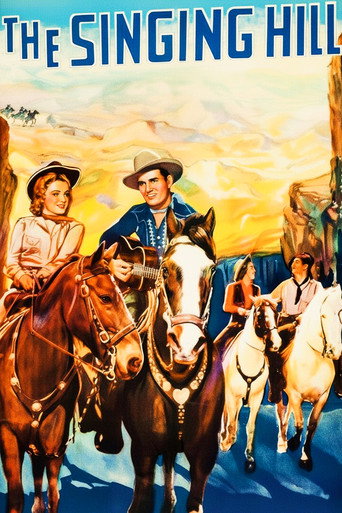 9.0
9.0If a young lady gives up her inheritance the local ranchers will lose their free grazing land.
The Singing Hill
1941
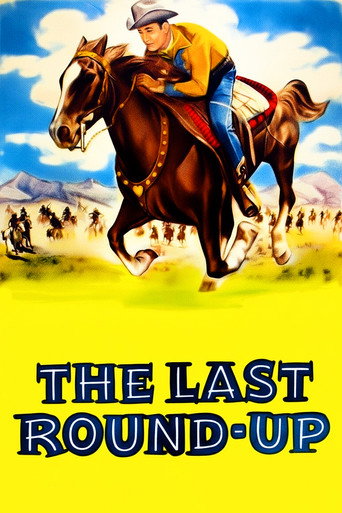 7.3
7.3A rancher tries to convince an Indian tribe to relocate so their land can be used to provide water for Kansas City.
The Last Round-up
1947
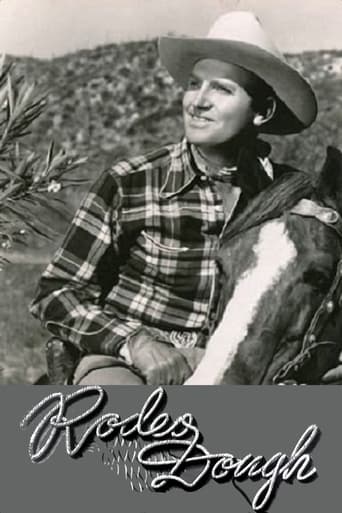 6.4
6.4After a trip to Hollywood, two young ladies attempt to hitchhike home but end up at a star-filled rodeo.
Rodeo Dough
1940
1930s · 14 titles
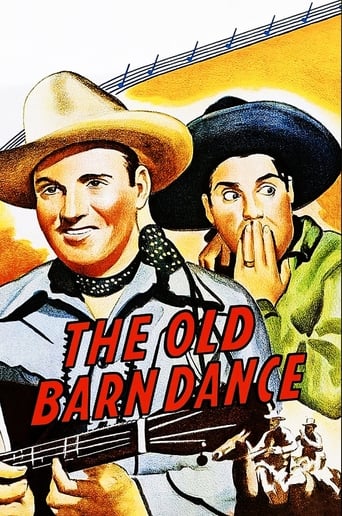 4.7
4.7Autry and his buddies have a horse selling business which is threatened by a tractor company which claims horses are out of date.
The Old Barn Dance
1938
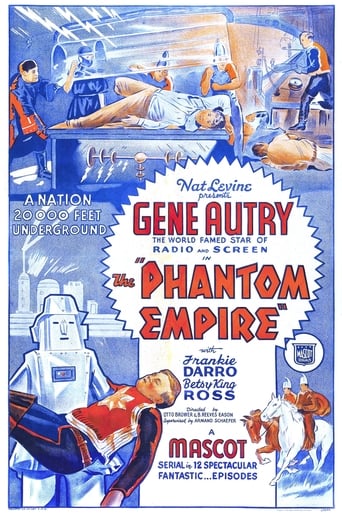 5.8
5.8When the ancient continent of Mu sank beneath the ocean, some of its inhabitant survived in caverns beneath the sea. Cowboy singer Gene Autry stumbles upon the civilization, now buried beneath his own Radio Ranch. The Muranians have developed technology and weaponry such as television and ray guns. Their rich supply of radium draws unscrupulous speculators from the surface. The peaceful civilization of the Muranians is corrupted by the greed from above, and it becomes Autry's task to prevent all-out war, ideally without disrupting his regular radio show.
The Phantom Empire
1935
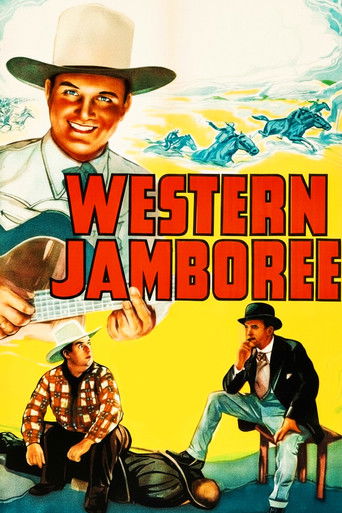 7.0
7.0Knowing that is contains valuable helium gas, a gang of bad guys first tries to purchase the ranch which Gene straw-bosses. When that fails, they lay a hidden pipeline to snag the gas.
Western Jamboree
1938
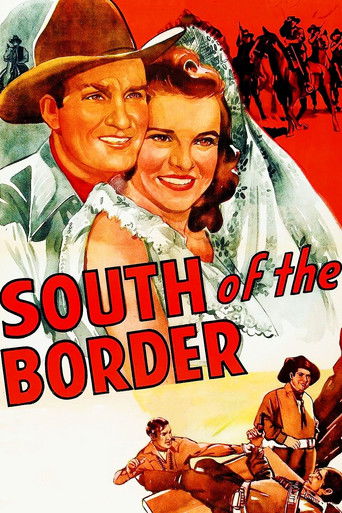 6.0
6.0A federal agent and his partner hang out in Mexico to check a revolution.
South of the Border
1939
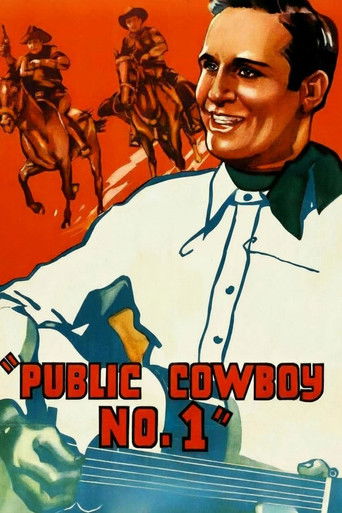 6.2
6.2Deputies Gene Autry and Frog go up against modern cattle rustlers. These rustlers use technology such as, airplanes, radios and refrigerated trucks to steal the cows, butcher them in the field and ship them out before getting caught. This causes the town to bring in a modern NYC detective to catch the crooks, but will Autry and Frog be permanently out of a job?
Public Cowboy No. 1
1937
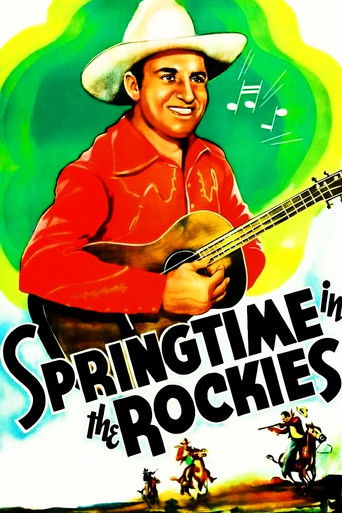 5.5
5.5Ranch owner Sandra, fresh from animal husbandry school, brings a flock of sheep into cattle country. The local ranchers don't like it, and ranch foreman Gene must deal with it.
Springtime in the Rockies
1937
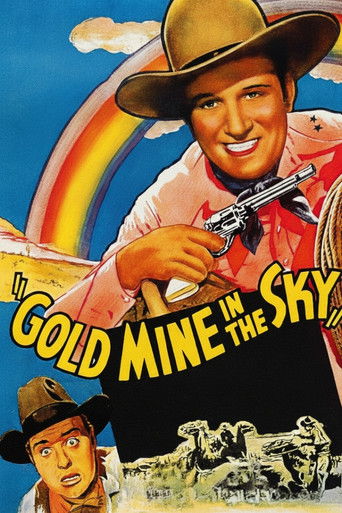 9.0
9.0As executor of the owner's will, singing ranch foreman Gene must see that the daughter/heiress doesn't marry without his approval.
Gold Mine in the Sky
1938
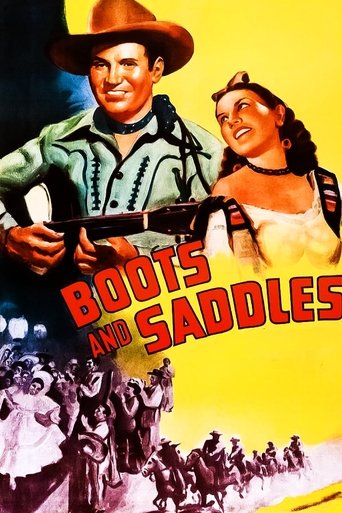 6.5
6.5Young Englishman inherits ranch which he wants to sell, but Gene's gonna turn him into a real westerner instead. When new owner Spud arrives from England, Autry convinces him not to sell the ranch but to raise horses for the Army. When both Autry's and Neale's bids are the same, the Colonel calls for a race to decide the winner. But that night Neale has Autry's stable burned.
Boots and Saddles
1937
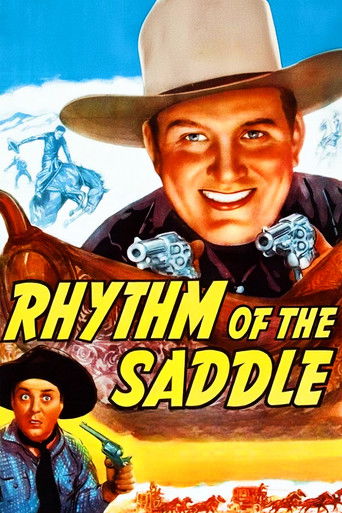 10.0
10.0Gene is the foreman at the ranch owned by wealthy rodeo owner Maureen. She will lose her rodeo contract unless sales improve.
Rhythm of the Saddle
1938
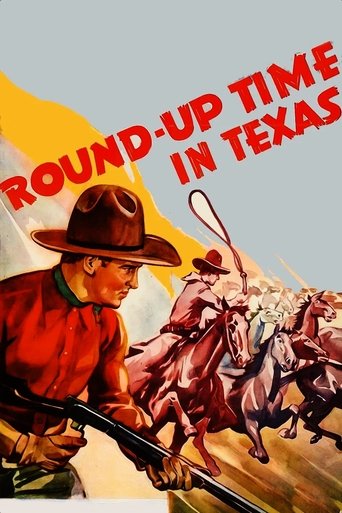 7.8
7.8Gene and Frog arrive with a herd of horses for Gene'e brother, a diamond prospector whose work has attracted the interest of a bunch of badguys.
Round-Up Time in Texas
1937
 10.0
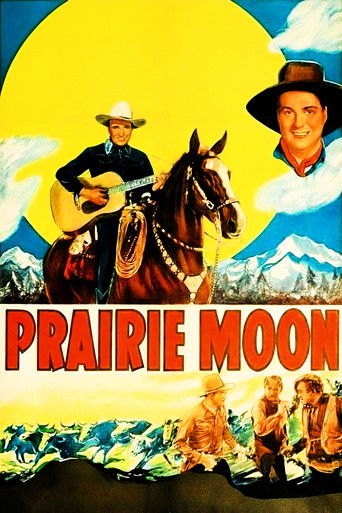
10.0Gene takes care of three tough kids sent west from Chicago after their father died and left them a cattle ranch. They help him catch a bunch of rustlers.
Prairie Moon
1938
 6.5
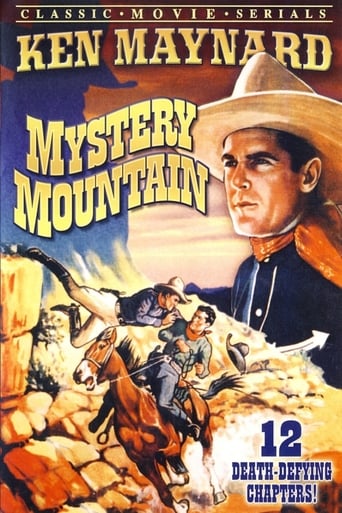
6.5Ken Williams is determined to discover the identity of the mysterious Rattler, who preys upon railroads and transportation companies like that owned by Jane Corwin. The Rattler is especially difficult to catch because of his skill at disguising himself as other people.
Mystery Mountain
1934
 6.2
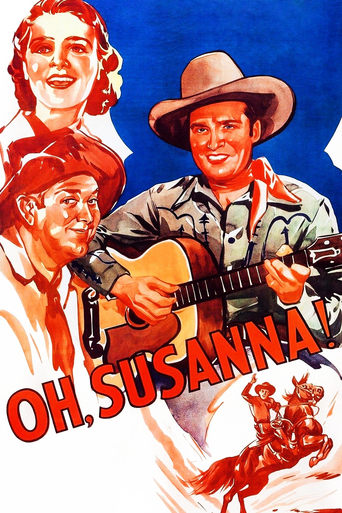
6.2Oh, Susanna! is a 1936 American Western musical film directed by Joseph Kane and starring Gene Autry, Smiley Burnette, and Frances Grant. Written by Oliver Drake, the film is about a cowboy who is robbed and then thrown from a train by an escaped murderer who then takes on the cowboy's identity.
Oh, Susanna
1936
 6.2
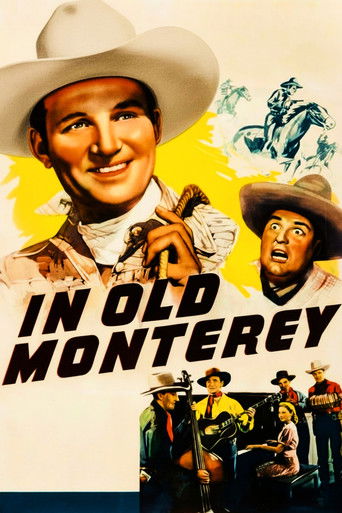
6.2The U.S. Army takes over a large area of land, over the objection of citizens and corporations who live and work there.
In Old Monterey
1939
Series credits
7.0Four panelists must determine guests' occupations - and, in the case of famous guests, while blindfolded, their identity - by asking only "yes" or "no" questions.
What's My Line?
1950
7.4The Red Skelton Show is an American variety show that was a television staple for two decades, from 1951 to 1971. It was second to Gunsmoke and third to The Ed Sullivan Show in the ratings during that time. Skelton, who had previously been a radio star, had appeared in several motion pictures as well. Although his television series is largely associated with CBS, where it appeared for more than fifteen years, it actually began and ended on NBC. During its run, the program received three Emmy Awards, for Skelton as best comedian and the program as best comedy show during its initial season, and an award for comedy writing in 1961.
The Red Skelton Show
1951
6.8The Ed Sullivan Show is an American TV variety show that originally ran on CBS from Sunday June 20, 1948 to Sunday June 6, 1971, and was hosted by New York entertainment columnist Ed Sullivan. It was replaced in September 1971 by the CBS Sunday Night Movie, which ran only one season and was eventually replaced by other shows. In 2002, The Ed Sullivan Show was ranked #15 on TV Guide's 50 Greatest TV Shows of All Time.
The Ed Sullivan Show
1948
6.2No synopsis available yet.
The Steve Allen Show
1956
6.2No synopsis available yet.
The Steve Allen Show
1956
4.7The Gene Autry Show is an American western/cowboy television series which aired for 91 episodes on CBS from July 23, 1950 until August 7, 1956, originally sponsored by Wrigley's Doublemint chewing gum.
The Gene Autry Show
1950