
Acting
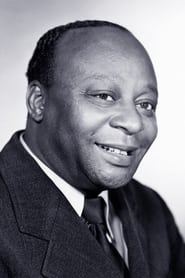
Mantan Moreland
Born — Died
1902-09-03 — 1973-09-28
Place of birth
Monroe, Louisiana, USA
Known for
Acting
Credits
64 titles
Born just after the turn of the century in Louisiana, Mantan began running away from home at age 12 to join circuses and medicine shows, only to be brought back time and again. During these times he sharpened his comic skills and developed routines and acts that eventually became popular on the vaudeville stage, or what was then called the "chitlin' circuit." A solo performer by nature, he often teamed up with other famous comics (such as Ben Carter) to keep working, and became a deft performer of "indefinite talk" routines, where two quicksilver comics continually topped each other in mid-sentence, as if reading each other's mind (i.e., "Say, did you see...?" "Saw him just yesterday...didn'…
Known for
 6.2
6.2An anthology comedy series featuring a line up of different celebrity guest stars appearing in anywhere from one, two, three, and four short stories or vignettes within an hour about versions of love and romance.
Love, American Style
1969
 7.1
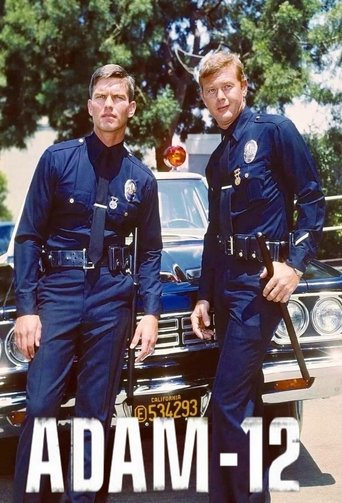
7.1Adam-12 is a television police drama that followed two police officers of the Los Angeles Police Department, Pete Malloy and Jim Reed, as they patrolled the streets of Los Angeles in their patrol unit, 1-Adam-12.
Adam-12
1968
 6.4
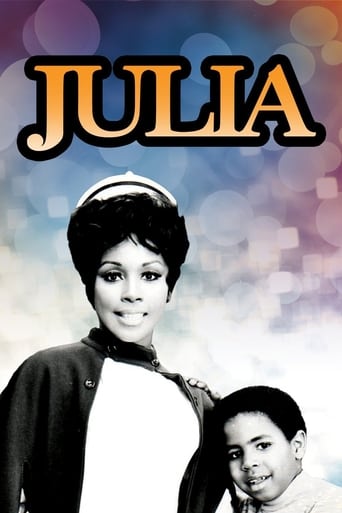
6.4Julia is an American sitcom notable for being one of the first weekly series to depict an African American woman in a non-stereotypical role. Previous television series featured African American lead characters, but the characters were usually servants. The show stars actress and singer Diahann Carroll, and ran for 86 episodes on NBC from September 17, 1968 to March 23, 1971. The series was produced by Savannah Productions, Inc., Hanncar Productions, Inc., and 20th Century-Fox Television. During pre-production, the proposed series title was Mama's Man. The series was also unique in that it was among the few situation comedies in the late 1960s that did not use a laugh track; however, 20th Century-Fox Television added them when the series was reissued for syndication and cable rebroadcasts in the late 1980s.
Julia
1968
 5.5
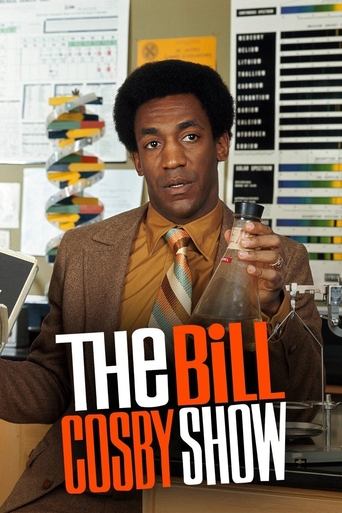
5.5The Bill Cosby Show is an American situation comedy that aired for two seasons on NBC's Sunday night schedule from 1969 until 1971, under the sponsorship of Procter & Gamble. There were 52 episodes made in the series. It marked Bill Cosby's first solo foray in television, after his co-starring role with Robert Culp in I Spy. The series also marked the first time an African American starred in his or her own eponymous comedy series.
The Bill Cosby Show
1969
 6.4
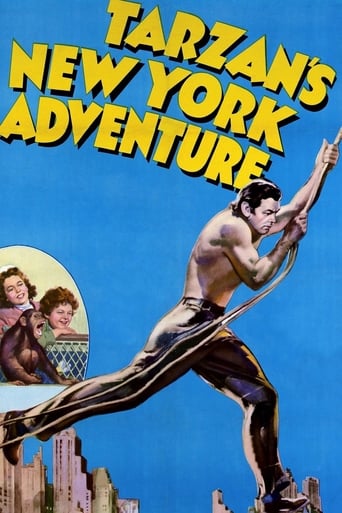
6.4Circus owner Buck Rand kidnaps Boy to perform in his show. He forces a pilot to fly him, Boy and his animal trainer out of the jungle. Tarzan and Jane follow them to New York.
Tarzan's New York Adventure
1942
 6.2
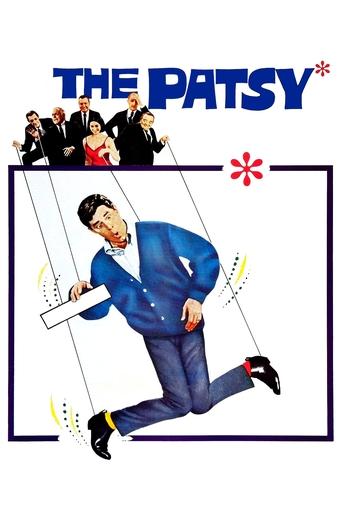
6.2Eccentric bellhop Stanley Belt is recruited unexpectedly by the comedy team of a recently deceased entertainer. Stanley struggles to become a song-and-dance man as the team grooms him to become a star. But as the date of a high-stakes appearance on the Ed Sullivan Show grows near, they begin to fear that the only astonishing thing about Stanley is his utter lack of talent.
The Patsy
1964
Film credits
1970s · 2 titles
 4.2
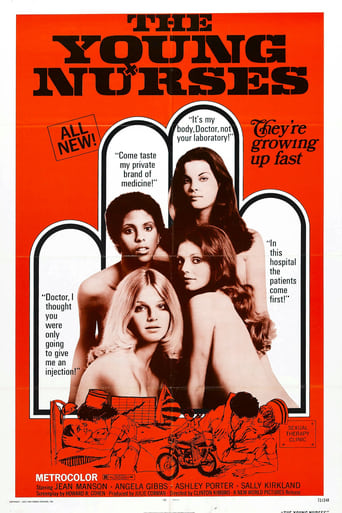
4.2Sexy young nurses administer a special kind of therapy on their daily rounds as they battle a drug ring operating outside the hospital.
The Young Nurses
1973
 6.3
6.3A racist insurance agent lives in a typical suburban neighborhood, but his bigoted world of taunting and harassing black people on and off the job is turned upside down when his skin inexplicably turns dark overnight.
Watermelon Man
1970
1960s · 4 titles
6.2Eccentric bellhop Stanley Belt is recruited unexpectedly by the comedy team of a recently deceased entertainer. Stanley struggles to become a song-and-dance man as the team grooms him to become a star. But as the date of a high-stakes appearance on the Ed Sullivan Show grows near, they begin to fear that the only astonishing thing about Stanley is his utter lack of talent.
The Patsy
1964
 6.1
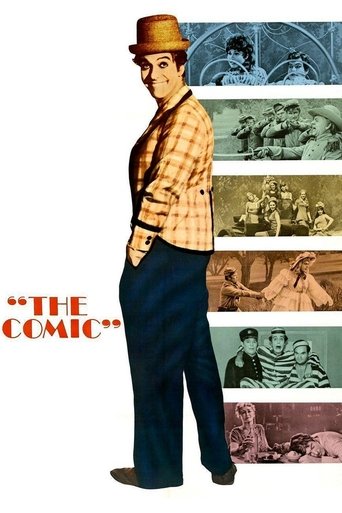
6.1An account of the rise and fall of a silent film comic, Billy Bright. The movie begins with his funeral, as he speaks from beyond the grave in a bitter tone about his fate, and takes us through his fame, as he ruins it with womanizing and drink, and his fall, as a lonely, bitter old man unable to reconcile his life's disappointments. The movie is based loosely on the life of Buster Keaton.
The Comic
1969
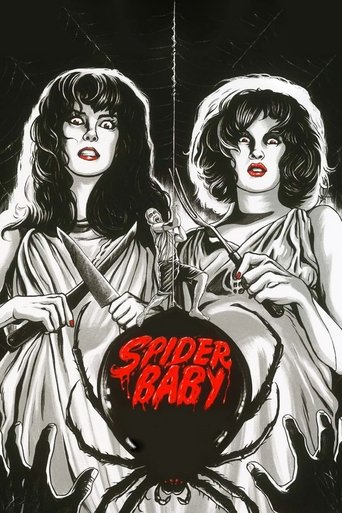 6.8
6.8In a dilapidated rural mansion, the last generation of the degenerate, inbred Merrye family lives with the inherited curse of a disease that causes them to mentally regress from the age of 10 or so on as they physically develop. The family chauffeur looks out for them and covers up their indiscretions. Trouble comes when greedy distant relatives and their lawyer arrive to dispossess the family of its home.
Spider Baby
1967
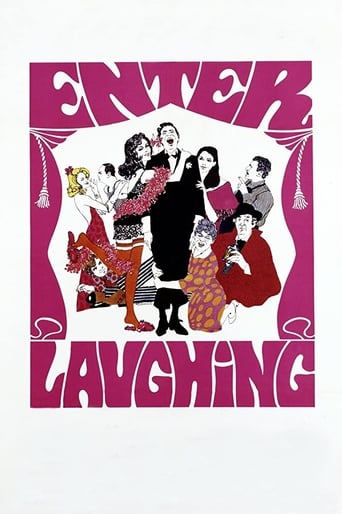 4.8
4.8A machinist's apprentice in Depression-era New York, David dreams of becoming the new Ronald Colman. Defying the wishes of his parents, David lands a nonpaying job in a seedy theatrical production directed by broken-down ham Marlowe.
Enter Laughing
1967
1940s · 49 titles
6.4Circus owner Buck Rand kidnaps Boy to perform in his show. He forces a pilot to fly him, Boy and his animal trainer out of the jungle. Tarzan and Jane follow them to New York.
Tarzan's New York Adventure
1942
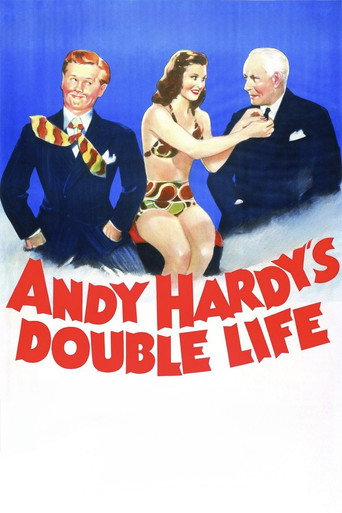 5.0
5.0Andy is about to head off to college but he's got a few things to take care of before leaving. For starters, he must try and sell his junk car for $20 to pay for a bill and he must convince his father not to go with him to college. Worst of all is that Polly wants to make up but her best friend decides to give Andy a test.
Andy Hardy's Double Life
1942
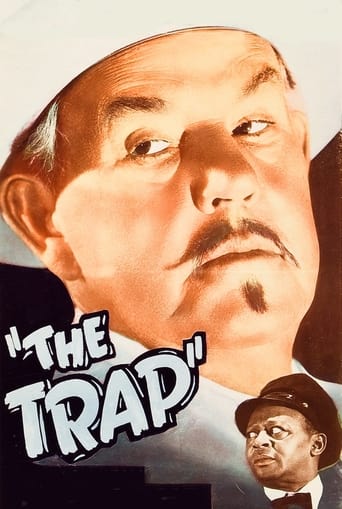 6.8
6.8When a troupe of showgirls with their impresario and press agent vacation at a Malibu Beach resort, two of them are garroted. Charlie takes on the case assisted by Number Two Son Jimmy and faithful chauffeur Birmingham Brown.
The Trap
1946
 5.2
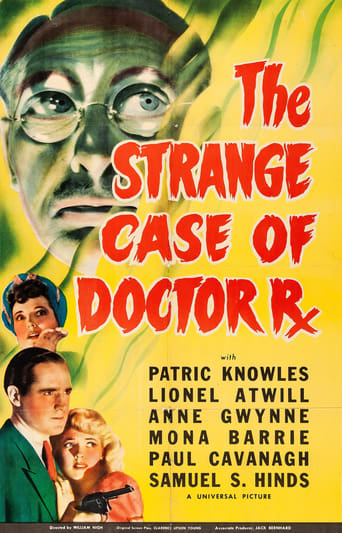
5.2Private eye Jerry Church is hired by a criminal defense lawyer after five mobsters he has gotten acquitted are apparently strangled by a serial killer.
The Strange Case of Doctor Rx
1942
 6.1
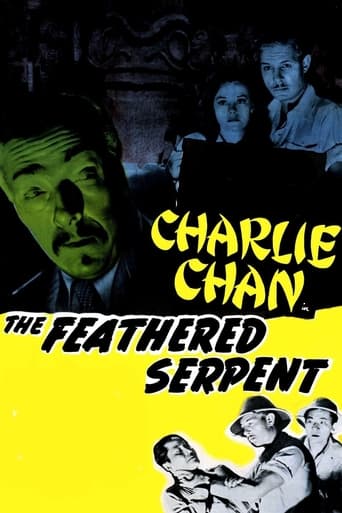
6.1In order to learn the location of a fabled Aztec treasure, a professor kidnaps his colleague, the only man able to read the ancient Aztec script that is supposed to reveal the location of the treasure. Charlie Chan and his #1 and #2 sons journey to the jungles of Mexico to find the victim and bring the kidnapper and his gang to justice.
The Feathered Serpent
1948
 5.6
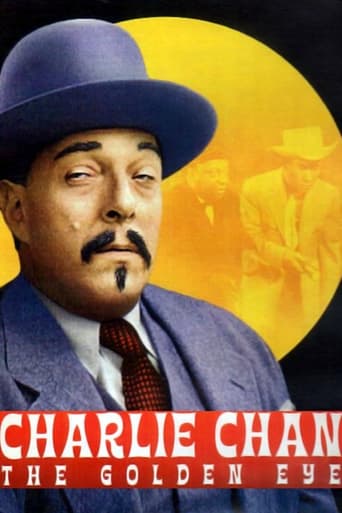
5.6A gold mine in Arizona, that was formerly losing a lot of money, suddenly turns into a veritable money-making machine. However, the owner, instead of being happy about his now profitable business, insists to Charlie that something is fishy and that someone is out to murder him. Charlie and his "crew" travel to the mine, pretending to be tourists staying at a nearby dude ranch so as not to arouse suspicion, and discover that the owner may well be right--it looks like the mine is being used as a cover for criminal activities, and that someone is indeed out to murder him.
The Golden Eye
1948
 5.4
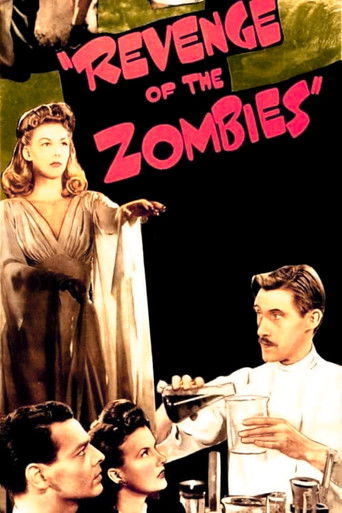
5.4When Dr. Von Altermann's wife Lila dies mysteriously at his spooky mansion her relations suspect murder. They also suspect the doctor is turning her into a zombie, to join the army of living dead he hopes to devote to the Nazi cause. However, Lila, though dead, has developed a will of her own.
Revenge of the Zombies
1943
 6.2
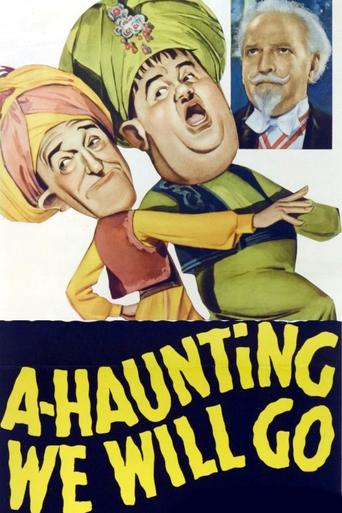
6.2Stan and Ollie get involved with con men, crooks, a genial magician, and two interchangeable coffins with disastrous but funny results.
A-Haunting We Will Go
1942
6.2Stan and Ollie get involved with con men, crooks, a genial magician, and two interchangeable coffins with disastrous but funny results.
A-Haunting We Will Go
1942
 6.0
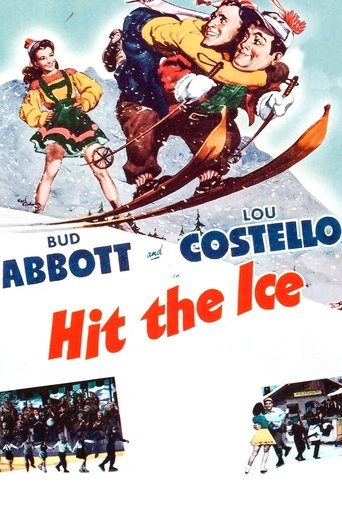
6.0After Flash Fulton and Weejie McCoy take pictures of a bank robbery, they're lured to the mountain resort hideout of the robbers, where they meet an old friend and his band.
Hit the Ice
1943
 6.0
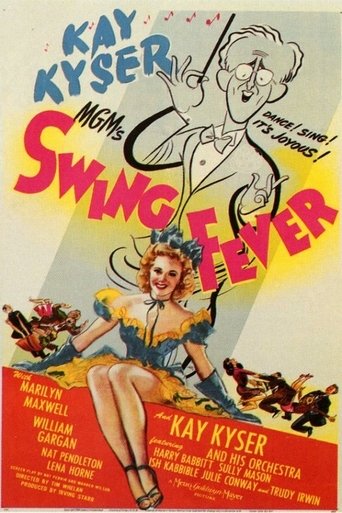
6.0Comedy about a bandleader with hypnotic powers.
Swing Fever
1943
6.0Comedy about a bandleader with hypnotic powers.
Swing Fever
1943
 5.6
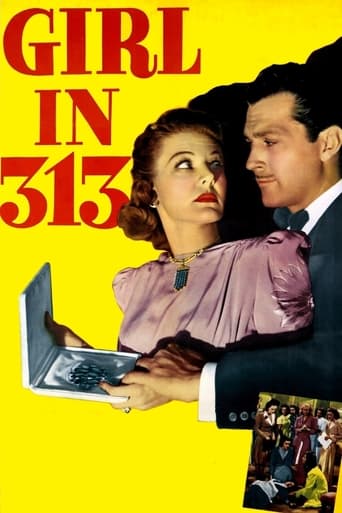
5.6A priceless necklace goes missing at a plush party. Police close in on the jewel thieves but is one cop getting too close to one of the crooks?
Girl in 313
1940
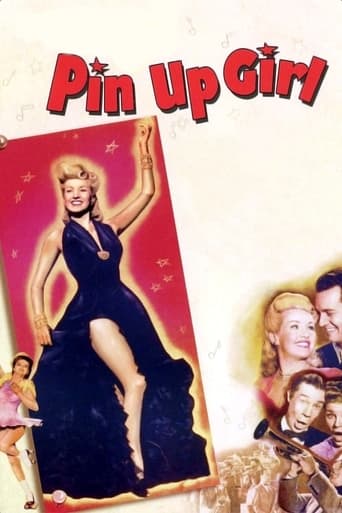 6.3
6.3Glamorous Lorry Jones, the toast of a Missouri military canteen, has become "engaged" to almost every serviceman she's signed her pin-up photo for. Now she's leaving home to go into government service (not, as she fantasizes, to join the USO). On a side trip to New York, her vivid imagination leads her to True Love with naval hero Tommy Dooley; but increasingly involved Musical Comedy Complications follow.
Pin Up Girl
1944
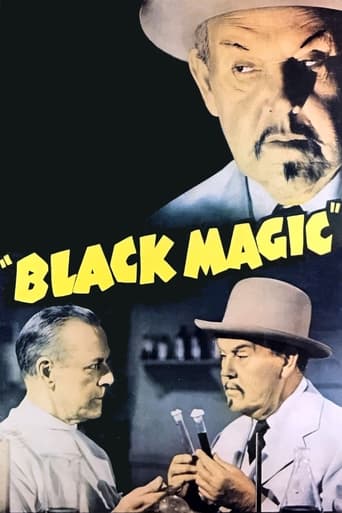 7.1
7.1Chinese detective Charlie Chan solves a murder linked to the occult.
Black Magic
1944
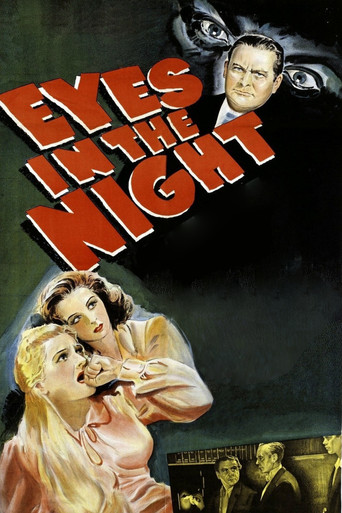 6.1
6.1Blind detective Duncan Maclain gets mixed up with enemy agents and murder when he tries to help an old friend with a rebellious stepdaughter.
Eyes in the Night
1942
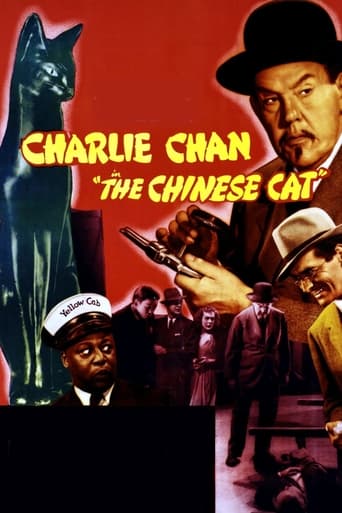 6.6
6.6To solve the murder of a man shot in a locked room, Chan must wade through a Fun House, the writings of an unscrupulous author, and chess pieces.
Charlie Chan in The Chinese Cat
1944
 6.5
6.5Karanina "Nina" Novak, is befriended by Nifty, the leader of a four-piece orchestra, and in return, secures an engagement for them at the Little Aregal Cafe, with herself as the vocalist, by pretending she once knew the King or Aregal back in the old country. Steve shows up pretending to be the King of Aregal, and complicates the growing romance between Nina and Nifty. When Steve runs off with Opa, the real King of Aregal (also Steve) appears and complicates things again.
Four Jacks and a Jill
1942
 6.5
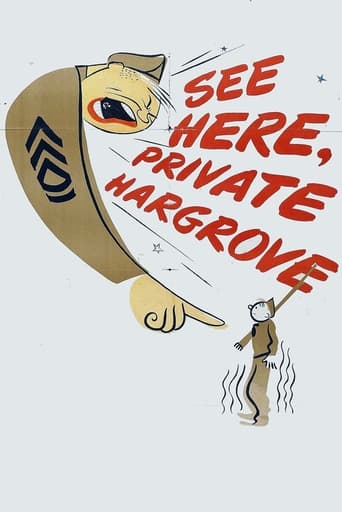
6.5Journalist Marion Hargrove enters the Army intending to supplement his income by writing about his training experiences. He muddles through basic training at Fort Bragg with the self-serving help of a couple of buddies intent on cutting themselves in on that extra income.
See Here, Private Hargrove
1944
 6.5
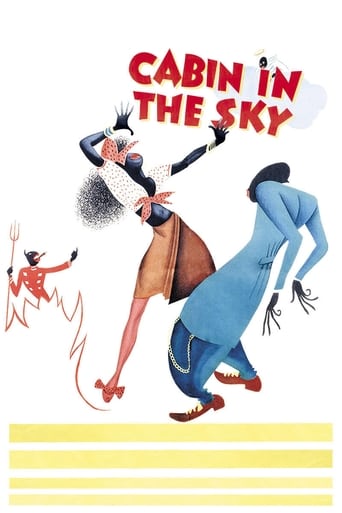
6.5When compulsive gambler Little Joe Jackson dies in a drunken fight, he awakens in purgatory, where he learns that he will be sent back to Earth for six months to prove that he deserves to be in heaven. He awakens, remembering nothing and struggles to do right by his devout wife, Petunia, while an angel known as the General and the devil's son, Lucifer Jr., fight for his soul.
Cabin in the Sky
1943
 5.2
5.2During World War II, a small plane somewhere over the Caribbean runs low on fuel and is blown off course by a storm. Guided by a faint radio signal, they crash-land on an island. The passenger, his manservant and the pilot take refuge in a mansion owned by a doctor. The quick-witted yet easily-frightened manservant soon becomes convinced the mansion is haunted by zombies and ghosts.
King of the Zombies
1941
 5.3
5.3A man involved in a crime (Nolan) kills his key witness by mistake and resigns himself to death. He changes his name so as not to harm his family. The law is not content with his explanation, however.
The Man Who Wouldn't Talk
1940
 7.5
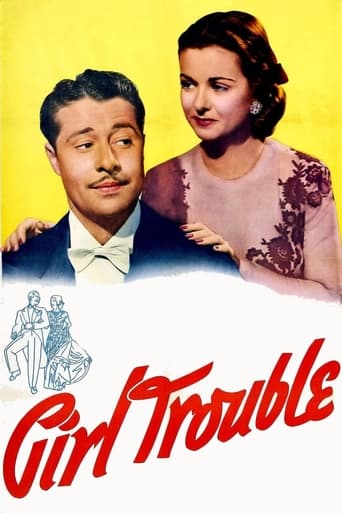
7.5A South American in New York rents the apartment of a socialite who pretends to be his maid.
Girl Trouble
1942
 6.0
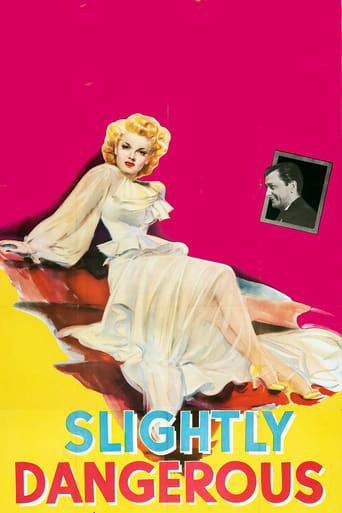
6.0Small-town soda-jerk Peggy Evans quits her dead-end job and moves to New York where she invents a new identity.
Slightly Dangerous
1943
 6.3
6.3A financially-strapped showboat captain struggles to stay in business.
Riverboat Rhythm
1946
 6.4
6.4Private eye Mike Shayne encounters a large amount of trouble while attempting to guard a murder witness.
Sleepers West
1941
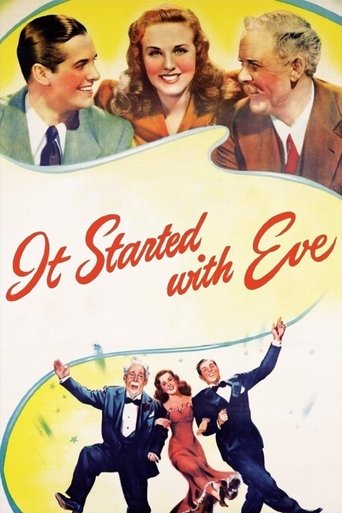 7.2
7.2A young man asks a hat check girl to pose as his fiancée in order to make his dying father's last moments happy. However, the old man's health takes a turn for the better and now his son doesn't know how to break the news that he's engaged to someone else, especially since his father is so taken with the impostor.
It Started with Eve
1941
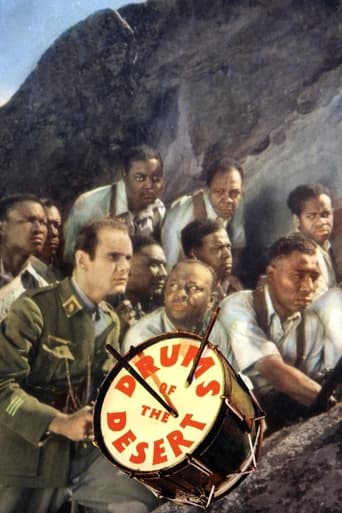 5.5
5.5On his way to a post as special adviser of the new parachute troops of the French Foreign Legion in Morocco, Paul Dumont meets the beautiful Helene on the ship. A romance ensues, but the two decide to part when Paul learns that Helene is the fiancée of his best friend and fellow officer Raoul. Raoul is wounded during an Arab attack and the wedding is postponed, and Helene and Paul are thrown together and find it impossible to hide their feelings. The meet in the tent of Hassan, a fortune teller, not knowing the tent is a storage place for arms and ammunition belonging to Addullah, an Arab leader determined to avenge the death of his brother Ben Ali.
Drums of the Desert
1940
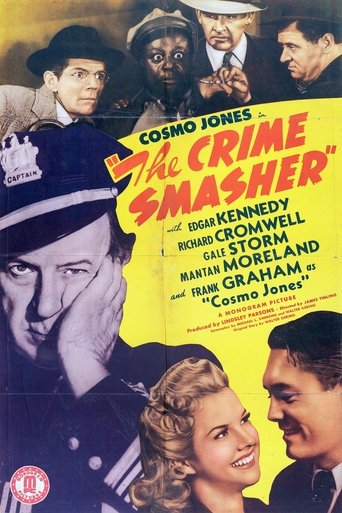 4.6
4.6Cosmo Jones, a correspondence-school detective from a small town, comes to the big city to offer his services to the police. He happens by where a gangster is killed by an opposing gang. Socialite Phyllis Blake is running around with gang member Tom and the opposing gang plan on kidnapping her. Cosmo is with Sergeant Flanagan when the attempt is made in front of a night club, where a bystander is seriously wounded in the gun-battle. Police Chief Murphy blames Flanagan for the shooting and demotes him. Cosmo, with the aid of a porter, Eustace and Flanagan's fiancée, Susan, tries to find the killer. Phyllis is finally kidnapped and Cosmo decides the act was committed by one of the two gangs. He has her father place an ad in the newspaper that contact has been made with the kidnappers. Each gang thinks the other is pulling a double cross, and one gang wipes out the other.
Cosmo Jones, Crime Smasher
1943
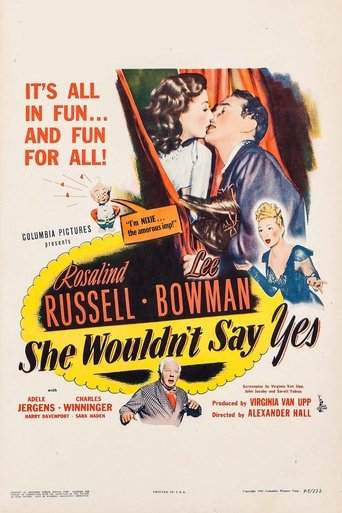 6.4
6.4Susan Lane is a gifted psychiatrist, grounded in self-control. Before returning by train to her practice in Chicago, she spends time back East with war veterans, building their self-esteem, but frowning on the impulsive, as represented by a favorite comic strip called "The Nixie." She bumps into Michael Kent, an officer and the comic strip's author. He likes her instantly and she dislikes him. He's headed to the Pacific, sees her on the train, gets off in Chicago, and with her father's help, pursues her and hatches a plan to marry her. Meanwhile, she has her own plan to get rid of him with the help of a blond patient. Will the Nixie get into her psyche?
She Wouldn't Say Yes
1945
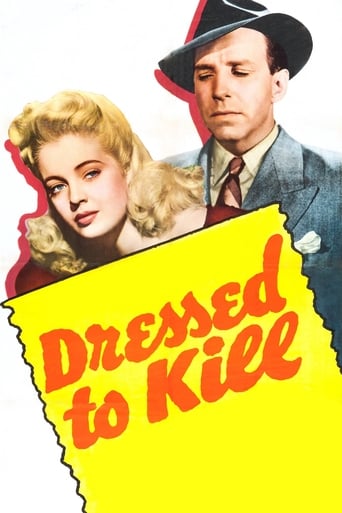 6.3
6.3A detective's wedding is postponed when gunshots are heard nearby.
Dressed to Kill
1941
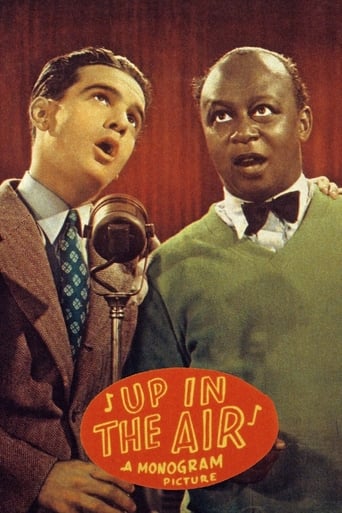 5.8
5.8A none-too-popular (nor good) radio singer, Rita Wilson is murdered while singing on the air in a radio studio. Radio page boy, Frankie Ryan, and his janitor pal, Jeff, solve the mystery for the none-too-sharp police.
Up in the Air
1940
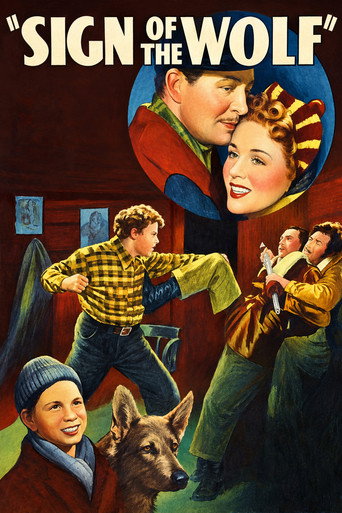 7.0
7.0Two German shepherds and their mistress crash-land in Canada by a fox breeder's farm.
Sign of the Wolf
1941
 5.4
5.4Two friends take jobs as truck drivers, unaware that the trucking company is being targeted by a gang of saboteurs who will stop at nothing, including murder, to stop them.
The Gang's All Here
1941
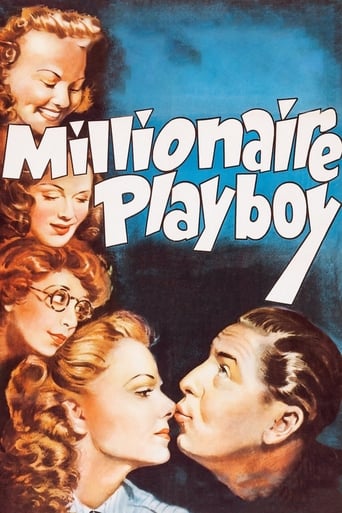 4.5
4.5A young millionaire gets hiccups whenever he kisses a pretty woman.
Millionaire Playboy
1940
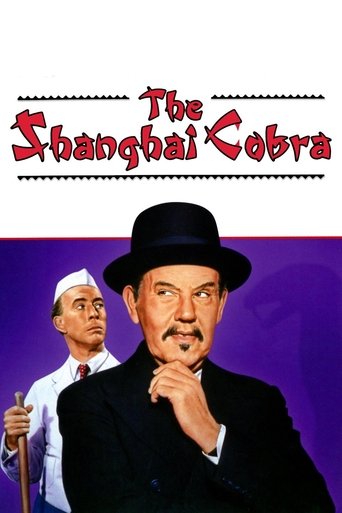 6.0
6.0Someone is attempting to steal radium stored in a bank. Death by cobra venom connects a number of murders. Charlie Chan investigates.
The Shanghai Cobra
1945
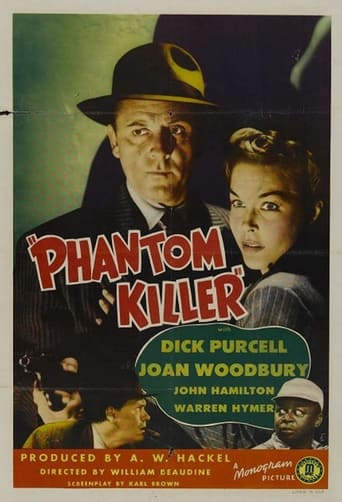 5.2
5.2Well-known philanthropist and deaf-mute John G. Harrison is identified leaving the scene of several murders but evades successful prosecution as there are hundreds of witnesses who have also seen him emceeing benefits at the exact same time as the murders.
Phantom Killer
1942
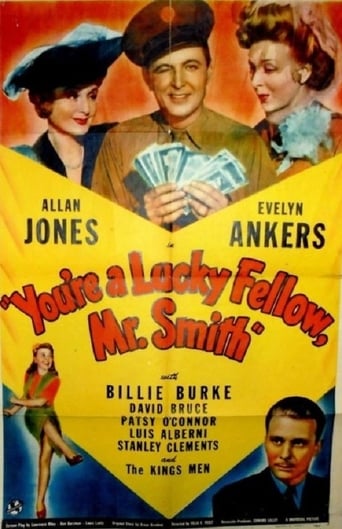 3.5
3.5A young woman marries a soldier to fulfill the conditions of a will. However, when she gets ready to divorce him, she realizes that she actually loves him, and determines to find a way to keep him.
You're a Lucky Fellow, Mr. Smith
1943
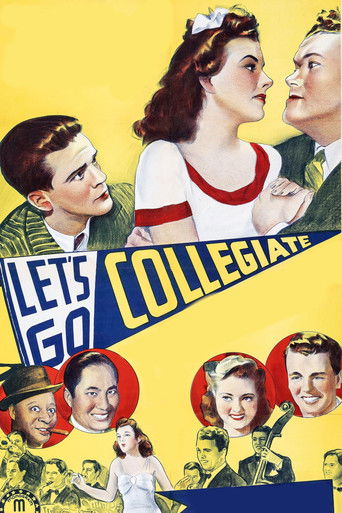 5.4
5.4Rawley University is about to receive a star athlete who could give it the first championship rowing team it's ever had. Unfortunately, he gets drafted into the army before he's able to join the team. Two of the team's members get the bright idea of passing off a burly truck driver as the "athlete". Complications ensue.
Let's Go Collegiate
1941
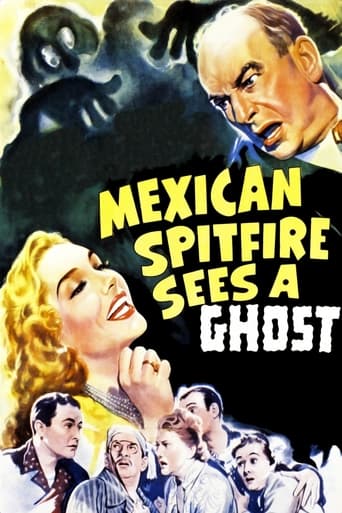 4.8
4.8Carmelita and Uncle Matt find themselves in a haunted house, but the "ghosts" are actually enemy agents who are trying to frighten away visitors in order to develop a nitroglycerin bomb.
Mexican Spitfire Sees a Ghost
1942
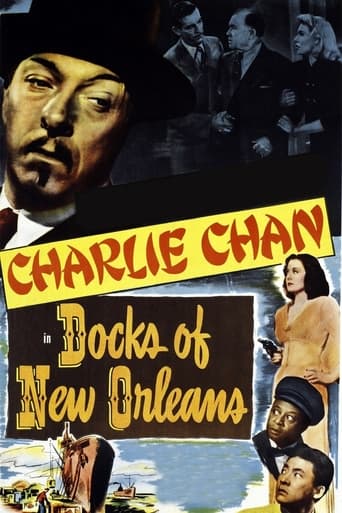 6.1
6.1Detective Charlie Chan springs into action when top officials of a New Orleans chemical company begin dropping like flies.
Docks of New Orleans
1948
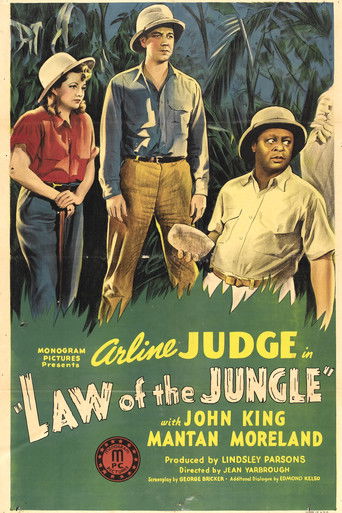 5.6
5.6Nona Brooks, former member of a stranded theatrical troupe, earns a temporary living singing in a café in Duakwa, British Rhodesia, Africa. The café owner is secretly in league with two foreign agents with a goal of making the natives restless. American explorer Larry Mason leaves for the jungle with his servant, Jeff and a safari. Nona escapes the café into the jungle but is followed by the agents as, unknowing to her, she is carrying a report of the agent's activities. She joins the safari just as all hands are captured by a tribe of natives
Law of the Jungle
1942
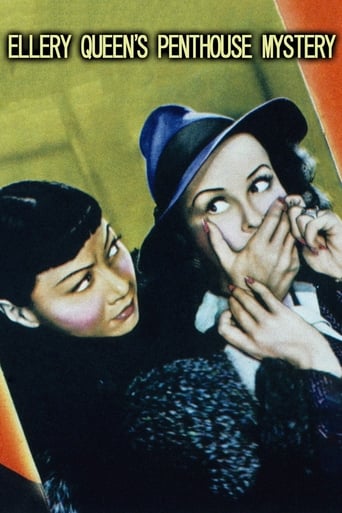 6.5
6.5Ventriloquist and world traveler Gordon Cobb is murdered by a gang of jewel thieves. Baffled by the contradictory clues, Inspector Queen asks his son, Ellery, to help out.
Ellery Queen's Penthouse Mystery
1941
 7.0
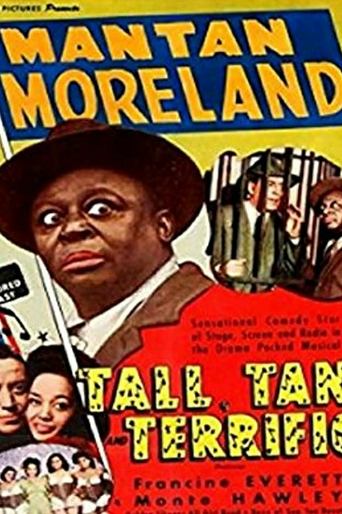
7.0Professional gambler The Duke (Dots Johnson) attempts to cheat Handsome Harry Hansom (Monte Hawley), who owns a successful Harlem nightclub, out of his club and his contract with his lead singer and girlfriend Tall, Tan, and Terrific (Francine Everett). This leads to a murder that is solved by club comic Mantan Moreland and club photographer Butterbeans (Barbara Bradford). But the plot takes little screen time, most of which is devoted to stage acts at the nightclub.
Tall, Tan and Terrific
1946
 5.8
5.8Frankie Kelly is the soda jerk and embryo scientist in Midvales only drugstore. Two murders and an attempted killing suddenly swing Midvale into national prominence. Frankie and his pal, Jefferson, become involved when a wounded gangster starts to tell them where $300,000 in stolen loot is hidden, but he is murdered before he can give them all of the information. The search is on.
On the Spot
1940
 8.0
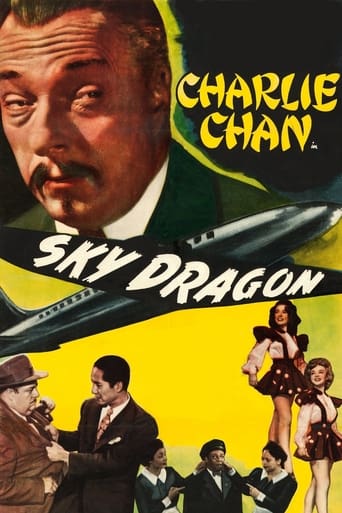
8.0All the passengers on an airplane headed for San Francisco are drugged, and when they wake up, it is discovered that a quarter-million dollars is missing. Charlie Chan--and, of course, his #1 son--must discover the identity of the person who doped the passengers and stole the money.
Sky Dragon
1949
 5.2
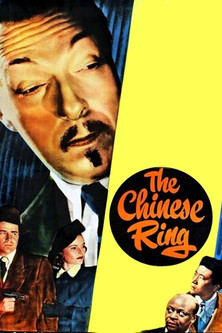
5.2Soon after a Chinese princess comes to the US to buy planes for her people, she is murdered by a poison dart fired by an air rifle.
The Chinese Ring
1947
 7.0
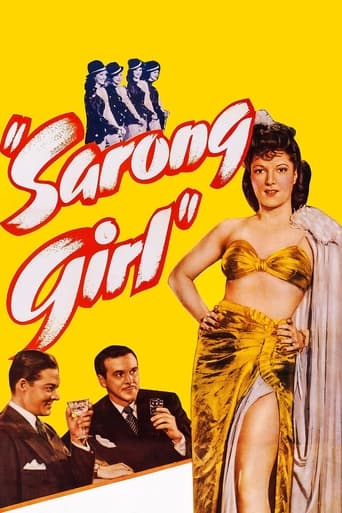
7.0A dancer in a girlie show plots revenge when a judge orders her show closed.
Sarong Girl
1943
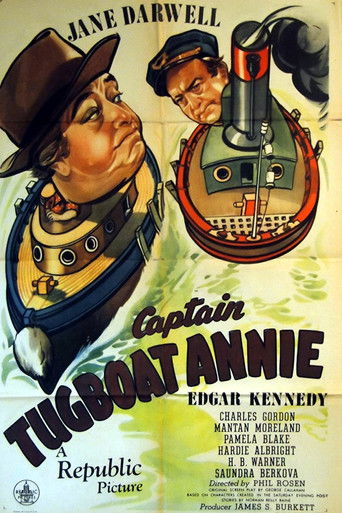 8.0
8.0This tale of two tugboats focuses upon the rivalries between two operators competing to win a major shipping contract. Meanwhile a tugboat office secretary and an ex-con who wants to go straight, fall in love. Tugboat Annie is put in charge of a child violinist. When a waterfront fire breaks out, the two warring captains join forces to put it out.
Captain Tugboat Annie
1945
1930s · 4 titles
 5.4
5.4A newspaper editor turns a kidnapping into the banner headlines and exclusive story that could save his publication.
Tell No Tales
1939
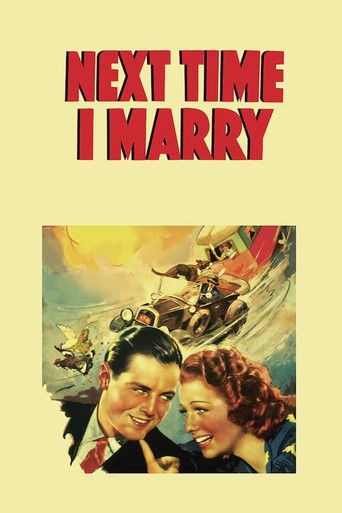 7.2
7.2Heiress Nancy Crocker Fleming will only receive her inheritance if she marries a "plain American." Her late father was afraid a foreign gigolo would steal her heart and money. So Nancy pays Tony Anthony, working on a WPA road project, to marry, then divorce her. When Nancy inadvertently drives off with Tony's dog, Tony seemingly kidnaps her to retrieve the pooch, which leads to a cross-country race between the two to reach Reno and the divorce court since neither one wants to be the second to file papers.
Next Time I Marry
1938
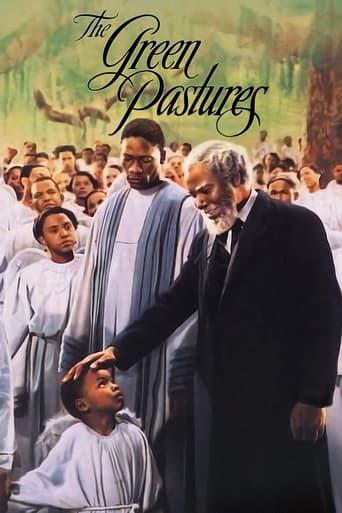 6.3
6.3God, heaven, and several Old Testament stories, including the Creation and Noah's Ark, are described supposedly using the perspective of rural, black Americans.
The Green Pastures
1936
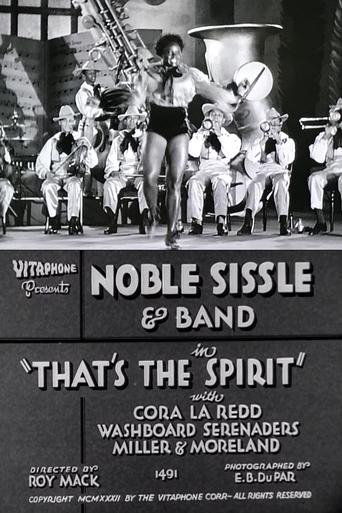 5.7
5.7In this musical short, two night watchmen hear songs performed in a haunted pawn shop.
That's the Spirit
1933

Series credits
6.2An anthology comedy series featuring a line up of different celebrity guest stars appearing in anywhere from one, two, three, and four short stories or vignettes within an hour about versions of love and romance.
Love, American Style
1969
7.1Adam-12 is a television police drama that followed two police officers of the Los Angeles Police Department, Pete Malloy and Jim Reed, as they patrolled the streets of Los Angeles in their patrol unit, 1-Adam-12.
Adam-12
1968
6.4Julia is an American sitcom notable for being one of the first weekly series to depict an African American woman in a non-stereotypical role. Previous television series featured African American lead characters, but the characters were usually servants. The show stars actress and singer Diahann Carroll, and ran for 86 episodes on NBC from September 17, 1968 to March 23, 1971. The series was produced by Savannah Productions, Inc., Hanncar Productions, Inc., and 20th Century-Fox Television. During pre-production, the proposed series title was Mama's Man. The series was also unique in that it was among the few situation comedies in the late 1960s that did not use a laugh track; however, 20th Century-Fox Television added them when the series was reissued for syndication and cable rebroadcasts in the late 1980s.
Julia
1968
5.5The Bill Cosby Show is an American situation comedy that aired for two seasons on NBC's Sunday night schedule from 1969 until 1971, under the sponsorship of Procter & Gamble. There were 52 episodes made in the series. It marked Bill Cosby's first solo foray in television, after his co-starring role with Robert Culp in I Spy. The series also marked the first time an African American starred in his or her own eponymous comedy series.
The Bill Cosby Show
1969