
Acting
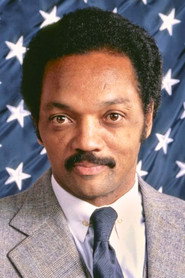
Jesse Jackson
Born — Died
1941-10-08 — 2026-02-17
Place of birth
Greenville, South Carolina, USA
Known for
Acting
Credits
84 titles
Jesse Louis Jackson, Sr. (October 8, 1941 — February 17, 2026) was an American civil rights activist and Baptist minister. He was a candidate for the Democratic presidential nomination in 1984 and 1988 and served as shadow senator for the District of Columbia from 1991 to 1997. He founded of both entities that merged to form Rainbow/PUSH. Representative Jesse Jackson, Jr. is his eldest son. In an AP-AOL "Black Voices" poll in February 2006, Jackson was voted 'the most important black leader'.
Known for
 6.4
6.4The World's Fakest News Team tackle the biggest stories in news, politics and pop culture.
The Daily Show
1996
 6.9
6.9A late-night live television sketch comedy and variety show created by Lorne Michaels. The show's comedy sketches, which parody contemporary culture and politics, are performed by a large and varying cast of repertory and newer cast members. Each episode is hosted by a celebrity guest, who usually delivers an opening monologue and performs in sketches with the cast, and features performances by a musical guest.
Saturday Night Live
1975
 5.3
5.3Jimmy Kimmel Live! is an American late-night talk show, created and hosted by Jimmy Kimmel and broadcast on ABC.
Jimmy Kimmel Live!
2003
 6.0
6.0Each week Bill Maher surrounds himself with a panel of guests which include politicians, actors, comedians, musicians and the like to discuss what's going on in the world.
Real Time with Bill Maher
2003
 3.8
3.8The command center for breaking news, politics and extraordinary reports from around the world. Patterned after the concept of the White House Situation Room, CNN's lead political anchor Wolf Blitzer hosts newsmakers and experts to discuss and analyze the stories that are driving today's news.
The Situation Room with Wolf Blitzer
2005
 6.9
6.9A United States daily progressive, nonprofit, independently syndicated program of news, analysis, and opinion.
Democracy Now!
2001
Film credits
2020s · 13 titles
 7.6
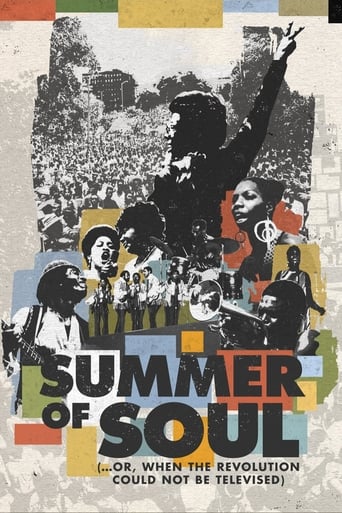
7.6During the same summer as Woodstock, over 300,000 people attended the Harlem Cultural Festival, celebrating African American music and culture, and promoting Black pride and unity. The footage from the festival sat in a basement, unseen for over 50 years, keeping this incredible event in America's history lost — until now.
Summer of Soul (...Or, When the Revolution Could Not Be Televised)
2021
 6.8
6.8A cheap, powerful drug emerges during a recession, igniting a moral panic fueled by racism. Explore the complex history of crack in the 1980s.
Crack: Cocaine, Corruption & Conspiracy
2021
 7.4
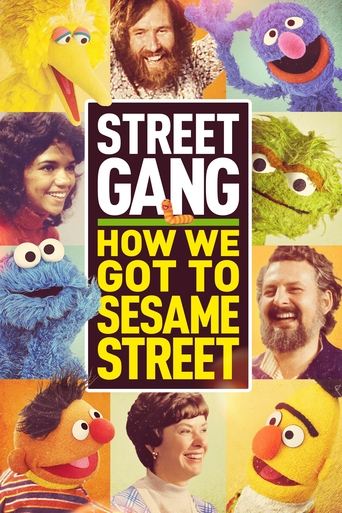
7.4Take a stroll down Sesame Street and witness the birth of the most influential children's show in television history. From the iconic furry characters to the classic songs you know by heart, learn how a gang of visionary creators changed the world.
Street Gang: How We Got to Sesame Street
2021
 3.5
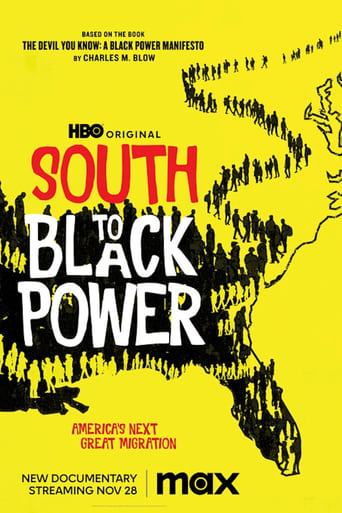
3.5In his provocative 2021 book, The Devil You Know: A Black Power Manifesto, New York Times opinion columnist Charles M. Blow calls for a “reverse Great Migration” of African Americans from the North back to the South to upend today’s political power structures while reclaiming the land and culture they left behind. South to Black Power does more than illustrate Blow’s enlightening ideas; we journey through Blow’s personal story, from his childhood in Louisiana to his role as father to young adult children in New York City, showing us the hard-won truths behind his vision for the future.
South to Black Power
2023
 7.0
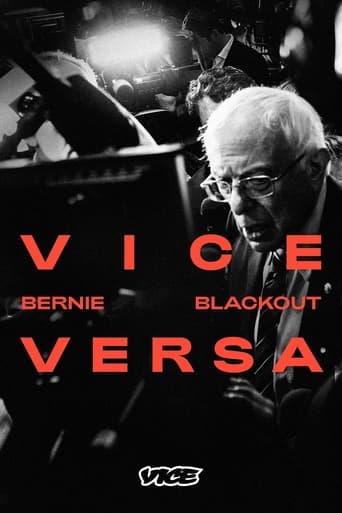
7.0An investigative deep dive into the corporate news media’s coverage of Bernie Sanders’ 2020 presidential campaign that asks: who actually gets a say in American politics?
Bernie Blackout
2020
 NR
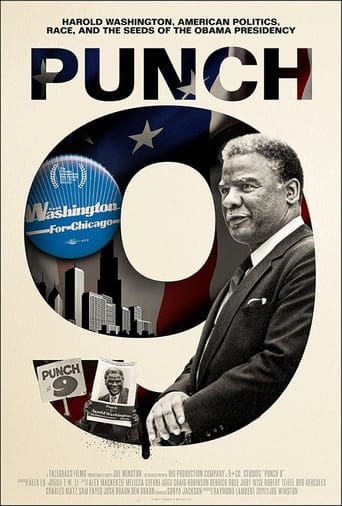
NRIn this epic story of American politics, race, and triumph against all odds, director Joe Winston chronicles the captivating rise, surprising reign, and enduring legacy of Chicago’s first African American Mayor, Harold Washington. Steeped in archival footage capturing a 1980s Chicago rife with corruption and discrimination, Punch 9 features candid interviews with Jessie Jackson, Vice Mayor Richard Mell, and others on the frontlines and in the backrooms of power as it follows the charismatic politician’s shrewd maneuverings, stinging betrayals, and unlikely victories. Inspiring and compelling, Washington’s journey continues to resonate for a city and nation confronting the same enduring social issues.
Punch 9 for Harold Washington
2021
 6.5
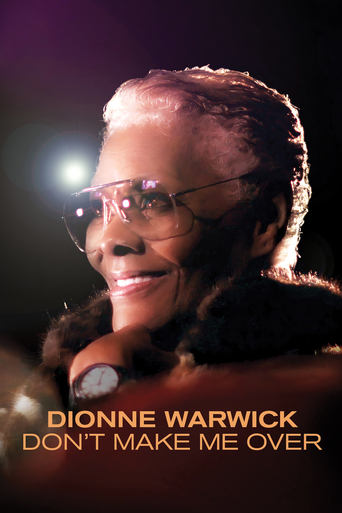
6.5The story of the iconic singer's fascinating six-decade career in both music and Black and LGBTQ activism.
Dionne Warwick: Don't Make Me Over
2021
 NR
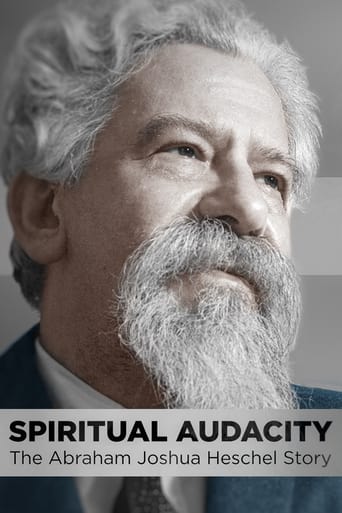
NRAn inspiring portrait of the life and legacy of Jewish theologian and philosopher, Rabbi Abraham Joshua Heschel. Heschel was one of the most remarkable and inspiring figures of the American 20th Century. He was a mentor to Martin Luther King, Jr and the entire Civil Rights Movement, a leading critic of the Vietnam War, a champion for Soviet Jews, and a pioneer in the work of interfaith dialogue.
Spiritual Audacity: The Abraham Joshua Heschel Story
2021
 9.0
9.0A witness to Kenosha Wisconsin's largest protest following the Jacob Blake shooting, september first, twenty-twenty. The same weekend Donald Trump was visiting during his 2020 election run.
September First, Twenty-Twenty
2021
 NR
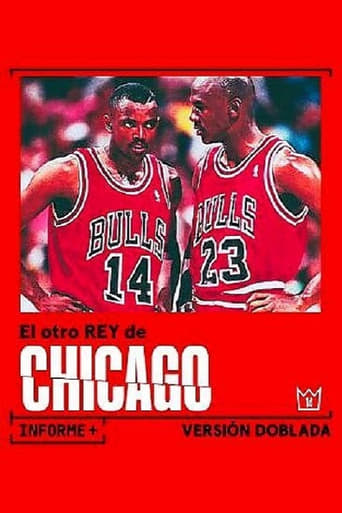
NRNo synopsis available yet.
El otro Rey de Chicago
2022
 NR
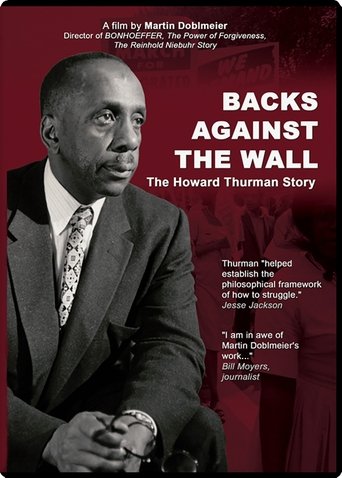
NR"Backs Against The Wall: The Howard Thurman Story" explores the extraordinary life and legacy of one of the most important religious figures of the 20th century, Howard Thurman. Born the grandson of slaves, Thurman became a "spiritual foundation" for the Civil Rights Movement, inspiring many of its leaders including Martin Luther King, Jr, Jesse Jackson and Congressman John Lewis.
Backs Against the Wall: The Howard Thurman Story
2020
 6.0
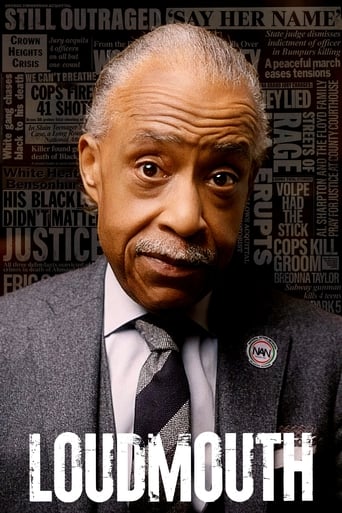
6.0Josh Alexander’s Loudmouth documents the winding road that is Al Sharpton’s life story as an iconic activist and spiritual leader.
Loudmouth
2022
 NR
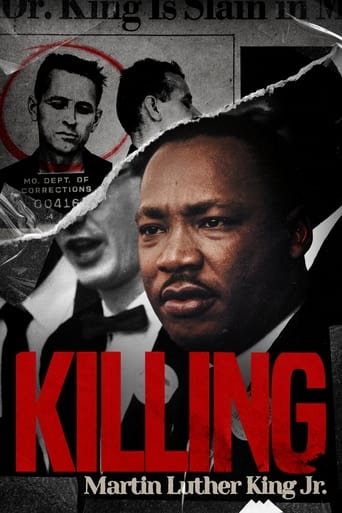
NRNo person has transformed a race’s social standing as Martin Luther King Jr. He transcended racial barriers, But the quest for equality came with consequences. 1968. April 4th. A day that changed the landscape of society forever.
Killing Martin Luther King Jr.
2021
2010s · 13 titles
 7.8
7.8Twenty-five years after the verdict in the Rodney King trial sparked several days of protests, violence and looting in Los Angeles, LA 92 immerses viewers in that tumultuous period through stunning and rarely seen archival footage.
LA 92
2017
 6.9
6.9Documentary about British fashion designer Ozwald Boateng.
A Man's Story
2011
 7.1
7.1Mike Epps, Richard Pryor Jr. and others recount the culture-defining influence of Richard Pryor - one of America's most brilliant, iconic comic minds.
Richard Pryor: Omit the Logic
2013
 6.7
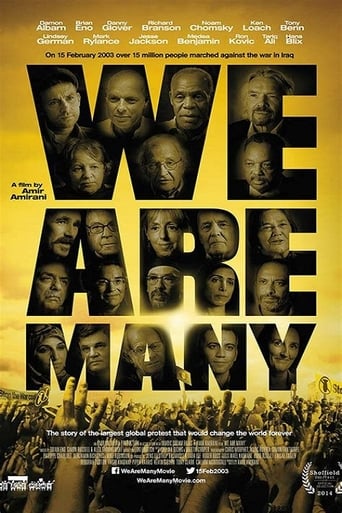
6.7The story of the biggest demonstration in human history, which took place on 15th February 2003, against the impending war on Iraq.
We Are Many
2014
 7.4
7.4Relive an unspeakable tragedy detailed with unforgettable images, videos, and recordings only recently rediscovered.
MLK: The Assassination Tapes
2012
 8.2
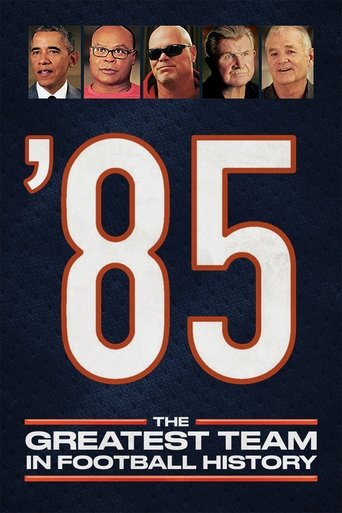
8.2Through never-been-seen-before footage and fascinating interviews with key members of the 1985 Chicago Bears -- Mike Ditka, Jim McMahon, Mike Singletary, and others -- you will hear the inside story of their historic season.
'85: The Greatest Team in Football History
2016
 7.2
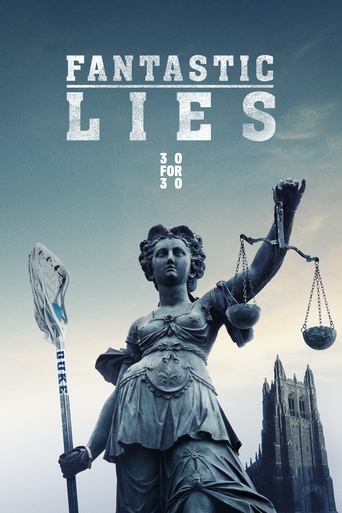
7.2One night in Durham, North Carolina, a rape accusation set fire to the reputations of three college athletes and their elite university. As the Duke lacrosse players grappled with their transition from model student to the criminally accused, several wars were launched on different fronts.
Fantastic Lies
2016
 NR
NRThis video, The Road to Mass Incarceration, by Greenhouse Media summarizes criminal justice policy decisions dating back to the 1960s. Although the effects often took decades to manifest, each of these policy shifts increased the rate of incarceration in the U.S. The video ends with many of the architects of these changes, Democrats and Republicans alike, admitting the failure of these policies and suggesting that it is time for real change.
The Road to Mass Incarceration
2018
 8.8
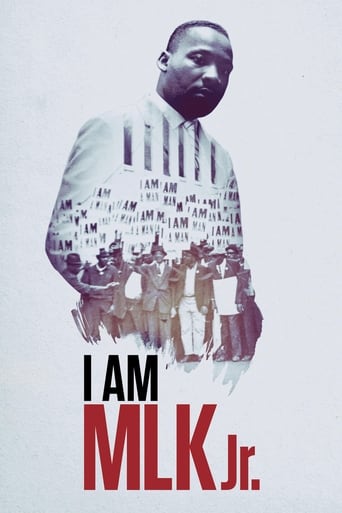
8.8This feature documentary deeply explores Dr. King, his experience, his legacy and the Movement at large through key events – The Montgomery Bus Boycott, The Birmingham Campaign, March on Washington, the Selma Movement and Assassination and Legacy.
I Am MLK Jr.
2018
A documentary following the civil rights movement and how the media, in particular the burgeoning TV, was used to fight for equality in the 1960s. From Selma to Charlottesville, we also see how modern activists use today's technology to continue fighting injustice today.
Hope & Fury: MLK, the Movement and the Media
2018
 NR
NRWhen Martin Luther King Jr. was murdered in Memphis, TN on April 4, 1968, he left a legacy of profound change, yet there was still much unfinished work. This one-hour documentary explores the key battles in the Civil Rights Movement that transformed American society--from the Montgomery Bus Boycott of 1955 to the Chicago Campaign which led to the Fair Housing Act of 1968. The special will uncover what it took to translate protest into real legislative change.
Rise Up: The Movement that Changed America
2018
 NR
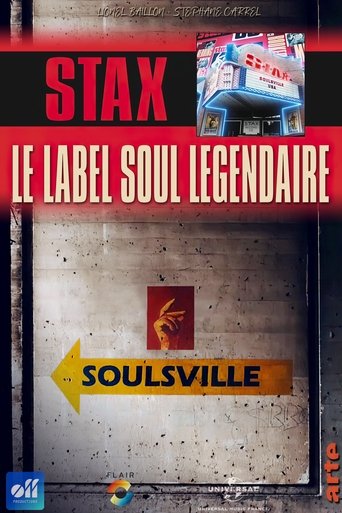
NRWith the founding of Stax Records, the white siblings Jim Stewart and Estelle Axton created a label during the period of racial segregation that caused a revolution in the music scene with artists such as Otis Redding, Wilson Pickett, Sam & Dave and Isaac Hayes. Their commercial success was closely linked to the civil rights movement of the 1960s and 1970s.
Stax, le label soul légendaire
2019
 NR
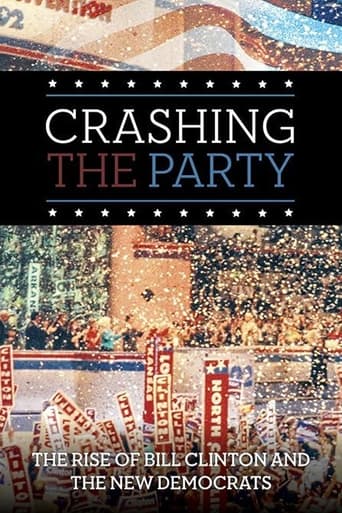
NRWith the survival of the Democratic Party at stake after the country's worst three presidential losses a little-known Bill Clinton and a band of insurgents at the DLC challenge the establishment to retake their party and the White House.
Crashing the Party
2016
2000s · 10 titles
 6.0
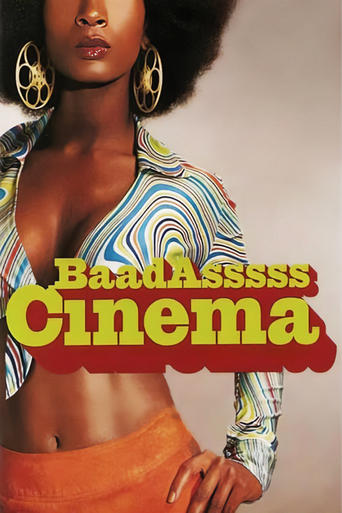
6.0With archive film clips and interviews, this brief look at a frequently overlooked historical period of filmmaking acts as an introduction rather than a complete record. It features interviews with some of the genre's biggest stars, like Fred Williamson, Pam Grier, and Richard Roundtree. Director Melvin Van Peebles discusses the historical importance of his landmark film Sweet Sweetback's Baadasssss Song. For a contemporary perspective, the excitable Quentin Tarantino offers his spirited commentary and author/critic bell hooks provides some scholarly social analysis.
BaadAsssss Cinema
2002
 6.8
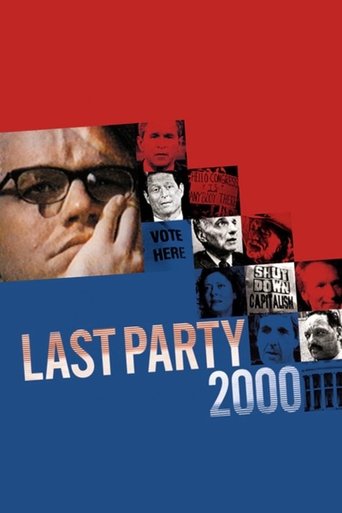
6.8Filmed over the last six months of the 2000 Presidential election, Phillip Seymour Hoffman starts documenting the campaign at the Republican and Democratic National Conventions, but spends more time outside, in the street protests and police actions than in the orchestrated conventions. Hoffman shows an obvious distaste for money politics and the conservative right. He looks seedier and more disillusioned the campaign progresses. Eventually Hoffman seems most energized by the Ralph Nader campaign as an alternative to the nearly indistinguishable major parties. The high point of the film are the comments by Barney Frank who says that marches and demonstrations are largely a waste of time, and that the really effective political players such as the NRA and the AARP never bother with walk ins, sit-ins, shoot-ins or shuffles. In the interview with Jesse Jackson, Hoffman is too flustered to ask all of his questions.
Last Party 2000
2001
 6.0
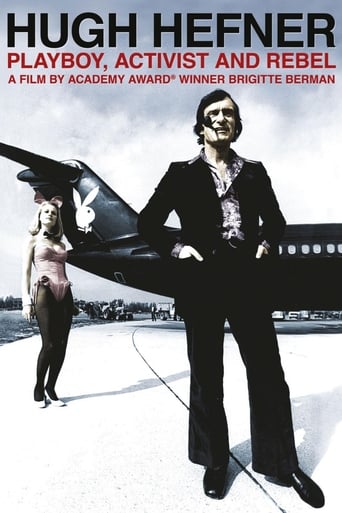
6.0A revealing look at the outspoken, flamboyant founder of the Playboy empire. With humor and insight, the film captures Hefner's fierce battles with the government, the religious right and militant feminists. Rare footage and compelling interviews with a remarkable who's who of 20th Century American pop culture, present a brilliant and entertaining snapshot of the life of an extraordinary man and the controversies that surrounded him.
Hugh Hefner: Playboy, Activist and Rebel
2009
 8.0
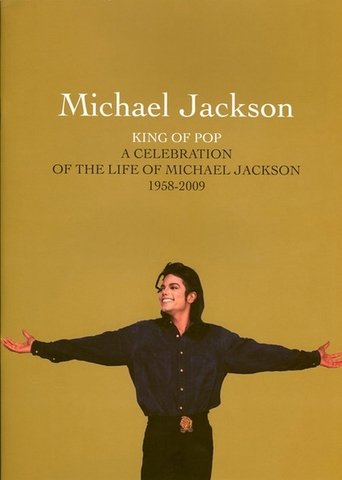
8.0A live telecast of the public memorial service for the king of pop, Michael Jackson.
Michael Jackson Memorial
2009
Northern Ireland has had many historic days in the last 40 years. October 5th, 1968 could be the most important. In this documentary, many of those who took part in the Civil Rights march in Derry on this date talk of the international influences that drove them to take to the streets in protest. Featuring interviews with the voices of dissent in America, Europe and Northern Ireland.
The Day the Troubles Began
2008
 6.7
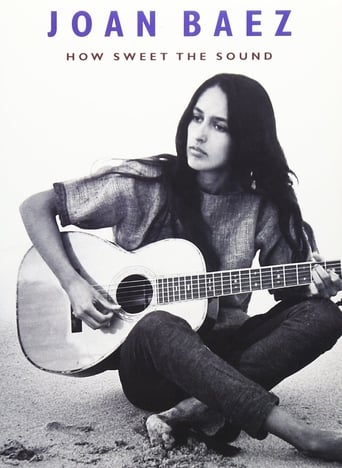
6.7Following folk musician Joan Baez on her extensive 2008-2009 tour, this film commemorates her career, which has spanned five decades. It includes concert and archival footage as well as interviews with such disparate colleagues, friends and admirers as Bob Dylan, Jesse Jackson and David Crosby. In addition to the music, it also touchs upon Baez's long history of global social activism.
Joan Baez: How Sweet the Sound
2009
 8.5
8.5King: Man of Peace in a Time of War documents the work Martin Luther King did in attempting to bring peace to people during the turmoil of the Vietnam War and the Civil Rights Movement. The film includes interviews with contemporaries such as Jesse Jackson, and military experts like Colin Powell.
King: Man of Peace in a Time of War
2007
 5.6
5.6Many people remember Marion Barry as the philandering drug-addled mayor of the nation's capital. He's the poster boy for corruption, a pariah. Yet to others, Marion Barry is a folk hero who has dominated Washington D.C. city politics for over 40 years. Today, Barry is once again in the political limelight. Who is Marion Barry, really? A hero? A scoundrel?
The Nine Lives of Marion Barry
2009
 6.5
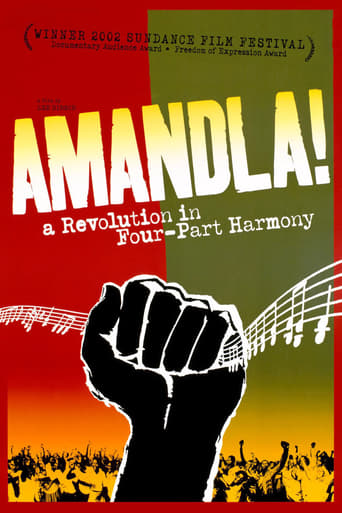
6.5The struggle to eradicate apartheid in South Africa has been chronicled over time, but no one has addressed the vital role music plays in this challenge. This documentary by Lee Hirsch recounts a fascinating and little-known part of South Africa's political history through archival footage, interviews and, of course, several mesmerizing musical performances.
Amandla! A Revolution in Four-Part Harmony
2002
Ballou , a documentary film, follows the talented Washington, DC, Ballou Senior High School Marching Band, as they overcome their negative environment filled with guns, drugs, and violence, and uplift the community with music, dedication, and personal sacrifice. This Washington, DC, High School Marching Band--from an impoverished community just 3 miles away from the US Capitol building--is on its way to the national band competition. They are a family with heart and soul that use hard work, discipline, and compassion to overcome all obstacles. Political leaders and celebrities including Rev. Jesse Jackson, Gen (ret) Colin Powell, Congressman John Lewis, Marion Barry, Denyce Graves, DC Mayor Adrian Fenty and Chuck Brown are featured in the film to show the importance of a small marching band in the lives the band members and in the community.
Ballou
2008
1990s · 9 titles
 7.1
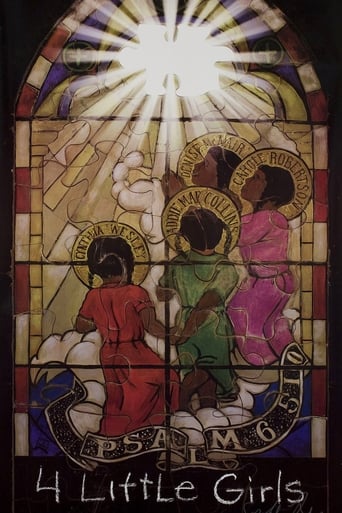
7.1On September 15, 1963, a bomb destroyed a black church in Birmingham, Alabama, killing four young girls who were there for Sunday school. It was a crime that shocked the nation--and a defining moment in the history of the civil-rights movement. Spike Lee re-examines the full story of the bombing, including a revealing interview with former Alabama Governor George Wallace.
4 Little Girls
1997
 6.9
6.9A TV special celebrating the 25th anniversary of Saturday Night Live. Before a celebrity audience, many of the former cast members and guest hosts return to perform their signature monologues and present a look back at some of the best comedy skits and musical numbers of the past two and a half decades.
Saturday Night Live: 25th Anniversary Special
1999
 NR
NRFrom the 1968 Chicago convention and the surprising rise of Ronald Reagan, the history of the two parties continues to shape their current dilemmas and strategies. This two-part documentary series looks back at the parties’ recent history and speculates on the future of American politics. The Democrats 1960-1992 examines the presidencies of Kennedy, Johnson, and Carter, and the lead-up to the 1992 election. Hosted by journalists Ben Wattenberg and David Gergen. Interviews include: Henry Kissinger, VP Walter Mondale, Sen. Barry Goldwater, Sen. Eugene McCarthy, SecDef Dick Cheney, Sen. Gary Hart, Rep. Newt Gingrich, and Jesse Jackson.
America's Political Parties: Power and Principle
1992
 10.0
10.0Documentary feature exploring the rise of African-Americans to positions of greatness in American sports. Stories are told of boxers, tennis players, runners, and basketball players, athletes who either suffered the indignities of racism, helped break down its walls, or enjoyed the opportunities afforded by past struggles.
The Journey of the African-American Athlete
1996
 8.0
8.0The closing of a student film program serves as a paradigm for interrogating the corporate ideology that guides the largest public university in the USA: the University of Texas at Austin.
University, Inc.
1999
 NR
NRTwo years in labor relations at Yale University in New Haven, Connecticut, during the decade of the 1990s.
The Subtext of a Yale Education
1999
 10.0
10.0Documentary narrated by Paul Winfield, this documentary follows the course of Mahalia Jackson's extraordinary life - from her humble beginnings as a sickly child singing in New Orleans churches to her breakthrough with Columbia Records and her ascendancy to Carnegie Hall and Europe's great stages. Her story's told through archival footage and interviews with those who knew her best.
Mahalia Jackson: The Power and the Glory
1997
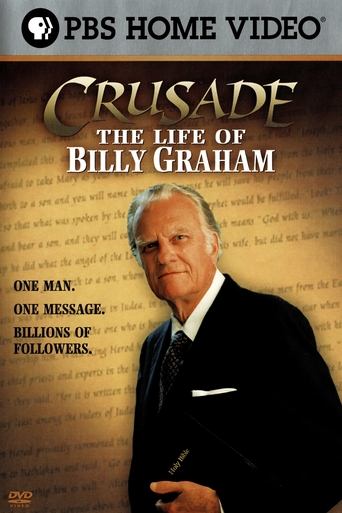 7.2
7.2"This biography profiles the life and faith of the man who has preached to more people than any other person in history. "William Franklin Graham, better known as Billy Graham, is considered by many as the face and voice of evangelicals in America today. Having preached to more than 110 million people, his career spans more than five decades. At 75 years of age, millions throughout the world still hang on his words. "With historical footage of pivotal events, and interviews with Graham, this behind-the -scenes documentary looks at his evangelic crusade in 1992 which reveals how and why the name Billy Graham has become synonymous with American Evangelism."--1994 Peabody Awards entry form.
Crusade: The Life of Billy Graham
1993
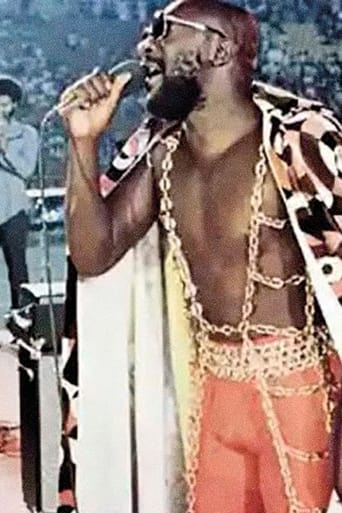 NR
NR"Philip Priestley's acclaimed film charts the history of Stax Records, the influential soul and blues record company founded in the 1960s by Jim Stewart and Estelle Axton. Featuring music by an impressive roster of stars, including Otis Redding, Isaac Hayes and Carla Thomas, The Soul of Stax chronicles the performers' rise through the industry and popular culture, the role played by many of them in the Civil Rights movement, and the label's eventual decline." - bfi.org.uk
The Soul of Stax
1994
1980s · 8 titles
 7.4
7.4Route One is the first major U.S. highway. 5000 km along the Atlantic coast, from the Canadian border to the tip of Florida. Doc, a physician who spent many years in Africa, returns to the U.S. and decides to reconnect with his home country by walking the legendary Route One.
Route One/USA
1989
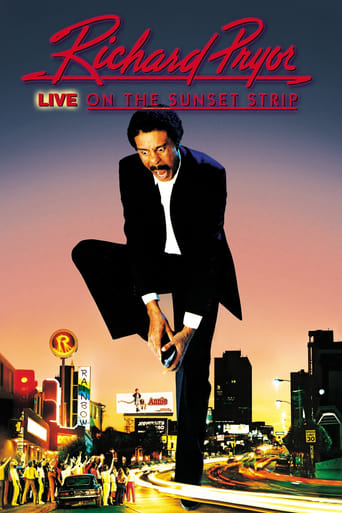 7.4
7.4Richard Pryor's stand-up act includes his frank discussion about his freebasing addiction, as well as the infamous night on June 9, 1980 that he caught on fire.
Richard Pryor: Live on the Sunset Strip
1982
 8.0
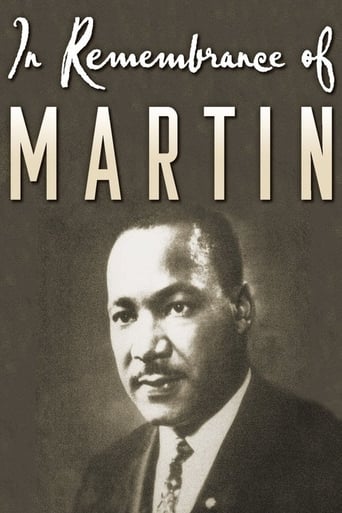
8.0Personal comments from family, friends, and advisors fill this remarkable documentary honoring Dr. Martin Luther King, Jr. Coretta Scott King joins the Reverend Ralph Abernathy, Julian Bond, Jimmy Carter, the Reverend Jesse Jackson, Senator Edward Kennedy, John Lewis, Bishop Desmond Tutu, and Andrew Young, who recall Dr. King's career and trace his leadership in the civil rights movement. Includes portions of his "I Have a Dream" speech.
In Remembrance of Martin
1986
 NR
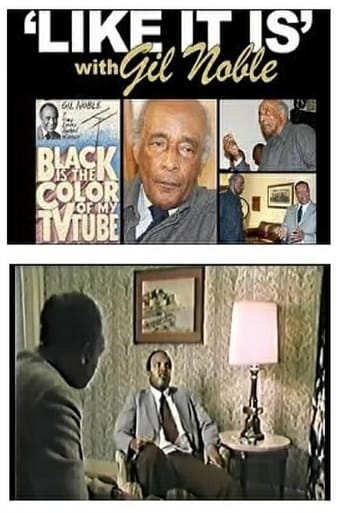
NRThis special three-part presentation of "Like It Is" examines the history of the black civil rights movement in the United States, emphasizing the role of black leaders and activists. Including the defected FBi-agent "Othello" Darthard Perry tells it all.
A Decade of Struggle
1980
 8.5
8.5Interviews with personalities including John Mellencamp, Spike Lee, Lou Reed, Roseanne Barr, David Byrne, George Michael and more, as they reflect on the 1980s.
Decade
1989
 7.0
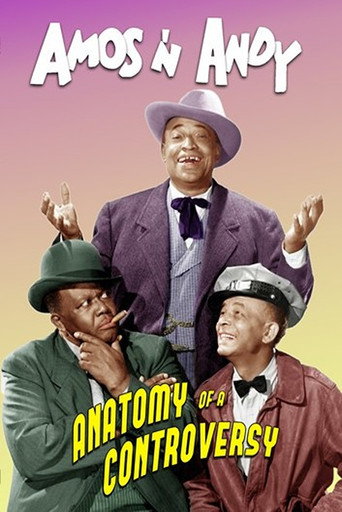
7.0An exploration of The Amos 'n' Andy Show (1951), the first all-Black series on American television. It only lasted a few years before CBS succumbed to pressure from civil-rights groups, which claimed that it portrayed the Black community in a negative light. Clips–and one entire episode–are shown, as are interviews with several members of the original cast and prominent modern-day Black actors and comedians.
Amos 'n' Andy: Anatomy of a Controversy
1983
TV short about Jackie Robinson, the first African American to play in Major League Baseball in the modern era.
Jackie Robinson: An American Journey
1988
 NR
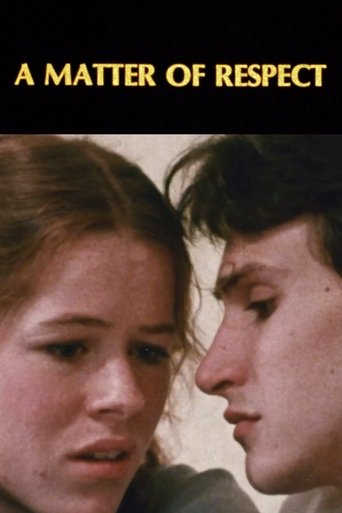
NRTeen pregnancy short drama, mixed with a real Planned Parenthood group session of women, and excerpts from a lecture by Reverend Jesse Jackson.
A Matter of Respect
1980
1970s · 5 titles
 6.8
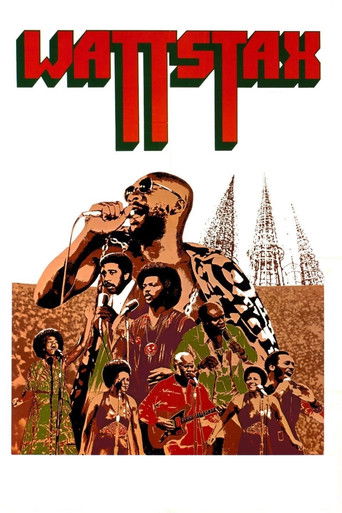
6.8A documentary film about the Afro-American Woodstock concert held in Los Angeles seven years after the Watts riots. Director Mel Stuart mixes footage from the concert with footage of the living conditions in the current-day Watts neighborhood.
Wattstax
1973
 8.0
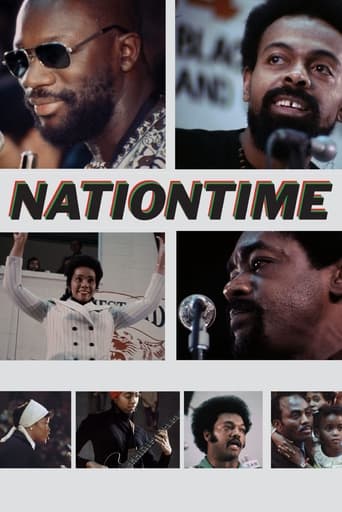
8.0A report on the National Black Political Convention held in Gary, Indiana, in 1972, a historic event that gathered Black voices from across the political spectrum, among them Jesse Jackson, Dick Gregory, Coretta Scott King, Richard Hatcher, Amiri Baraka, Charles Diggs, and H. Carl McCall.
Nationtime: Gary
1972
 7.3
7.3A presentation of key events in the life of civil rights activist Martin Luther King Jr. Beginning with the 1955 bus boycott in Montgomery, Alabama, MLK is followed through major steps in his struggle to promote racial equality. Including footage of King's stirring speeches, it is a fitting tribute to his legacy, and features clips narrated by a wide range of celebrities, including Harry Belafonte, Paul Newman Charlton Heston, Ruby Dee, Burt Lancaster, Anthony Quinn, Walter Matthau, Ben Gazzara, Clarence Williams III, Joanne Woodward, and James Earl Jones.
King: A Filmed Record... Montgomery to Memphis
1970
 6.6
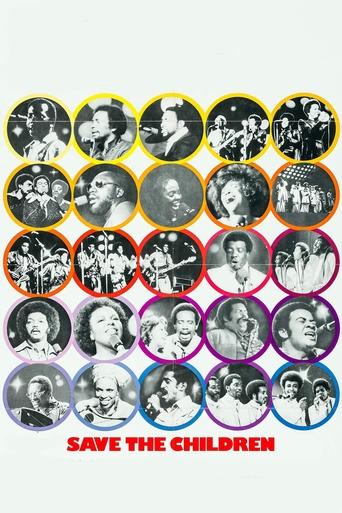
6.6A concert film highlighted by performances from Marvin Gaye, Jerry Butler, and Roberta Flack.
Save the Children
1973
 9.0
9.0In the second film, the author tells about the struggle of blacks for the right to feel equal with all US citizens. Commentary of the mayor of Cairo, one of the cities in the American South, about the suppression of the rebels, about the most brutal methods of fighting African American protesters. Jesse Jackson's speech. Jesse Jackson's commentary on the Black Rights Organization. Comments by female residents of Jackson, the capital of Mississippi, on the degree of mental development of whites and blacks. A story about the Ku Klux Klan, about Robert Shelton - the head of the Ku Klux Klan. Speech by American singer and dramatic actor Paul Robson, his commentary. Shots of the Olympics, victories in the competition of black athletes. About reprisals against Negro organizations. The widow of the American writer Ernest Hemingway Mary and the American scientist Henry Winston speak out about support for African Americans and the fight against racism.
Contradictory America. Faith, hope, love and hate. Film 2
1973
1960s · 2 titles
 6.8
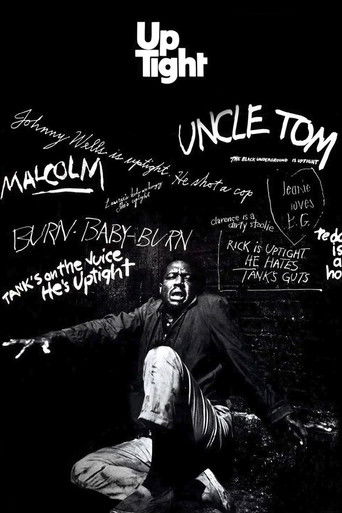
6.8Set against the backdrop of a community mourning the recent MLK assassination, Black militants building up an arsenal of weapons in preparation for a race war are betrayed by one of their own.
Uptight
1968
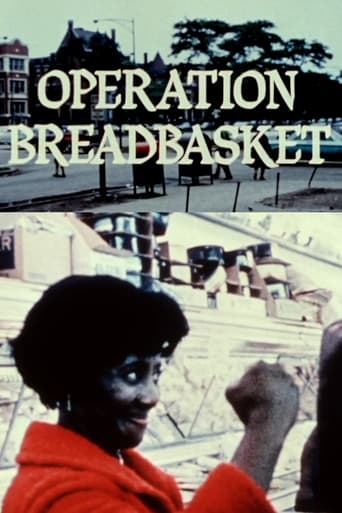 NR
NRActor Robert Culp narrates this special examining the use of boycotts by African-Americans as a way of obtaining jobs.
Operation Breadbasket
1969
Series credits
6.4The World's Fakest News Team tackle the biggest stories in news, politics and pop culture.
The Daily Show
1996
6.9A late-night live television sketch comedy and variety show created by Lorne Michaels. The show's comedy sketches, which parody contemporary culture and politics, are performed by a large and varying cast of repertory and newer cast members. Each episode is hosted by a celebrity guest, who usually delivers an opening monologue and performs in sketches with the cast, and features performances by a musical guest.
Saturday Night Live
1975
6.9A late-night live television sketch comedy and variety show created by Lorne Michaels. The show's comedy sketches, which parody contemporary culture and politics, are performed by a large and varying cast of repertory and newer cast members. Each episode is hosted by a celebrity guest, who usually delivers an opening monologue and performs in sketches with the cast, and features performances by a musical guest.
Saturday Night Live
1975
5.3Jimmy Kimmel Live! is an American late-night talk show, created and hosted by Jimmy Kimmel and broadcast on ABC.
Jimmy Kimmel Live!
2003
6.0Each week Bill Maher surrounds himself with a panel of guests which include politicians, actors, comedians, musicians and the like to discuss what's going on in the world.
Real Time with Bill Maher
2003
3.8The command center for breaking news, politics and extraordinary reports from around the world. Patterned after the concept of the White House Situation Room, CNN's lead political anchor Wolf Blitzer hosts newsmakers and experts to discuss and analyze the stories that are driving today's news.
The Situation Room with Wolf Blitzer
2005
6.9A United States daily progressive, nonprofit, independently syndicated program of news, analysis, and opinion.
Democracy Now!
2001
 7.0
7.0World in Action was Granada Television’s flagship ITV current affairs series, running from 7 Jan 1963 to 7 Dec 1998, and built a reputation for film-led investigative reporting and a forceful editorial stance. Its journalism produced major public and political repercussions—including investigations associated with miscarriages of justice such as the Birmingham Six—and it also served as a platform for landmark documentary projects, including the first broadcast of “Seven Up!” as part of the strand in 1964.
World in Action
1963
 7.2
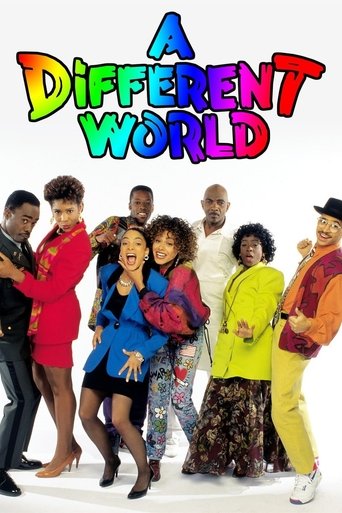
7.2A Different World is a spin-off series from The Cosby Show and originally centered on Denise Huxtable and the life of students at Hillman College, a fictional mixed but historically black college in the state of Virginia. After Bonet's departure in the first season, the remainder of the series primarily focused more on Southern belle Whitley Gilbert and mathematics whiz Dwayne Wayne. The series frequently depicted members of the major historically black fraternities and sororities.
A Different World
1987
 7.0
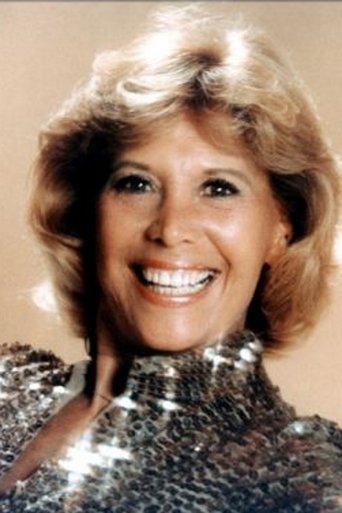
7.0Dinah's show premiered 9 September 1974 and continued through to 4 September 1981. She started out the 70's with Dinah's Place which usually featured one guest and was more of a home oriented show about cooking, crafts and occasionally music. This format lasted until May of 1974. When the show came back in October of 1974 the format had changed drastically to a variety talk show which was called Dinah. and went on until 1981. This show was also known as "Dinah and Friends" during the summer of 1976.
Dinah!
1974
 7.4
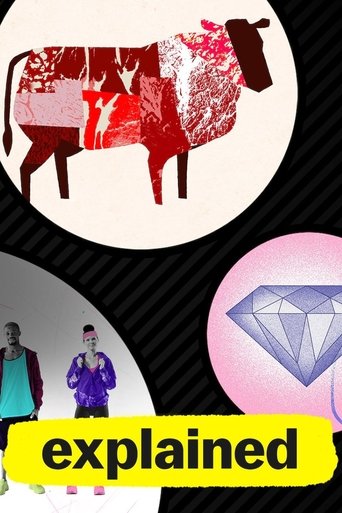
7.4This enlightening series from Vox digs into a wide range of topics such as the rise of cryptocurrency, why diets fail, and the wild world of K-pop.
Explained
2018
 6.3
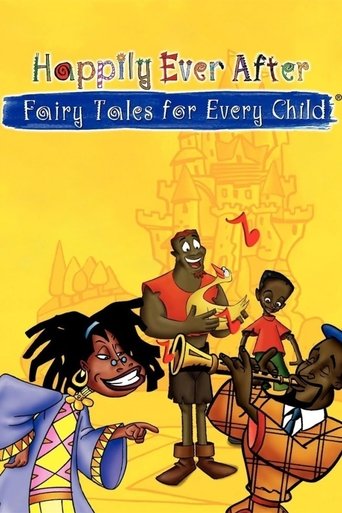
6.3Happily Ever After: Fairy Tales for Every Child is an American anthology animated television series.
Happily Ever After: Fairy Tales for Every Child
1995
 NR
NRCurrent events and sharp analysis of top trending topics.
Velshi
2017
 4.6
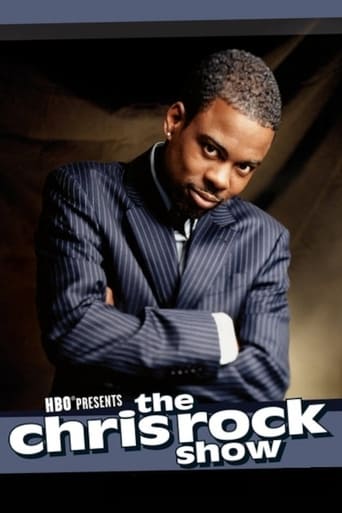
4.6The Chris Rock Show is a late night comedy talk show featured on HBO. It was created by Chris Rock and featured various guests. The show won an Emmy for Outstanding Writing for a Variety or Music Program in 1999. It ran for five seasons from 1997 to 2000.
The Chris Rock Show
1997
 7.8
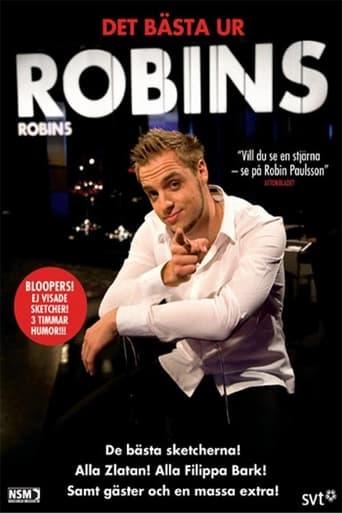
7.8Robins is a Swedish late-night talk show which premiered on SVT2 on August 23, 2006. The host is the young stand-up comedian Robin Paulsson from Malmö. The show's format is similar to that of other late-night shows, Robin makes jokes about recent news, shows sketches, and talks to a guest in the studio. One of the most popular sketches in the show features Robin appearing as Swedish football player Zlatan Ibrahimović.
Robins
2006
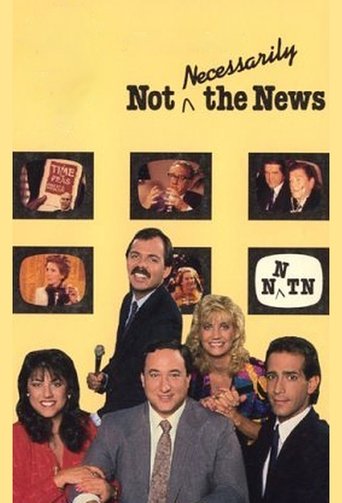 6.9
6.9Not Necessarily the News is a satirical sketch comedy series that first aired on HBO in September 1982 as a comedy special, and then ran as a series from 1983 to 1990. It featured sketches, parody news items, commercial parodies, and humorous bits made from overdubbing or editing actual news footage. It was based on the British series, Not the Nine O'Clock News. Not Necessarily the News was also the birthplace of Rich Hall's sniglets.
Not Necessarily the News
1983
 3.0
3.0The epic story of the actors, writers, directors, and producers who fought for their place on the page, behind the camera and on the screen. From blackface to Black Panther, this series is a definitive chronicle of more than a century of the black experience in Hollywood and a powerful reexamination of a quintessentially American story – in brilliant color.
Hollywood Black
2024
 7.5
7.5The history of the sport of baseball in America, told through archival photos, film footage, and the words of those who contributed to the game in each era. Writers, historians, players, baseball personnel, and fans review key events and the significance of the game in America's history.
Baseball
1994
 NR
NRJoy Behar: Say Anything! was a news program and talk show hosted by Emmy-award winning talk show host Joy Behar. The program had its "Preview" while Behar filled in as a week long host on Viewpoint with Eliot Spitzer on June 18, 2012, and officially premiered on Current TV on September 4, 2012. The final episode of the Current TV program aired on Thursday August 1, 2013, as the network prepared to transition to Al Jazeera America.
Joy Behar: Say Anything!
2009
 1.0
1.0An inside look at the changing role of athletes in our fraught cultural and political environment, through the lens of the NBA.
Shut Up and Dribble
2018
 10.0
10.0Sixteen years ago, Jack Tanner's bid for the White House ended at the 1988 Democratic convention. Now the former congressman is the subject of a documentary film directed by his daughter Alex, focusing on the toll paid by failed contenders.
Tanner on Tanner
2004
 6.9
6.9In 1988, renegade filmmaker Robert Altman and Pulitzer Prize–winning Doonesbury cartoonist Garry Trudeau created a presidential candidate, ran him alongside the other hopefuls during the primary season, and presented their media campaign as a cross between a soap opera and TV news. The result was the groundbreaking Tanner ’88, a piercing satire of media-age American politics.
Tanner '88
1988
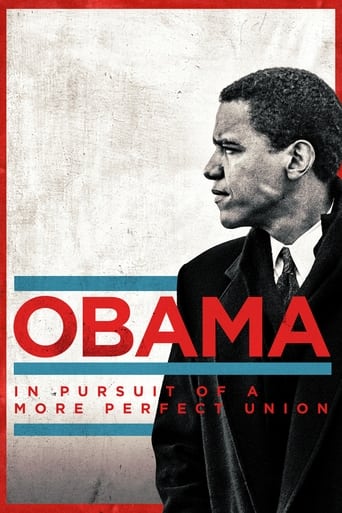 5.3
5.3President Obama's personal story and his vision for America, set against the backdrop of the country's racial history.
Obama: In Pursuit of a More Perfect Union
2021
 NR
NRCampaign promises of hope and change were met by a cratering economy, two never-ending wars, an epidemic of gun violence, and a surging partisan divide. In this 4-part series the president's inner circle, Congressional leaders, and journalists reflect on Barack Obama's historic two terms and the tightrope he walked as the country’s first African-American President.
Obama
2020