
Acting
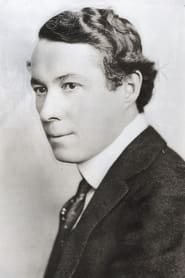
Henry B. Walthall
Born — Died
1878-03-15 — 1936-06-17
Place of birth
Shelby County, Alabama, USA
Known for
Acting
Credits
60 titles
From Wikipedia, the free encyclopedia Henry Brazeale Walthall (March 16, 1878 – June 17, 1936) was an American stage and film actor. He appeared as the Little Colonel in D. W. Griffith's The Birth of a Nation (1915). In New York in 1901, Walthall won a role in Under Southern Skies by Charlotte Blair Parker. He performed in the play for three years, in New York and on tour. With the company of Henry Miller he gained recognition on Broadway in plays including Pippa Passes, The Only Way and William Vaughn Moody's The Great Divide (1906–08). His fellow cast member James Kirkwood introduced Walthall to D. W. Griffith, and at the conclusion of that engagement, Walthall joined the Biograph Compa…
Known for
 5.9
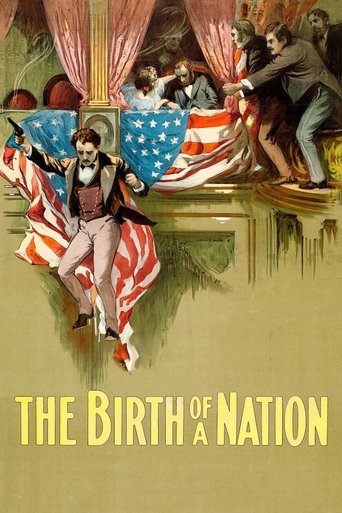
5.9Two families, abolitionist Northerners the Stonemans and Southern landowners the Camerons, intertwine. When Confederate colonel Ben Cameron is captured in battle, nurse Elsie Stoneman petitions for his pardon. In Reconstruction-era South Carolina, Cameron founds the Ku Klux Klan, battling Elsie's congressman father and his African-American protégé, Silas Lynch.
The Birth of a Nation
1915
 7.2
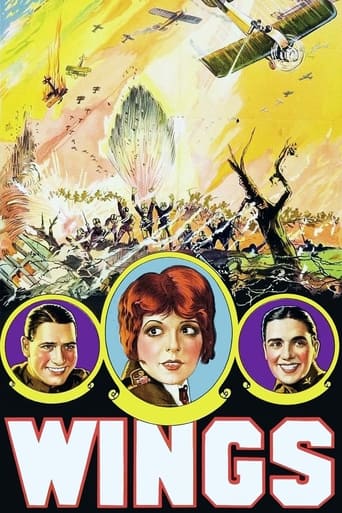
7.2Two young men, one rich, one middle class, both in love with the same woman, become US Air Corps fighter pilots and, eventually, heroic flying aces during World War I. Devoted best friends, their mutual love of the girl eventually threatens their bond. Meanwhile, a hometown girl who's the lovestruck lifelong next door neighbor of one of them pines away.
Wings
1927
 6.9
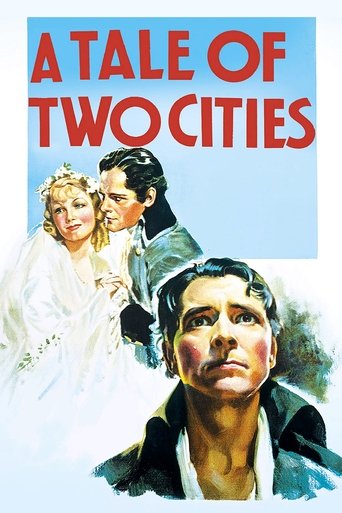
6.9Set against the conditions leading up to the French Revolution and the Reign of Terror, French doctor Alexandre Manette serves an 18-year imprisonment in the Bastille in Paris, followed by his release to live in London with the daughter he has never met.
A Tale of Two Cities
1935
 6.3
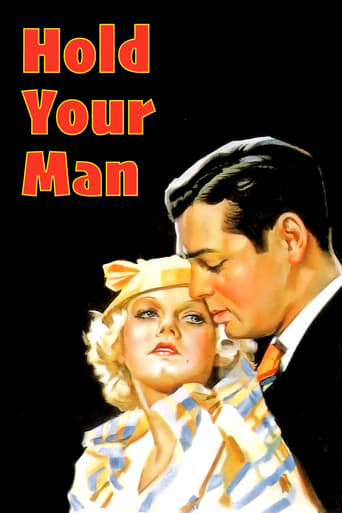
6.3Ruby falls in love with small-time con man Eddie. During a botched blackmail scheme, Eddie accidentally kills the man they were setting up. Eddie takes off and Ruby is sent to a reformatory for two years.
Hold Your Man
1933
 6.9
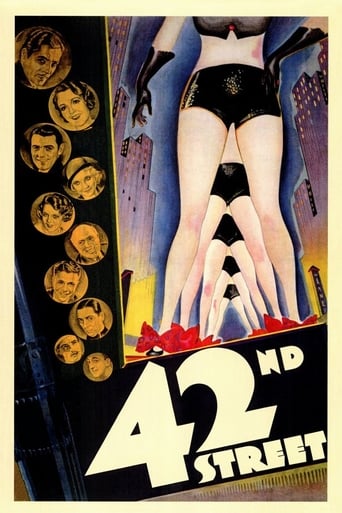
6.9Broadway director Julian Marsh needs just one more hit show so he can retire and recover his health. It looks like he just may pull it off until temperamental star Dorthy Brock breaks her ankle on the eve of the show's premiere and has to be replaced by her understudy Peggy.
42nd Street
1933
 5.7
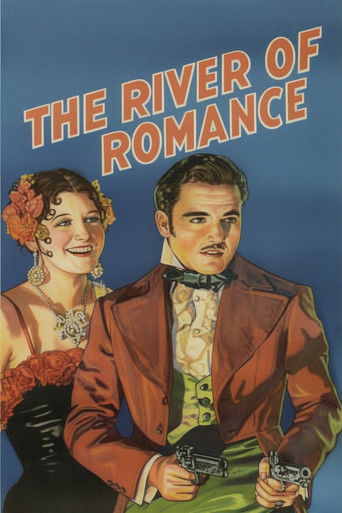
5.7Mississippi, 1830's. Tom Rumsford comes back to Magnolia Landing, his parents'estate. Having been brought up in the North by Quaker relatives, he just hates violence and accordingly refuses a duel. As this is the only way in the South to settle a dispute between gentlemen, Tom's father is so infuriated by his behavior that Tom has no other choice but leave. Away from Magnolia Landing, Tom learns bravery and returns seven years later as "the notorious Colonel Blake", the terror of the Lower Mississippi.
The River of Romance
1929
Film credits
1930s · 24 titles
6.9Set against the conditions leading up to the French Revolution and the Reign of Terror, French doctor Alexandre Manette serves an 18-year imprisonment in the Bastille in Paris, followed by his release to live in London with the daughter he has never met.
A Tale of Two Cities
1935
6.3Ruby falls in love with small-time con man Eddie. During a botched blackmail scheme, Eddie accidentally kills the man they were setting up. Eddie takes off and Ruby is sent to a reformatory for two years.
Hold Your Man
1933
6.9Broadway director Julian Marsh needs just one more hit show so he can retire and recover his health. It looks like he just may pull it off until temperamental star Dorthy Brock breaks her ankle on the eve of the show's premiere and has to be replaced by her understudy Peggy.
42nd Street
1933
 3.0
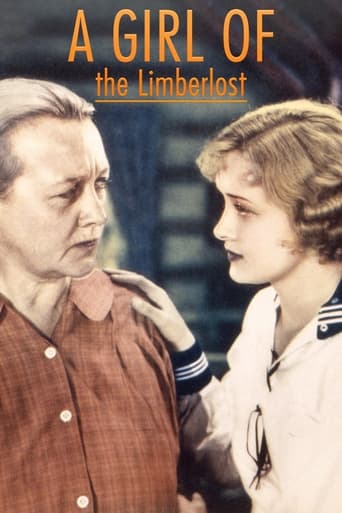
3.0Elnora Comstock is the badly abused daughter of Katherine Comstock, who blames her because her father was drowned while on the way home the night she was born. She finds her comfort with Margaret and Westley Sinton, a childless neighboring couple, who help her with her school costs, as does the wealthy Mrs. Parker, who takes an interest in the talented young girl. She meets and falls in love with Phillip Ammon, the nephew of Dr. Ammon, but learns that he is already engaged. The money that Elnora has saved for her college education is stolen, and when Mrs. Comstock goes to retrieve it from a suspect, she also learns of the duplicity of her husband, who had been courting a neighboring woman on the night he drowned. She begs forgiveness of Elnora, and the romance of Elnora and Phillip also begins to flourish.
A Girl of the Limberlost
1934
 5.5
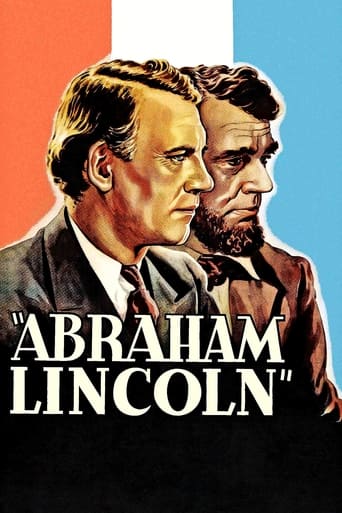
5.5An episodic dramatization of the 18th President of the United States' life, including his early years, affair with Ann Rutledge, courtship of Mary Todd, debates with Stephen A. Douglas, the election of 1860, his presidency during the Civil War, and finally his assassination at Ford's Theater in 1865.
Abraham Lincoln
1930
 4.9
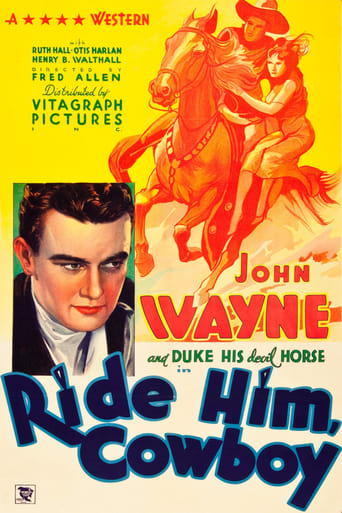
4.9John Drury saves Duke, a wild horse accused of murder, and trains him. When he discovers that the real murderer, a bad guy known as The Hawk, is the town's leading citizen, Drury arrested on a fraudulent charge.
Ride Him, Cowboy
1932
 6.3
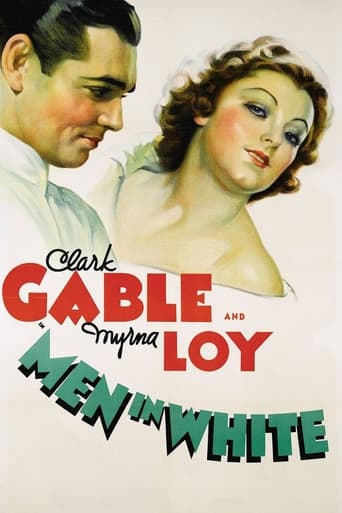
6.3A dedicated young doctor places his patients above everyone else in his life. Unfortunately, his social register fianceé can't accept the fact that he considers an appointment in the operating room more important than attending a cocktail party. He soon drifts into an affair with a pretty nurse who shares his passion for healing.
Men in White
1934
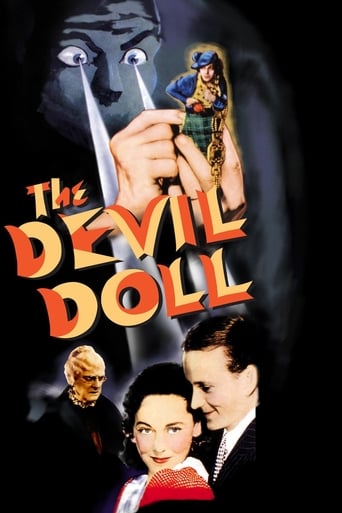 6.8
6.8Respected Parisian banker Paul Lavond is framed for robbery and murder by crooked associates and sent to prison. Years later, he escapes with a friend, a scientist who was working on a method to reduce humans to a height of mere inches (all for the good of humanity, of course). Lavond, however, is consumed with hatred for those who betrayed him, and takes the scientist's methods back to Paris to exact painful revenge.
The Devil-Doll
1936
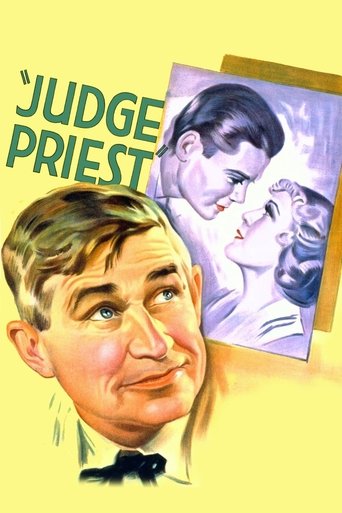 6.4
6.4Judge Priest, a proud Confederate veteran, restores the justice in a small town in the Post-Bellum Kentucky using his common sense and his great sense of humanity.
Judge Priest
1934
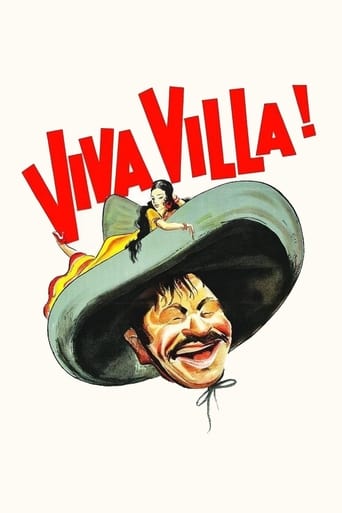 6.2
6.2In this fictionalized biography, young Pancho Villa takes to the hills after killing an overseer in revenge for his father's death.
Viva Villa!
1934
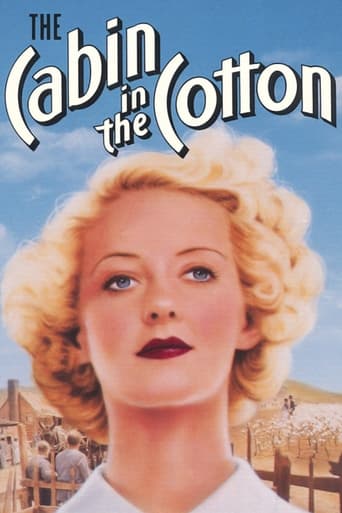 6.3
6.3Sharecropper's son Marvin tries to help his community overcome poverty and ignorance.
The Cabin in the Cotton
1932
 10.0
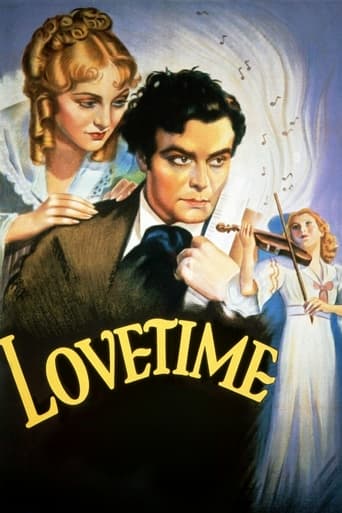
10.0Newly arrived in the nineteenth century court of Emperor Francis 1st of Austria Countess Valerie happens to overhear a young pianist and advises him to play with more feeling, for he is playing a piece by Franz Schubert, her favorite composer. Unknown to Valerie, the man is Schubert, and he playfully keeps his identity a secret. Valerie visits Franz the next day, and he teaches her to play the violin part of a new song he has written, and she hopes for romance though he still longs for his lost love Caroline. But as a week passes, he forgets Caroline and returns Valerie's affections. When Franz is evicted, there is much tumult, but he is finally called to court where his music is celebrated, and Valerie and he are reunited.
Love Time
1934
 5.5
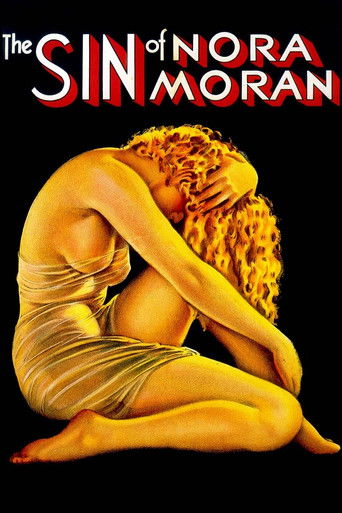
5.5Nora Moran, a young woman with a difficult and tragic past, is sentenced to die for a murder that she did not commit. She could easily reveal the truth and save her own life, if only it would not damage the lives, careers and reputations of those whom she loves.
The Sin of Nora Moran
1933
 5.1
5.1In the seventeenth century, in Massachusetts, a young woman is forced to wear a scarlet "A" on her dress for bearing a child out of wedlock.
The Scarlet Letter
1934
 6.4
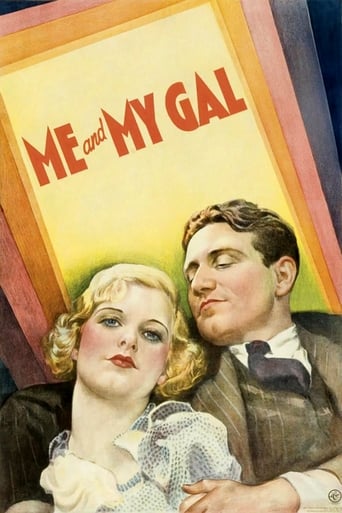
6.4Jaunty young policeman Danny Dolan falls in love with waterfront cafe waitress Helen Riley.
Me and My Gal
1932
 5.7
5.7Two people with ties to rich murdered socialite Lowe Hammle die from unusual suicides—but Vance suspects foul play.
The Garden Murder Case
1936
 6.3
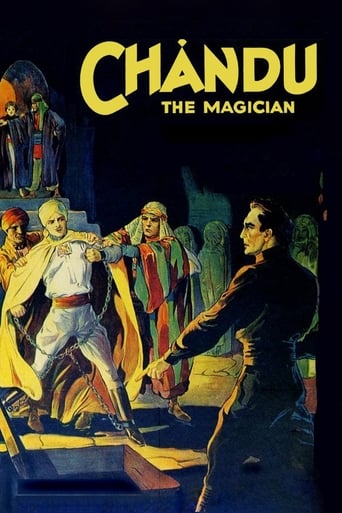
6.3When delusional madman Roxor kidnaps a scientist in hopes of using his death ray to achieve world dominance, he is opposed by Chandu, a powerful hypnotist and yogi.
Chandu the Magician
1932
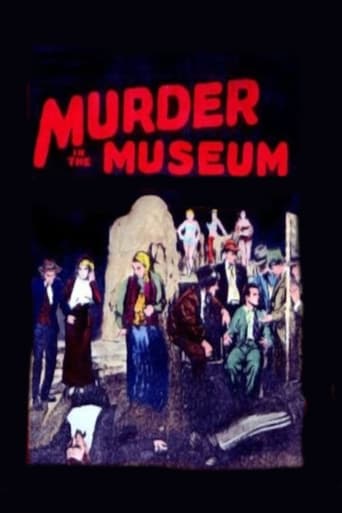 4.8
4.8When a city councilman is murdered while investigating allegations of drug dealing going on a a somewhat disreputable sideshow, the daughter of the chief suspect teams up with a newspaper reporter to find the real killer.
The Murder in the Museum
1934
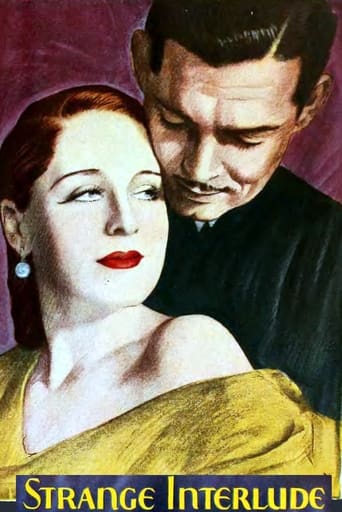 5.6
5.6After Nina Leeds finds out that insanity runs in her husband's family, she has a love child with a handsome doctor and lets her husband believes the child is his.
Strange Interlude
1932
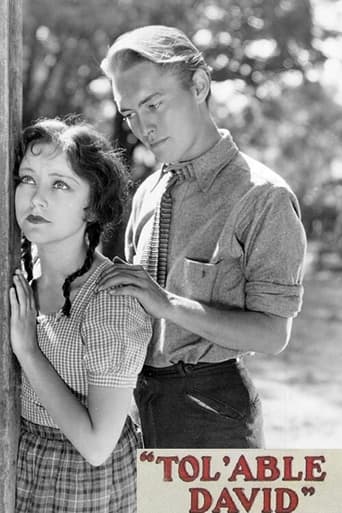 8.5
8.5Tol'able David is a 1930 sound film directed by John G. Blystone and produced and released by Columbia Pictures. It is a remake of a famous 1921 silent film Tol'able David starring Richard Barthelmess and Ernest Torrence. Young David Kinemon is a good-natured, easy-going lad in a mountain village. Circumstances force him to take his brother's place as mailman for the community, and this brings him into deadly contact with the vicious Hatburn brothers.
Tol'able David
1930
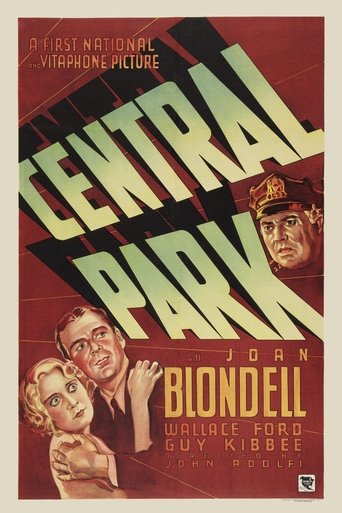 5.8
5.8Two destitute New Yorkers meet cute in Central Park and then separate and independently get tangled up with some gangsters only to be reunited again in the end.
Central Park
1932
 9.0
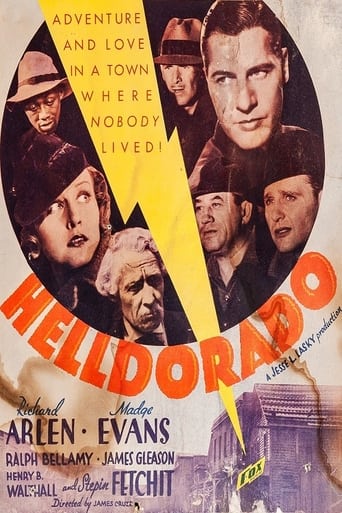
9.0Arthur T. Ryan, a hitchhiker, gets a ride from haughty, society girl Glenda Wynant and her fiance, wealthy J. F. Van Avery after he helps them to replace the top of their convertible when it begins to rain. As they approach a bridge, Art notices a few stalled cars, and when the storm worsens, the bridge washes away, leaving Art, Glenda, Van and several others stranded in a canyon.
Helldorado
1935
 9.0
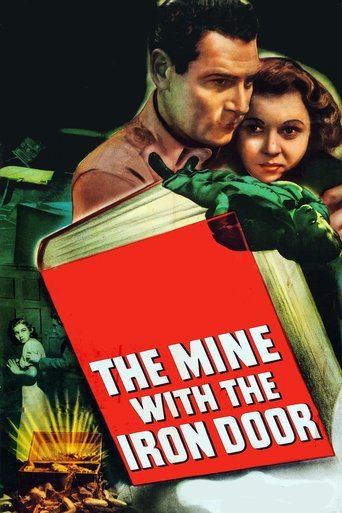
9.0Having acquired the controlling interest in the Eureka Discovery Corporation for five-hundred dollars, and selling half of it to a detective for two-hundred dollars, Bob Harvey sets off with his new partner to find the buried treasure of San Capello---with very strange consequences.
The Mine with the Iron Door
1936
 4.9
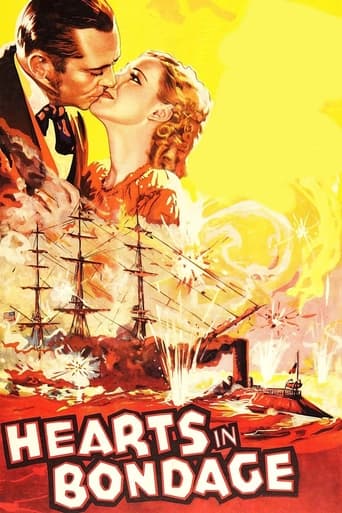
4.9Best friends Kenneth Reynolds and Raymond Jordan are U.S. Navy officers, and Kenneth is engaged to Raymond's sister. But the eruption of the Civil War divides them, as Raymond stands by his native Virginia while Kenneth remains on duty as a Northern officer. Kenneth's uncle, John Ericsson, designs a new kind of ship, an ironclad he calls the Monitor. Eventually the war pits Kenneth, on board the Monitor, against his friend Raymond, serving aboard the South's own ironclad, the Merrimac (as it is called here). A naval battle ensues, one that will go down in history.
Hearts in Bondage
1936
1920s · 13 titles
7.2Two young men, one rich, one middle class, both in love with the same woman, become US Air Corps fighter pilots and, eventually, heroic flying aces during World War I. Devoted best friends, their mutual love of the girl eventually threatens their bond. Meanwhile, a hometown girl who's the lovestruck lifelong next door neighbor of one of them pines away.
Wings
1927
5.7Mississippi, 1830's. Tom Rumsford comes back to Magnolia Landing, his parents'estate. Having been brought up in the North by Quaker relatives, he just hates violence and accordingly refuses a duel. As this is the only way in the South to settle a dispute between gentlemen, Tom's father is so infuriated by his behavior that Tom has no other choice but leave. Away from Magnolia Landing, Tom learns bravery and returns seven years later as "the notorious Colonel Blake", the terror of the Lower Mississippi.
The River of Romance
1929
 6.6
6.6The abandoned Balfour House, the owner of which was found dead five years earlier, comes back to life with the arrival of two suspicious sinister-looking tenants.
London After Midnight
1927
 6.2
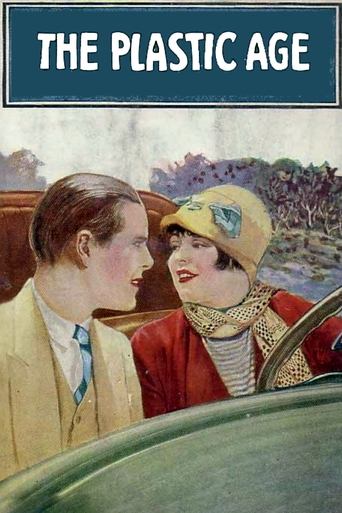
6.2Hugh Carver is an athletic star and a freshman at Prescott College. He falls in love with Cynthia Day, a popular girl who loves to party, and finds that it's impossible to please her and still keep up with his studies and athletic training. Soon the two face some difficult decisions.
The Plastic Age
1925
 6.9
6.9A stenographer who works for a lawyer falls in love with and marries a wealthy young man. His family has the marraige annulled, after which she gives birth to a child. Her former boss helps her out to ensure the child's welfare, which starts gossip that she is a "kept woman."
The Trespasser
1929
 10.0
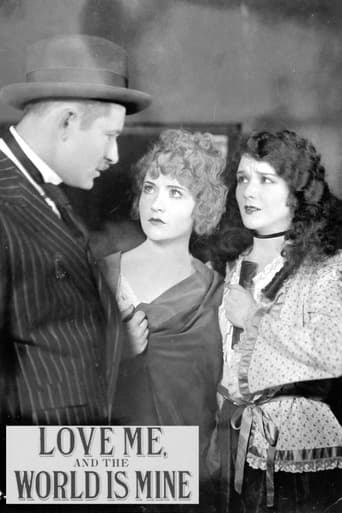
10.0In Old Vienna in the days prior to The Great War, a beautiful woman, Hannerl, has her choice of two men; the first is a dashing young army officer who can provide blazing romance and little long-time security. The other is an older man, influential in the affairs of Austria, who could provide wealth...and tender devotion. Hannerl thinks about it.
Love Me and the World Is Mine
1927
 10.0
10.0Two men, Philip Whittemore (Henry B. Walthall) and Thorpe (Harry Northrup) both go to the Northwest to gain the right-of-way for their railroad company from D'Arcambal (Emmett King). Whittemore arrives first and D'Arcambal refuses to meet with him until he saves his daughter, Jeanne (Pauline Starke) from going over the rapids. Then Thorpe arrives and tries to use force by kidnapping Jeanne and insisting that he is her father.
Flower of the North
1921
 6.0
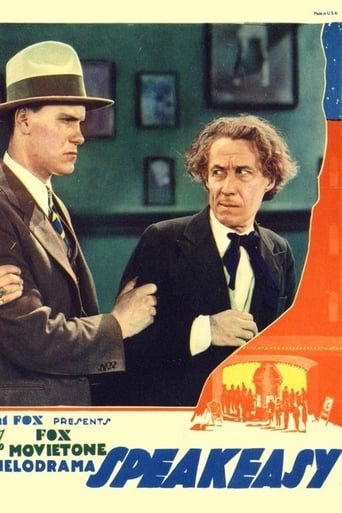
6.0Newspaper staffer Alice Woods persuades the editor to allow her to chase a story, that of prizefight contender Martin, who is about to fight for the championship. However, he does not know that his manager is preparing to double-cross him.
Speakeasy
1929
 9.0
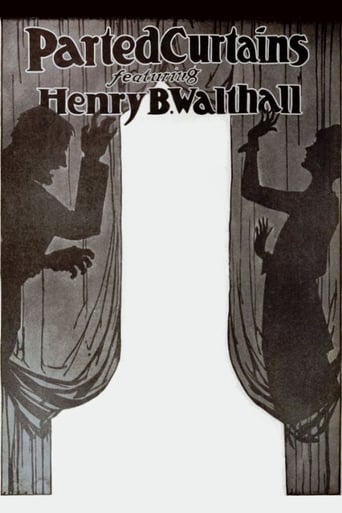
9.0A young man just released from prison can't find work because no employer will hire an ex-convict. Broke and hungry, he steals money off of a painter. The painter, however, takes pity on him and decides to help him get his life back together.
Parted Curtains
1920
 9.0
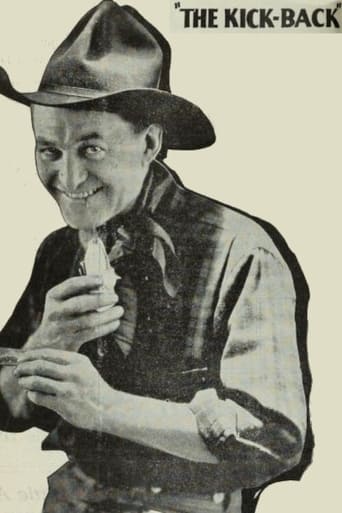
9.0A silent Western about a rough rider, that winds up in jail and the adventure begins.
The Kickback
1922
 7.0
7.0Just before he propelled the crime melodrama to new, macabre heights in The Unholy Three, Browning directed this partially lost morality tale pertaining to a different kind of horror: that of a middle-class family living beyond their means and falling prey to moneylenders. Produced by and starring Ruth Roland for FBO Studios, a small operation that later became RKO Pictures, Dollar Down follows Roland as the spendthrift daughter of a manufacturing firm’s general manager (Henry Walthall), who pawns a ring purchased on credit to throw an extravagant party and sends the family’s livelihood into a tailspin. Because its last reel completely disintegrated before it could be copied, the film remains an ultra-rare curio that nonetheless captures an important chapter in Browning’s career before his successful string of films made for MGM.
Dollar Down
1925
 7.1
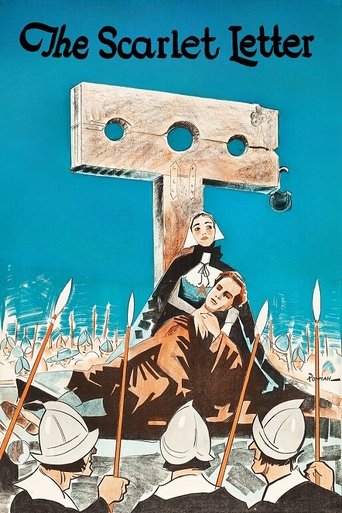
7.1In Puritan Boston, seamstress Hester Prynne and kindly Reverend Arthur Dimmesdale fall in love. After Dimmesdale must go away for a time to England, he returns to discover that Hester has given birth to their child and is the focus of local censure.
The Scarlet Letter
1927
 5.5
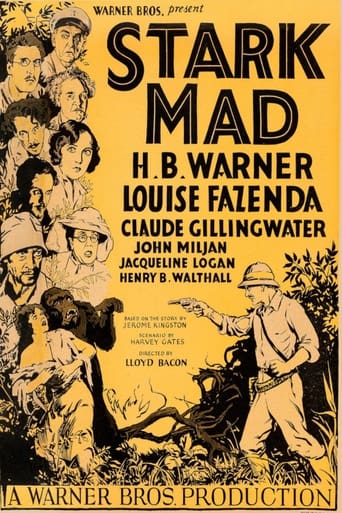
5.5An expedition sets out through the jungle to find a missing explorer, but stumbles upon an ancient Mayan temple that houses a giant ape.
Stark Mad
1929
1910s · 19 titles
5.9Two families, abolitionist Northerners the Stonemans and Southern landowners the Camerons, intertwine. When Confederate colonel Ben Cameron is captured in battle, nurse Elsie Stoneman petitions for his pardon. In Reconstruction-era South Carolina, Cameron founds the Ku Klux Klan, battling Elsie's congressman father and his African-American protégé, Silas Lynch.
The Birth of a Nation
1915
 6.5
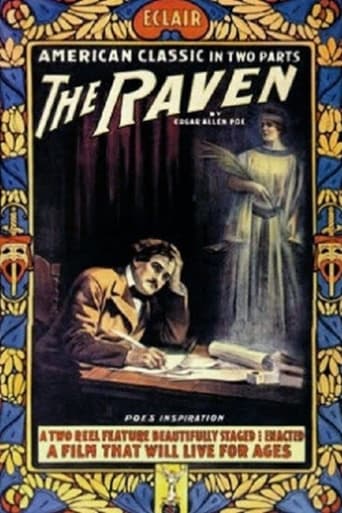
6.5After a brief view of Edgar Allan Poe's family background, his grandfather, David Poe, Sr., an Irish immigrant to America, and his father, David Poe, Jr., the poet's life is depicted from the death of his mother and his subsequent adoption by John Allan, to his own tortured death in 1849. Expelled from the University of Virginia for incurring too many debts, Poe nonetheless courts and marries Virginia Clemm but is disowned by his foster father. While residing in Fordham, New York, Poe tries to earn a living as a writer but meets with little financial success. Overwhelmed by their impoverished state, Virginia dies and Poe sinks into a profound depression. Always a victim of alcohol and subject to hallucinations, Poe first imagines that his neighbor, Helen Whitman, is Virginia, then plunges himself into an elaborate delusion in which his wife's spirit, various other spectres and a raven finally drive him to his own death.
The Raven
1915
 5.9
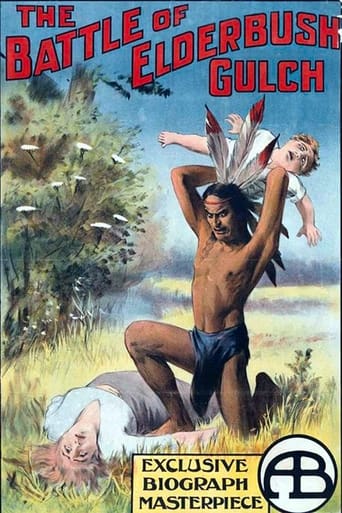
5.9Two young girls are sent away to live with their uncle, which sets off a chain of events resulting in an Indian attack on the town.
The Battle at Elderbush Gulch
1913
Driven from home because of his father’s temper, 20-year-old Frank Bradbury struggles to control his own strong emotions. When a schoolmate harasses his sweetheart, Rose Claybourne Frank attacks him and is expelled from university. After becoming engaged to Rose they return to his home, seeking his father's consent for their engagement. Their mothers are hopeful for reconciliation, but Frank’s father is enraged. Frank arrives while the father is attacking his mother and Frank kills him with a paper weight. Brought to trial he is acquitted on the grounds of justifiable homicide and Rose and he marry.
Temper
1915
 5.0
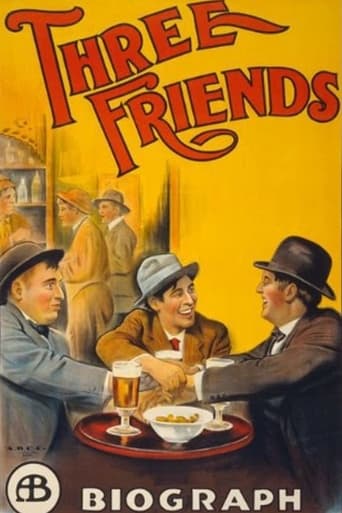
5.0Each night, after the day's work at the factory, the three bachelor friends met and declared anew their attachment over a social glass. They bound themselves to remain thus as long as life might last, never to marry. But one was a traitor, while the other two were called away. A widened breach, a quarrel, fanned the resentment, but true friendship at last claimed its own.
Three Friends
1913
 NR
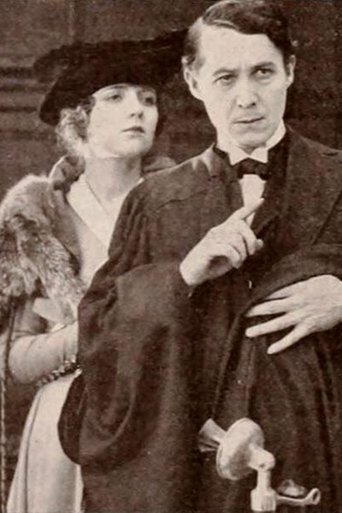
NRJulian Randolph, a disreputable lawyer, gains an ad interim appointment to the Supreme bench as a reward for fixing a jury that acquits the brother of the political boss of a charge of murder. He was promised the nomination for the full term at the next election, but gains it only through threat of exposure of a bigamous marriage contracted by the boss. Then comes love for a noble woman and the question whether he shall take defeat with honor or gain seeming honor at the cost of his manhood. It is a momentous problem, but he makes a decision that proves him worthy of the robes of honor.
His Robe of Honor
1918
 NR
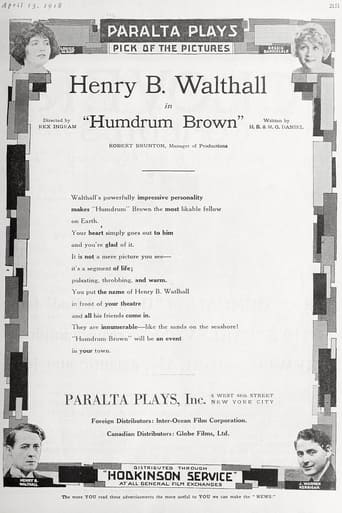
NRLove and double-crosses at the bank.
Humdrum Brown
1918
Bert Stafford, who is in love with Sylvia Randolph, his mother's ward, despises Duncan Irving, a poor boy who is the object of Sylvia's affections.
Classmates
1914
 NR
NRIn a quaint fishing village Bill and Mary are childhood sweethearts. Ten years roll by, and the boy, now a young man, gives the girl a ring and they now renew their vows. They are both very happy until fate interferes. Bill, while strolling on the shore, espies a raft with an object on it that looks like a human being, far out at sea. He swims to the raft and finds an exhausted fisherman lying prone upon it. Pushing the raft to the shore, he, with the aid of others, revives the stranger. Joe is the stranger's name and he and Bill become staunch friends. Mary becomes smitten with Joe and cruelly casts Bill aside.
The Sorrows of the Unfaithful
1910
 5.0
5.0An experiment goes wrong and blinds a newly married chemist. The chemist's wife does not want to take on the burden of caring for the blind chemist, and her younger sister take her place.
A Flash of Light
1910
 4.7
4.7In the Kingdom of Never-Never Land there live a great Lord and Lady, each presiding over their own domain. This great Lord goes for a stroll through his estate and coming to the border of his own land he is struck by the entrancing beauty of the contiguous estate, so like his own, that the inclination to intrude is irresistible. His peregrination is halted by the appearance of the great Lady, who is indeed as fair as the flowers that clothe her land. He introduces himself and invites her to stroll with him in his gardens. She is in like manner entranced by the beauty of his possessions. How alike in beauty are they; a veritable fairyland. If they were only one, for it seems they should be. This thought is mutual, and the Lord proposes a way, a marriage, and so a betrothal of convenience ensues. They know nothing of love and so are content in the anticipation of being Lord and Lady of all Never-Never Land.
Love Among the Roses
1910
The girl's lessons from the young station agent on the manipulation of the telegraph code served her in good stead. By it, hemmed in on all sides at the lonely farmhouse, she was able to save both herself and her father's money from desperate tramps, an experience which is grippingly illustrated in this Biograph melodrama.
The Mirror
1913
 4.9
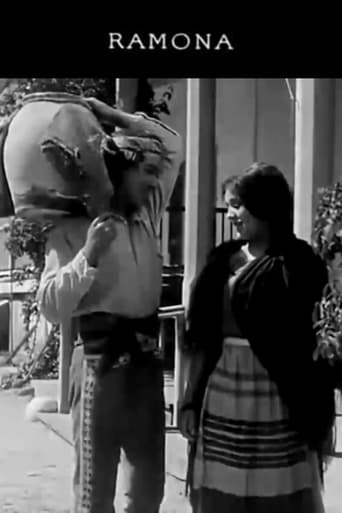
4.9Ramona, residing on her wealthy Spanish adoptive mother's rancho in California, falls in love with the Indian Alessandro. When Ramona is denied permission to marry Alessandro, the lovers elope, only to find a life of great hardship and unhappiness amidst the greed and injustice of the white landowners.
Ramona
1910
 5.9
5.9Thwarted by his despotic uncle from continuing his love affair, a young man's thoughts turn dark as he dwells on ways to deal with his uncle. Increasingly convinced that murder is merely a natural part of life, he kills his uncle and hides the body. However, the man's conscience awakens; paranoia sets in and nightmarish visions begin to haunt him.
The Avenging Conscience
1914
 NR
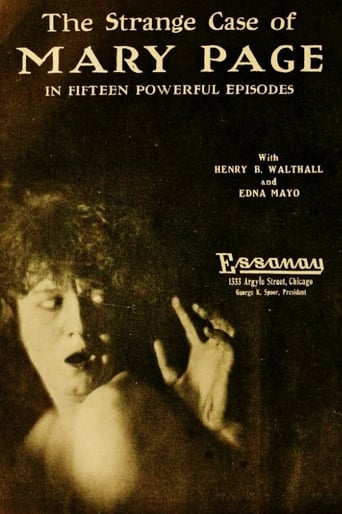
NRA 15-episode dramatic action movie serial only two of which survive.
The Strange Case of Mary Page
1916
 5.9
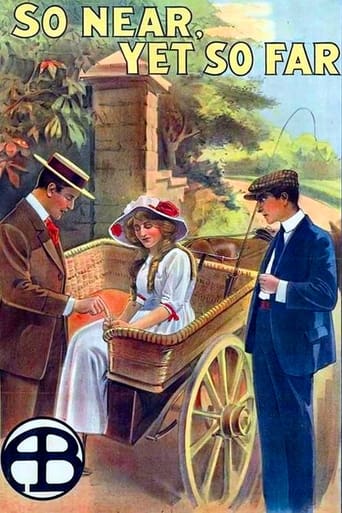
5.9It's love at first sight for the Boy, but obstacles— namely shyness, and the temerity of other suitors— place themselves in the way of his love. Unknowingly, the Boy and the young woman of his fancy both stay at the home of mutual friends— But all is not well, as robbers lurk outside the house.
So Near, Yet So Far
1912
 4.5
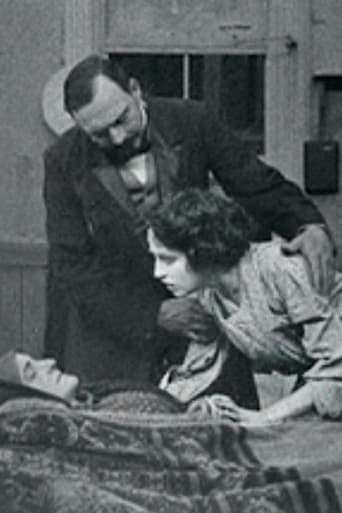
4.5After her mother's death, Ruth struggles to support herself as a seamstress. While Ruth delivers shirts to the factory owner, the owner's son steals some money and Ruth is accused of the crime. She flees the ghetto of New York's Lower East Side and hides in the country where she meets a young farmer.
A Child of the Ghetto
1910
 5.5
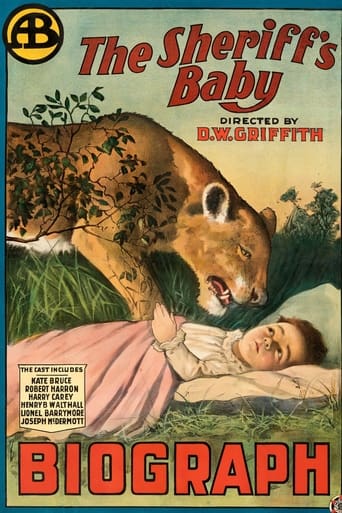
5.5After the death of his wife the baby was all the sheriff had left, the promise of hope in the future, and the reflection of all that was dear in the past. But a sheriff has no time to tread a cradle rocker, so the baby started off on the long journey to relatives across the desert. Then the sheriff was called away to hunt the "bad men" of the desert, and found there a deserted prairie schooner, the occupants dead and his baby gone.
The Sheriff's Baby
1913
 NR
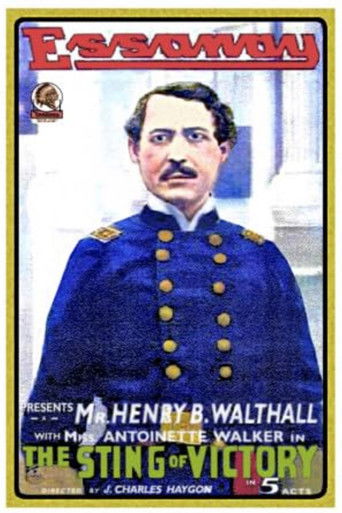
NRDavid Whiting belongs to a fine old aristocratic family of the south and is an officer in the United States Army. He believes in the Union and he is opposed to slavery. When the Civil War breaks out he frees his personal slaves and joins his regiment to fight for the north.
The Sting of Victory
1916
1900s · 3 titles
 5.5
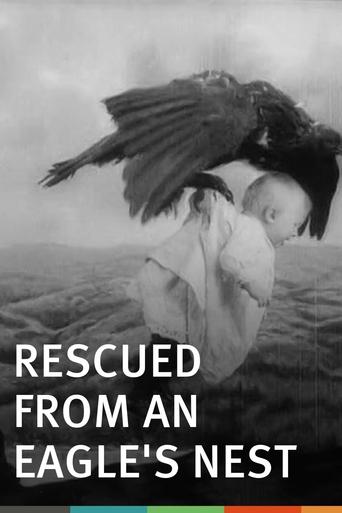
5.5A woodsman leaves a hut followed by a woman with their baby. Nearby some men chop down a tree. The baby is left outside the hut, but an eagle flies away with it.
Rescued from an Eagle's Nest
1908
 6.2
6.2On a whim, a greedy tycoon decides to corner the world market in wheat. This doubles the price of bread, forcing grain producers into charity lines and others further into poverty. The film contrasts the differences between the lives of those who work to grow the wheat and the life of the man who dabbles in its sale for profit.
A Corner in Wheat
1909
 5.2
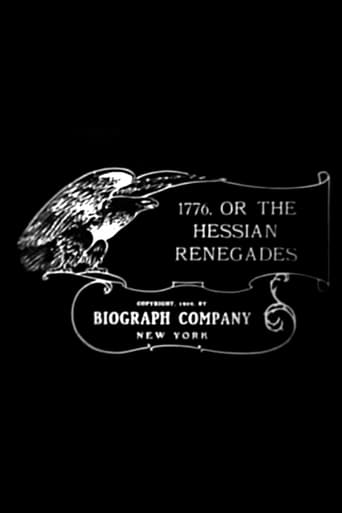
5.2During the American Revolution, a young soldier carrying a crucial message to General Washington is spotted and pursued by a group of enemy soldiers. He takes refuge with a civilian family, but is soon detected. The family and their neighbors must then make plans to see that the important message gets through after all.
1776, or The Hessian Renegades
1909