
Camera
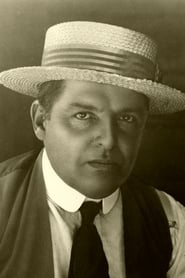
Billy Bitzer
Born — Died
1872-04-21 — 1944-04-29
Place of birth
Roxbury, Massachusetts, USA
Known for
Camera
Credits
42 titles
Gottfried Wilhelm "Billy" Bitzer (April 21, 1872 – April 29, 1944) was a pioneering American cinematographer notable for his close association with D. W. Griffith. In 2003, a survey conducted by the International Cinematographers Guild named him one of the ten most influential cinematographers in history. Bitzer, it is said, "developed camera techniques that set the standard for all future motion pictures." Description above from the Wikipedia article Billy Bitzer, licensed under CC-BY-SA, full list of contributors on Wikipedia.
Known for
 6.9
6.9A documentary that details the process of restoring 270 of the 520 lost films of pioneering director Georges Méliès, all orchestrated by a Franco-American collaboration between Lobster Films, the National Film Center, and the Library of Congress.
The Méliès Mystery
2021
A camera on an overhead crane travels down a large, long aisle where men are shown working on large machinery on either side. Carts carrying equipment are shown traveling on rails down the aisles. There are also men walking in the aisles. From Bitzer's Westinghouse Works series.
Panorama of Machine Co. Aisle
1904
 7.0
7.0The best and most characteristic picture of the President ever made. The camera is close by so that every feature shows out sharp and distinct. The President is first seen coming on the stand laughing and shaking hands with friends and being wildly cheered by everybody. Then comes the speech. The President is very enthusiastic and is shown at his best. All his well known mannerisms are very apparent. The picture ends with a view of the departure of the President with Mrs. Roosevelt in a carriage. Before the carriage starts the President is held up and interviewed by reporters.
Pres. Roosevelt's Fourth of July Oration
1903
 5.0
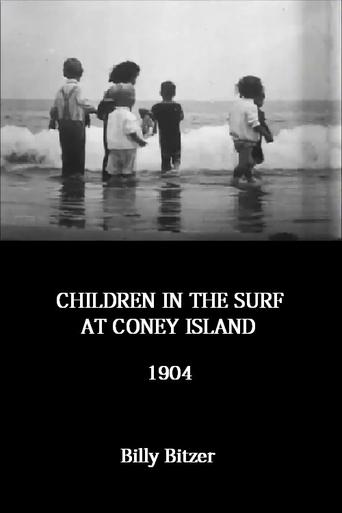
5.0"Children in the Surf, Coney Island" is a very short documentary with Billy Bitzer behind the camera.
Children in the Surf at Coney Island
1904
 3.0
3.0Gertrude chooses Jim over Jack, which makes Jack very jealous. Later Jim dies, and Jack marries Gertrude. He finds himself once again very jealous of the late Lucky Jim.
Lucky Jim
1909
 5.3
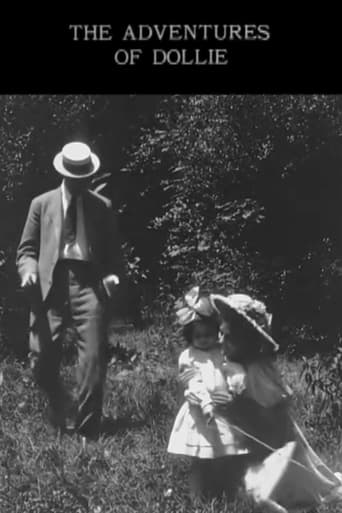
5.3On a warm and sunny summer's day, a mother and father take their young daughter Dollie on a riverside outing.
The Adventures of Dollie
1908
Film credits
Behind the camera
A camera on an overhead crane travels down a large, long aisle where men are shown working on large machinery on either side. Carts carrying equipment are shown traveling on rails down the aisles. There are also men walking in the aisles. From Bitzer's Westinghouse Works series.
Panorama of Machine Co. Aisle
1904
7.0The best and most characteristic picture of the President ever made. The camera is close by so that every feature shows out sharp and distinct. The President is first seen coming on the stand laughing and shaking hands with friends and being wildly cheered by everybody. Then comes the speech. The President is very enthusiastic and is shown at his best. All his well known mannerisms are very apparent. The picture ends with a view of the departure of the President with Mrs. Roosevelt in a carriage. Before the carriage starts the President is held up and interviewed by reporters.
Pres. Roosevelt's Fourth of July Oration
1903
5.0"Children in the Surf, Coney Island" is a very short documentary with Billy Bitzer behind the camera.
Children in the Surf at Coney Island
1904
5.3On a warm and sunny summer's day, a mother and father take their young daughter Dollie on a riverside outing.
The Adventures of Dollie
1908
A large bucket is lowered into a pit by male workers using machinery. Molten material from a furnace is poured into the bucket using a slide. The bucket, which has flames coming from inside, is lifted up from the pit by a crane.
Tapping a Furnace
1904
A group of men weld one area of a large ring in a fire. They lift the ring, which is hanging horizontally on chains, out of the fire. Four men hammer the hot area on the ring into shape while the remaining men hold the ring. They put the ring into the fire again, take it out, and take it over to a machine which continuously hammers down on that area of the ring. The men then take it away from the machine and hammer it themselves into shape. The ring is presumably a piece of a generator.
Welding the Big Ring
1904
Shot at an unidentified location in New York City, the film shows several pieces of horse-drawn fire vehicles in motion: two hook-and-ladders; two steam pumpers; a rescue wagon. Note the kids hanging on the back of some of the vehicles.
N.Y. Fire Department Returning
1903
A camera moving forward on an overhead crane gives a traveling view of men working on machinery. Carts carrying parts and pieces of machinery pass by on rails; cranes lift machinery; and men perform their various duties, including hammering objects. (Library of Congress)
Panorama View, Street Car Motor Room
1904
On the left of the screen, a small group of men lift the top off of what appears to be a turbine with a crane and continue to check the machine, tightening various parts with wrenches. On the right side, a few men appear to be testing the workings of what may be a turbine.
Testing Large Turbines, Westinghouse Co. Works
1904
Panoramic View, Aisle B, Westinghouse Works
Panoramic View, Aisle B, Westinghouse Works
1904
A large bucket full of molten material is poured into a large container, possibly a mold, by a group of men using machinery. Some other men stoke the fire under the container. When finished pouring, the men lift the bucket up from the container and take it away on a crane. Two men put prods down repeatedly into the container, while others lay covers on top of it.
Casting a Guide Box
1904
 4.5
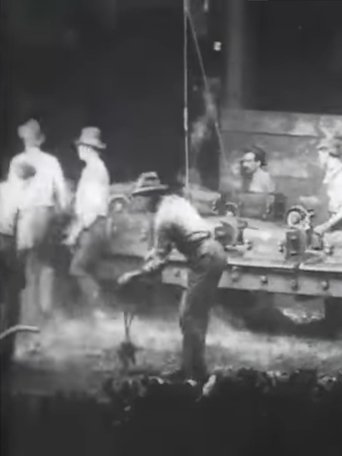
4.5What appear to be molds pass some men by on conveyor belts. The men take them off the belt and dump the contents onto the ground. Other men pick up with tongs the parts that have been dumped onto the ground and put them on a pile in the foreground.
Westinghouse Air Brake Co. (Casting Scene)
1904
The view from a moving train shows some of the Westinghouse interests and the surrounding areas.
Panorama Exterior Westinghouse Works
1904
Almost 200 women file by a device on the wall from which they take their time checks. A man runs half-way across the screen at the end of the film.
Girls Taking Time Checks
1904
A closeup of the steam whistle blowing at the "Westinghouse works" complex of factories in Pennsylvania, probably at the Westinghouse Electric & Manufacturing Co.
Steam Whistle
1904
 NR
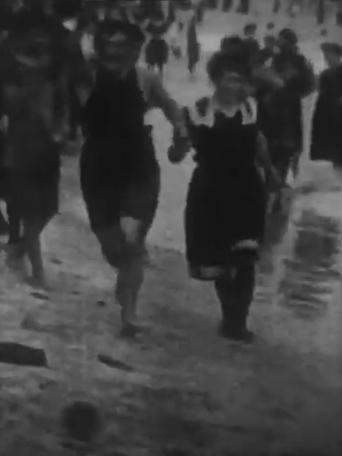
NRPeople doing the Cake Walk dance on the Beach at Coney Island.
A Cake Walk on the Beach at Coney Island
1904
Two small boys with policemen's hats and nightsticks are struggling with another small boy. The object of their struggle seems to be to arrest him. Approaching the camera from a distance are two men in bathing suits, pretending they are horses, and pulling what is supposed to be a patrol cart. The small culpit is put in the wagon and taken back to a tent on the sand. The tent bears the sign "police patrol headquarters."
The Coney Island Beach Patrol
1904
Taken at St. John's Home, Coney Island. A large number of boys are bathing in the surf. At a signal the boys leave the water and walk toward the camera. A very unique subject.
Orphans in the Surf
1903
 NR
NRA procession of American and European automobiles--including such makes as Daimlers, Mercedes, Stanley Steamers and Pierces-- drive up and down the steep roads on Mt. Washington, New Hampshire. Some of them struggle with the steep grade. A hiker persists in sequential shots. It's unknown whether the film was an attempt to document a race or rally, or merely present picturesque actuality. It's also been surmised that audiences of the day might have bet on the film's numbered cars.
Automobiling Among the Clouds
1904
 NR
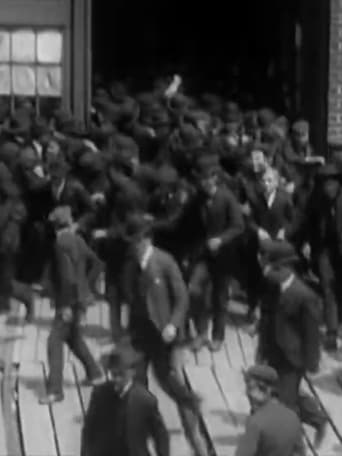
NREmployees leaving Westinghouse Works .
Westinghouse Employees, Westinghouse Works
1904
 5.3
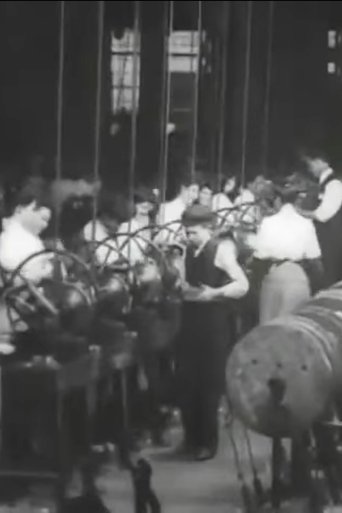
5.3Numerous women stand in rows at winding machines, taking material from large spools behind them. A male supervisor walks down the aisle, checking the work of the women.
Coil Winding Machines
1904
 4.7
4.7Panorama from the Tower of the Brooklyn Bridge, 1897.
At the Top of Brooklyn Bridge
1897
A large group of men are shown performing various tasks in one room at the Westinghouse Air Brake Co. On one side, men are shown pouring a hot liquid into molds on the floor. A conveyor belt delivers items which are then taken off the belt by a man. Men on the other side of the screen appear to be lifting items out of what could possibly be a furnace and putting them on tables. It appears that the men in this room are casting machinery from molds.
Westinghouse Air Brake Co.
1904
Men working in teams carry buckets of molten material and pour the material into what appear to be molds lined up on the ground.
Westinghouse Air Brake Co. (Moulding Scene)
1904
 5.8
5.8Georgetown, 1901. A silver-mining town at 8,500 feet near the crest of the Rockies. Hooked somehow to the rear of a four-car passenger train is a camera that pans the scenery and, when the train goes around curves, looks ahead to see the engine and passenger cars: the passengers wave hundreds of white handkerchiefs out of the train's left-side windows for the benefit of the camera. The town comes into view; the tracks are above the town, so the camera looks down on dozens of modest rooftops as it pans the area. (AMB 1901, copyrighted 1903.)
The Georgetown Loop (Colorado)
1901
A turbine is shown operating.
Assembling and Testing Turbines
1904
Several chairs rest against a blank wall; three men, then a fourth and soon seven in all, divide into various pairs and wrestle for the camera.
Wrestling at the New York Athletic Club
1905
 4.5
4.5Filmed from the Brooklyn tower of the bridge, this is a panorama starting at Manhattan's Battery and then panning northward along the East River shoreline. Reportedly filmed somewhere between 1897 - 1899, though not copyrighted until 1903.
Panorama from the Tower of the Brooklyn Bridge
1899
A very exciting contest between two well known Metropolitan wrestlers. It is full of fast work and scientific wrestling.
Catch-As-Catch-Can Wrestling Bout
1903
Rows of women are shown at tables with winding machines. They wind using material from spools behind them, apparently putting the finished products on the table in front of them. Various supervisory staff, male and female, walk through the aisles, checking the work of the women.
Coil Winding Section E
1904
A group of men work on various parts of a large generator, assembling the pieces
Assembling a Generator
1904
Numerous women sit in rows at machines where they appear to be winding some type of wire and tooling it onto machines. Two young men push spools of this wire down the aisle. Supervisors, male and female, walk down the aisle and observe the women's work, stopping for a while at one woman's station.
Girls Winding Armatures
1904
Billy Bitzer filmed 21 short actualities inside the Pittsburgh Westinghouse Works in April and May of 1904. Audiences of the day would have been treated to footage of factory panoramas, women winding armatures and turbines being assembled. These industrial films were produced for the American Mutoscope & Biograph Company.
Westinghouse Works
1904
 4.7
4.7A small group of men turn on what appears to be a generator. As the rotary spins, the men make adjustments to the machine and check its operations.
Testing a Rotary
1904
 4.8
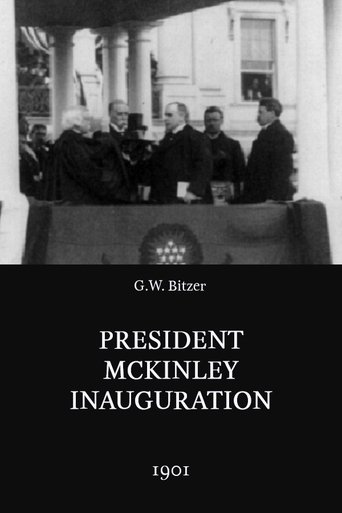
4.8President McKinley Inauguration
President McKinley Inauguration
1901
From what appears to be a furnace, a large, glowing block is lifted with the help of a crane over to a table by a group of men. A hammer comes from above and pounds down on the block repeatedly as the men turn the block several times so that it will acquire a certain shape.
Steam Hammer
1904
 5.8
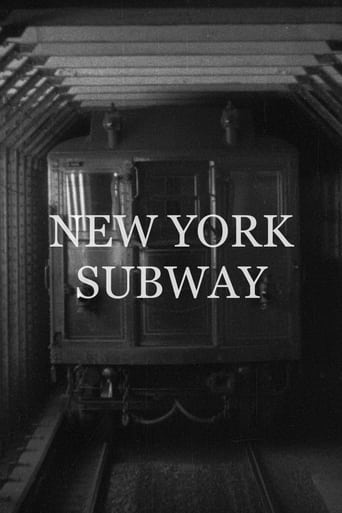
5.8The camera platform was on the front of a New York subway train following another train on the same track. Lighting is provided by a specially constructed work car on a parallel track. At the time of filming, the subway was only seven months old, having opened on October 27, 1904. The ride begins at 14th Street (Union Square) following the route of today's east side IRT, and ends at the old Grand Central Station, built by Cornelius Vanderbuilt in 1869. The Grand Central Station in use today was not completed until 1913.
New York Subway
1905
 8.0
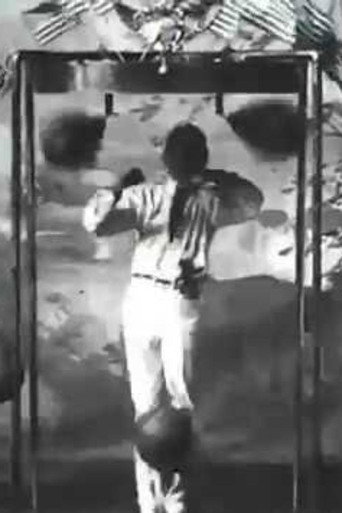
8.0A remarkable exhibition by Gus Keller, novelty bag puncher of the New Polo Athletic Association. In seven scenes with dissolving effects. A. Single, B. Knee, C. Floor, D. Double, E. Aerial, F. Triple, G. Double Floor.
Expert Bag Punching
1903
Numerous women stand at several rows of tables where they appear to be wrapping tape around some devices, presumably coils. Male supervisors walk down the aisles, observing the women's work.
Taping Coils
1904
 5.8
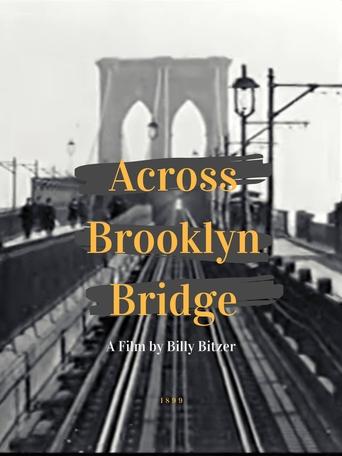
5.8This picture is very novel and interesting. It gives the complete trip from the station at the New York City end of the bridge to the station at the Brooklyn end, as seen from the front end of a third rail car running at high speed. The entire trip consumes three minutes of time, during which abundant opportunity is given to observe all the structural wonders of the bridge, and far distant river panorama below.
Across Brooklyn Bridge
1899