
Directing
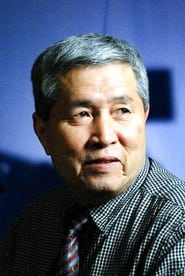
Im Kwon-taek
Born
1936-05-02 (90)
Place of birth
Jangseong, South Jeolla, South Korea
Known for
Directing
Credits
52 titles
Im Kwon-taek (born May 2, 1936) is one of South Korea's most renowned film directors. In an active and prolific career, his films have won many domestic and international film festival awards as well as considerable box-office success, and helped bring international attention to the Korean film industry. As of spring 2015, he has directed 102 films.
Known for
 9.4
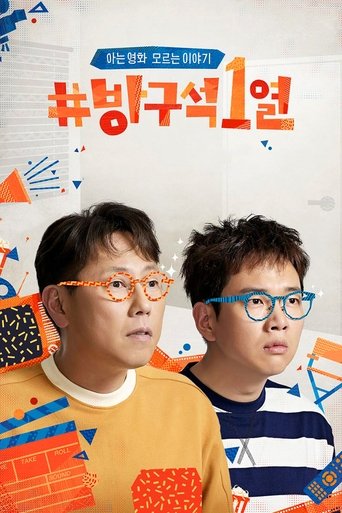
9.4Movie meets humanities! This talk show/variety show for movie enthusiasts features interesting discussions by a writer and two movie directors where film and humanities intertwine.
Movie Room
2018
 7.1
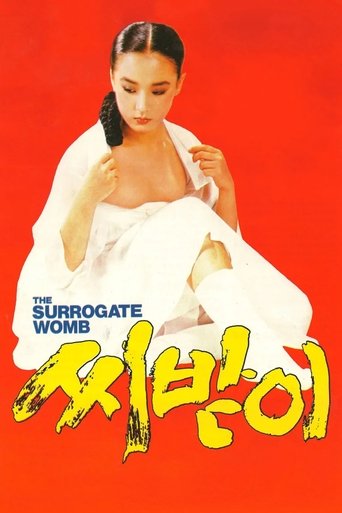
7.1A barren noblewoman encourages her husband to take a young peasant as a surrogate to secure the male line.
The Surrogate Womb
1987
 7.0
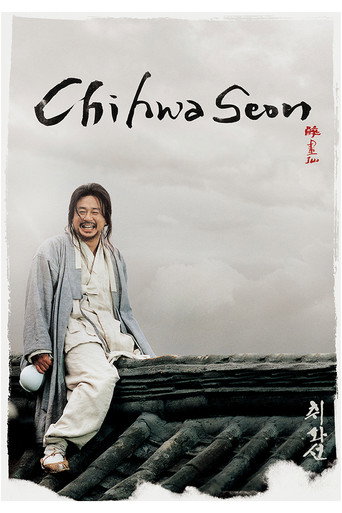
7.0Jang Seung-eop, also known as "Chihwaseon," drinks and paints all day. Through Mae-hyang, he learns the meaning of fate, sees art beyond even the smallest things, and sets out for the path he seeks.
Chihwaseon
2002
 5.2
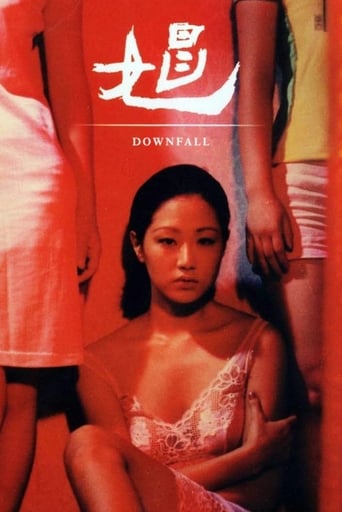
5.2A young woman is tricked into prostitution, thinking she is going to sell beverages at a village store. She soon learns about the dark world of Korea's red-light districts, where their pimps and society exploit her.
Downfall
1997
 6.9
6.9Based on the great river story, The Taebaek Mountains chronicles the lasting generational conflict between proprietors and peasants in South Korea.
The Taebaek Mountains
1994
 5.9
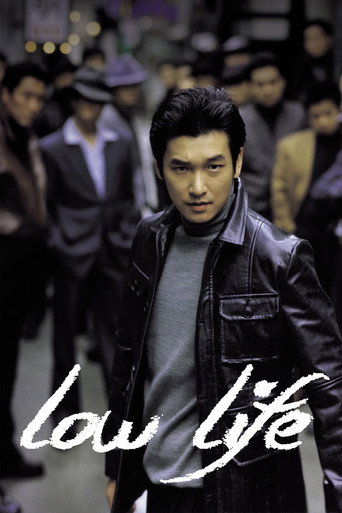
5.9A sprawling story of one man's tumultuous life within the context of the South Korean political situation during the second half of the 20th century.
Low Life
2004
Film credits
2020s · 2 titles
 7.5
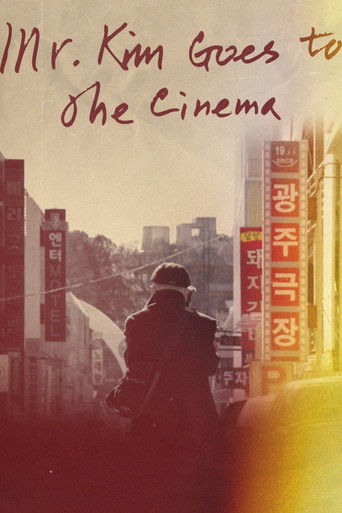
7.5After the COVID-19 pandemic, Busan International Film Festival founder Kim Dong-ho, at eighty-five, picks up a camcorder for the first time and decides to make a documentary. His lens turns toward cinemas struggling through the crisis, as beloved theaters vanish amid dwindling audiences. Seeking to reconnect with old friends, "Mr. Kim" — now nearing ninety — travels the world to talk with filmmakers and cinephiles. Through these encounters, he reflects on cinema’s past and future, finding wisdom and resilience in a time of transformation. His journey becomes a meditation on change, memory, and the enduring spirit of film.
Mr. Kim Goes to the Cinema
2026
 10.0
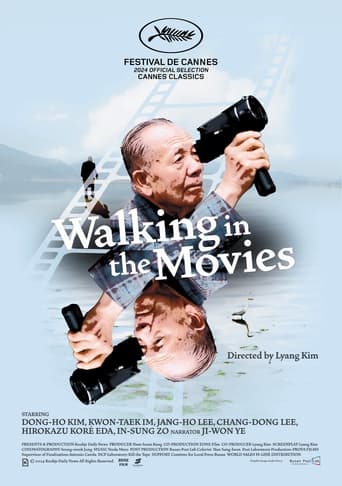
10.0KIM Dong-ho is the founder of the Busan International Film Festival and one of the key figures in the rise of Korean cinema. Starting his career as a civil servant, he dedicated his whole life to the sheer passion for films. With his deep commitment and instinctive creativity, he will keep “walking in the movies.”
Walking in the Movies
2024
2010s · 7 titles
 6.9
6.9Young is a nameless actor who dreams of becoming a big movie star. Then one day, he makes his breakthrough with a film and becomes a star overnight.
Rough Play
2013
 5.5
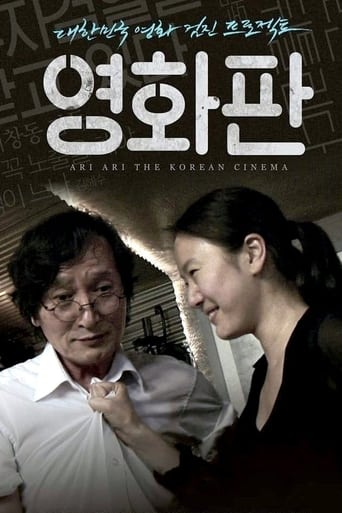
5.5Director Chung Ji-Young criticizes the thought that older directors have difficulties in making certain movies. Actress Yoon Jin-Seo agonizes over her identity as an actress. In 2009, before the movie "Unbowed" was made, they met and planned a documentary about Korean movies, including the processes a Korean movie goes through and difficulites. "Ari Ari the Korean Cinema" is a documentary with interviews of Korean directors, actors and actresses.
Ari Ari the Korean Cinema
2012
 6.3
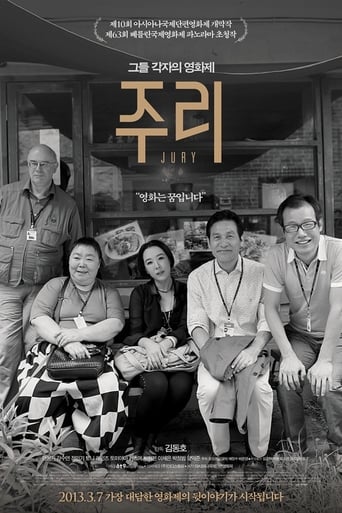
6.3After the film screening, five people hold a meeting. Director Jeong asserts that a film should move the heart. Actress Soo-yeon emphasizes on the message of the film, Film critic Tony just discusses about the current trend of Korean cinema. Tomiyama cannot fully express her thoughts because of the language barrier. And, the head of jury, Sung-ki can’t control the situation. Will this jury reach an agreement against all odds? A satire for those who make, watch, and criticize films is about to begin.
Jury
2013
 NR
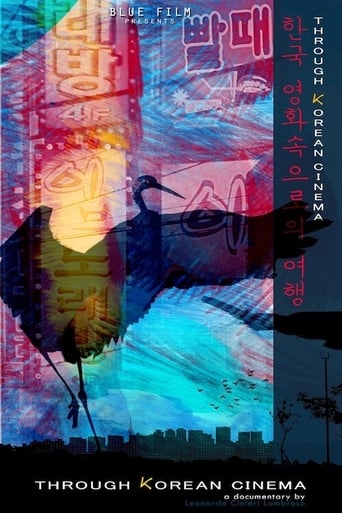
NRDiscover the roots of Korean cinema. A cinema who surprised by the success recorded in the major international festivals. Interviews to five famous Korean directors, to get to know closely the evolution of Korean cinema. Through their words, their pictures and their stories. The Korean cinema has tendency to describe both the society, the past and the modern. The world of west cinema knows these directors through the journey of some of their movies. What do we know about their thoughts, their life, their culture and their way of working? The documentary focus on it.
Through Korean Cinema
2010
 7.0
7.0IM Kwon-taek is a Korean film-maker. He was born in 1934 when his country was under Japanese occupation. When Korean War was over his parents became North Korean partisan, and he ran away from home. He’s made 101 films since he made his debut in 1962 with Farewell Doman River. He tasted the glory at Cannes Int’l Film Festival with Chiwhasun. However making the 102nd film seems harder than ever to this 80-year-old director. His 2 projects have been suspended. He still can’t find chance to make his 102nd film, but spends daily routine free from film-making. This is a recording of years that the film-maker spends without making a film.
Gravity of the Tea
2019
 7.0
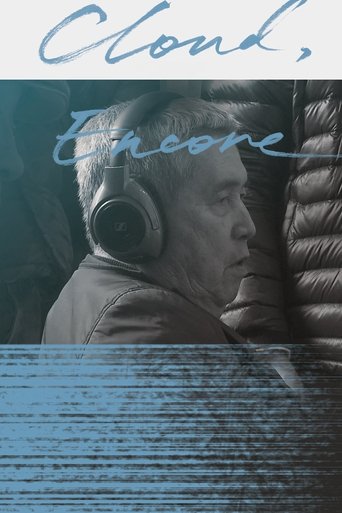
7.0At 6:00 in the morning on the 1st day of January in 2013 80-year-old film-maker IM Kwon-taek started shooting his 102nd film, after his unintentional 5 years’ break. I visited the shooting scene with my camera and had stayed there until the end of that year. I’ve always wanted to record IM’s shooting scene, as I believed that there we could find his secret manual which reflects the master’s large experience. I’ve been through heavy snow to witness funeral scene. I’ve also been to the west coast to follow funeral cortege in the film. It was an experience to put the life in the frame alongside with the death. When the next spring came, the shooting finally ended.
Cloud, Encore
2019
 NR
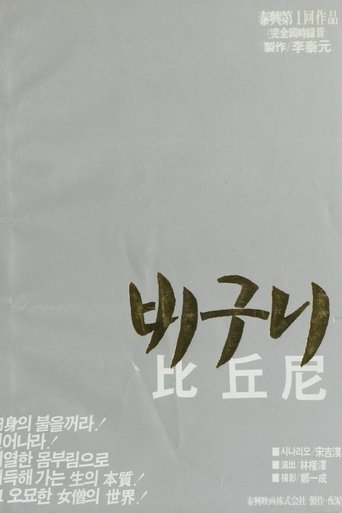
NRA partially restored version of Director Im Kwon-taek's Bhiksuni, which was halted in 1984 due to opposition from the Buddhist community. It contains the agony of a woman who has converted to Buddhism. The documentary, which is shown together with the partially restored version, contains the story of the production of Bhiksuni told by actress Kim Ji-mi, director Im Kwon-taek, cinematographer Jung Il-sung, and writer Song Gil-han.
Bhiksuni
2017
Series credits
Behind the camera
7.1A barren noblewoman encourages her husband to take a young peasant as a surrogate to secure the male line.
The Surrogate Womb
1987
7.0Jang Seung-eop, also known as "Chihwaseon," drinks and paints all day. Through Mae-hyang, he learns the meaning of fate, sees art beyond even the smallest things, and sets out for the path he seeks.
Chihwaseon
2002
7.0Jang Seung-eop, also known as "Chihwaseon," drinks and paints all day. Through Mae-hyang, he learns the meaning of fate, sees art beyond even the smallest things, and sets out for the path he seeks.
Chihwaseon
2002
5.2A young woman is tricked into prostitution, thinking she is going to sell beverages at a village store. She soon learns about the dark world of Korea's red-light districts, where their pimps and society exploit her.
Downfall
1997
5.2A young woman is tricked into prostitution, thinking she is going to sell beverages at a village store. She soon learns about the dark world of Korea's red-light districts, where their pimps and society exploit her.
Downfall
1997
6.9Based on the great river story, The Taebaek Mountains chronicles the lasting generational conflict between proprietors and peasants in South Korea.
The Taebaek Mountains
1994
5.9A sprawling story of one man's tumultuous life within the context of the South Korean political situation during the second half of the 20th century.
Low Life
2004
5.9A sprawling story of one man's tumultuous life within the context of the South Korean political situation during the second half of the 20th century.
Low Life
2004
 6.3
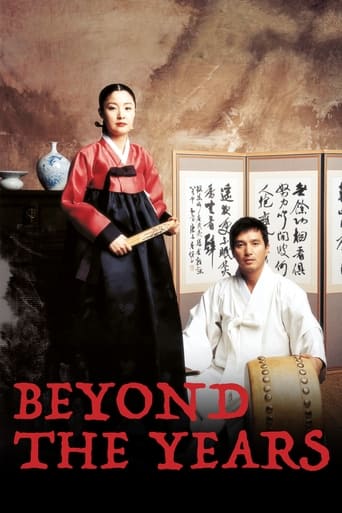
6.3A drama centered on brother-and-sister musicians trained to perform the epic Korean poems known as pansori.
Beyond the Years
2007
6.3A drama centered on brother-and-sister musicians trained to perform the epic Korean poems known as pansori.
Beyond the Years
2007
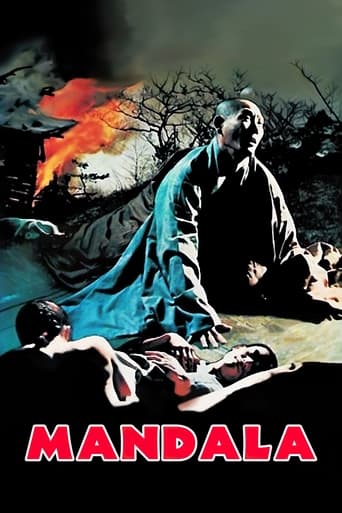 6.5
6.5A story that follows the lives and interactions of two Buddhist monks living in South Korea.
Mandala
1981
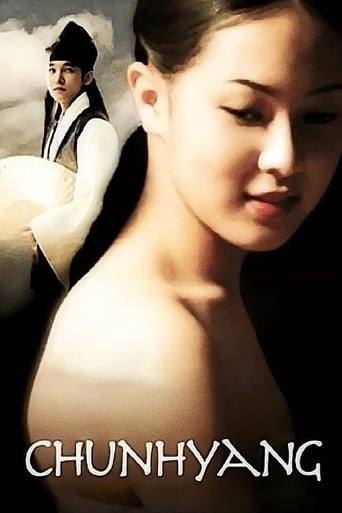 6.6
6.6Once at a pagoda Mongryong Lee, a scion of a well-to-do family, meets Chunhyang, the young daughter of a courtesan and an aristocrat. Despite her low social standing she is smart and well-educated. The young people fall in love and think about marriage so that they could always be together. Mongryong is soon to go to the capital to take the state civil service exam. They part and in Chunhyang's life there appears the greedy and lustful Byun Hak-do, who tries to seduce her.
Chunhyang
2000
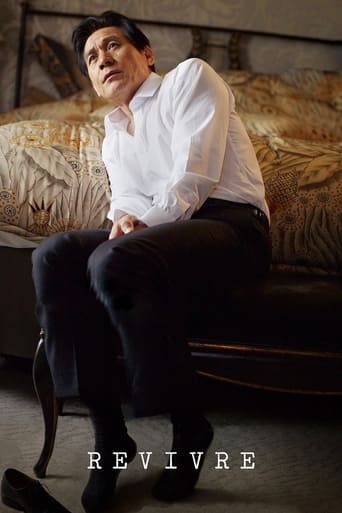 5.9
5.9A middle-aged man who has recently lost his wife to cancer indulges in fantasies about a young woman at his work, in the new film from Korean master Im Kwon-taek.
Revivre
2014
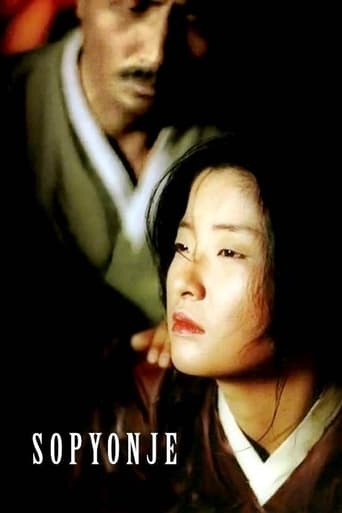 7.8
7.8Despite its falling popularity, a father teaches his two children the Korean musical tradition of Pansori (one singer accompanied by one drummer).
Sopyonje
1993
 4.0
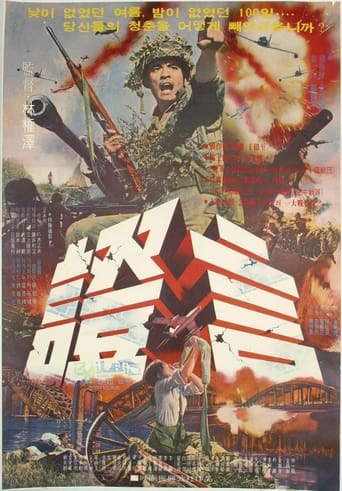
4.0June 25, 1950. When second lieutenant Jang has a date with his girl friend during weekend, numerous North Korean jet fighters make sudden air raids to the skies of Seoul. It is the beginning of Korean War. In spite of Korean Army's brave defense, North Korean army reddens South Korea with their state-of-the-art weapons. This movie describes the progress of war from the invasion in June 25, 1950 to the reclamation of territory on the basis of Sun-A's personal experience. Also this film reminds hard lessons from tragic history.
The Testimony
1974
 5.7
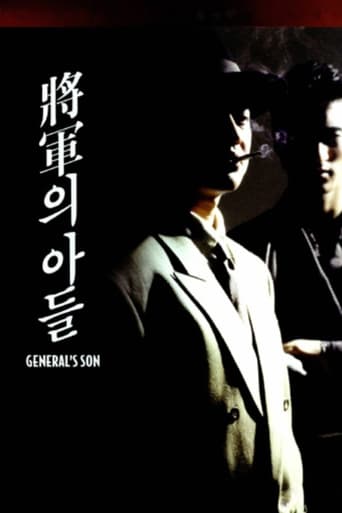
5.7In Japanese-occupied South Korea, a young man, newly-released from prison, is accepted into a gang for his fighting skills and quickly rises to the top. Based on the life of South Korean mobster and politician Kim Du-han.
General's Son
1990
 7.4
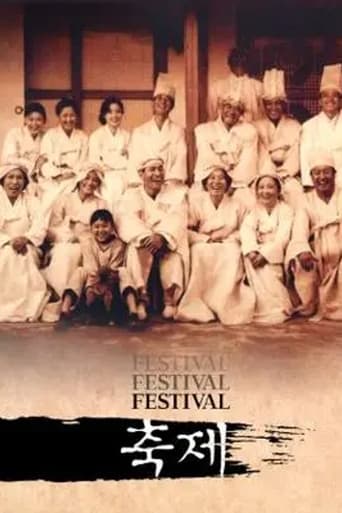
7.4While awaiting the publication of his fairytale about his dementia-stricken octogenarian mother, an acclaimed South Korean novelist receives news that she has passed away, so he leaves the city and returns to her village to take part in the funeral.
Festival
1996
 6.1
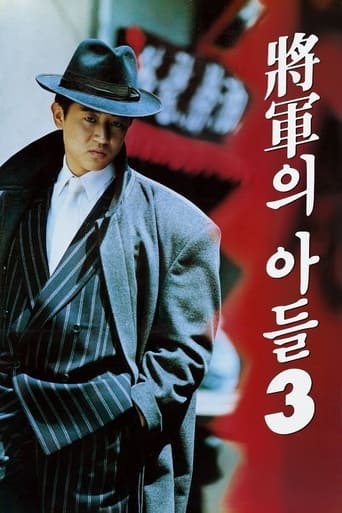
6.1Following the final events of General's Son 2, Kim Du-han is forced to go on the lam but eventually returns to Jongro where he attempts to rebuild his gang with the brothers that are still alive and loyal and defeat Hayashi's Yakuzas once and for all.
General's Son 3
1992
 7.0
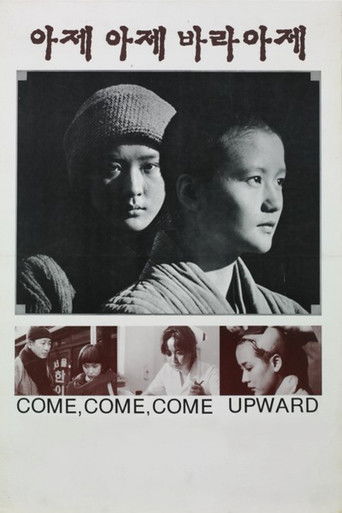
7.0Schoolgirl Sun Nyog suffers from pain and hardships, life and the world around her confuse the girl. Her father, a Buddhist monk, left them, the mother has totally neglected her daughter while her lover harasses the girl. One winter day Sun Nyog goes to the temple. She decides to study Buddhism and is ordained as a nun. In 1989 the film participated in the MIFF competition and won the Bronze St. George for Best Actress.
Come, Come, Come Upward
1989
 NR
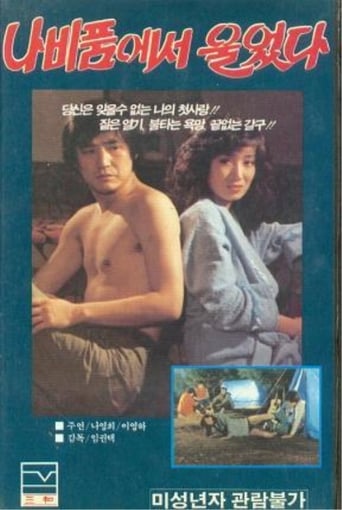
NRA beleaguered cabbie accompanies a mysterious and moody woman on an eventful journey across South Korea to find her long-lost lover.
Crying in a Butterfly's Embrace
1983
 7.2
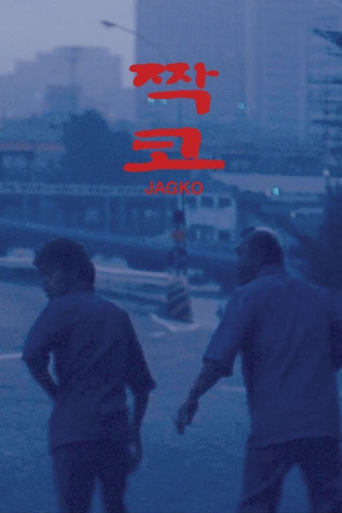
7.2In 1980s South Korea, a former cop, now in destitution, is placed in a rehabilitation center, where, by chance, he finds the Communist guerilla who had eluded his capture more than 30 years ago.
Jagko
1983
 6.6
6.6In mid-19th Century Korea, the people of Joseon Dynasty embrace the new religion Donghak. After the founder is executed, Choi Si-hyeong becomes Donghak’s second-generation leader and successfully propagates the religion, but in doing so becomes the object of oppression by the royal court.
Fly High, Run Far
1991
 6.5
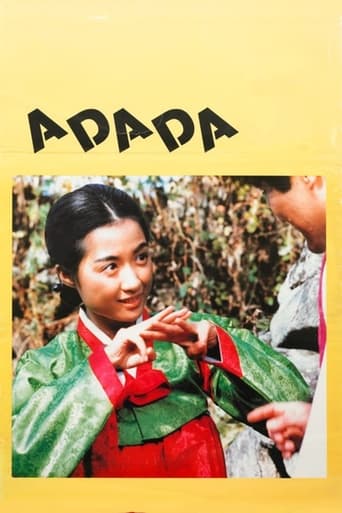
6.5Young-hwan who is the descendant of a fallen noble family takes pure and innocent Adada as his wife. Because of Young-hwan's selfish desires, Adada seeks out her childhood friend Su-ryong. But he, too, becomes a slave to desire. Adada protests and dies by drowning.
Adada
1987
 8.0
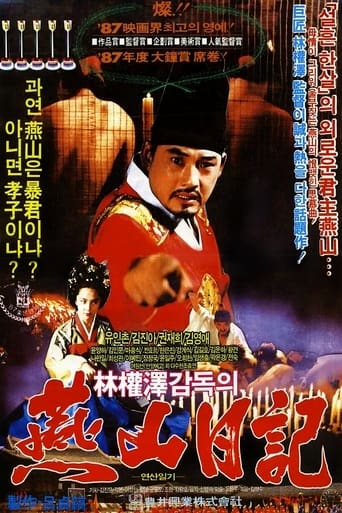
8.0A historical drama about the life of Prince Yeonsan of Joseon,.
The Diary of King Yonsan
1988
 6.0
6.0During the Japanese occupation of South Korea, a Japanese bureaucrat is ordered to persuade an influential Korean patriarch into obeying the law of changing his Korean surname to a Japanese one.
Genealogy
1979
 NR
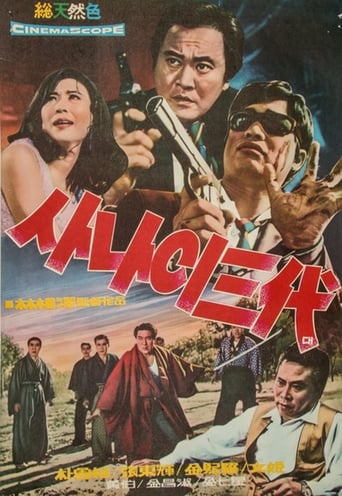
NRNo synopsis available yet.
Three Generations of Men
1969
 5.9
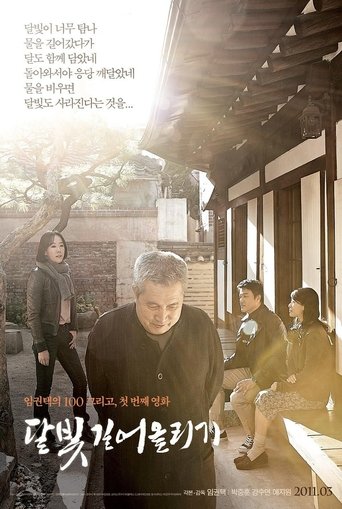
5.9Low-ranking civil servant Pil Yong (Park Joong Hoon) has things hard looking after his disabled wife(Ye Ji Won). He takes charge of a hanji project in hopes it will bring him a promotion. His wife comes from a family of hanji masters. One of his tasks include working with quarrelsome filmmaker Ji Won (Kang Su Yeon), who is shooting a documentary about hanji. Though he knows little about the subject to begin with, the more he learns about hanji, the more it takes on a new significance for him and the world around him.
Hanji
2011
5.9Low-ranking civil servant Pil Yong (Park Joong Hoon) has things hard looking after his disabled wife(Ye Ji Won). He takes charge of a hanji project in hopes it will bring him a promotion. His wife comes from a family of hanji masters. One of his tasks include working with quarrelsome filmmaker Ji Won (Kang Su Yeon), who is shooting a documentary about hanji. Though he knows little about the subject to begin with, the more he learns about hanji, the more it takes on a new significance for him and the world around him.
Hanji
2011
 9.5
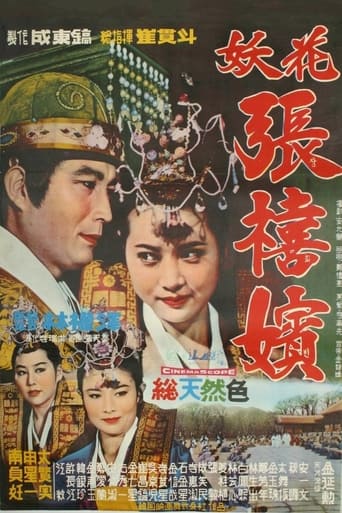
9.5King Sukjong assigns Jang Ok-nan, a court lady, as a concubine overnight. Jang plots to drive the current Queen into exile.
Femme Fatale, Jang Hee Bin
1968
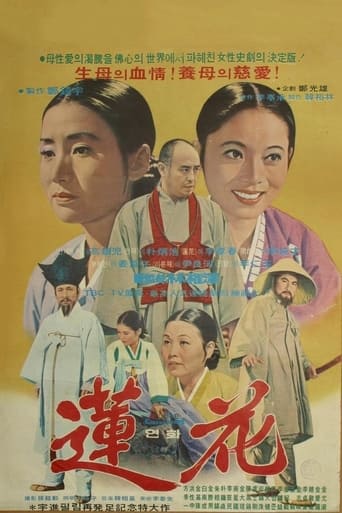 8.0
8.0No synopsis available yet.
Yeonhwa 2
1975
 5.4
5.4Upon being released from prison, Kim Du-han begins rebuilding his street gang in the face of Hayashi's Yakuzas and increasing Japanese influence.
General's Son 2
1991
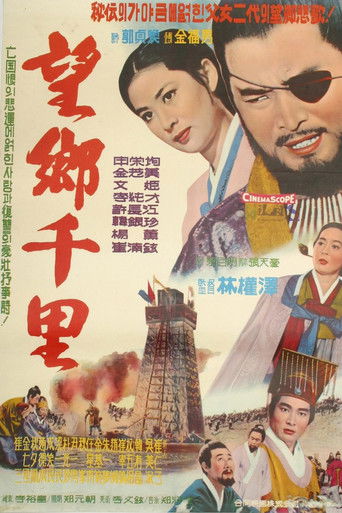 8.0
8.0No synopsis available yet.
Nostalgia
1967
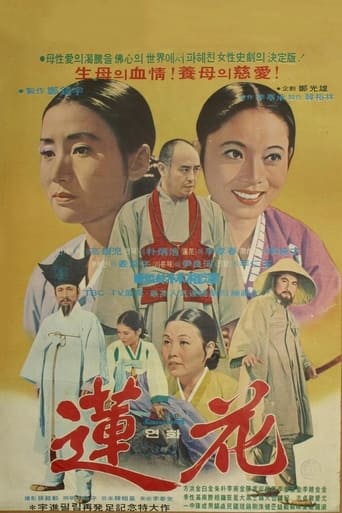 8.0
8.0No synopsis available yet.
Yeonhwa
1975
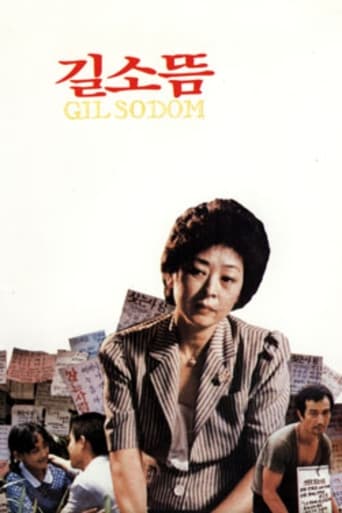 6.9
6.9A middle-aged woman in Busan searches for the son she lost in Gilsodom during the Korean War.
Gilsodom
1986
 5.2
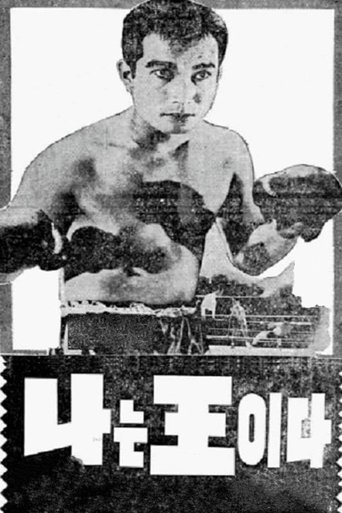
5.2Trainer Meng Doo-ho spots Young-chul in a bar fight and decides to turn him into a boxing champion.
I Am a King
1966
 9.0
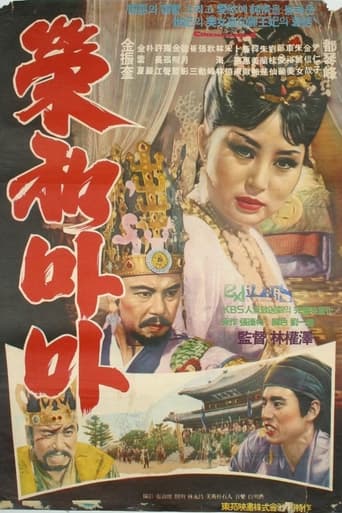
9.0At the close of the reign of Sin the Great in Goguryeo (B.C.37-A.D.668), royalist Uso is executed by a false incrimination made by a treacherous retainer Yangsin and his sister Jangssi. His daughter becomes a royal concubine of King Nammu, and called Her Majesty Yeonghwa. She revenges herself on the party of Yangsin. After the king passes away, she makes his brother Yeonu accede to the throne and has the whole country under her thumb. But she has no child. When the king begets a son from another woman, she dies of jealousy at last.
Her Majesty Yeonghwa
1964
 10.0
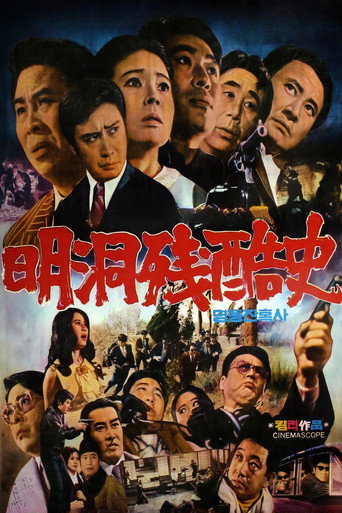
10.0An omnibus of three stories all taking place in the Myeongdong district of Seoul.
Cruel history of Myeong Dong
1972
 6.8
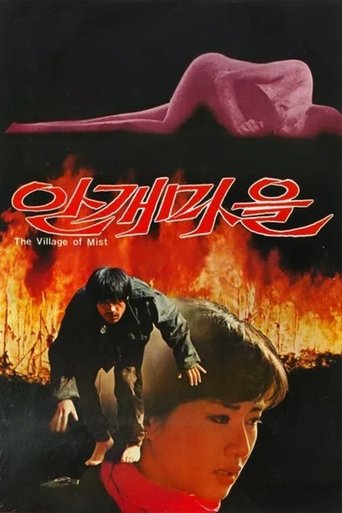
6.8A young South Korean woman moves to an isolated mountain village, where all of the villagers are related except for a mysterious vagabond, to take up her first teaching post.
The Village of Mist
1983
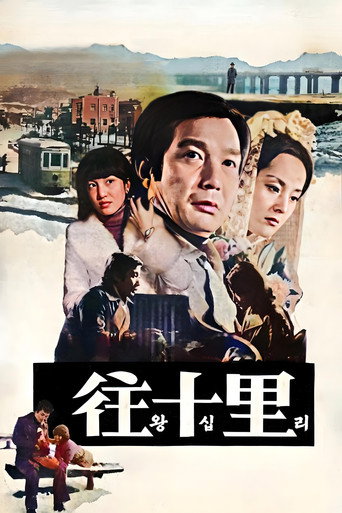 7.0
7.0After 14 years in Japan, a gangster returns to the Seoul neighborhood where he grew up and is forced to confront some difficult truths.
My Hometown
1976
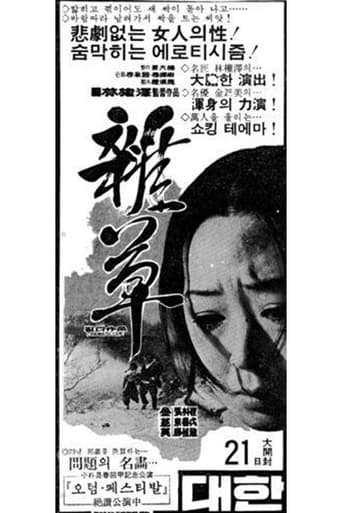 6.2
6.2A depiction of the life and fate of a physically weak woman who has strong maternal love.
Weeds
1973