

Acting
Yoshiko Yamaguchi
Born — Died
1920-02-12 — 2014-09-07
Place of birth
Fushun, Manchuria
Known for
Acting
Credits
51 titles
Yoshiko Yamaguchi (山口 淑子, Yamaguchi Yoshiko, February 12, 1920 – September 7, 2014), also known by her stage names Shirley Yamaguchi and Li Xianglan, is a China-born Japanese actress and singer who made a career in China, Japan, Hong Kong, and the United States. She was elected as a member of the Japanese Parliament in the 1970s and served for 18 years. Early in her career, the Manchukuo Film Association concealed her Japanese origin and she went by the Chinese name Li Hsiang-lan (李香蘭), rendered in Japanese as Ri Kōran. This allowed her to represent China in Japanese propaganda movies. After the war, she appeared in Japanese movies under her real name, as well as in several English language…
Known for
 6.8
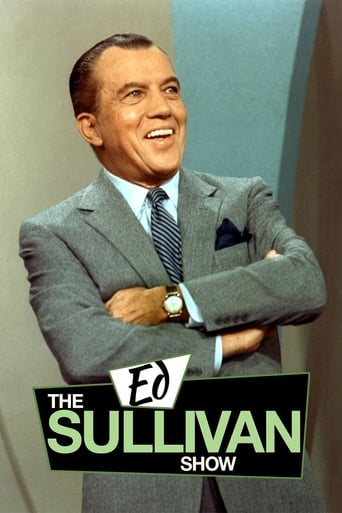
6.8The Ed Sullivan Show is an American TV variety show that originally ran on CBS from Sunday June 20, 1948 to Sunday June 6, 1971, and was hosted by New York entertainment columnist Ed Sullivan. It was replaced in September 1971 by the CBS Sunday Night Movie, which ran only one season and was eventually replaced by other shows. In 2002, The Ed Sullivan Show was ranked #15 on TV Guide's 50 Greatest TV Shows of All Time.
The Ed Sullivan Show
1948
 6.2
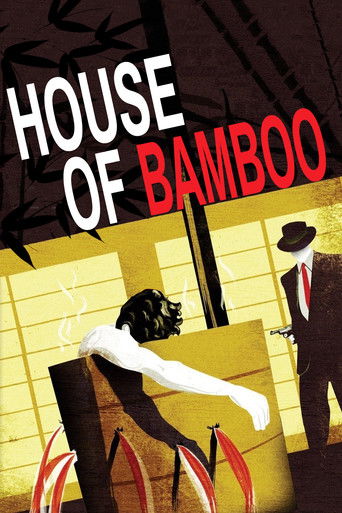
6.2Eddie Kenner is given a special assignment by the Army to get the inside story on Sandy Dawson, a former GI who has formed a gang of fellow servicemen and Japanese locals.
House of Bamboo
1955
 NR
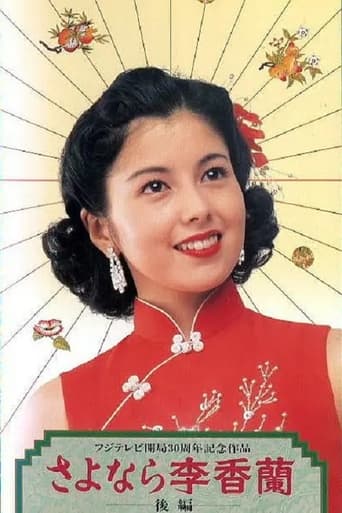
NRNo synopsis available yet.
さよなら李香蘭
1989
 6.1
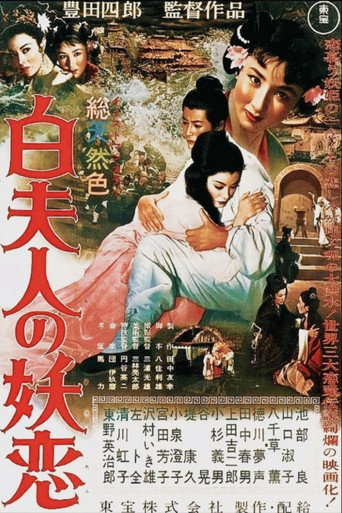
6.1Lavish Japanese-Chinese coproduction based on an ancient Chinese legend about a man who falls in love with a snake goddess in human form.
The Legend of the White Serpent
1956
 10.0
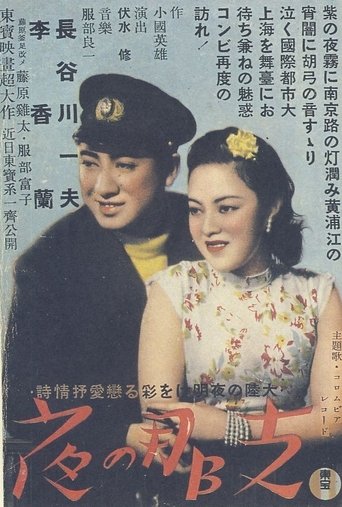
10.0Wartime propaganda filmed by the Japanese in occupied China, Shirley Yamaguchi portrays an orphan rescued from the streets by a kindly Japanese merchant marine officer. Part spy thriller and part Shanghai travelogue, it was part of a popular series known as "Chinese Continental Friendship" made by the occupying Japanese in China.
China Night
1940
 6.9
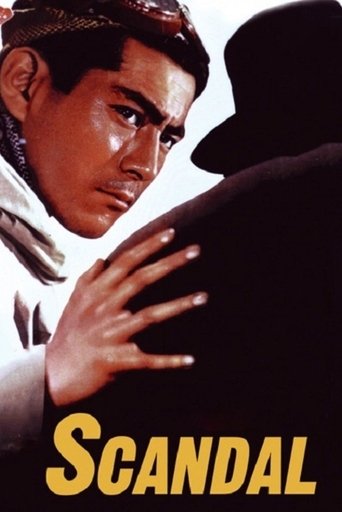
6.9A celebrity photograph sparks a court case as a tabloid magazine spins a scandalous yarn over a painter and a famous singer.
Scandal
1950
Film credits

1950s · 20 titles
6.2Eddie Kenner is given a special assignment by the Army to get the inside story on Sandy Dawson, a former GI who has formed a gang of fellow servicemen and Japanese locals.
House of Bamboo
1955
6.1Lavish Japanese-Chinese coproduction based on an ancient Chinese legend about a man who falls in love with a snake goddess in human form.
The Legend of the White Serpent
1956
6.9A celebrity photograph sparks a court case as a tabloid magazine spins a scandalous yarn over a painter and a famous singer.
Scandal
1950
 6.0
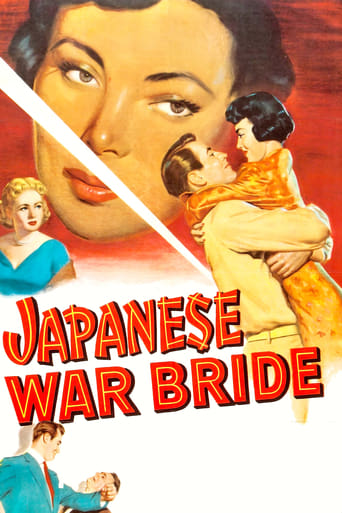
6.0A Korean war vet and his bride face subtle and sometimes extreme racism when they return to his home in rural California.
Japanese War Bride
1952
 9.0
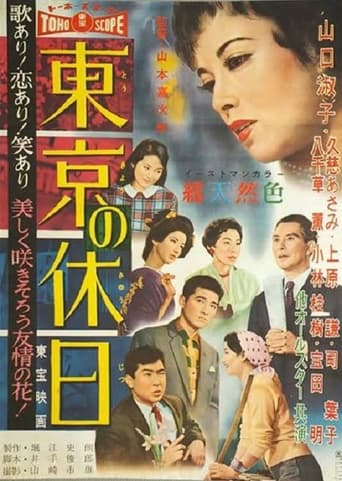
9.0May Kawaguchi is a famous Japanese fashion designer. Returning to Tokyo from her home in New York, she travels incognito with a tour group, in hopes of having a quiet vacation without being noticed. But she is spotted and the press has a field-day with the returning celebrity. Her hopes of rest shattered, she agrees to put on a large-scale fashion show.
Holiday in Tokyo
1958
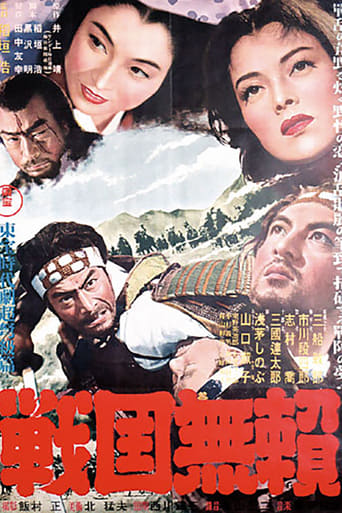 6.7
6.7Soldiers Hayate and Yaheiji secretly escape from their besieged castle. Hayate has left behind his lover, Kano. On his way, Hayate is wounded and cared for by O’Ryo, who falls in love with him. But when Hayate accidentally kills her caretaker, he flees, with O’Ryo in pursuit. Subsequently, Hayate's comrade Yaheiji falls in love with Oryo. Kano, the lover left behind by Hayate, believes him dead, and becomes involved with another soldier, Jurota. When Jurota defects to the opposing army, he takes Kano with him. A double set of love triangles has developed, wherein each man and each woman loves one and is loved by another. Finally only combat and self-sacrifice can untangle the weave.
Sword for Hire
1952
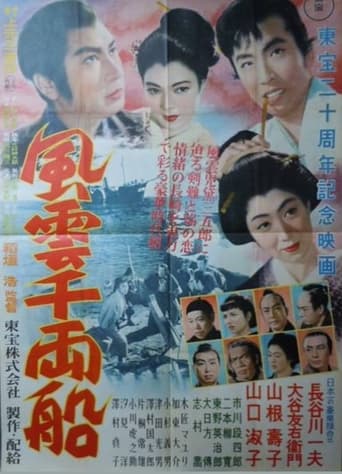 9.0
9.01952 Japanese movie
One Thousand Ryo Ship in the Wind and Clouds
1952
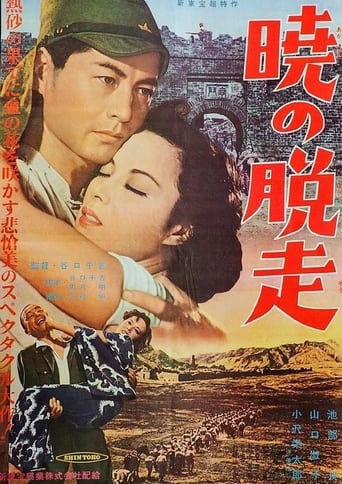 6.0
6.0Mikami, a Japanese soldier, is captured by Chinese forces. Although able to escape, he is treated with contempt by his peers. After falling in love with a prostitute named Harumi, she convinces him to desert the army and live with her.
Escape at Dawn
1950
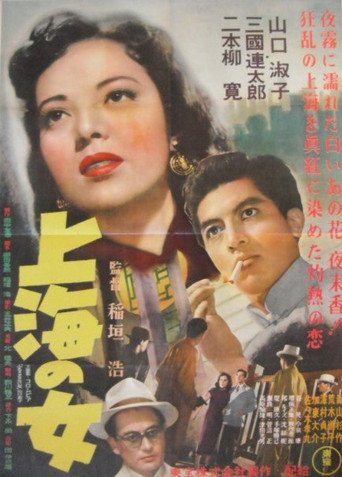 8.0
8.0No synopsis available yet.
Shanghai Rose
1952
 10.0
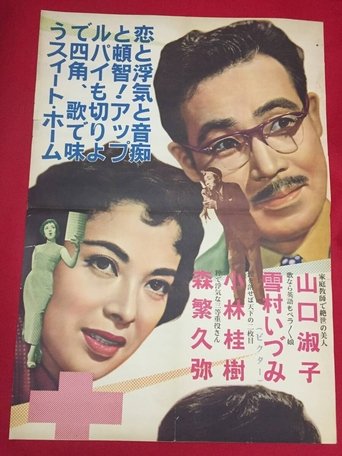
10.0The story follows a dysfunctional family whose daily life is thrown into chaos when an English tutor from abroad moves into their home. Her presence awakens hidden desires, jealousy, and emotional conflicts among the father, mother, and children, gradually transforming the entire household. At its heart, the film explores love, rivalry, and the longing for a new beginning.
Husband Comes Home Every Suturday
1954
 10.0
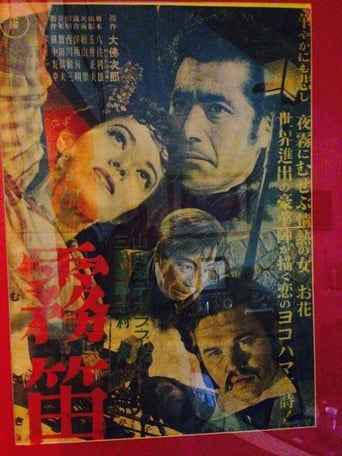
10.0A Japanese woman, the mistress of an American, falls in love with her servant.
Foghorn
1952
 10.0
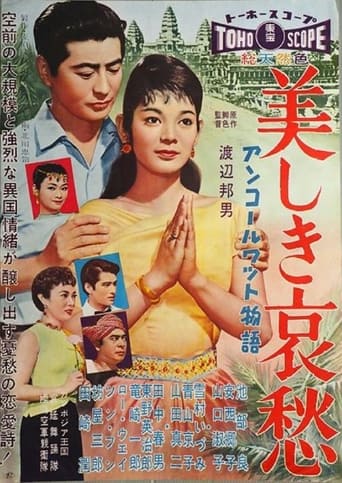
10.0A Japanese artist (Ikebe), who had won the favor of the Cambodian royal family when he rescued their daughter during World War II, returns and falls for the now-grown princess, though neither realizes the other's identity.
Angkor Wat Story - Beautiful Sadness
1958
 10.0
10.0John Gunther, a great traveler in many parts of the globe, presented on the American ABC channel the documentary program "John Gunther's High Road" from September 7, 1959 to October 1, 1960, namely 30 episodes. Two adventure trips filmed in distant places were broadcast: The first documentary film was shot exclusively for the show and the second film offered was a great classic adventure or exploit film by another director.
John Gunther's High Road
1959
1958 Toei movie.
The Nameless Man
1958
 10.0
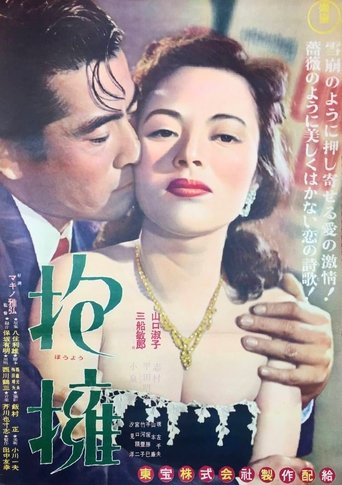
10.0Yukiko Nogami is rescued during a mountain blizzard by handsome forester Shinkichi, and the two subsequently fall in love. But when Shinkichi dies in an avalanche, Yukiko leaves the mountains in despair and takes a job in a bar where she becomes deeply involved in the personal lives of several of the patrons. One day she thinks she sees Shinkichi alive, but it turns out to be a gangster named Hayakawa, a man on the run who bears an astonishing resemblance to Yukiko's lost love. Against her better judgment, she is drawn to help Hayakawa, though clearly danger follows him.
The Last Embrace
1953
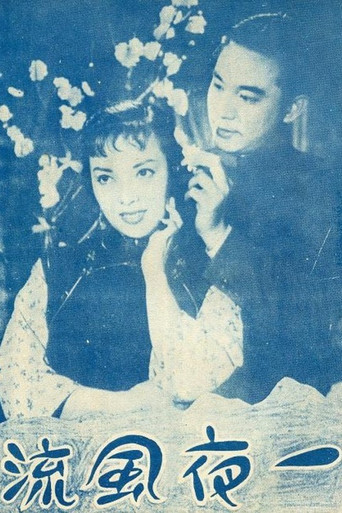 NR
NRNo synopsis available yet.
The Unforgettable Night
1958
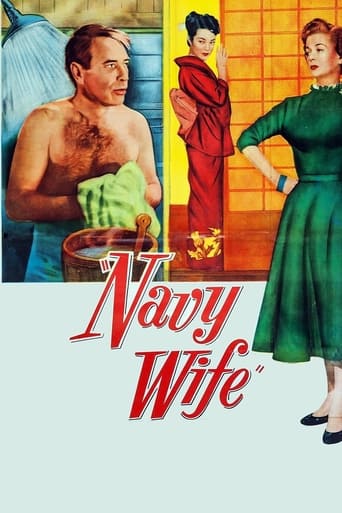 7.0
7.0Japanese women, seeng how well American soldiers stationed in their country treat their wives, demand the same from their husbands.
Navy Wife
1956
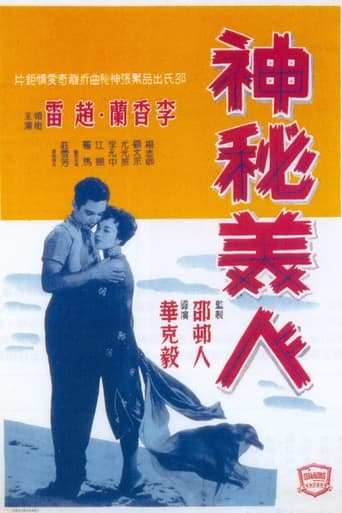 9.0
9.0Spies, Military Documents and Traitors.
The Lady of Mystery
1957
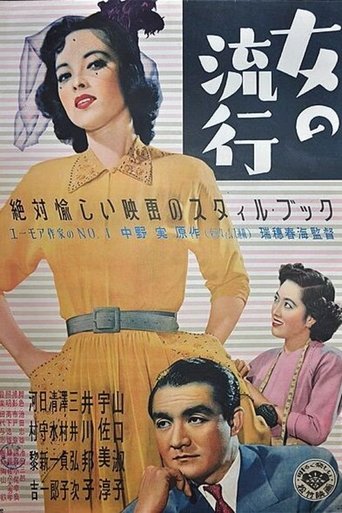 9.0
9.0No synopsis available yet.
Onna no ryūkō
1950
 10.0
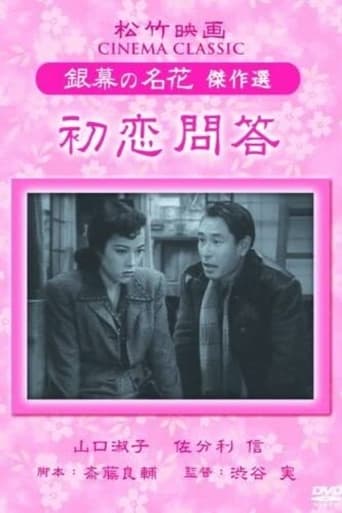
10.0No synopsis available yet.
First Love Questions and Answers
1950
1940s · 22 titles
10.0Wartime propaganda filmed by the Japanese in occupied China, Shirley Yamaguchi portrays an orphan rescued from the streets by a kindly Japanese merchant marine officer. Part spy thriller and part Shanghai travelogue, it was part of a popular series known as "Chinese Continental Friendship" made by the occupying Japanese in China.
China Night
1940
 7.0
7.0A legendary pre-war comedy operetta starring Enomoto Kenichi, Hideko Takamine and Li Xianglan. The Sanzo Ikkou continues its westward journey, on a mission to prevent a demonic resurrection. As Genjo Sanzo, Cho Hakkai, Sha Gojyo, and Son Goku (Kenichi Enomoto) fight their way to their goal, their path is fraught with internal strife.
The Monkey King
1940
 9.0
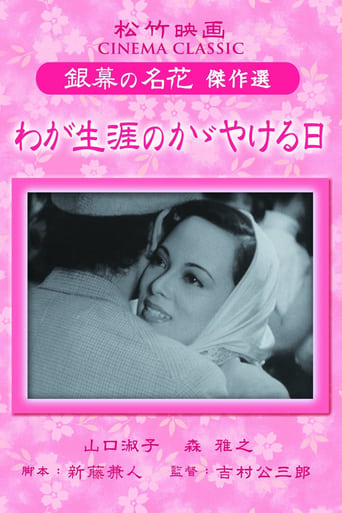
9.0Life and love in corrupt postwar Tokyo, as a young couple struggles against both the law and the mob.
The Most Beautiful Day of My Life
1948
 8.0
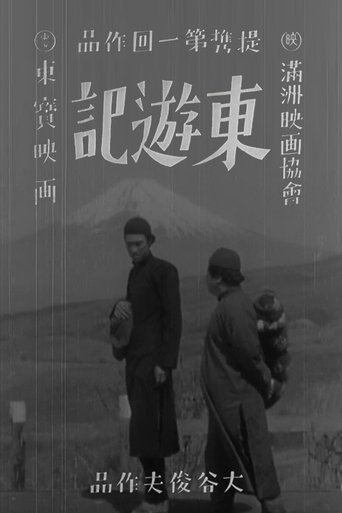
8.0Shot mostly in Tokyo, this comedy depicts two Chinese tourists who have travelled from their country to Japan in order to experience the latter country.
Travels to the East
1940
 8.0
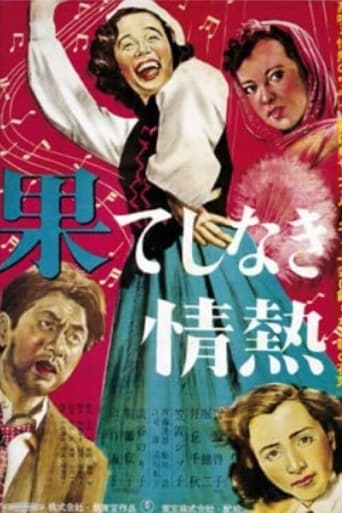
8.0No synopsis available yet.
Endless Passion
1949
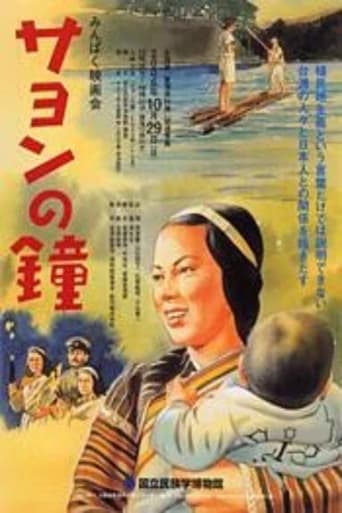 9.0
9.0Based on the true story of a 17-year old Atayal girl called Sayun Hayun from Nan'oku village, Giran district, Taihoku Prefecture (in current Taiwan) who went missing and was thought to have drowned whilst helping carry the luggage of her teacher Masaki Takita during a storm in 1938.
Sayon's Bell
1943
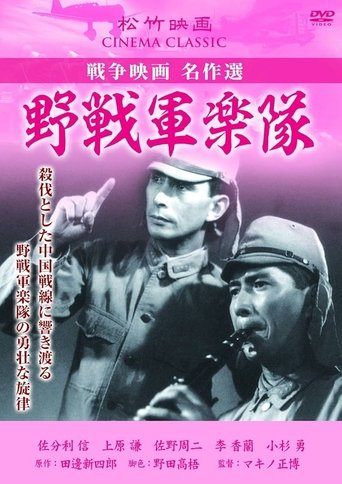 7.0
7.0No synopsis available yet.
Field Army Orchestra
1944
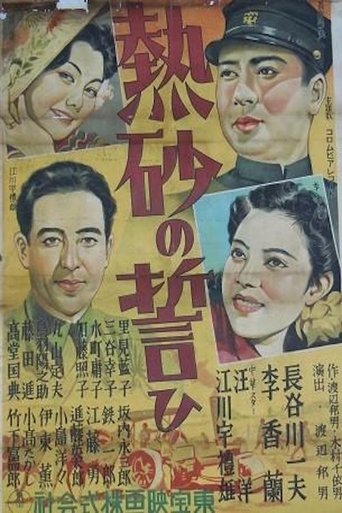 7.5
7.5A Japanese army engineer (Hasegawa) on the mainland must put his personal feelings for a beautiful Chinese woman (Ri) aside if he is to succeed at building a highway through the "bandit"- (aka anti-Japanese militia-) infested hinterlands.
Oath on the Burning Sands
1940
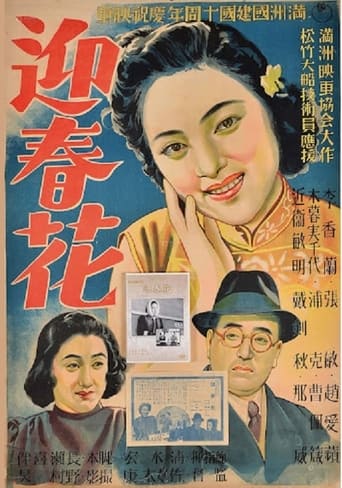 10.0
10.0An inept and recently graduated Japanese man begins working in the administration of Manchuria, under the supervision of his uncle. Meanwhile, he becomes acquainted with both a Japanese and Manchurian woman.
Winter Jasmine
1942
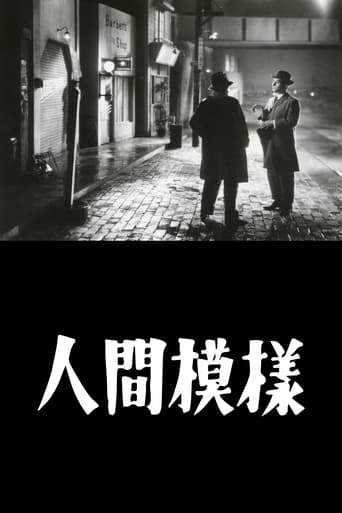 7.0
7.0A love triangle among a girl, her poor boyfriend, and a rich company president.
Ningen moyo
1949
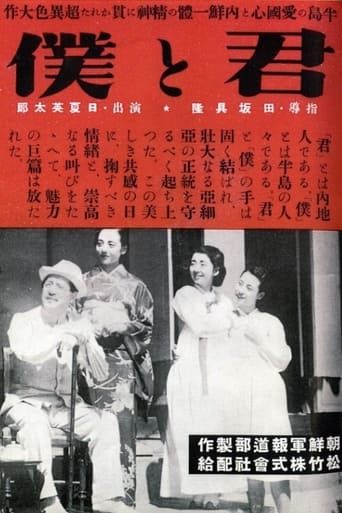 7.0
7.0No synopsis available yet.
You and I
1941
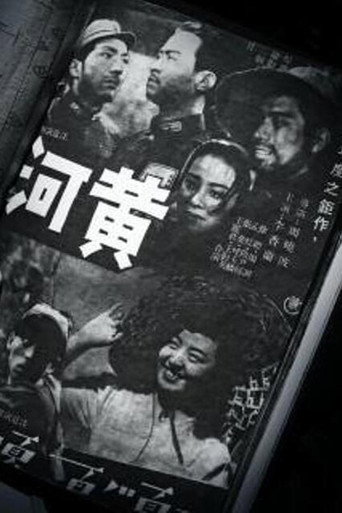 NR
NRShot on location in the war zone of Liuyuankou in the suburbs of Kaifeng, Henan Province.
The Yellow River
1942
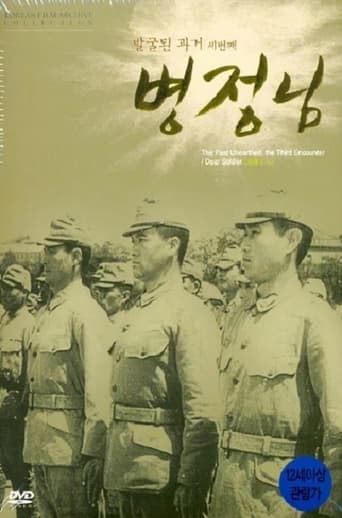 8.0
8.0Two Korean conscripts undergo Imperial Japanese Army training, much to the pleasure of their families.
Dear Soldier
1944
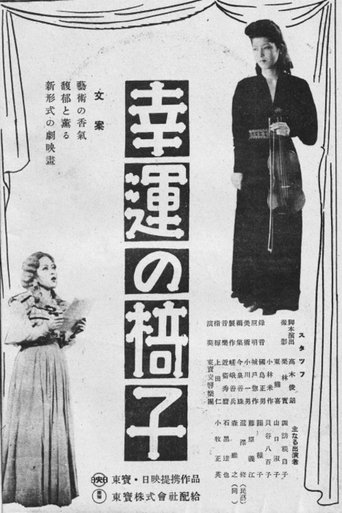 7.0
7.0No synopsis available yet.
The Lucky Chair
1948
A musical film marking Yoshiko Yamaguchi's debut at Daiei.
Jōnetsu no ningyo
1948
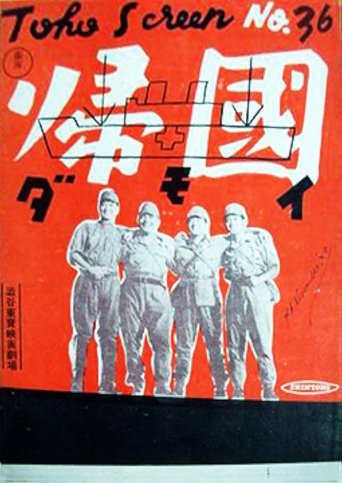 9.0
9.0No synopsis available yet.
Return
1949
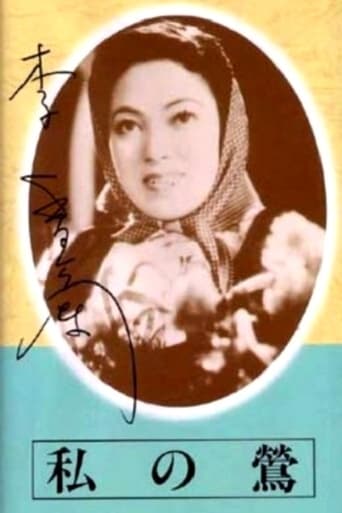 6.5
6.5Sumida is separated from his wife and daughter when conflict erupts in Harbin. Years later, he finds that his wife passed away and her daughter was adopted by his friends at the Russian opera company.
My Nightingale
1944
 9.0
9.0Based on that testimony, an investigation is launched in the entertainment district, and through a brief conversation between Toda and Nanako at the cabaret "R-Red," it becomes apparent that her lover, Kaneda, is suspicious. Toda and Kaneda are, in fact, members of the gang currently being frantically pursued by the Metropolitan Police. Their leader is a ruthless man named Yoshio Matsui, known as "Tetsu the Murakumo," who has his mistress, Aiko, working as a singer at this cabaret. Kaneda, using his leg injury caused by Detective Mishima as leverage, demands a large sum of money from Tetsu, but is instead met with gunfire from Tetsu's gang. Upon hearing the gunshots, Officer Fujita, who was patrolling nearby, gives chase. As Kaneda lies dying, he reveals the truth before drawing his last breath. With this near-confirmation, Fujita puts out an all-points bulletin for Tetsu.
Shooting Star
1949
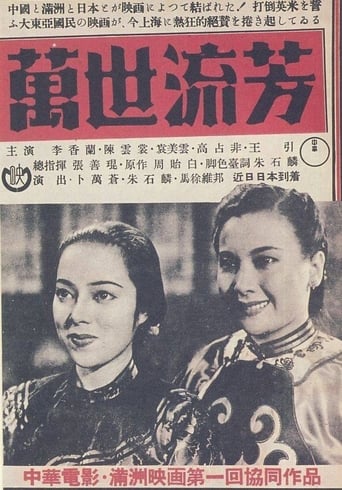 8.0
8.0The life and story of Lin Zexu and the First Opium War.
Eternity
1943
 10.0
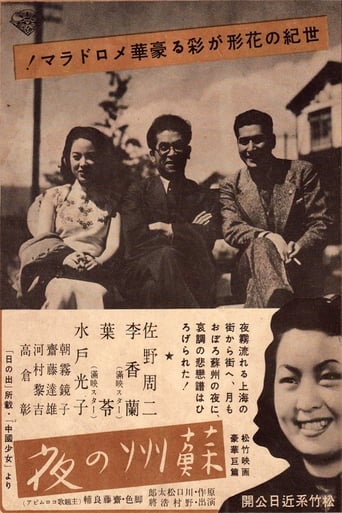
10.0A hostile Chinese nurse (Yamaguchi) who works in an orphanage is won over by the care and commitment of the Japanese doctor (Sano) who treats her wards. Disease outbreaks and family obligations, however, threaten to torpedo their budding romance.
Suzhou Nights
1941
 NR
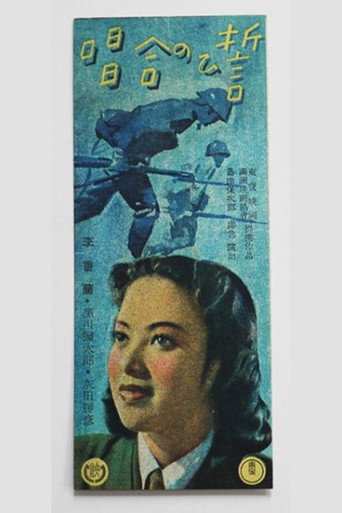
NR1943 japanese movie.
Chorus of Prayer
1943
 NR
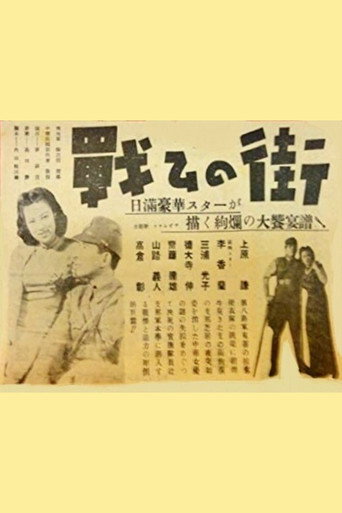
NRNo synopsis available yet.
The Fighting Street
1943
1930s · 5 titles
 NR
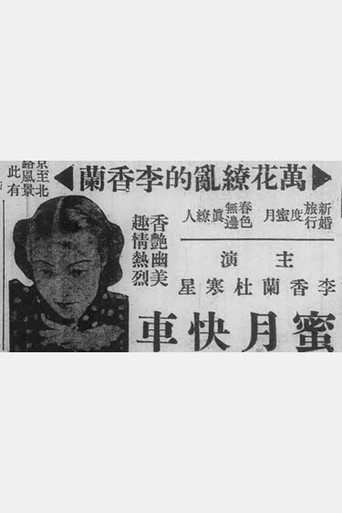
NRThis film was Japanese-Chinese Yamaguchi Yoshiko's screen debut and was filmed with the participation of an entirely Chinese cast.
Honeymoon Express
1938
Song of the White Orchid was a co-production of Toho and Mantetsu, the railway that served the colonial region of Manchuria, and the first film in the Kazuo Hasegawa/Shirley Yamaguchi (Ri Koran) “Continental Trilogy.” Handsome Hasegawa (representing Japan) runs up against an impertinent Yamaguchi (representing the continent); not surprisingly, in the course of the film the woman comes around and realizes the benevolent intentions of the Japanese. In Song of the White Orchid Yamaguchi leaves Hasegawa, who plays an expatriate working for the railway, because of a misunderstanding. She joins a communist guerilla group plotting to blow up the Manchurian railway. Learning of the subterfuge that led to the misunderstanding, she renews her faith in Hasegawa—and by extension Japan—and tries to undermine the plot.
Song of the White Orchid
1939
 NR
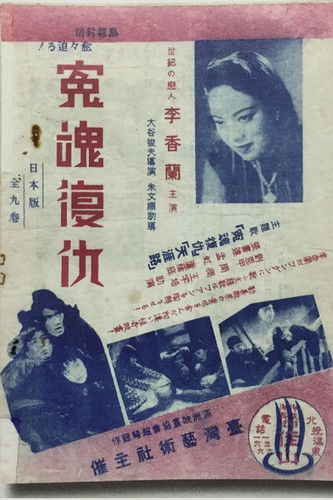
NRNo synopsis available yet.
Retribution of the Vengeful Spirit
1939
 NR
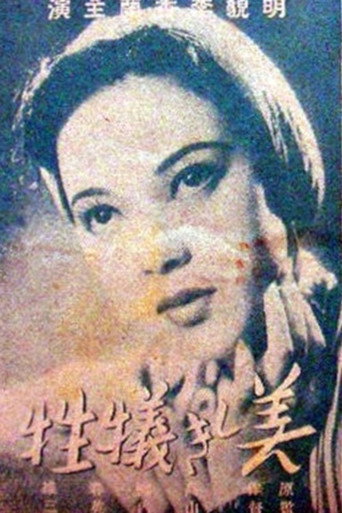
NRFilm about a police force exposing the activities of a group of smugglers.
Blood of Arms and Heart of Wisdom
1939
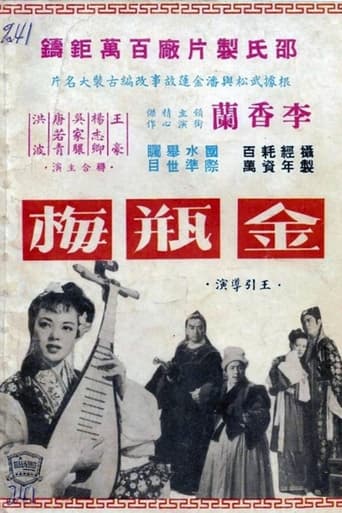
Satire about the fate of several people who received an extraordinary sum of money.
The Spring Dream of Great Fortune
1939
Series credits
6.8The Ed Sullivan Show is an American TV variety show that originally ran on CBS from Sunday June 20, 1948 to Sunday June 6, 1971, and was hosted by New York entertainment columnist Ed Sullivan. It was replaced in September 1971 by the CBS Sunday Night Movie, which ran only one season and was eventually replaced by other shows. In 2002, The Ed Sullivan Show was ranked #15 on TV Guide's 50 Greatest TV Shows of All Time.
The Ed Sullivan Show
1948
NRNo synopsis available yet.
さよなら李香蘭
1989