
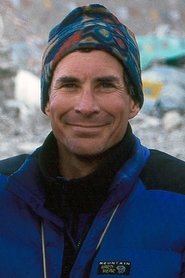
Directing
David Breashears
Born — Died
1955-12-20 — 2024-03-14
Place of birth
Fort Benning, Georgia, USA
Known for
Directing
Credits
16 titles
David Finlay Breashears, born December 20, 1955, in Fort Benning, Georgia, and died March 14, 2024, in Marblehead, Massachusetts, was an American mountaineer, filmmaker, author, and lecturer. The son of an army officer, he grew up moving regularly, eventually settling in Denver with his mother, where he developed a passion for climbing and the mountains at an early age. As a young man, he spent long hours at the Denver library, learning about great mountaineers to plan his own adventures. In 1983, Breashears made history by broadcasting the first live television images from the summit of Mount Everest. In 1985, he became the first American to reach the summit twice, during the expedition wi…
Known for
 6.5
6.5Since it began in 1983, Frontline has been airing public-affairs documentaries that explore a wide scope of the complex human experience. Frontline's goal is to extend the impact of the documentary beyond its initial broadcast by serving as a catalyst for change.
Frontline
1983
 NR
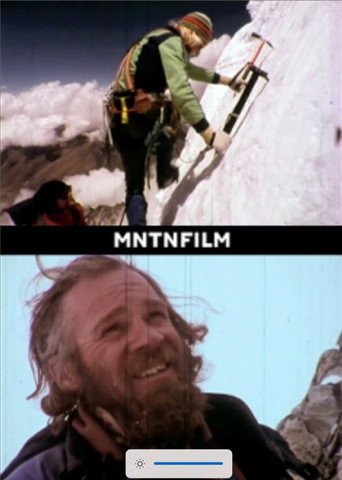
NRAma Dablam is a documentary about alpinism that takes place on Ama Dablam. It was directed by Roger C. Brown in 1979 and produced by ABC. It is a part of the series The American Sportsman. It features Tom Frost, Greg Lowe, Jeff Lowe, Tex Bossier, Martin Boysen, David Breashears and others.
Ama Dablam
1979
 10.0
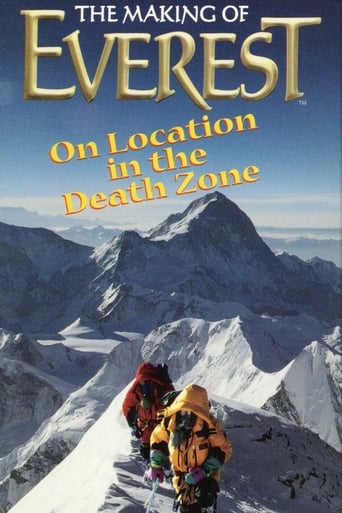
10.0How was this IMPOSSIBLE movie actually filmed? Photographing the world's largest mountain in the world's largest film format demanded more than just strength and courage; it required dedication and purpose. During shooting, our filming schedule took an unexpected turn when eight climbers from other expeditions died in a sudden storm high on the mountain. Safe from the disaster, our film team helped launch a rescue. Re-live the events of those dramatic days which captured the world's attention, and hear about our team's heroic ascent of EVEREST to photograph the first large format film images from the top of the world. Summit day was heartfelt, especially for our climbing leader, Jamling Norgay, whose father is a Sherpa climbing legend. A devout Buddhist, Jamling deeply respects the mountain and its deities. The tragedy and triumph of Jamling's team reminds us of the importance and presence of spirit, not just on the mountain, but everywhere and always.
The Making of Everest
1998
 7.4
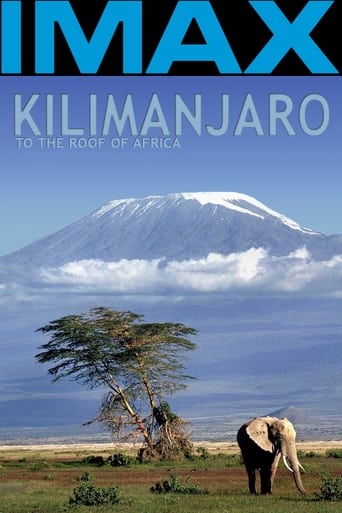
7.4Follows five trekkers and a local Chagga guide to the top of Kilimanjaro, the largest freestanding mountain in the world. Along their journey this diverse group of trekkers encounter strange landscapes and endure harsh conditions as they travel through five climate zones ranging from the lower rainforest reaches of Kilimanjaro to the summit's arctic glaciers.
Kilimanjaro - To the Roof of Africa
2002
 6.7
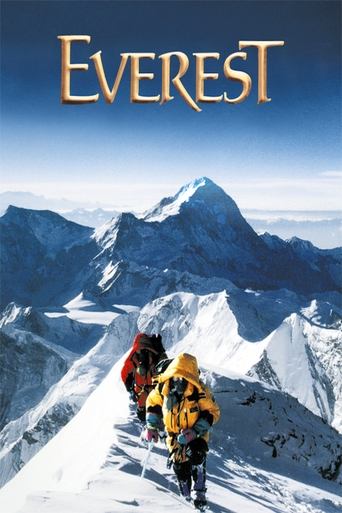
6.7An international team of climbers ascends Mt. Everest in the spring of 1996. The film depicts their lengthy preparations for the climb, their trek to the summit, and their successful return to Base Camp. It also shows many of the challenges the group faced, including avalanches, lack of oxygen, treacherous ice walls, and a deadly blizzard.
Everest
1998
 7.5
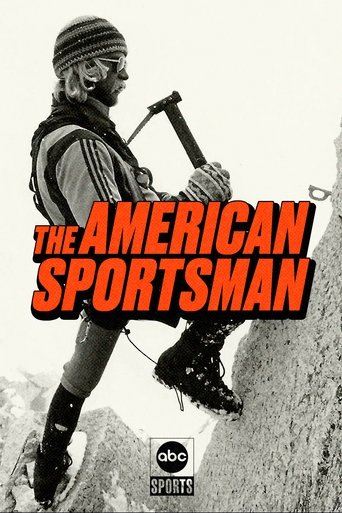
7.5The American Sportsman was an American television series on ABC that aired from 1965 to 1986 and pioneered the outdoor sports and recreation genre. Hosted by Joe Foss and later the famous Curt Gowdy, the show featured hunting, fishing, and other outdoor adventures every Sunday, often with celebrities from film, sports, or music. The show consisted of filmed reports where the hosts and celebrity guests participated in outdoor activities: freshwater and saltwater fishing, hunting, whitewater kayaking, hang gliding, and even rock climbing. The crew traveled across the United States, Canada, and sometimes abroad, capturing the spirit of adventure and exploration.
The American Sportsman
—
Film credits
2000s · 3 titles
 9.0
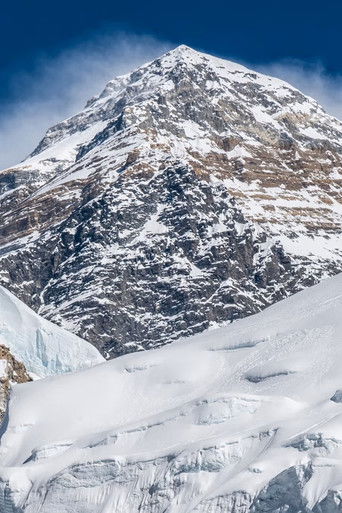
9.0On June 8, 1924, near the summit of the highest peak on earth, British climber George Leigh Mallory vanished into the clouds and instantly became a legendary figure. Did Mallory and his companion actually make it to the top of Everest?
Lost On Everest
2000
 8.2
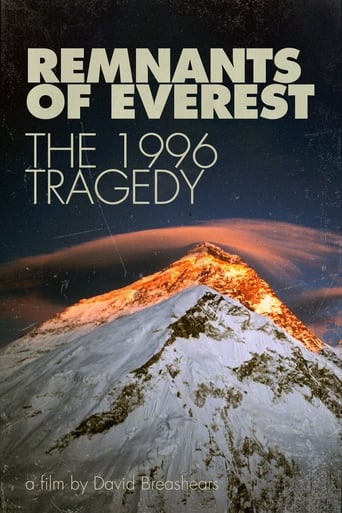
8.2As darkness fell on May 10, 1996, a fast-moving storm of unimaginable ferocity trapped three climbing teams on the slopes of Mount Everest. The climbers, exhausted from their ascent to the summit, were soon lost in the dark, in a ferocious blizzard, far from the safety of High Camp at 26,000 feet. This film tells the story of the five climbers who perished in this storm, marking the worst climbing tragedy in the history of Mount Everest. But most remarkably, it's the story of eleven climbers caught in the storm, and eyewitness accounts of their astonishing survival in the world's most unforgiving environment.
Remnants of Everest: The 1996 Tragedy
2007
 8.0
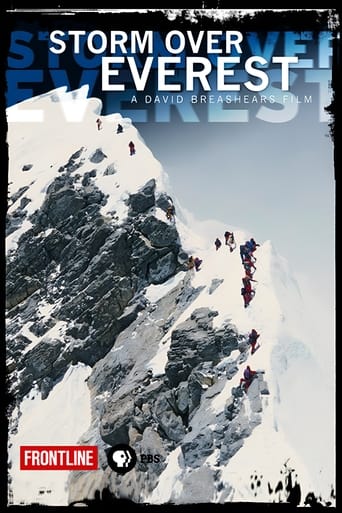
8.0As darkness fell on May 10, 1996, a fast moving storm of unimaginable ferocity trapped three climbing teams high on the slopes of Mount Everest. The climbers, exhausted from their summit climb, were soon lost in darkness, in a fierce blizzard, far from the safety of High Camp at 26,000 feet. World-renowned climber and filmmaker David Breashears, who aided the rescue efforts back in 1996, now returns to Everest to tell the fuller story of what really happened on that legendary climb. Through remarkably intimate interviews with the climbers and Sherpas many who have never spoken before on American television Breashears sheds new light on the worst climbing tragedy in Mount Everest s history.
Storm Over Everest
2008
1990s · 4 titles
10.0How was this IMPOSSIBLE movie actually filmed? Photographing the world's largest mountain in the world's largest film format demanded more than just strength and courage; it required dedication and purpose. During shooting, our filming schedule took an unexpected turn when eight climbers from other expeditions died in a sudden storm high on the mountain. Safe from the disaster, our film team helped launch a rescue. Re-live the events of those dramatic days which captured the world's attention, and hear about our team's heroic ascent of EVEREST to photograph the first large format film images from the top of the world. Summit day was heartfelt, especially for our climbing leader, Jamling Norgay, whose father is a Sherpa climbing legend. A devout Buddhist, Jamling deeply respects the mountain and its deities. The tragedy and triumph of Jamling's team reminds us of the importance and presence of spirit, not just on the mountain, but everywhere and always.
The Making of Everest
1998
6.7An international team of climbers ascends Mt. Everest in the spring of 1996. The film depicts their lengthy preparations for the climb, their trek to the summit, and their successful return to Base Camp. It also shows many of the challenges the group faced, including avalanches, lack of oxygen, treacherous ice walls, and a deadly blizzard.
Everest
1998
 7.0
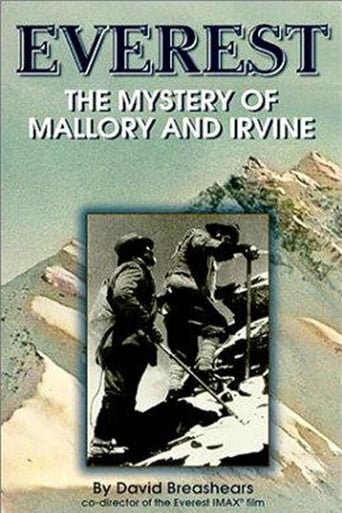
7.0NOVA documentary inquiring into the fate of early Everest explorers George Mallory and Sandy Irvine
Everest: The Mystery of Mallory and Irvine
1999
 6.9
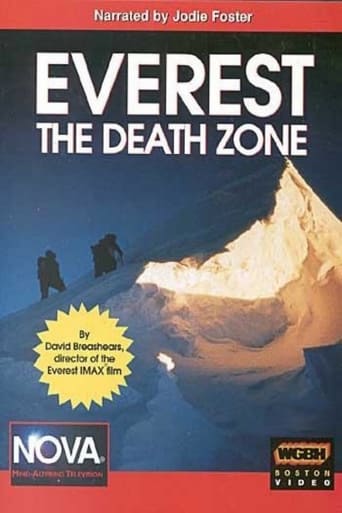
6.9Get ready for a (literally) breathtaking trek up Mt. Everest, from Base Camp at 17,600 feet; through the chilling, corpse-strewn Death Zone; to the very pinnacle of the the Earth, five and a half miles above sea level. For those brave souls who survive the harrowing climb to the top of the world, it is a transformative experience. But can the excruciating ascent—through frigid cold, blasting wind, blinding sun, and severe lack of oxygen—cause permanent, damaging changes to the human brain and body? In the wake of the 1996 disaster that took eight climbers in a single day, scientists follow a team of hikers to measure, for the first time ever, the toll high-altitude climbing takes on the heart, lungs, blood, and brain. Why do seemingly rational people make poor, sometimes fatal decisions as they approach the peak? And the danger doesn’t end there—as NOVA discovers during the descent, when one climber's respiratory illness takes a terrifying turn on the isolated mountainside.
Everest: The Death Zone
1998
Series credits
6.5Since it began in 1983, Frontline has been airing public-affairs documentaries that explore a wide scope of the complex human experience. Frontline's goal is to extend the impact of the documentary beyond its initial broadcast by serving as a catalyst for change.
Frontline
1983
7.5The American Sportsman was an American television series on ABC that aired from 1965 to 1986 and pioneered the outdoor sports and recreation genre. Hosted by Joe Foss and later the famous Curt Gowdy, the show featured hunting, fishing, and other outdoor adventures every Sunday, often with celebrities from film, sports, or music. The show consisted of filmed reports where the hosts and celebrity guests participated in outdoor activities: freshwater and saltwater fishing, hunting, whitewater kayaking, hang gliding, and even rock climbing. The crew traveled across the United States, Canada, and sometimes abroad, capturing the spirit of adventure and exploration.
The American Sportsman
—
Behind the camera
7.4Follows five trekkers and a local Chagga guide to the top of Kilimanjaro, the largest freestanding mountain in the world. Along their journey this diverse group of trekkers encounter strange landscapes and endure harsh conditions as they travel through five climate zones ranging from the lower rainforest reaches of Kilimanjaro to the summit's arctic glaciers.
Kilimanjaro - To the Roof of Africa
2002
6.7An international team of climbers ascends Mt. Everest in the spring of 1996. The film depicts their lengthy preparations for the climb, their trek to the summit, and their successful return to Base Camp. It also shows many of the challenges the group faced, including avalanches, lack of oxygen, treacherous ice walls, and a deadly blizzard.
Everest
1998
8.2As darkness fell on May 10, 1996, a fast-moving storm of unimaginable ferocity trapped three climbing teams on the slopes of Mount Everest. The climbers, exhausted from their ascent to the summit, were soon lost in the dark, in a ferocious blizzard, far from the safety of High Camp at 26,000 feet. This film tells the story of the five climbers who perished in this storm, marking the worst climbing tragedy in the history of Mount Everest. But most remarkably, it's the story of eleven climbers caught in the storm, and eyewitness accounts of their astonishing survival in the world's most unforgiving environment.
Remnants of Everest: The 1996 Tragedy
2007
8.2As darkness fell on May 10, 1996, a fast-moving storm of unimaginable ferocity trapped three climbing teams on the slopes of Mount Everest. The climbers, exhausted from their ascent to the summit, were soon lost in the dark, in a ferocious blizzard, far from the safety of High Camp at 26,000 feet. This film tells the story of the five climbers who perished in this storm, marking the worst climbing tragedy in the history of Mount Everest. But most remarkably, it's the story of eleven climbers caught in the storm, and eyewitness accounts of their astonishing survival in the world's most unforgiving environment.
Remnants of Everest: The 1996 Tragedy
2007
8.0As darkness fell on May 10, 1996, a fast moving storm of unimaginable ferocity trapped three climbing teams high on the slopes of Mount Everest. The climbers, exhausted from their summit climb, were soon lost in darkness, in a fierce blizzard, far from the safety of High Camp at 26,000 feet. World-renowned climber and filmmaker David Breashears, who aided the rescue efforts back in 1996, now returns to Everest to tell the fuller story of what really happened on that legendary climb. Through remarkably intimate interviews with the climbers and Sherpas many who have never spoken before on American television Breashears sheds new light on the worst climbing tragedy in Mount Everest s history.
Storm Over Everest
2008
8.0As darkness fell on May 10, 1996, a fast moving storm of unimaginable ferocity trapped three climbing teams high on the slopes of Mount Everest. The climbers, exhausted from their summit climb, were soon lost in darkness, in a fierce blizzard, far from the safety of High Camp at 26,000 feet. World-renowned climber and filmmaker David Breashears, who aided the rescue efforts back in 1996, now returns to Everest to tell the fuller story of what really happened on that legendary climb. Through remarkably intimate interviews with the climbers and Sherpas many who have never spoken before on American television Breashears sheds new light on the worst climbing tragedy in Mount Everest s history.
Storm Over Everest
2008