
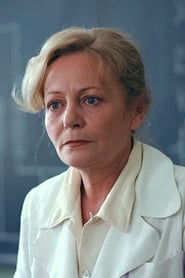
Acting
Hédi Temessy
Born — Died
1925-05-06 — 2001-05-29
Place of birth
Budapest, Hungary
Known for
Acting
Credits
58 titles
Known for
 10.0
10.0The story takes place during World War II. Vitay Georgina is enrolled by her father, General Vitay, in the completely closed, residential Calvinist Matula Girls' Institute in the town of Árkod, on the outskirts of the country. He does not tell Gina why, as her new classmates would accept her, but after she fights with them over a silly game and betrays them, she is ostracised.
Abigel
1978
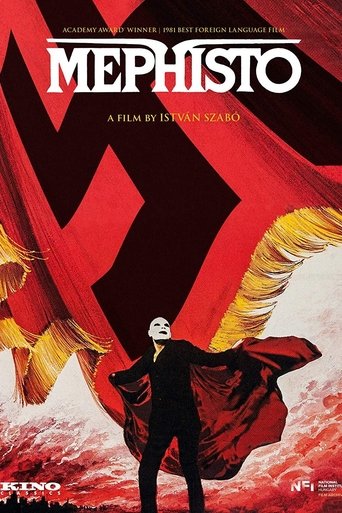 7.3
7.3A German stage actor finds unexpected success and mixed blessings in the popularity of his performance in a Faustian play as the Nazis take power in pre-WWII Germany. As his associates and friends flee or are ground under by the Nazi terror, the popularity of his character supercedes his own existence until he finds that his best performance is keeping up appearances for his Nazi patrons.
Mephisto
1981
 7.6
7.6Karrer plods his way through life in quiet desperation. His environment is drab and rainy and muddy. Eaten up with solitude, his hopelessness would be incurable but for the existence of the Titanik Bar and its beautiful, haunting singer. But the lady is married and Karrer is determined to keep her husband away...
Damnation
1988
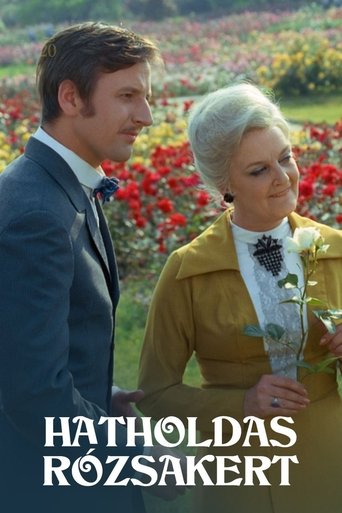 10.0
10.0Aunt Ilka, who likes company, opens her house standing in the middle of a six-acre rose garden in the little town for the golden youth of the town. As a result of her benevolence, the tenants are in the position to adore not only the roses but a nice bunch of to-be-married girls of the town.
A Rose Garden of Six Acres
1970
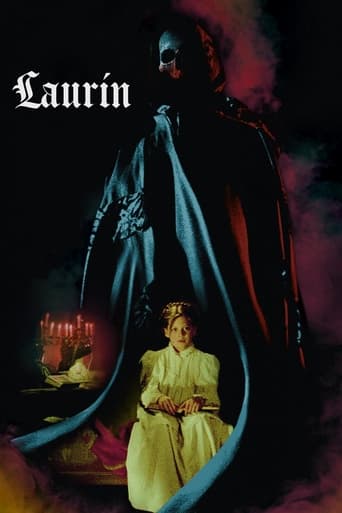 5.5
5.5In a small port town, at the turn of the century, children are disappearing. A mysterious man in black who stalks the town may be Death itself. And nine-year-old Laurin is suffering terrifying dreams and hallucinations of a man carrying a sack and frightened children calling for help from behind closed windows.
Laurin
1989
 8.8
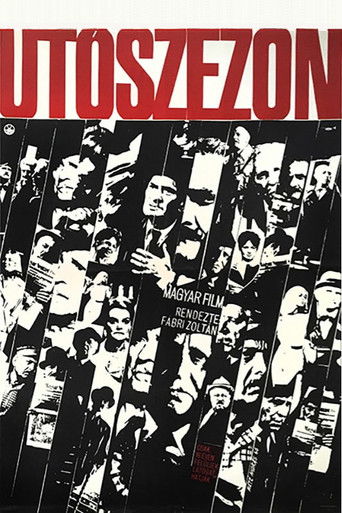
8.8Against the backdrop of the Adolph Eichmann trials, an elderly paraplegic pharmacist is summoned to the police station, where he believes that his hidden wartime guilt has caught up with him, unaware that it is all in fact an elaborate practical joke.
Late Season
1967
Film credits
2000s · 3 titles
 3.8
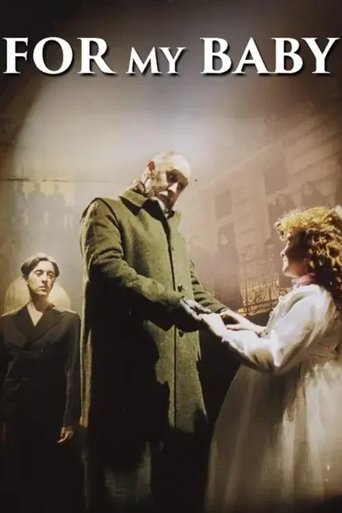
3.8A young Austrian comedian struggles with the nightmare of his past and a dead sister who refuses to die by laying claim to his soul.
For My Baby
2000
 7.8
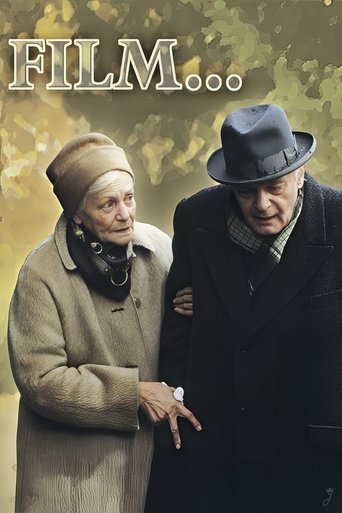
7.8Miklós Mészöly's short novel Film aims to show the last few hours of an elderly couple's life. The last moments of two people who, in the midst of historical storms, inhumanity and loss of values, remained together in the strange grip of love and dependence. The most moving is the formulation of the fundamental question: can we and can we say goodbye with dignity, how much we are lost and vulnerable when we set off into the unknown.
Film...
2000
Gavrilo lives the everyday life of a seemingly ordinary young man, but he also reads history books and dreams of carrying out a real revolutionary deed. He identifies with his imaginary role, choosing his name from history after the assassin of Franz Ferdinand. Majka lives in seclusion in a greenhouse, preferring to stay as close as possible to her tropical plants and songbirds. She knits clothes, which she occasionally transports by bicycle to a charity in the city. One day, he accidentally learns that some of the donations are being sold abroad by the leaders for big money. In desperation, he decides to punish the culprits. Then he meets Gavrilo and the two lonely rebels join forces to carry out their plan.
Anarchists
2001
1990s · 6 titles
 8.0
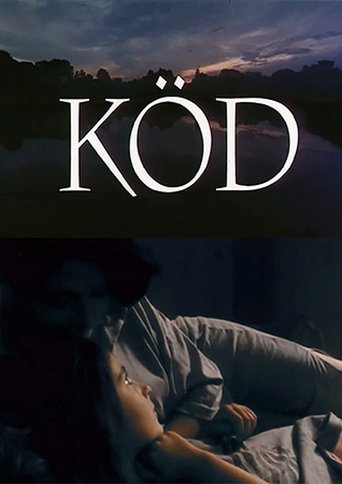
8.0Olga and Márta take possession of the old family estate after the political transition. Márta and Viktor arrive from abroad, Olga and her daughter come from Budapest in order to spend the summer there and have the house renovated.
Mist
1994
 6.0
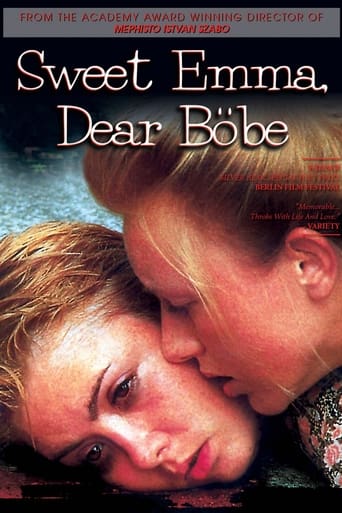
6.0The story shows Emma's and Böbe's fight for survival, for keeping their position in society which they achieved with hard work in the previous regime. They don't want to lose their place and become village girls again.
Sweet Emma, Dear Böbe
1992
A widow, whose politician husband was killed in the Communist purge of Hungary, and her ill son are given money by the government to start a foundation for stray dogs.
The Smallest Foundation in the World
1997
 6.0
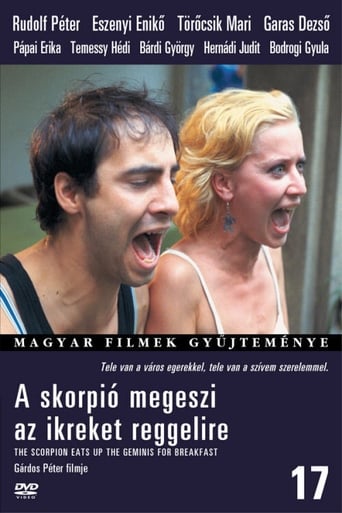
6.0This is a story of a man who wants to grasp and hold his beloved one by him and a woman who insists on that her love can't be grasped; 'she' only can deliver hers. It has written Comedy, Romance etc... but, this movie doesn't include anything funny, I believe. After I see the movie, I thought that love springs through a one's heart and it has its own spirit. It doesn't have to have any company. The matter is if it coincides its mate; that's it.
Scorpio Eats Gemini for Breakfast
1992
 6.3
6.3The story starts in Romania in the last years of the Ceaucescu regime. The main character of the film is Petru, a ten-year-old Romanian boy. His world is one of action and dreams but, at the same time, presents an authentic vista of contemporary Central Europe.
Európa messze van
1995
No synopsis available yet.
Apa győz
1997
1980s · 23 titles
7.3A German stage actor finds unexpected success and mixed blessings in the popularity of his performance in a Faustian play as the Nazis take power in pre-WWII Germany. As his associates and friends flee or are ground under by the Nazi terror, the popularity of his character supercedes his own existence until he finds that his best performance is keeping up appearances for his Nazi patrons.
Mephisto
1981
7.6Karrer plods his way through life in quiet desperation. His environment is drab and rainy and muddy. Eaten up with solitude, his hopelessness would be incurable but for the existence of the Titanik Bar and its beautiful, haunting singer. But the lady is married and Karrer is determined to keep her husband away...
Damnation
1988
5.5In a small port town, at the turn of the century, children are disappearing. A mysterious man in black who stalks the town may be Death itself. And nine-year-old Laurin is suffering terrifying dreams and hallucinations of a man carrying a sack and frightened children calling for help from behind closed windows.
Laurin
1989
 4.0
4.0A couple in love, but sadly married to other partners. What is to be done? A diagnosis of a comfortable but profoundly incapable society, a Hungary suffering from an endemic private life disorder, observable both among the urban middle and the rural lower classes. A descent into a relationship’s demise, more from the tired inertia of a country that has lost all direction and sense of purpose than any ill will.
Maybe Tomorrow
1980
No synopsis available yet.
Aranyidő
1985
 9.0
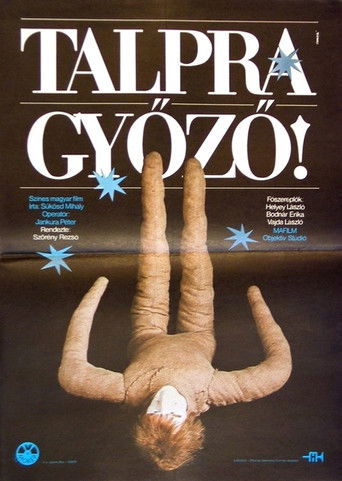
9.0Győző is a 38-year-old insurance agent. At a playground, he gets acquainted with the 40 year old Gábor, left by his wife, and with a career as an opera singer in pieces.
Be Tough, Victor
1983
 7.0
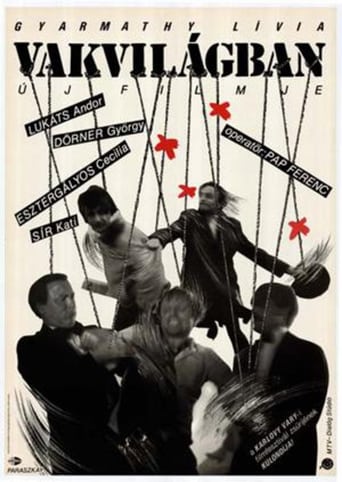
7.0Blind luck ties the fate of two people together.
Blind Endeavour
1985
 10.0
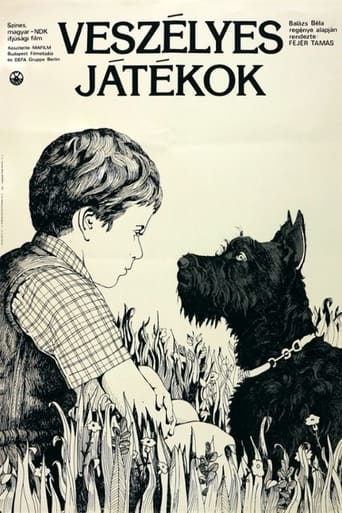
10.01934, Germany. The ten-year-old Peter lives in a small town with his parents. His father, an underground Communist, is arrested. In the summer vacation the kids from the neighbourhood fight in two teams, which prevail in turns. One team, led by Ewald, imitates the Nazis, while the other, headed by Fritz, follows his Communist father's example.
Dangerous Games
1980
 5.5
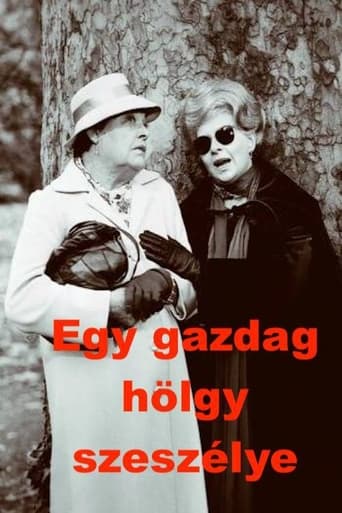
5.5Emese, a wealthy old lady returning from Switzerland, invites her seven surviving classmates, all graduates of the 1930s, to a belated 50th reunion at her own expense. All but one of them live abroad, and they gather at the hotel on Margaret Island from all over Europe, where the hour of honesty arrives for all. During their days together, they confront themselves and their sins of the past decades. This is Hédi Váradi's last work for television, and her classmates Hilda Gobbi, Zsuzsa Gordon, Teri Náray, Juci Komlós, Erzsi Pártos and Zsuzsa Bánki all give excellent and long-lasting character performances.
Egy gazdag hölgy szeszélye
1988
 6.4
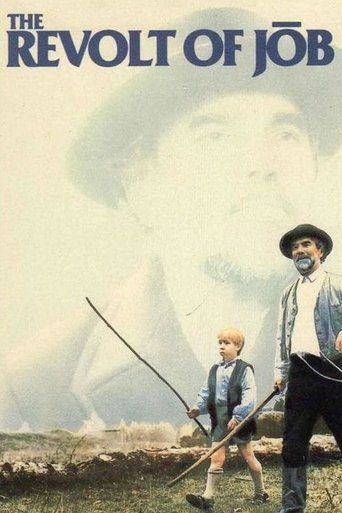
6.4The story of a childless Jewish couple in WWII-era Hungary who adopt a Hungarian boy and raise him with their values and traditions.
The Revolt of Job
1983
 NR
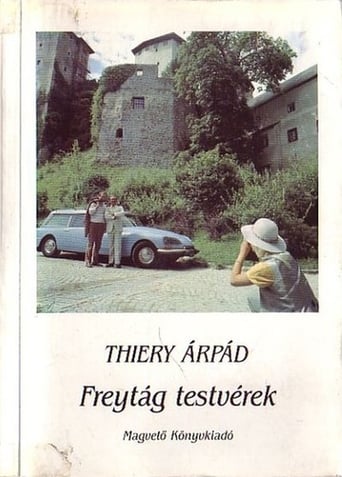
NRFew writers today tackle sweeping, multigenerational family sagas, work that demands vast life experience and insight. József Attila Prize–winner Árpád Thiery has done just that: his two published volumes of the Freytág Siblings’ story (1943 through the late 1960s) have been adapted by Hungarian Television into a five-part series slated for January 1989, and he’s already completed the trilogy’s final installment. Thiery describes it as a historical family novel, tracing postwar Hungary, from the Stalinist 1950s and the 1956 uprising’s aftermath to the upheavals of 1968, while celebrating freedom, truth, hope, boundless faith and innocent responsibility.
Freytág testvérek
1989
 6.7
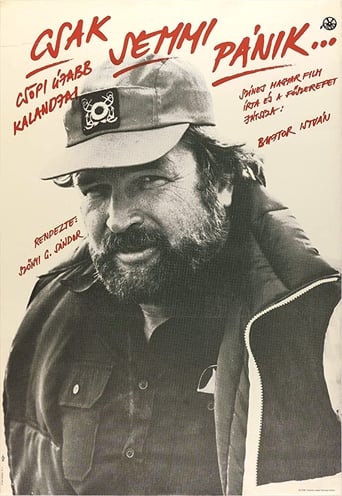
6.7There are mysterious murders in the area of Lake Balaton. These places are shrouded in secrecy and constantly attract hunters: during the Second World War, the Germans had hidden a huge treasure here. Investigation of the murders entrusted to Major Kardos. He takes up the case, but in search of treasure he had many competitors. Kardos uses help from his loyal friend - a policeman-superman Etvash aka "Droplet".
Do not Panic, Major Kardos
1982
 8.2
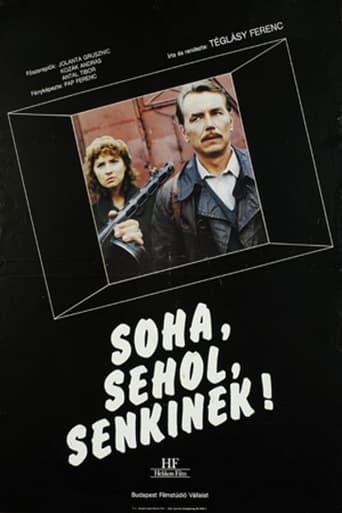
8.2Vendel Imre is a driver, his wife is expecting a baby, they have two sons. Before 1945 Vendel was a military officer. In 1951 they receive a letter from the Ministry of Interior: they will be transported to a forced domicile, allowed to take 50 kg personal belongings per person with them.
Never, Nowhere, To No-One
1988
 6.2
6.2The hero of the story that takes place at the beginning of the nineteenth century and recalls real historical personages is Akli Miklós, the court jester of Emperor Ferenc.
Miklós Akli
1986
 7.0
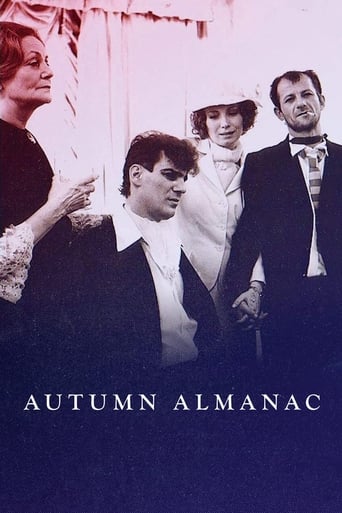
7.0In this dense setting, the inhabitants of a large, claustrophobic apartment reveal their darkest secrets, fears, obsessions and hostilities.
Autumn Almanac
1984
 9.0
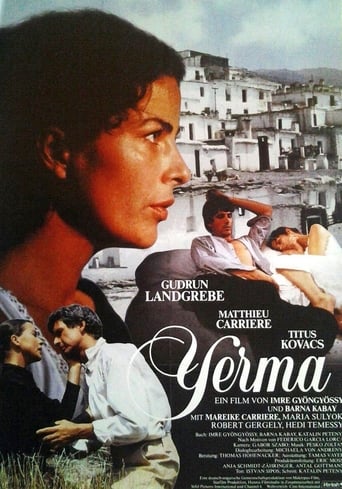
9.0Inspired by García Lorca's stage poem, this is the story of a young woman who cannot realize her desire for self-realization either in the confines of her Andalusian village or in her relationship with her traditional husband.
Yerma
1984
 7.0
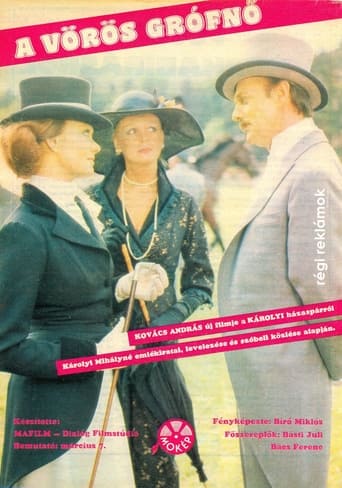
7.0The plot of the film starts at the beginning of the century, in the heyday of the Andrássy and Károlyi families, during the ever increasing crisis of the Austro-Hungarian Monarchy, and ends with the emigration of the Károlyi couple after the collapse of the 1918-19 revolutions. It tells the story of this historical period (war, revolution, take-over by the proletariat, dictatorship) from the view of an extremely wealthy lady, Andrássy Katinka. The authors tried to evoke the special story during which a strange and unique woman gets thoroughly involved in history through her love and at the same time keeps her own identity and self-governance.
The Red Countess
1985
 6.7
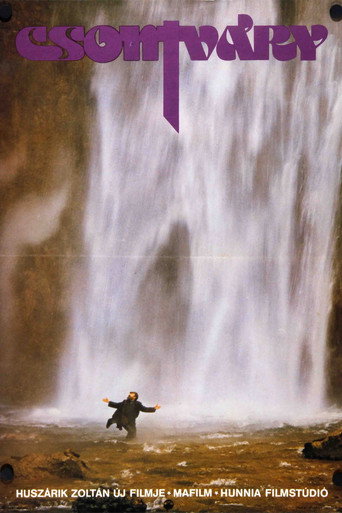
6.7Tivadar Csontváry Kosztka the one-ideaed Hungarian painter was thought to be crazy by his peers, but he eventually became a significant artist.
Csontvary
1980
 6.5
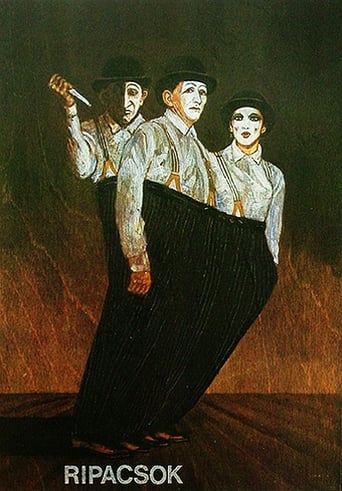
6.5"Ripacsok" is a great movie with great soundtrack, acting, cinematography, direction, etc. The world of "artists", hamming actors, good clowns and bad clowns... A unique movie in many ways. Pál Sándor is a very good hungarian director, watch his movies (especially the slightly better "Régi idõk focija") if you have the chance.
Salamon & Stock Show
1981
 10.0
10.0A mediocre countryside actress is invited to a Budapest casting call. She hopes she might become the new Marilyn Monroe.
Happy Birthday, Marilyn!
1980
 6.1
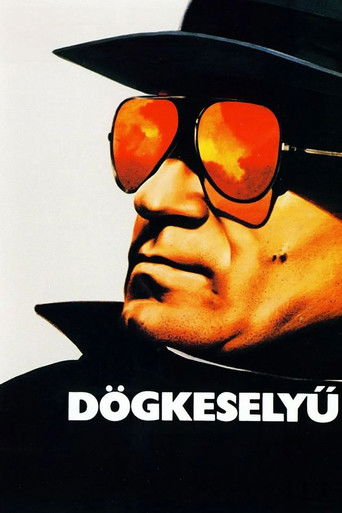
6.1Two old women who happen to be pickpockets stole money from Simon, the taxi driver. The police are unable to find the thieves, so Simon decides to find them himself.
The Vulture
1982
 4.5
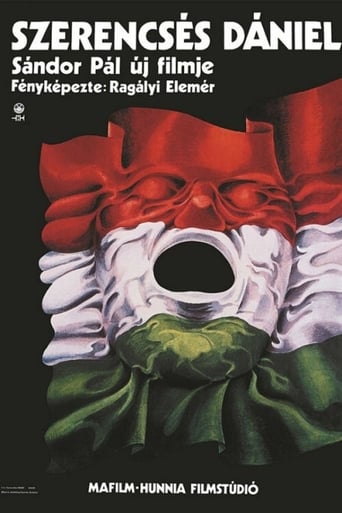
4.5In December 1956 there is a chaotic situation in Hungary. The revolution is put down by the Soviet army. People leave the country in large numbers for fear of revenge. A young soldier (György Angeli) who also took a part in the revolution, takes a train to Vienna together with his friend (Dániel Szerencsés). Written by Tamas Patrovics
Daniel Takes a Train
1985
 6.0
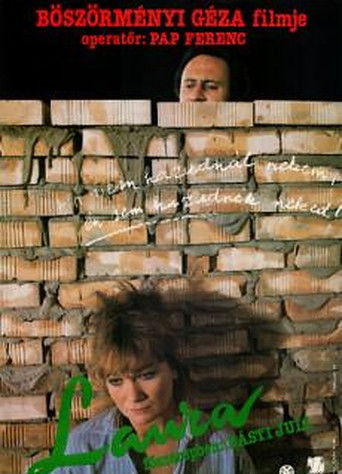
6.0Laura is personnel manager in a hospital. Her father-in-law was a high ranking cadre, her mother-in-law is an influential functionary, it is only her husband - director of an archives - who is unfit for everything. Laura does not like to be home. During one of her rovings she meets her former classmate, who wants to break into the world of pop music with a new band.
Laura
1987
1970s · 17 titles
10.0Aunt Ilka, who likes company, opens her house standing in the middle of a six-acre rose garden in the little town for the golden youth of the town. As a result of her benevolence, the tenants are in the position to adore not only the roses but a nice bunch of to-be-married girls of the town.
A Rose Garden of Six Acres
1970
 6.8
6.8The head of the nunnery is dying, and the members are divided in two groups as the election of the new head approaches. Led by Virginia, the younger nuns stand up for changing the strict religious dogmas and would like a modern school with genuine science, a bathroom to be built, and a freer spirit. Their candidate is sister Magdolna, who went to secular universities, too. The seminarists, led by Király Erzsi, also rebel against the older nuns' strict discipline and the depressed atmosphere of the institution. However, Magdolna does not want to stay involved in the fight because she is deterred by Virginia's sinful attraction towards her and the tools Virginia is using to gain victory at any price.
Ants' Nest
1971
While awaiting his release from the Soviet detention camp he is being held in, a half-starved refugee (Andras Ambrus) finds that an error has been made and his name is not on the to-be-released list. It is then that he is forced to assume the identity of a dead man whose name is on the list. Ambrus at first refuses, but because he was an orphan and cannot produce evidence of his true identity, he has no other choice. However, when he returns to the outer world and the community he was raised in, he is greeted with suspicion. When he tries to claim his part-ownership of a farm from his adopted uncle, he is refused and beaten by farmhands the uncle sets on him.
Identification
1975
 6.5
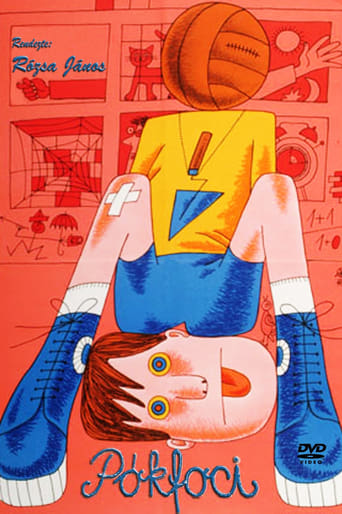
6.5This satire on film depicts the micro-climate of a technical vocational school newly established at a housing estate. The construction vocational school holds a name-giving ceremony, thus calling the attention of its supervisory organ to itself. The school-master distributes as well as receives presents from the sponsoring factory, and the pupils sit for a written examination of unheard-of material. The results are devastating, which the despotic school-master attempts to conceal by a staged disciplinary procedure.
Spider Football
1976
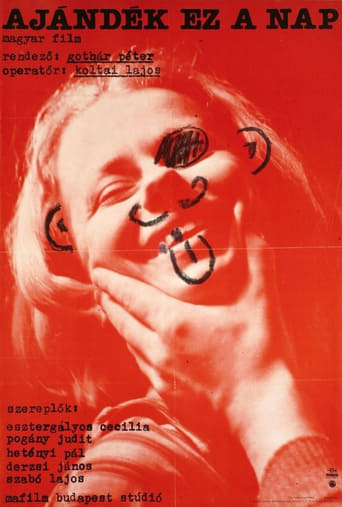 8.0
8.0Irén and Attila, a not-so-young couple, are in love. All they want is a flat of their own where they could live together. Unfortunately, Hungary in the 70s is no place for dreams.
A Priceless Day
1979
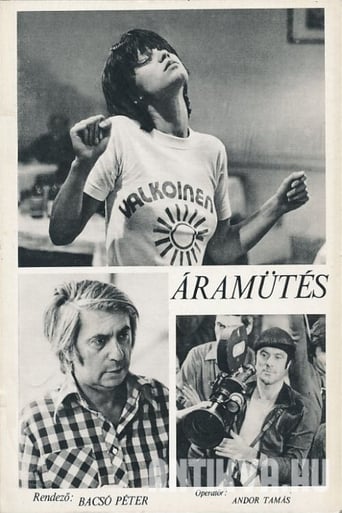 7.0
7.0This double-threaded story depicts the lives of a sister and a brother in a critical phase of their lives. Virág participates in a tour of the collage choir to Finland. Upon her return home she refuses the assistance offered by Vince, leaves the collage and aborts her child by a young Finn.
Electric Schock
1979
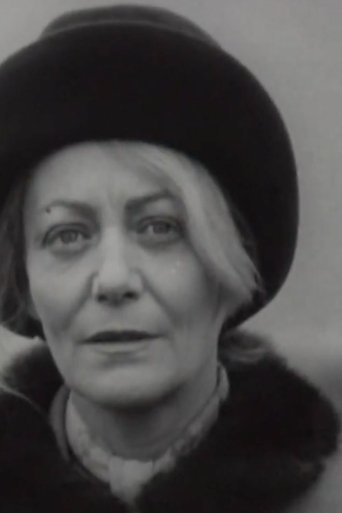 NR
NRTamás Almási's second-year college exam film based on a short story by István Örkény
How Long Does A Tree Live?
1977
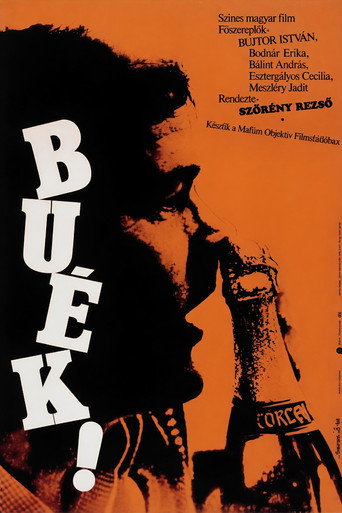 7.5
7.5Three thirtysomething chemical scientists, Laci, Gyuri and Kati celebrate the success of their development program before New Year's Eve with drinking for several days. But the morning of New Year's Eve does not bring the expected recognition, because the nice, bald, old director is replaced by a young, bald, but disagreeable one. In a sodden atmosphere it becomes clear that everybody has an axe to grind in the informative discussions.
A Happy New Year!
1978
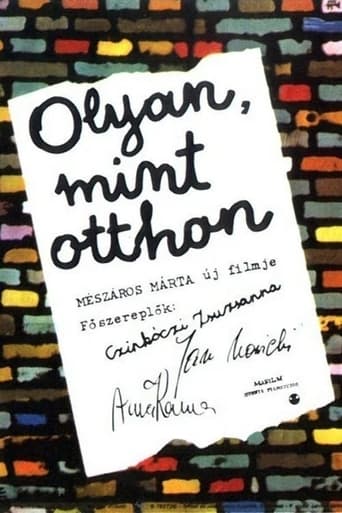 4.7
4.7On his return from America, András simply cannot find his place: he has lost his wife, friends and job, and he cannot even find his way back to his former great love. Eventually, as a surrogate father, he takes in a wild young girl (Zsuzsa Czinkóczi) and a particularly strong bond is formed between these two rootless people. Márta Mészáros’s remarkable movie starring Jan Nowicki and Anna Karina is about displacement, loneliness and attachment.
Just Like at Home
1978
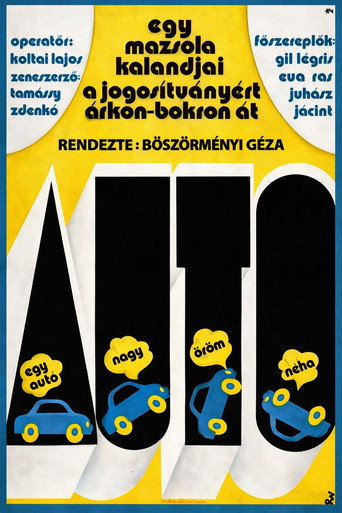 7.5
7.5This sour satire records how narrow-minded, perishable and prejudiced human relations are. Lili, an open, good-hearted, but clumsy girl gets a rusty Renault Gordini from her uncle living in France. She wants to learn driving, but makes horrible and perilous mistakes behind the wheel.
The Car
1975
The children of Somsabátony decide to build the country's first children's railway as they very much would like to make their birth-place famous.
Once upon a Railway...
1975
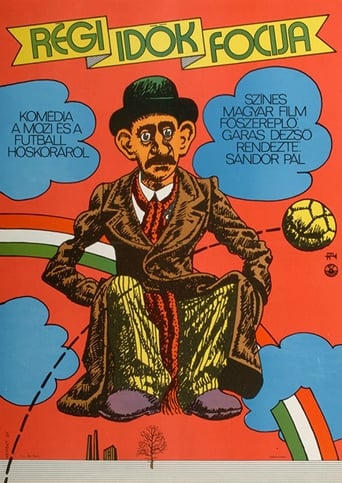 6.5
6.5The film is set in Budapest, 1924. Laundryman Ede Minarik's only passion is football. His dream is to see his team, Csabagyöngye, qualify for the first division. For this goal he would be willing to sacrifice everything he has. But he has nothing, even footballers just barely. The team is just like the times. But still, "we need a team!"
Football of the Good Old Days
1973
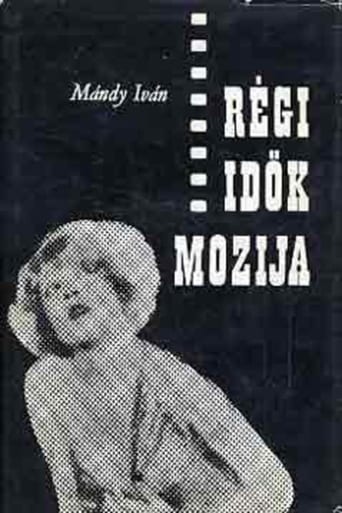 NR
NRThe film brings to life the stars of cinema of yesteryear, heart-wrenchingly poignant or even comic scenes, and in the shades that emerge, worlds are built and collapsed. The cinema auditorium, the auditorium, the ground floor, the hotel room, are the setting for special atmospheres.
Régi idők mozija
1972
 7.0
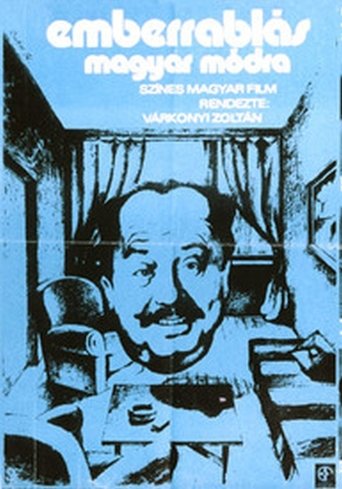
7.0Three people skilfully kidnap the company director, who never takes the responsibility, takes sleeping pills and spends his time feeding ornamental fish. The kidnappers turn out to be no other than the Engineer, the Technician and the Worker, who only wanted to avoid bankruptcy this way.
Kidnapping - Hungarian Style
1972
The story of the film with a touch of journalistic atmosphere takes place in the autumn 1919 after the fall of the proletarian dictatorship. The main figure is Zilahy Kálmán, a high-school teacher, very much attracted to Ady's ideology. He is, at the same time, a rational minded sober character keeping a certain distance from the chaotic events. During the first months of the terror of the Whites, he takes a stand for his persecuted colleague, and with his wife's help, he hides Pálos, a Communist commissar in his flat.
Fallow Land
1973
One day Novák Erzsébet kindergarten-teacher destroys her papers, cuts her hair and closes her mouth forever. She prepares for suicide namelessly, then somewhere around Normafa she accepts being taken into an asylum.
Reflections
1976
 NR
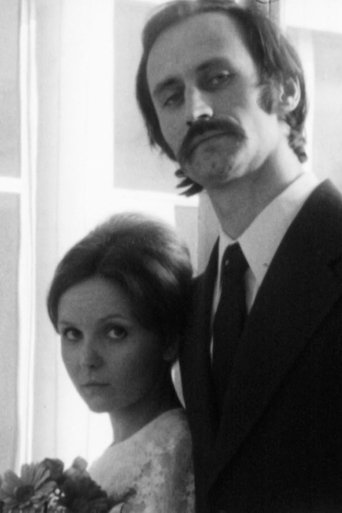
NRNo synopsis available yet.
Wedding Guests
1976
1960s · 3 titles
8.8Against the backdrop of the Adolph Eichmann trials, an elderly paraplegic pharmacist is summoned to the police station, where he believes that his hidden wartime guilt has caught up with him, unaware that it is all in fact an elaborate practical joke.
Late Season
1967
 NR
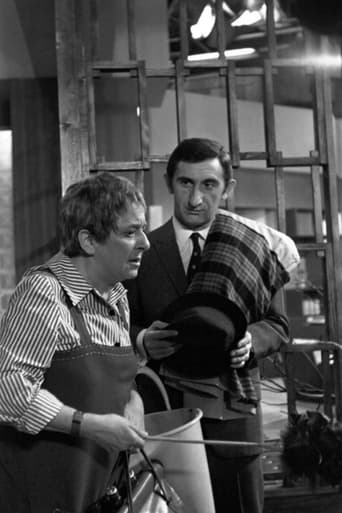
NR"Good evening... I'd like to report a murder... Where do I live? In the basement... but I'm not there now... I'm on the top floor, in the boss's room... Ah, I don't know who the body is... You like to know, I'm the cleaning lady... How can I check if he's just taking a nap? Maybe, but he's got a dagger sticking out of his back the size of half my arm... So I lock all the doors... don't touch anything... keep my mouth shut and don't tell anyone until you arrive..." - Mrs. Piper, the cleaning lady, begins the eerily cheerful, twisty story with her broken sentences, but at the end we are left with no answer as to why Mrs. Pipper talks so much.
Miért beszél annyit Mrs. Piper?
1967
 10.0
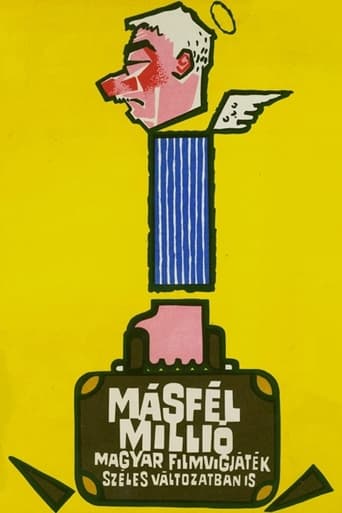
10.0Mihai Toth worked for forty years as a watchman in a timber warehouse. On his last watch, there was a fire: the warehouse burned to the ground. The damage amounted to one and a half million forints. It was a terrible blow to Mihai, who had worked honestly all his life. Suddenly it turns out that Mihai has won one and a half million forints in a lottery. Wanting to save his good name, he wants to deposit this sum in the state treasury. But it turned out to be not so easy: the cause of the fire has not been established and Mihai's guilt has not been proved. That's why nobody had the right to take money from him. For a long time Mihai wandered from one institution to another with a request to accept money from him, but everything was in vain. Then the old man tried a trick...
Másfél millió
1964
1950s · 5 titles
 6.2
6.2Marci is drafted from a typical block building in the 6th district in Pest. He says good-bye to Juli living in the same house, with whom they are both very much fond of each other, but neither of them makes a confession. Juli works in a factory, and with her friend Gizus she goes out in the evening for dancing and drinking. After a year, Marci comes back for holiday, he is full of love.
A Glass of Beer
1955
 7.0
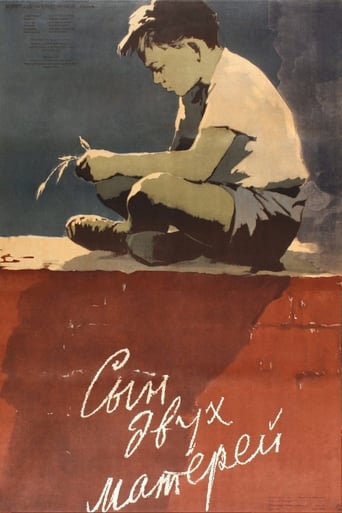
7.0Dani, the few-month-old little boy born outside marriage is left by Eszter in the lap of her companion on the train. The widowed Aranka takes him willingly to her. The child is already ten years old and has a good life with Aranka. Then Géza enters their life and he does not welcome the child of someone else.
Dani
1957
 8.0
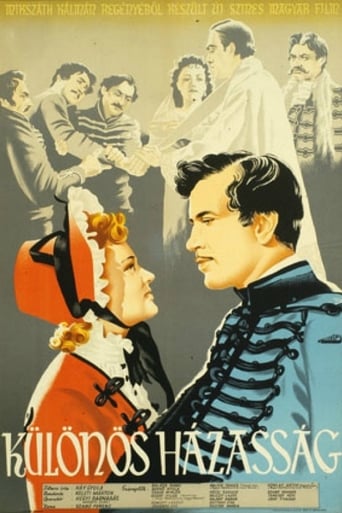
8.0Count János Buttler rushes home to his parents and his beloved for the school holidays. On the way, they stop at Baron Dőry's house, where János is deviously trapped. In the presence of false witnesses, he is forcibly married to Baron Dőry's pregnant daughter. The swearing priest is the father of the unborn child. Although Buttler, his family and friends do their utmost to have the marriage annulled, the Church and the court, fearing for his authority, will not allow it. John Buttler and his lover therefore choose another way to divorce.
A Strange Marriage
1951
 9.0
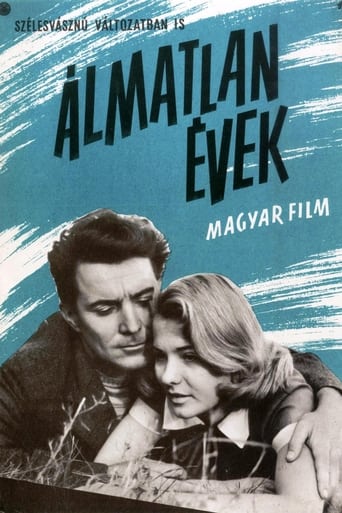
9.0The "sleepless years" in this propaganda piece by director Felix Marlassy occur on Csepel Island, an island south of Budapest that is home to an armaments factory. The factory workers are shown being exploited by imperialists, capitalists gone berserk, and fascists, more or less in that exact chronological sequence. The heavy-handed approach does much to undercut the belief that when socialism finally takes over, the lives of the workers are brought up to a human level. In this instance, audiences might prefer a more nuanced and subtle statement, no matter what the message.
Sleepless Years
1959
 7.5
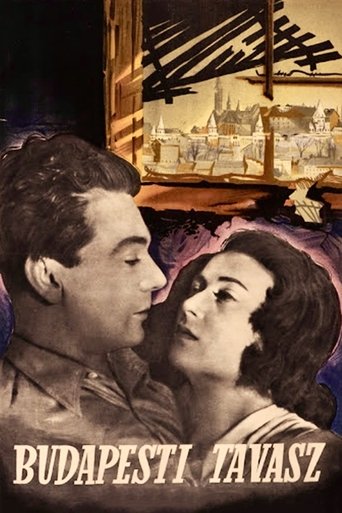
7.5At Christmas Eve in 1944 the runaway Pintér and Gozsó get through the Soviet blockade around Budapest. Pintér intends to hide in a flat abandoned by his own relatives, but he finds his relatives called the Turnovszkys, who are hiding the Jewish Jutka as well. Love unfolds between Zoltán and Jutka.
Springtime in Budapest
1955