
Acting
Michiyo Aratama
Born — Died
1930-01-15 — 2001-03-17
Place of birth
Nara, Nara, Japan
Known for
Acting
Credits
64 titles
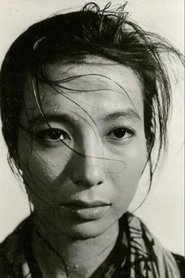
From Wikipedia, the free encyclopedia. Michiyo Aratama (新珠 三千代, Aratama Michiyo, 15 January 1930 – 17 March 2001) was a Japanese actress who appeared in leading and supporting roles in such films as Hiroshi Inagaki's Chushingura, Kihachi Okamoto's Samurai Assassin and Sword of Doom, and Masaki Kobayashi's Kwaidan, Hymn to a Tired Man and The Human Condition trilogy. Description above from the Wikipedia article Michiyo Aratama, licensed under CC-BY-SA, full list of contributors on Wikipedia.
Known for
 NR
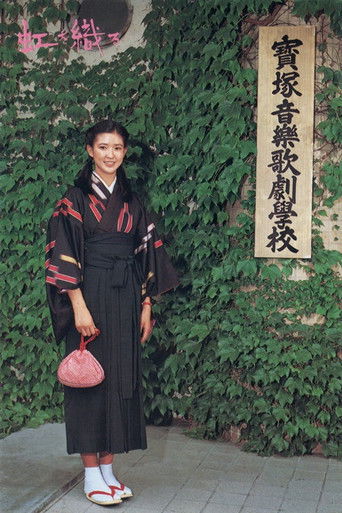
NRThe 26th NHK Asadora. Shimazaki Kayo is a woman from Hagi, Yamaguchi, who joins the Takarazuka Revue, a Japanese all-female musical theater troupe based in Takarazuka, Hyougo Prefecture, Japan. Women play all roles in lavish, Broadway-style productions of Western-style musicals, and sometimes stories adapted from shoujo manga and Japanese folktales.
Niji wo Oru
1980
 8.2
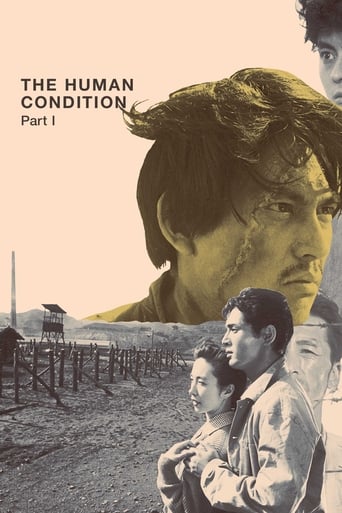
8.2After handing in a report on the treatment of Chinese colonial labor, Kaji is offered the post of labour chief at a large mining operation in Manchuria, which also grants him exemption from military service. He accepts and moves with his newlywed wife Michiko, but when he tries to put his ideas of more humane treatment into practice, he finds himself at odds with scheming officials, cruel foremen, and the military police.
The Human Condition I: No Greater Love
1959
 7.7
7.7Taking its title from an archaic Japanese word meaning "ghost story," this anthology adapts four folk tales. A penniless samurai marries for money with tragic results. A man stranded in a blizzard is saved by Yuki the Snow Maiden, but his rescue comes at a cost. Blind musician Hoichi is forced to perform for an audience of ghosts. An author relates the story of a samurai who sees another warrior's reflection in his teacup.
Kwaidan
1965
 7.3
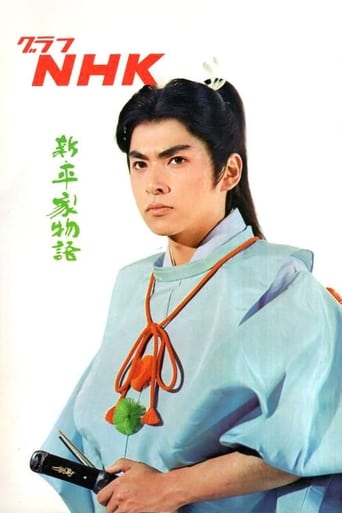
7.3Set at the end of the 12th century when several wars for control of Japan disrupted a long era of peace, this tale of "Heike" (another name for the Taira clan) focuses on Taira Kiyomori who fights alongside other members of his clan to at first successfully overcome the Minamoto clan and their bid for power. Battles and intrigue abound, as the puppet Emperor and Buddhist monks take sides in the power struggle. At issue is Kiyomori's parentage, not an unusual problem for the nobility in that era where clandestine liaisons among courtiers and the upper classes were common.
Shin Heike Monogatari
1972
 8.4
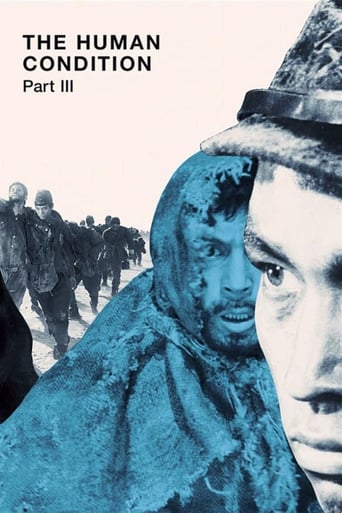
8.4After the Japanese defeat to the Russians, Kaji leads the last remaining men through Manchuria. Intent on returning to his old life, he faces great odds in a variety of different harrowing circumstances as he and his men sneak behind enemy lines.
The Human Condition III: A Soldier's Prayer
1961
 8.2
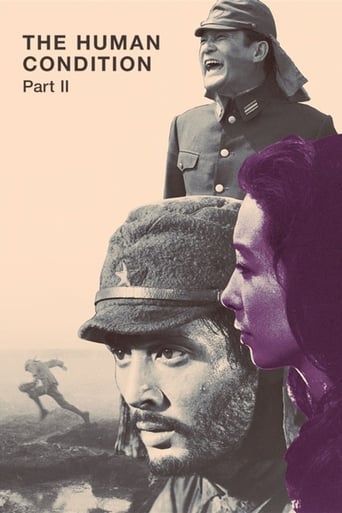
8.2Kaji, sent to the Japanese army labeled Red, witnesses cruelties in the army and revolts against the abusive treatment against a fellow recruit. He also sees his friend Shinjô defecting to the Russian border, and he ends in the front to fight a lost battle against the Russian tanks division.
The Human Condition II: Road to Eternity
1959
Film credits
1970s · 3 titles
 7.4
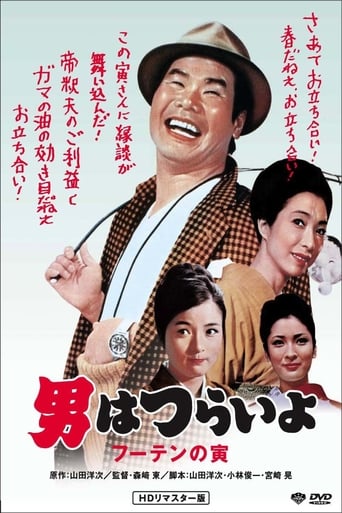
7.4Traveling salesman Kuruma Torajirō falls in love with an inn manager as New Year's approaches.
Tora-san, His Tender Love
1970
 7.0
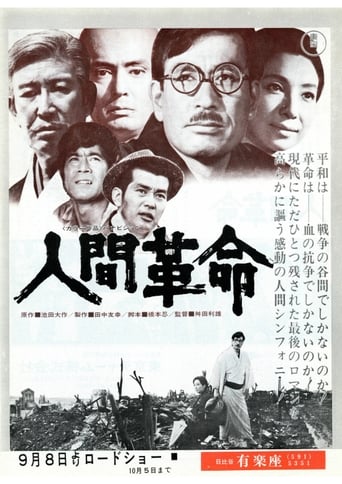
7.0No synopsis available yet.
The Human Revolution
1973
 6.0
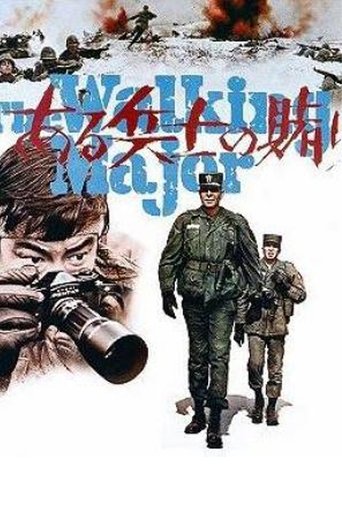
6.0U.S. Army Captain Clark Allen gains attention by walking back and forth, the length of Japan, gambling with U.S. servicemen in order to raise funds to rebuild an orphanage. Suspicious of Allen's motives, a Japanese newsman, Hiroshi Kitabayashi, traces the American's background until he discovers the motive behind Allen's long walk.
The Walking Major
1970
1960s · 39 titles
7.7Taking its title from an archaic Japanese word meaning "ghost story," this anthology adapts four folk tales. A penniless samurai marries for money with tragic results. A man stranded in a blizzard is saved by Yuki the Snow Maiden, but his rescue comes at a cost. Blind musician Hoichi is forced to perform for an audience of ghosts. An author relates the story of a samurai who sees another warrior's reflection in his teacup.
Kwaidan
1965
8.4After the Japanese defeat to the Russians, Kaji leads the last remaining men through Manchuria. Intent on returning to his old life, he faces great odds in a variety of different harrowing circumstances as he and his men sneak behind enemy lines.
The Human Condition III: A Soldier's Prayer
1961
 7.5
7.5The family of an older man who runs a small sake brewery become concerned with his finances and his health after they discover him visiting an old mistress from his youth.
The End of Summer
1961
 7.8
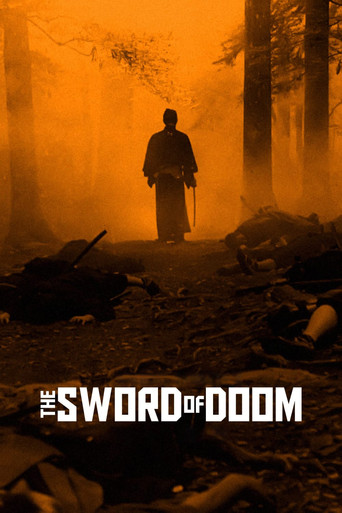
7.8Ryunosuke, a gifted swordsman plying his trade during the turbulent final days of Shogunate rule, has no moral code and kills without remorse. It’s a way of life that leads to madness.
The Sword of Doom
1966
 7.3
7.3Japan, 1860. The men of the Mito clan, victims of the Ansei purge, anxiously prowl around the Sakurada Gate of Edo Castle with the intention of assassinating Naosuke Ii of Hikone, tairō of the Tokugawa shogunate and responsible for their misfortune.
Samurai Assassin
1965
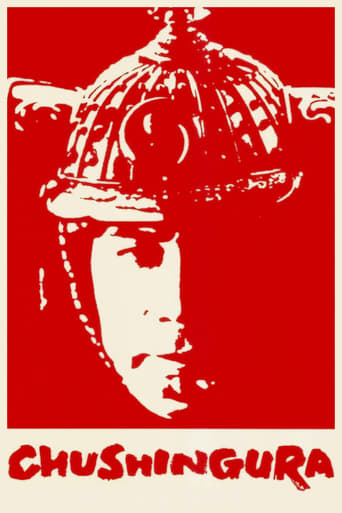 7.1
7.1After their lord is tricked into committing ritual suicide, forty-seven samurai warriors await the chance to avenge their master and reclaim their honor.
Chûshingura
1962
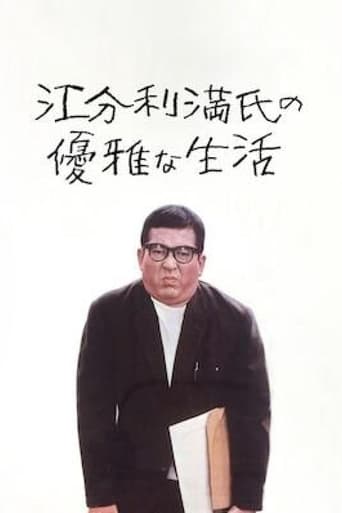 6.2
6.2An intoxicated man promises two magazine editors that he will write a masterpiece. Once he sobers up, he commits to his promise and writes a story based on his life.
The Elegant Life of Mr. Everyman
1963
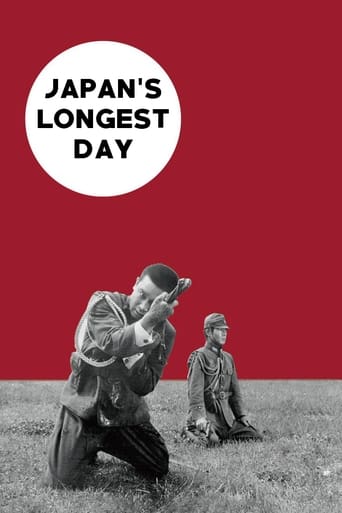 7.3
7.3A dramatisation of the 24-hour period in which the Japanese government was deadlocked over the decision to accept or reject the Allies' demand for an unconditional surrender following the bombings of Hiroshima and Nagasaki.
Japan's Longest Day
1967
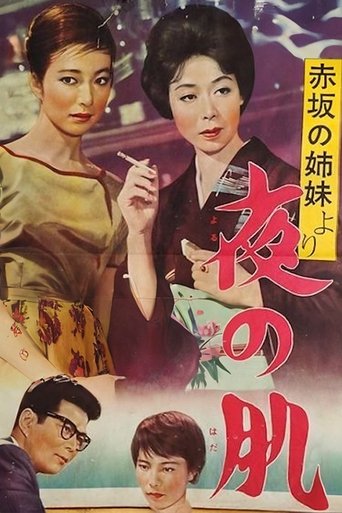 7.0
7.0Set in the postwar turmoil, Akasaka no shimai paints a vivit portrait of the life of three sisters who struggle to live in Tokyo.
The Akasaka Sisters: Soft Touch of Night
1960
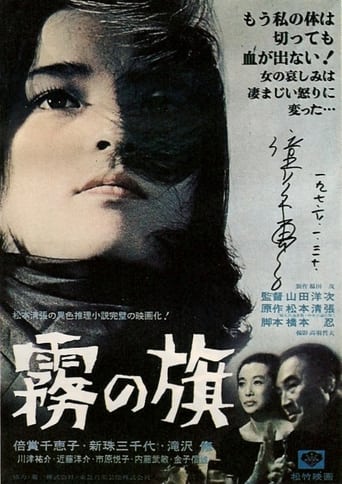 7.1
7.1When her only relative, her elder brother is accused of robbing and murdering an old woman loan-shark, pretty, young Kiriko travels from her home in Kyushu to Tokyo to get Japan's top lawyer to defend her brother. Unfortunately her naive idealism is shattered when the lawyer refuses to take the case based on her insufficient funds. What follows is a long determined revenge plot that sees the heroine become a Tokyo bar hostess and worse to punish the lawyer. The plot thickens with another murder mystery and a sleuthing reporter.
A Trap
1965
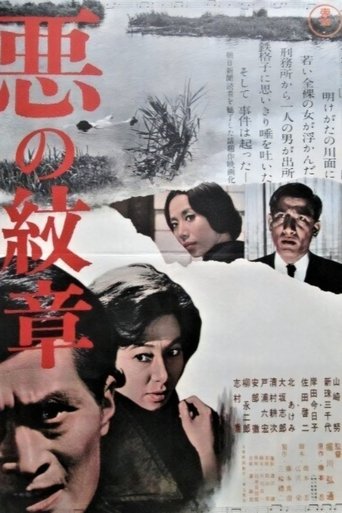 7.7
7.7A Jonan Station detective, Kikuchi, is framed for smuggling drugs and sent to prison. When he is paroled, he joins a private detective agency, where he is asked to investigate Mitsue Takazawa, the wife of a local trading firm president. While secretly conducting his own research, he finds out that Takazawa's husband is the one, responsible for Kikuchi's imprisonment, who also have set sights on Setsuko, a woman Kikuchi becomes romantically involved with.
Brand of Evil
1964
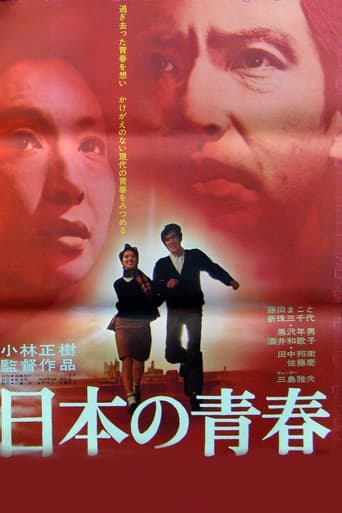 8.2
8.2During WWII, Zensaku, middle-aged and deaf in one ear, learns that his son has fallen for the daughter of a war officer responsible for the maiming.
Hymn to a Tired Man
1968
8.2During WWII, Zensaku, middle-aged and deaf in one ear, learns that his son has fallen for the daughter of a war officer responsible for the maiming.
Hymn to a Tired Man
1968
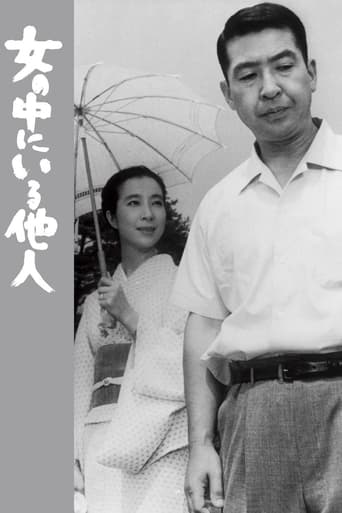 7.4
7.4Tashiro coincidentally meets his best friend Sugimoto in a bar very close to the apartment in which Sugimoto’s wayward wife is found dead. Although Tashiro is not a suspect in the police investigation, he is racked with guilt and confesses to his wife, Masako. In an effort to further relieve his tortured sense of guilt, he then confesses to Sugimoto. Neither his wife nor his friend can believe that he could have been involved.
The Stranger Within a Woman
1966
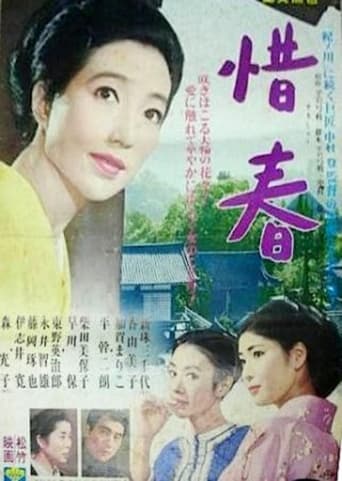 9.0
9.0When a gifted Japanese craftsmen dies, his three daughters are summoned to decide who will take over the family ribbon business in this family drama. Only one daughter cares to carry on her father's work, but she is met with resistance from her stepmother. One sister cares nothing for the artisan tradition, while the other is an icy opportunist whose only love is for money. It is the daughter who cares the most for her father's work who wanders away in a symbolic journey of self discovery.
Three Faces of Love
1967
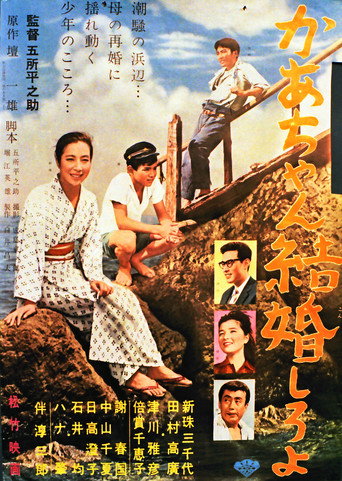 9.0
9.0No synopsis available yet.
Get Married, Mother
1962
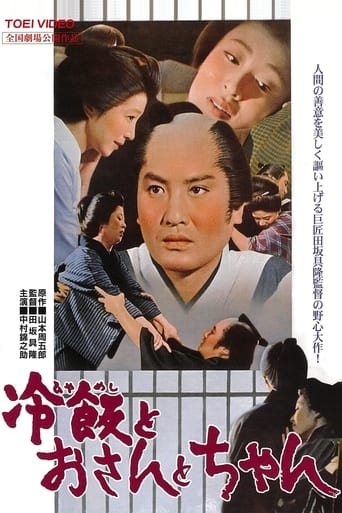 7.0
7.0Three stories revolve around independence, a man searching for his wife, and a poor craftsman trying to make money.
Cold Rice, Osan, Chan
1965
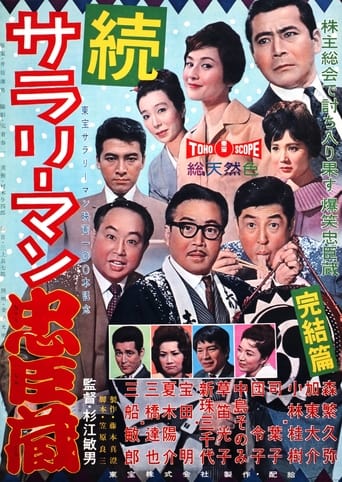 9.0
9.0No synopsis available yet.
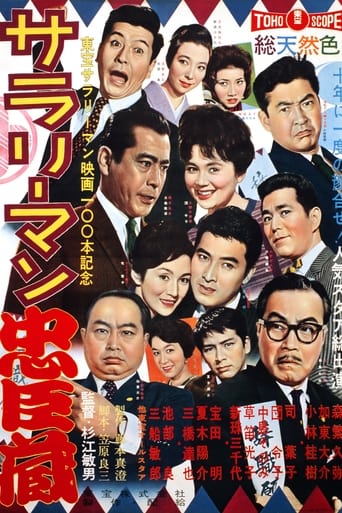
The Masterless 47 – Part II
1961
 10.0
10.0Part one of The Masterless 47.
The Masterless 47
1960
 NR
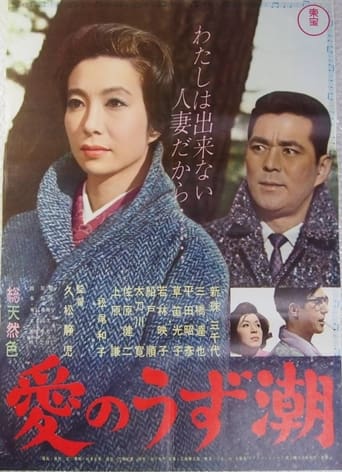
NR1962 Japanese movie
Whirlpool of Love
1962
 8.5
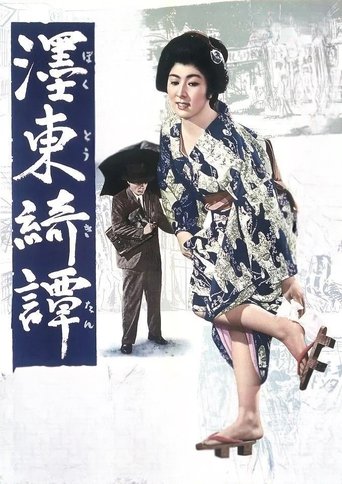
8.5In this Japanese drama, a village girl goes to Tokyo and becomes a sex worker to support her ailing mother. While there she meets a teacher and falls in love.
The Twilight Story
1960
 NR
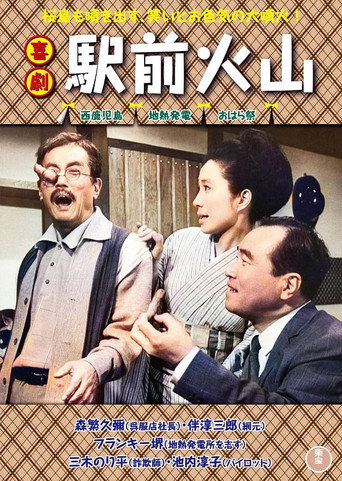
NRPenultimate 23rd "Ekimae" comedy is about oil-field exploration.
Volcano of Station Front Plaza
1968
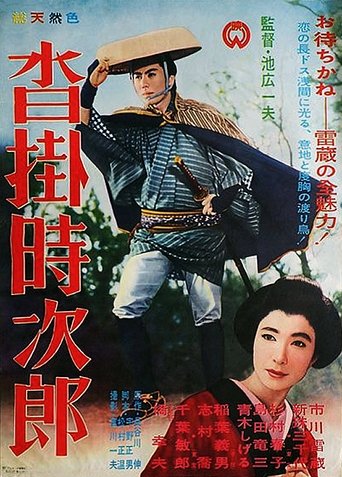 7.2
7.2One of Japan's most popular stories is the tale of Kutsukake Tokijiro, a traveling gambler who finds that he must take care of the wife and child of a yakuza he had been forced by the code of the gamblers to fight man to man. In a brilliant performance from super-star Ichikawa Raizo, with strong support from two of the greats from Toho, Shimura Takashi (7 Samurai) and Aratama Michiyo (Sword of Doom) the heartfelt story reaches new heights. Tokijiro, having learned the true nature of the boss to whom he was obligated for having spent a night and eaten at the gang's headquarters takes up arms against them in a running battle fought across the back roads of the entire nation. Another powerful rendition of this superb story, it is not to be missed!
The Gambler's Code
1961
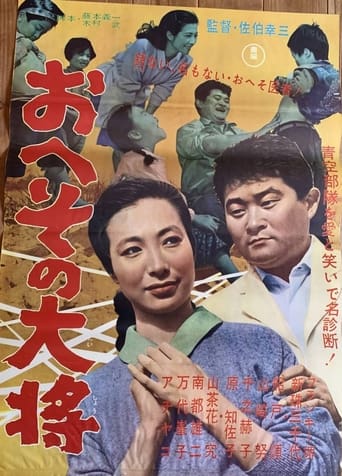 10.0
10.01962 Japanese movie
Heso no taisho
1962
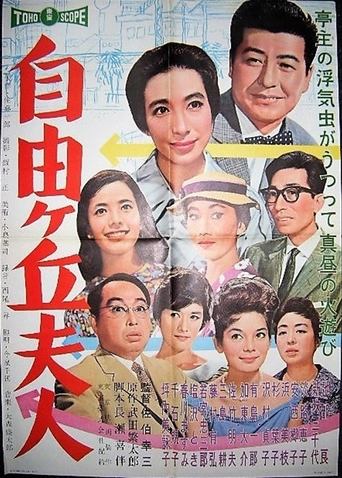 10.0
10.01960 Japanese movie
Jiyūgaoka fujin
1960
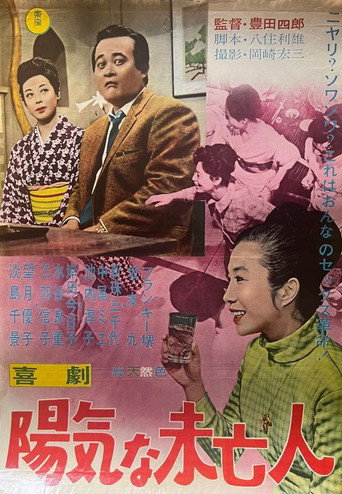 NR
NRNo synopsis available yet.
Comedy: Cheerful Widow
1964
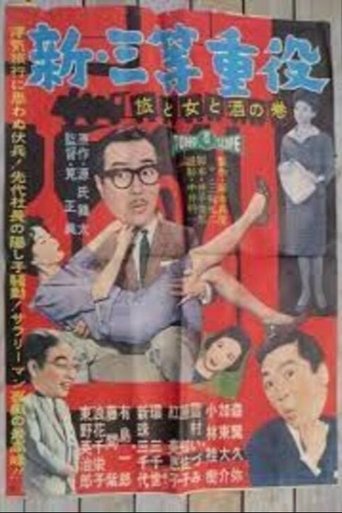 8.0
8.0A struggling salesman at World Electric finds his major deal blocked by internal politics and pressure from all sides. During a company trip to Beppu, personal entanglements and old company secrets surface, forcing difficult choices and quiet compromises.
New Third Class Executive: Travel, Women and Drinking
1960
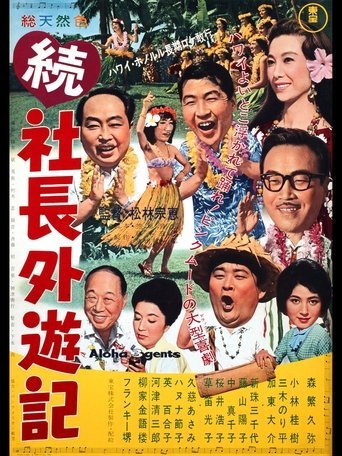 8.0
8.0As Marukyū Department Store plans its Hawaii expansion, company executives become sidetracked by local pleasures and personal entanglements. By the time they resume business, the target property is lost to a rival—forcing an abrupt return to Japan with both deals and relationships unresolved.
Aloha 3 Gents
1963
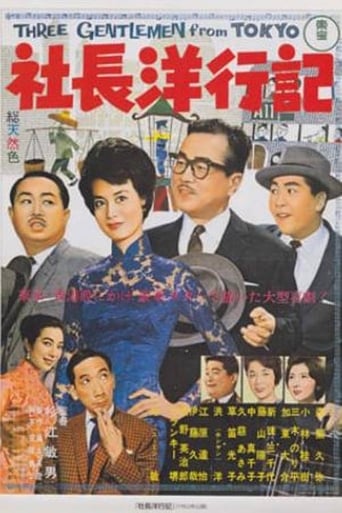 9.0
9.0No synopsis available yet.
Three Gentlemen from Tokyo
1962
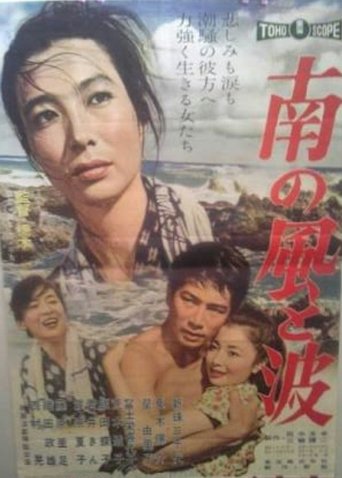 NR
NRA film by Shinobu Hashimoto.
The Wind and Waves
1961
 8.0
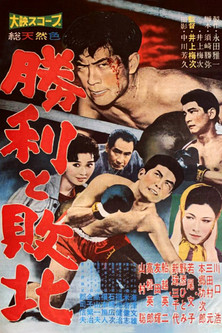
8.0After the boxing champion retires, the head of a powerful gym, Minegishi (So Yamamura), recommends Yamanaka (Hiroshi Kawaguchi), who is no longer in top form and is ranked number one, for a title fight, but his comrade Hata (Kojiro Hongo) is not happy with this choice, and so he moves to the gym run by the criminal businessman Goda (Toru Abe) and burning desire to beat Yamanaka.
Victory and Defeat
1960
 10.0
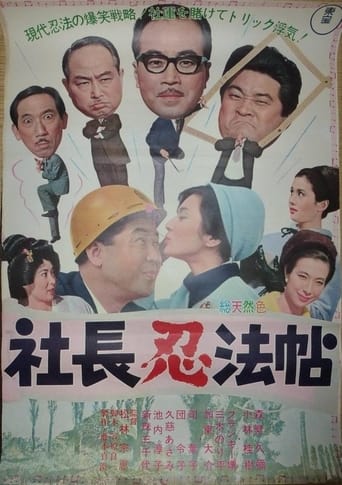
10.0The 22nd film in the Shacho comedy series.
Five Gents' Trick Book
1965
 8.0
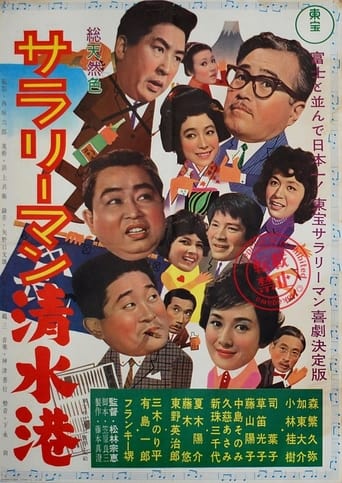
8.0No synopsis available yet.
Shimizu Port Salaryman
1962
 6.8
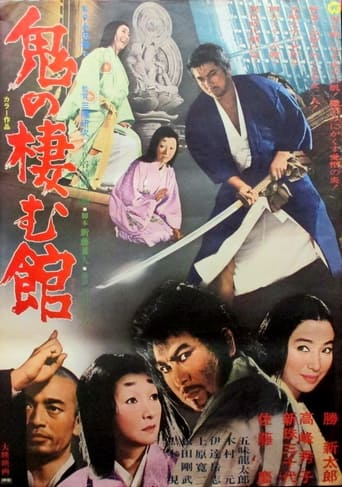
6.8An abandoned temple in the mountains outside of the old capital city of Kyoto is the scene of a fated meeting between a traveling priest, two women, and a vicious killer. Bloody violence erupts whenever strangers approach the temple. Can the traveling priest bring his belief in the Buddha and rid the three temple residents of the devils that hold their souls?
Devil's Temple
1969
 6.9
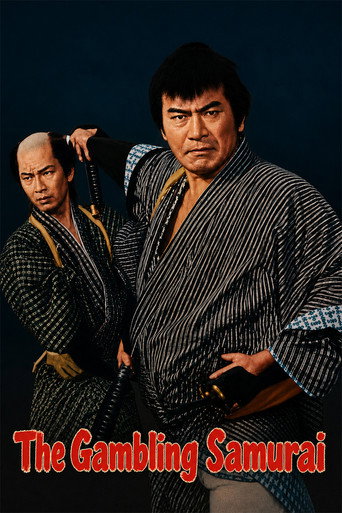
6.9Chuji Kunisada returns to his home village to find that Jubei Matsui, the corrupt magistrate, has been responsible for virtually destroying Kunisada's family. A final tragedy leads Kunisada to join with a band of rogues living in the forest in robbing from the rich and giving to the poor, always with an eye toward avenging himself on Magistrate Matsui.
The Gambling Samurai
1960
6.9Chuji Kunisada returns to his home village to find that Jubei Matsui, the corrupt magistrate, has been responsible for virtually destroying Kunisada's family. A final tragedy leads Kunisada to join with a band of rogues living in the forest in robbing from the rich and giving to the poor, always with an eye toward avenging himself on Magistrate Matsui.
The Gambling Samurai
1960
 9.0
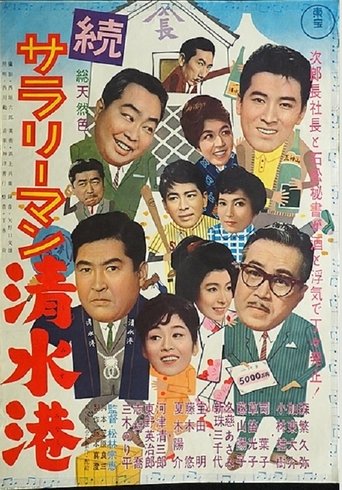
9.01962 Japanese movie
Shimizu Port Salaryman Part II
1962
Former playmates (Naito and Tamura), both long ago abandoned by their parents, recall their youth and fall in love.
Once a Rainy Day
1966
 8.0
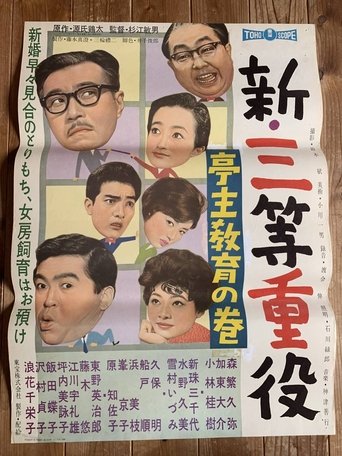
8.0Amid management shakeups and arranged marriage plans at Sekai Electric, an executive couple tries to support a young woman’s relationship with an academic over a business heir.
New Third Class Executive: Husband Education
1960
1950s · 18 titles
8.2After handing in a report on the treatment of Chinese colonial labor, Kaji is offered the post of labour chief at a large mining operation in Manchuria, which also grants him exemption from military service. He accepts and moves with his newlywed wife Michiko, but when he tries to put his ideas of more humane treatment into practice, he finds himself at odds with scheming officials, cruel foremen, and the military police.
The Human Condition I: No Greater Love
1959
8.2Kaji, sent to the Japanese army labeled Red, witnesses cruelties in the army and revolts against the abusive treatment against a fellow recruit. He also sees his friend Shinjô defecting to the Russian border, and he ends in the front to fight a lost battle against the Russian tanks division.
The Human Condition II: Road to Eternity
1959
 6.3
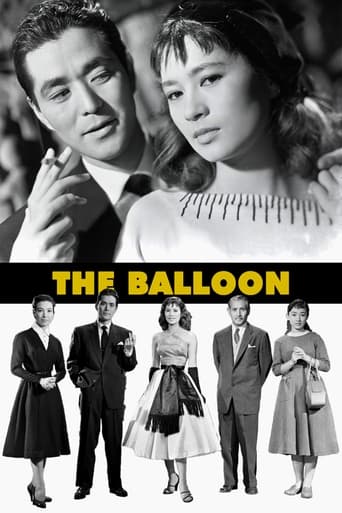
6.3Haruki Murakami is a successful family man and the head of a camera company. Unbeknownst to Murakami, his arrogant son oscillates between a mistress and a new lover who sings at a nightclub. When Murakami’s daughter befriends the mistress, the affair throws the family into turmoil.
The Balloon
1956
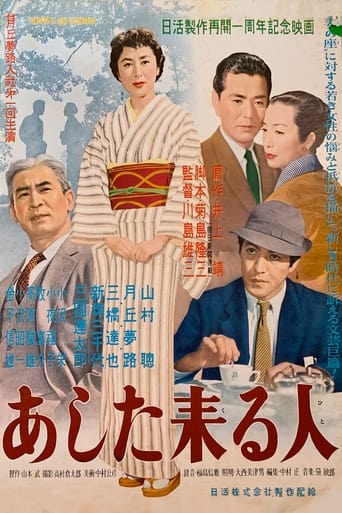 7.0
7.0Jiro Sone sacrifices all comfort to devote himself to research. Young housewife Yachiyo is disappointed with her husband Kappei, who is more attracted to mountain climbing and another girl. When Yachiyo’s father is introduced to Jiro, all of their lives become intertwined...
Till We Meet Again
1955
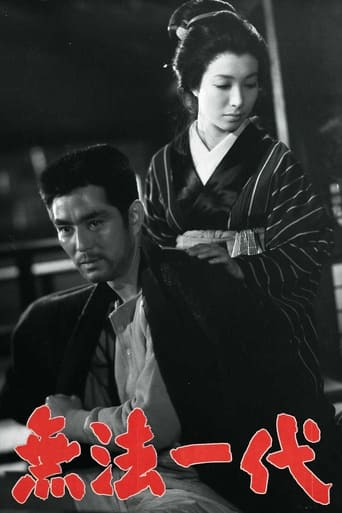 NR
NRThe movie is about a man who started a brothel to make money out of his poor circumstances in the late Meiji period.
Muhō Ichidai
1957
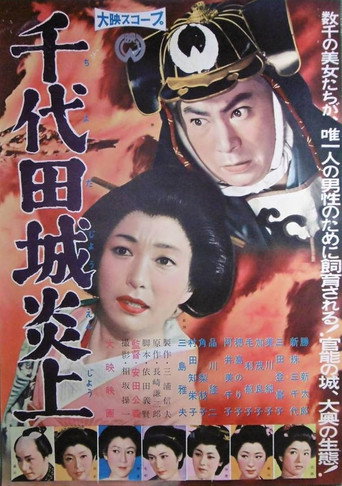 NR
NRA historical drama that tells the story of a simple girl, Chizuru, who entered the imperial palace as a maid and rose to the top because of her love affair.
Chiyoda Castle in Flames
1959
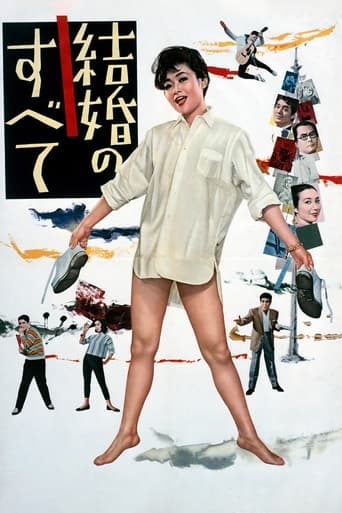 10.0
10.0Ultra-perky model likes single freedom but feels ryosai kenbo ("good wife, wise mother") pressure, exemplified by her bored-to-tears sister.
All About Marriage
1958
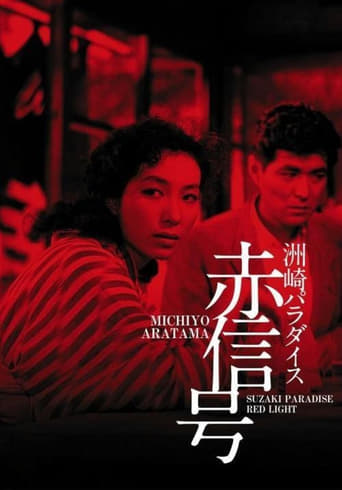 7.0
7.0A jobless young couple, Yoshigi and Tsutue, wind up at the outskirts of the Suzaki red-light district in Tokyo. Tsutue talks her way into a job pouring sake for male customers at a small bar run by a sympathetic older woman, while Yoshigi is shunted off into a nearby noodle shop, where he gets a job delivering noodles. Tsutue charms and runs off with one of her clients. Yoshigi, ignoring the attentions of a sweet co-worker, pursues Tsutue.
Suzaki Paradise: Red Light District
1956
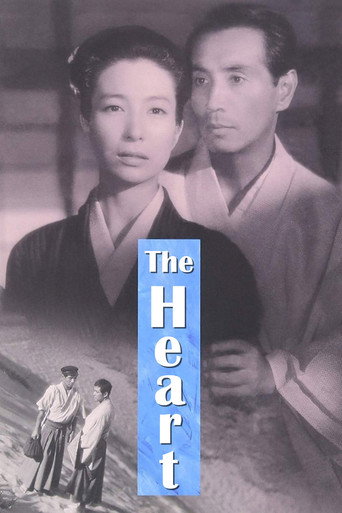 7.0
7.0In the dying months of the Meiji era, a sympathetic student befriends a married couple, but soon realizes they share a curiously strained relationship stemming from an unknown incident in their past.
The Heart
1955
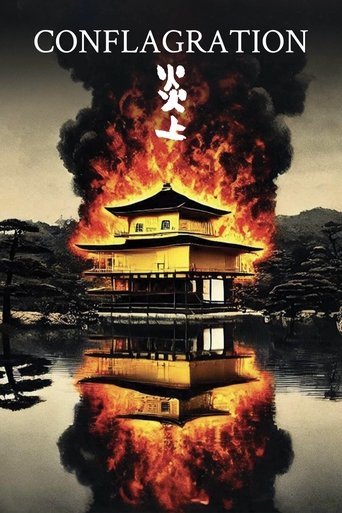 7.1
7.1Learning of his family's collapse, acolyte Goichi, sent to study silently at the Temple of the Golden Pavilion, must endure acute psychological distress.
Conflagration
1958
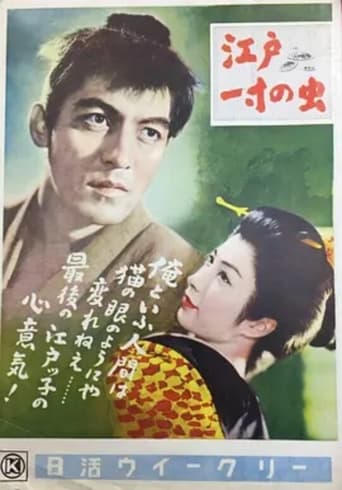 6.0
6.0This historical film depicts the life of a man who was at the mercy of the waves during transition from the end of the Edo period to the Meiji Restoration, and therefore, shows audience the dynamic change from Edo to Meiji. Before the war, the director, Eisuke Takizawa, together with the writers, formed a scenario writer group "Narutaki-gumi and they shot many historical masterpieces.
The Samurai of Edo
1955
 8.0
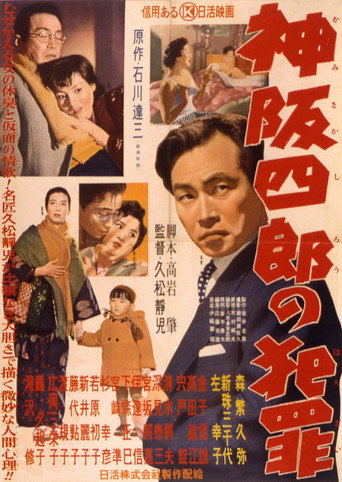
8.0Chief editor Shiro Kamisaka (Hisaya Morishige) of Sankei Publishing Inc. is being tried for embezzlement and the staging of Chiyo Umehara's suicide. The victim is a woman who's said to have had sexual relations with the defendant. Four intertwined witnesses: a critic, Shiro's employee, a singer, and his wife, are all called to the stand. His destiny now lies in their hands.
Called to the Stand
1956
 7.7
7.7A war widow with a young boy manages a farm with her bossy mother-in-law. When a reporter comes to interview her, the two begin an affair. He turns out to be married and won't leave his wife. Her older brother tries to marry off his children and hang on to/ extend his farm through an advantageous marriage in the face of threatened land confiscation and the desire of his children to get comfortable urban jobs instead of the backbreaking work in the paddy fields under parental control.
Summer Clouds
1958
 NR
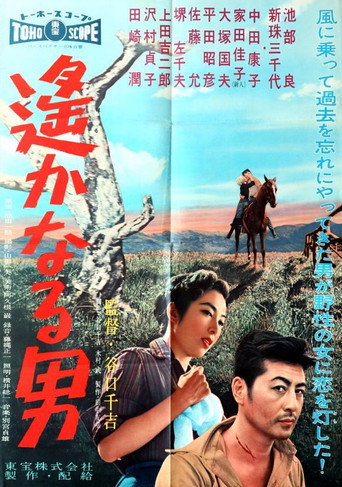
NRNo synopsis available yet.
Faraway Man
1957
 10.0
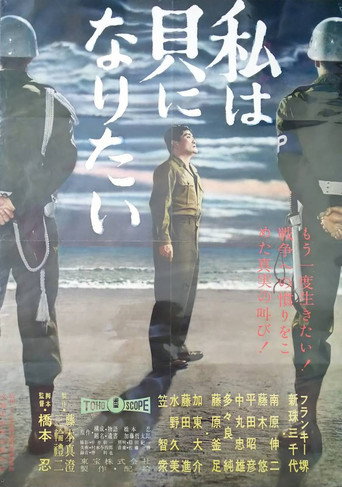
10.0On a post-war peaceful day in Japan, Toyomatsu Shimizu, a barber as well as a good father and husband, is suddenly arrested by the Prefectural Police as a war criminal and sued for murder.
I Want to Be a Shellfish
1959
 4.4
4.4Ise, a successful entrepreneur, accidentally murders his lunatic wife after he is spotted having an affair with his secretary, Harumi. In his attempt to perfect his crime, he drives to a remote quarry to bury his wife’s body, but along the way, he finds another dead body in the back of his car! Given no choice, Ise dumps both bodies. Meanwhile, Yoshie begins her search for her missing brother, Yoshihiko. After surprising twists and turns, Ise faces his fate.
Crossroad
1956
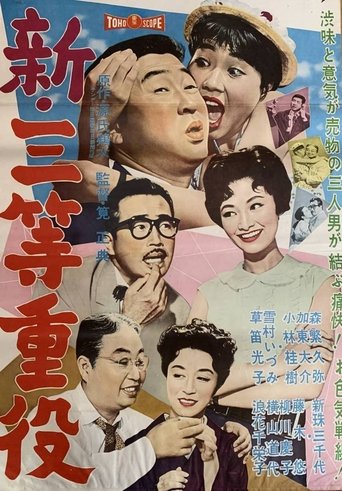 8.0
8.0At an Osaka electronics company, power struggles, corporate schemes, and personal agendas collide when the boss is away. As tensions rise around a meddling heiress and a collapsing business deal, one quiet employee steps up to set things right.
New Third-Class Executive
1959
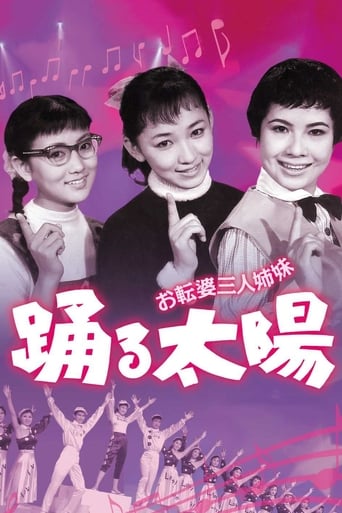 NR
NRIt’s been five years since her husband had passed away. Fuyuko lives in the quiet suburbs, in a small but loving home with her three beautiful daughters. Haruko, the eldest, is the lead vocalist in a band. Natsuko is the conscientious type, who spends her days in ballet classes beautifying herself. The youngest of the three, Akiko is a bookworm who found her niche in philosophy. Although the sisters may appear to have nothing in common, there is one thing they all agree on; "Mom needs a new husband".
Dancing Sisters
1957
Series credits
NRThe 26th NHK Asadora. Shimazaki Kayo is a woman from Hagi, Yamaguchi, who joins the Takarazuka Revue, a Japanese all-female musical theater troupe based in Takarazuka, Hyougo Prefecture, Japan. Women play all roles in lavish, Broadway-style productions of Western-style musicals, and sometimes stories adapted from shoujo manga and Japanese folktales.
Niji wo Oru
1980
7.3Set at the end of the 12th century when several wars for control of Japan disrupted a long era of peace, this tale of "Heike" (another name for the Taira clan) focuses on Taira Kiyomori who fights alongside other members of his clan to at first successfully overcome the Minamoto clan and their bid for power. Battles and intrigue abound, as the puppet Emperor and Buddhist monks take sides in the power struggle. At issue is Kiyomori's parentage, not an unusual problem for the nobility in that era where clandestine liaisons among courtiers and the upper classes were common.
Shin Heike Monogatari
1972
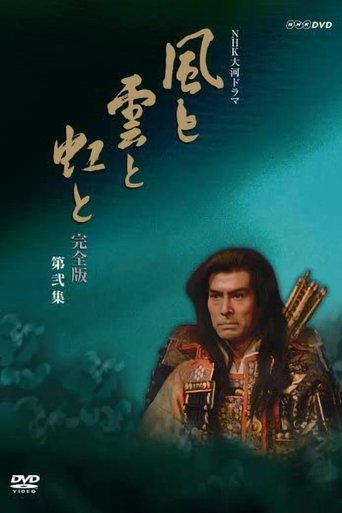 9.0
9.0Kaze to kumo to Niji to deals with the Heian period in Japan. Based on Chōgorō Kaionji`s novels Taira no Masakado and Umi to Kaze to Niji to. The drama was made by Go Kato`s request. The story chronicles the life of Taira no Masakado . The story begins with Masakado′s childhood. Masakado happens to meet Fujiwara no Hidesato, and he thinks that he want to be great Samurai like Hidesato in the future.
Wind, Clouds, and Rainbow
1976
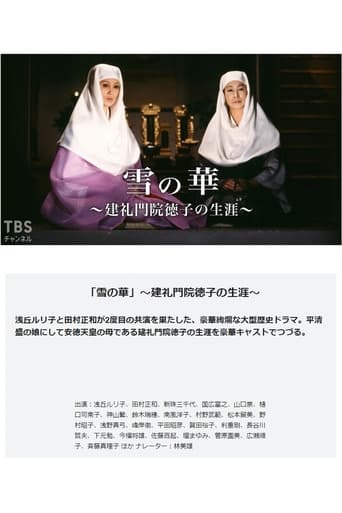 NR
NRNo synopsis available yet.
雪の華-建礼門院徳子の生涯
1982