
Sound
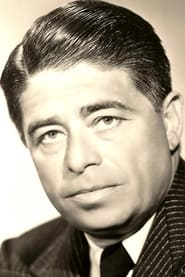
Alfred Newman
Born — Died
1901-03-17 — 1970-02-17
Place of birth
New Haven, Connecticut, USA
Known for
Sound
Credits
7 titles
From Wikipedia, the free encyclopedia Alfred Newman (March 17, 1900 – February 17, 1970) was an American composer, arranger, and conductor of film music. From his start as a music prodigy, he came to be regarded as a respected figure in the history of film music. He won nine Academy Awards and was nominated forty-three times. In a career spanning more than four decades, Newman composed the scores for over 200 motion pictures. Some of his most famous scores include Wuthering Heights, The Hunchback of Notre Dame, The Mark of Zorro, How Green Was My Valley, The Song of Bernadette, Captain from Castile, All About Eve, Love is a Many Splendored Thing, Anastasia, The Diary of Anne Frank, How The…
Known for
 6.8
6.8Three women set out to find eligible millionaires to marry, but find true love in the process.
How to Marry a Millionaire
1953
 NR
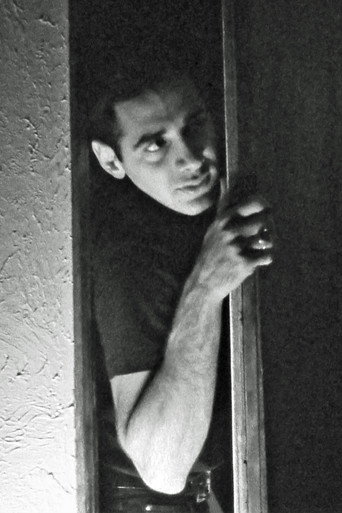
NRAn in-depth look at embattled filmmaker Alex “Monty” Canawati uncovers the indelible mark he's left on Hollywood.
Monty and the Movies
—
Follows the life and career of legendary composer Alfred Newman.
All About Alfred
—
 6.4
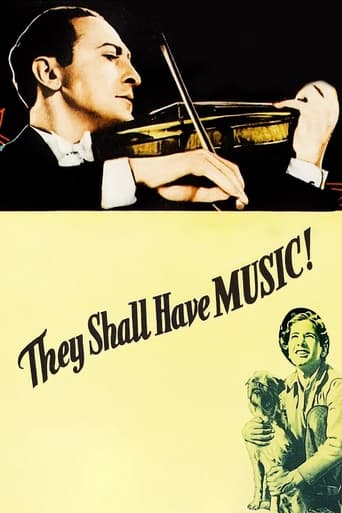
6.4The future is bleak for a troubled boy from a broken home in the slums. He runs away when his step father breaks his violin, ending up sleeping in the basement of a music school for poor children.
They Shall Have Music
1939
 5.2
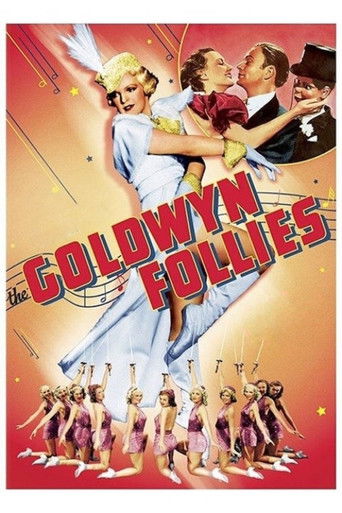
5.2Movie producer chooses a simple girl to be "Miss Humanity" and to critically evalute his movies from the point of view of the ordinary person.
The Goldwyn Follies
1938
 9.0
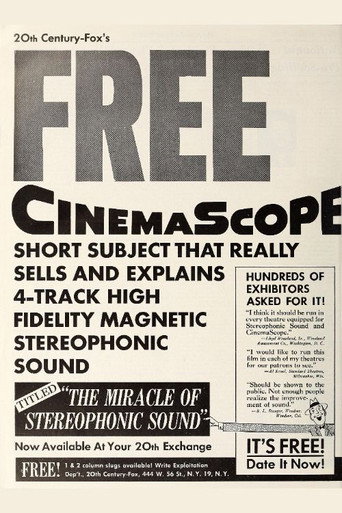
9.0This CinemaScope short explains all the wonders of full, four-track high fidelity magnetic stereophonic sound. The system is compared to regular optical sound, and then is demonstrated in a performance of Tchaikovsky's "Waltz of the Flowers." Alfred Newman leads the Twentieth Century-Fox Symphony Orchestra.
The Miracle of Stereophonic Sound
1954
Film credits
1950s · 3 titles
6.8Three women set out to find eligible millionaires to marry, but find true love in the process.
How to Marry a Millionaire
1953
9.0This CinemaScope short explains all the wonders of full, four-track high fidelity magnetic stereophonic sound. The system is compared to regular optical sound, and then is demonstrated in a performance of Tchaikovsky's "Waltz of the Flowers." Alfred Newman leads the Twentieth Century-Fox Symphony Orchestra.
The Miracle of Stereophonic Sound
1954
A short feature that showcases 20th Century Fox's new anamorphic widescreen film process.
The CinemaScope Parade
1951
1930s · 2 titles
6.4The future is bleak for a troubled boy from a broken home in the slums. He runs away when his step father breaks his violin, ending up sleeping in the basement of a music school for poor children.
They Shall Have Music
1939
5.2Movie producer chooses a simple girl to be "Miss Humanity" and to critically evalute his movies from the point of view of the ordinary person.
The Goldwyn Follies
1938