

Directing
Juraj Herz
Born — Died
1934-09-04 — 2018-04-08
Place of birth
Kezmarok, Czechoslovakia [now Slovakia]
Known for
Directing
Credits
79 titles
From Wikipedia, the free encyclopedia Juraj Herz (4 September 1934 – 9 April 2018) was a Slovak film director, actor, and scenic designer who was born when Kežmarok was a part of Czechoslovakia. He has directed for both film and television; and in the latter capacity, he has directed episodes of a joint French-Czech television series based on the Maigret novels of Georges Simenon. His 1971 film Petrolejové lampy, was entered into the 1972 Cannes Film Festival. His 1976 film Den pro mou lásku was entered into the 27th Berlin International Film Festival. He died on 9 April 2018, aged 83.
Known for
No synopsis available yet.
Bavarian Film Awards
1979
 7.8
7.8In 1930s Prague, a Czech cremator who firmly believes cremation relieves one from earthly suffering is drawn inexorably to Nazism.
The Cremator
1969
Television series Golden Sixties examines new insights into Czech and Slovak cinema of the 1960s and the role of the Czechoslovak New Wave. Each episode focuses on a different filmmaker.
Golden Sixties
2009
 6.0
6.0A story set in a small village in Sudetenland between 1937 and 1945. "Habermann" is based on true events.
Habermann
2010
 7.2
7.2Jealous of her vapidly "good" sister's popularity, poisonous Viktoria doses pretty Klara's tea with a slow-acting fatal substance. As the latter grows hysterically weak, the former finds success increasingly compromised by guilt, blackmail, and the pesky need to kill others lest she be exposed.
Morgiana
1972
 NR
NRNo synopsis available yet.
Karel je Gott
2019
Film credits
2010s · 6 titles
 6.7
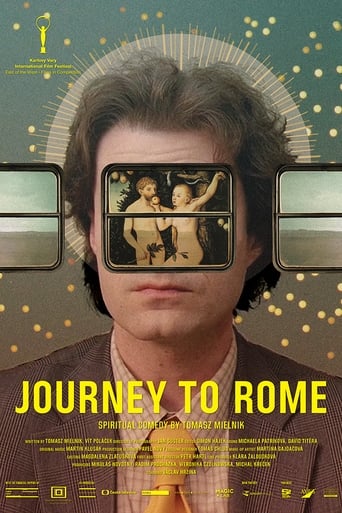
6.7Vašek learns that he is dying, so he steals a painting and goes to Rome to sell it – he needs money for a healer. Sitting on a train with a fake mustache on his face, he has no idea that he has, in fact, been sent on a spiritual quest of his life by a beautiful girl. His pursuers look as if they were transported from a 1970’s movie, yet his attention is constantly drawn to the other passengers, who pull him into their own stories with no mercy. Vašek slowly gets lost in a colorful chaos of other people’s destinies, opinions and his own dreams. In the end, his train will take some of them to hell, others to enlightenment or a bizarre epiphany. The film takes a humorous view on all the basic philosophical questions we have heard so many times but that we have yet to find the answers to.
Journey to Rome
2015
The family of a film screenwriter, who needs fresh air and, above all, peace and quiet for his creative work, moves to a small country farm for a while. However, his wife, a former, somewhat hysterical actress, still does not give him any peace, and so his small family, which also includes a six-year-old son, is in danger of falling apart. Unexpected, mysterious events, however, show them the way back. This is because there is a former coffee roastery on the farm, and the wife, together with her neighbor Dědek, starts a business against her husband's will.
Vůně kávy
2012
 6.5
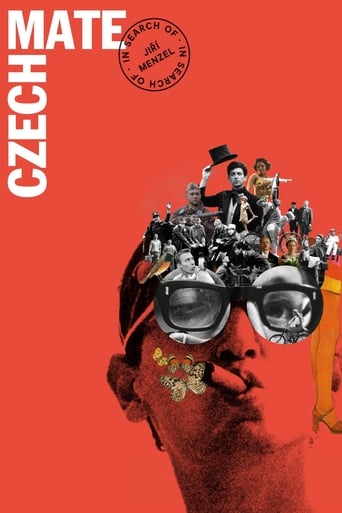
6.5An epic exploration of the Czechoslovak New Wave cinema of the 1960s and 70s, structured around a series of conversations with one of its most acclaimed exponents - Closely Observed Trains director Jiří Menzel.
CzechMate: In Search of Jiří Menzel
2018
One of the best Czech composers of film soundtracks is often described as a genius of film scores. He was not afraid to experiment and the timelessness of his work is proven by the admiration of the world, including the generation who came to know his music only after his death.
The Music of Zdeněk Liška
2017
 NR
NRThe filmmakers revisit some of the shooting locations of THE CREMATOR with director Juraj Herz and chronicles the making of the 1969 film.
This Way to the Cooling Chambers
2011
 NR
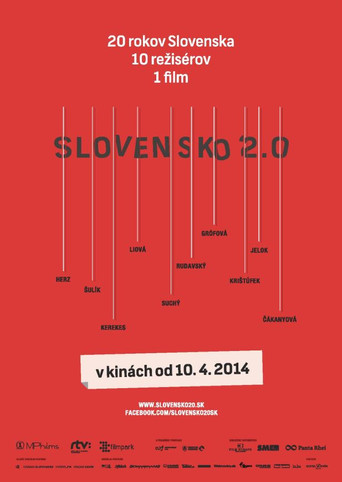
NRWhat is “Slovakia”? How to explain the notion of “Slovakia” of the past 20 years to an unknown stranger, a visitor from another planet? What is the genetic makeup or the software for “Slovakia”? How to use it? How does it change? Slovakia 2.0 is a film about twenty years of independent Slovakia as seen from the perspective of ten film directors. It is composed of ten 10-minute films of different genres ranging from drama, through animation and documentaries, to experimental film. The ten recognised film directors who offer an answer to what is Slovakia include a wide range of generations, views and genres, namely Juraj Herz, Martin Šulík, Peter Kerekes, Zuzana Liová, Mišo Suchý, Ondrej Rudavský, Iveta Grófová, Peter Krištúfek, Viera Čákanyová, and Miro Jelok.
Slovakia 2.0
2014
1990s · 2 titles
 7.0
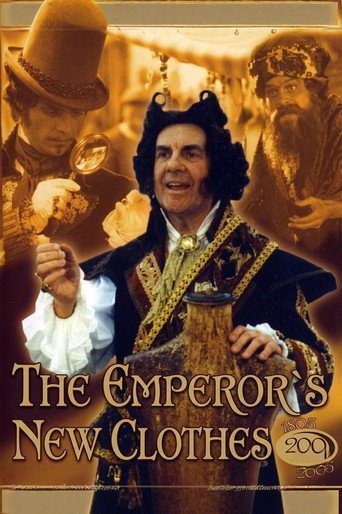
7.0The Emperor of a European country demands new clothes to wear every day, in fact sometimes several times a day. He imposes a heavy tax on the poor citizens to pay for his vanity. An itinerant man and boy come to the capital city and see the injustice, and make friends, but they soon have to flee. They return disguised as Arab tailors, and offer to make the Emperor a new suit of clothes. But only the wise will be able to see it; fools, or those unfit for their public office, will not see anything. The Emperor orders the suit made, and much money is needed to purchase the raw materials. Eventually the suit is ready, and the Emperor and his officials pretend that they can see a wonderful outfit; will anyone prick the bubble of the illusion?
The Emperor's New Clothes
1994
Silly Augustine, wife of silly August, who performs in the circus, and mother of Guggo, Gugga and Guggilein, dreams of one day being able to perform as a clown in the circus. Instead, she has to run the exhausting household. Her suggestion to share the job, the housework and the children is met with incomprehension and scorn from her husband. When silly August suffers from a toothache and misses his performance, Augustine seizes her chance, steps in and promptly masters the task with flying colors. From then on, father and mother share the housework and circus duties, as silly August immediately realizes that he has underestimated his wife.
Die dumme Augustine
1993
1980s · 4 titles
 5.5
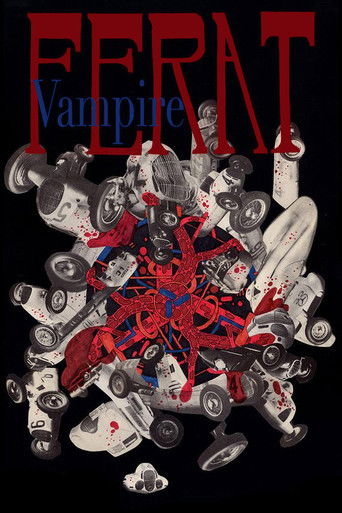
5.5A doctor is shocked when his beloved colleague Mima signs a contract with foreign car manufacturer Ferat, in order to work for them as a rally-driver. A scientist convinces him that human blood is being used as fuel for Mima's ever winning car, but does that really work?
Ferat Vampire
1982
 4.3
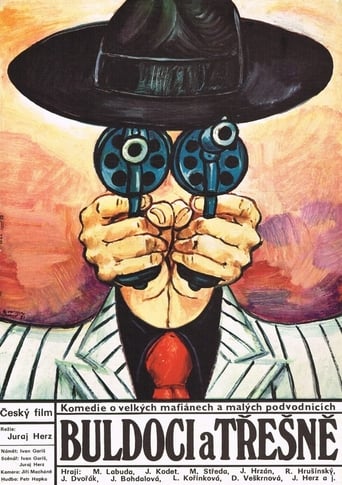
4.3The dreaded Italian mafioso, Marian Labuda, will also be convinced. Mafioso Carmello was guilty of the principles of his organization when he tried to fool the boss and earned a death sentence. The convict runs away from the killer through Vienna to Prague, which his Austrian colleague in crime recommended as a safe hiding place. None of them knows that the Czechs learned so much tricks under real socialism that a seasoned Italian professional is not enough to watch.
Bulldogs and Cherries
1981
 4.0
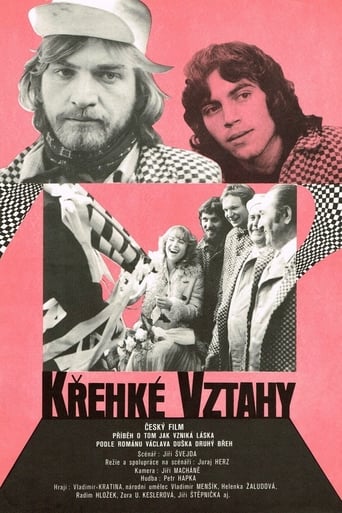
4.0A divorced single mother romances a young slaughterhouse worker, must to the chagrin of her ex-husband.
Fragile Relationships
1980
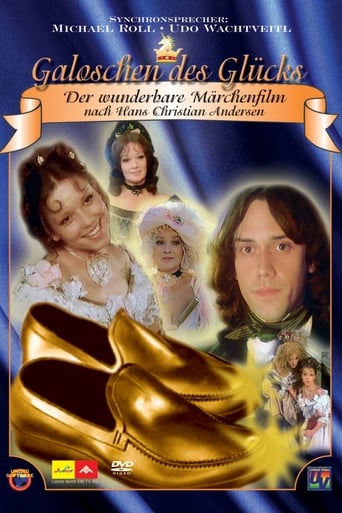 7.7
7.7The Slippers of Happiness is another film made by the Slovak Film Production in co-production with West German companies based on classic world fairy tales. After Slovak folk tales [The Greatest Peck in the World, Salt Over Gold] and the works of German fairy tale writers Wilhelm Hauff [The False Prince] and the Brothers Grimm [The Land of the Thrush's Beard, Perinbaba], screenwriter Alex Koenigsmark and director Juraj Herz were inspired by the famous fairy tale by Hans Christian Andersen. It tells the story of slippers that the Fairy of Fortune enchanted so that they would fulfill every human wish and thus bring people happiness. The filmmakers humorously transferred the plot from Copenhagen to old Prague.
The Galoshes of Happiness
1987
1970s · 7 titles
 6.5
6.5Martin, a poor student, volunteers to go on a quest to find a cure for the princess Adriana, who is stricken with a strange illness. Unknown to Martin or anyone else, the princess is actually under the spell of the powerful magician Andlobrandini, who is preparing a rejuvenating elixir made from the blood of nine men's hearts.
The Ninth Heart
1979
 6.4
6.4The heroes of this absurd comedy, full of confusion and humor are Dzharda Zemanek and Frantisek Liska.
A Nice Plate of Spinach
1977
A comedy set in a circus setting. Artist Ivan Brabec visits the variety artist Bellinzon to ask for the hand of his daughter Dana. However, the old man throws him out because he promised his daughter's hand to the son of his old friend, a Hungarian magician. Moreover, he flaunts circus tradition and his family. But Brabec complains to the stagehand Šíša, who reveals a secret to him. Bellinzon does not actually come from a respected family of circus performers and his name is not even Bellinzon, but Kudláček...
Hop, děti, do života
1974
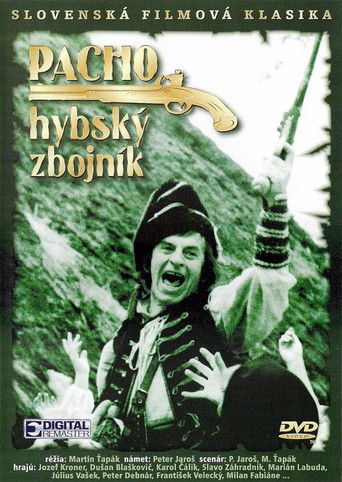 7.4
7.4A funny outlaw tale inspired by traditional folk humour. Pacho is no ordinary outlaw. He detests injustice and feudal oppression and he copes with each troublesome situation with the help of his cleverness and wit.
Pacho, the Brigand of Hybe
1976
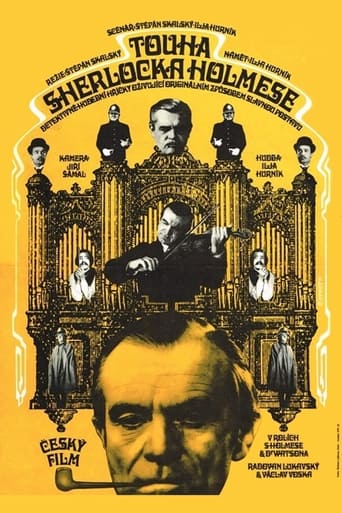 6.0
6.0Sherlock Holmes likes to play violin and expects a great career in music. He gets a place in a spa orchestra, but he is again and again distracted by criminal cases. Therefore he is the only one who does not see that his violin has no future. He solves the criminal mysteries in passing but the final test shows that the famous detective is tone-deaf.
Touha Sherlocka Holmese
1972
 6.0
6.0The waitress Gita from the hotel "Bobí vrch" approaches her lover who has not left his wife yet and gives him an ultimatum: if he does not do all according to her wish, she will announce to the police his machinations with foreign currency.
A Girl Fit to Be Killed
1976
No synopsis available yet.
Psíčci lorda Carltona
1971
1960s · 13 titles
 7.1
7.1In a small town in Nazi-occupied Slovakia during World War II, decent but timid carpenter Tono is named "Aryan comptroller" of a button store owned by an old Jewish widow, Rozalie. Since the post comes with a salary and standing in the town's corrupt hierarchy, Tono wrestles with greed and guilt as he and Rozalie gradually befriend each other. When the authorities order all Jews in town to be rounded up, Tono faces a moral dilemma unlike any he's known before.
The Shop on Main Street
1965
 7.1
7.1A satire of the Great American Way, with Lemonade Joe a "clean living" gunfighter who drinks only Kola-Loca Lemonade and convinces everyone else in town (with his gun skills) that all "real men" drink ONLY lemonade!
Lemonade Joe
1964
 5.3
5.3Czechoslovakian Zbynek Brynych directs this psychological drama set in World War II Terezin ghetto. A dark, visual portrayal of the trials and tribulations the Theresienstadt people faced on a daily basis presented in a series of memorable stories. Their hopes and dreams unfold against the perpetual threat of deportation (or worse) by the Nazis. Based on the novel "Night and Hope" by Arnost Lustig.
Transport from Paradise
1963
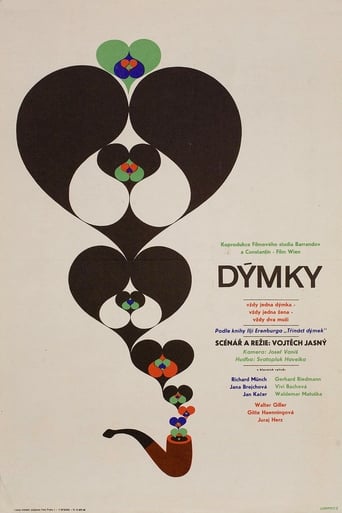 6.0
6.0This three-part Austrian/Czech comedy stretches the boundaries of what is considered to be humorous. Part one finds a silent film actor upset because of a rival actor's attention to the former's wife. When he kills his rival, it is only when he is strapped to the electric chair that he realizes that this is his last live scene. The second episode has the wife of an elderly British nobleman having an affair with the young gamekeeper of their estate. Part three finds a peasant woman taking a lover when her husband goes off to fight the war.
The Pipes
1966
 6.7
6.7Two magicians, Mr. Schwarzwald and Mr. Edgar, try to outdo each other in performing elaborate magic tricks, leading to a violent ending.
The Last Trick
1964
 7.5
7.5A military base. An awkward soldier. A statue of Bach. And suddenly all guns in the area change into music instruments. Great mystery is immediately found by TV station. And soon the military base becomes a stage for huge TV show.
If a Thousand Clarinets
1965
A youthfully enthusiastic teacher tries to raise the standard of living of the residents of a declining border village... A sympathetic young man with a suspended sentence was Josef Abrham's first big role. Miroslav Horníček often told a funny story from the set about his motorcycle rides.
Don't Take Shelter From The Rain
1962
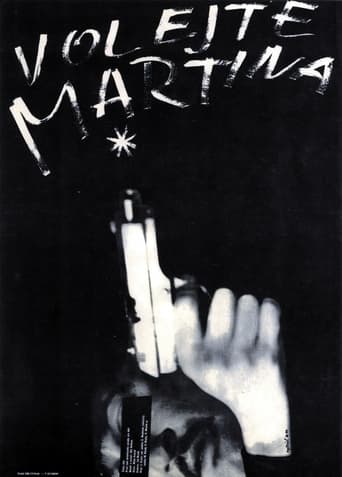 6.7
6.7The series of children's films about Detective Martin, who intervenes in cases involving children, begins with this film. It consists of two short stories: in the first ("Three Bottles"), the young hero, escaping from an orphanage, gets involved in a robbery of postage stamps..., in the second ("Flying Carousel"), the children fight a dishonest owner of fairground rides...
Volejte Martina
1966
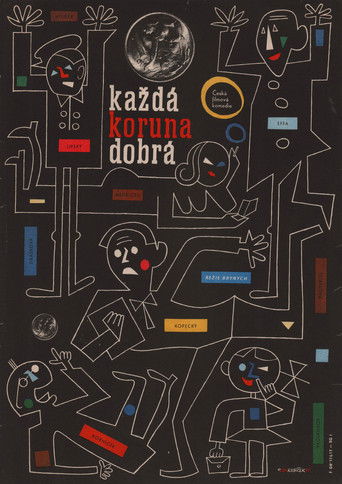 7.0
7.0After inheriting a villa from his uncle, Emil Tuma meets its strange inhabitants, getting him in trouble.
Every Penny Counts
1961
 7.2
7.2A man is trapped in a sinister flat, where nothing seems to obey the laws of nature.
The Flat
1968
This forgotten detective story starring Svatopluk Beneš focuses on those ills of the past regime that were allowed to be glossed over - mainly the theft of socialist-owned property and illegal business. Criminals here come across illegal machinations in the hospitality industry, foreign guests are even offered sexual services... But the youth-friendly story unfolds lazily, unimaginatively, emphasizing an excess of dully delivered dialogue that replaces action and suspense.
Slečny přijdou později
1966
No synopsis available yet.
Ticho! Ticho! Ticho!
1963
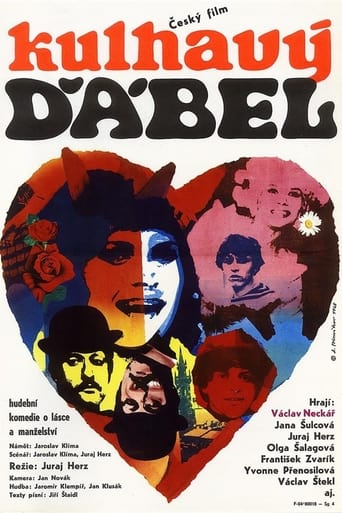 4.8
4.8A baleful limping man walks through Prague. He is Asmodeus (Juraj Herz), the fiend of lustfulness, entertaining himself by putting together by magic couples of lovers. He only fails at the swimming pool. Zuzana (Jana Sulcová), the good-looking blonde, ignores the men whom the devil foists off onto her. She loves Honza (Václav Neckár) and the boy shares her feelings. The fiend is annoyed by the couple and tries to provoke a row. He sends heavy rain to force them into a hotel and then warns Zuzana's father by phone, but the young lovers manage to get out in time. Then the obstinate Asmodeus takes Honza in his sleep to the Institute for Emotional Disorders, where he shows him the ugly sides of love - hysteria, voyeurism, fetishism, suicide attempts...
The Limping Devil
1968
Series credits
No synopsis available yet.
Bavarian Film Awards
1979
Television series Golden Sixties examines new insights into Czech and Slovak cinema of the 1960s and the role of the Czechoslovak New Wave. Each episode focuses on a different filmmaker.
Golden Sixties
2009
NRNo synopsis available yet.
Karel je Gott
2019
 5.0
5.0No synopsis available yet.
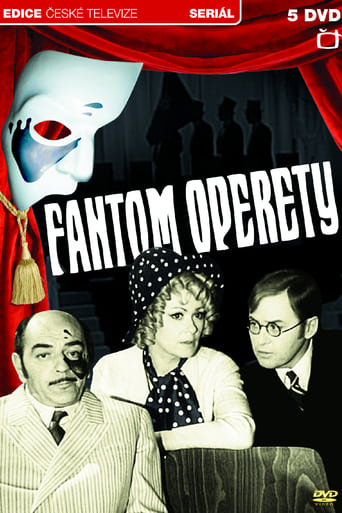
Fantom operety
1971
 6.8
6.8No synopsis available yet.
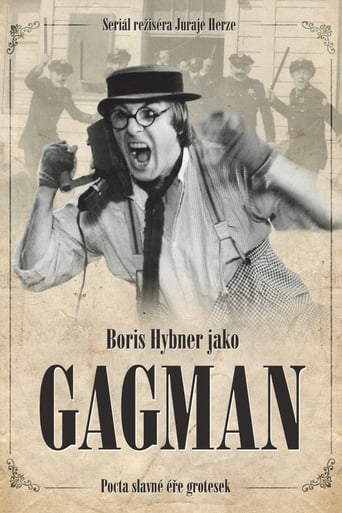
Gagman
1988
No synopsis available yet.
Bratislavské pondelky
2021
Behind the camera
7.8In 1930s Prague, a Czech cremator who firmly believes cremation relieves one from earthly suffering is drawn inexorably to Nazism.
The Cremator
1969
7.8In 1930s Prague, a Czech cremator who firmly believes cremation relieves one from earthly suffering is drawn inexorably to Nazism.
The Cremator
1969
6.0A story set in a small village in Sudetenland between 1937 and 1945. "Habermann" is based on true events.
Habermann
2010
7.2Jealous of her vapidly "good" sister's popularity, poisonous Viktoria doses pretty Klara's tea with a slow-acting fatal substance. As the latter grows hysterically weak, the former finds success increasingly compromised by guilt, blackmail, and the pesky need to kill others lest she be exposed.
Morgiana
1972
7.2Jealous of her vapidly "good" sister's popularity, poisonous Viktoria doses pretty Klara's tea with a slow-acting fatal substance. As the latter grows hysterically weak, the former finds success increasingly compromised by guilt, blackmail, and the pesky need to kill others lest she be exposed.
Morgiana
1972
 7.5
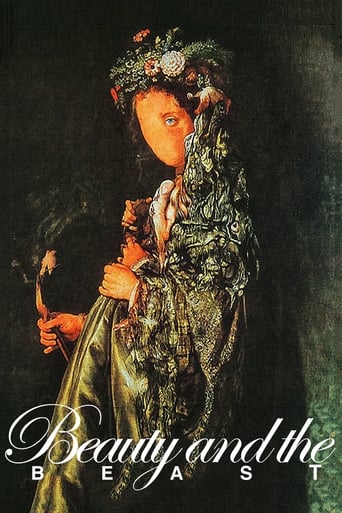
7.5Julie, the youngest daughter of a bankrupt merchant, sacrifices her life in order to save her father. She goes to an enchanted castle in the woods and meets Netvor, a bird-like monster. As Netvor begins to fall in love with Julie, he must suppress his beastly urge to kill her.
Beauty and the Beast
1979
7.5Julie, the youngest daughter of a bankrupt merchant, sacrifices her life in order to save her father. She goes to an enchanted castle in the woods and meets Netvor, a bird-like monster. As Netvor begins to fall in love with Julie, he must suppress his beastly urge to kill her.
Beauty and the Beast
1979
5.5A doctor is shocked when his beloved colleague Mima signs a contract with foreign car manufacturer Ferat, in order to work for them as a rally-driver. A scientist convinces him that human blood is being used as fuel for Mima's ever winning car, but does that really work?
Ferat Vampire
1982
5.5A doctor is shocked when his beloved colleague Mima signs a contract with foreign car manufacturer Ferat, in order to work for them as a rally-driver. A scientist convinces him that human blood is being used as fuel for Mima's ever winning car, but does that really work?
Ferat Vampire
1982
6.5Martin, a poor student, volunteers to go on a quest to find a cure for the princess Adriana, who is stricken with a strange illness. Unknown to Martin or anyone else, the princess is actually under the spell of the powerful magician Andlobrandini, who is preparing a rejuvenating elixir made from the blood of nine men's hearts.
The Ninth Heart
1979
6.5Martin, a poor student, volunteers to go on a quest to find a cure for the princess Adriana, who is stricken with a strange illness. Unknown to Martin or anyone else, the princess is actually under the spell of the powerful magician Andlobrandini, who is preparing a rejuvenating elixir made from the blood of nine men's hearts.
The Ninth Heart
1979
7.0The Emperor of a European country demands new clothes to wear every day, in fact sometimes several times a day. He imposes a heavy tax on the poor citizens to pay for his vanity. An itinerant man and boy come to the capital city and see the injustice, and make friends, but they soon have to flee. They return disguised as Arab tailors, and offer to make the Emperor a new suit of clothes. But only the wise will be able to see it; fools, or those unfit for their public office, will not see anything. The Emperor orders the suit made, and much money is needed to purchase the raw materials. Eventually the suit is ready, and the Emperor and his officials pretend that they can see a wonderful outfit; will anyone prick the bubble of the illusion?
The Emperor's New Clothes
1994
 5.7
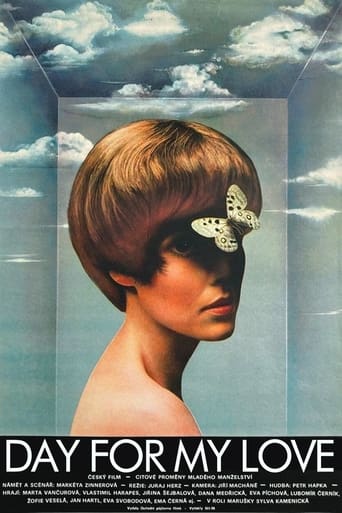
5.7After their young daughter dies suddenly from a viral infection, Marie and Petr struggle to cope with the silence and emptiness left in their apartment. The couple drifts apart as Marie sinks into deep isolation while Petr attempts to distract himself through work and social interactions. Eventually, they decide to try for another child in an effort to move forward and rebuild their fractured relationship.
Day for My Love
1977
 7.7
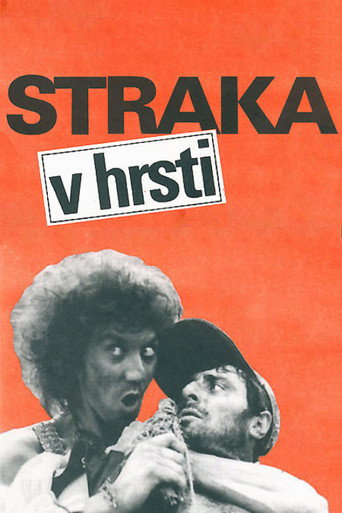
7.7In the film, the creative forces of personalities from three spheres of art collide. The subtitle "The Game of Love and Hate" refers to the motivation of an old Czech medieval satire, the theme belongs to Antonín Přidal, an expert on this subject. His collaboration with Juraj Herz created a collage of past and present, an updated, sharp satire and a parable about the clash of human qualities that could not but end up in the vault. The music of the Prague Selection - Michael Kocáb and Michal Pavlíček - also contributed to the film's offensive provocativeness - the film was one of the reasons for their complete move to the underground. The dancing chorus of medieval citizens resembles more of a jumble of long-haired maniacs, the edge of a contemporary dump intrudes into the space of a medieval marketplace, and the characters oscillate between the past and the present, whether in their appearance, symbolism or behaviour.
The Magpie in the Wisp
1991
7.7In the film, the creative forces of personalities from three spheres of art collide. The subtitle "The Game of Love and Hate" refers to the motivation of an old Czech medieval satire, the theme belongs to Antonín Přidal, an expert on this subject. His collaboration with Juraj Herz created a collage of past and present, an updated, sharp satire and a parable about the clash of human qualities that could not but end up in the vault. The music of the Prague Selection - Michael Kocáb and Michal Pavlíček - also contributed to the film's offensive provocativeness - the film was one of the reasons for their complete move to the underground. The dancing chorus of medieval citizens resembles more of a jumble of long-haired maniacs, the edge of a contemporary dump intrudes into the space of a medieval marketplace, and the characters oscillate between the past and the present, whether in their appearance, symbolism or behaviour.
The Magpie in the Wisp
1991
 7.7
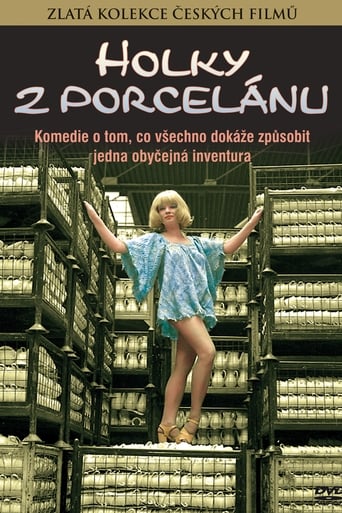
7.7The fifteen year old Maruska starts as a new staff in the porcelain warehouse. For the boss Svetla it is the last straw. She asked to extend her staff consisting of four girls and a retired lady by a man, not a child. The kind and ever fussy Svetla, battling in vain with overweight decides to leave her position and to take another one in the office. As soon as she finds out that the position will be taken by Arnost Jarolím, she insists on a hand over inventory.
Girls from a Porcelain Factory
1975
 6.3
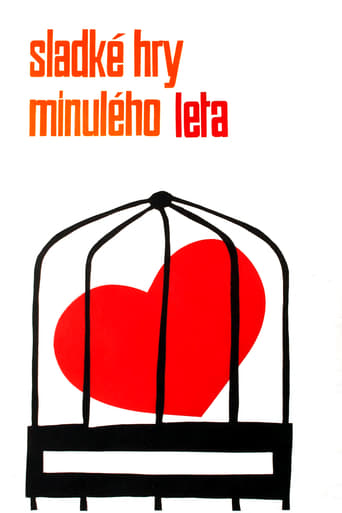
6.3Impressionistic film based on a Maupassant story about five friends who fall in love with the same beautiful girl one summer.
Sweet Games of Late Summer
1970
6.3Impressionistic film based on a Maupassant story about five friends who fall in love with the same beautiful girl one summer.
Sweet Games of Late Summer
1970
Silly Augustine, wife of silly August, who performs in the circus, and mother of Guggo, Gugga and Guggilein, dreams of one day being able to perform as a clown in the circus. Instead, she has to run the exhausting household. Her suggestion to share the job, the housework and the children is met with incomprehension and scorn from her husband. When silly August suffers from a toothache and misses his performance, Augustine seizes her chance, steps in and promptly masters the task with flying colors. From then on, father and mother share the housework and circus duties, as silly August immediately realizes that he has underestimated his wife.
Die dumme Augustine
1993
Silly Augustine, wife of silly August, who performs in the circus, and mother of Guggo, Gugga and Guggilein, dreams of one day being able to perform as a clown in the circus. Instead, she has to run the exhausting household. Her suggestion to share the job, the housework and the children is met with incomprehension and scorn from her husband. When silly August suffers from a toothache and misses his performance, Augustine seizes her chance, steps in and promptly masters the task with flying colors. From then on, father and mother share the housework and circus duties, as silly August immediately realizes that he has underestimated his wife.
Die dumme Augustine
1993
 6.1
6.1When a young princess, instead of being fully dedicated to her love, persists in running around like a tomboy and roaming the forests with her gang, and a young prince refuses to give up all his vices and mischief, an aquaphobic fairy takes their fate into her hands. The princess then falls in love with the prince, who declares eternal fidelity to her. When he however breaks this promise, the fairy turns him into a frog. With which the loyalty of the princess is being tested as well.
The Frog Prince
1991
 4.1
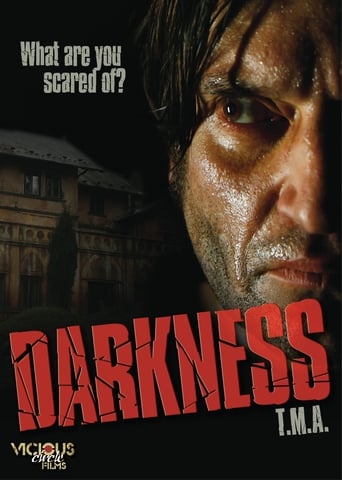
4.1A man leaves his busy city life for the peace of the country home where he spent his early childhood. His new life is soon disturbed by strange events.
Darkness
2009
 6.7
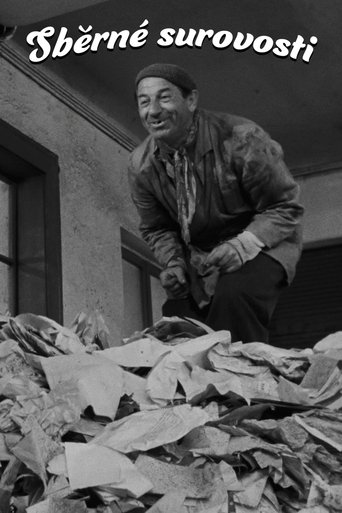
6.7Juraj Herz adapts Bohumil Hrabal's story about a man who works in a junk shop.
The Junk Shop
1965
6.7Juraj Herz adapts Bohumil Hrabal's story about a man who works in a junk shop.
The Junk Shop
1965
4.3The dreaded Italian mafioso, Marian Labuda, will also be convinced. Mafioso Carmello was guilty of the principles of his organization when he tried to fool the boss and earned a death sentence. The convict runs away from the killer through Vienna to Prague, which his Austrian colleague in crime recommended as a safe hiding place. None of them knows that the Czechs learned so much tricks under real socialism that a seasoned Italian professional is not enough to watch.
Bulldogs and Cherries
1981
4.3The dreaded Italian mafioso, Marian Labuda, will also be convinced. Mafioso Carmello was guilty of the principles of his organization when he tried to fool the boss and earned a death sentence. The convict runs away from the killer through Vienna to Prague, which his Austrian colleague in crime recommended as a safe hiding place. None of them knows that the Czechs learned so much tricks under real socialism that a seasoned Italian professional is not enough to watch.
Bulldogs and Cherries
1981
 9.0
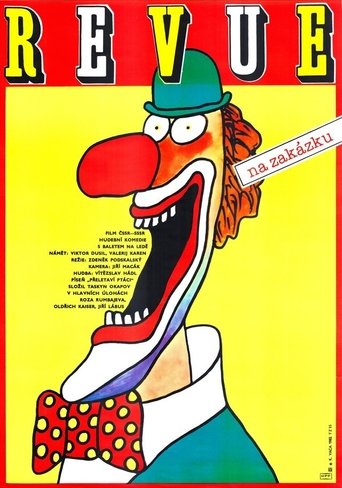
9.0The director and choreographer from Prague are preparing a show performance "Oriental Fairy Tale" - a ballet on ice with the participation of vocal and instrumental ensembles and pop singers. They are shooting their picture in Kazakhstan at the Medeo high-altitude skating rink.
Goodbye, Medeo
1982
 5.6
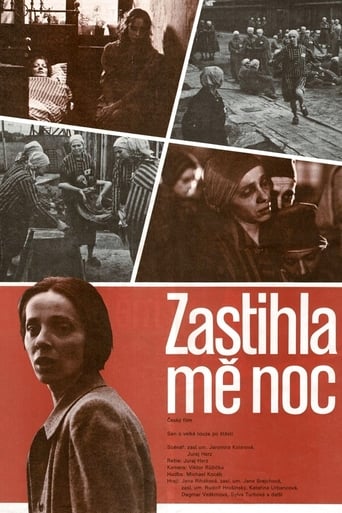
5.6A communist journalist from Prague is sent to Ravensbruck concentration camp.
Caught by Night
1986
5.6A communist journalist from Prague is sent to Ravensbruck concentration camp.
Caught by Night
1986
Rambling Engelbert: 1973 Czechoslovakian T.V. movie musical
Rambling Engelbert
1973
4.0A divorced single mother romances a young slaughterhouse worker, must to the chagrin of her ex-husband.
Fragile Relationships
1980
4.0A divorced single mother romances a young slaughterhouse worker, must to the chagrin of her ex-husband.
Fragile Relationships
1980
 4.0
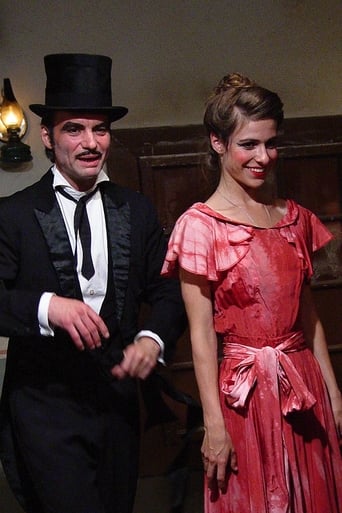
4.0During the Protectorate of Bohemia and Moravia, the main characters of the story meet in a village pub. A traveling magician performs his variety show there with his assistant and current lover, with whom the local innkeeper had an affair in the past. The assistant would like to settle down, as she is tired of the traveling life. However, after an argument, the magician kicks her out. Hiding in the tavern's cellar is a young 16-year-old girl, half-Jewish, who is fascinated by the magician's performance. The innkeepers have been hiding her there somewhat against their will. When the girl runs away with the magician, they feel somewhat relieved. But only until they realize what would happen if the girl revealed where she was hiding.
Dívka a kouzelník
2009
 8.0
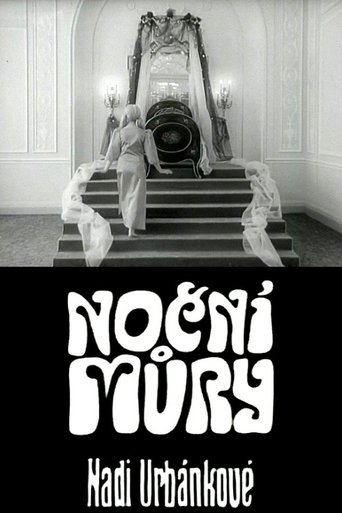
8.0Singer and actress Naďa Urbánková, against the background of vampires and ghostly realities.
Naďa Urbánková's Nightmares
1970
8.0Singer and actress Naďa Urbánková, against the background of vampires and ghostly realities.
Naďa Urbánková's Nightmares
1970
7.7The Slippers of Happiness is another film made by the Slovak Film Production in co-production with West German companies based on classic world fairy tales. After Slovak folk tales [The Greatest Peck in the World, Salt Over Gold] and the works of German fairy tale writers Wilhelm Hauff [The False Prince] and the Brothers Grimm [The Land of the Thrush's Beard, Perinbaba], screenwriter Alex Koenigsmark and director Juraj Herz were inspired by the famous fairy tale by Hans Christian Andersen. It tells the story of slippers that the Fairy of Fortune enchanted so that they would fulfill every human wish and thus bring people happiness. The filmmakers humorously transferred the plot from Copenhagen to old Prague.
The Galoshes of Happiness
1987
6.0The waitress Gita from the hotel "Bobí vrch" approaches her lover who has not left his wife yet and gives him an ultimatum: if he does not do all according to her wish, she will announce to the police his machinations with foreign currency.
A Girl Fit to Be Killed
1976
 6.0
6.0In 1900, Stepha, the vivacious 30 year old daughter of a wealthy couple, agrees to marry her cousin Paul, who has accumulated large debts as an Austrian army officer. Paul refuses to work or to consummate the marriage, and then his health steadily declines.
Oil Lamps
1971
6.0In 1900, Stepha, the vivacious 30 year old daughter of a wealthy couple, agrees to marry her cousin Paul, who has accumulated large debts as an Austrian army officer. Paul refuses to work or to consummate the marriage, and then his health steadily declines.
Oil Lamps
1971
 4.6
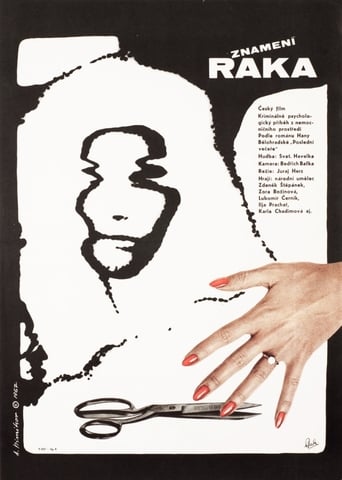
4.6When Dr. Hahn is found murdered in the hospital’s inspection room, investigators question several suspects: his colleague and longtime lover Dr. Marie Nováková (whom he cheated on with nurse Jiřina), the nurse herself, Dr. Petera (whose career he stymied), a senile patient named Zima, and the inept clinic head. As police sift through truthful and deceptive testimonies, complex professional rivalries and personal entanglements among the hospital staff come to light.
Sign of the Cancer
1967