
Acting
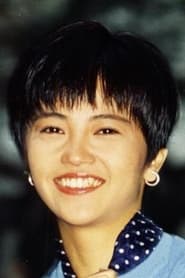
Haruko Sagara
Born
1968-03-01 (58)
Place of birth
Koriyama, Fukushima Prefecture, Japan
Known for
Acting
Credits
25 titles
Known for
 7.8
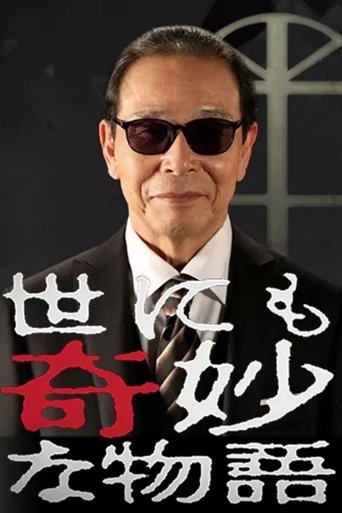
7.8Inspired by American TV movies like "Hitchcock Theater" and "The Twilight Zone," the show features multiple works with Tamori as the storyteller and actors as the main characters. While horror and supernatural themes are predominant, a variety of genres like comedy and drama are also produced. Most episodes, however, have a bad ending.
Tales of the Bizarre
1990
 7.4
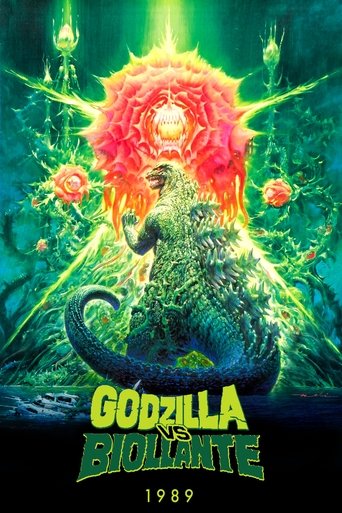
7.4After the previous Godzilla attack, a miniature arms race ensues to collect his cells. Concerned over Godzilla's possible return, the Japanese government uses the cells to create a new bio-weapon, ANEB (Anti-Nuclear Energy Bacteria). They seeks the aid of geneticist Genshiro Shiragami, who's experiments result in a new mutation.
Godzilla vs. Biollante
1989
 6.5
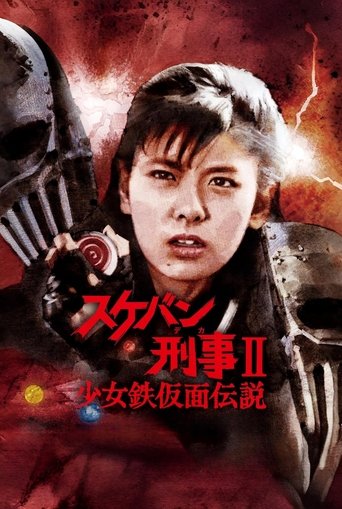
6.5Sukeban Deka II in 1985-1986 starred Yoko Minamino as the second "Sukeban Deka", a mysterious girl with an iron mask named Yoko Godai who takes on the identity of Asamiya Saki after being freed from her mask; She will get the help of two other sukeban: Kyoko "Okyo" Nakamura (Haruko Sagara), and Yukino Yajima (Akie Yoshizawa, from jpop band Onyanko Club which will appear in two episodes).
Sukeban Deka II: Legend of the Iron-Masked Girl
1985
 8.5
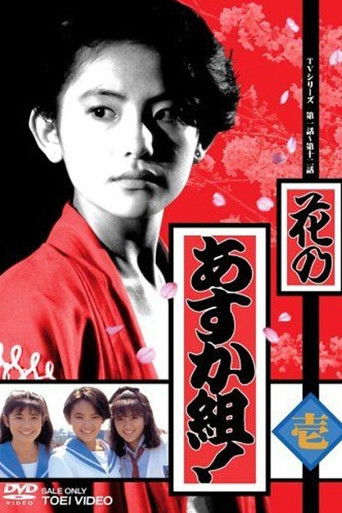
8.5While the adults were devouring the country in peace the young girls are now plunging into the Sengoku Period. A domination of fear and terror by the Zenchura, a federation of banchos nationwide, began. With 80% of the nation's middle schools already under its control. Yet, there was one girl who was determined to crush those wicked ambitions. Her name is Asuka Kuraku.
Hana no Asuka-gumi!
1988
 NR
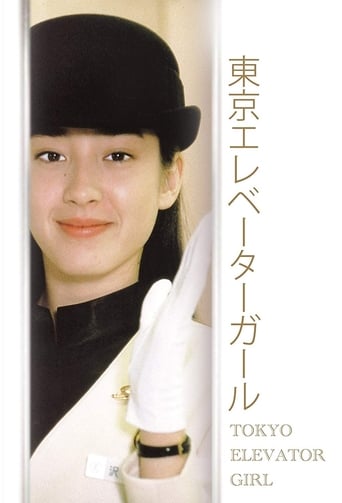
NRTsukasa leaves her hometown to work in Tokyo. While there, she is on her own facing the fascination and challenges of the working world. Her experiences gained, together with what she sees in others, gradually lead her to grow up. She is no longer in the midst of illusions and misconceptions.
Tokyo Elevator Girl
1992
 7.0
7.0A private lawyer (Hiroshi Mikami) who is infatuated with the widow of the Mamiya conglomerate (Emi Shindo) and aims for her inheritance. But he had multiple personalities. One day, university student Kawashima Megumi is mistaken for her older sister, Maiko. She is given a key to a coin locker, and finds inside the diary of Maiko's real father, a zaibatsu leader. Using her sister's name, Megumi gets close to the widow of the zaibatsu leader.
The Only One I Can't See
1992
Film credits
2000s · 1 titles
1990s · 5 titles
 5.0
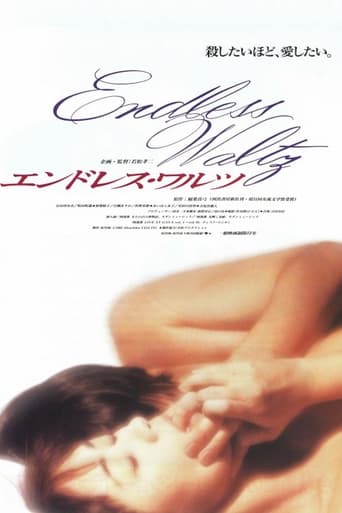
5.0Biopic about jazz saxophonist Kaoru Abe and his wife, noted writer Izumi Suzuki.
Endless Waltz
1995
 9.0
9.0Set in Osaka just after the end of the war, the story depicts an unconventional merchant who returns from evacuation. The film is based on the novel of the same name written by Teru Miyamoto, and the screenplay was written by Eizo Sugawa, who also wrote "Horagawa". The director is Takeichi Saito, who also directed "Kawachi no Osan no Uta: Yokita no Ware". Kozo Okazaki, who worked on "I am a Cat," is in charge of the cinematography.
Sea of Wandering
1990
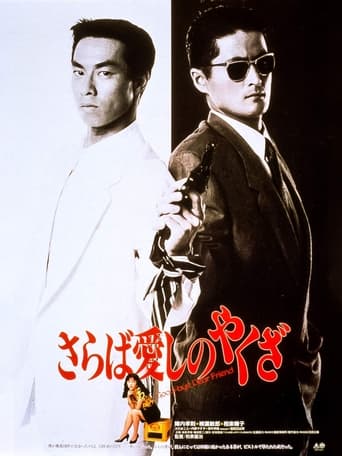 9.0
9.0A young college student forms an unlikely friendship with the bartender at a "yakuza" bar.
Good-bye Dear Friend
1990
 10.0
10.0A carnivorous monster lives on the island of Sipang. A group of office ladies band together to fight it.
Maria's Stomach
1990
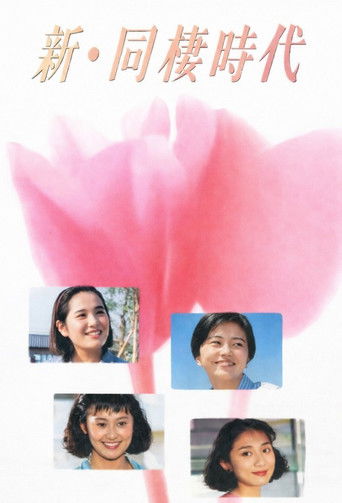 9.0
9.0No synopsis available yet.
Shin dosei jidai
1991
1980s · 9 titles
7.4After the previous Godzilla attack, a miniature arms race ensues to collect his cells. Concerned over Godzilla's possible return, the Japanese government uses the cells to create a new bio-weapon, ANEB (Anti-Nuclear Energy Bacteria). They seeks the aid of geneticist Genshiro Shiragami, who's experiments result in a new mutation.
Godzilla vs. Biollante
1989
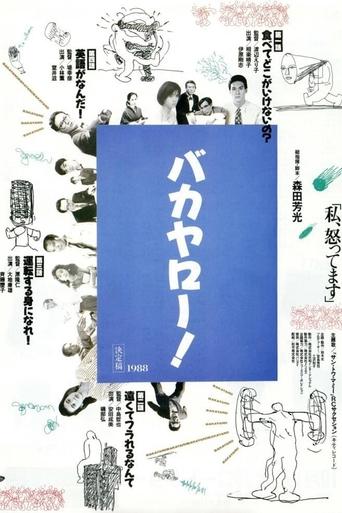 8.0
8.0Anthology film. "What's Wrong with Eating?" Numayama Kazuki is always complaining about his wife's, Atsugi Shizuka, body shape. Because of that Shizuka tries her best to restrict her diet and please Kazuki. "It's So Far Away!" Karuma Sae is an office lady who works in the city center but lives with her family in a house far away from her work. Because she is always rushing to catch the last train, she can never enjoy a decent date with her boyfriend, Oishi Mamoru. Her father is also always interfering in her life, so she can't appreciate the city life and isn't happy. "Get Ready to Drive!" Masuko is a new taxi driver in Tokyo who is very stressed from dealing with the behavior of some passengers. One night he drives a very beautiful drunk hostess home. "What Is English?" Kosaka Shigeru, a businessman, was transferred to a Chicago branch factory. He tried hard to learn English, practicing day and night, but couldn't improve as much as he expected.
Bakayaro! I'm Plenty Mad
1988
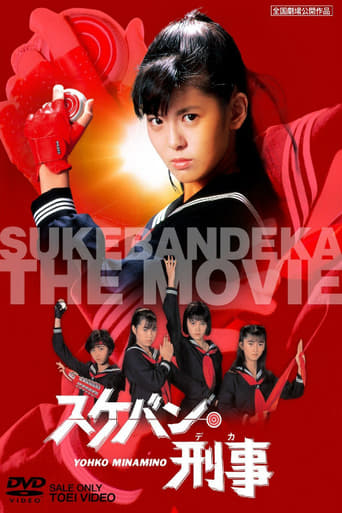 6.5
6.5After the events of the TV series, the 18 year old Yoko Godai has abandoned her special agent Saki Asamiya name to return to her normal life, and is now studying for college entrance exams. However, she accidentally bumps into a young man named Kazuo Hagiwara trying to escape from a group of hitmen, and learns that he comes from Sanko Academy, a private school located in a remote island known as Hell's Castle. The school is ruled by a former revolutionary thought to be dead named Hattori who is trying to brainwash students into terrorists to help him stage a fascist coup d'etat in Japan.
Sukeban Deka: The Movie
1987
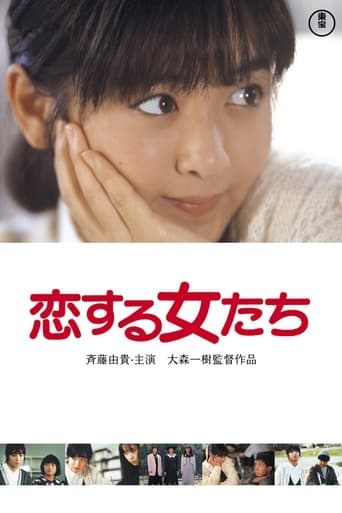 7.0
7.0The story of a young girl's first love is told from the heroine's point of view. Surrounded by various people, she finally begins to awaken to her own feelings as a woman.
Young Girls in Love
1986
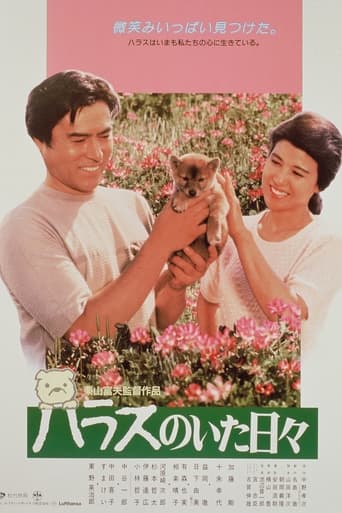 NR
NRThe movie depicts the interaction between a childless middle-aged couple and a small dog.
Days with Harasu
1989
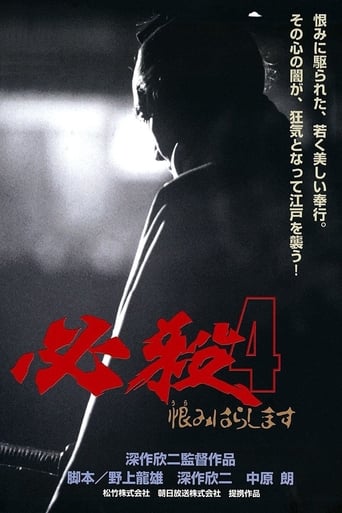 7.0
7.0Having been demoted for failing to prevent the murder of one of his superiors, Mondo is startled by a group of masked thugs who are soon attacked in turn by an unseen force. He begins to suspect the work of assassins, but whose side are they on?
Sure Death 4
1987
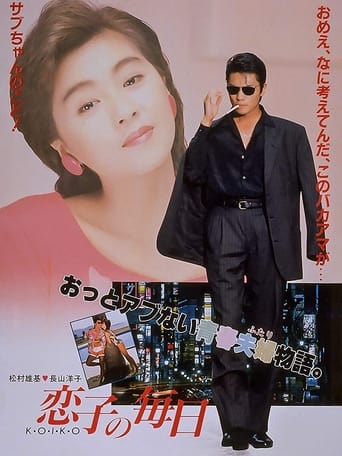 1.0
1.0The lives of a young yakuza and his girlfriend.
Love on a Daily Basis
1988
 7.2
7.2A Japanese boxer stages a dramatic and dangerous comeback after suffering brain damage in the ring.
Knockout
1989
 NR
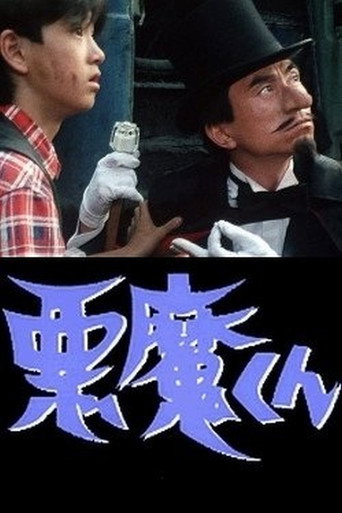
NRAkuma-kun was adapted into a live action TV movie by Toei Company, three years before the anime. It aired on September 15, 1986 as part of Fuji TV's Monday Drama Land, which also previously aired a TV movie adaptation of GeGeGe no Kitaro. Akuma-kun's name is Shingo Itō.
Monday Drama Land: Akuma-kun
1986
Undated · 1 titles
Series credits
7.8Inspired by American TV movies like "Hitchcock Theater" and "The Twilight Zone," the show features multiple works with Tamori as the storyteller and actors as the main characters. While horror and supernatural themes are predominant, a variety of genres like comedy and drama are also produced. Most episodes, however, have a bad ending.
Tales of the Bizarre
1990
6.5Sukeban Deka II in 1985-1986 starred Yoko Minamino as the second "Sukeban Deka", a mysterious girl with an iron mask named Yoko Godai who takes on the identity of Asamiya Saki after being freed from her mask; She will get the help of two other sukeban: Kyoko "Okyo" Nakamura (Haruko Sagara), and Yukino Yajima (Akie Yoshizawa, from jpop band Onyanko Club which will appear in two episodes).
Sukeban Deka II: Legend of the Iron-Masked Girl
1985
8.5While the adults were devouring the country in peace the young girls are now plunging into the Sengoku Period. A domination of fear and terror by the Zenchura, a federation of banchos nationwide, began. With 80% of the nation's middle schools already under its control. Yet, there was one girl who was determined to crush those wicked ambitions. Her name is Asuka Kuraku.
Hana no Asuka-gumi!
1988
NRTsukasa leaves her hometown to work in Tokyo. While there, she is on her own facing the fascination and challenges of the working world. Her experiences gained, together with what she sees in others, gradually lead her to grow up. She is no longer in the midst of illusions and misconceptions.
Tokyo Elevator Girl
1992
7.0A private lawyer (Hiroshi Mikami) who is infatuated with the widow of the Mamiya conglomerate (Emi Shindo) and aims for her inheritance. But he had multiple personalities. One day, university student Kawashima Megumi is mistaken for her older sister, Maiko. She is given a key to a coin locker, and finds inside the diary of Maiko's real father, a zaibatsu leader. Using her sister's name, Megumi gets close to the widow of the zaibatsu leader.
The Only One I Can't See
1992
 NR
NRNo synopsis available yet.
Sakura Momoko Land: Taniguchi Rokuzo Shoten
1993
 4.0
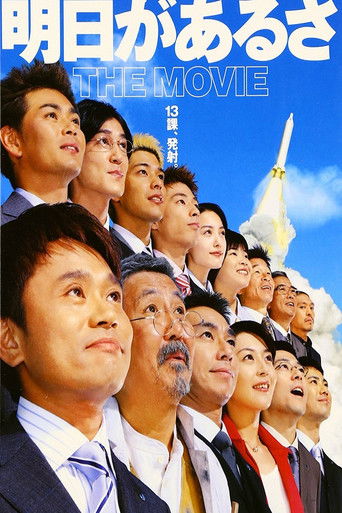
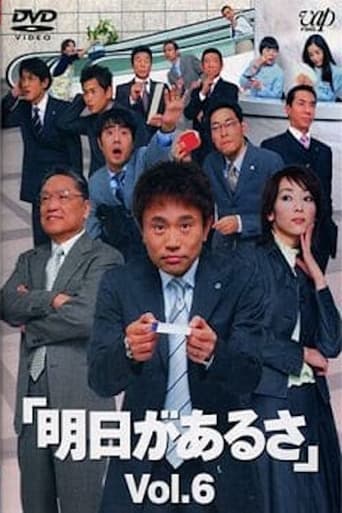
4.0Ashita Ga Arusa is a Japanese television drama series first aired on NTV in 2001.
There's Always Tomorrow, We Have Tomorrow
2001
A woman cartoonist struggles to make her way in the face of social restrictions. Her home office is the setting for encounters with editors, assistants and even her mother-in-law, and it’s often hard to distinguish friend from foe. Yet her ability to deal with problems somehow makes our own difficulties more bearable.
The Misery of Others is as Sweet as Honey
1994
No synopsis available yet.
Anata Dake Mienai
1994