
Acting
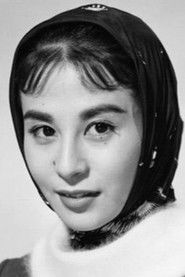
Yoshiko Kuga
Born — Died
1931-01-21 — 2024-06-09
Place of birth
Ushigome, Japon
Known for
Acting
Credits
67 titles
Yoshiko Kuga (久我 美子, Kuga Yoshiko, 21 January 1931 – 9 June 2024) was a Japanese actress. Kuga was born in Tokyo, Japan. In 1946, while still attending Gakushuin Junior High School, she became an actress for Toho studios. In 1947, she made her debut as one of the lead actresses in the omnibus movie Four Love Stories (四つの恋の物語, Yottsu no Koi no Monogatari). In the 1950s, she started working independently and starred in many productions of the Shochiku studios under the direction of Keisuke Kinoshita. Other important directors include Kenji Mizoguchi (The Woman in the Rumor), Yasujirō Ozu (Equinox Flower), and Tadashi Imai (An Inlet of Muddy Water). Since the 1970s, she appeared mainly on tele…
Known for
 9.0
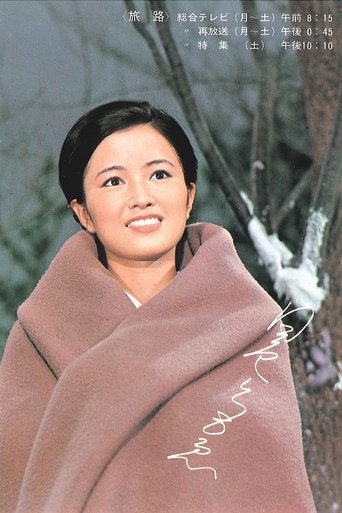
9.0The 7th NHK Asadora. Starring Tadashi Yokouchi in a narrative about an employee of the national railroad living through 50 years of modern history with his wife.
Tabiji
1967
 NR
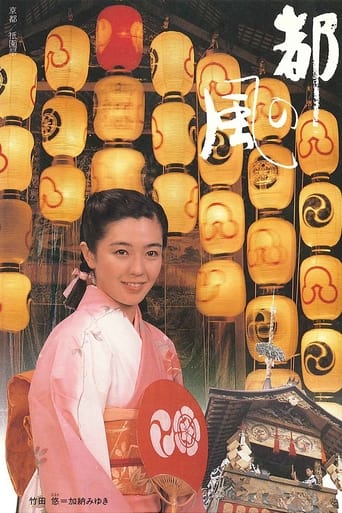
NRThe 37th NHK Asadora. A woman from Kyoto moves to Nara and runs a ryokan (a traditional Japanese inn) and then enters the fashion industry.
Miyako no kaze
1986
 NR
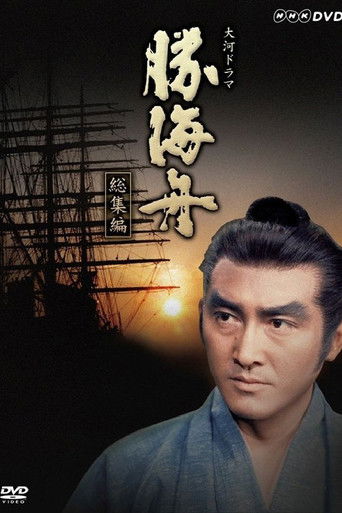
NRKatsu Kaishū deals with end of the Edo period. Based on Kan Shimozawa's novels "Katsu Kaishū "
Katsu Kaishu
1974
 7.4
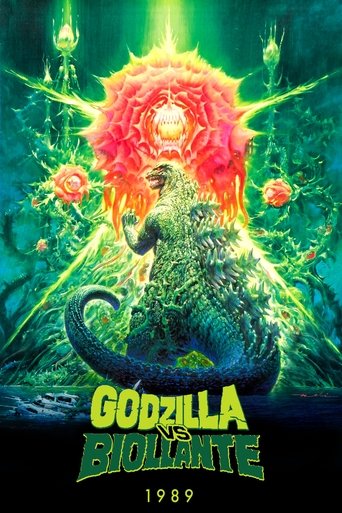
7.4After the previous Godzilla attack, a miniature arms race ensues to collect his cells. Concerned over Godzilla's possible return, the Japanese government uses the cells to create a new bio-weapon, ANEB (Anti-Nuclear Energy Bacteria). They seeks the aid of geneticist Genshiro Shiragami, who's experiments result in a new mutation.
Godzilla vs. Biollante
1989
 NR
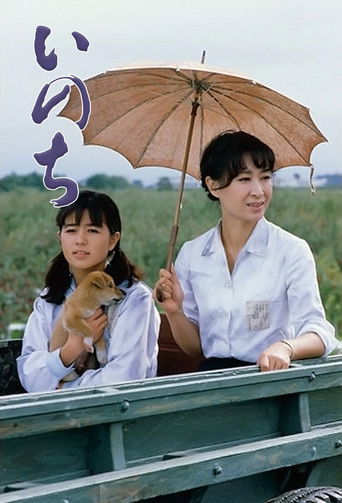
NRThe drama begins in August 1945, three days after the end of the Pacific war. A freight train completely jam-packed with passengers heads for Aomori from devastated Tokyo. On the train is Takahara Miki and her sister Sachi. Miki and Sachi are the daughters of a wealthy landlord living in a village in the Tsugaru area in Aomori prefecture, but they have been living in Tokyo since before the war to attend school. After seeing her village does not have a doctor, Miki is determined to become a rural doctor.
Inochi
1986
 7.6
7.6In postwar Tokyo, a blunt, alcohol-soaked doctor diagnoses a swaggering young yakuza with tuberculosis, forging an uneasy bond that’s tested when the gangster’s ruthless former boss returns and drags him back toward the swampy underworld he can’t escape.
Drunken Angel
1948
Film credits
2000s · 1 titles
1990s · 5 titles
 6.2
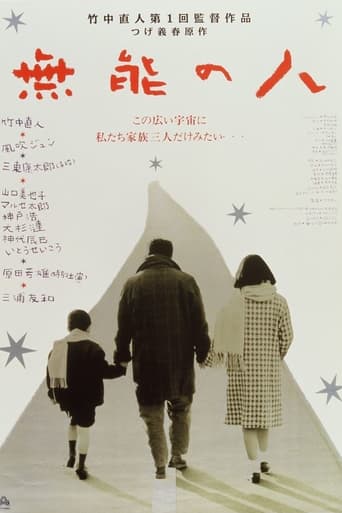
6.2Sukezo, a former manga comic artist, takes up the art rock business by setting up a shop in a shed by the river. He tries hard to be successful, but business does not go well and the family becomes progressively poorer.
Nowhere Man
1991
 6.3
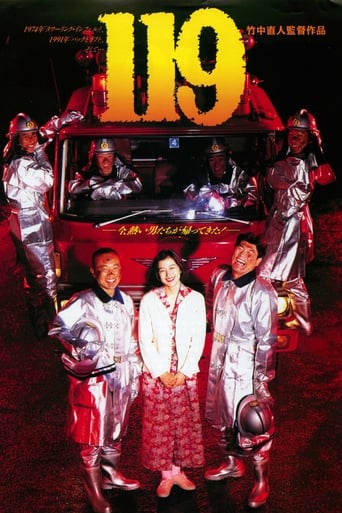
6.3In Harari-cho, a small and quiet bayside town by the sea, the firemen have not seen a fire for nearly twenty years. Each day passes eventlessly... until one day. The monotony of their daily lives is interrupted by the appearance of a beautiful female college student, Momoko, who comes to visit her aunt. After catching a glimpse of Momoko, both Tatsuya and Nobuyuki can't stop thinking about her. Since then, the small town is not so quiet anymore…
119
1994
 7.2
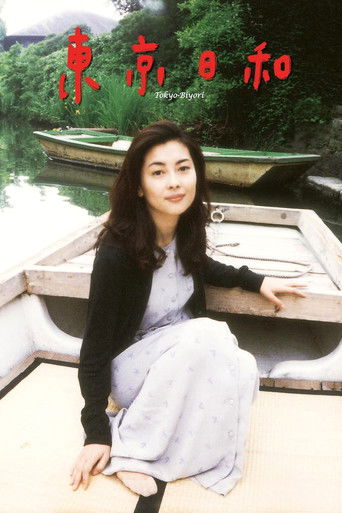
7.2This is a biographical film about the late Yoko Araki, who was the wife of Japan's leading photographer, Nobuyoshi Araki.
Tokyo Fair Weather
1997
 6.0
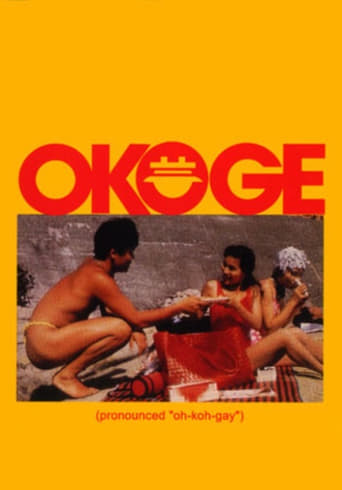
6.0A straight young woman living in Tokyo becomes involved in the lives of a gay man and his married lover.
Okoge
1992
 7.5
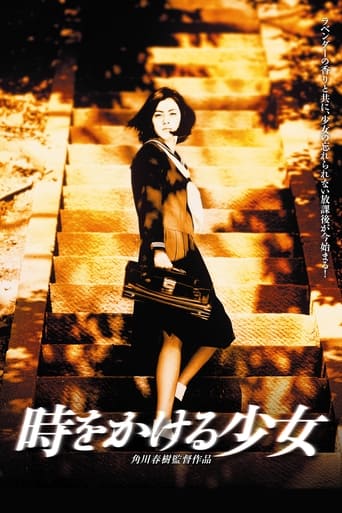
7.5A high-school girl acquires the ability to time travel.
The Girl Who Leapt Through Time
1997
1980s · 3 titles
7.4After the previous Godzilla attack, a miniature arms race ensues to collect his cells. Concerned over Godzilla's possible return, the Japanese government uses the cells to create a new bio-weapon, ANEB (Anti-Nuclear Energy Bacteria). They seeks the aid of geneticist Genshiro Shiragami, who's experiments result in a new mutation.
Godzilla vs. Biollante
1989
 7.3
7.3Based on the "2.26 Incident", an attempted coup d'état in Japan 1936, launched by radical ultra-nationalist parts of the military. Several leading politicians were killed and the center of Tokyo was briefly held by the insurgents before the coup was suppressed.
Four Days of Snow and Blood
1989
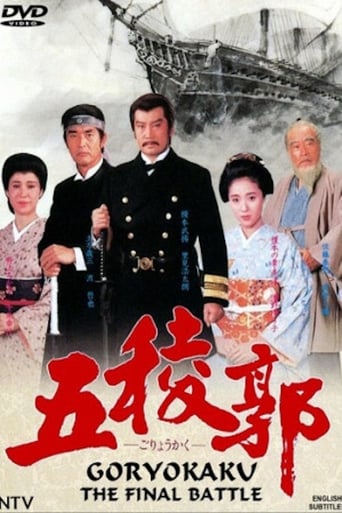 NR
NRAfter the fall of the Tokugawa Shogunate, there was a series of battles fought while the former supporters of the Tokugawa shogunate retreated to the north where they actually started a sovereign nation that was recognized by more than one European country. Survivors of the Shinsengumi were among the followers of Enomoto Takeaki who took them to the northernmost island of Ezo where they fought their final battle at the star shaped fort, Goryokaku. The Japanese Civil Wars fought in the name of the emperor signaled the complete end of the feudal system and Japan’s entry into the modern world as those brave samurai tried to halt progress and learned that the age of modern warfare and weaponry had passed them by. Swords were no match for rifles and cannons, nor was any man a match for the power of the imperial flag. Japanese loyalty to the emperor has long defined the nation and culture despite the changing times.
Goryokaku
1988
1960s · 7 titles
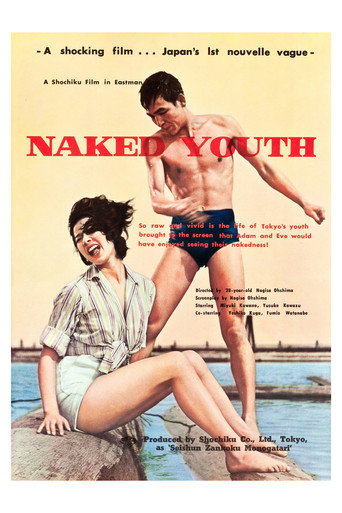 6.6
6.6A harsh young man seduces a freeloading young woman and eventually takes advantage of her knack for hitchhiking to rob middle-class men.
Cruel Story of Youth
1960
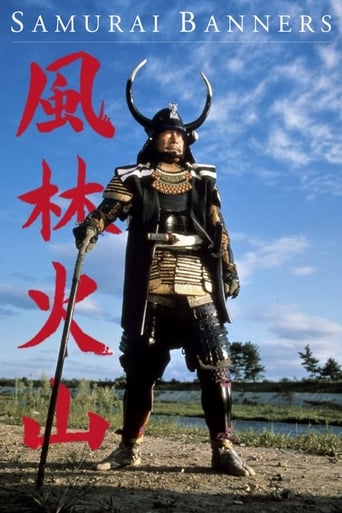 7.4
7.4Kansuke Yamamoto is a samurai who dreams of a country united, peaceful from sea to sea. He enters the service of Takeda, the lord of Kai domain. He convinces Takeda to kill the lord of neighboring Suwa and take his wife as a concubine. He then convinces the widow, Princess Yu, to accept this arrangement and to bear Takeda a son. He pledges them his life. He then spends years using treachery, poetic sensibility, military and political strategy to expand Takeda's realm, advance the claim of Yu's son as the heir, and prepare for an ultimate battle with the forces of Echigo. Has Kansuke overreached? Are his dreams, blinded by love, too big?
Samurai Banners
1969
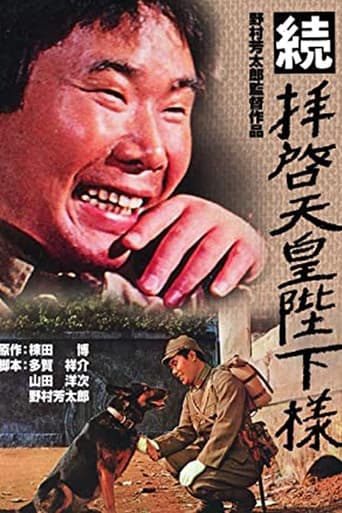 NR
NRBased on Muneta Hiroshi's military novel. The main character, Yamaguchi Zensuke, is a military dog soldier. He joins the army and winds up sent overseas to China as a part of the military dog unit. He's ridiculed by others due to his inability to advance.
To Your Majesty, The Emperor 2
1964
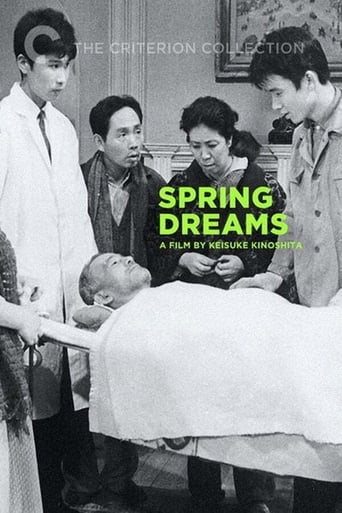 6.0
6.0When a wealthy, selfish family decides to take care of an elderly hobo who collapsed near their home, they are beset by visits from his numerous friends.
Spring Dreams
1960
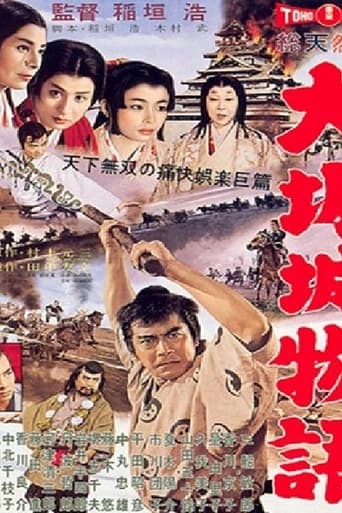 7.5
7.5During the raging war between the Toyotomi and Tokugawa clans, the swordsman Mohei (whose family has been completely decimated) is recruited by Toyotomi to overcome the seat of power, Osaka Castle. Mohei's daredevil skills will be put to severe tests.
Daredevil in the Castle
1961
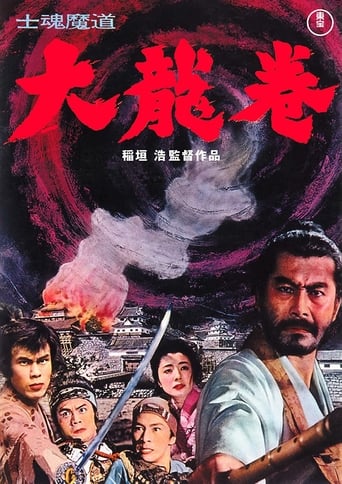 6.6
6.6Set at the end of the Siege of Osaka this film follows the exploits of several members of the defeated Toyotomi clan as they cope with the post battle chaos and the persecution of the Shogun's army. Five samurai decide on different fates when it becomes clear that their side is being destroyed. One wants to attack the enemy head on in a final honorable death. Another decides to commit hari-kiri but wants to find a glorious view to do it. His close friend, the "coward", just wants to run and give up the life of a samurai. The final two set their own castle on fire to garner favors from the enemy and therefore avert their own death during the massacre of all defeated soldiers as
Whirlwind
1964
 6.3
6.3One week into newlywed Teiko Uhara's marriage, her husband, Kenichi, leaves on a short business trip and never returns. Teiko travels across Japan to search for him, and along the way discovers some surprising facts about her husband's past. With only a pair of old photographs among his belongings to go off of, Teiko tries to figure out what has happened to him.
Zero Focus
1961
1950s · 39 titles
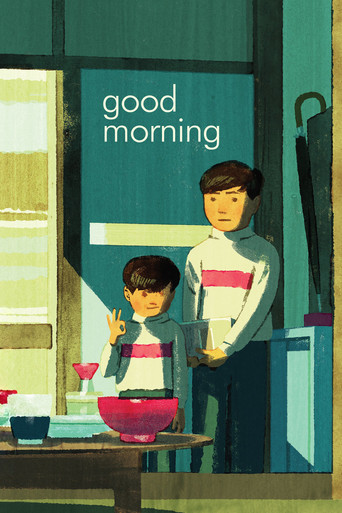 7.7
7.7Two boys beg their parents for a television set, nagging them until all patience is lost. The parents order the boys to be quiet and the boys do exactly that--refusing to utter a word. The boys' silence ultimately puts the whole neighborhood into turmoil.
Good Morning
1959
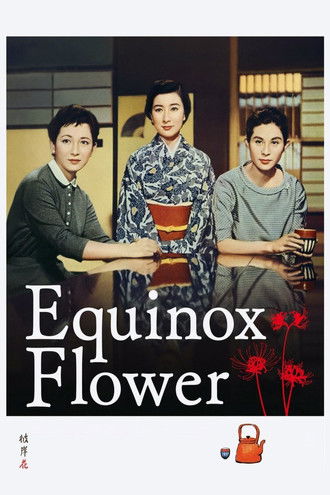 7.4
7.4Wataru's outwardly liberal views on marriage are severely tested when his daughter declares her love for a coworker and is adamant to live her own way, instead of agreeing to an arranged marriage. Outwitted by his female relatives, Hirayama stubbornly refuses to admit defeat.
Equinox Flower
1958
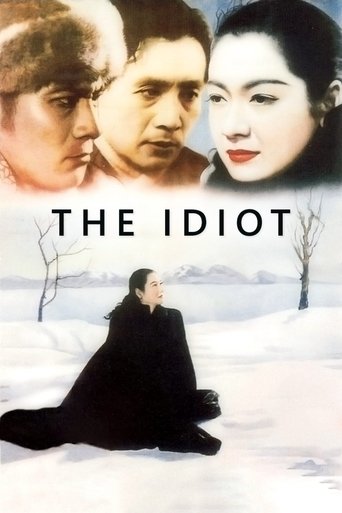 7.0
7.0A gentle, war-shattered ex-soldier, Kinji Kameda, arrives in wintry Hokkaidō and is pulled into a volatile tangle of love and pity between the disgraced Taeko Nasu, the proud Ayako, and his possessive friend Akama. Kameda’s saintly compassion exposes everyone’s wounds, steering the quartet toward jealousy, violence, and inexorable tragedy. Adapted from Dostoevsky’s novel.
The Idiot
1951
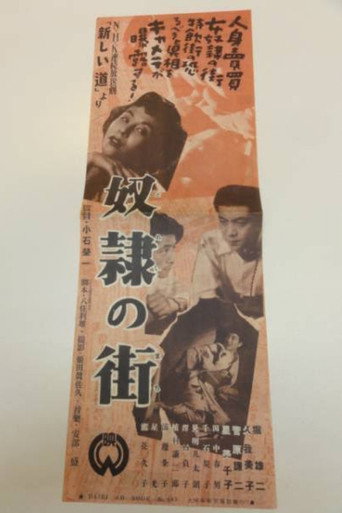 NR
NRYosuke Machida of the Daito Shinpo hears from a boy named Toshi-bo, whom he found on the street, that Toshi-bo’s older sister, Toyo, was deceived by a man named Taichi Tachikawa and sold into prostitution in a red-light district. He then set foot in this district for the first time and met Michiko Kawabe, a female reporter known by the nickname “Yoshie.” After hearing various details about the situation from her, he learned that Toyo was at “Kotogawa.”
Dorei no machi
1951
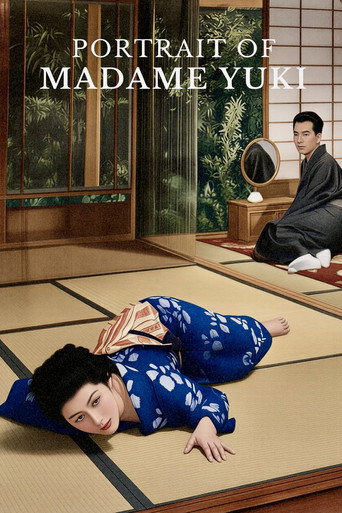 6.8
6.8A young woman takes up her new job as the servant of a noblewoman and soon discovers that underneath her facade of luxury lies great unhappiness.
Portrait of Madame Yuki
1950
 6.3
6.3The eldest daughter of a rural family Mon returns home from Tokyo pregnant after an affair with a college student Kobata, which causes a scandal that will threaten the marriage prospects of the younger sister San, in her cash-strapped family. The ill-tempered eldest brother Inokichi decides to take on the role of disciplinarian, with harrowing results.
Brother and Sister
1953
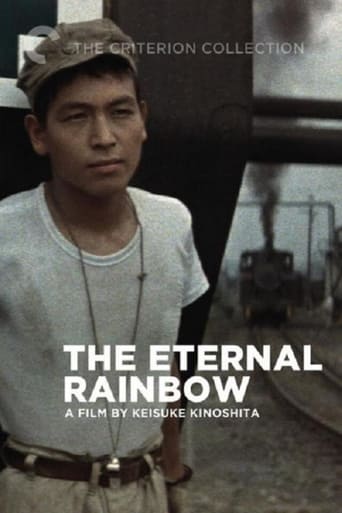 7.2
7.2Two men at an ironworks encounter roadblocks: the first does not have the grades to get a job, while the other finds himself falling for a co-worker.
The Eternal Rainbow
1958
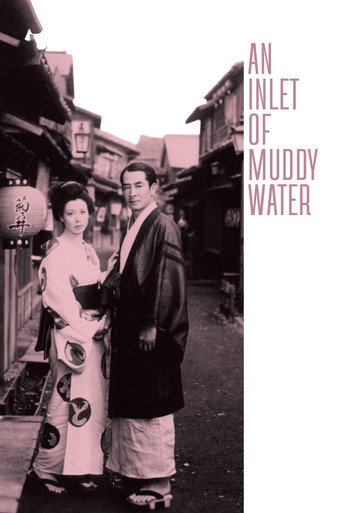 6.2
6.2A Japanese woman writes down three stories she has witnessed or heard of in her diary, each about the difficult situation a young woman finds herself in.
An Inlet of Muddy Water
1953
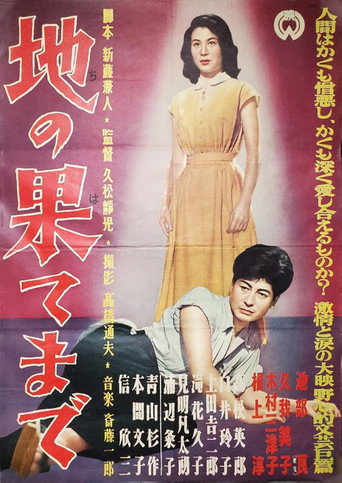 NR
NRIn this downbeat, emotionally gripping drama, a lone guardian of some small huts on one of the northernmost, small islands off Japan remembers his once happier past and the events that destroyed everyone he held dear.
To the Ends of the Earth
1953
 6.8
6.8Japan, 1137. The Taira family, a samurai clan, becomes involved in the disputes between Emperor Toba and the monks of Mount Hiei.
Taira Clan Saga
1955
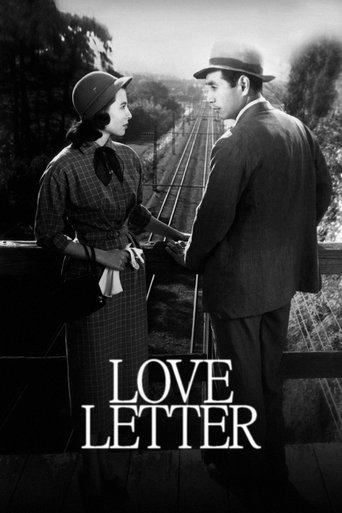 6.9
6.9Five years after the end of the Second World War, Reikichi, a repatriated veteran, translates love letters for Japanese women to American GIs, while searching for his lost love, Michiko.
Love Letter
1953
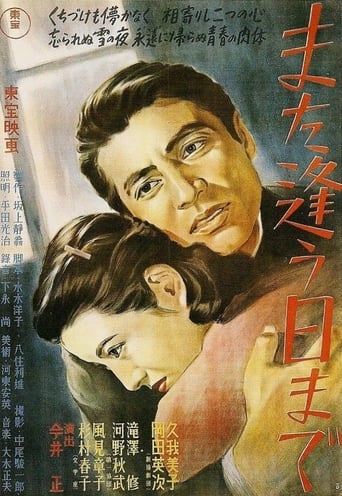 6.7
6.7Saburo and Keiko fall in love with each other but the tide of war separates them.
Till We Meet Again
1950
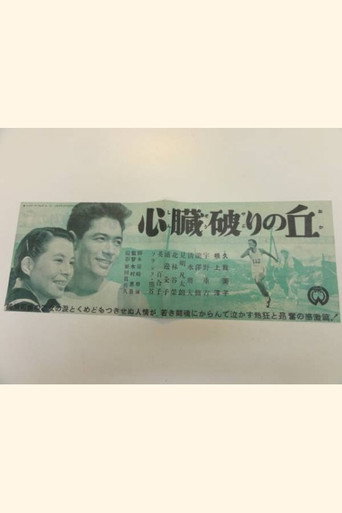 NR
NRA moving story depicting the spirit of a young marathon runner who set a new world record in Boston, encouraged by the love of his family, a young woman’s prayers, and warm friendship.
Shinzōyaburi no oka
1954
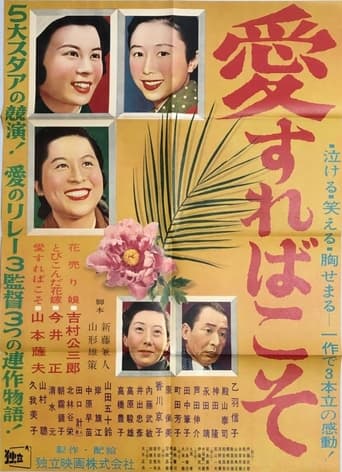 10.0
10.0The film consists of three short stories. Tomiko, the heroine of the first story, "The Flower Girl" (dir. Kozaburo Yoshimura), is a little girl who bears the unbearable burden of caring for her family. Tomiko's father has been unable to find work for a long time, and her older sister is terminally ill—it is unlikely that she will ever recover. To feed her family, Tomiko runs around the city from morning until late at night selling flowers... The second novella (dir. Tadashi Imai) also depicts the lives of the poor. An unfamiliar girl brings young Kavano a letter from his mother. It turns out that the girl's name is Kuniko, she is very hardworking, but her family is dying of hunger. Therefore, her mother decided to send Kuniko to her son so that he would marry her. The short story is called "The Unexpected Bride." The third short story, which gave the film its title, is particularly interesting: "When You Love" (dir. Satsuo Yamamoto). It shows the family of a young peace activist.
If Indeed One Loves
1955
Eiji Izutsu, a young architectural engineer, suddenly came into a massive inheritance on the condition that he marry a woman named Chigusa Takemura, who owned a jade ring. If he failed to fulfill this condition, the inheritance would go to Chigusa instead.
Byakuran kōran
1952
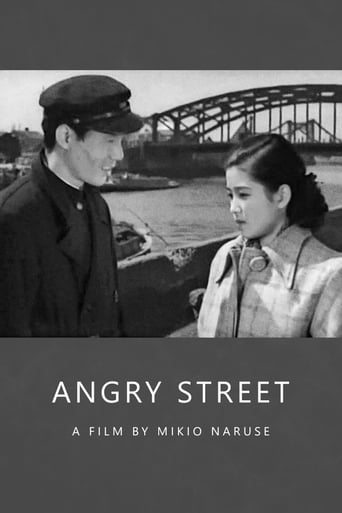 6.7
6.7University students Sudo and Mori make money by picking up rich girls in dance clubs and conning them into giving them cash. Mori is the brains of the operation, and Sudo is the suave dancer who picks up the girls. Sudo becomes gradually involved with three different girls and is drawn into the gangster milieu, which he seems unable to resist even though he is responsible for his mother, grandmother, and sister Masako. In this world of bad boys and girls, Masako is the pillar of strength and moral virtue who finally enables Mori to straighten out.
The Angry Street
1950
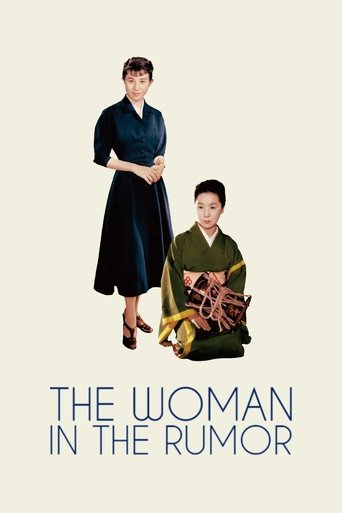 7.3
7.3After living a traumatic experience in Tokyo, Yukiko returns to Kyoto, where Hatsuko, her mother, runs a brothel, which upsets Yukiko very much.
The Woman in the Rumor
1954
 6.8
6.8A Tokyo family running a liquor store overcome impotence and dysfunction as they induce an understanding through each other of how to deal with their individual problems.
Somewhere Beneath the Wide Sky
1954
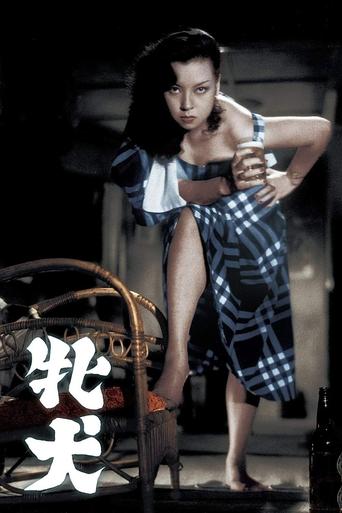 8.0
8.0The fall of an accountant enthralled by the sexual charms of a cabaret dancer.
The Bitch
1951
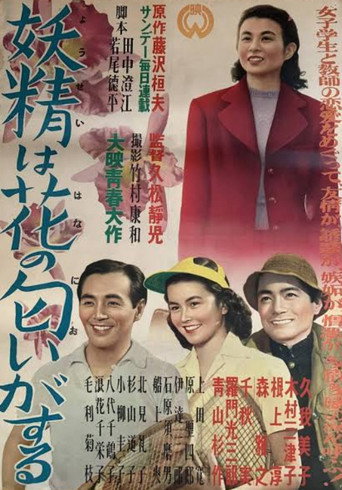 NR
NRA romance between a female student and a young professor, where friendship, temptation, and jealousy intertwine.
Yōsei wa hana no nioi gasuru
1953
 NR
NRA Japanese soldier who died in a Japanese prisoner-of-war camp in Hawaii entrusted Henry Gray with an unfinished score and promised to complete it.
Eternal Song of Nagasaki
1952
 6.5
6.5In the Tokugawa Era, the clan of Lord Yagyu has hidden away three scrolls containing clan secrets which, if revealed, would cause revolution and disaster for the clan. The information is divided among the three scrolls, all of which must be possessed for the secrets to be understood. When Princess Yuhime steals the scrolls, Tasaburo, a samurai with magical powers, and his brother Senshiro are sent to retrieve them.
Yagyu Secret Scrolls
1957
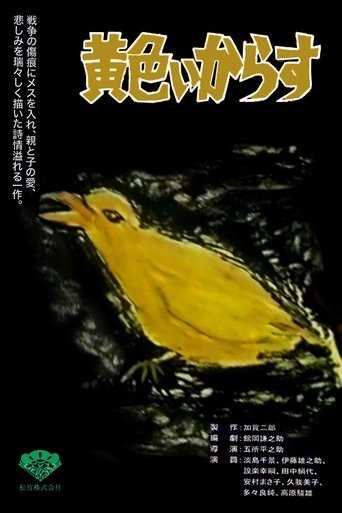 6.7
6.7Ichiro Yoshida, the father of the boy Kiyoshi, who has been repatriated from China, returns home after a ten-year separation. The father, who has been estranged from his son for many years, pays no attention to the boy, often punishes him unfairly, and gives all his tenderness to his little daughter, who was born after his return. The boy sees all the injustice of his father and, offended, leaves home. The father realized that he was wrong, that he was guilty before his son. The mother finds the boy and brings him home. The father and the son become friends from that day on.
Yellow Crow
1957
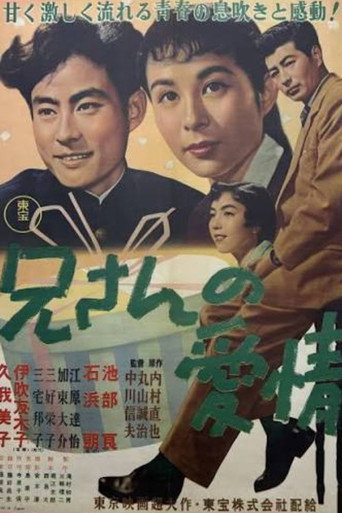 NR
NRNo synopsis available yet.
Brotherly Love
1954
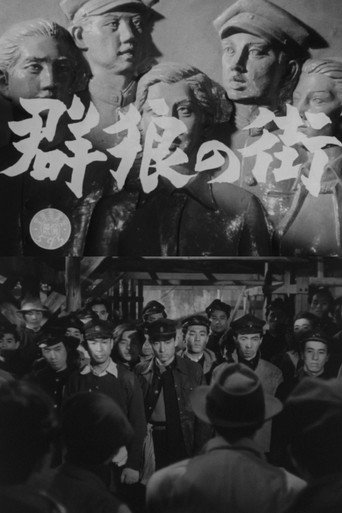 NR
NRThere are male and female students working part-time jobs in the city center while facing the harsh realities of society as they struggle to pay for tuition and living expenses, and there are those who prey on these students. The Sugita-gumi, which was supposed to have been disbanded under the Ordinance on the Regulation of Organizations, established the “Student Part-Time Workers’ Association” and began ensnaring innocent students in its clutches. Eguchi of the student newspaper editorial board and his fellow staff members begin an investigation to expose the Sugita-gumi’s misdeeds.
Gunrō no machi
1952
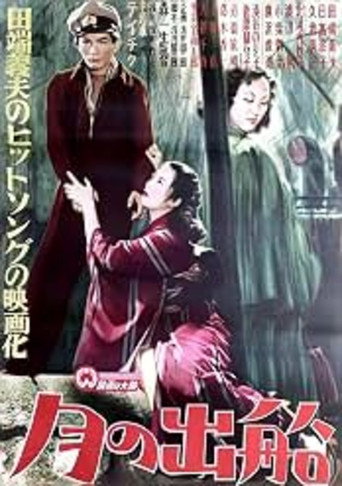 NR
NRNo synopsis available yet.
Tsuki no shussen
1950
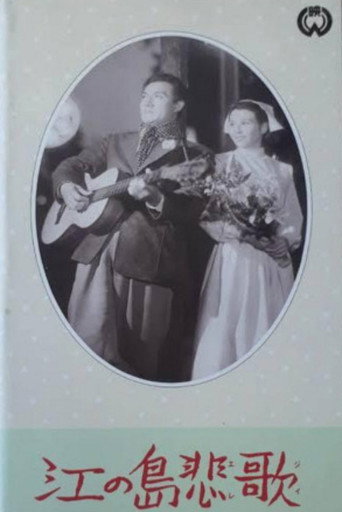 NR
NRNo synopsis available yet.
Enoshima Elegy
1951
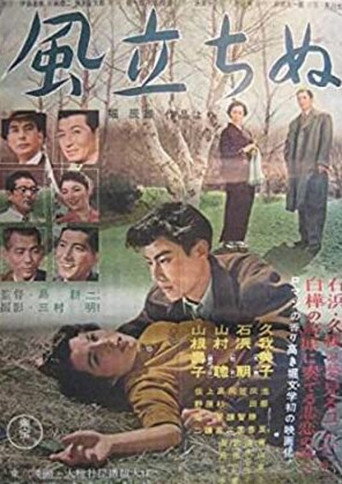 NR
NRA young woman (Kuga), recuperating at a sanitarium in Karuizawa, falls in love with a young student (Ishihama) but returns to Tokyo to be with her father (Yamamura).
Autumn Interlude
1954
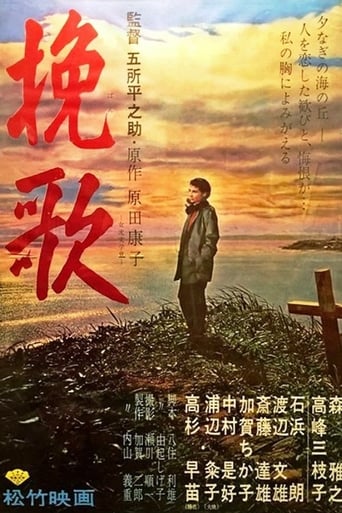 6.1
6.1Reiko, a young woman with a physical disability, begins a clandestine affair with the married architect Katsuragi, but also becomes dangerously obsessed with his unfaithful wife, Akiko.
Elegy of the North
1957
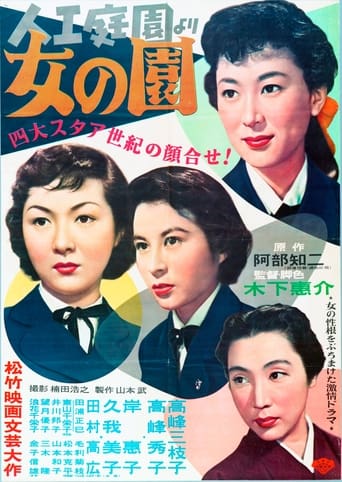 6.6
6.6A student at a woman's university takes a controversial action against the school's old-fashioned doctrines.
The Garden of Women
1954
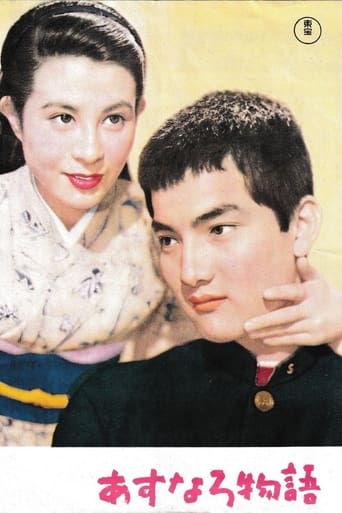 8.0
8.0No synopsis available yet.
Tomorrow I'll Be a Fire-Tree
1955
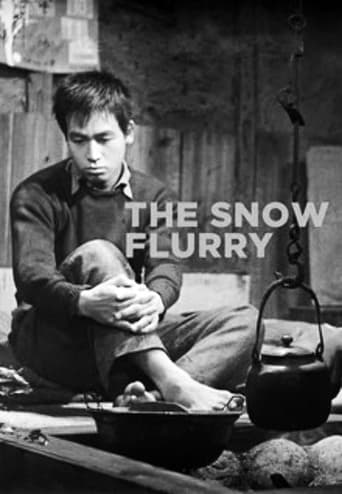 6.9
6.9After surviving the double suicide pact she made with her lover, a woman gives birth to their child.
The Snow Flurry
1959
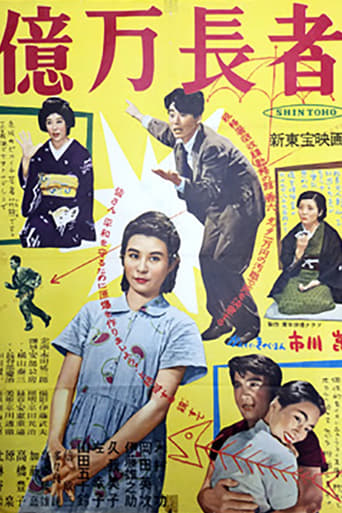 6.8
6.8An ethical, young tax collector new to his area encounters increasingly absurd individuals and groups coping with their post-war woes.
A Billionaire
1954
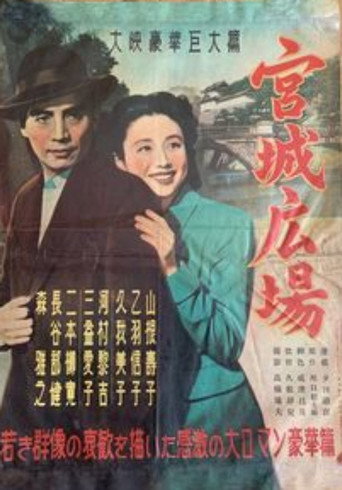 NR
NRNo synopsis available yet.
Kyūjō hiroba
1951
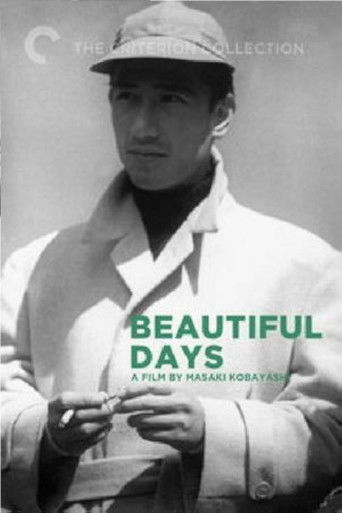 6.9
6.9A romantic drama depicting the lives of two generations of a family who run a Tokyo florist shop.
Beautiful Days
1955
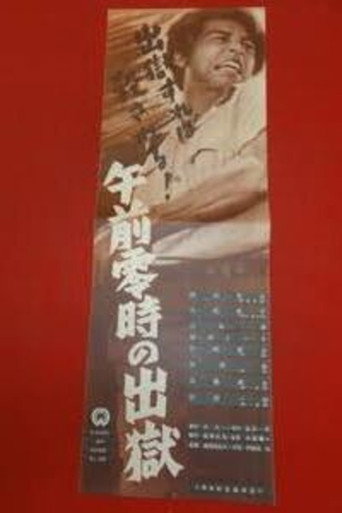 NR
NRA yakuza man who dreads being released from prison, yet the day of his release arrives. Awaiting him are a woman’s burning gaze and the muzzle of a gangster’s gun…
Escape Between Midnight and Dawn
1950
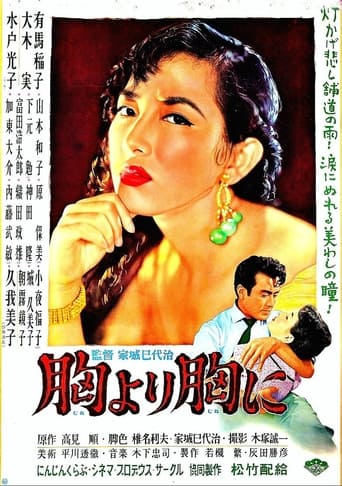 10.0
10.0Japanese drama
Mune yori mune ni
1955
 NR
NRFilm directed by Yasuki Chiba, based on the novel of the same name by Tatsuzou Ishikawa.
The Pleasures of Vice
1954
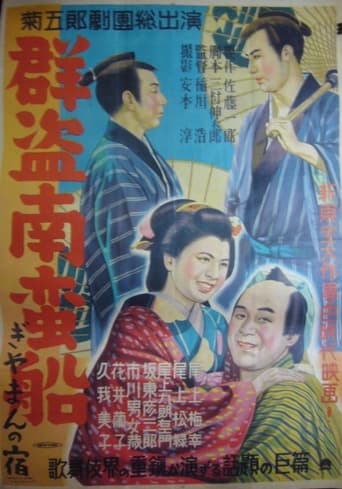 8.0
8.01950 Japanese movie
Guntō nanban-sen
1950
1940s · 5 titles
7.6In postwar Tokyo, a blunt, alcohol-soaked doctor diagnoses a swaggering young yakuza with tuberculosis, forging an uneasy bond that’s tested when the gangster’s ruthless former boss returns and drags him back toward the swampy underworld he can’t escape.
Drunken Angel
1948
 6.2
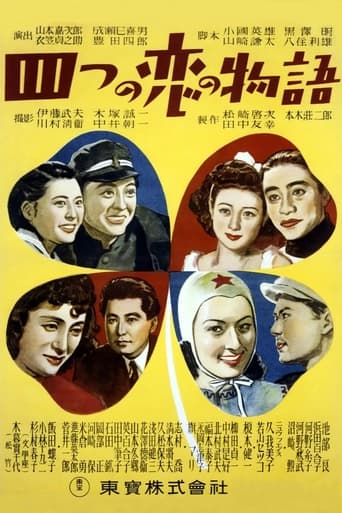
6.2Omnibus of love stories from 1947 directed by famous directors, featuring big stars.
Four Love Stories
1947
 6.8
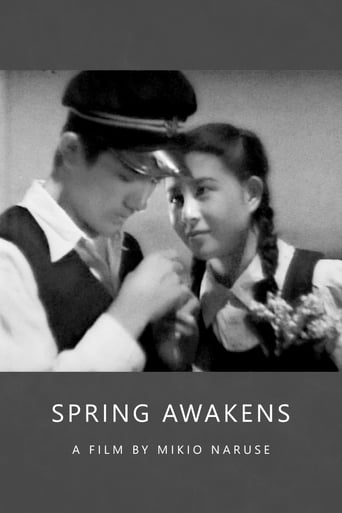
6.8Slice of life film centered on a couple of years in the life of a rural high school girl.
Spring Awakens
1947
 7.0
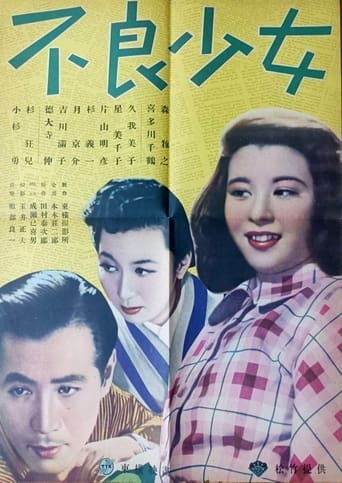
7.0A melodramatic love story, a would-be apprenticeship between the titular bad girl and the optimistic scholar returning from the big city. It is considered to be a lost film.
Delinquent Girl
1949
 10.0
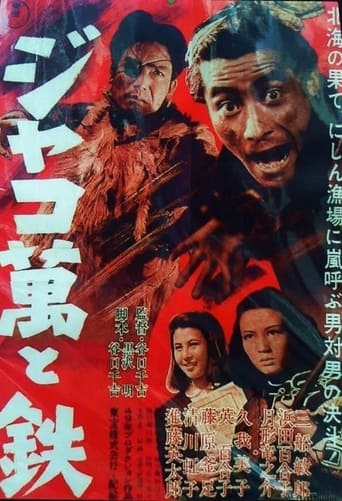
10.0In a village subsisting on it herring fishery, a one-eyed criminal named Jakoman terrorizes the inhabitants. One of them, the son of the head of one of the fish companies by the name of Tetsu, decides to overthrow Jakoman and his cohorts.
Jakoman and Tetsu
1949
Series credits
9.0The 7th NHK Asadora. Starring Tadashi Yokouchi in a narrative about an employee of the national railroad living through 50 years of modern history with his wife.
Tabiji
1967
NRThe 37th NHK Asadora. A woman from Kyoto moves to Nara and runs a ryokan (a traditional Japanese inn) and then enters the fashion industry.
Miyako no kaze
1986
NRKatsu Kaishū deals with end of the Edo period. Based on Kan Shimozawa's novels "Katsu Kaishū "
Katsu Kaishu
1974
NRThe drama begins in August 1945, three days after the end of the Pacific war. A freight train completely jam-packed with passengers heads for Aomori from devastated Tokyo. On the train is Takahara Miki and her sister Sachi. Miki and Sachi are the daughters of a wealthy landlord living in a village in the Tsugaru area in Aomori prefecture, but they have been living in Tokyo since before the war to attend school. After seeing her village does not have a doctor, Miki is determined to become a rural doctor.
Inochi
1986
 8.2
8.2The series depicts the employees of a security company from different generations and backgrounds facing many difficult questions. It features a guard who survived a suicide mission during the war and his conflicts, rebellion, empathy and reconciliation with the younger generation born after the war.
The Roads Men Travel
1976
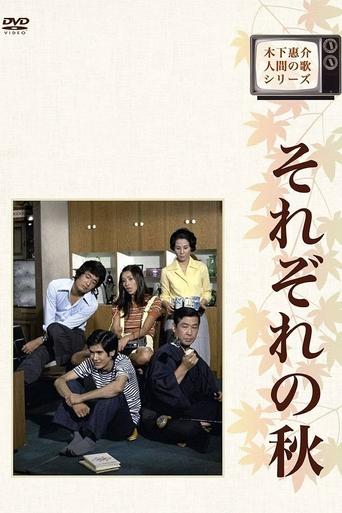 NR
NRUniversity student Minoru Niijima is a timid young man who gives up on his girlfriend's older brother after being threatened by him. Minoru's father, Seiichi, is a tired office worker nearing retirement, and his mother, Reiko, is an ordinary housewife who is considerate of her husband and believes her children are well-behaved. Minoru's older brother, Shigeru, works as a bed salesman. He is a nuisance to Minoru, as he is rough and always brags about his work. Minoru's younger sister, Yoko, is a second-year high school student, but to Minoru, she still has the childishness of a middle school student. One day, Minoru is persuaded by his university friend, Karaki, to commit a sexual assault on a train. Unfortunately, the girl he chooses is a female student from a delinquent group, and he ends up being beaten up by the delinquent group. However, the new member of the group who appears before Minoru is his younger sister Yoko.
Pieces of Autumn
1973
 NR
NRNo synopsis available yet.
長七郎江戸日記スペシャル 千姫有情 母ありき
1988