
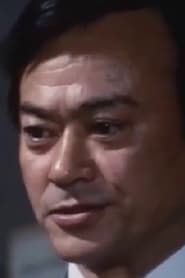
Acting
Isao Tamagawa
Born — Died
1922-01-11 — 2004-01-01
Place of birth
Shinjuku, Tokyo, Japan
Known for
Acting
Credits
65 titles
Known for
 7.8
7.8Hasegawa is a chief police of big heart who leads a band of samurai police and cultivates reformed criminals as informants to solve difficult crimes.
Onihei Hankachō
1989
 NR
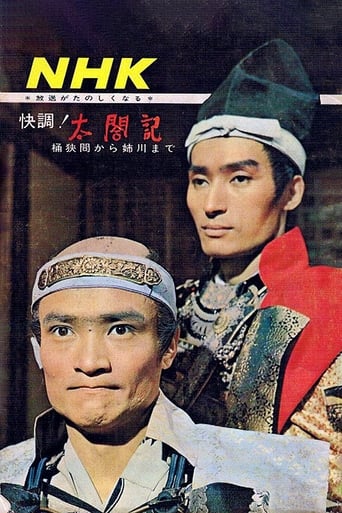
NRBased on the life of Hideyoshi Toyotomi (February 2, 1537 – September 18, 1598) a Sengoku period daimyo who unified Japan.
Taikouki
1965
 7.7
7.7Taking its title from an archaic Japanese word meaning "ghost story," this anthology adapts four folk tales. A penniless samurai marries for money with tragic results. A man stranded in a blizzard is saved by Yuki the Snow Maiden, but his rescue comes at a cost. Blind musician Hoichi is forced to perform for an audience of ghosts. An author relates the story of a samurai who sees another warrior's reflection in his teacup.
Kwaidan
1965
 NR
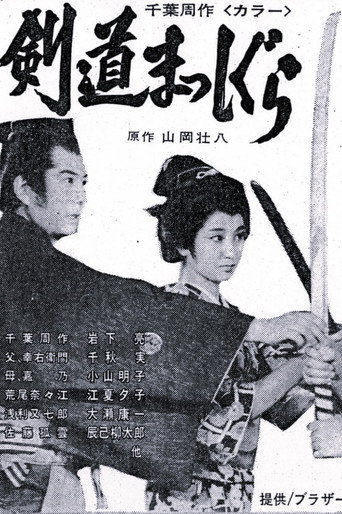
NRChiba Shusaku: Kendo Masshigura is a Japanese period drama that aired on the TBS network from November 2, 1970 to August 30, 1971 in the "Brother Gekijo" slot. It ran for 44 colour episodes of 30 minutes each. Based on Sohachi Yamaoka's novel "Chiba Shusaku", it depicts the youth of Chiba Shusaku, founder of the Hokushin Itto-ryu school of swordsmanship. A hot-blooded young man who calls himself Shusaku enters the dojo of Asari Matashichiro and, through encounters with all kinds of people, grows rapidly both in swordsmanship and in character. Produced by TBS and Shochiku. Rerun on the Japanese CS channel Jidaigeki Senmon Channel from March 17, 2025.
Chiba Shusaku: Kendo Masshigura
1970
 6.5
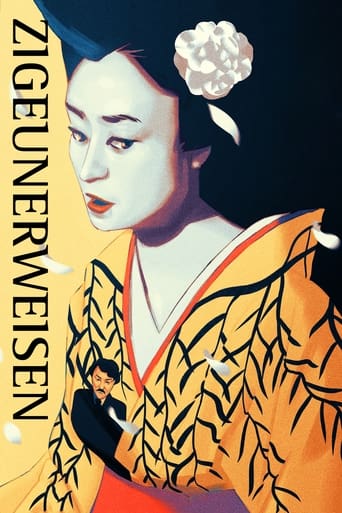
6.5A surreal period film following a university professor and his eerie nomad friend as they go through loose romantic triangles and face death in peculiar ways.
Zigeunerweisen
1980
 7.4
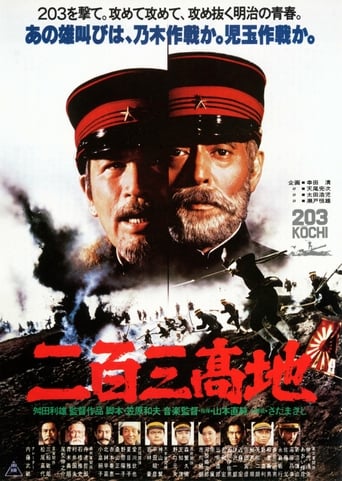
7.4Depicts the bloody siege of the fortress of Port Arthur, one of the most strongly fortified positions in the world, during the Russo-Japanese War of (1904 - 1905). In the story dominated the character Lt Takeshi Kogyo (Teruhiko Aoi), teachers, and a reserve officer who became commander of the platoon and later company. At the same time monitors the conduct of the army commander general Nogi (Tatsuya Nakadai), which was commissioned of the emperor Matsuhito (Toshirô Mifune) to the conquest of the fort.
Port Arthur
1980
Film credits
1980s · 4 titles
6.5A surreal period film following a university professor and his eerie nomad friend as they go through loose romantic triangles and face death in peculiar ways.
Zigeunerweisen
1980
7.4Depicts the bloody siege of the fortress of Port Arthur, one of the most strongly fortified positions in the world, during the Russo-Japanese War of (1904 - 1905). In the story dominated the character Lt Takeshi Kogyo (Teruhiko Aoi), teachers, and a reserve officer who became commander of the platoon and later company. At the same time monitors the conduct of the army commander general Nogi (Tatsuya Nakadai), which was commissioned of the emperor Matsuhito (Toshirô Mifune) to the conquest of the fort.
Port Arthur
1980
 6.6
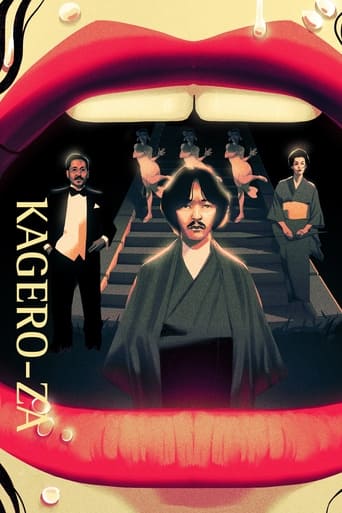
6.6A 1920s playwright meets a beautiful woman who may be the ghost of his patron's deceased wife.
Kagero-za
1981
 NR
NRJapanese comedy film.
Nezumi Kozō kaitō den
1984
1970s · 16 titles
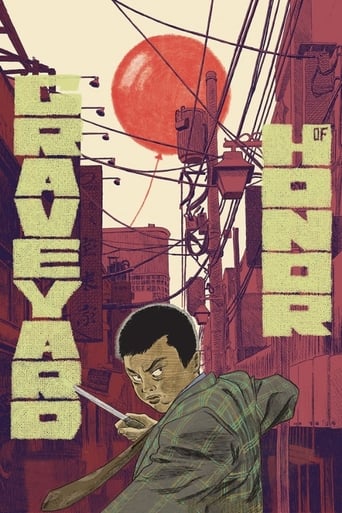 6.7
6.7A self-destructive man becomes a powerful member of the yakuza but quickly loses his self-control. Based on the true story of Rikio Ishikawa.
Graveyard of Honor
1975
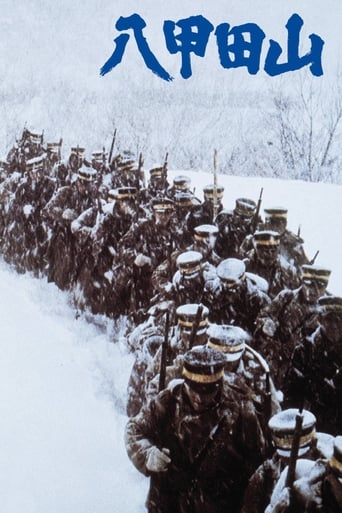 6.6
6.6Two infantry regiments of the Imperial Japanese Army—210 men overall—tackled Mt. Hakkoda in the winter of 1902 to prepare for war with Russia.
Mount Hakkoda
1977
 5.6
5.6A rookie golfer must cope with the stress of fame after a marketing executive transforms her into a sports celebrity.
A Tale of Sorrow and Sadness
1977
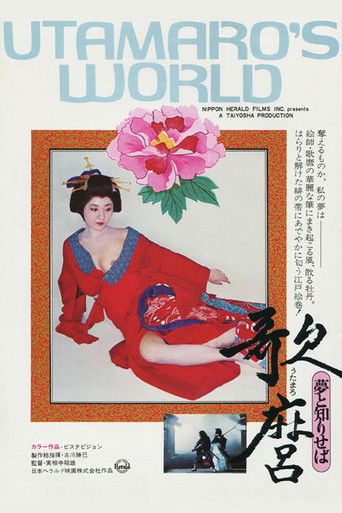 5.6
5.6Utamaro was an artist who lived in Edo (which was later to become modern-day Tokyo) in the late 18th century. This film, which has a complex and wide-ranging storyline, recreates the world of that time, as it appeared in Utamaro's paintings.
Utamaro's World
1977
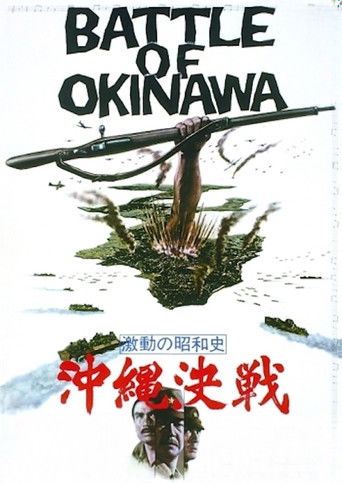 7.8
7.8The Americans are swiftly closing on Okinawa, an island just south of the Japanese mainland. The Imperial command sends top generals and several army divisions to defend it at all costs. The mission quickly degenerates as vital resources and troops are diverted to other islands. After a civilian evacuation ends in tragedy most of non-combatants are forced to remain on the island. Many convert to soldier status. Tokyo sends mixed messages that squander time and resources, as when they order the defenders to build an airstrip for aircraft that never come. The truth soon becomes obvious: the high command decides that the island cannot be held and effectively abandons the Okinawan defenders. When the Americans land many troops are deployed in the wrong places. As the slaughter mounts, a suicidal attitude takes hold. Okinawa becomes a death trap, for civilian volunteers and non-combatants as well.
The Battle of Okinawa
1971
 6.8
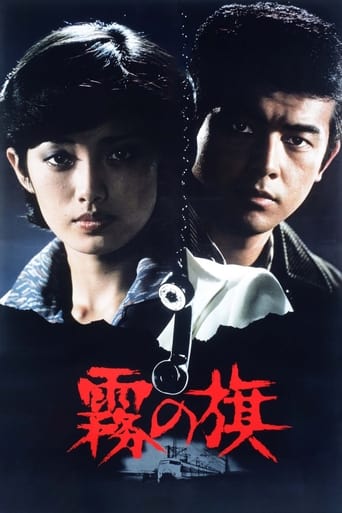
6.8Masao is falsely accused and jailed for the murder of a loanshark to whom he owed a lot of money. His sister Kiriko makes the long trip to Tokyo, specifically to accost Otsuka, Japan's top criminal defence lawyer, and plead with him to take her brother's case. They live in Kitakyushu which, though a city, she contends that the local lawyers are not up to the job. Otsuka contemptuously brushes her off. A year passes. Masao has suicided in jail, his appeal having failed due to the lack of interest and competence of the local defence lawyer. Kiriko returns to Tokyo, planning revenge on Otsuka for refusing the case and causing her brother's death.
Sweet Revenge
1977
 7.2
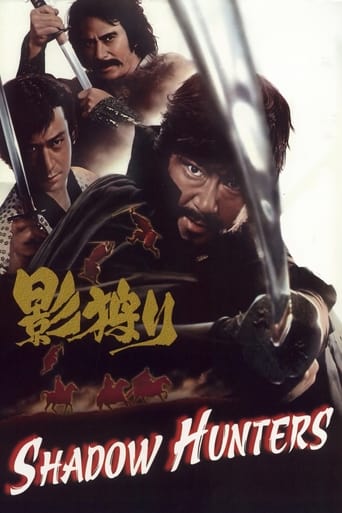
7.2Set during the declining years of the Tokugawa shogunate, Shadow Hunters details the questionably noble exploits of three ronin who act as "Shadow Hunters". These three ronin are not your normal ornery ruffians who are looking for a drink, a broad and someone to jab a sword into, but are in fact former samurai who, rather than follow their destroyed fiefs and murdered masters into death via seppuku, have dedicated their combined sword prowess to stopping the government from raping its daimyos for valuable resources.
Shadow Hunters
1972
 7.5
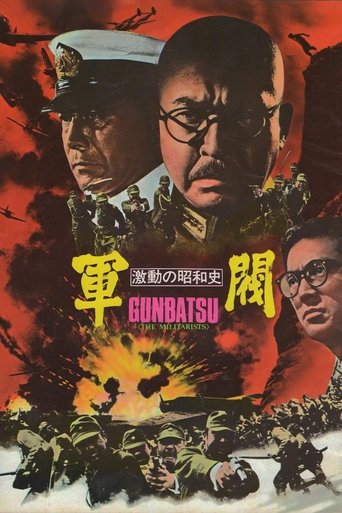
7.5The second film in Toho's series on the military history of the Showa era, Hiromichi Horikawa's war drama offers a look at the career of controversial politician Hideki Tojo and the strained relationships between Japan's government, military, and the media.
The Militarists
1970
 NR
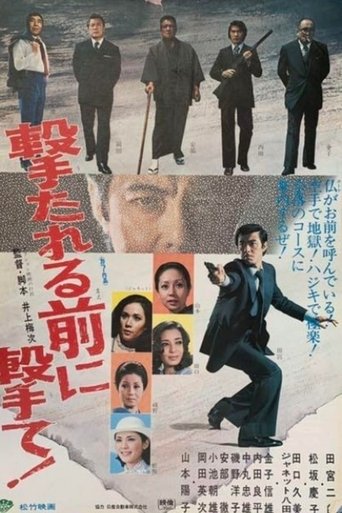
NRA Datsun driving, face-punching moody super-cop Cobra Cumera battles homicidal mobsters intent on causing mayhem and trouble in beautifully shot Tokyo. Complete with strippers, muggins, drugs, car chases, bouncy pop tunes, freak-outs, and a saucy lady assassin.
Cobra 2
1976
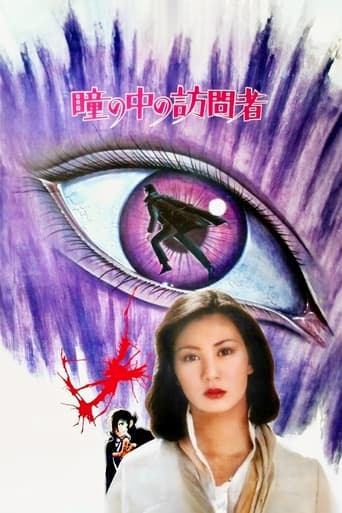 6.2
6.2Komori Chiaki is a budding tennis student. However, one day while training, her coach hits a ball into her eye on accident. At the hospital, the news that she will never regain the sight in her eye leaves her heartbroken. As a last resort, she undergoes a costly surgery from the mysterious doctor known as Black Jack, where after a successful operation, a mysterious figure starts to emerge in her vision, and only she can see it.
Black Jack: The Visitor in the Eye
1977
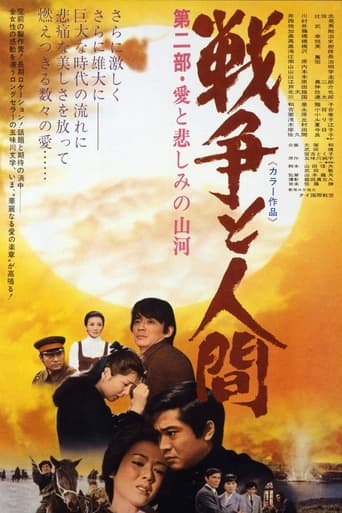 6.4
6.4As the Japanese military has established the puppet state of Manchukuo and is advancing its invasion of Asia, fighting intensifying battles against anti-Japanese partisans, the Godai zaibatsu becomes involved in large-scale opium smuggling. Shunsuke, second son of the Godai family, falls in love with a married woman. Meanwhile, Kohei, the love of the second daughter, Junko, throws himself into the anti-war movement.
Men and War II: Land of Love and Sorrow
1971
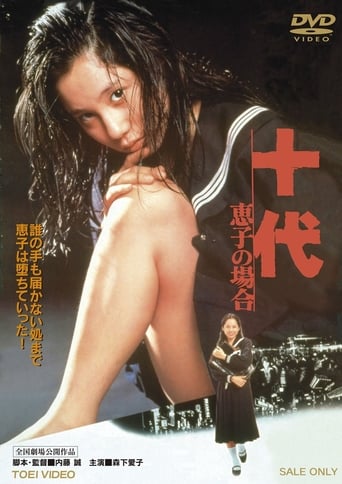 2.0
2.0High school student Keiko struggles with the pressures of college entrance examinations and a chaotic home life, ultimately succumbing to alcohol, marijuana, gang members and rape.
Teenage Years: Keiko’s Story
1979
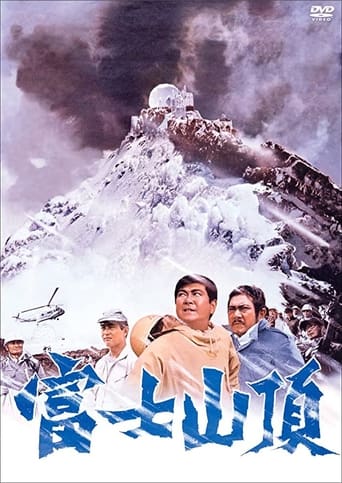 NR
NRThe Japanese government decides to install a radar on the top of Mt. Fuji, in order to detect typhoons as far as 800 km south of the Japanese archipelago, but the task will not be easy.
The Summit of Mt. Fuji
1970
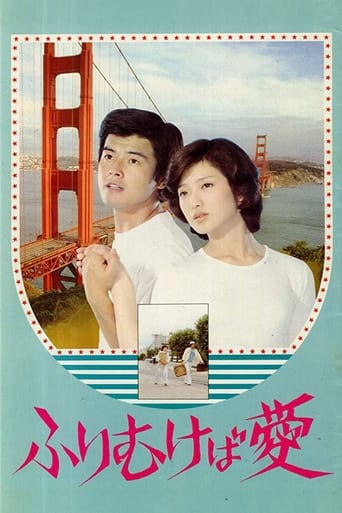 8.0
8.0Kyoko met Tetsu during her trip to San Francisco. Soon they fell in love but getting married was not in his mind. They were to meet again back in Tokyo but Tetsu didn't turn up. She went to look for him in San Francisco but all she found was him with his new girlfriend. Kyoko went back to Tokyo and eventually married a big corporate CEO.
Take Me Away!
1978
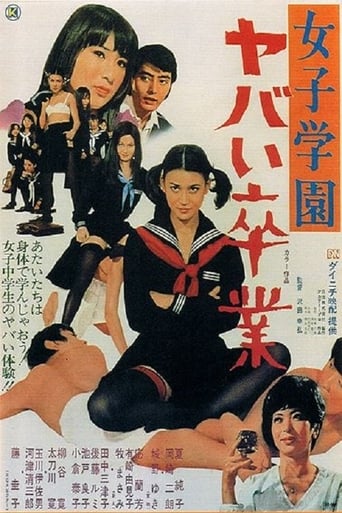 4.0
4.0Sex games by students at a junior high school are exposed by the principal and teachers, but the tables are turned in favor of the students.
Hazardous Graduation
1970
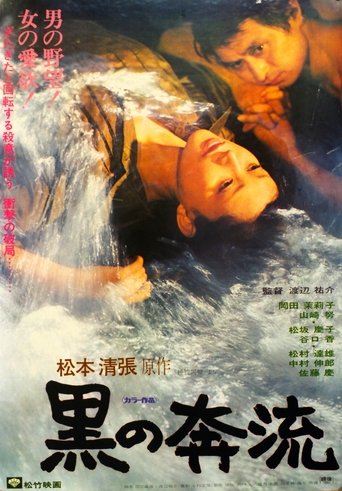 6.3
6.3A ryokan maid is on trial for pushing a familiar guest off a cliff to his death. An eager attorney offers to take the case to gain notoriety.
Cross-Currents
1972
1960s · 35 titles
7.7Taking its title from an archaic Japanese word meaning "ghost story," this anthology adapts four folk tales. A penniless samurai marries for money with tragic results. A man stranded in a blizzard is saved by Yuki the Snow Maiden, but his rescue comes at a cost. Blind musician Hoichi is forced to perform for an audience of ghosts. An author relates the story of a samurai who sees another warrior's reflection in his teacup.
Kwaidan
1965
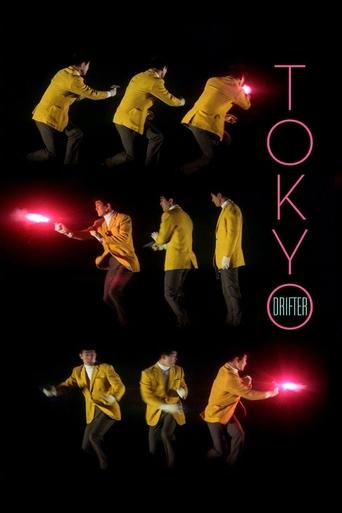 7.1
7.1After yakuza boss Kurata dissolves his own criminal empire, a rival kingpin offers a position to Kurata's top operative, Tetsuya "Phoenix Tetsu" Hondo. When the fiercely loyal Tetsu declines, Otsuka taps unstoppable Tatsuzo the "Viper", a ruthless gun-for-hire, to assassinate him. As the Viper trails his target through the countryside, the agile Phoenix Tetsu grows concerned that one of his former associates has betrayed him.
Tokyo Drifter
1966
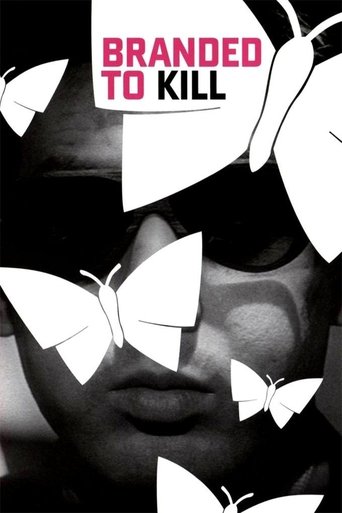 7.2
7.2After botching his latest assignment, a third-ranked Japanese hit man becomes the target of another assassin.
Branded to Kill
1967
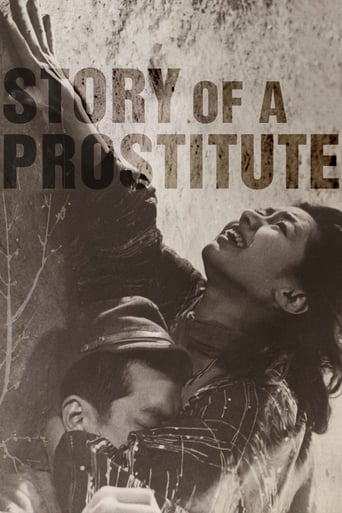 6.6
6.6Volunteering as a "comfort woman" on the Manchurian front, where she is expected to service hundreds of soldiers, Harumi is commandeered by the brutal Lieutenant Narita but falls for the sensitive Mikami, Narita's direct subordinate. Seijun Suzuki's Story of a Prostitute is a tragic love story as well as a rule-bending take on a popular Taijiro Tamura novel, challenging military and fraternal codes of honor, as seen through Harumi's eyes.
Story of a Prostitute
1965
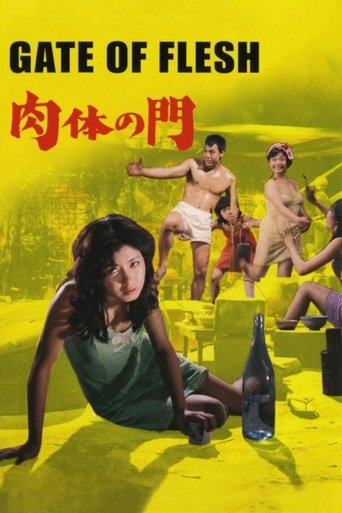 6.6
6.6In the shady black markets and bombed-out hovels of post–World War II Tokyo, a tough band of prostitutes eke out a dog-eat-dog existence, maintaining tenuous friendships and a semblance of order in a world of chaos. But when a renegade ex-soldier stumbles into their midst, lusts and loyalties clash, with tragic results. With Gate of Flesh, visionary director Seijun Suzuki delivers a whirlwind of social critique and pulp drama, shot through with brilliant colors and raw emotions.
Gate of Flesh
1964
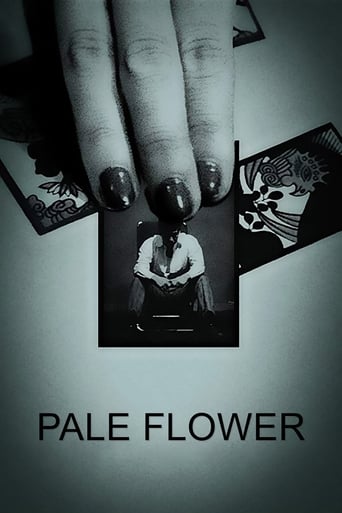 7.4
7.4A recently released gangster has to cope with the recent shifts of power between gangs, while taking care of a thrill-seeking young woman, who got in bad company while gambling.
Pale Flower
1964
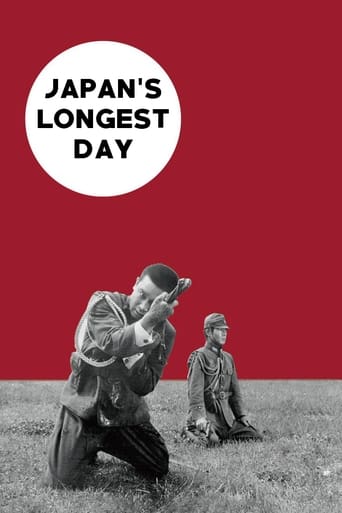 7.3
7.3Following the detonation of the atomic bombs on Hiroshima and Nagasaki, the Japanese military and the government clash over the demand from the Allies for unconditional surrender. Minister of the Army Anami leads the military officers who propose to fight on, even to the death of every Japanese citizen. Emperor Hirohito, however, joins with his ministers in asking the unthinkable, the peaceful surrender of Japan. When the military plots a coup to overthrow the Emperor's civilian government, Anami must face the choice between his desires and loyalty to his Emperor.
Japan's Longest Day
1967
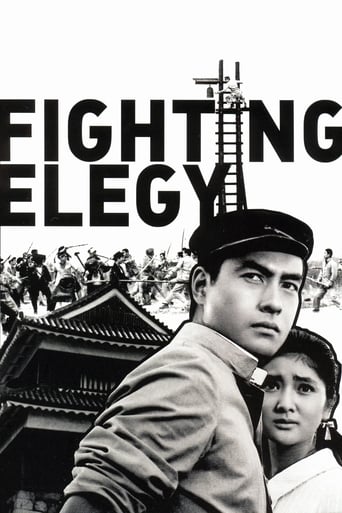 7.0
7.0Kiroku boards with a Roman Catholic family and falls for the daughter Michiko. He ignores his feelings, joins a gang, gets in fights and, eventually, becomes involved with the radical Kita Ikki group.
Fighting Elegy
1966
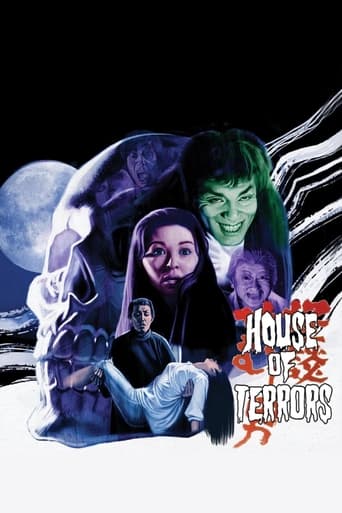 5.3
5.3A hunchbacked caretaker presides over a forlorn mansion inhabited by the ghosts of his previous masters. An unbelieving trio (a doctor, his assistant and his niece) fail to heed the caretaker's warnings and are slaughtered horribly by the jealous occupants.
House of Terrors
1965
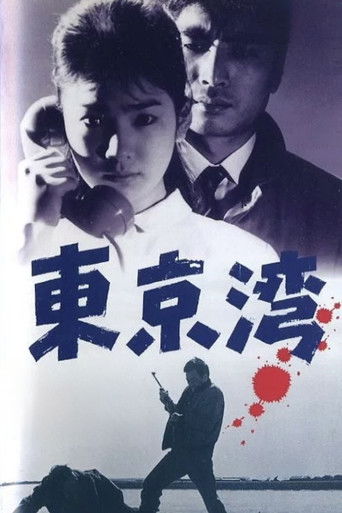 7.0
7.0An investigation into a drug smuggler who is assassinated in front of an insurance building sets two detectives, Sumikawa and Akine, into a sprawling investigation through Tokyo's underworld.
Tokyo Bay
1962
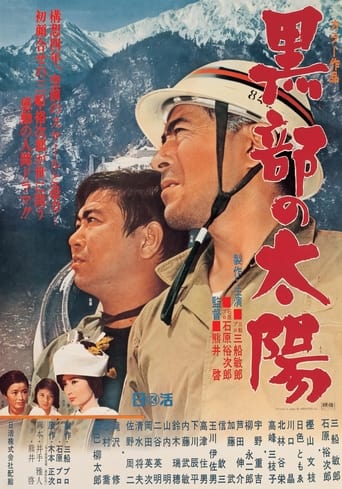 7.0
7.0Kitagawa is an engineer charged with construction of a gigantic tunnel through the Japan Alps for the transportation of equipment in the building of the massive Kurobe Dam. The tunnel crosses an earthquake fault and Kitagawa is beleaguered not only by cave-ins and flooding, but by strife between management and the workers's union. Adding to Kitagawa's stress is the knowledge that as his attention is pulled inexorably toward the tunnel construction, his youngest daughter is dying from leukemia.
The Sands of Kurobe
1968
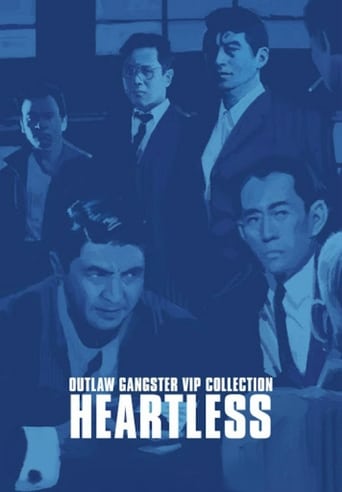 6.8
6.8Goro Fujikawa (Tetsuya Watari) was indebted to Mitsugimoto. Sawada, a low rank yakuza with a gambling problem owed Mitsugimoto three million yen. This equation can only lead to one answer. Mitsugimoto needs to pay and Goro's coming to collect.
Outlaw: Heartless
1968
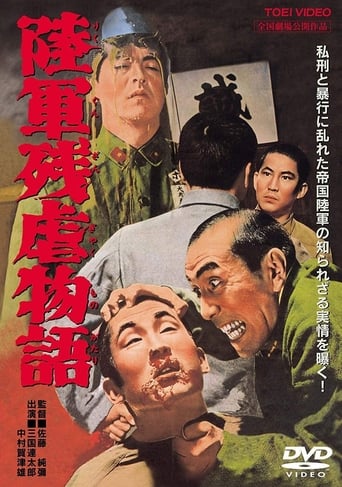 9.5
9.5Director Jun'ya Satô's debut film focuses on the inhuman training of recruits, the brutal drill system that reigned in the Japanese army during World War II, where in the first two years of training, ordinary people were turned into inhuman killers. For his first film, the director was awarded the Blue Ribbon Awards in the Debutant of the Year nomination.
Tale of Army Brutality
1963
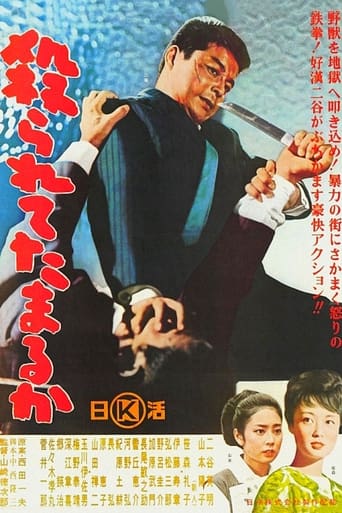 NR
NRThe bustling Ikebukuro area was under the control of the Hanamura Kogyo yakuza gang, and there was no end to the violence. The tramp Bin Tsuzuki returns to his hometown after being released from Abashiri prison, and he is noticed when he saves a student from gangsters from the Hanamura gang. But this was only the beginning of a bloody struggle...
Profit from Killing
1964
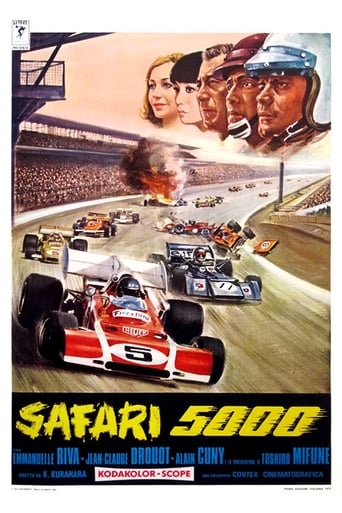 7.2
7.2A Japanese racing driver for Nissan named Godai (Yujiro Ishihara) have a rivalry with a French driver named Pierre (Jean-Claude Drouot). Godai is enlisted to race in an annual endurance race, The East African Safari Rally. Peripheral to this is the story concerning Godai's former lover Yuko (Ruriko Asaoka), a fashion designer, and her friend Anna (Emmanuel Riva), who happens to be Pierre's wife.
Safari 5000
1969
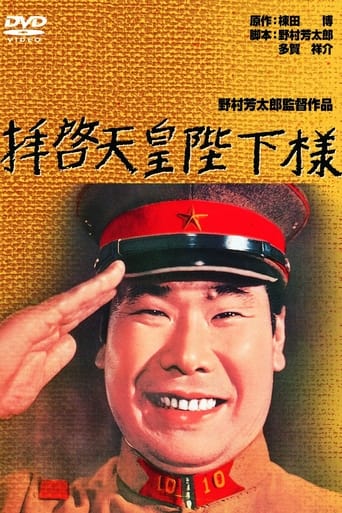 NR
NRA conscript from a poor background writes the Emperor asking if he can stay in the army when his service is up.
To Your Majesty, The Emperor
1963
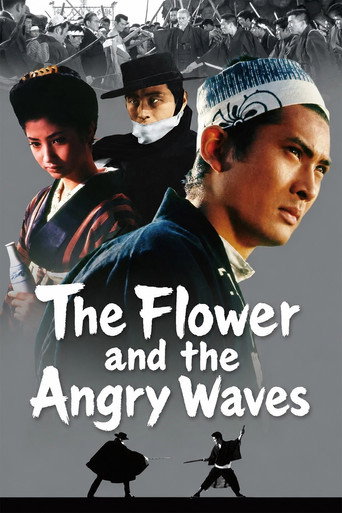 7.2
7.2A young yakuza in love with the girl who's to marry his clan oyabun, kidnaps the girl before fleeing with her. In Tokyo, he hides under the identity of a worker while the young woman becomes a waitress in a restaurant.
The Flower and the Angry Waves
1964
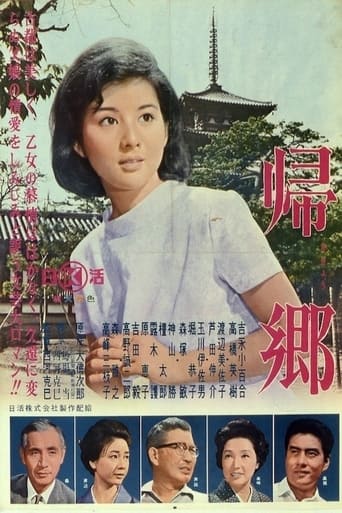 NR
NRMoriya Tomoko, a young girl working for a publishing company, is told by a woman art dealer that her real father did not die, as everyone believes, during the revolution in Cuba, but is now living in Japan. Tomoko's mother has remarried a strict, narrow-minded university professor, whose only worry is protecting his family name from the slightest blemish.
Homecoming
1964
 NR
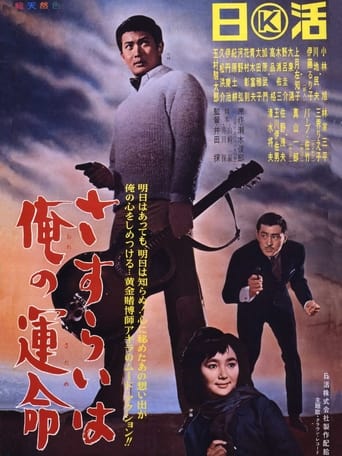
NRShadowed and alone. Today, a melancholy guitar sobs in a wandering seaside town.... To make amends, he hides his identity and saves his girlfriend's sister from certain death. Filmed on location on the scenic Manazuru Peninsula, the action is set amidst rugged rocky terrain and raging waves!
Gambling is My Destiny
1965
 10.0
10.0No synopsis available yet.
Zero Fighter
1966
 7.0
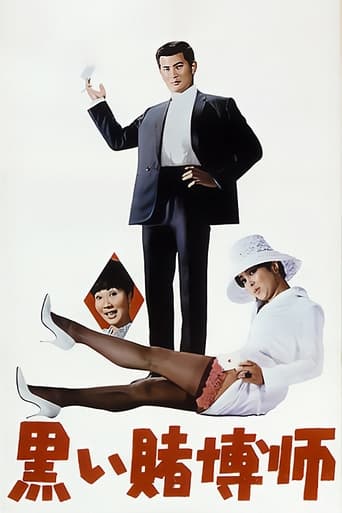
7.0Place your bets! Japan's greatest gambler, Koji Himuro (Akira Kobayashi), faces off against an international cabal of gamblers with only his wits and his incredibly skilled left hand against every conceivable way to cheat someone in a game.
The Black Gambler: The Gambling Syndicate
1965
 NR
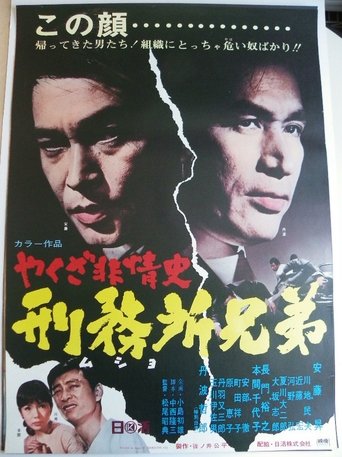
NRAuthentic action drama of modern gangsters.
Penitentiary Brothers
1969
 NR
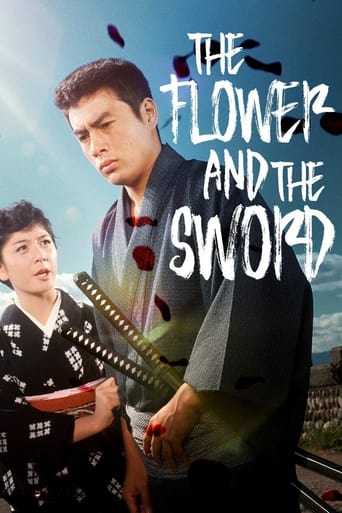
NRA dangerous mobster threatens the life of a businessman's mother in this thriller. As Ryuji oversees the building of a bridge in Japan, a powerful gangster plans to stop the project. By any means necessary.
The Flower and the Sword
1964
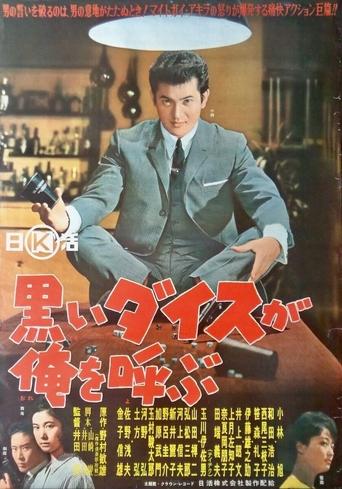 NR
NRThe wandering gambler (Akira Kobayashi) once again picks up the dice he forswore in order to take revenge of the gangsters who exploit good citizens. The second installment in The Gambler series.
Call My Black Dice
1964
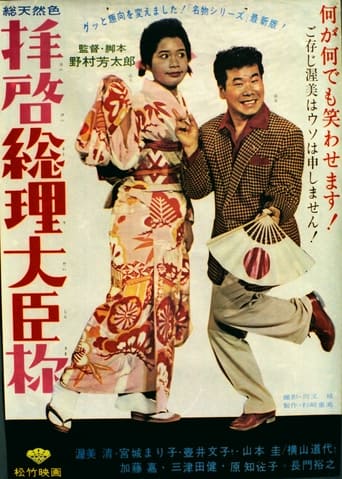 NR
NRKakumaru (Kiyoshi Atsumi) is an unpopular manzai performer who is too good-natured but has a very bad manners. Moulin, Kakumaru's former partner, gained popularity through her comedy routine with his wife Rouge, and in contrast to Kakumaru, she became a popular talent. Meanwhile, Kakumaru, inspired by his master's death, decides to move to Tokyo and reunites with Mulan. However, Moulin is caught having an affair by Rouge and is in trouble. For now, he introduces Kakumaru to an entertainment company, but instead of performing manzai, Kakumaru is entrusted with the job of firing a boiler. Kakumaru is completely tired and spends his days drinking alcohol, but one day he meets his childhood friend Ayako again...
Dear Mr. Prime Minister
1964
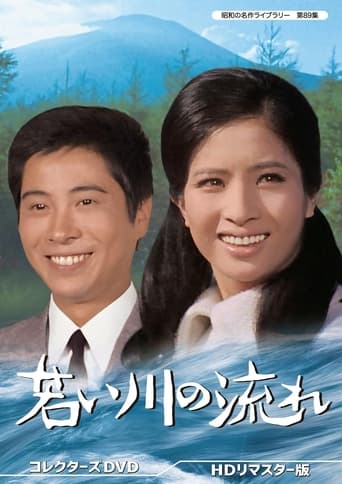 NR
NRThe story follows Misako Kitaoka, a junior college graduate and Nitto Lease sales department employee, as she grows through work, love, and friendship. For the sake of the company's managing director and his wife, Misako recommends her colleague Tensuke Sone to Fusako, the managing director's daughter and best friend. Fusako and Sone meet at the executive director's Karuizawa villa, but for some reason Kensuke becomes angry when he learns that Misako is the one who recommended him...
若い川の流れ
1968
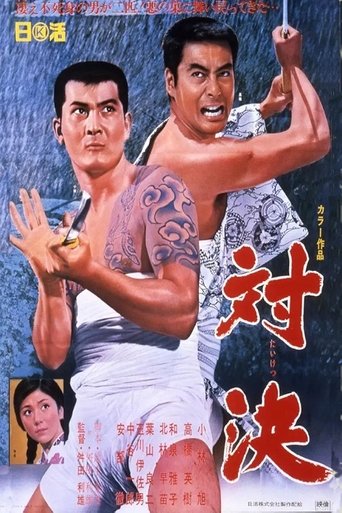 10.0
10.0Late Taishō period. The Shibatora family, led by Naojirō, held power over the Tomigawara area in Jōshū. After launching an attack on the Takayasu family for encroaching on their territory, they were instead ambushed by Takayasu's forces. Taking full responsibility, Naojirō turned himself in to the police. Six years later, upon his release, he is enraged to find that everything has changed drastically from how it once was.
対決
1967
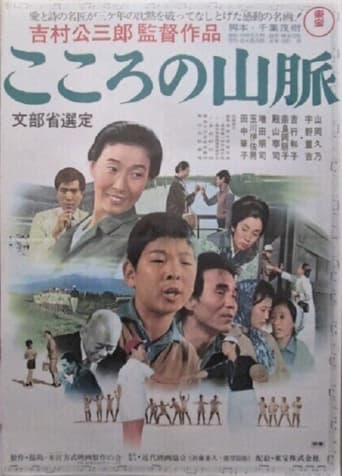 9.0
9.0A film dealing with the trials and tribulations of a primary school before and after the Pacific War, set in Fukashima Prefecture.
Kokoro no sanmyaku
1966
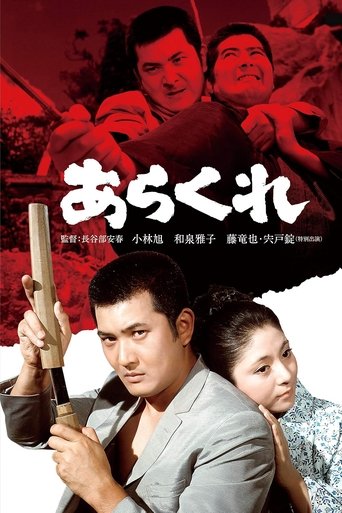 10.0
10.0A tale of wannabe yakuza youths. When not cooking up scams with his buddies, Zenkichi develops a crush on Taro's disgusted sister, Miki. But soon the young hoods run afoul of their underworld idols when they rob the wrong gang, led by brutal boss Konno. When Zenkichi's pals start to bite the dust, he hooks up with a more traditional yakuza, Tetsugoro, to retaliate.
The Rough One
1969
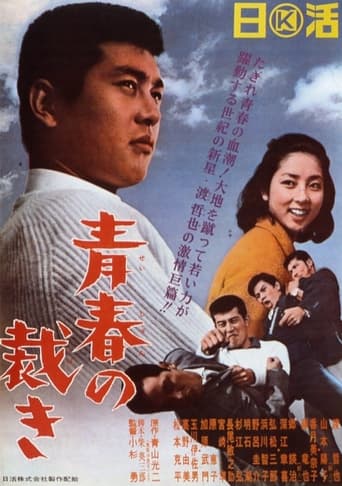 NR
NRUniversity karate club member Kikuo is actually the son of a yakuza boss. However, he disliked his father's business and never spoke about his family at school. One day, his father, Tatsuzo, becomes the guardian of the Yamanaka-gumi.
Seishun no Sabaki
1965
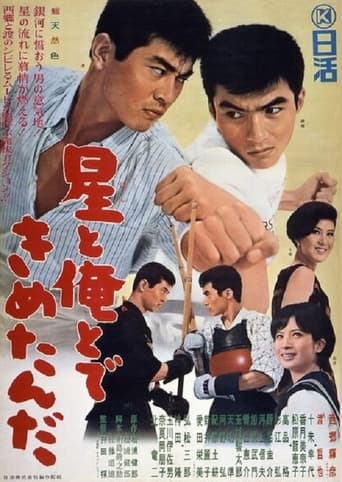 NR
NRThe brother of an up-and-coming kendoka is mysteriously murdered while working on a new model of motorboat.
The Stars and I Decided...
1965
 NR
NRNo synopsis available yet.
At the Side of the Bridge 4
1963
 7.0
7.0Ginjiro was born to a family of nobility, though he yearned for freedom. To earn this freedom, he affiliates himself with the worst of the worst. Swearing his allegiance to the notorious Kuroiwa crime syndicate, the yakuza family known for its thirst for blood, Ginjiro equips for battle. When a rival family raids their gambling parlor, he slashes a masked henchman. Unbeknown to him, his victim was no henchman.
Blood Shed
1966
 NR
NRA young surgeon and a nurse working at a hospital fall in love, but numerous trials stand in their way.
Barren Love
1967
 NR
NRA passionate man, driven by his boss's will, who fell to an assassin's blade, dedicates himself to rebuilding the gang. This thrilling, entertaining masterpiece by Eiki weaves together love and longing into its intense portrayal.
Invasion of Kanto Government
1965
1950s · 4 titles
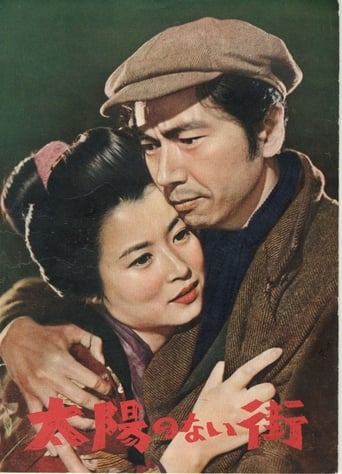 7.0
7.0Based on the novel by proletarian writer Sunao Tokunaga. The story is about a long strike by workers at a large printing house and the strikers' steadfastness, which neither hunger nor violence could break. The heroine of this story actively participates in her colleagues' struggle against layoffs, oppression, and police brutality.
The Street Without Sun
1954
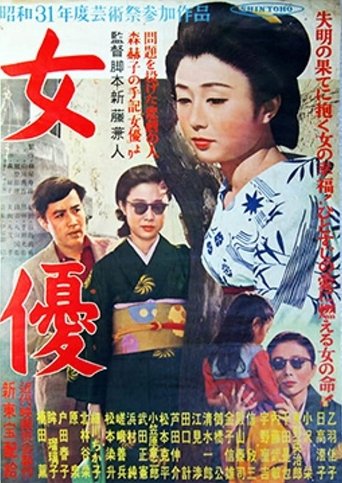 8.0
8.0Based on Kakuko Mori's autobiography, about her life and retirement from acting due to her increasing blindness.
Actress
1956
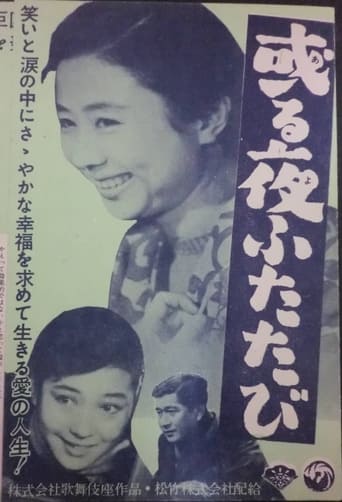 10.0
10.0Poor social conditions badly affect the relationship between a married couple, when the husband, who is desperately searching for work, fails to notice the terrible sacrifices made by his wife when she accepts a job at a local inn.
Twice on a Certain Night
1956
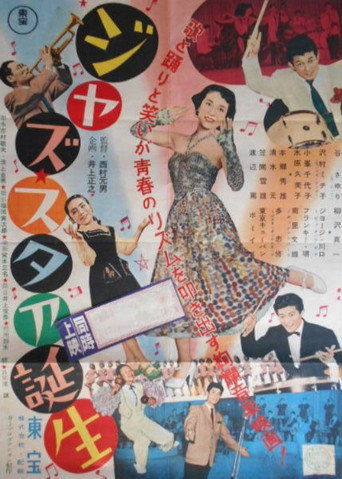 NR
NRKeiko Togawa, a chorus girl at the Toyo Theater, is told by director Miyauchi that she has been chosen to play the lead role in the next production.
Birth of a Jazz Star
1954
Series credits
7.8Hasegawa is a chief police of big heart who leads a band of samurai police and cultivates reformed criminals as informants to solve difficult crimes.
Onihei Hankachō
1989
NRBased on the life of Hideyoshi Toyotomi (February 2, 1537 – September 18, 1598) a Sengoku period daimyo who unified Japan.
Taikouki
1965
NRChiba Shusaku: Kendo Masshigura is a Japanese period drama that aired on the TBS network from November 2, 1970 to August 30, 1971 in the "Brother Gekijo" slot. It ran for 44 colour episodes of 30 minutes each. Based on Sohachi Yamaoka's novel "Chiba Shusaku", it depicts the youth of Chiba Shusaku, founder of the Hokushin Itto-ryu school of swordsmanship. A hot-blooded young man who calls himself Shusaku enters the dojo of Asari Matashichiro and, through encounters with all kinds of people, grows rapidly both in swordsmanship and in character. Produced by TBS and Shochiku. Rerun on the Japanese CS channel Jidaigeki Senmon Channel from March 17, 2025.
Chiba Shusaku: Kendo Masshigura
1970
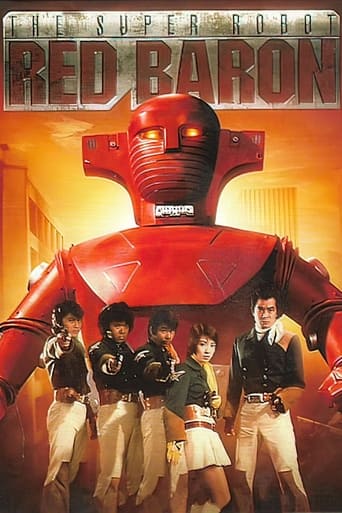 6.0
6.0Super Robot Red Baron is a Japanese tokusatsu series that aired from April 4, 1973, to March 27, 1974. Its story was later retold in the anime Red Baron and it had a sequel titled Super Robot Mach Baron.
Super Robot Red Baron
1973
No synopsis available yet.
The Fierce Battles of Edo
1979