
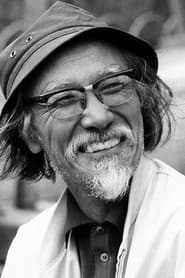
Directing
Seijun Suzuki
Born — Died
1923-05-24 — 2017-02-13
Place of birth
Nihonbashi, Tokyo, Japan
Known for
Directing
Credits
76 titles
Seijun Suzuki born Seitaro Suzuki (24 May 1923 – 13 February 2017) was a Japanese filmmaker, actor, and screenwriter. His films are renowned by film enthusiasts worldwide for their jarring visual style, irreverent humour, nihilistic cool and entertainment-over-logic sensibility. He made 40 predominately B-movies for the Nikkatsu Company between 1956 and 1967, working most prolifically in the yakuza genre. His increasingly surreal style began to draw the ire of the studio in 1963 and culminated in his ultimate dismissal for what is now regarded his magnum opus, Branded to Kill (1967), starring notable collaborator Joe Shishido. Suzuki successfully sued the studio for wrongful dismissal, but …
Known for
 7.8
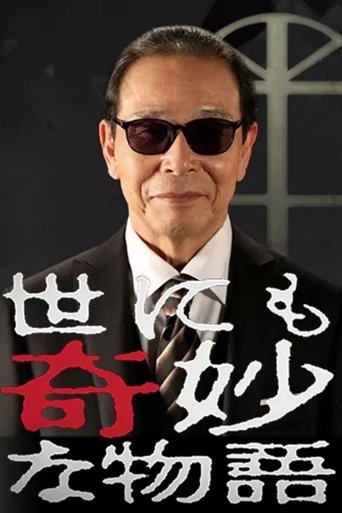
7.8Inspired by American TV movies like "Hitchcock Theater" and "The Twilight Zone," the show features multiple works with Tamori as the storyteller and actors as the main characters. While horror and supernatural themes are predominant, a variety of genres like comedy and drama are also produced. Most episodes, however, have a bad ending.
Tales of the Bizarre
1990
 8.0
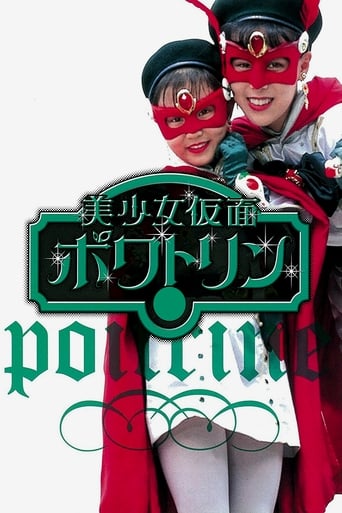
8.0The eleventh entry in the Toei Fushigi Comedy Series. Yuko Murikami stops by a shrine to pray for the new school year. Yuko accidentally breaks the bell and drops it on top of a turtle's head. Because she is the only person that stopped by the shrine in a long time, he grants her the power to become a superheroine, based on another ancient deity. It is her job to protect her neighborhood from the threats it faces. By yelling "Cosmo Magic! Métamorphose!!", she transforms into the Masked Beauty Poitrine!
La Belle Fille Masquée Poitrine
1990
 6.1
6.1Lupin squares off with two criminal families and Inspector Zenigata's new female patrol to track down a hoard of biblical-era treasure.
Lupin the Third: The Legend of the Gold of Babylon
1985
 6.9
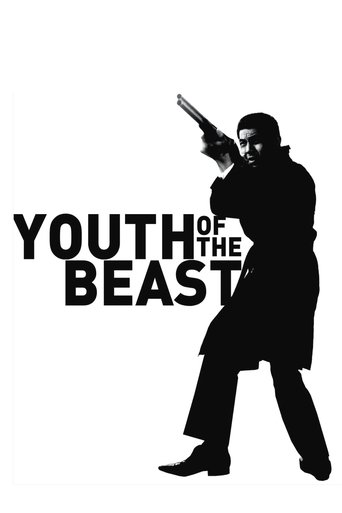
6.9When a mysterious stranger muscles into two rival yakuza gangs, Tokyo's underworld explodes with violence.
Youth of the Beast
1963
 6.5
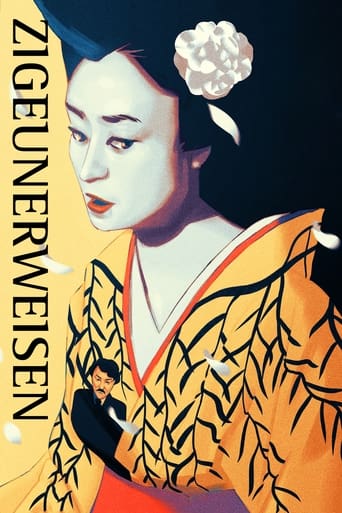
6.5A surreal period film following a university professor and his eerie nomad friend as they go through loose romantic triangles and face death in peculiar ways.
Zigeunerweisen
1980
 NR
NRMinori Amano becomes a widow on her honeymoon. Still, she becomes part of the Amano family's funeral home business. From now on, the woman not only has to fight with eccentric clients, but the rest of the Amano family who have a lot to say about running the business.
Good Mourning
1994
Film credits
2010s · 2 titles
 NR
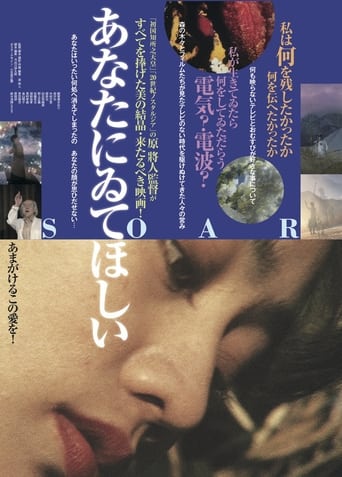
NRA tragic love story set in a mountain village in the Showa era, waiting for a fiancé who died in the war, but it is more than that. It breaks through the existing concept of a film with a beginning, middle, and end, and like Fellini or Godard... Hara Masato's cosmic film philosophy on the theme of "human history and media" unfolds like a symphony.
SOAR: I Wish You Were Here
2015
 6.4
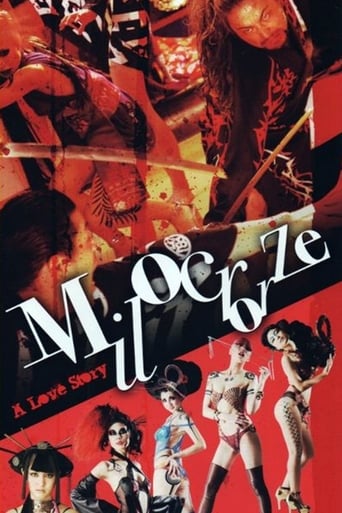
6.4Following a scene where a young boy falls in love with the title character, only to have his heart broken by her, the film introduces us to three young men who are all in Milocrorze thrall, either literally or figuratively.
Milocrorze: A Love Story
2011
2000s · 11 titles
 6.9
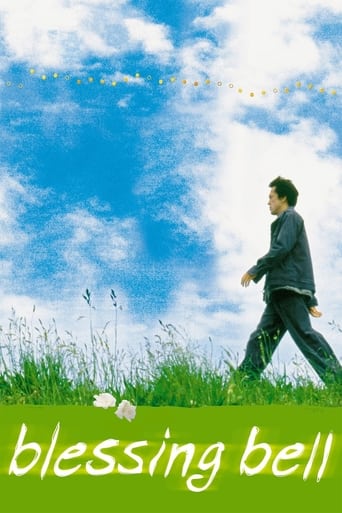
6.9Existential study on a newly unemployed factory worker who silently moves through the city, unknowingly influencing other people's lives.
Blessing Bell
2002
Recently appointed dean at a film school, Kimuro Hajime develops a special concern for one of his students, Daisuke. The brash, headstrong young man is fixated on with the Second World War. He feels a sense of frustration at the irrational sacrifice of young people's lives during the war six decades earlier. Daisuke finds that he can vent his frustrations to Kimuro, who experienced the war firsthand. Kimuro's wife, Emiko, is also troubled by memories of the war. She lost a loved one in the war and has never gotten over it. And Kimuro himself also has something from the past that he has yet to face. He believes that the burden of his unresolved past will eventually be the death of him. When Daisuke's neurosis causes him to quit school, life changes for all three of them.
Dreaming Awake
2008
 NR
NRNo synopsis available yet.
The Last Day
2000
 NR
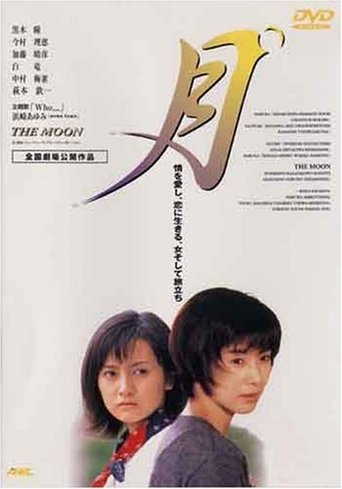
NRAfter her grandmother's passing, Natsumi, a third-year high school student, moves to Tokyo to live with her mother Haruka, who works as a stripper in Asakusa. Having been separated from her mother since elementary school, Natsumi initially finds it difficult to connect and often clashes with her. However, as time goes on, she begins to understand and accept her mother's unconventional lifestyle."
The Moon
2000
A short documentary primarily focused on Nikkatsu's Roman Porno series.
The Erotic Empire
2002
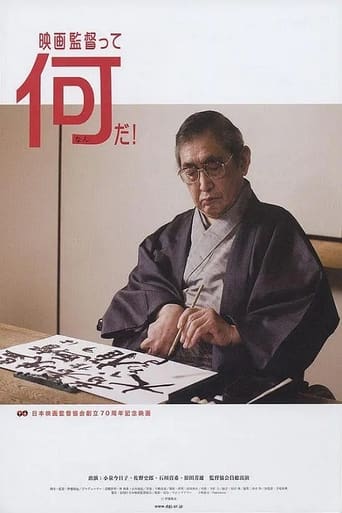 NR
NRWorks commemorating the 70th anniversary of the founding of Japan mapping Supervision Association
What's a Director?
2006
Jun, a 16-year-old teen, refuses to stand while the national anthem is being played at his graduation ceremony. This event will totally change his life, as he involuntarily becomes the new hero of a rebel anti-system youth. Singer Muy's pop music and his friend, Nozomi, with whom he shares his sadness and hatred for the society that surrounds them, help him bear his terrible loneliness.
Boy
2007
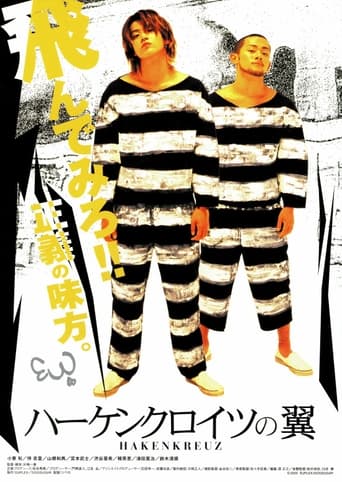 NR
NRWhen a man who as a student wanted to burn down his school meets a man years later, his new friend falls in love with the former female class-mate who herself is in love with the would-be arsonist.
The Wings of Hakenkreuz
2004
Made for in 2005, this video interview features director Seijun Suzuki and production designer Takeo Kimura. These longtime collaborators discuss the making of GATE OF FLESH.
From the Ruins: Making 'Gate of Flesh'
2005
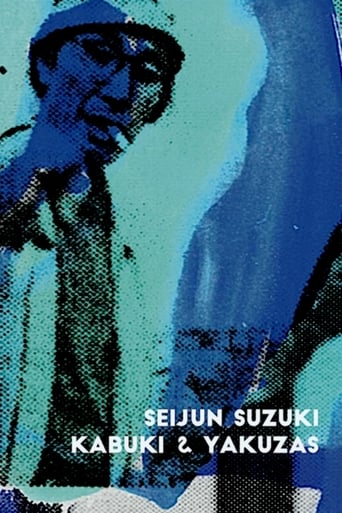 6.0
6.0Film director and screenwriter Seijun Suzuki (1923-2017), who in the sixties was the great innovator of Japanese cinema; and his collaborator, art director and screenwriter Takeo Kimura (1918-2010), recall how they made their great masterpieces about the Yakuza underworld for the Nikkatsu film company.
Seijun Suzuki: kabuki & yakuzas
2002
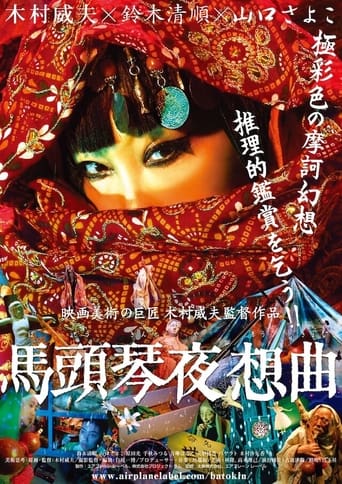 NR
NRA baby, John, who was abandoned in the church with a horse-headed koto on his side. His grandfather was once a Morin Khuur player and died in the atomic bombing of Nagasaki. The brilliantly colored images have an avant-garde charm while hiding the sadness of the war, and will grab the viewer's heart.
Matouqin Nocturne
2007
1990s · 13 titles
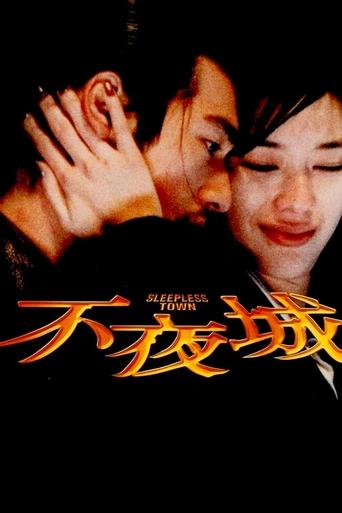 7.4
7.4Kenichi is a half-Japanese, half-Chinese man of the underworld. You can sell him anything except children's organs. His domain is in Kabukicho, a gangland controlled by various Shanghai gangs intent on taking control. His former partner-in-crime, Fu-Chun, is rumored to have returned to Kabukicho, having fled years earlier after killing the number two of gangland boss, Yuan. Yuan wants to get even and attempts to do so by using Kenichi.
Sleepless Town
1998
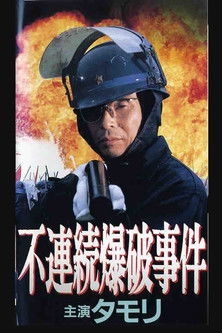 NR
NRWhat is the clue that connects the police dormitory bombing case & Keihin canal murder case with the corporate bombing case 17 years ago? Detective Tamori chases a mystery!
Discontinuous Bombing Incident
1991
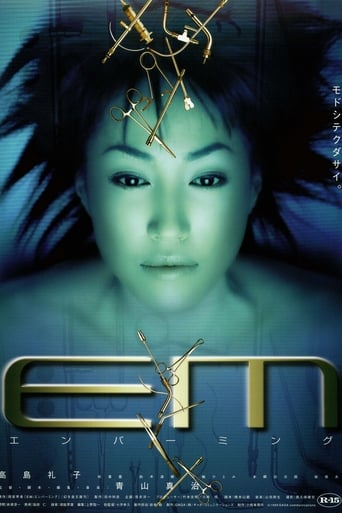 4.7
4.7Miyako, a young female embalmer, is called to restore the body of a recent suicide. While performing her duties, she pricks herself on a needle buried deep within the boy’s flesh. When the head is stolen during the night, Miyako begins a desperate search to recover it and finish her work, encountering organ harvesting, religious cults, and dark secrets from her own past along the way.
Embalming
1999
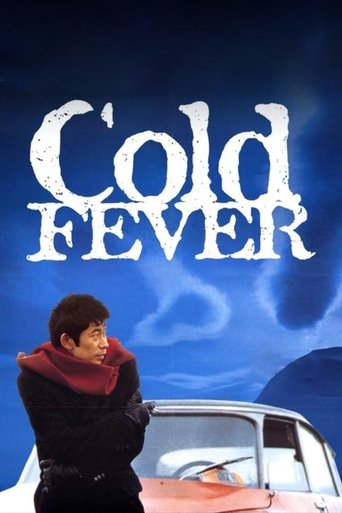 6.4
6.4A Japanese businessman travels to Iceland and has a series of misadventures while venturing to a remote area to perform a traditional burial ritual where his parents died several years back.
Cold Fever
1995
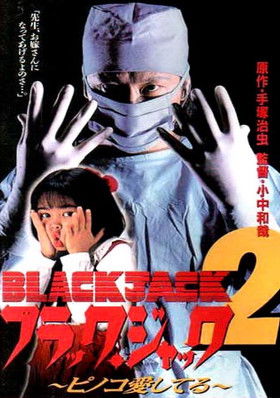 NR
NRA difficult request brought to the unlicensed genius surgeon Black Jack. It was supposed to be born as twins, but it was an operation to separate what had been taken into another body. The second in a series depicting the episode of the birth of Pinoko.
Black Jack 2: Pinoko I Love You
1996
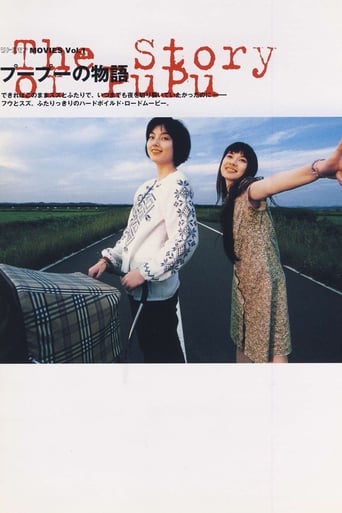 5.0
5.0Fu and Suzu are two hedonist girls who decide to take to the road. They set off on a journey to visit the tomb of a small pig by name Pupu. On the way, they meet Suzu's ex-lover, a gay couple, and a golf player; always getting in trouble. But whenever trouble comes, 'Trunk Man' the hero appears to save them.
The Story of PuPu
1998
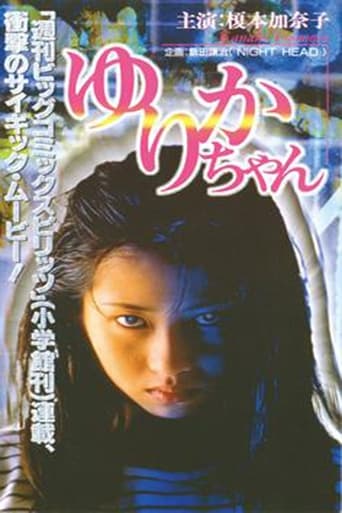 NR
NRAn exciting 'psychic movie' starring Kanako Enomoto, adapted from the manga series by Yukio Tamai. Police detectives searching for clues related to a serial murder case seek out help from high schooler Yurika, who possesses latent split personality psychic abilities. The mystery deepens once Yurika is brought face-to-face with the crime scenes.
Yurika-chan
1997
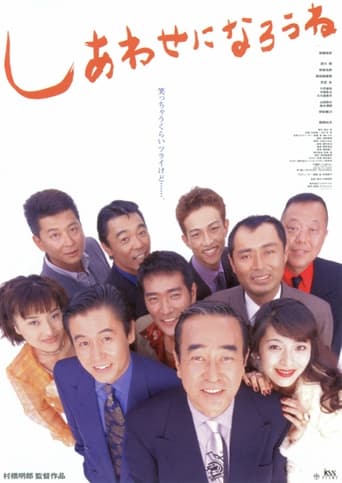 8.0
8.0A comedy about the uproar in a yakuza office, before the dissolution ceremony the next day. The day before the dissolution of the Yamamuro group, it is reported that the leader of the hostile organization was assassinated by someone.
Let's Get Happy
1998
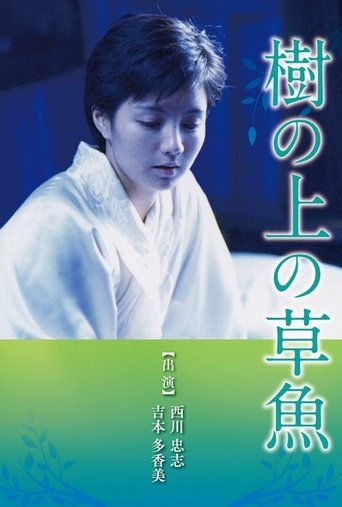 8.0
8.0A story about the friendship of the sons of two political rivals.
Ki no ue no sogyo
1997
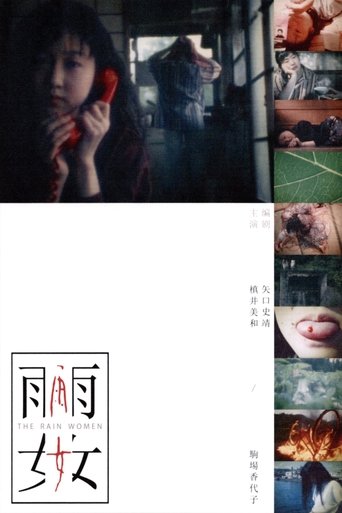 6.5
6.5Rain in Tokyo area. Two girls holed up in their tiny apartment. They go out, steal cabbages, hit a supermarket and kill a cow. The sun comes out and changes everything.
The Rain Women
1990
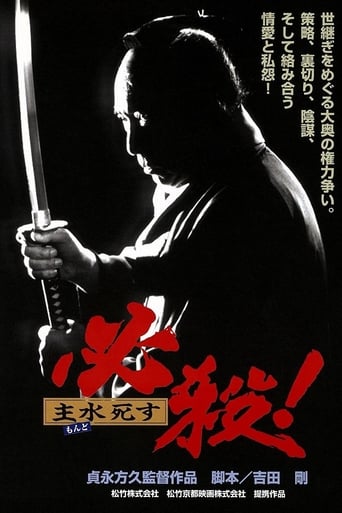 NR
NRWhen an artist dies, the official cause of death is judged to be a stroke, but his daughter suspects foul play. She recruits the services of an assassin, who by chance encounters an old friend...
Sure Death 6
1996
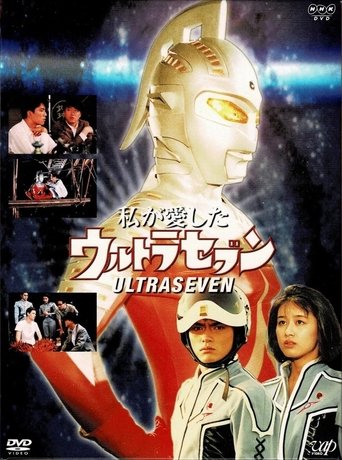 NR
NRIchikawa Shinichi, who actually participated as a scriptwriter in the tokusatsu series Ultra Seven, depicts behind-the-scenes stories from the filming of Seven and the youthful ensemble of its cast and production staff. He weaves in fictional elements introduced for the drama's structure, featuring the series' heroine, Yuri Anne, as the protagonist.
My Beloved Ultraseven
1993
 8.0
8.0With a single appointment letter, Tokyo University graduate Kohei's bright future and relationship with his high class girlfriend is turned upside-down. Ordered to work at a pachinko parlor in the city outskirts, he must now live and learn from his new coworkers and customers and their many quirks.
Pachinko Graffiti
1992
1980s · 5 titles
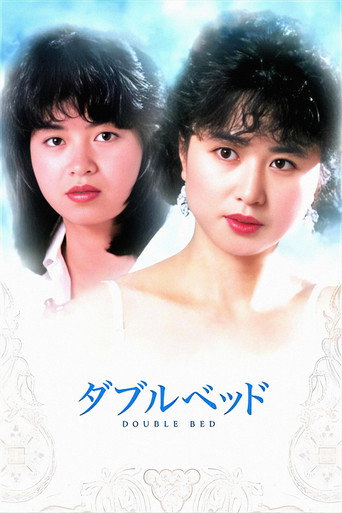 5.1
5.1Kato is a small time TV producer. He has a wife Masako, and a young son Taro. Kato also has a friend Yamazaki who he knew since college. Yamazaki has a girl friend Riko who lives with her younger sister Yuko who's an actress. Yamazaki is a lyric writer/womanizer and he starts to have an affair with Masako, but he's still going out with Riko.
Double Bed
1983
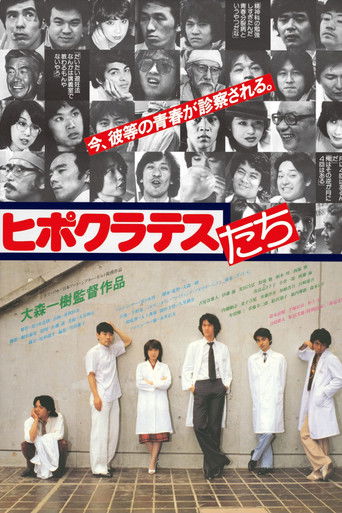 6.8
6.8The story revolves around Ogino, who is in the last year of his medical studies. Between lectures, exams, on field training, his commitment as a pro-reformist militant and his girlfriend, Ogino is starting to wonder if he's really cut out to be a doctor.
Disciples of Hippocrates
1980
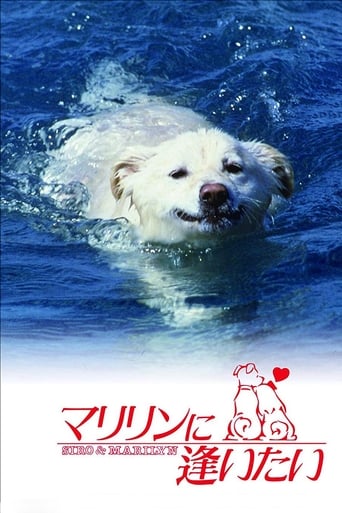 7.0
7.0Based on a true story. Shiro, a dog who lives in an inn on Akajima in Okinawa, swims to the opposite shore on Zamami to see his love, a dog named Marilyn. Shiro is portrayed by the real-life Shiro.
Shiro and Marilyn
1988
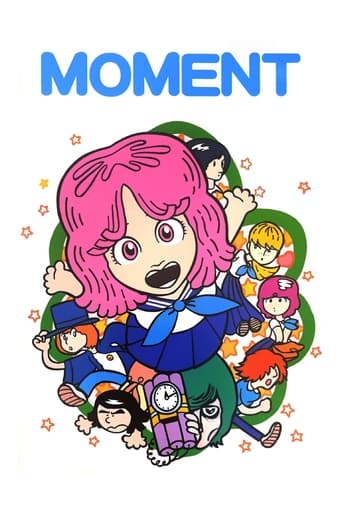 10.0
10.0Pocky, an upbeat high-schooler, is told she will die in three days by a psychic whose predictions always come true. Along the way, she talks about boyfriends with her two friends, meets a strange boy with heart disease, and regularly bumps into a serial bomber.
MOMENT
1981
 NR
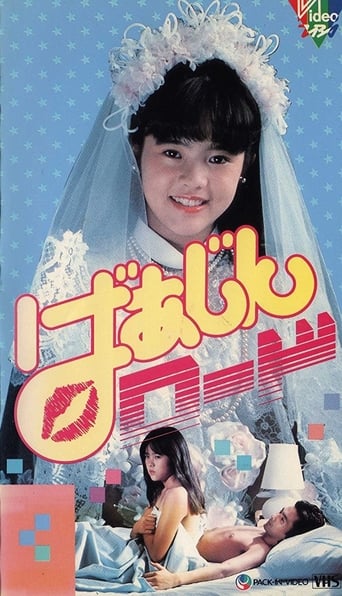
NRBased on the comic book by Tatsuo Kanai
Virgin Road
1989
Series credits
7.8Inspired by American TV movies like "Hitchcock Theater" and "The Twilight Zone," the show features multiple works with Tamori as the storyteller and actors as the main characters. While horror and supernatural themes are predominant, a variety of genres like comedy and drama are also produced. Most episodes, however, have a bad ending.
Tales of the Bizarre
1990
8.0The eleventh entry in the Toei Fushigi Comedy Series. Yuko Murikami stops by a shrine to pray for the new school year. Yuko accidentally breaks the bell and drops it on top of a turtle's head. Because she is the only person that stopped by the shrine in a long time, he grants her the power to become a superheroine, based on another ancient deity. It is her job to protect her neighborhood from the threats it faces. By yelling "Cosmo Magic! Métamorphose!!", she transforms into the Masked Beauty Poitrine!
La Belle Fille Masquée Poitrine
1990
NRMinori Amano becomes a widow on her honeymoon. Still, she becomes part of the Amano family's funeral home business. From now on, the woman not only has to fight with eccentric clients, but the rest of the Amano family who have a lot to say about running the business.
Good Mourning
1994
Behind the camera
6.1Lupin squares off with two criminal families and Inspector Zenigata's new female patrol to track down a hoard of biblical-era treasure.
Lupin the Third: The Legend of the Gold of Babylon
1985
6.9When a mysterious stranger muscles into two rival yakuza gangs, Tokyo's underworld explodes with violence.
Youth of the Beast
1963
6.5A surreal period film following a university professor and his eerie nomad friend as they go through loose romantic triangles and face death in peculiar ways.
Zigeunerweisen
1980
 6.6
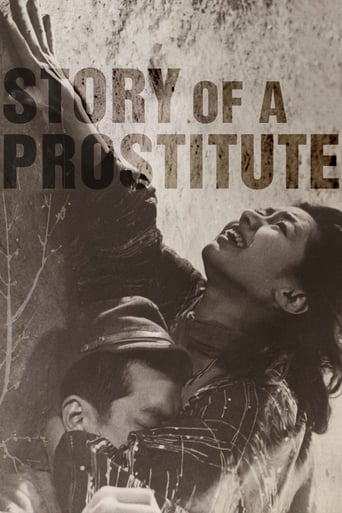
6.6Volunteering as a "comfort woman" on the Manchurian front, where she is expected to service hundreds of soldiers, Harumi is commandeered by the brutal Lieutenant Narita but falls for the sensitive Mikami, Narita's direct subordinate. Seijun Suzuki's Story of a Prostitute is a tragic love story as well as a rule-bending take on a popular Taijiro Tamura novel, challenging military and fraternal codes of honor, as seen through Harumi's eyes.
Story of a Prostitute
1965
 7.2
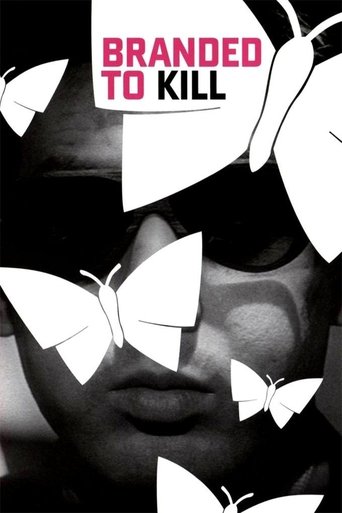
7.2After botching his latest assignment, a third-ranked Japanese hit man becomes the target of another assassin.
Branded to Kill
1967
7.2After botching his latest assignment, a third-ranked Japanese hit man becomes the target of another assassin.
Branded to Kill
1967
 6.6
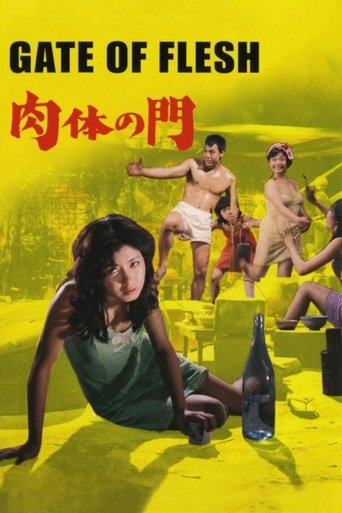
6.6In the shady black markets and bombed-out hovels of post–World War II Tokyo, a tough band of prostitutes eke out a dog-eat-dog existence, maintaining tenuous friendships and a semblance of order in a world of chaos. But when a renegade ex-soldier stumbles into their midst, lusts and loyalties clash, with tragic results. With Gate of Flesh, visionary director Seijun Suzuki delivers a whirlwind of social critique and pulp drama, shot through with brilliant colors and raw emotions.
Gate of Flesh
1964
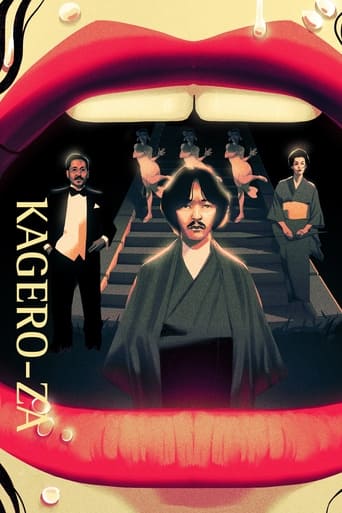 6.6
6.6A 1920s playwright meets a beautiful woman who may be the ghost of his patron's deceased wife.
Kagero-za
1981
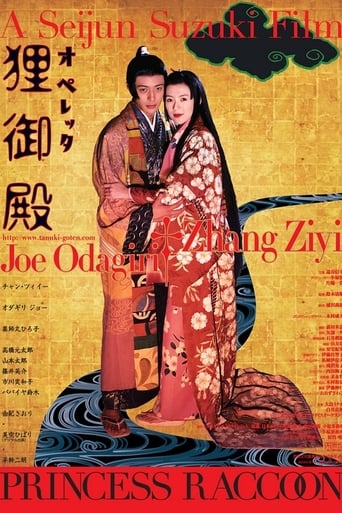 5.8
5.8Amechiyo (the banished prince) falls in love with Tanukihime (a princess of raccoon dog disguised as human). This is an operetta which includes comedy, singing and dancing, and a love story.
Princess Raccoon
2005
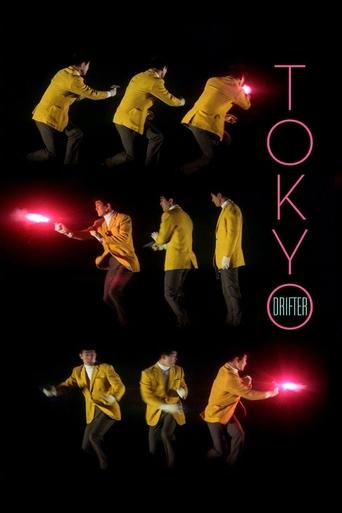 7.1
7.1After yakuza boss Kurata dissolves his own criminal empire, a rival kingpin offers a position to Kurata's top operative, Tetsuya "Phoenix Tetsu" Hondo. When the fiercely loyal Tetsu declines, Otsuka taps unstoppable Tatsuzo the "Viper", a ruthless gun-for-hire, to assassinate him. As the Viper trails his target through the countryside, the agile Phoenix Tetsu grows concerned that one of his former associates has betrayed him.
Tokyo Drifter
1966
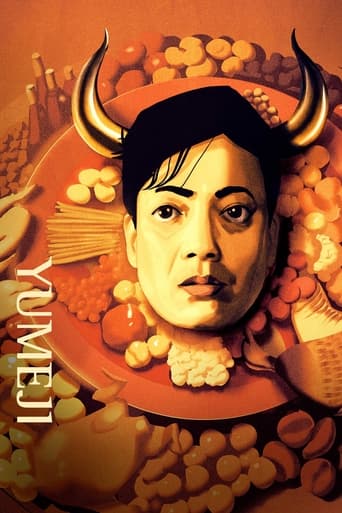 6.4
6.4Following the life of Japanese artist and poet Yumeji Takehisa through the imagining of an encounter with a beautiful widow with a dark past.
Yumeji
1991
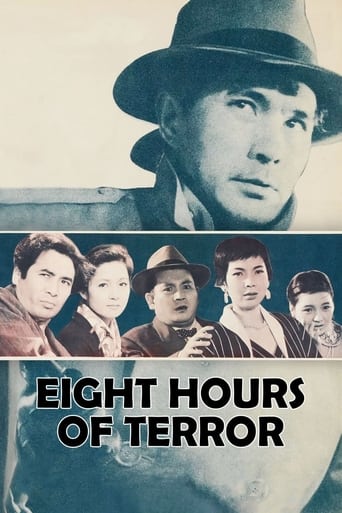 7.5
7.5A bus making its precarious way across a winding mountain road picks up some unwelcome passengers.
Eight Hours of Terror
1957
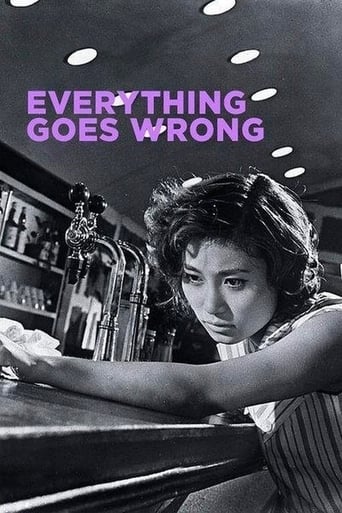 6.7
6.7Everything goes wrong when Jiro tries to break up his mother's relationship with a business man. The young rebel Jiro has to deal with an environment of crime and prostitution, and the impact of its choices on personal relationships: one with his mother, one with her business man lover and one with the girl in love with him.
Everything Goes Wrong
1960
 5.6
5.6A rookie golfer must cope with the stress of fame after a marketing executive transforms her into a sports celebrity.
A Tale of Sorrow and Sadness
1977
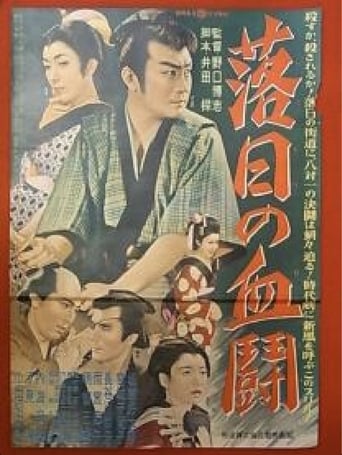 NR
NRA remake of High Noon (1952) as a Japanese jidai-geki sword-fighting movie.
Duel at Sundown
1955
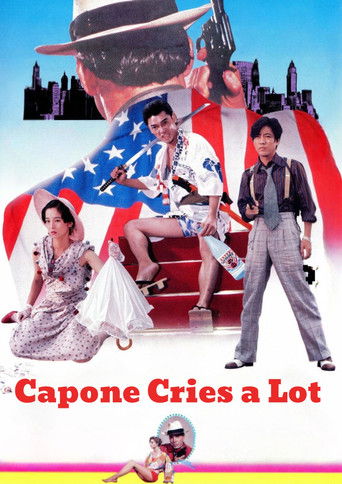 6.0
6.0Umiemon is a naniwa-bushi singer who travels with his wife to the United States in hopes of achieving fame and fortune.
Capone Cries a Lot
1985
 6.8
6.8A newspaper reporter's search for his girlfriend's missing father lead him into heart of the criminal underworld of Yokohama's Chinatown.
The Sleeping Beast Within
1960
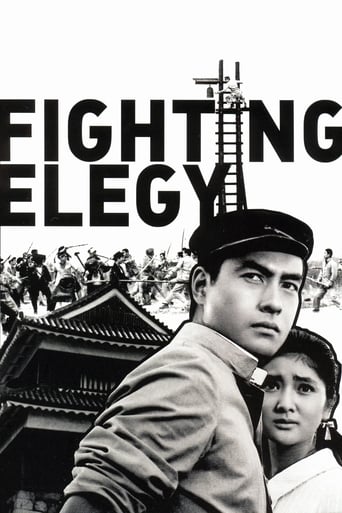 7.0
7.0Kiroku boards with a Roman Catholic family and falls for the daughter Michiko. He ignores his feelings, joins a gang, gets in fights and, eventually, becomes involved with the radical Kita Ikki group.
Fighting Elegy
1966
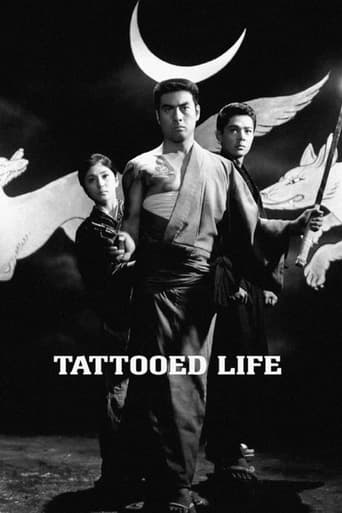 7.2
7.2After his own gang sets him up to kill a rival mobster, a hit man is forced to flee with his younger brother.
Tattooed Life
1965
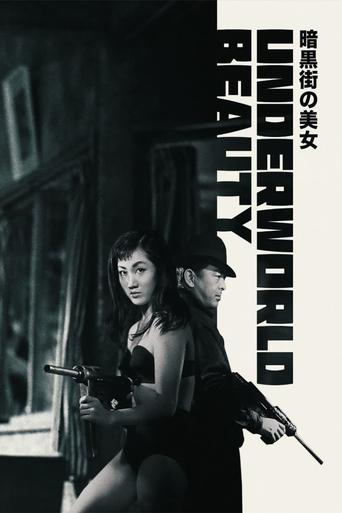 5.9
5.9The moment he's released from prison, the honorable gangster Miyamoto recovers the stolen diamonds he had stashed before getting pinched. When he returns to his haunt to make good by friend who took a bullet for him, he is diverted by the greedy boss Oyane and his insatiable taste for Miyamoto's precious stones.
Underworld Beauty
1958
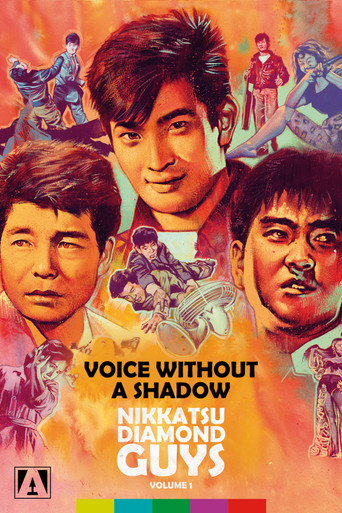 6.2
6.2Asako, a former telephone operator once heard the voice of a murder suspect which has continued to haunt her. Years later her husband invites his boss, Hamazaki, over for dinner and she realises his voice is suspiciously like that of the killer. Before she can investigate further, Hamazaki is found dead and her husband becomes the prime suspect.
Voice Without a Shadow
1958
 6.5
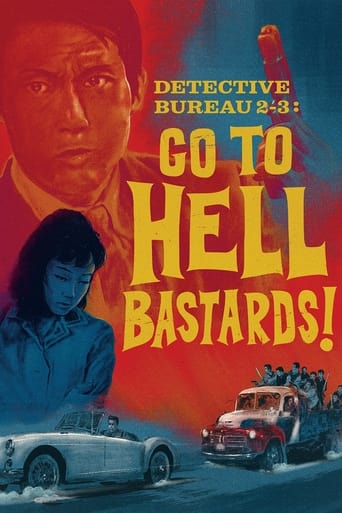
6.5Tajima is a private detective in charge of his own company, Detective Bureau 2-3. When warring criminal gangs go overboard by robbing U.S. military munitions, Tajima steps in to stop what the cops can't.
Detective Bureau 2-3: Go to Hell, Bastards!
1963
 7.2
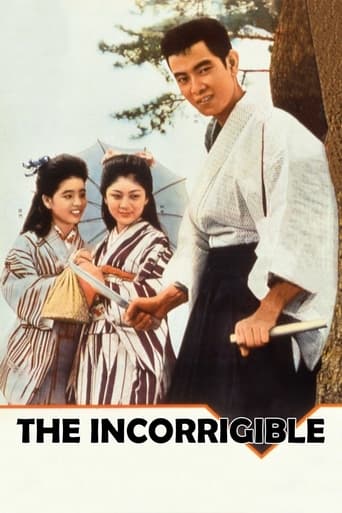
7.2Based on the loosely autobiographical novel of the same name by Toko Kon. Ken Yamanouchi stars as Togo Konno, the titular bastard.
The Incorrigible
1963
 6.2
6.2A sniper kills two prisoners in a police van, and the driver sets out to find the killer.
Take Aim at the Police Van
1960
 6.9
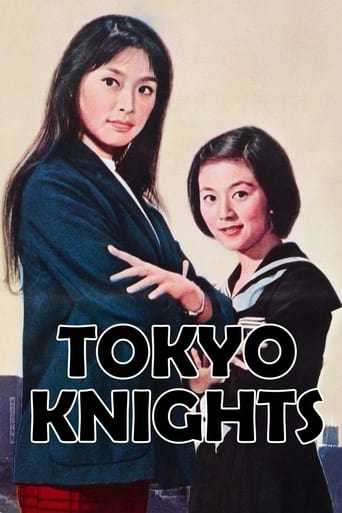
6.9A college student takes over the family business in the field of organised crime.
Tokyo Knights
1961
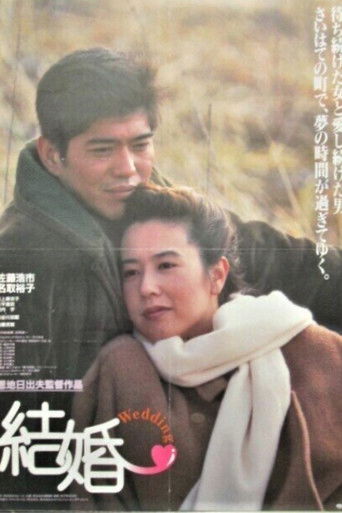 9.0
9.0An omnibus featuring the work of three different filmmakers.
Marriage
1993
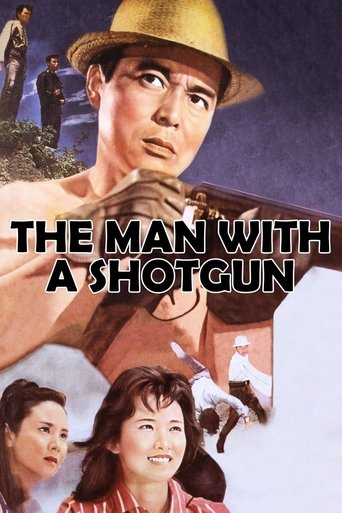 6.5
6.5Ryoji, a wanderer, arrives in a remote mountain town, carrying a shotgun and claiming to be a hunter. He quickly becomes embroiled in a web of trouble surrounding the town's mill.
The Man with a Shotgun
1961
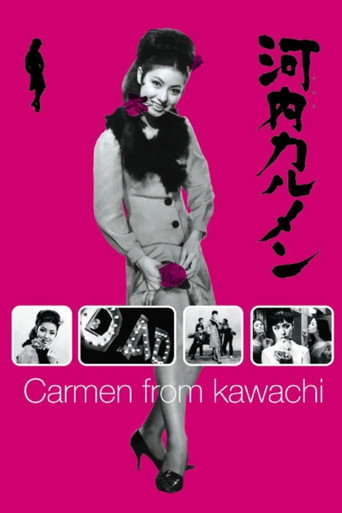 6.2
6.2Like a girl runaway, Tsuyu moves to Osaka to work as a bar hostess. She meets the owner of a model school, Yoko, and seriously thinks about becoming a fashion model. Yoko tells her that she can move in to Yoko’s house to take lessons, while making a living at the same time.
Carmen from Kawachi
1966
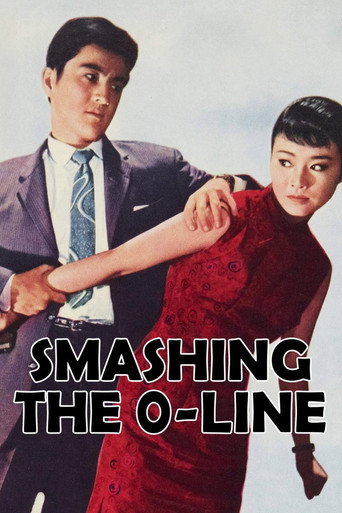 6.3
6.3Katiri is a reporter so ambitiously amoral that he’ll sell out anyone—including his partner and the drug dealer he’s sleeping with—to get a scoop. But what happens when an even more ruthless female gang boss kidnaps his sister?
Smashing the 0-Line
1960
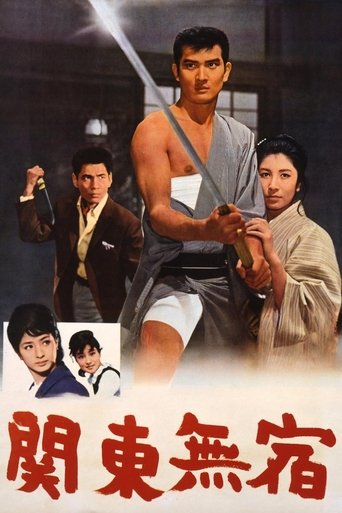 6.6
6.6Handsome young Katsuta tries to follow the yakuza code, but even his boss doesn't believe in it. Diamond Fuyu is less ethical, and allows the idiotic Tetsu to trick a schoolgirl he fancies, Hanako, into a type of bonded prostitution. Because of gang conflict, the Izu family (to whom Katsuta belongs) has their last gambling den taken over, and he seeks revenge. This brings him back into contact with a former lover who is also a card trickster - she is also Diamond Fuyu's sister, and is now married to Okaru-Hachi, who has mastered a clever card cheating trick called Okaru, which involves the deft use of mirrors.
Kanto Wanderer
1963
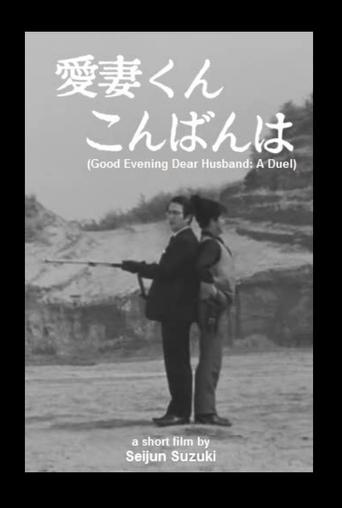 4.0
4.0A delirious and psychedelic TV short by Suzuki.
Good Evening Dear Husband: A Duel
1968
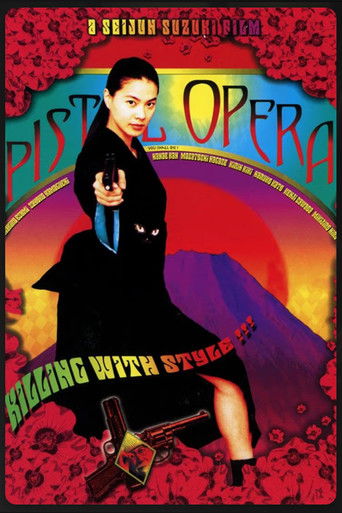 6.1
6.1An assassin fends off numerous attacks from her comrades, who are trying to move up in rank by killing off the competition.
Pistol Opera
2001
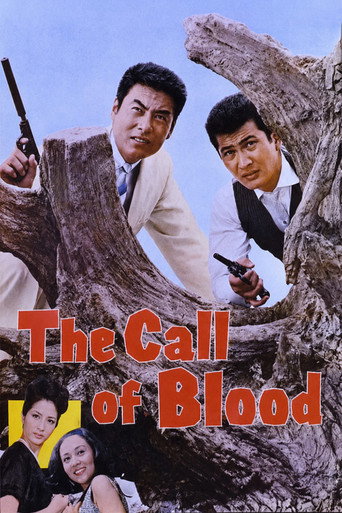 5.8
5.8Two brothers seek revenge on the yakuza responsible for the death of their father.
The Call of Blood
1964
 7.5
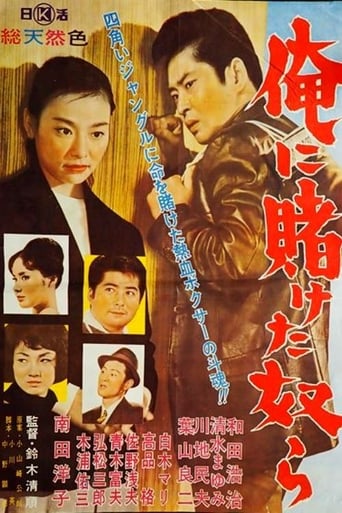
7.5An unofficial sequel to Million Dollar Match (1961) which also starred Koji Wada as a young energetic boxer. This story deals more with betting action surrounding a boxing match, concentrating mostly on the high-powered Yakuza gambling dens.
The Guys Who Put Money on Me
1962
 9.0
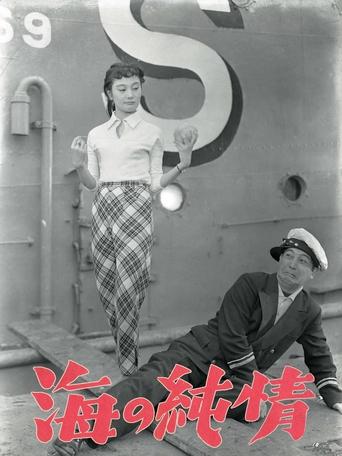
9.0A romantic adventure tale about a young guy working on a whale-hunting vessel and his love for a childhood sweetheart.
Pure Emotions of the Sea
1956
 7.3
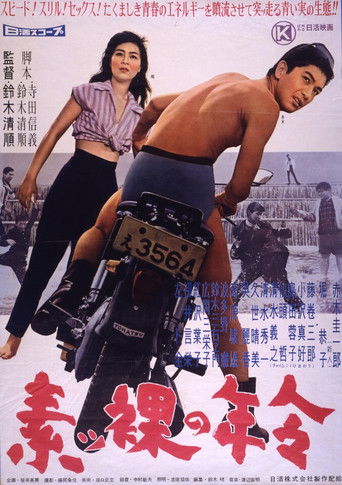
7.3The story deals with a juvenile delinquent gang surviving through petty thievery. However, everything gets screwed up when they accidentally steal big bucks from the Yakuza.
Age of Nudity
1959
7.3The story deals with a juvenile delinquent gang surviving through petty thievery. However, everything gets screwed up when they accidentally steal big bucks from the Yakuza.
Age of Nudity
1959
 6.6
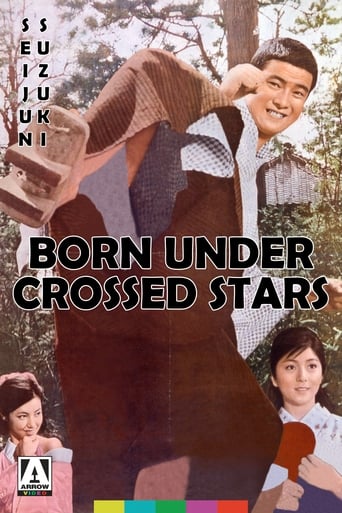
6.6A young man with a strong sense of justice is torn between two girls: the flighty Taneko and the serious Suzuko. With wisdom, courage and honor in a Japanese spirit of manliness he wins the day.
Born Under Crossed Stars
1965
 6.9
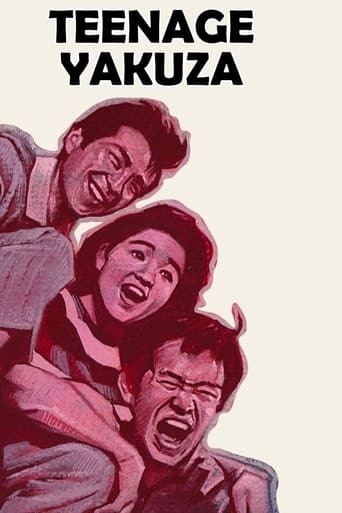
6.9A high-school vigilante protects his community from the extortions of mobsters from a neighbouring city.
Teenage Yakuza
1962
 7.5
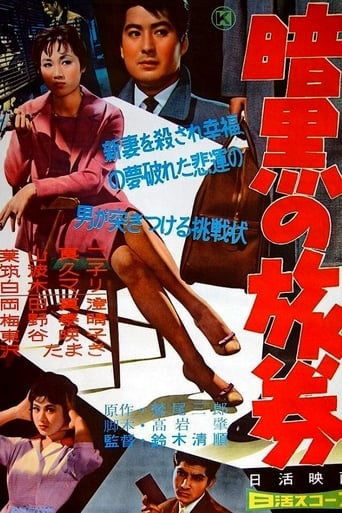
7.5A jazz bandleader, falsely accused of murdering his girlfriend, tries to stay one step ahead of the police as he dives into Tokyo's sin-city in search of the real killer.
Passport to Darkness
1959