
Directing
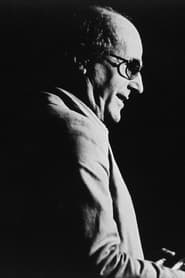
Manoel de Oliveira
Born — Died
1908-12-11 — 2015-04-02
Place of birth
Porto, Portugal
Known for
Directing
Credits
86 titles
Manoel de Oliveira (11 December 1908 - 2 April 2015) was born in Porto, Portugal to Francisco José de Oliveira and Cândida Ferreira Pinto. His family were wealthy industrialists. Oliveira attended school in Galicia, Spain and his goal as a teenager was to become an actor. He enrolled in Italian film-maker Rino Lupo's acting school at age 20, but later changed his mind when he saw Walther Ruttmann's documentary Berlin: Symphony of a City. This prompted him to direct his first film, also a documentary, titledDouro, Faina Fluvial (1931). He also acted in the second Portuguese sound film, A Canção de Lisboa (1933). His first feature film came much later, in 1942. Aniki-Bóbó, a portrait of Oporto…
Known for
 5.0
5.0No synopsis available yet.
Ciné regards
1978
 6.5
6.5Agnès Varda takes us on a journey of discovery as she travels the globe—from Stockholm to St. Petersburg, Lisbon to Rio de Janeiro, Mexico City to Los Angeles—meeting with friends, artists, and fellow filmmakers.
Agnès Varda: From Here to There
2011
 6.7
6.7A meditation on civilization. July, 2001: friends wave as a cruise ship departs Lisbon for Mediterranean ports and the Indian Ocean. On board and on day trips in Marseilles, Pompeii, Athens, Istanbul, and Cairo, a professor tells her young daughter about myth, history, religion, and wars. Men approach her; she's cool, on her way to her husband in Bombay. After Cairo, for two evenings divided by a stop in Aden, the captain charms three successful, famous (and childless) women, who talk with wit and intellect, each understanding the others' native tongue, a European union. The captain asks mother and child to join them. He gives the girl a gift. Helena sings. Life can be sweet.
A Talking Picture
2003
 7.0
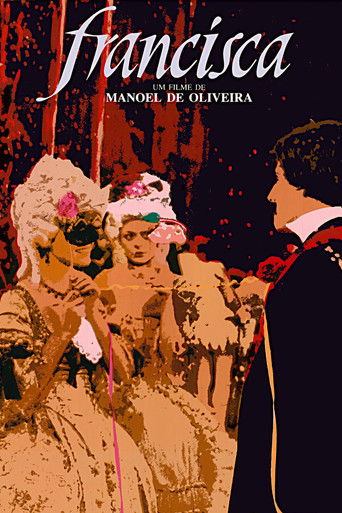
7.0The life of a young man, son of an English officer who lets himself become a prisoner of love resulting in fatalism and disgrace.
Francisca
1981
 NR
NRNo synopsis available yet.
Já Está
1987
 6.4
6.4Commissioned to mark the 60th anniversary of the Cannes Film Festival, "To Each His Own Cinema" brought together 33 of the world's pre-eminent filmmakers to produce short pieces exploring the multifarious facets of cinema and their perspective on the state of their chosen artform in the early 21st century.
To Each His Own Cinema
2007
Film credits
2010s · 10 titles
 6.2
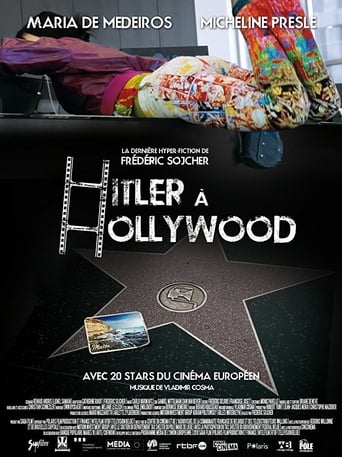
6.2A bio-doc about Micheline Presle changes into a thrilling investigation of the long hidden truth about European cinema. This mockumentary thriller uncovers Hollywood's unsuspected plot against the European motion picture industry. Numerous directors and stars appear in the film, making it a choice morsel for all film lovers.
Hitler in Hollywood
2011
 5.0
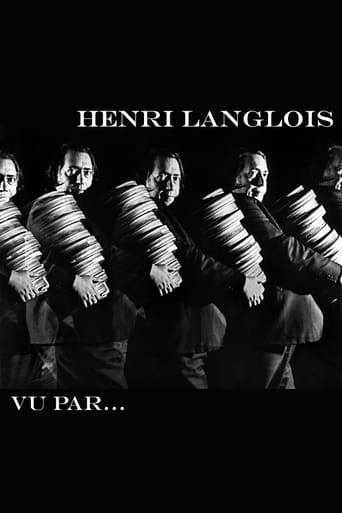
5.0Thirteen filmmakers share personal reflections on Henri Langlois—the visionary founder of the Cinémathèque Française—recounting his influence on their lives, his role in preserving film history, and his enduring impact on world cinema.
Henri Langlois vu par...
2014
 6.0
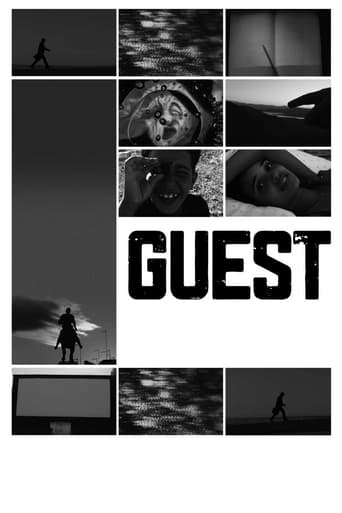
6.0Filmmaker José Luis Guerin documents his experience during a year of traveling as a guest of film festivals to present his previous film. What emerges is a wonderfully humane and sincere portrayal of the people that he meets when he goes off the beaten track in some of the world's major cities.
Guest
2011
 7.3
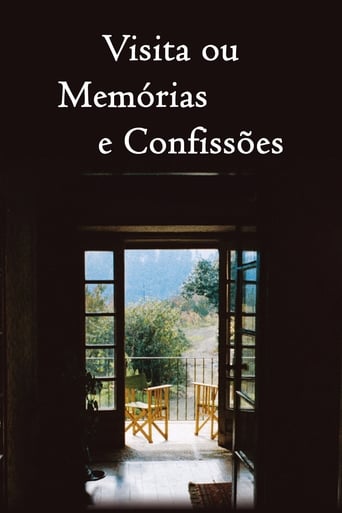
7.3A long-hidden, personal doc about leaving a beloved house by the late, revered Portuguese director Manoel de Oliveira.
Visit, or Memories and Confessions
2015
 7.6
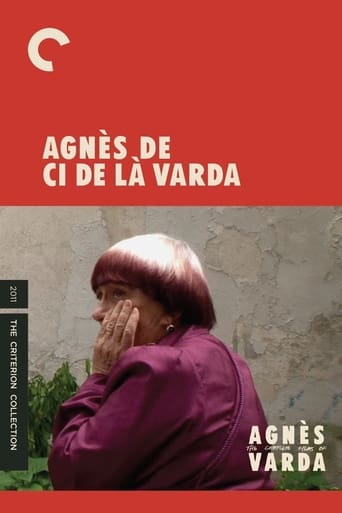
7.6Agnès Varda travels around the world to meet friends, artists and filmmakers for an expansive view of the global contemporary art scene.
Agnès Varda: From Here to There
2011
 NR
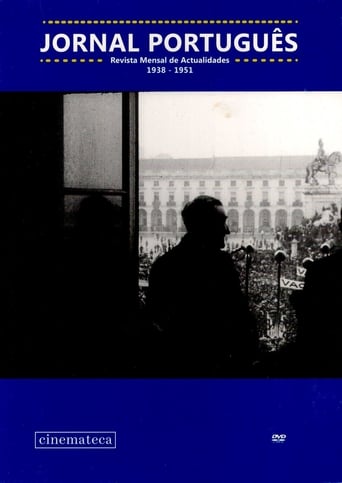
NRThe newsreel series Jornal Português (1938-1951) was produced for the Secretariat of National Propaganda (SPN/SNI) by the "Portuguese Newsreel Society" (SPAC), under the technical supervision of António Lopes Ribeiro. It was conceived and employed as part of the propaganda machinery of Salazar's regime. Screened in cinema theatres prior to the main feature film, each issue of Jornal had approximately ten minutes in length and covered a variety of official government acts, national political news, major sports events and other assorted social and cultural affairs. Jornal Português is not only an indispensable document for the history of Estado Novo's propaganda, but also an unparalleled audiovisual archive of 1940s Portugal.
Jornal Português (1938-1951)
2015
 6.2
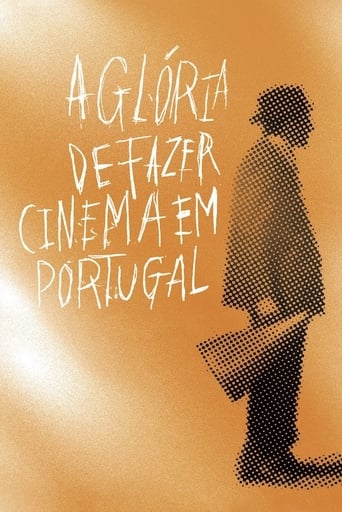
6.2On 18 September 1929, José Régio sent a letter to Alberto Serpa expressing his desire to create a production company and start making films. For almost 90 years, nothing more was known: no reply was ever found and Régio never mentioned the subject again. The discovery of some old reels in a collector’s hoard seems to provide the ending to the story.
The Glory of Filmmaking in Portugal
2015
 NR
NRDocumentary about the the film critic and filmmaker Jean-Claude Biette.
Biette
2013
No synopsis available yet.
Sem Cura - à saúde de Manoel de Oliveira
2011
 9.0
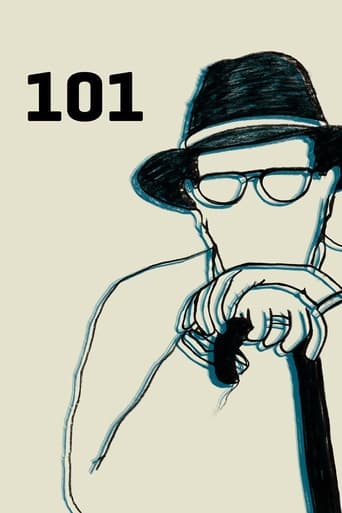
9.0An exploration of the movie "The strange case of Angelica" and an understanding Manoel de Oliveira's cinema.
101
2012
2000s · 9 titles
6.7A meditation on civilization. July, 2001: friends wave as a cruise ship departs Lisbon for Mediterranean ports and the Indian Ocean. On board and on day trips in Marseilles, Pompeii, Athens, Istanbul, and Cairo, a professor tells her young daughter about myth, history, religion, and wars. Men approach her; she's cool, on her way to her husband in Bombay. After Cairo, for two evenings divided by a stop in Aden, the captain charms three successful, famous (and childless) women, who talk with wit and intellect, each understanding the others' native tongue, a European union. The captain asks mother and child to join them. He gives the girl a gift. Helena sings. Life can be sweet.
A Talking Picture
2003
 6.8
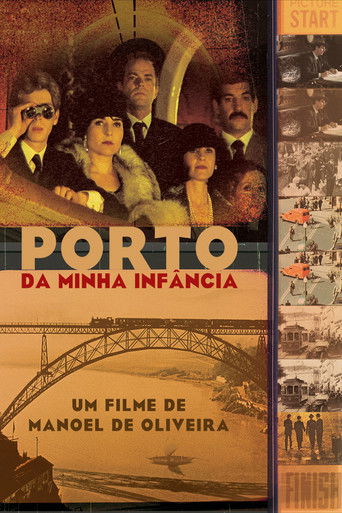
6.8Manoel de Oliveira's autobiographical documentary about returning to his hometown.
Porto of My Childhood
2001
 5.6
5.6A true story of a doctor and his wife who went on a journey in order to prove that discoverer Christopher Columbus was in fact Portuguese. Inspired by the book "Cristóvão Colon Era Português".
Christopher Columbus, The Enigma
2007
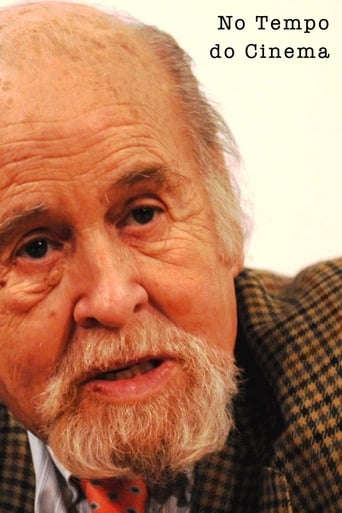 NR
NRA 58 minute documentary about the life of João Bénard da Costa.
No Tempo do Cinema
2006
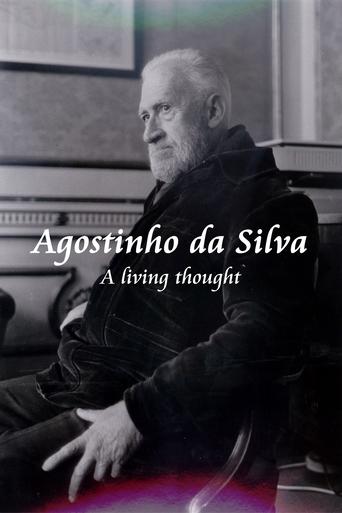 NR
NRLife and legacy of Agostinho da Silva. Traversing the biographical journey, the life and work of the Luso-Brazilian philosopher, this work has testimonies from himself and various personalities of Portugal and Brazil that allow us to unravel his personality and multifaceted thought.
Agostinho da Silva - A Living Thought
2003
 6.0
6.0Film about Calouste Gulbenkian, produced for the celebrations of the 50th anniversary of the Calouste Gulbenkian Foundation.
O Improvável Não é Impossível
2006
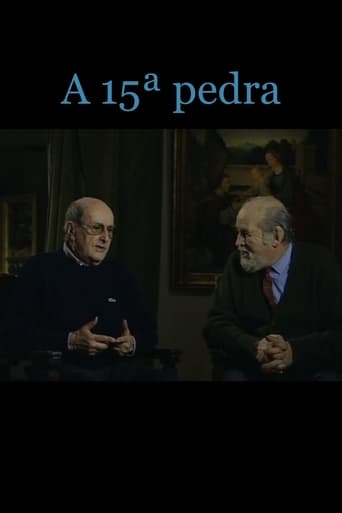 6.5
6.5Joáo Bénard da Costa, director of the Portuguese National Film Archives [deceased in 2009], interviews the dean of contemporaneous film directors [96-years-old then]. Two humanists of different philosophical backgrounds, both with their long, entire lives dedicated to culture in general (music, painting, literature) and to film in particular, discuss freely, sometimes haltingly, the director's power as a creator or a magician, the philosophy beyond particular scenes in classic movies, film technique, the importance of color, sound and music to films, art versus entertainment, and much more. Their talk takes place in a museum room, seating in front of "The Annunciation" (a 1510 oil painting by João Vaz, a Portuguese artist), which eventually leads to a discussion of 'Leonardo da Vinci', and the relationship between a trend-setter master and his disciples.
The 15th Stone
2007
 NR
NRA conversation between the filmmaker Manoel de Olivieira and the writer Agustina Bessa-Luís, filmed in December 2005.
Conversazione a Porto
2006
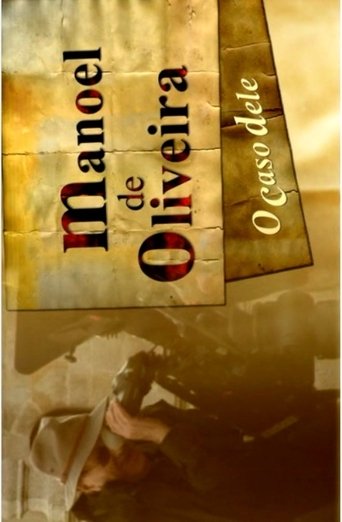 NR
NRA tribute documentary to Manoel de Oliveira, on occasion of his 100th birthday.
Manoel de Oliveira, O Caso Dele
2007
1990s · 9 titles
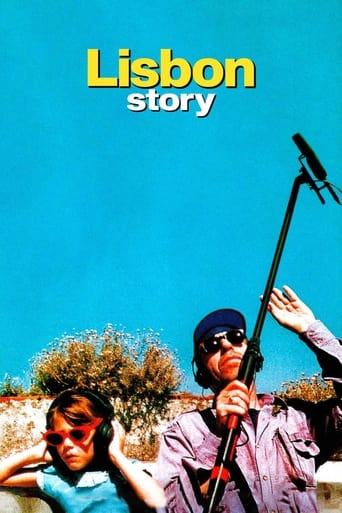 7.2
7.2Wim Wenders' homage to Lisbon and films. A sound engineer obtains a mysterious postcard from a friend who at the moment is filming a film in Lisbon. He sets out across Europe to find him and help him.
Lisbon Story
1994
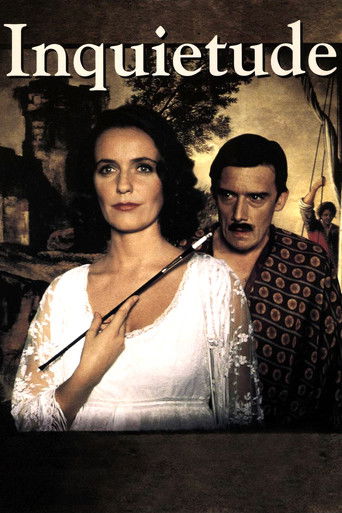 6.8
6.8An anthology film drama featuring a poetic mirror structure based on existential identity. In "The Immortals," adapted from a Helder Prista Monteiro play, two famous doctors, an 80-year-old father, and his 60-year-old son, contemplate senility and death. "Suzy," from an Antonio Patricio story, is set in the '30s when a young courtesan dies on the operating table. "Mother of the River" is from an Agustina Bessa-Luis fable about eternal life.
Inquietude
1998
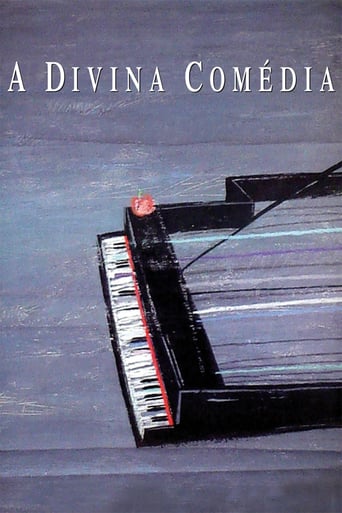 6.6
6.6In a mental institution the patients see themselves as people like Jesus, Lazarus, Martha, Mary, Adam, Eve, Sonia, Raskolnikov, Aliosha e Ivan Karamasov, a Philosopher, a Profet, Santa Teresa d'Avila, reciting the Divine Comedy.
The Divine Comedy
1991
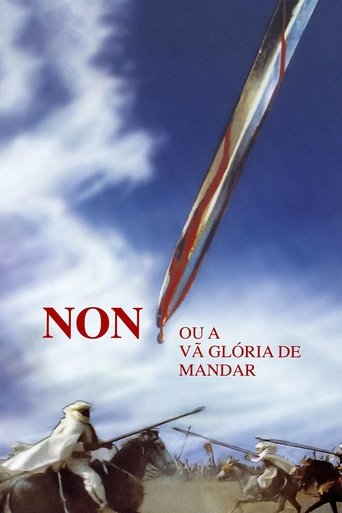 6.4
6.4Episodes from throughout the entire military history of Portugal are told through flashbacks as a conscripted student of history recounts them to his fellow soldiers while they march through an African colony in revolt during 1973.
No, or the Vain Glory of Command
1990
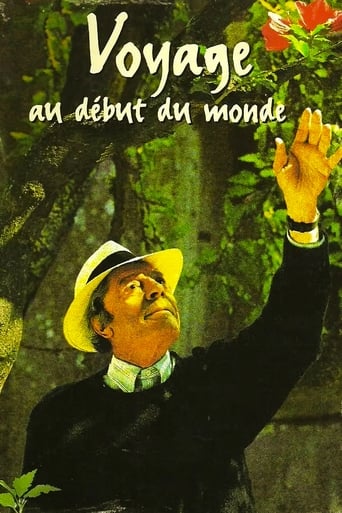 6.7
6.7Manoel is an aging film director who travels with the film crew through Portugal in search of the origins of Afonso, a famous French actor whose father emigrated from Portugal to France and in process remembers his own youth.
Voyage to the Beginning of the World
1997
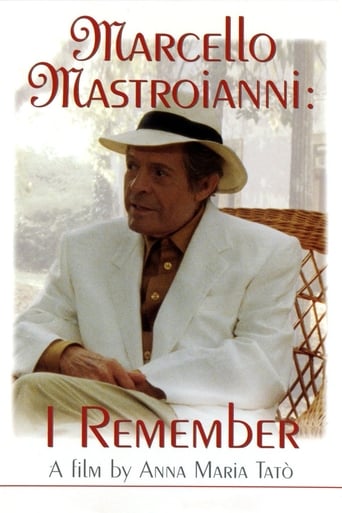 7.6
7.6In 1996, Marcello Mastroianni talks about life as an actor. It's an anecdotal and philosophical memoir, moving from topic to topic, fully conscious of a man "of a certain age" looking back. He tells stories about Fellini and De Sica's direction, of using irony in performances, of constantly working (an actor tries to find himself in characters). He's diffident about prizes, celebrates Rome and Paris, salutes Naples and its people. He answers the question, why make bad films; recalls his father and grandfather, carpenters, his mother, deaf in her old age, and his brother, a film editor; he's modest about his looks. In repose, time's swift passage holds Mastroianni inward gaze.
Marcello Mastroianni: I Remember
1997
No synopsis available yet.
Cinéma Portugais – Un Mode d'Emploi
1990
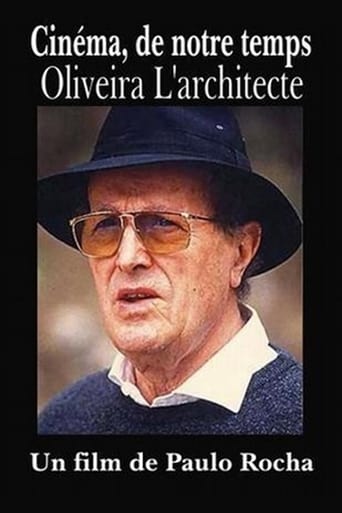 7.0
7.0Paulo Rocha catches up with his “beloved subject” in Porto, where he made Douro, Faina Fluvial in 1929, and where today Oliveira reminisces about the figure of his father, his first experience of cinema as an actor, his past as a racing driver, his first technical experiences…
Oliveira, l'architecte
1993
 NR
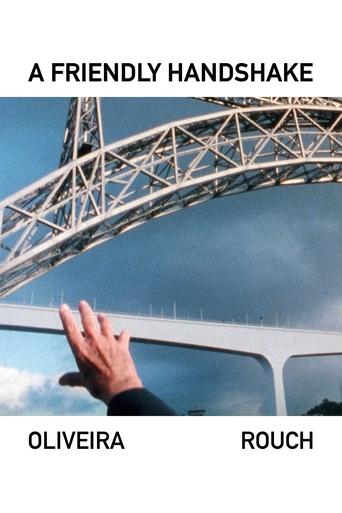
NRFrom the bridges of Porto to its estuary, two men are paying tribute to the elegant Douro River. Through Luís de Camões and Prince Henry the Navigator, through its Viking ships and dizzying bridges, the Douro is a great witness to the history and culture of Portugal. Jean Rouch and Manoel de Oliveira are walking alongside while reciting a poem written by de Oliveira himself. During their walk, they reflect upon documentary-making, the charm of the river, and what it represents to them.
A Friendly Handshake
1997
1980s · 5 titles
 7.6
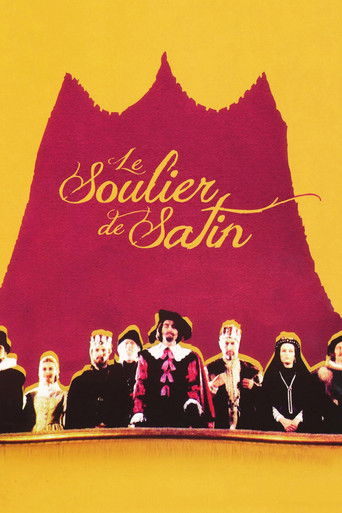
7.6During the century of the Spanish Gold, Doña Prouhèze, wife of a nobleman, deeply loves Don Rodrigo, who is forced to leave Spain and go to America. Meanwhile Prouhèze is sent to Africa to rule the city of Mogador. Ten years later Rodrigo leaves America and travels to Africa in search of Prouhèze to find out that she died and eventually meeting her daughter.
The Satin Slipper
1986
Reel 11 of Gérard Courant's on-going Cinematon series.
Cinématon XI
1981
 5.7
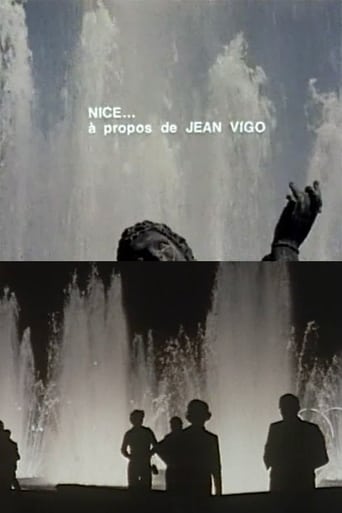
5.7Part of a series in which foreign filmmakers portray a region or town in France. Manoel de Oliveira looks at Nice.
Nice - À propos de Jean Vigo
1983
 NR
NRNo synopsis available yet.
Cinématon n°102 : Manoel de Oliveira
1981
 6.5
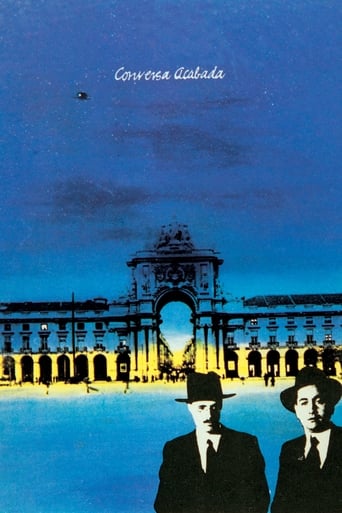
6.5The film was to be a documentary, but evolved during production to a fictional film. It nevertheless adheres strictly to the poems and letters exchanged by two of the most outstanding names of the Modernist Movement, Fernando Pessoa (in Lisbon) and Mário de Sá-Carneiro (in Paris). Their endless conversation was dramatically and suddenly terminated.
The Conversation Is Over
1982
1970s · 3 titles
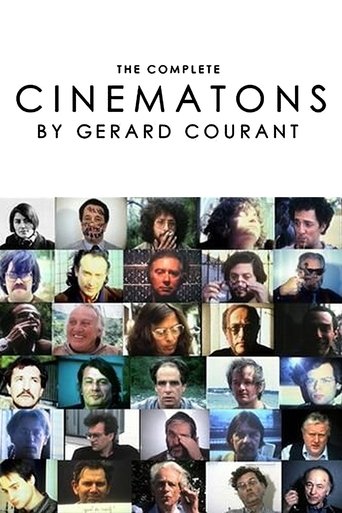 4.9
4.9Cinématon is a 156-hour long experimental film by French director Gérard Courant. It was the longest film ever released until 2011. Composed over 36 years from 1978 until 2006, it consists of a series of over 2,821 silent vignettes (cinématons), each 3 minutes and 25 seconds long, of various celebrities, artists, journalists and friends of the director, each doing whatever they want for the allotted time. Subjects of the film include directors Barbet Schroeder, Nagisa Oshima, Volker Schlöndorff, Ken Loach, Benjamin Cuq, Youssef Chahine, Wim Wenders, Joseph Losey, Jean-Luc Godard, Samuel Fuller and Terry Gilliam, chess grandmaster Joël Lautier, and actors Roberto Benigni, Stéphane Audran, Julie Delpy and Lesley Chatterley. Gilliam is featured eating a 100-franc note, while Fuller smokes a cigar. Courant's favourite subject was a 7-month-old baby. The film was screened in its then-entirety in Avignon in November 2009 and was screened in Redondo Beach, CA on April 9, 2010.
Cinématon
1978
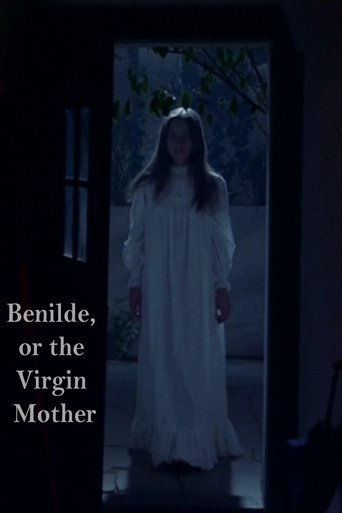 7.3
7.3A young girl, Benilde, so protected by her religious family that she seemingly knows nothing about procreation, insists that her mysterious pregnancy is a miracle; however, her distressed bourgeois family decides that Benilde has lost her mind.
Benilde or the Virgin Mother
1975
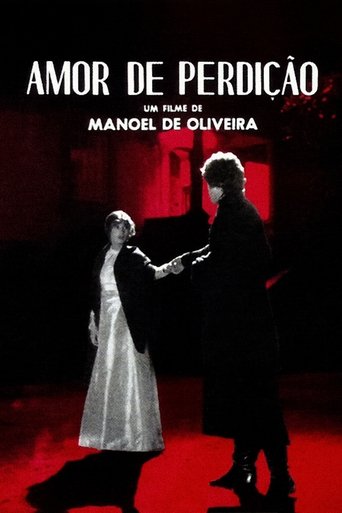 7.1
7.1A story about doomed love between two people from different worlds and the impact in their lives.
Doomed Love
1979

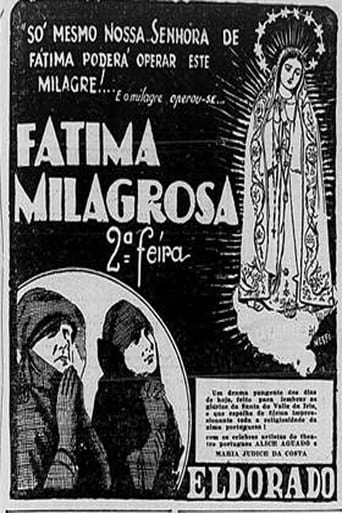
Series credits
5.0No synopsis available yet.
Ciné regards
1978
6.5Agnès Varda takes us on a journey of discovery as she travels the globe—from Stockholm to St. Petersburg, Lisbon to Rio de Janeiro, Mexico City to Los Angeles—meeting with friends, artists, and fellow filmmakers.
Agnès Varda: From Here to There
2011
NRNo synopsis available yet.
Já Está
1987
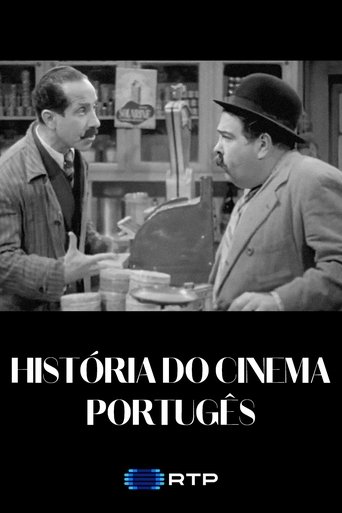 NR
NRNo synopsis available yet.
História do Cinema Português
2001
 8.0
8.0No synopsis available yet.
Zona+
1994
 6.8
6.8A story about doomed love between two people from different worlds and the impact in their lives. Based on the novel of the same name by Portuguese writer Camilo Castelo Branco.
Doomed Love
1978
Behind the camera
6.7A meditation on civilization. July, 2001: friends wave as a cruise ship departs Lisbon for Mediterranean ports and the Indian Ocean. On board and on day trips in Marseilles, Pompeii, Athens, Istanbul, and Cairo, a professor tells her young daughter about myth, history, religion, and wars. Men approach her; she's cool, on her way to her husband in Bombay. After Cairo, for two evenings divided by a stop in Aden, the captain charms three successful, famous (and childless) women, who talk with wit and intellect, each understanding the others' native tongue, a European union. The captain asks mother and child to join them. He gives the girl a gift. Helena sings. Life can be sweet.
A Talking Picture
2003
6.7A meditation on civilization. July, 2001: friends wave as a cruise ship departs Lisbon for Mediterranean ports and the Indian Ocean. On board and on day trips in Marseilles, Pompeii, Athens, Istanbul, and Cairo, a professor tells her young daughter about myth, history, religion, and wars. Men approach her; she's cool, on her way to her husband in Bombay. After Cairo, for two evenings divided by a stop in Aden, the captain charms three successful, famous (and childless) women, who talk with wit and intellect, each understanding the others' native tongue, a European union. The captain asks mother and child to join them. He gives the girl a gift. Helena sings. Life can be sweet.
A Talking Picture
2003
7.0The life of a young man, son of an English officer who lets himself become a prisoner of love resulting in fatalism and disgrace.
Francisca
1981
7.0The life of a young man, son of an English officer who lets himself become a prisoner of love resulting in fatalism and disgrace.
Francisca
1981
6.4Commissioned to mark the 60th anniversary of the Cannes Film Festival, "To Each His Own Cinema" brought together 33 of the world's pre-eminent filmmakers to produce short pieces exploring the multifarious facets of cinema and their perspective on the state of their chosen artform in the early 21st century.
To Each His Own Cinema
2007
6.4Commissioned to mark the 60th anniversary of the Cannes Film Festival, "To Each His Own Cinema" brought together 33 of the world's pre-eminent filmmakers to produce short pieces exploring the multifarious facets of cinema and their perspective on the state of their chosen artform in the early 21st century.
To Each His Own Cinema
2007
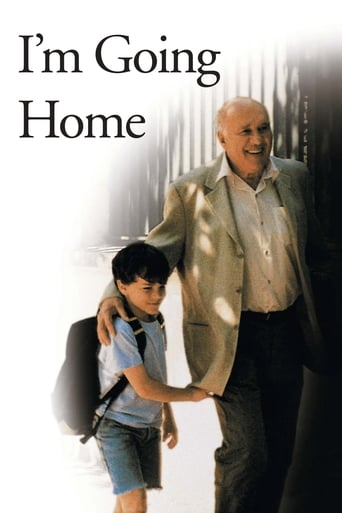 6.8
6.8The comfortable daily routines of aging Parisian actor Gilbert Valence, 76, are suddenly shaken when he learns that his wife, daughter, and son-in-law have been killed in a car crash. Having to take care of his now-orphaned grandson, he struggles to go on with his lifelong acting career like he's used to. But the roles he is offered -- a flashy TV show and a hectic last-minute replacement in an English-language film of Joyce's Ulysses -- finally convince him that it's time to retire.
I’m Going Home
2001
6.8The comfortable daily routines of aging Parisian actor Gilbert Valence, 76, are suddenly shaken when he learns that his wife, daughter, and son-in-law have been killed in a car crash. Having to take care of his now-orphaned grandson, he struggles to go on with his lifelong acting career like he's used to. But the roles he is offered -- a flashy TV show and a hectic last-minute replacement in an English-language film of Joyce's Ulysses -- finally convince him that it's time to retire.
I’m Going Home
2001
6.8An anthology film drama featuring a poetic mirror structure based on existential identity. In "The Immortals," adapted from a Helder Prista Monteiro play, two famous doctors, an 80-year-old father, and his 60-year-old son, contemplate senility and death. "Suzy," from an Antonio Patricio story, is set in the '30s when a young courtesan dies on the operating table. "Mother of the River" is from an Agustina Bessa-Luis fable about eternal life.
Inquietude
1998
6.8An anthology film drama featuring a poetic mirror structure based on existential identity. In "The Immortals," adapted from a Helder Prista Monteiro play, two famous doctors, an 80-year-old father, and his 60-year-old son, contemplate senility and death. "Suzy," from an Antonio Patricio story, is set in the '30s when a young courtesan dies on the operating table. "Mother of the River" is from an Agustina Bessa-Luis fable about eternal life.
Inquietude
1998
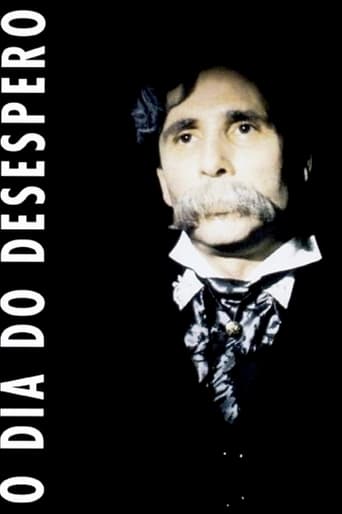 6.3
6.3Portrait of the last days of the life of Portuguese writer Camilo Castelo Branco.
Day of Despair
1992
6.3Portrait of the last days of the life of Portuguese writer Camilo Castelo Branco.
Day of Despair
1992
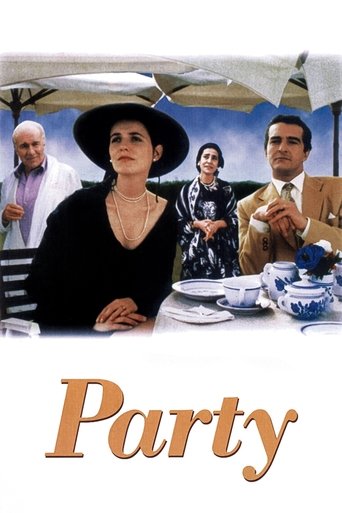 6.5
6.5The battle of the sexes? The forces of despair and seduction? On S. Miguel in the Azores, Rogério, a young man with old money, and his enigmatic wife Leonor host a garden party at their villa. The intriguing guests are an older unmarried couple, the philosophical and observant Irene, and Michel, a roué. While Rogério and Irene talk, Michel and Leonor go down to the sea. The conversations upset Rogério and capture Leonor's imagination. Five years later, the four dine at the villa. Michel and Leonor again leave the other two. Intentions and undercurrents are subtle. One of the four proves strong, one weak, and two must choose. Wind and rain bring down the curtain on both acts.
Party
1996
6.5The battle of the sexes? The forces of despair and seduction? On S. Miguel in the Azores, Rogério, a young man with old money, and his enigmatic wife Leonor host a garden party at their villa. The intriguing guests are an older unmarried couple, the philosophical and observant Irene, and Michel, a roué. While Rogério and Irene talk, Michel and Leonor go down to the sea. The conversations upset Rogério and capture Leonor's imagination. Five years later, the four dine at the villa. Michel and Leonor again leave the other two. Intentions and undercurrents are subtle. One of the four proves strong, one weak, and two must choose. Wind and rain bring down the curtain on both acts.
Party
1996
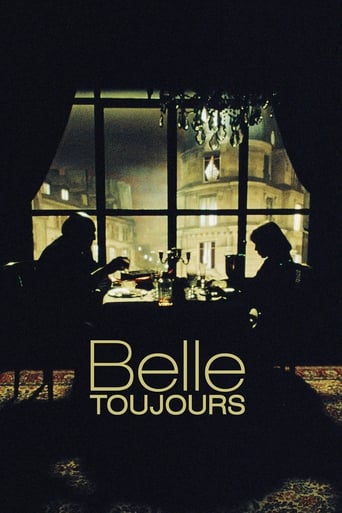 6.0
6.038 years after the events in the Luis Buñuel classic Belle de Jour, Henri Husson thinks he sees Séverine one night at a concert. He follows her and makes her face her past and then takes a slow revenge on her.
Belle Toujours
2006
6.038 years after the events in the Luis Buñuel classic Belle de Jour, Henri Husson thinks he sees Séverine one night at a concert. He follows her and makes her face her past and then takes a slow revenge on her.
Belle Toujours
2006
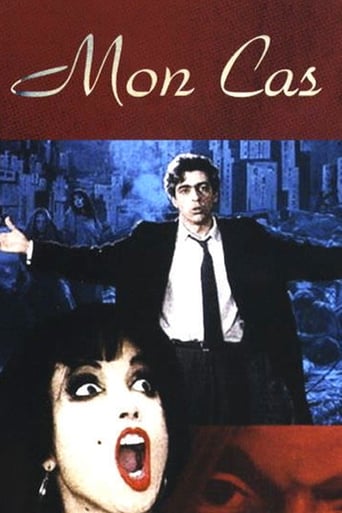 6.9
6.9Manoel de Oliveira plays his film in three stages: the first part - a play, the second can be roughly defined as a silent film (with the behind the scenes read excerpts from Beckett works), but in the end the director brilliantly performs the same material of the avant-garde exercise. Surprisingly, a joke, repeated three times, each time everything sounds fresh and develops into an almost verbatim adaptation of the biblical "Book of Job" - a spectacular point in a parable about how hard to empathize with other people's misery, when you have your own.
My Case
1986
6.9Manoel de Oliveira plays his film in three stages: the first part - a play, the second can be roughly defined as a silent film (with the behind the scenes read excerpts from Beckett works), but in the end the director brilliantly performs the same material of the avant-garde exercise. Surprisingly, a joke, repeated three times, each time everything sounds fresh and develops into an almost verbatim adaptation of the biblical "Book of Job" - a spectacular point in a parable about how hard to empathize with other people's misery, when you have your own.
My Case
1986
 6.2
6.2On a train to Algarve, a young man recounts to a fellow passenger his past relationship with an eccentric young woman.
Eccentricities of a Blonde-Haired Girl
2009
6.2On a train to Algarve, a young man recounts to a fellow passenger his past relationship with an eccentric young woman.
Eccentricities of a Blonde-Haired Girl
2009
 6.5
6.5Having lost her place among the social elite, a widow remarries and starts a family.
The Uncertainty Principle
2002
6.5Having lost her place among the social elite, a widow remarries and starts a family.
The Uncertainty Principle
2002
 6.0
6.0A well-bred, lovely, spiritual, sad young woman marries an attentive physician who loves her. She feels affection but no love. Soon after, without design, she falls in love with Pedro Abrunhosa, a poet and performance artist. He also loves her. She keeps her distance from him, confessing her love to a friend who is a nun and, later, to her husband. Hunger for her love and jealousy consume him; she attends him as he wastes away. With his death, she can marry and express her passion, but what she does and how she explains herself, particularly to her cloistered friend, is at the heart of the film. Glimpses of convent life and of Abrunhosa on stage give contrast and mute comment.
The Letter
1999
6.0A well-bred, lovely, spiritual, sad young woman marries an attentive physician who loves her. She feels affection but no love. Soon after, without design, she falls in love with Pedro Abrunhosa, a poet and performance artist. He also loves her. She keeps her distance from him, confessing her love to a friend who is a nun and, later, to her husband. Hunger for her love and jealousy consume him; she attends him as he wastes away. With his death, she can marry and express her passion, but what she does and how she explains herself, particularly to her cloistered friend, is at the heart of the film. Glimpses of convent life and of Abrunhosa on stage give contrast and mute comment.
The Letter
1999
 6.5
6.5A photographer, Isaac, is asked by hotel owners to take portraits of their recently deceased daughter Angélica. When he looks at her through the lens of his camera, she appears to come back to life just for him. He instantly falls in love with her. From that moment, he will be haunted by Angélica day and night.
The Strange Case of Angelica
2010
6.5A photographer, Isaac, is asked by hotel owners to take portraits of their recently deceased daughter Angélica. When he looks at her through the lens of his camera, she appears to come back to life just for him. He instantly falls in love with her. From that moment, he will be haunted by Angélica day and night.
The Strange Case of Angelica
2010
6.6In a mental institution the patients see themselves as people like Jesus, Lazarus, Martha, Mary, Adam, Eve, Sonia, Raskolnikov, Aliosha e Ivan Karamasov, a Philosopher, a Profet, Santa Teresa d'Avila, reciting the Divine Comedy.
The Divine Comedy
1991
6.6In a mental institution the patients see themselves as people like Jesus, Lazarus, Martha, Mary, Adam, Eve, Sonia, Raskolnikov, Aliosha e Ivan Karamasov, a Philosopher, a Profet, Santa Teresa d'Avila, reciting the Divine Comedy.
The Divine Comedy
1991
6.6In a mental institution the patients see themselves as people like Jesus, Lazarus, Martha, Mary, Adam, Eve, Sonia, Raskolnikov, Aliosha e Ivan Karamasov, a Philosopher, a Profet, Santa Teresa d'Avila, reciting the Divine Comedy.
The Divine Comedy
1991
6.4Episodes from throughout the entire military history of Portugal are told through flashbacks as a conscripted student of history recounts them to his fellow soldiers while they march through an African colony in revolt during 1973.
No, or the Vain Glory of Command
1990
6.4Episodes from throughout the entire military history of Portugal are told through flashbacks as a conscripted student of history recounts them to his fellow soldiers while they march through an African colony in revolt during 1973.
No, or the Vain Glory of Command
1990
 7.4
7.4Ema is a very attractive but innocent girl, so pretty that cars crash in her presence. In her youth she marries Dr. Carlos Paiva, her father's friend, to whom she is not attracted. They move to the valley of Abraham. Carlos loves her, but decides to sleep in a separate room to avoid waking Ema when he has to return late at night. As time goes by she begins to feel unhappy about her marriage, so she finds a new lover.
Abraham's Valley
1993
7.4Ema is a very attractive but innocent girl, so pretty that cars crash in her presence. In her youth she marries Dr. Carlos Paiva, her father's friend, to whom she is not attracted. They move to the valley of Abraham. Carlos loves her, but decides to sleep in a separate room to avoid waking Ema when he has to return late at night. As time goes by she begins to feel unhappy about her marriage, so she finds a new lover.
Abraham's Valley
1993
 5.3
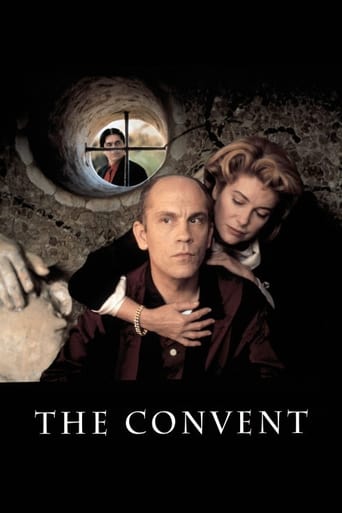
5.3The journey of Michael Padovic, an American professor who arrives with his wife, Helene, at a Portuguese convent where he expects to find the documents needed to prove his theory: Shakespeare was born in Spain; not in England.
The Convent
1995
5.3The journey of Michael Padovic, an American professor who arrives with his wife, Helene, at a Portuguese convent where he expects to find the documents needed to prove his theory: Shakespeare was born in Spain; not in England.
The Convent
1995
6.7Manoel is an aging film director who travels with the film crew through Portugal in search of the origins of Afonso, a famous French actor whose father emigrated from Portugal to France and in process remembers his own youth.
Voyage to the Beginning of the World
1997
6.7Manoel is an aging film director who travels with the film crew through Portugal in search of the origins of Afonso, a famous French actor whose father emigrated from Portugal to France and in process remembers his own youth.
Voyage to the Beginning of the World
1997
7.6During the century of the Spanish Gold, Doña Prouhèze, wife of a nobleman, deeply loves Don Rodrigo, who is forced to leave Spain and go to America. Meanwhile Prouhèze is sent to Africa to rule the city of Mogador. Ten years later Rodrigo leaves America and travels to Africa in search of Prouhèze to find out that she died and eventually meeting her daughter.
The Satin Slipper
1986
7.6During the century of the Spanish Gold, Doña Prouhèze, wife of a nobleman, deeply loves Don Rodrigo, who is forced to leave Spain and go to America. Meanwhile Prouhèze is sent to Africa to rule the city of Mogador. Ten years later Rodrigo leaves America and travels to Africa in search of Prouhèze to find out that she died and eventually meeting her daughter.
The Satin Slipper
1986
 6.2
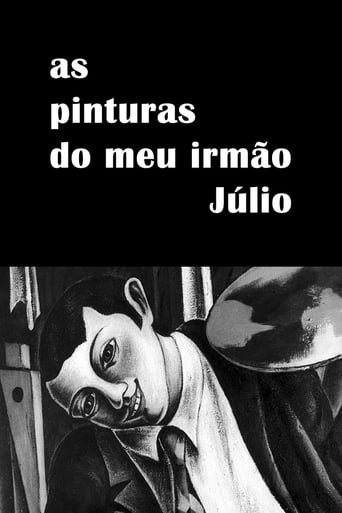
6.2The camera shows the vivid paintings by late Júlio Régio, with a narrative by his brother, while guitar tunes underline the mood and rhythm of the cinematography.
As Pinturas do Meu Irmão Júlio
1965