
Writing
Zora Neale Hurston
Born — Died
1891-01-07 — 1960-01-28
Place of birth
Notasulga, Alabama, USA
Known for
Writing
Credits
10 titles
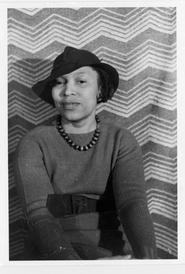
Zora Neale Hurston was an American author, anthropologist, and filmmaker. She portrayed racial struggles in the early-1900s American South and published research on hoodoo. The most popular of her four novels is Their Eyes Were Watching God, published in 1937.
Known for
 5.0
5.0Raised in the small all-Black Florida town of Eatonville, Zora Neale Hurston studied at Howard University before arriving in New York in 1925. She would soon become a key figure of the Harlem Renaissance, best remembered for her novel, Their Eyes Were Watching God. But even as she gained renown in the Harlem literary circles, Hurston was also discovering anthropology at Barnard College with the renowned Franz Boas. She would make several trips to the American South and the Caribbean, documenting the lives of rural Black people and collecting their stories. She studied her own people, an unusual practice at the time, and during her lifetime became known as the foremost authority on Black folklore.
Zora Neale Hurston: Claiming a Space
2023
 6.5
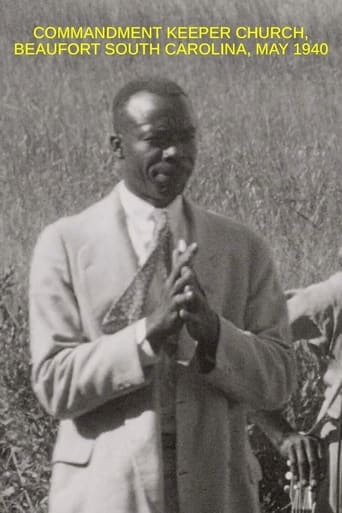
6.5Field recordings of religious services in a South Carolina Gullah community. Commandment Keeper Church, Beaufort South Carolina, May 1940 is a 1940 short documentary film which shows religious services taking place in a South Carolina Gullah community. In 2005, Commandment Keeper Church was selected for preservation in the United States National Film Registry by the Library of Congress as being "culturally, historically, or aesthetically significant".
Commandment Keeper Church, Beaufort South Carolina, May 1940
1940
 7.0
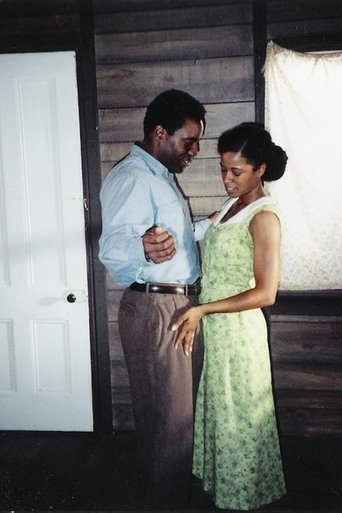
7.0The lives of a loving husband and wife collide with that of a wealthy hustler.
The Gilded Six Bits
2001
 8.0
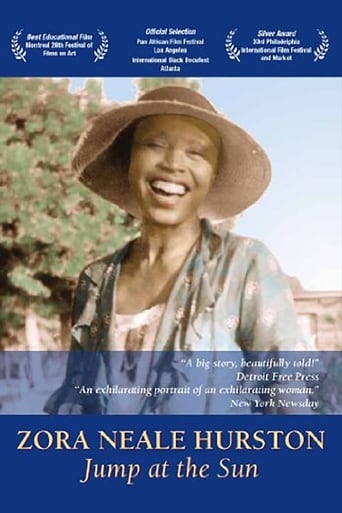
8.0Zora Neale Hurston, path-breaking novelist, pioneering anthropologist and one of the first black women to enter the American literary canon (Their Eyes Were Watching God), established the African American vernacular as one of the most vital, inventive voices in American literature. This definitive film biography, eighteen years in the making, portrays Zora in all her complexity: gifted, flamboyant, and controversial but always fiercely original.
Zora Neale Hurston: Jump at the Sun
2008
 NR
NRNo synopsis available yet.
Zora Neale Hurston: A Heart with Room for Every Joy
2005
 7.5
7.5These documentary sketches were made when the famed novelist was an anthropology student seeking to preserve a record of African American life in the rural South. Includes Children's games and baptism - Miami, Aug. 1929; Children's games and man with ax - April 1928; Children dancing and girl rocking on porch - Jan/Feb 1929; Baseball crowd and boy dancing capers Jan/Feb 1929.
Ethnographic Films
1929
Film credits
2000s · 2 titles
8.0Zora Neale Hurston, path-breaking novelist, pioneering anthropologist and one of the first black women to enter the American literary canon (Their Eyes Were Watching God), established the African American vernacular as one of the most vital, inventive voices in American literature. This definitive film biography, eighteen years in the making, portrays Zora in all her complexity: gifted, flamboyant, and controversial but always fiercely original.
Zora Neale Hurston: Jump at the Sun
2008
NRNo synopsis available yet.
Zora Neale Hurston: A Heart with Room for Every Joy
2005
Behind the camera
6.5Field recordings of religious services in a South Carolina Gullah community. Commandment Keeper Church, Beaufort South Carolina, May 1940 is a 1940 short documentary film which shows religious services taking place in a South Carolina Gullah community. In 2005, Commandment Keeper Church was selected for preservation in the United States National Film Registry by the Library of Congress as being "culturally, historically, or aesthetically significant".
Commandment Keeper Church, Beaufort South Carolina, May 1940
1940
7.0The lives of a loving husband and wife collide with that of a wealthy hustler.
The Gilded Six Bits
2001
7.5These documentary sketches were made when the famed novelist was an anthropology student seeking to preserve a record of African American life in the rural South. Includes Children's games and baptism - Miami, Aug. 1929; Children's games and man with ax - April 1928; Children dancing and girl rocking on porch - Jan/Feb 1929; Baseball crowd and boy dancing capers Jan/Feb 1929.
Ethnographic Films
1929
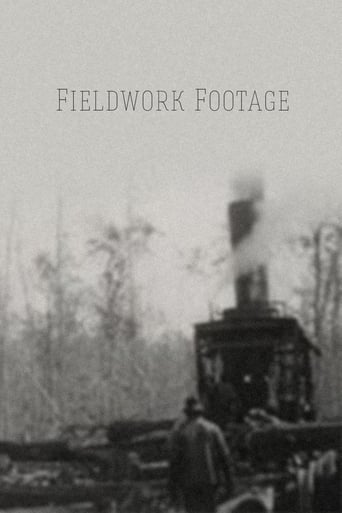 5.7
5.7Under the tutelage of anthropologist Franz Boas (her former Columbia professor) and Harlem Renaissance arts patron Charlotte Osgood Mason, Zora Neale Hurston spent nearly two years, from 1927 to 1929, studying the folkloric customs, work songs, spirituals, and vernacular language of African American communities along the River Road and from New Orleans to Florida.
Fieldwork Footage
1928
 NR
NR"A five-minute silent film featuring Kossula (also known as Cudjo Lewis), the eighty-eight-year- old man who many believed to be the last survivor of the Middle Passage." -- Autumn Womack
Kossula: Last of the Takkoi Slaves
1928