
Acting
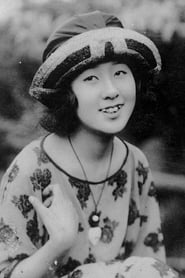
Yaeko Mizutani
Born — Died
1905-08-01 — 1979-10-01
Place of birth
Shinjuku, Tokyo, Japan
Known for
Acting
Credits
27 titles
Known for
 NR
NRThe chronicles of Sakamoto Ryoma, a pre-revolutionary who helped shape the face of modern Japan. In order to study swordsmanship, Ryoma heads for Edo where he meets many people who influence his thinking. He becomes close friends with men like Katsu Kaishu and Saigo Takamori and later establishes a naval training school in Kobe. Ryoma's controversial political views make him a target for shogunate assassins but his fervent belief in a classless society helps forge the Choshu-Satsuma alliance which ultimately brings about the Meiji Restoration.
Ryoma ga Yuku
1968
 7.4
7.4Uta’s mother died when she was six years old; her father she never met. She was forced to adopt a traveller’s life when her grandmother died, and now she is a dancer and part of a family of actors who travel from town to town, setting up street performances. A way of escape from this marginal existence arises when she gets the chance to move to tea merchant Hiramatsu’s place, where she is asked to teach his daughter to dance.
Notes of an Itinerant Performer
1941
 NR
NRNo synopsis available yet.
School Girls
1955
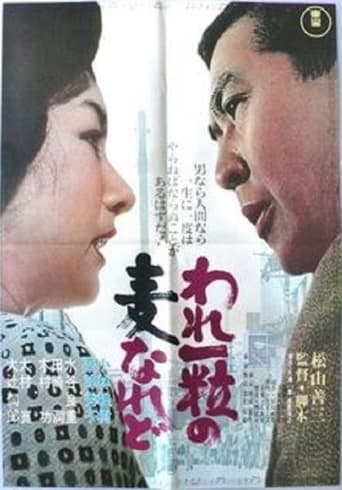 8.0
8.0After receiving a phone call from a woman whose child has contracted polio, government official Masayoshi Sakata decides to do everything he can to eradicate the disease.
Could I But Live
1964
Depicting the lives and spirit of geisha during and after the war.
Oshiroi jō
1947
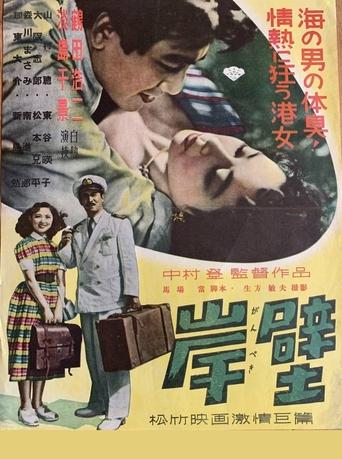 NR
NR1953 Japanese movie
Ganpeki
1953
Film credits
1960s · 2 titles
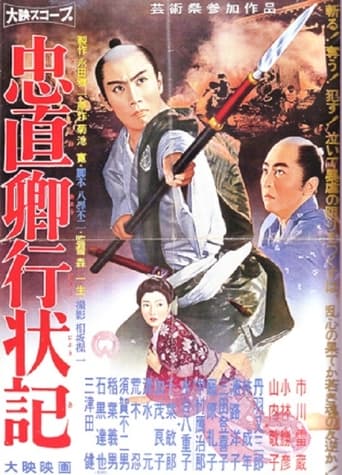
1950s · 14 titles
NRNo synopsis available yet.
School Girls
1955
NR1953 Japanese movie
Ganpeki
1953
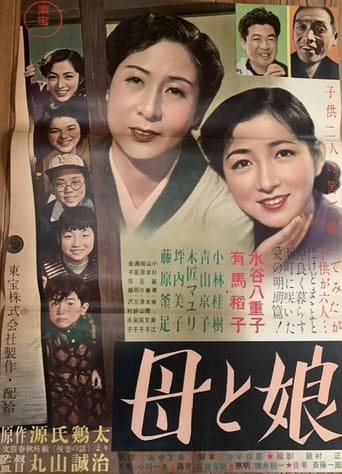 7.0
7.0No synopsis available yet.
Their Father's Wife
1953
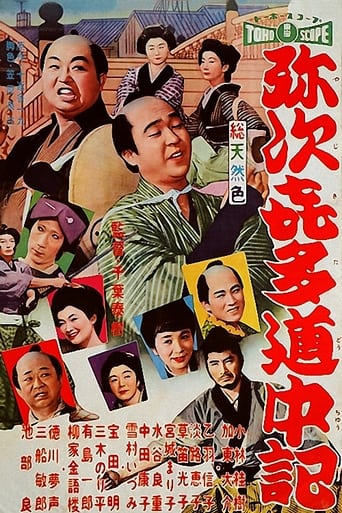 NR
NRTwo residents of Edo city Yaji and Kita make a journey to the temple of Ise, as part of a religious pilgrimage, but actually to get away from their wives for a little while. As they travel, they are constantly beset by complications involving women, mistaken identity, and misunderstood events. Another film adaptation of the famous novel Ikku Jippensha Footing It Along the Tokaido (Tokaidochu Hizakurige)
Yaji and Kita on the Road
1958
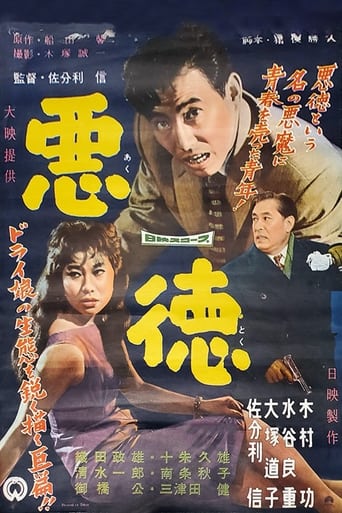 NR
NRA movie adaptation of Funayama Kaoru's novel of the same name, which depicts the story of a modern youth who is attracted to the evil path. Saburi Shin, a well-known actor who also demonstrated his skill as a director in a bold social work, embodies a person with a complicated dilemma in a shadowy manner, and is a dramatic work that plays a part in the lead role.
Vice
1958
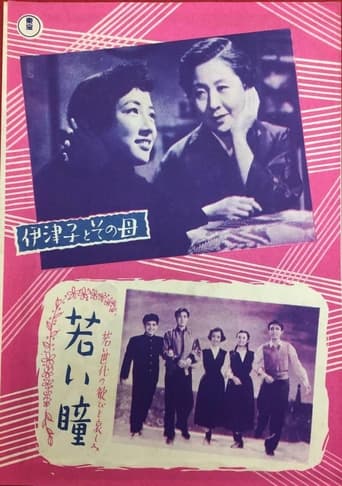 8.0
8.0An elderly woman devoted to her foster-daughter searches for a good husband for her.
Itsuko to sono haha
1954
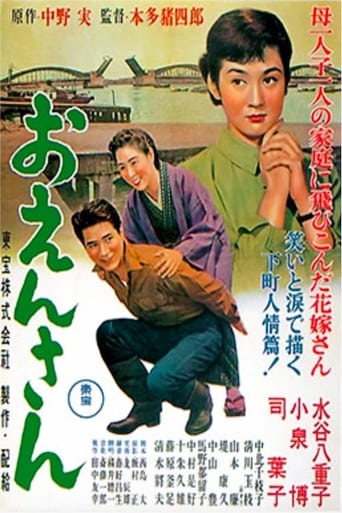 8.0
8.0An Ishiro Honda film.
Mother and Son
1955
 NR
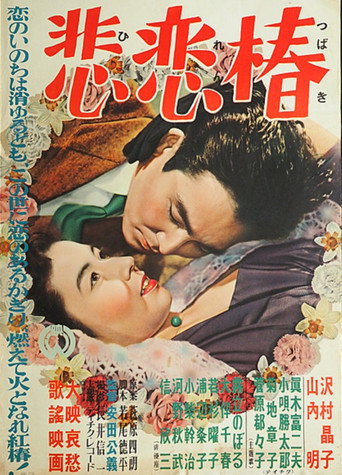
NRA 1950 film by director 原研吉.
Hirenge
1950
 NR
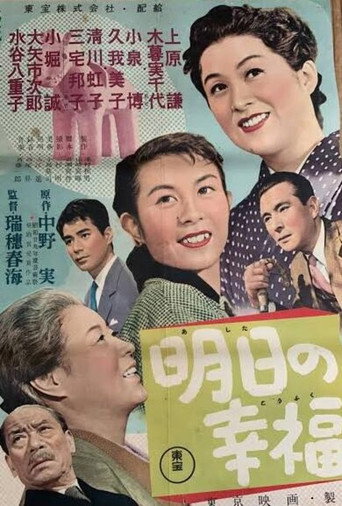
NRNo synopsis available yet.
Tomorrow's Happiness
1955
 NR
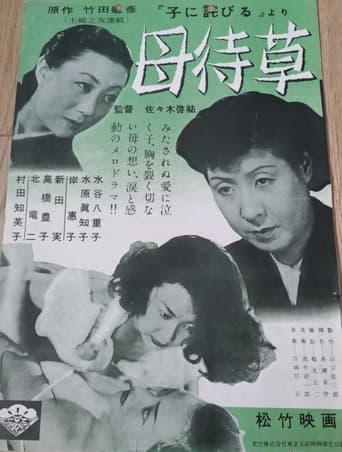
NRAsako works in a hostel for troubled young women. When a beautiful young girl is brought in one day after committing theft, Asako finds out from the older widow she works with that the new girl is undoubtedly her half-sister. When the younger sister suddenly flees on account of a misunderstanding, Asako makes up her mind to find the mother who deserted them both.
Haha machi gusa
1951
 9.0
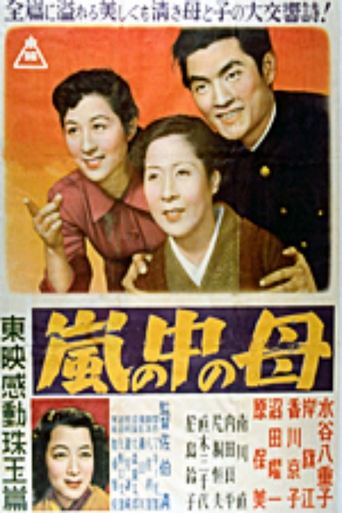
9.0Returning from wartime China, Keiichi reunites with his mother Inako and adopted sister Tomi. He becomes drawn to Tomi’s beauty, and his mother appears supportive. But Keiichi soon meets Tsuneko, a former wartime nurse who has borne his child. Faced with a summons to stand trial for wartime atrocities, he entrusts Tomi and his son to Inako, then voluntarily turns himself in—believing he must answer not just to Japan, but to the world’s conscience.
Man in the Storm
1952
 NR
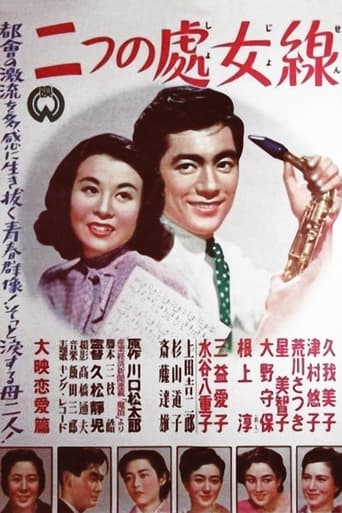
NRMelodrama about two sisters with different mothers.
The Paths of Two Maidens
1952
In postwar Japan, a new teacher, Miyamoto Yasuko, is discovered by her estranged daughter, Fukuoka Shōko, at a high school. As Yasuko confronts her past, she navigates themes of forgiveness, identity, and motherhood, addressing social taboos of the time.
Song of Love
1950
 8.0
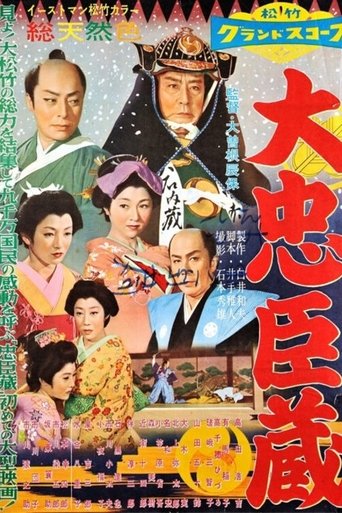
8.0Chushingura has been made into a movie several times before, but this time it will be presented in a widescreen version with all natural colors and a new look. Written by Masato Ide and directed by Tatsuo Osone. This is a magnificent scroll of images that depicts on a grand scale the triumph of the Genroku era that shook the citizens of Edo, the peaceful capital of Japan. The top stars of the film, shinpa, shingeki, and kabuki worlds at the time of production were lavishly cast, and a huge budget was invested to create a large set for this highly acclaimed and moving epic.
A Matter of Valour
1957
1940s · 5 titles
7.4Uta’s mother died when she was six years old; her father she never met. She was forced to adopt a traveller’s life when her grandmother died, and now she is a dancer and part of a family of actors who travel from town to town, setting up street performances. A way of escape from this marginal existence arises when she gets the chance to move to tea merchant Hiramatsu’s place, where she is asked to teach his daughter to dance.
Notes of an Itinerant Performer
1941
Depicting the lives and spirit of geisha during and after the war.
Oshiroi jō
1947
 NR
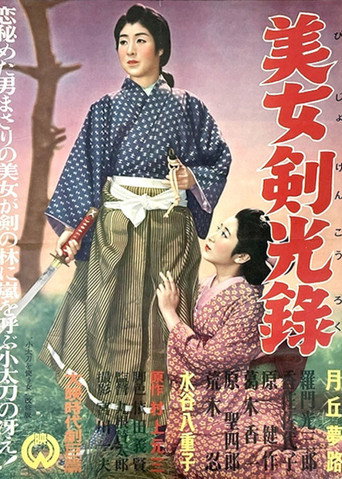
NRA tale of love and tears that blossomed in the shadow of the Seinan War.
Kodachi o tsukau onna
1944
A 1946 Japanese film directed by Keigo Kimura.
Taki no shiraito
1946
No synopsis available yet.
The Woman Who Opens the Door
1946
1930s · 2 titles
 NR
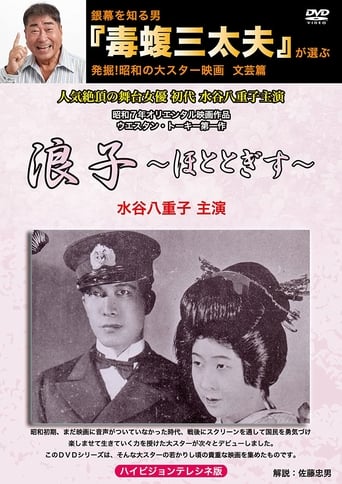
NRAn early Japanese sound film, notable for being the only Japanese film ever to use the Western Electric Sound System. Contrary to most Western sources that give sole directing credit to Eizo Tanaka, it was actually co-directed by six different directors, Tanaka, Kazue Kimura, Kazuo Takimura, Ryoji Mikami and Hidekuni Ouchi.
Namiko
1932
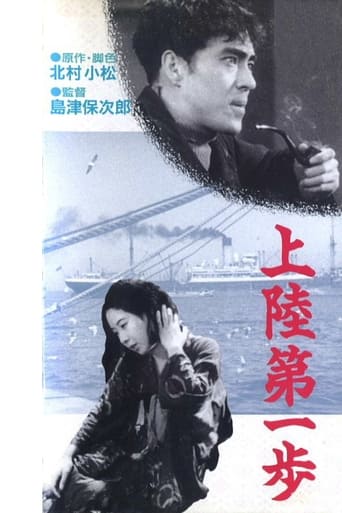 7.5
7.5The story of a sailor who begins a love affair with a woman he saves from suicide.
First Steps Ashore
1932
1920s · 3 titles
An early Japanese film
Father
1923
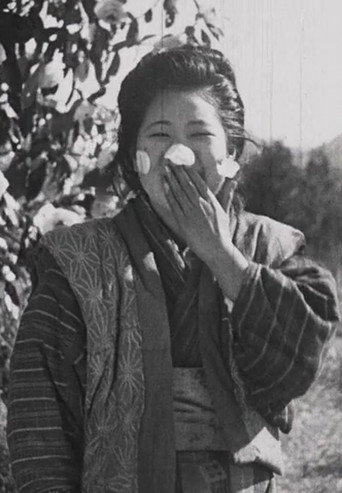 7.0
7.0Rinzou tries to pressure Gosuke into marrying his daughter, Osumi, to him to make up for his debts. In a chance encounter the father and daughter become acquainted with Asahiko, the Count's heir, and his fiancée, Kimiko, which results in Osumi moving into the Count's villa as a live-in maid. After a night of drinking, celebrating the Doll's Festival/Hinamatsuri, Asahiko jokingly gives a ring to Osumi, who interprets the act as an engagement. The next day she goes to tell her father the news and give him the ring; soon after a drunken Rinzou shows up wanting repayment so Gosuke shows him the ring. Doing so sends Rinzou into a fury and, equipped with a sickle, he heads to the villa! Outline by 畑中蓼坡
Winter Camellia
1921
The first talkie released in Japan by Mina Talkie
The Captain's Daughter aka The Lieutenant's Daughter
1929