
Known for
 6.4
A chorus of 4th- and 5th-graders at the Brooklyn Friends School and a chorus of elderly retirees at a Brooklyn Jewish seniors' center combine to give an annual joint concert. Practicing separately for several months while communicating only as pen pals, they eventually meet for a rehearsal prior to their concert. The children's various preconceptions about older people, as well as the seniors' approach to aging and their young co-performers, are a principal focus.
Close Harmony
1981
 8.0
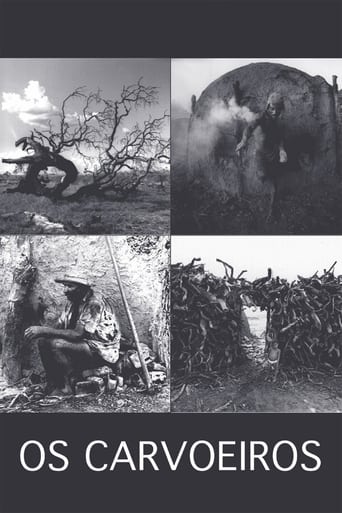
This deeply human documentary examines the subject of environmental destruction, highlighting the impoverished migrant workers who are chopping down the Amazon rainforest to create charcoal for pig iron production used primarily in the automobile industry. The film examines the children and elders and their daily lives and work as they burn timber in igloo-looking huts, their bodies charred gray for $2 a day, struggling to survive.
The Charcoal People
2000
 6.0
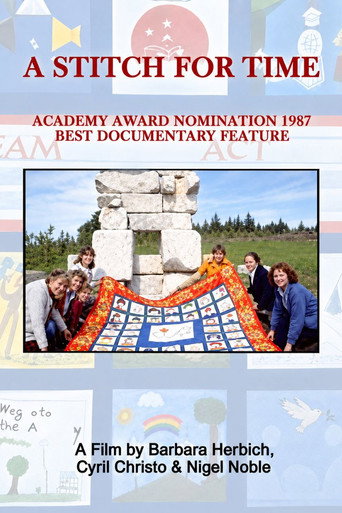
In a moving cinema verite style, A Stitch for Time presents the idea that ordinary people can become diplomats working toward the goal of world peace. Interviews with the Boise, Idaho women who made the quilt establish the background for the project and reveal that though some are longtime activists, others have never been politically involved, but all are united by their need to ensure a safe world for their children and society.
A Stitch for Time
1987
What happens when a group of hairdressers from America travel to Kabul with the intention of telling Afghan women how to do hair and makeup? This engaging, optimistic documentary tracks a unique development project: a shiny new beauty school, funded in part by beauty-industry mainstays, which sets out to teach the latest cutting, coloring, and perming techniques to practicing and aspiring Afghan hairdressers and beauticians. The American teachers, all volunteers, include three Afghan-Americans returning home for the first time in over twenty years. The Beauty Academy of Kabul offers a rare glimpse into Afghan women’s lives, and documents the poignant and often humorous process through which women with very different experiences of life come to learn about one another.
The Beauty Academy of Kabul
2004
 9.0
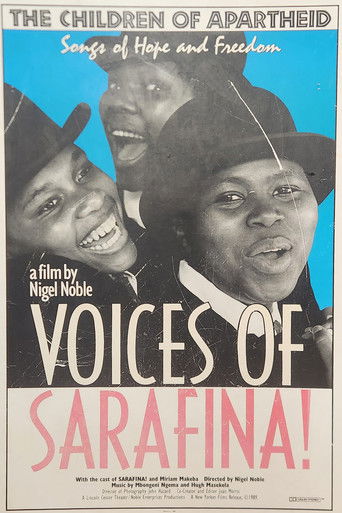
At the Lincoln Center, the South African cast members of the anti-Apartheid Broadway hit musical Sarafina perform and later give interviews about their politically and socially troubled country in this documentary. Writer-director Mbongeni Ngema cautions his cast that their opinions could bring trouble from the government once they return to South Africa. The cast later meets exiled singer Mariam Makeba, who in a moving, sentimental gesture expresses her gratitude for the company bringing the story to the rest of the world. The performance combines singing and dancing, combining ancient folk songs with modern music from Hugh Masakela and others from South Africa.
Voices of Sarafina!
1988
Behind the camera
6.4A chorus of 4th- and 5th-graders at the Brooklyn Friends School and a chorus of elderly retirees at a Brooklyn Jewish seniors' center combine to give an annual joint concert. Practicing separately for several months while communicating only as pen pals, they eventually meet for a rehearsal prior to their concert. The children's various preconceptions about older people, as well as the seniors' approach to aging and their young co-performers, are a principal focus.
Close Harmony
1981
8.0This deeply human documentary examines the subject of environmental destruction, highlighting the impoverished migrant workers who are chopping down the Amazon rainforest to create charcoal for pig iron production used primarily in the automobile industry. The film examines the children and elders and their daily lives and work as they burn timber in igloo-looking huts, their bodies charred gray for $2 a day, struggling to survive.
The Charcoal People
2000
6.0In a moving cinema verite style, A Stitch for Time presents the idea that ordinary people can become diplomats working toward the goal of world peace. Interviews with the Boise, Idaho women who made the quilt establish the background for the project and reveal that though some are longtime activists, others have never been politically involved, but all are united by their need to ensure a safe world for their children and society.
A Stitch for Time
1987
What happens when a group of hairdressers from America travel to Kabul with the intention of telling Afghan women how to do hair and makeup? This engaging, optimistic documentary tracks a unique development project: a shiny new beauty school, funded in part by beauty-industry mainstays, which sets out to teach the latest cutting, coloring, and perming techniques to practicing and aspiring Afghan hairdressers and beauticians. The American teachers, all volunteers, include three Afghan-Americans returning home for the first time in over twenty years. The Beauty Academy of Kabul offers a rare glimpse into Afghan women’s lives, and documents the poignant and often humorous process through which women with very different experiences of life come to learn about one another.
The Beauty Academy of Kabul
2004
9.0At the Lincoln Center, the South African cast members of the anti-Apartheid Broadway hit musical Sarafina perform and later give interviews about their politically and socially troubled country in this documentary. Writer-director Mbongeni Ngema cautions his cast that their opinions could bring trouble from the government once they return to South Africa. The cast later meets exiled singer Mariam Makeba, who in a moving, sentimental gesture expresses her gratitude for the company bringing the story to the rest of the world. The performance combines singing and dancing, combining ancient folk songs with modern music from Hugh Masakela and others from South Africa.
Voices of Sarafina!
1988