
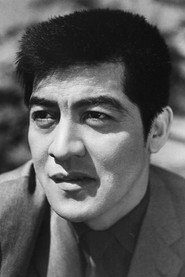
Acting
Rentaro Mikuni
Born — Died
1923-01-20 — 2013-04-14
Place of birth
Ota, Gunma, Japan
Known for
Acting
Credits
72 titles
Rentaro Mikuni (三國 連太郎, Mikuni Rentarō, January 20, 1923-April 14, 2013) was a Japanese actor from Gunma Prefecture. He appeared in over 150 films since making his screen debut in 1951, and won three Japanese Academy Awards for Best Actor, and a further seven nominations. He also won two Blue Ribbon Awards for Best Actor, in 1960 and in 1989. Kōichi Satō is his son. Description above from the Wikipedia article Rentaro Mikuni, licensed under CC-BY-SA, full list of contributors on Wikipedia.
Known for
 8.0
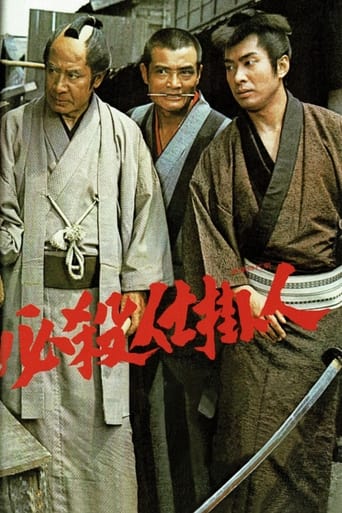
8.0A shikakenin was an under-the-cover trade that undertook killing in Edo. Hanemon of Otowa, an agency that introduced laborers and maids, was also one of these. Katsugoro Iseya was a timber dealer who had come in as a client. His target was the constructions magistrate Hanno, and the Tatsumiya who sipped on the benefits. Hanemon who had a stong code towards killing, where he would only kill those who do no good to be in the world, accepts this request. Baian Fujieda, a needle doctor would carry out the killing. However, the professional killer Baian fails to bring down Tatsumiya. Hanemon then looks to another shikakenin, the ronin Sanai Nishimura for the role. Although Sanai's ability with the sword is good, he lives poorly in a tenement, and accepts this commission on the condition that it is kept a secret from his wife and child. Here, they close in on Hanno and Tatsumiya again...
Professional Killers
1972
 8.5
8.5Down-on-his-luck veteran Tsugumo Hanshirō enters the courtyard of the prosperous House of Iyi. Unemployed, and with no family, he hopes to find a place to commit seppuku—and a worthy second to deliver the coup de grâce in his suicide ritual. The senior counselor for the Iyi clan questions the ronin’s resolve and integrity, suspecting Hanshirō of seeking charity rather than an honorable end. What follows is a pair of interlocking stories which lay bare the difference between honor and respect, and promises to examine the legendary foundations of the Samurai code.
Harakiri
1962
 7.7
7.7Taking its title from an archaic Japanese word meaning "ghost story," this anthology adapts four folk tales. A penniless samurai marries for money with tragic results. A man stranded in a blizzard is saved by Yuki the Snow Maiden, but his rescue comes at a cost. Blind musician Hoichi is forced to perform for an audience of ghosts. An author relates the story of a samurai who sees another warrior's reflection in his teacup.
Kwaidan
1965
 NR
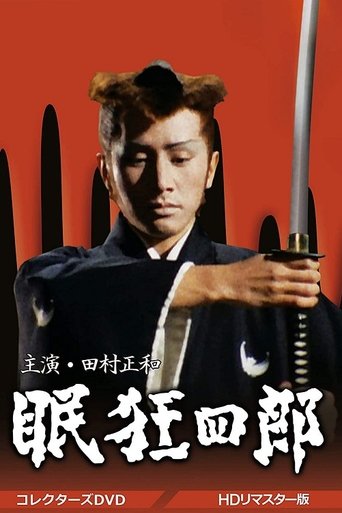
NRThirteen years after his mother took her own life as a ritual sacrifice for the Black Mass, samurai Kyoshiro (Masakazu Tamura), who lives his life with his eyes turned away from happiness, uses his beloved sword to slay his enemies who come at him.....
Nemuri Kyoshiro
1972
 7.5
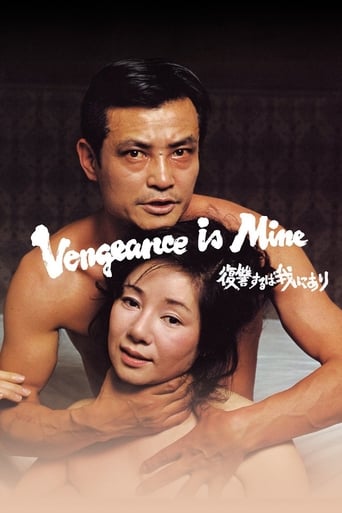
7.5A thief, a murderer, and a charming lady-killer, Iwao Enokizu is on the run from the police.
Vengeance Is Mine
1979
 NR
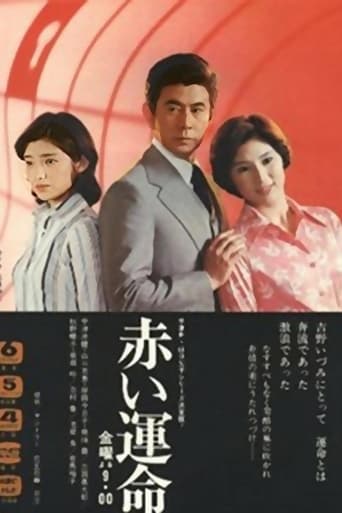
NRThe story of two girls switched in an orphanage.
Akai Unmei
1976
Film credits
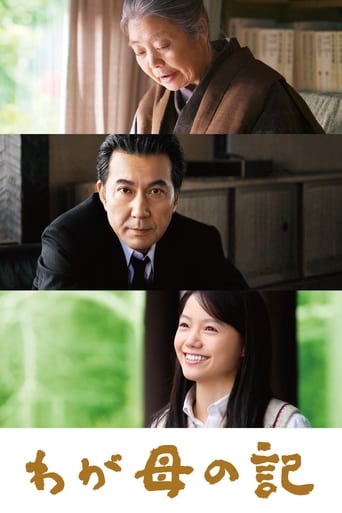
2000s · 3 titles
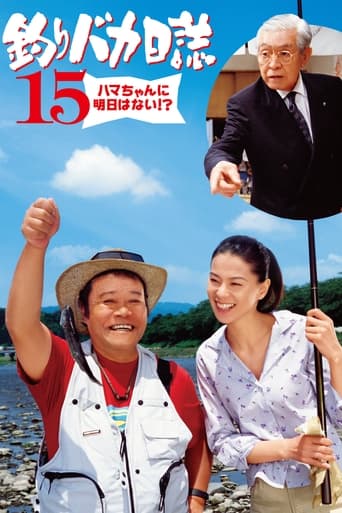 8.3
8.3Hama-chan takes a vacation to go fishing in Akita despite warnings from Su-san as his company faces a restructuring process.
Free and Easy 15
2004
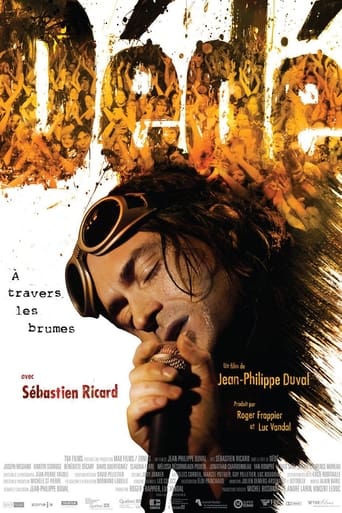 6.3
6.3A biopic of the late musician Dédé Fortin, the singer, songwriter, and founder of a very popular Québécois band called "Les Colocs".
Through the Mist
2009
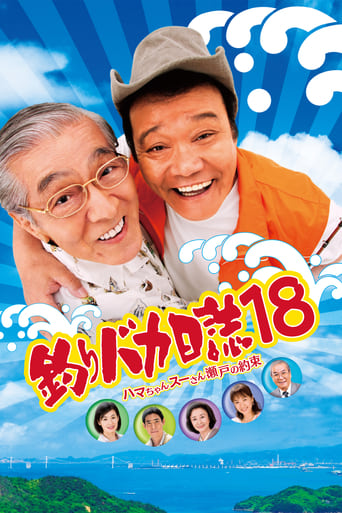 7.5
7.5Hama-chan goes to Okayama to look for Su-san when he goes missing a few days after freezing up during his inaugural speech as the company chairman.
Free and Easy 18
2007
1990s · 7 titles
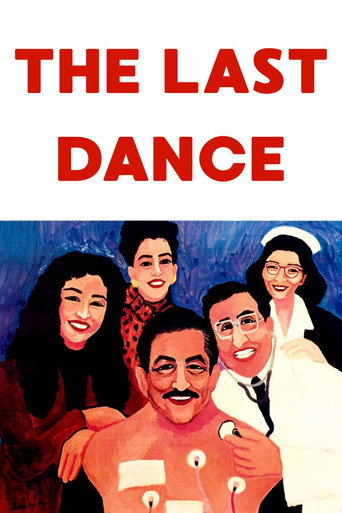 6.9
6.9A successful Japanese movie director in his sixties becomes increasingly ill while working on his latest film. Though his family, friends, and doctor try to keep the secret of his terminal cancer from him, Buhei gradually comes to realize the truth of his condition, leading him on a journey of despair, anger, and – ultimately – acceptance.
The Last Dance
1993
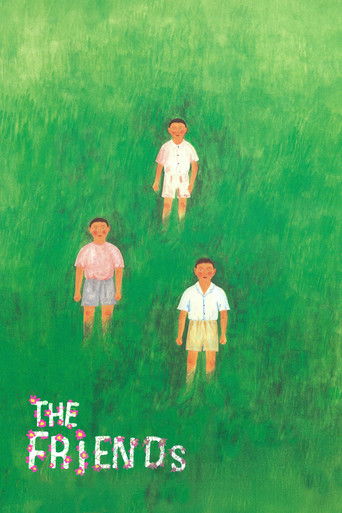 7.0
7.0A delightful and moving coming-of-age story. One summer, three young boys take an increasing interest in an eccentric old man who lives alone in a house surrounded by an overgrown garden. The boys form a bond with the recluse and set about weeding and replanting the garden.
The Friends
1994
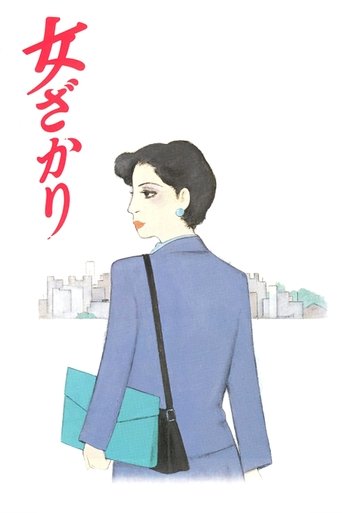 7.0
7.0A middle-aged journalist looking to make her big break. After working the same beat on the "women's page", Yumiko gets promoted to editorials.
Turning Point
1994
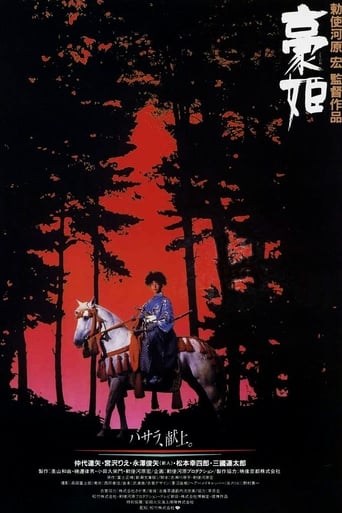 7.0
7.0Furuta Oribe is ordered to become tea master under Toyotomi Hideyoshi after his teacher Sen no Rikyū, the former tea master, was ordered to commit suicide. Princess Goh, daughter of the lord but adopted by Hideyoshi, is outraged when Rikyū's severed head is thrown in the Nijo River. She sends Usu, Oribe's servant, to retrieve the head and deliver it to Rikyū's adopted daughter.
Basara: The Princess Goh
1992
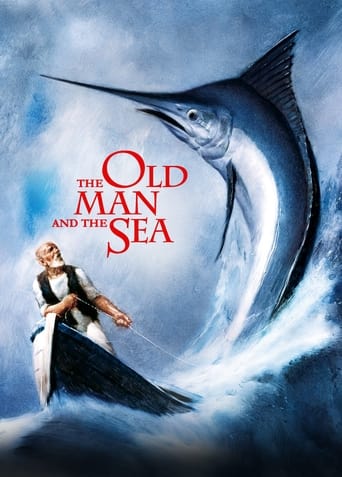 7.6
7.6An old fisherman makes the biggest catch of his life.
The Old Man and the Sea
1999
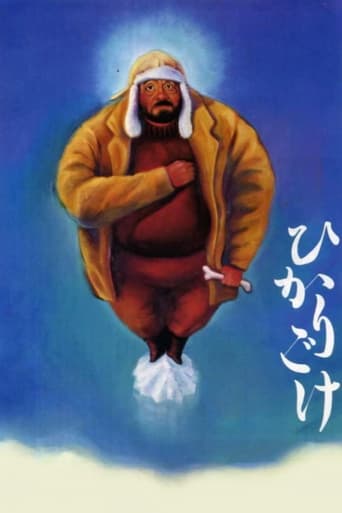 6.2
6.2A headmaster and a novelist, looking for inspiration, regard a strange natural phenomenon before sharing stories of their own.
Luminous Moss
1992
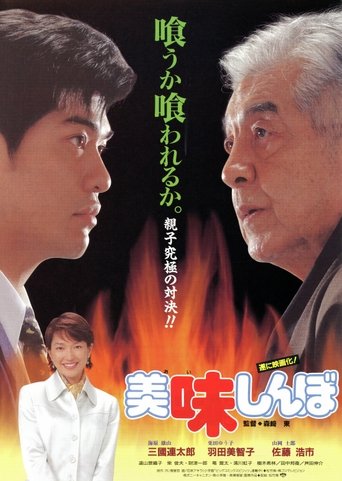 6.5
6.5Based on the comic by Tatsu Kariya. Featuring journalist Shiro Yamaoka who works for Touzai Shimbun. He is a cynical food critic who is tasked by the newspaper's owner, along with the young Yuko Kurita, to provide recipes for the "ultimate menu".
Oishinbo
1996
1980s · 10 titles
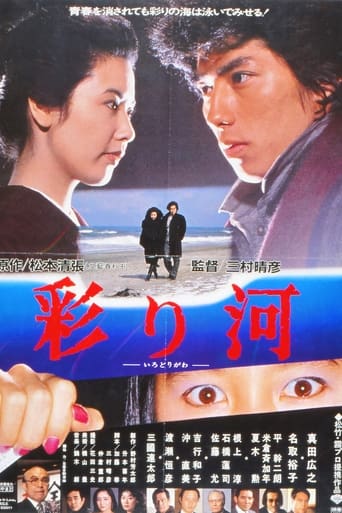 10.0
10.0A valet at a fancy nightclub hatches a plot to punish those responsible for his father's death.
The Street of Desire
1984
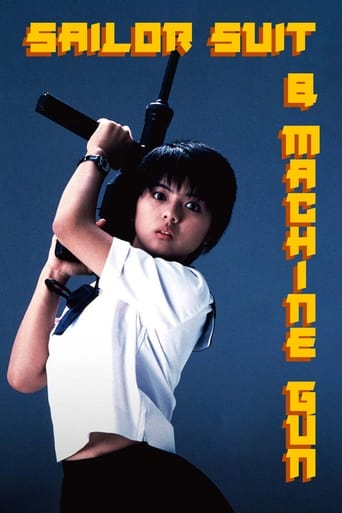 7.0
7.0A high-school girl inherits a declining yakuza organization, which seeks to repair its fortunes under her leadership.
Sailor Suit and Machine Gun
1981
 7.5
7.5Late in the 1500s, an aging tea master teaches the way of tea to a headstrong Shogun. Through force of will and courageous fighting, Hideyoshi becomes Japan’s most powerful warlord, unifying the country.
Rikyu
1989
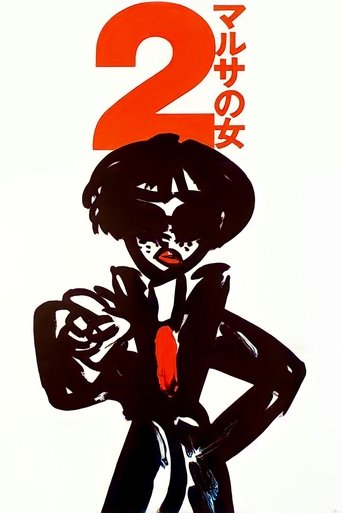 6.4
6.4Ryōko Itakura returns as the tough-as-nails government taxing agent. This time she must figure out a way to expose a fanatical religious cult lead by a corrupt sociopath.
A Taxing Woman's Return
1988
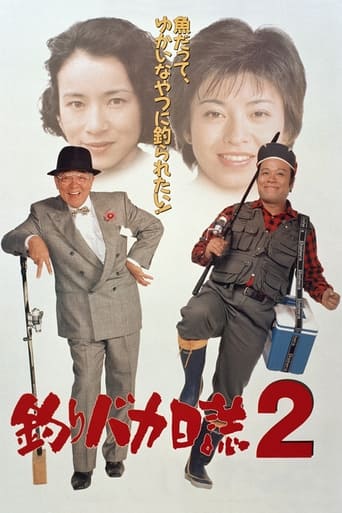 8.7
8.7Hama-chan gets Su-san hooked on fishing, but Su-san has some problems to deal with; a beautiful woman saves Su-san when he collapses while fishing.
Free and Easy 2
1989
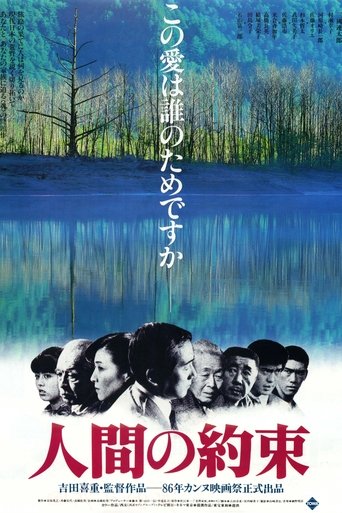 6.7
6.7An old woman has died and her widower with dementia confesses to killing her. After this, the story goes back in time to show the events leading up to her death.
A Human Promise
1986
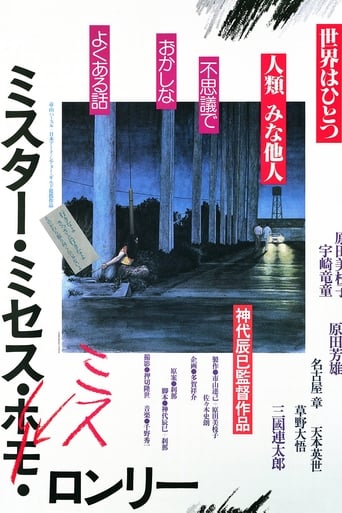 7.5
7.5Two men and a woman plan to steal 1.5 Billion yen.
Mister, Missus, Miss Lonely
1980
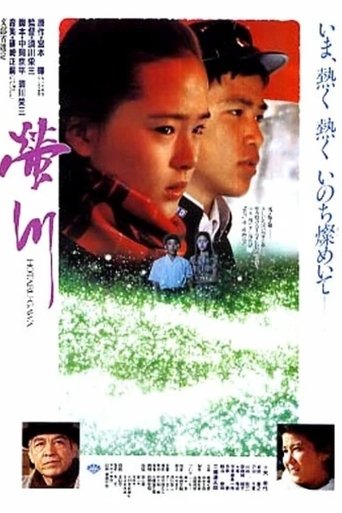 9.0
9.0During the winter in Toyama in 1962, Tatsuo Mizushima is fretting about his feelings for his classmate Eiko Tsujisawa while agonizing about his upcoming high school examinations. When he was little, he and Eiko had heard that in April of a year when the winter has been very harsh, any couple finding fireflies together needs to get married. However, his family's situation does not allow Tatsuo to continue his worrying about such things for very much longer.
River of Fireflies
1987
 6.6
6.6Ten years before the outbreak of the Second World War in Asia, a Japanese Go master and his Chinese rival meet in China to play a game of Go (loosely described as an Asian version of chess). It soon becomes evident that the Chinese master's son is the most talented player that the Japanese master has ever encountered, and he convinces the boy's father to let him bring the child back to Japan to train him as a professional Go player. Years pass, and as the young Chinese master grows to maturity in Japan, the Japanese invasion of China forces him to choose between his triumphant career and his loyalty to his native country. His decision is complicated by his marriage to the daughter of the Japanese master, with whom he has produced a child. His choice will profoundly alter the lives of two families. Their saga serves as a reflection of the tragic relations between their two great countries, and the possibility of reconciliation and healing.
The Go Masters
1982
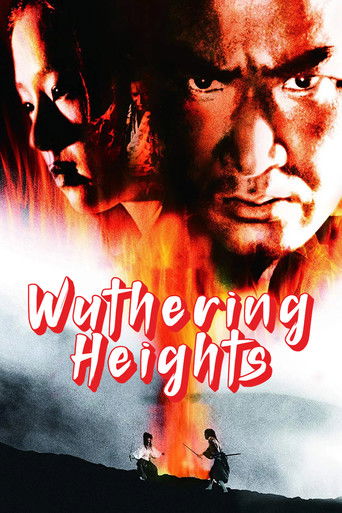 6.8
6.8Young orphan Onimaru is adopted by the wealthy Yamabe family and moves into their estate, Wuthering Heights. Soon, the new resident falls for his compassionate foster sister, Kinu. The two share a remarkable bond that seems unbreakable until Kinu, feeling the pressure of social convention, suppresses her feelings and marries Mitsuhiko, a man of means who befits her stature. Onimaru vows to win her back.
Wuthering Heights
1988
1970s · 13 titles
7.5A thief, a murderer, and a charming lady-killer, Iwao Enokizu is on the run from the police.
Vengeance Is Mine
1979
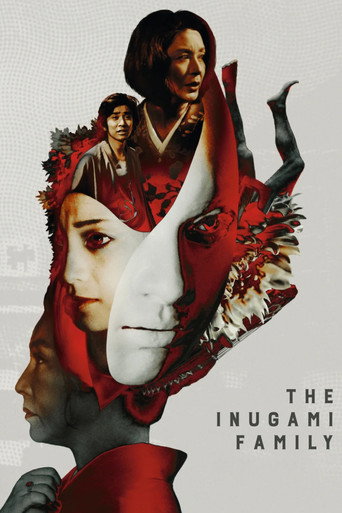 6.8
6.8When a tycoon passes away, he unexpectedly leaves the family fortune to outsider Tamayo on the condition that she marries one of the grandsons, pitting blood against blood.
The Inugami Family
1976
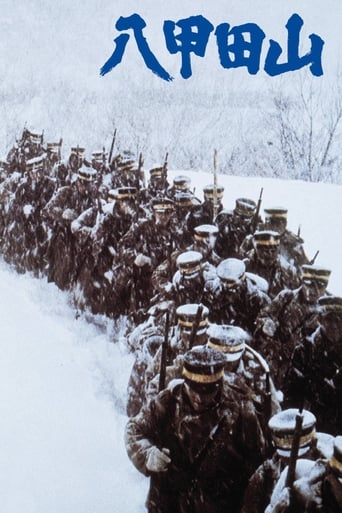 6.6
6.6Two infantry regiments of the Imperial Japanese Army—210 men overall—tackled Mt. Hakkoda in the winter of 1902 to prepare for war with Russia.
Mount Hakkoda
1977
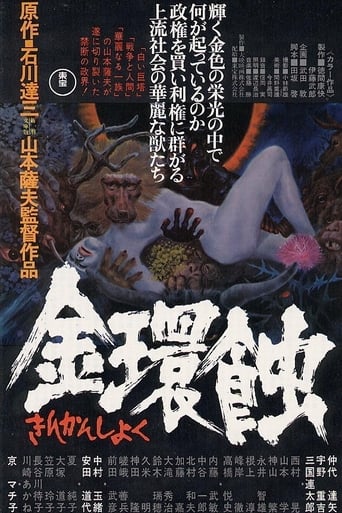 6.9
6.9When bribe money from a rigged election funnels into a dam construction project, collusion, lust, greed and even murder are on the ballot.
Solar Eclipse
1975
 6.4
6.4Special forces officer Ajisawa leaves his paramilitary group to take care of his newly-adopted daughter, Yoriko: the sole survival of a bloodbath for which he is responsible. Years later, Ajisawa is forced to return to the scene of the tragedy for his new job as a claims adjuster where he is subsequently arrested for his suspected involvement. But the threat of jail time is the least of his worries as his former organization comes gunning for him.
Never Give Up
1978
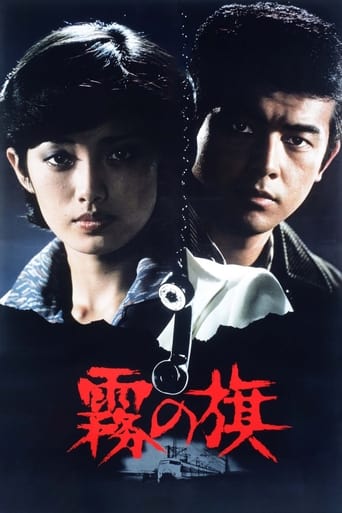 6.8
6.8Masao is falsely accused and jailed for the murder of a loanshark to whom he owed a lot of money. His sister Kiriko makes the long trip to Tokyo, specifically to accost Otsuka, Japan's top criminal defence lawyer, and plead with him to take her brother's case. They live in Kitakyushu which, though a city, she contends that the local lawyers are not up to the job. Otsuka contemptuously brushes her off. A year passes. Masao has suicided in jail, his appeal having failed due to the lack of interest and competence of the local defence lawyer. Kiriko returns to Tokyo, planning revenge on Otsuka for refusing the case and causing her brother's death.
Sweet Revenge
1977
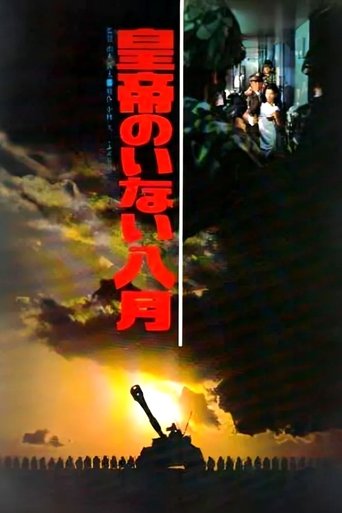 7.2
7.2Taking the Chilean coup as an example, a group of young officers plan to overthrow the Japanese government on V-J Day. They aim to abolish the post-war constitution, restore the national army and revive the traditional spirit of Japan. As the conspiracy is exposed, the coup squadrons are wiped out one by one. The remaining squadron takes over a night train bound for Tokyo.
August Without Emperor
1978
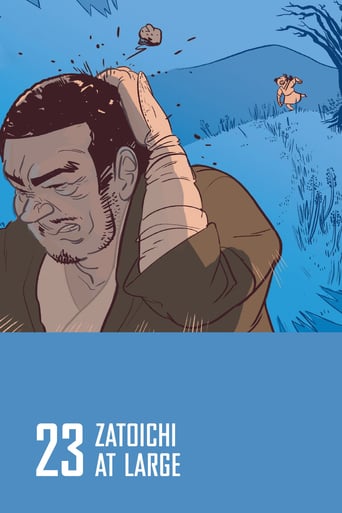 6.6
6.6Blind masseur and master swordsman Zatoichi finds a robbed and fatally wounded pregnant woman, whose baby he delivers before she dies. He takes the baby in search of its father and finds the child's aunt, who is about to be forced into prostitution for want of a payment the dead mother was bringing. Zatoichi determines to save the woman from her cruel fate.
Zatoichi at Large
1972
 6.8
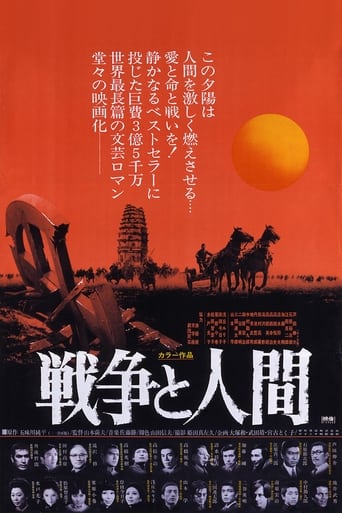
6.8The upstart Godai family conglomerate plans to strengthen ties with the hardliners in the Kwantung Army as they plan military expansion into Manchuria.
Men and War I: Prelude to Destiny
1970
 6.5
6.5A freestyle biopic of Ikki Kita, the ultranationalist intellectual whose ideas inspired the failed military coup in 1936.
Coup d'Etat
1973
 6.9
6.9A reimagination of the myth of Himiko, focused on her divine role as a sun goddess's oracle and her forbidden love for her half-brother Takehiko, which threatens her power and the kingdom's stability.
Himiko
1974
 8.2
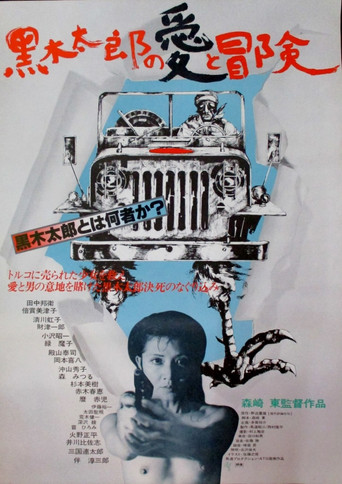
8.2Taro Kuroki, 42, is a stuntman with a samurai's heart. He loves adventures, plays pranks with the police, tries to cure a cat lady by reversing her trauma, and finally, rescues his niece who is about to be lured into prostitution.
The Love and Adventures of Kuroki Taro
1977
 6.6
6.6The brief love story of an attentive young man and a beautiful woman who meet, fall in love and part during the course of a train ride.
The Rendezvous
1972
1960s · 13 titles
8.5Down-on-his-luck veteran Tsugumo Hanshirō enters the courtyard of the prosperous House of Iyi. Unemployed, and with no family, he hopes to find a place to commit seppuku—and a worthy second to deliver the coup de grâce in his suicide ritual. The senior counselor for the Iyi clan questions the ronin’s resolve and integrity, suspecting Hanshirō of seeking charity rather than an honorable end. What follows is a pair of interlocking stories which lay bare the difference between honor and respect, and promises to examine the legendary foundations of the Samurai code.
Harakiri
1962
7.7Taking its title from an archaic Japanese word meaning "ghost story," this anthology adapts four folk tales. A penniless samurai marries for money with tragic results. A man stranded in a blizzard is saved by Yuki the Snow Maiden, but his rescue comes at a cost. Blind musician Hoichi is forced to perform for an audience of ghosts. An author relates the story of a samurai who sees another warrior's reflection in his teacup.
Kwaidan
1965
 8.1
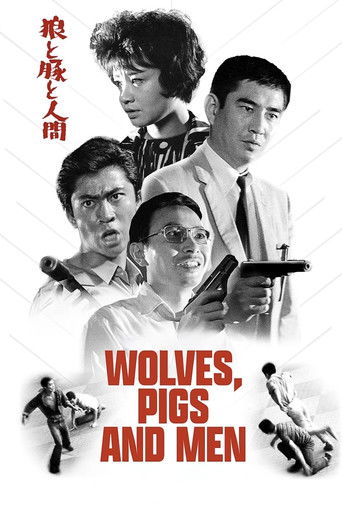
8.1Sabu and his pals hold a pauper's funeral for Sabu's mother. His brother Jiro arrives home, fresh out of jail, and Sabu pointedly states that Jiro is not invited. Jiro meanwhile is planning a big job - steal 40 million in cash and drugs, and he invites Sabu and gang to act as decoys, for 50,000 each. The sting is a success, but the double-crossing starts almost immediately. Sabu discovers how little of the take they were promised and hides the stash. Jiro and his slimy partner pressure the kids to fess up. Meanwhile, their respectable elder brother Ichiro is being leaned on by the town's big boss, whose money it was.
Wolves, Pigs & Men
1964
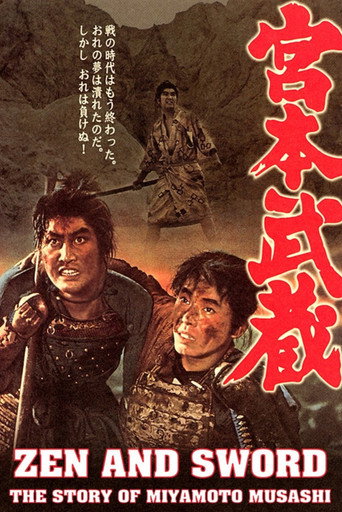 7.1
7.1In this first episode, we are introduced to Takezo, what Musashi used to be before he became the man of legend. His beginning are not exactly auspicious. He sides with the Toyotomi at Sekigahara, and as a result finds himself on the losing side of the historic battle. He and his friend Matahachi manage to escape the slaughter although the latter is wounded in his leg. They stumble across the young Akemi who makes her living with her mother Oko by robbing corpses of their armor and anything else they can sell. Oko takes it into her head to seduce Matahachi, which she does first by skillfully sucking the gangrene from his blood, and then just by sucking.
Miyamoto Musashi
1961
 7.3
7.3Three robbers escape with loot from a heist before one of them kills the others. Their corpses wash up near the aftermath of a maritime calamity, provoking a policeman's interest.
A Fugitive from the Past
1965
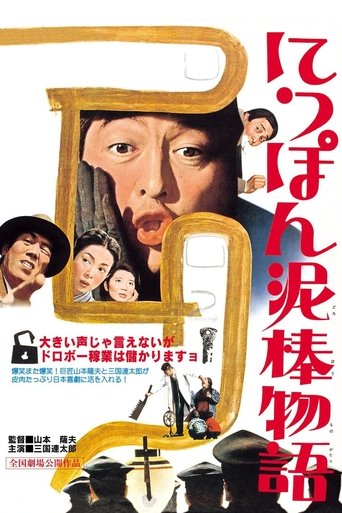 7.0
7.0Gisuke Hayashida is an illegal dentist during the day and a burglar by night. One night during a burglary he witnesses a train derailment. Some communists are found guilty of causing the incident, but he knows it wasn't them. He can save innocent people but for that he must confess his own crime.
Tale of Japanese Burglars
1965
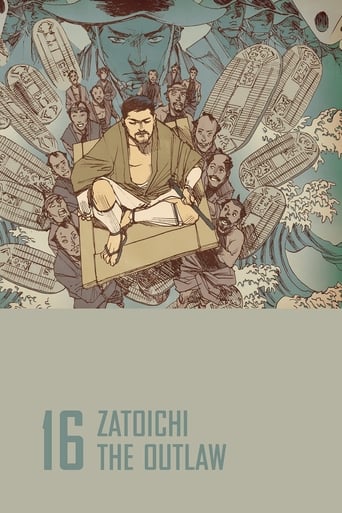 6.7
6.7When a local gambling house kidnaps some peasants because they failed to pay their debts, a rival gambling house pays their debts and sets them free.
Zatoichi the Outlaw
1967
 7.1
7.1In the fourth installment, Musashi's potentially greatest opponent Kojiro jumps in and out of the story at the oddest and most coincidental moments. As his great love Otsu has succumbed to madness. Musashi then sets off to beat the functionaries of a treacherous clan in an arranged duel. 73 against one. Boastful Kojiro watches, secure in the knowledge that only he is a worthy opponent.
Miyamoto Musashi IV: The Duel at Ichijo-ji Temple
1964
 7.3
7.3Two escaped criminals who kidnapped a baby break into the house of Misawa, a man who works in an advertising agency and lives quietly with his family. They will force him to collect the child's ransom for them.
The Threat
1966
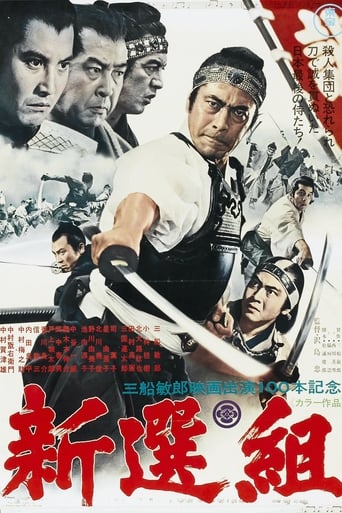 6.9
6.9Near the end of the nineteenth century, as the balance of power shifts from Shogunate towards the Emperor, Japan restlessly awaits the dawning of a new age. But not all are content...The Shinsengumi, a small army of samurai, farmers and peasants, band together to do battle against the tide of history. Their leader, Isami Kondo is a man who rises from farmer to fighter to head the fierce Shinsengumi brigade. Using a stern hand and a heart of gold, he rallies his men in defense of the tottering Shogunate. But bloodshed and treachery lurk around every corner.
Shinsengumi: Assassins of Honor
1969
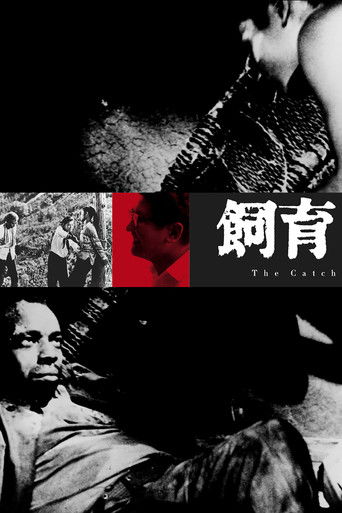 6.5
6.5Towards the end of WWII, a black American pilot is captured and imprisoned by rural Japanese villagers, who await official instructions as to how to proceed with their 'catch'.
The Catch
1961
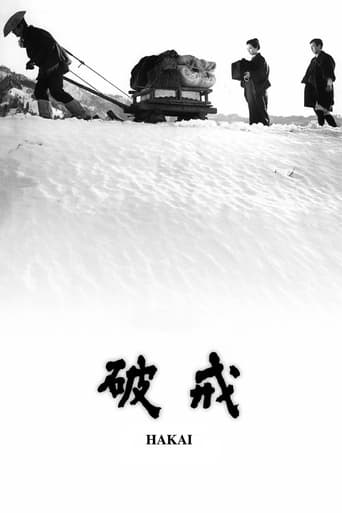 6.8
6.8Ushimatsu's father told him never to reveal his lower-caste heritage; years later, he now contemplates confiding in an activist fighting against such discrimination.
The Broken Commandment
1962
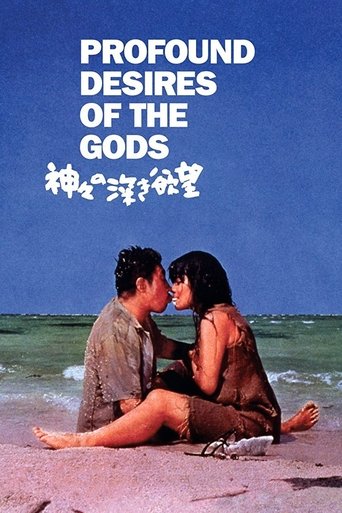 7.4
7.4Tokyo engineer Kariya arrives on a primitive tropical island, where he interacts with the Futori clan, to drill a well to power a sugar mill.
Profound Desires of the Gods
1968
1950s · 13 titles
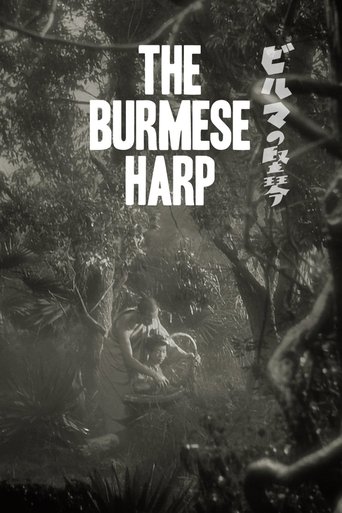 7.8
7.8In Burma during the closing days of WWII, a Japanese soldier separated from his unit disguises himself as a Buddhist monk to escape imprisonment as a POW.
The Burmese Harp
1956
 5.9
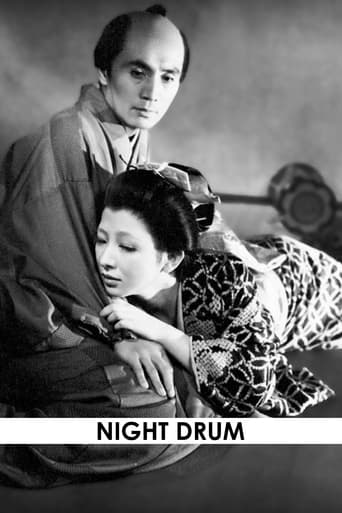
5.9Following a yearlong attendance upon his shogun in Edo, samurai Hikokuro makes a long-awaited return to his home and doting wife, Dane. Initially greeted by the effusive welcome of his family, spiteful whispers also reach his ear about an adulterous affair carried on, in his long absence, between his wife and a famous drummer. With Hikokuro’s honor imperiled by rumor, his family insists on a formal investigation into the veracity of the gossip. Through the combined testimony of many witnesses, a tale unwinds around the visits of a traveling musician hired to tutor the family heir, the spurned attentions of the man who started the rumor, and the ultimate truth behind the accusations. The conclusion of events prove as much an indictment of bushidō as it is of the reluctant parties involved. Adapted from a 1706 play by Chikamatsu Monzaemon and based on a true case.
Night Drum
1958
 7.0
7.0Jiro Sone sacrifices all comfort to devote himself to research. Young housewife Yachiyo is disappointed with her husband Kappei, who is more attracted to mountain climbing and another girl. When Yachiyo’s father is introduced to Jiro, all of their lives become intertwined...
Till We Meet Again
1955
 NR
NRNo synopsis available yet.
Super Hawk Volume II
1954
 7.2
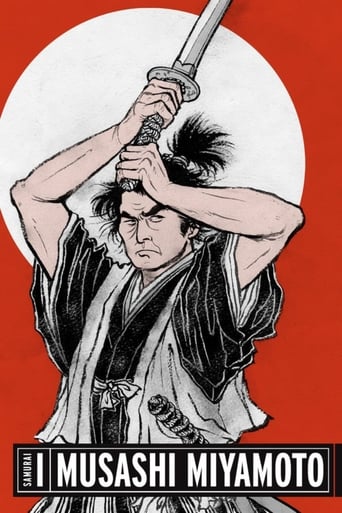
7.2Struggling to elevate himself from his low caste in 17th century Japan, Miyamoto trains to become a mighty samurai warrior.
Samurai I: Musashi Miyamoto
1954
 7.4
7.4In a military family, an illegitimate son is brutalized by his brothers. A patriarchal, feudalistic household where dissent is forbidden is used to reveal the whole imperialist system that afflicted Japan between 1921 and 1946.
Stepbrothers
1957
 6.9
6.9A married couple looking for an apartment move in with the husband's co-worker, a widower. The husband becomes jealous of the widower and his wife.
Husband and Wife
1953
 10.0
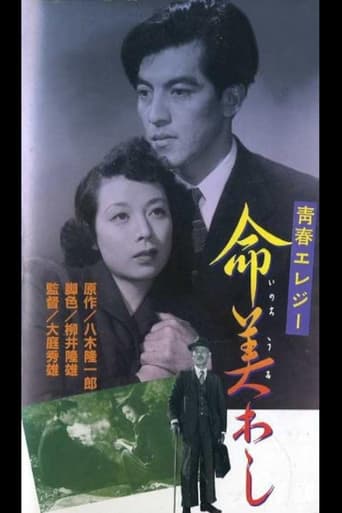
10.0Inochi uruwashi
Beauty of Life
1951
 8.1
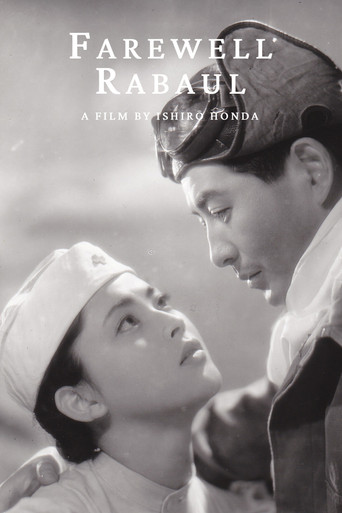
8.1A squadron of Japanese fighter pilots realise that they are never going to win the war when they understand that Japanese military tactics have little regard for life. Seeking the companionship of any woman who will have them, they spend their days indulging in every fantasy in order to escape the overwhelming fear of death looming just over the horizon.
Farewell Rabaul
1954
 6.8
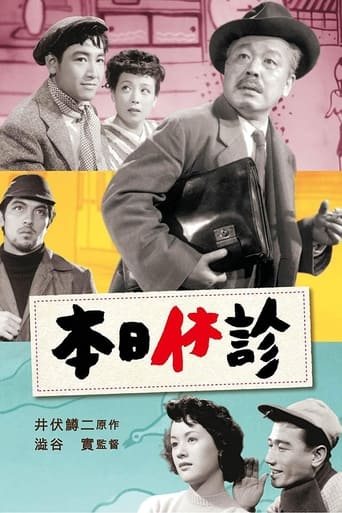
6.8Having completed the first year at his new medical practice, a doctor plans to relax on his day off. However, it is not to be: on this hectic day a man just back from the war front visits the doctor with a medical emergency, followed by a woman who claims to have been molested. Then a yakuza arrives to ask the doctor to cut his finger off...
Doctor's Day Off
1952
 7.8
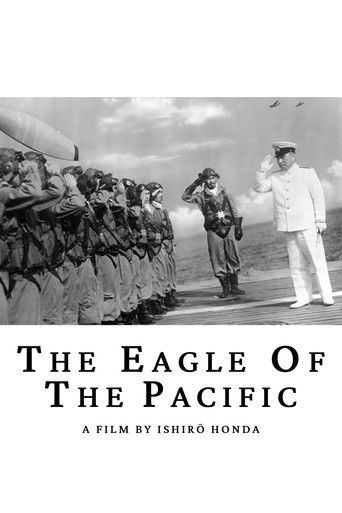
7.8Admiral Isoroku Yamamoto, a brilliant tactician, is a loyal subject of the emperor, despite his grave misgivings about leading Japan's navy into war with the United States. He opposes the attack on Pearl Harbor, but, overruled, he leads his forces to the best of his ability.
The Eagle of the Pacific
1953
 6.0
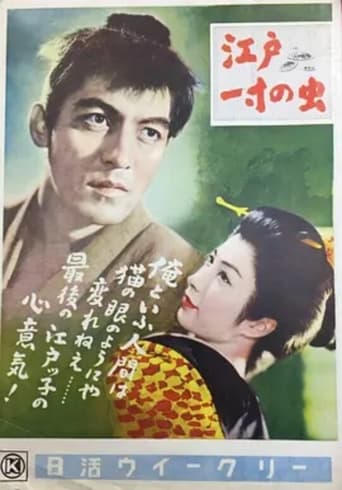
6.0This historical film depicts the life of a man who was at the mercy of the waves during transition from the end of the Edo period to the Meiji Restoration, and therefore, shows audience the dynamic change from Edo to Meiji. Before the war, the director, Eisuke Takizawa, together with the writers, formed a scenario writer group "Narutaki-gumi and they shot many historical masterpieces.
The Samurai of Edo
1955
 5.4
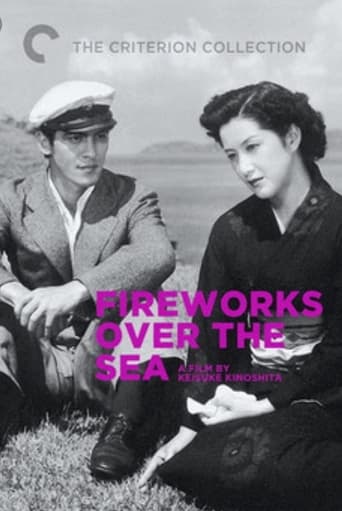
5.4A fishing union depends on two brothers to make up the losses caused by the dishonest captains they replaced.
Fireworks Over the Sea
1951
Series credits
8.0A shikakenin was an under-the-cover trade that undertook killing in Edo. Hanemon of Otowa, an agency that introduced laborers and maids, was also one of these. Katsugoro Iseya was a timber dealer who had come in as a client. His target was the constructions magistrate Hanno, and the Tatsumiya who sipped on the benefits. Hanemon who had a stong code towards killing, where he would only kill those who do no good to be in the world, accepts this request. Baian Fujieda, a needle doctor would carry out the killing. However, the professional killer Baian fails to bring down Tatsumiya. Hanemon then looks to another shikakenin, the ronin Sanai Nishimura for the role. Although Sanai's ability with the sword is good, he lives poorly in a tenement, and accepts this commission on the condition that it is kept a secret from his wife and child. Here, they close in on Hanno and Tatsumiya again...
Professional Killers
1972
NRThirteen years after his mother took her own life as a ritual sacrifice for the Black Mass, samurai Kyoshiro (Masakazu Tamura), who lives his life with his eyes turned away from happiness, uses his beloved sword to slay his enemies who come at him.....
Nemuri Kyoshiro
1972
NRThe story of two girls switched in an orphanage.
Akai Unmei
1976
 NR
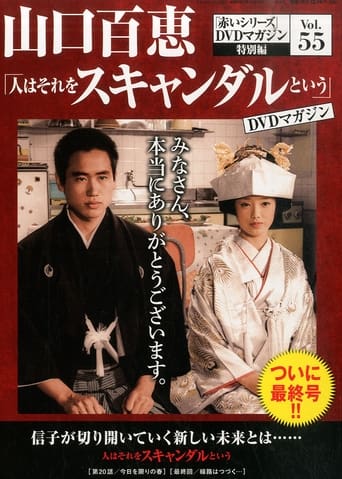
NRNo synopsis available yet.
Hito wa sore wo scandal to iu
1978
 NR
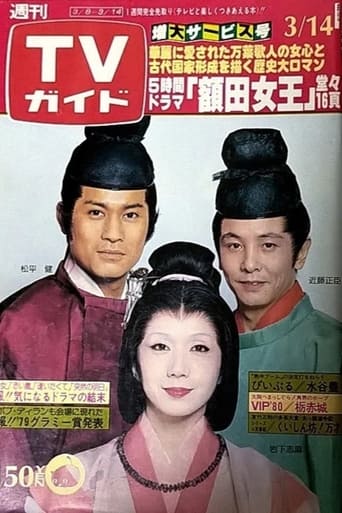
NRA historical romance about the life of Princess Nukata, a Manyo poetess who was loved by two brothers, Emperor Tenji and Emperor Tenmu, and the formation of an ancient nation.
Nukata no Ōkimi
1980
 6.5
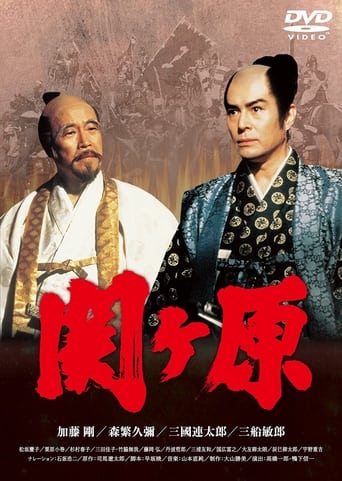
6.5Blockbuster drama based on the novel Sekigahara by Ryotaro Shiba, a program dedicated to the 30th anniversary of TBS. A total of 120 actors, 3,500 extras and about 500 horses recreated the largest battle in history, the Battle of Sekigahara, in which 200,000 warriors clashed from east and west. The battle, which can be called a turning point in the history of Japan, depicts the conflict, love and hate between people on a grand scale and with a great cast.
Sekigahara
1981
 8.0
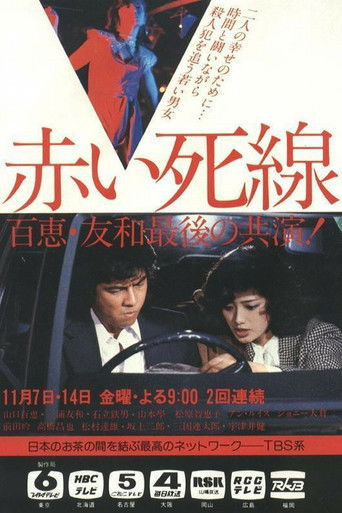
8.0When Ryoko, a ballerina turned disco dancer, gets entangled in a murder and a stolen 10 million yen, she must race against time to uncover the truth and return to her hometown.
Akai Shisen
1980
No synopsis available yet.
剣
1967
 NR
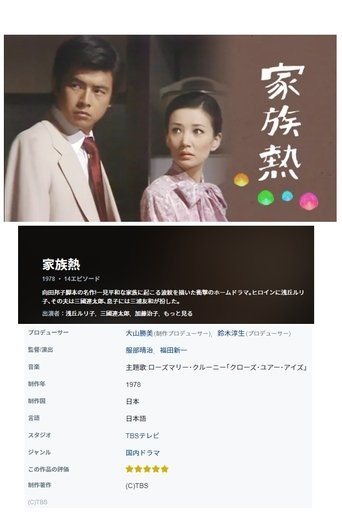
NRKuronuma Tomoko lives in a large house in Tokyo with her husband Kenzo, her two step sons and Kenzo's father. One day, she discovers that her husband has started seeing his previous wife again.
Kazoku Netsu
1978
No synopsis available yet.
子連れ狼
1984
Behind the camera
 5.8
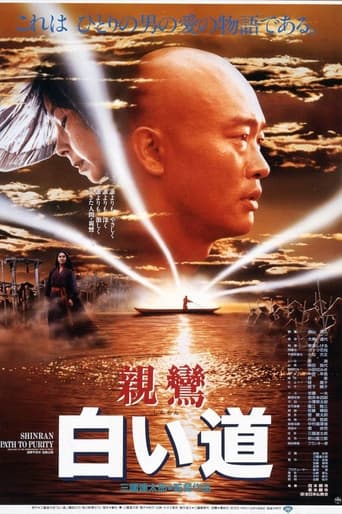
5.8In the 12th century, Buddhism was still a relatively new religion in Japan. At that time, one school (Shingon) offered extensive training in complex and very demanding practices which might eventually bring about spiritual purification and realization. Various Zen schools offered students a lengthy path, literally composed of a blank wall and unceasing meditation. Yet another school (Tendai) emphasized complex metaphysics and the study of philosophical systems. Basically, all of them were designed to cater to the few who were able to give up everything else in their lives and focus on liberation, such as scholars and noblemen. In this historical and biographical drama, this is the situation that the young Shinran (1173-1263) discovered when he began exploring Buddhism as an alternative to the violence and ceaseless civil wars that racked Japan at the time.
Shinran: Path to Purity
1987
5.8In the 12th century, Buddhism was still a relatively new religion in Japan. At that time, one school (Shingon) offered extensive training in complex and very demanding practices which might eventually bring about spiritual purification and realization. Various Zen schools offered students a lengthy path, literally composed of a blank wall and unceasing meditation. Yet another school (Tendai) emphasized complex metaphysics and the study of philosophical systems. Basically, all of them were designed to cater to the few who were able to give up everything else in their lives and focus on liberation, such as scholars and noblemen. In this historical and biographical drama, this is the situation that the young Shinran (1173-1263) discovered when he began exploring Buddhism as an alternative to the violence and ceaseless civil wars that racked Japan at the time.
Shinran: Path to Purity
1987