
Acting
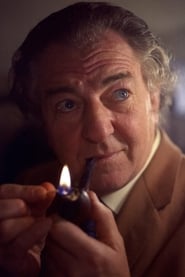
Rupert Davies
Born — Died
1916-05-22 — 1976-11-22
Place of birth
Liverpool, Lancashire, England, UK
Known for
Acting
Credits
80 titles
From Wikipedia, the free encyclopedia Rupert Davies (22 May 1916 – 22 November 1976) was a British actor. He remains best known for playing the title role in the BBC's 1960s television adaptation of Maigret, based on the Maigret novels written by Georges Simenon. Davies was born in Liverpool. After a service in the British Merchant Navy, during the Second World War he was a Sub-Lieutenant Observer with the Fleet Air Arm. In 1940 the Swordfish aircraft in which he was flying ditched in the sea off the Dutch Coast. Davies was captured and interned in the famous Stalag Luft III POW camp. He made three attempts to escape. All failed. It was during his captivity that he began to take part in th…
Known for
 6.6
6.6Play for Today is a British television anthology drama series, produced by the BBC and transmitted on BBC1 from 1970 to 1984. During the run, more than three hundred programmes, featuring original television plays, and adaptations of stage plays and novels, were transmitted. The individual episodes were between fifty and a hundred minutes in duration.
Play for Today
1970
 5.2
5.2A BBC television anthology series featuring productions of classic and contemporary stage plays usually broadcast on BBC1. Each production featured a different work, often using prominent British stage actors in the leading roles. The series was transmitted from October 1965 to September 1983.
BBC Play of the Month
1965
 5.2
5.2An anthology series of television plays which aired on BBC1 from October 1964 to May 1970. The plays were usually written for television, although adaptations from other sources also featured.
The Wednesday Play
1964
 4.2
4.2An anthology of short plays shown on BBC Television between 1965 and 1973, used in part at least as a training ground for new writers, on account of its short length, and which therefore attracted many writers who later became well known.
Thirty-Minute Theatre
1965
 3.5
3.5Sunday Night Theatre was a long-running series of televised live television plays screened by BBC Television from early 1950 until 1959. The productions for the first five years or so of the run were re-staged live the following Thursday, partly because of technical limitations in this era, and the theatrical basis of early television drama. Some of the earliest collaborations between Rudolph Cartier and Nigel Neale were produced for this series, including Arrow to the Heart and Nineteen Eighty-Four. The Sunday night drama slot was subsequently renamed The Sunday-Night Play which ran for four seasons between 1960 and 1963. ITV transmitted its own unrelated run of Sunday Night Theatre between 1971 and 1974.
Sunday Night Theatre
1950
 6.4
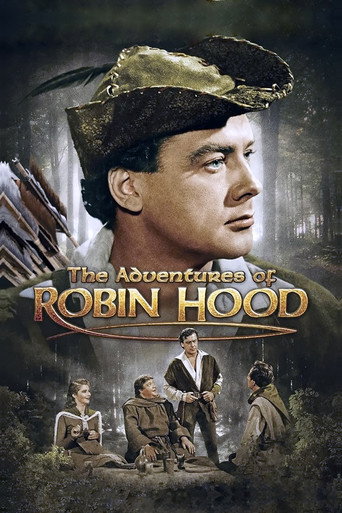
6.4The legendary character Robin Hood and his band of merry men in Sherwood Forest and the surrounding vicinity. While some episodes dramatised the traditional Robin Hood tales, most episodes were original dramas created by the show's writers and producers.
The Adventures of Robin Hood
1955
Film credits
1990s · 1 titles
1980s · 2 titles

1970s · 7 titles
 7.1
7.1After defeating France and imprisoning Napoleon on Elba, ending two decades of war, Europe is shocked to find Napoleon has escaped and has caused the French Army to defect from the King back to him. The best of the British generals, the Duke of Wellington, beat Napolean's best generals in Spain and Portugal, but now must beat Napoleon himself with an Anglo Allied army.
Waterloo
1970
 6.5
6.5An insane Swedish farmer escapes from an asylum to get revenge on his sister, her husband and others.
The Night Visitor
1971
 6.2
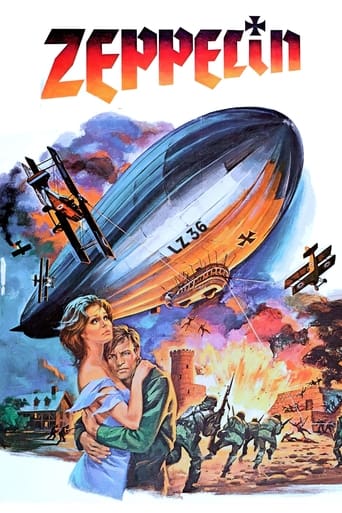
6.2The outbreak of World War I places Scots officer Geoffrey Richter-Douglas in an uncomfortable position. Although his allegiance is to Britain, his mother was from an aristocratic Bavarian family, and he spent his summers in Germany as a child. When Geoffrey is approached by a German spy who offers him a chance to defect, he reports the incident to his superiors, but instead of arresting the spy they suggest that he accept her offer--and become an Allied agent. In Germany, among old friends, Geoffrey discovers that loyalty is more complicated than he expected, especially when he finds himself aboard the maiden voyage of a powerful new prototype Zeppelin, headed for Scotland on a secret mission that could decide the outcome of the war.
Zeppelin
1971
 6.4
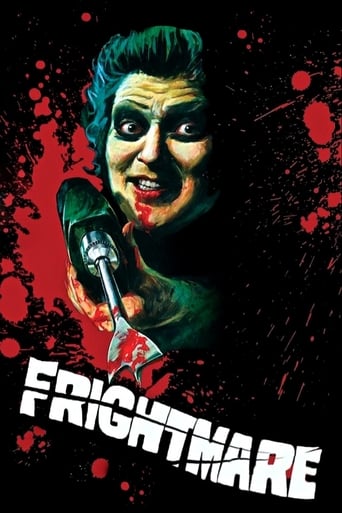
6.4In 1957, Dorothy and Edmund Yates were committed to an institution for the criminally insane, she for acts of murder and cannibalism and he for covering up her crimes. Fifteen years later, they are pronounced fit for society and released. However, in Dorothy's case the doctors may have jumped the gun a bit. Edmund and eldest daughter, Jackie, try to discover just how far Mother's bloodlust has taken her. Meanwhile, youngest daughter Debbie begins to explore the crazy roots of her family tree as fully as possible.
Frightmare
1974
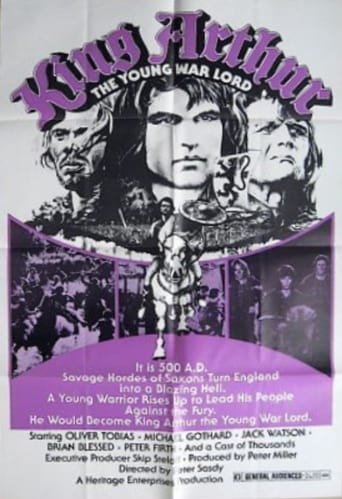 7.0
7.0This is the inspiring, epic journey of a noble warrior's quest to prove his worth, his might, and his destined fate to become the next ruler of Britain.
King Arthur, the Young Warlord
1975
 7.5
7.5Vice-Chancellor Bartley Humbolt has problems. His young university is almost bankrupt, his wife is threatening to leave him, his protege professor from industry is threatening to overshadow him, and his prestigious professor of history is threatening to resign. But Bartley is a born manipulator. And when he gives a dinner party, he has something very special in mind - for afters.
The After Dinner Game
1975
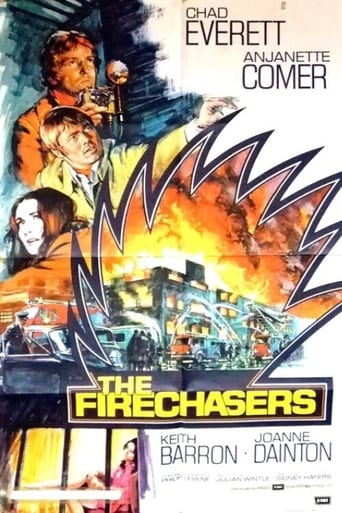 7.7
7.7Insurance investigator must find out who is setting fires. Along the way he meets and works with a beautiful newspaper reporter and falls in love.
The Firechasers
1971
1960s · 15 titles
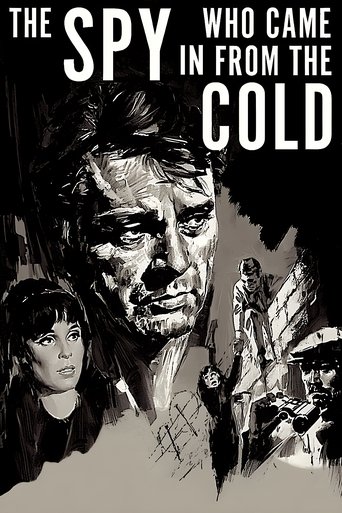 7.1
7.1British agent Alec Leamas refuses to come in from the Cold War during the 1960s, choosing to face another mission, which may prove to be his final one.
The Spy Who Came In from the Cold
1965
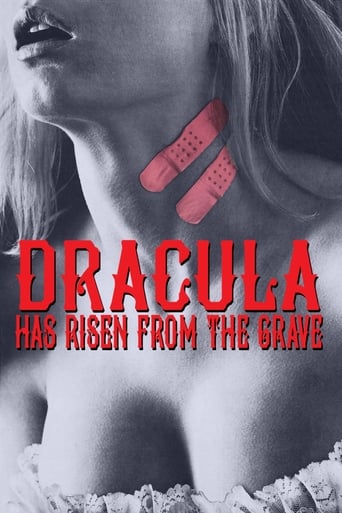 6.7
6.7In the shadow of Castle Dracula, the Prince of Darkness is revived by blood trickling from the head-wound of an unconscious priest attempting exorcism. And once more fear and terror strikes Transylvania as the undead Prince of Darkness stalks the village of Keineneburg to ensnare victims and satisfy his evil thirst.
Dracula Has Risen from the Grave
1968
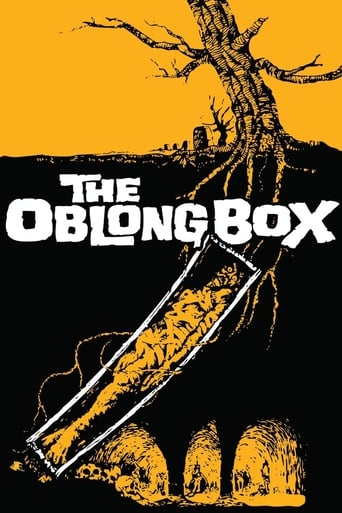 5.8
5.8Evil lurks in the gloomy house at Markham Manor where a deranged Sir Edward is the chained prisoner of his brother Julian. When Sir Edward escapes, he embarks on a monstrous killing spree, determined to seek revenge on all those whom he feels have double-crossed him.
The Oblong Box
1969
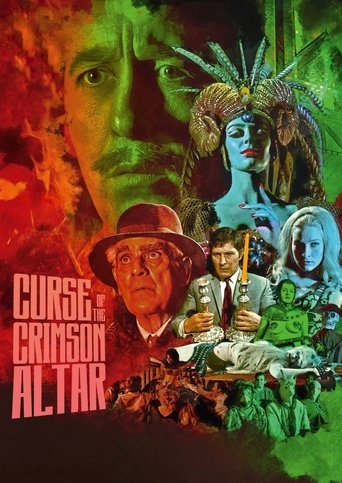 5.2
5.2When his brother disappears, a man visits the remote country house where he was last seen. While the host seems outwardly friendly and his niece more demonstrably so, there's a feeling of menace in the air with the overhanging legend of Lavinia Morley, the Black Witch of Greymarsh.
Curse of the Crimson Altar
1968
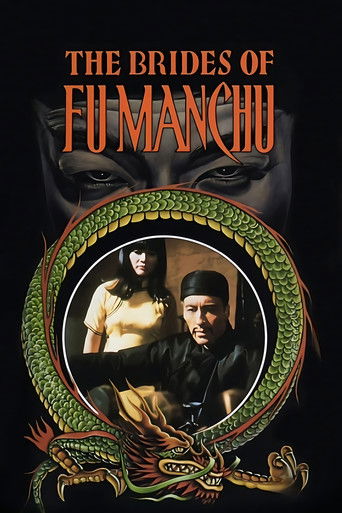 5.9
5.9This time Fu Manchu and his army of henchmen are kidnaping the daughters of prominent scientists and taking them to his remote island headquarters. Instead of asking for ransom, Fu demands that the fathers help him to build a death ray, which he intends to use to take over the world. But Fu's archenemy, Nayland Smith of Scotland Yard, is determined not to let that happen.
The Brides of Fu Manchu
1966
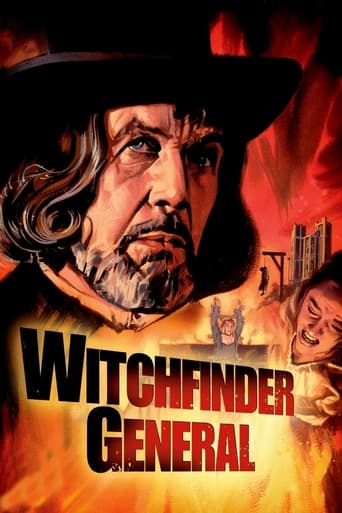 6.5
6.5England, 1645. The cruel civil war between Royalists and Parliamentarians that is ravaging the country causes an era of chaos and legal arbitrariness that allows unscrupulous men to profit by exploiting the absurd superstitions of the peasants; like Matthew Hopkins, a monster disguised as a man who wanders from town to town offering his services as a witch hunter.
Witchfinder General
1968
 6.5
6.5When a robbery at a racetrack goes wrong ex-con Johnny Bannion is caught and sent back to prison. He won't tell the rest of the gang where he has stashed the loot leading to violent consequences.
The Criminal
1960
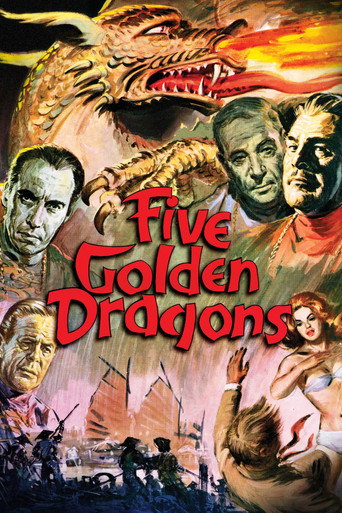 5.2
5.2While travelling through Hong Kong, Bob Mitchell accidentally stumbles into the middle of criminal negotiations between a mean gang, the Five Golden Dragons and the local mobsters.
Five Golden Dragons
1967
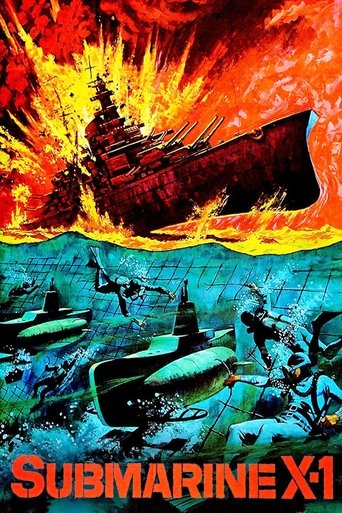 6.2
6.2After losing a submarine and fifty crew in a battle with a German ship during WWII, a Royal Navy officer gets a second chance in a daring raid with midget subs.
Submarine X-1
1968
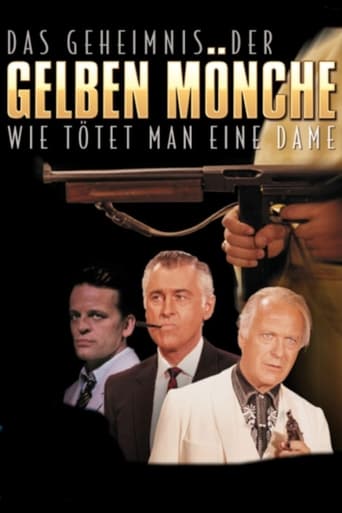 6.4
6.4A secret agent is charged with preventing a crime syndicate's plot to assassinate a young heiress.
Target for Killing
1966
 NR
NRInspector Maigret responds to a call from a young woman in the middle of the night, but he then finds himself accused of raping her. He is forced to clear his name, and search for what had really taken place that night.
Maigret at Bay
1969
 6.4
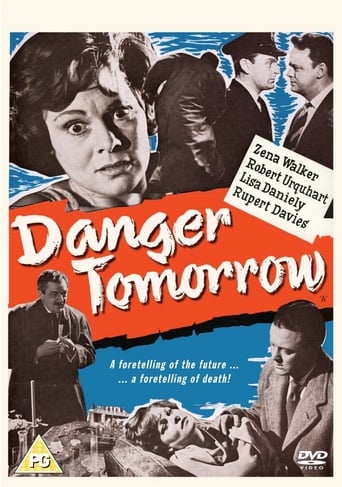
6.4A woman with extra-sensory perception has a vision of a murder.
Danger Tomorrow
1960
 7.0
7.0Gus is a seven-year-old uncle who struggles with the responsibility placed upon him when his nephew Tom comes to spend the summer holidays with his family.
The Uncle
1964
 10.0
10.0A lodger, recuperating from a heart attack, sets his sights on his landlady.
The Big Breaker
1964
Murder mystery featuring Maigret.
Maigret Plays Dirty
1966
1950s · 13 titles
 6.0
6.0The career of Revolutionary War naval hero John Paul Jones, from his youth in Scotland through his service to Catherine the Great of Russia.
John Paul Jones
1959
 7.0
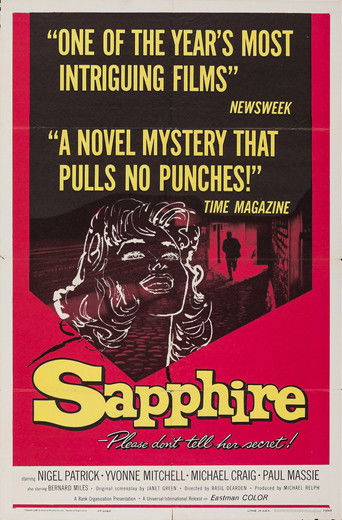
7.0Two Scotland Yard detectives investigate the murder of a young woman of mixed race who had been passing for white. As they interview a spate of suspects -- including the girl's white boyfriend and his disapproving parents -- the detectives wade through a stubbornly entrenched sludge of racism and bigotry.
Sapphire
1959
 6.7
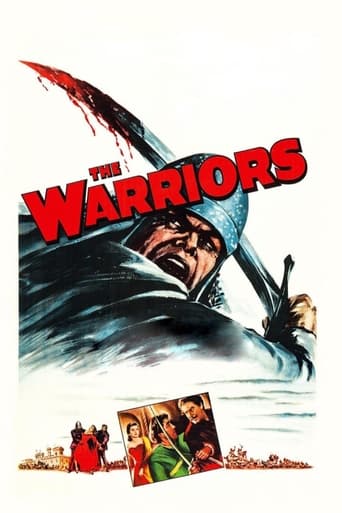
6.7Edward, Prince of Wales, son and heir to his father King Edward III of England, leads an English army to the French province of Aquitaine to protect the inhabitant from the ravages of the French. After defeating the French in battle, the defeated French plot to kill the prince. Failing in this, they kidnap his lady, the lovely Lady Joan Holland. Of course Prince Edward has to ride to the rescue, adopting numerous guises to save his paramour, which ultimately end in him leading his men into one final climactic battle against the French. (Also known as "The Warriors" and "The Black Prince").
The Dark Avenger
1955
 7.6
7.6One time members of a resistance group come together every year to remember their dead leader, betrayed to and executed by the Nazis. When it seems that they might finally know the name of the traitor - and that he or she comes from within their own unit - their annual gathering becomes a deadly trial...
The Traitor
1957
 6.1
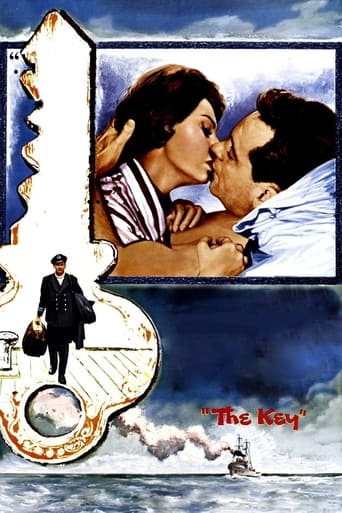
6.1In wartime England, circa 1941, poorly-armed tugs are sent into "U-Boat Alley" to rescue damaged Allied ships. An American named David Ross arrives to captain one of these tugs. He's given a key by a fellow tugboat-man -- a key to an apartment and its pretty female resident. Should something happen to the friend, Ross can use the key.
The Key
1958
 6.0
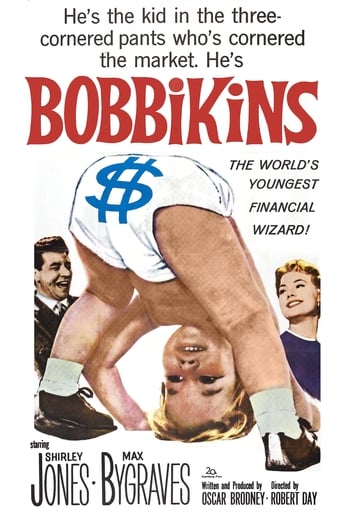
6.0This adventure follows the story of a young navy man, his wife and their baby son, Bobby, also known as Bobbikins. To his surprise, Dad discovers his son talks, not baby-talk or gibberish but has adult conversations with his father only. Bobbikins learns stock market tips and passes them to his Dad. After making a killing on the stock market, problems really begin. The dad is presumed mad, the government is after him, and the breakdown of relations between the young couple ensues. But there is hope.
Bobbikins
1959
 7.0
7.0The police, with the help of a baker, try to find the owner a loaf of bread accidentally poisoned with potassium cyanide.
Devil's Bait
1959
 7.0
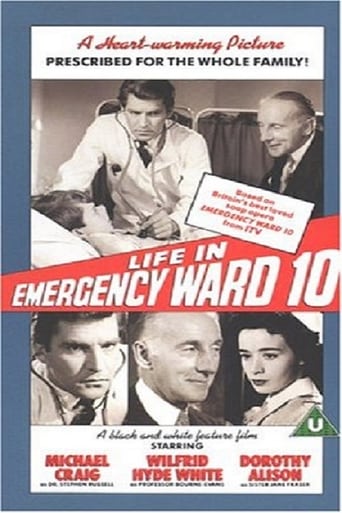
7.0Life in Emergency Ward 10 is a 1959 film directed by Robert Day. It stars Michael Craig and Wilfrid Hyde-White. It was based on the television series Emergency – Ward 10
Life In Emergency Ward 10
1959
 6.1
6.1The captain of a tugboat harboured off a Spanish village is lured into a romantic involvement with a young girl at the behest of her father, in the hope of getting his hands on the vessel. Meanwhile, a handsome English sailor, signs on to the boat and before long he and the girl fall for one another. Meanwhile a sinking freighter carrying explosive cargo has to be salvaged....
Sea Fury
1958
 7.0
7.0Sad tale of a woman who marries the man her family wishes her to wed, not Wooland, the man she truly loves. Years after her lover's suicide, Herlie joins him before the Gestapo can get to her because of her Jewish ancestry.
The Angel with the Trumpet
1950
 7.1
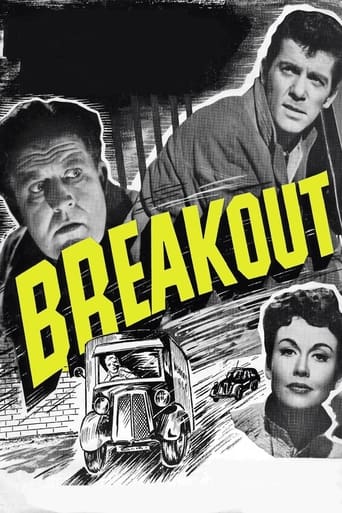
7.1In 1943, an Italian-administered POW camp for captured Allies embark on a series of failed escapes only to culminate in a daring plan for a dramatic mass escape.
Breakout
1959
Geoffrey Hansbury's clothing empire is on the verge of collapse. His health his deteriorating and relies on his secretary Jane Harrison, who is also his mistress. All their efforts are needed to get the deal that will save his business.
The Thought of Tomorrow
1959
Wartime army deserter Douglas Baines lies low in a shabby flat with his girlfriend Daisy and the couple's small son, Jiffy. Returning with a toy for the boy's birthday, Baines learns that Daisy has had him adopted. He kills her and goes on the run.
Violent Moment
1959
Series credits
6.6Play for Today is a British television anthology drama series, produced by the BBC and transmitted on BBC1 from 1970 to 1984. During the run, more than three hundred programmes, featuring original television plays, and adaptations of stage plays and novels, were transmitted. The individual episodes were between fifty and a hundred minutes in duration.
Play for Today
1970
5.2A BBC television anthology series featuring productions of classic and contemporary stage plays usually broadcast on BBC1. Each production featured a different work, often using prominent British stage actors in the leading roles. The series was transmitted from October 1965 to September 1983.
BBC Play of the Month
1965
5.2An anthology series of television plays which aired on BBC1 from October 1964 to May 1970. The plays were usually written for television, although adaptations from other sources also featured.
The Wednesday Play
1964
4.2An anthology of short plays shown on BBC Television between 1965 and 1973, used in part at least as a training ground for new writers, on account of its short length, and which therefore attracted many writers who later became well known.
Thirty-Minute Theatre
1965
3.5Sunday Night Theatre was a long-running series of televised live television plays screened by BBC Television from early 1950 until 1959. The productions for the first five years or so of the run were re-staged live the following Thursday, partly because of technical limitations in this era, and the theatrical basis of early television drama. Some of the earliest collaborations between Rudolph Cartier and Nigel Neale were produced for this series, including Arrow to the Heart and Nineteen Eighty-Four. The Sunday night drama slot was subsequently renamed The Sunday-Night Play which ran for four seasons between 1960 and 1963. ITV transmitted its own unrelated run of Sunday Night Theatre between 1971 and 1974.
Sunday Night Theatre
1950
3.5Sunday Night Theatre was a long-running series of televised live television plays screened by BBC Television from early 1950 until 1959. The productions for the first five years or so of the run were re-staged live the following Thursday, partly because of technical limitations in this era, and the theatrical basis of early television drama. Some of the earliest collaborations between Rudolph Cartier and Nigel Neale were produced for this series, including Arrow to the Heart and Nineteen Eighty-Four. The Sunday night drama slot was subsequently renamed The Sunday-Night Play which ran for four seasons between 1960 and 1963. ITV transmitted its own unrelated run of Sunday Night Theatre between 1971 and 1974.
Sunday Night Theatre
1950
3.5Sunday Night Theatre was a long-running series of televised live television plays screened by BBC Television from early 1950 until 1959. The productions for the first five years or so of the run were re-staged live the following Thursday, partly because of technical limitations in this era, and the theatrical basis of early television drama. Some of the earliest collaborations between Rudolph Cartier and Nigel Neale were produced for this series, including Arrow to the Heart and Nineteen Eighty-Four. The Sunday night drama slot was subsequently renamed The Sunday-Night Play which ran for four seasons between 1960 and 1963. ITV transmitted its own unrelated run of Sunday Night Theatre between 1971 and 1974.
Sunday Night Theatre
1950
3.5Sunday Night Theatre was a long-running series of televised live television plays screened by BBC Television from early 1950 until 1959. The productions for the first five years or so of the run were re-staged live the following Thursday, partly because of technical limitations in this era, and the theatrical basis of early television drama. Some of the earliest collaborations between Rudolph Cartier and Nigel Neale were produced for this series, including Arrow to the Heart and Nineteen Eighty-Four. The Sunday night drama slot was subsequently renamed The Sunday-Night Play which ran for four seasons between 1960 and 1963. ITV transmitted its own unrelated run of Sunday Night Theatre between 1971 and 1974.
Sunday Night Theatre
1950
3.5Sunday Night Theatre was a long-running series of televised live television plays screened by BBC Television from early 1950 until 1959. The productions for the first five years or so of the run were re-staged live the following Thursday, partly because of technical limitations in this era, and the theatrical basis of early television drama. Some of the earliest collaborations between Rudolph Cartier and Nigel Neale were produced for this series, including Arrow to the Heart and Nineteen Eighty-Four. The Sunday night drama slot was subsequently renamed The Sunday-Night Play which ran for four seasons between 1960 and 1963. ITV transmitted its own unrelated run of Sunday Night Theatre between 1971 and 1974.
Sunday Night Theatre
1950
3.5Sunday Night Theatre was a long-running series of televised live television plays screened by BBC Television from early 1950 until 1959. The productions for the first five years or so of the run were re-staged live the following Thursday, partly because of technical limitations in this era, and the theatrical basis of early television drama. Some of the earliest collaborations between Rudolph Cartier and Nigel Neale were produced for this series, including Arrow to the Heart and Nineteen Eighty-Four. The Sunday night drama slot was subsequently renamed The Sunday-Night Play which ran for four seasons between 1960 and 1963. ITV transmitted its own unrelated run of Sunday Night Theatre between 1971 and 1974.
Sunday Night Theatre
1950
3.5Sunday Night Theatre was a long-running series of televised live television plays screened by BBC Television from early 1950 until 1959. The productions for the first five years or so of the run were re-staged live the following Thursday, partly because of technical limitations in this era, and the theatrical basis of early television drama. Some of the earliest collaborations between Rudolph Cartier and Nigel Neale were produced for this series, including Arrow to the Heart and Nineteen Eighty-Four. The Sunday night drama slot was subsequently renamed The Sunday-Night Play which ran for four seasons between 1960 and 1963. ITV transmitted its own unrelated run of Sunday Night Theatre between 1971 and 1974.
Sunday Night Theatre
1950
3.5Sunday Night Theatre was a long-running series of televised live television plays screened by BBC Television from early 1950 until 1959. The productions for the first five years or so of the run were re-staged live the following Thursday, partly because of technical limitations in this era, and the theatrical basis of early television drama. Some of the earliest collaborations between Rudolph Cartier and Nigel Neale were produced for this series, including Arrow to the Heart and Nineteen Eighty-Four. The Sunday night drama slot was subsequently renamed The Sunday-Night Play which ran for four seasons between 1960 and 1963. ITV transmitted its own unrelated run of Sunday Night Theatre between 1971 and 1974.
Sunday Night Theatre
1950
3.5Sunday Night Theatre was a long-running series of televised live television plays screened by BBC Television from early 1950 until 1959. The productions for the first five years or so of the run were re-staged live the following Thursday, partly because of technical limitations in this era, and the theatrical basis of early television drama. Some of the earliest collaborations between Rudolph Cartier and Nigel Neale were produced for this series, including Arrow to the Heart and Nineteen Eighty-Four. The Sunday night drama slot was subsequently renamed The Sunday-Night Play which ran for four seasons between 1960 and 1963. ITV transmitted its own unrelated run of Sunday Night Theatre between 1971 and 1974.
Sunday Night Theatre
1950
3.5Sunday Night Theatre was a long-running series of televised live television plays screened by BBC Television from early 1950 until 1959. The productions for the first five years or so of the run were re-staged live the following Thursday, partly because of technical limitations in this era, and the theatrical basis of early television drama. Some of the earliest collaborations between Rudolph Cartier and Nigel Neale were produced for this series, including Arrow to the Heart and Nineteen Eighty-Four. The Sunday night drama slot was subsequently renamed The Sunday-Night Play which ran for four seasons between 1960 and 1963. ITV transmitted its own unrelated run of Sunday Night Theatre between 1971 and 1974.
Sunday Night Theatre
1950
3.5Sunday Night Theatre was a long-running series of televised live television plays screened by BBC Television from early 1950 until 1959. The productions for the first five years or so of the run were re-staged live the following Thursday, partly because of technical limitations in this era, and the theatrical basis of early television drama. Some of the earliest collaborations between Rudolph Cartier and Nigel Neale were produced for this series, including Arrow to the Heart and Nineteen Eighty-Four. The Sunday night drama slot was subsequently renamed The Sunday-Night Play which ran for four seasons between 1960 and 1963. ITV transmitted its own unrelated run of Sunday Night Theatre between 1971 and 1974.
Sunday Night Theatre
1950
6.4The legendary character Robin Hood and his band of merry men in Sherwood Forest and the surrounding vicinity. While some episodes dramatised the traditional Robin Hood tales, most episodes were original dramas created by the show's writers and producers.
The Adventures of Robin Hood
1955
 7.3
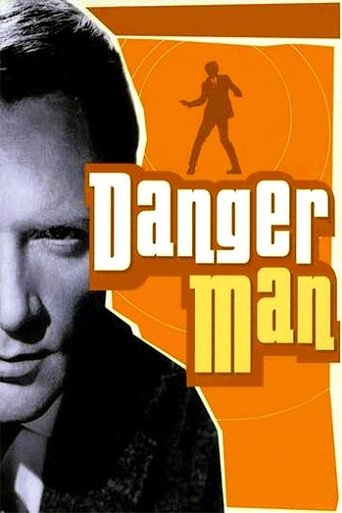
7.3Danger Man is a British television series which was broadcast between 1960 and 1962, and again between 1964 and 1968. The series featured Patrick McGoohan as secret agent John Drake. Ralph Smart created the programme and wrote many of the scripts. Danger Man was financed by Lew Grade's ITC Entertainment.
Danger Man
1960
 6.5
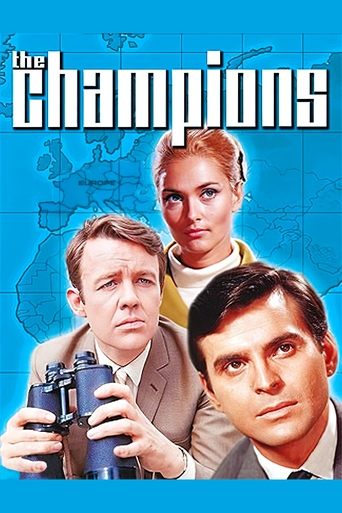
6.5After a plane carrying three Agents crashes in the Himalayas, they are rescued by an advanced civilisation secretly living in Tibet who grant them enhanced versions of the ordinary five senses, and intellectual and physical abilities.
The Champions
1968
BBC anthology drama series that ran over four seasons and replaced the previous BBC Sunday Night Theatre series.
Sunday-Night Play
1960
 7.1
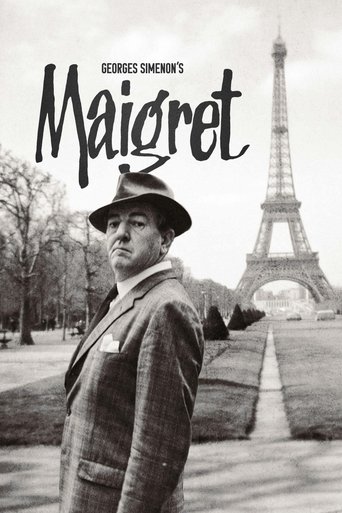
7.1BBC series based on the novels by Georges Simenon which starred Rupert Davies as Inspector Maigret, a French police detective who preferred to watch and listen in order to solve crimes. The series ran from 1960-63 on British television.
Maigret
1960
 6.8
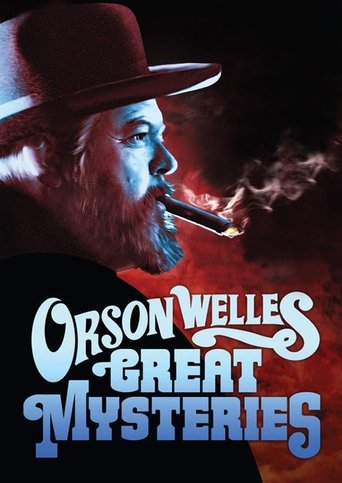
6.8Orson Welles’ Great Mysteries is a British television anthology series produced by Anglia Television for the ITV network and broadcast between 1973 and 1974. The series presents standalone adaptations of classic mystery, crime, and supernatural stories drawn from literary sources including Dickens, Conan Doyle, Wilkie Collins, Balzac, Maugham, O. Henry, and others. Each episode is framed by original introductory and closing sequences performed by Orson Welles, who serves as the series’ host and sole recurring on-screen presence. These segments, written and directed by Welles (uncredited), function as stylized narrative framing devices rather than dramatic participation in the stories themselves. The dramatic content of each episode is performed by separate casts and directors, with no continuing characters or serialized narrative, establishing the series as a unified television anthology rather than a collection of standalone films.
Orson Welles' Great Mysteries
1973
 7.2
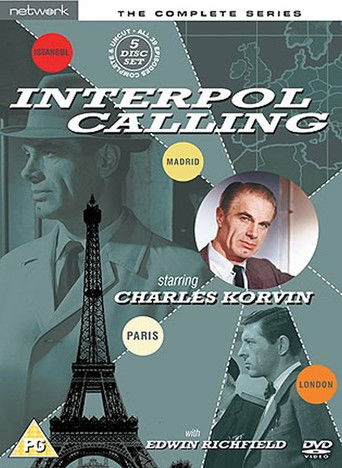
7.2The adventures of Interpol policemen Duval and Mornay as they fought against international drug-running, homicide, robbery and forgery.
Interpol Calling
1959
 7.2
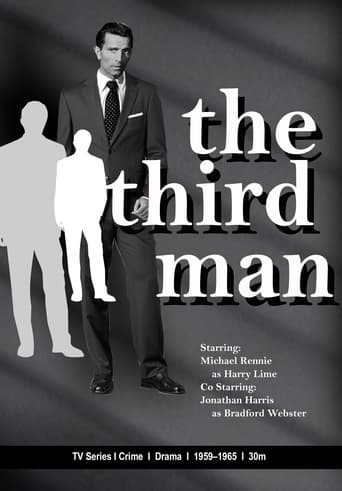
7.2No synopsis available yet.
The Third Man
1959
7.2No synopsis available yet.
The Third Man
1959
 6.4
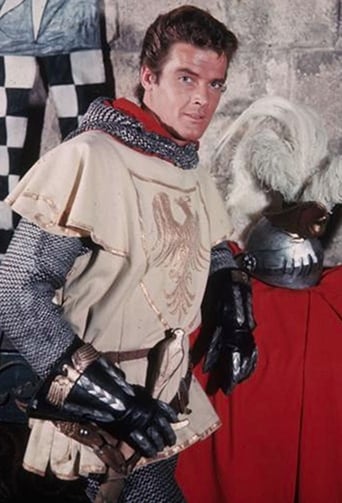
6.4Ivanhoe is a British television series first shown on ITV in 1958-59. The show features Roger Moore in his first starring role, as Sir Wilfred of Ivanhoe, in a series of adventures aimed at a children's audience. The characters were drawn loosely from Sir Walter Scott's 1819 novel.
Ivanhoe
1958
 7.2
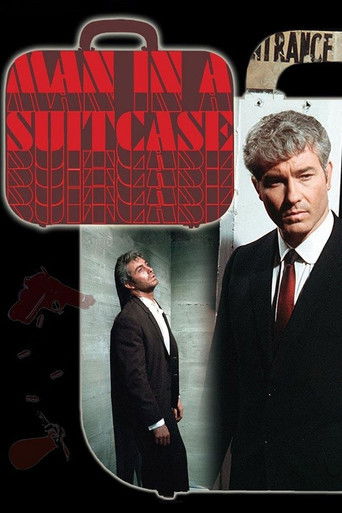
7.2Accused of treason, a former U.S. intelligence officer based in London tries to clear his name, taking on freelance jobs around Europe as he searches for answers.
Man in a Suitcase
1967
An anthology of single plays offering up adaptations of either of prominent stage plays or novels.
Festival
1963
 10.0
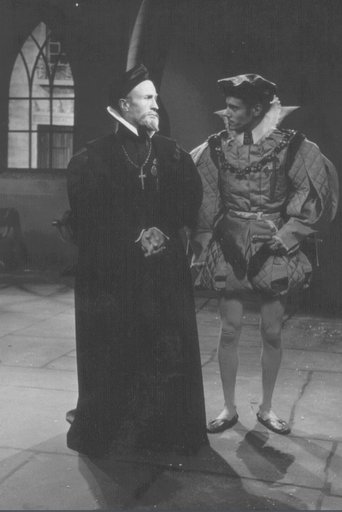
10.0Folio, a precursor to CBC's renowned fine-arts series Festival, aired for four years starting in 1956. The series showcased original dramas, music compositions, and ballets, many originating from diverse regions across Canada. Notable episodes featured Barry Morse in a new staging of MacBeth, along with performances by Canadian talents like Robert Goulet and Sharon Acker. One of the highlights included a musical adaptation of the beloved Canadian classic, Anne of Green Gables. Airing without sponsorship, Folio thrived until its conclusion in the fall of 1960. Producers: Robert Allen, Harvey Hart, David Greene, Mario Prizek and Ronald Weyman.
Folio
1955
 7.0
7.0Ready Steady Go! is one of the UK's first rock/pop music television programmes and was a forerunner of MTV-type programming. It was conceived by Elkan Allan, head of Rediffusion TV. Allan was assisted by record producer/talent manager Vicki Wickham, who became the show's producer, and Michael Lindsay-Hogg who was appointed the show's director in 1965. It was broadcast from August 1963 until December 1966. It was produced by Associated-Rediffusion the weekday ITV contractor for London, called Rediffusion-London post 1964. The live show was eventually networked nationally. The show gained its highest ratings on 20 March 1964 when it featured the Beatles being interviewed and performing their songs "It Won't Be Long", "You Can't Do That" and "Can't Buy Me Love" - the last of which was a hit at the time. RSG! USA! was a Dick Clark production in 1964. A trademark infringement ended the show after six episodes. Its last episode was broadcast on 23 December 1966.
Ready Steady Go!
1963
 7.0
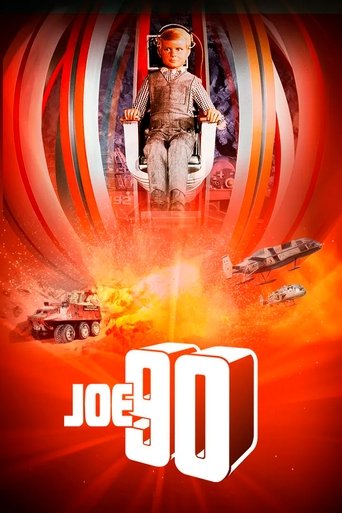
7.0Joe 90 is a 1960s British science-fiction television series following the adventures of a nine-year-old child, Joe McClaine, who starts a double life as a schoolboy-turned-spy when his scientist father invents a device capable of duplicating and transferring expert knowledge and experience from one human brain to another. Equipped with the skills of the foremost academic and military minds, Joe is recruited by the World Intelligence Network and, becoming its "Most Special Agent", pursues the ideal of world peace and saving human life.
Joe 90
1968
 9.0
9.0A BBC anthology series featuring adaptations of detective stories over 45 episodes in three seasons that ran from 1964 to 1969. As with many BBC programmes made before the early 1970s, many of its episodes no longer exist. Of the eighteen episodes from the first season only twelve are currently known to exist; likewise six of the sixteen editions from the second run are considered lost, and just one of the final ten survives in the archives.
Detective
1964
9.0A BBC anthology series featuring adaptations of detective stories over 45 episodes in three seasons that ran from 1964 to 1969. As with many BBC programmes made before the early 1970s, many of its episodes no longer exist. Of the eighteen episodes from the first season only twelve are currently known to exist; likewise six of the sixteen editions from the second run are considered lost, and just one of the final ten survives in the archives.
Detective
1964
9.0A BBC anthology series featuring adaptations of detective stories over 45 episodes in three seasons that ran from 1964 to 1969. As with many BBC programmes made before the early 1970s, many of its episodes no longer exist. Of the eighteen episodes from the first season only twelve are currently known to exist; likewise six of the sixteen editions from the second run are considered lost, and just one of the final ten survives in the archives.
Detective
1964
 7.1
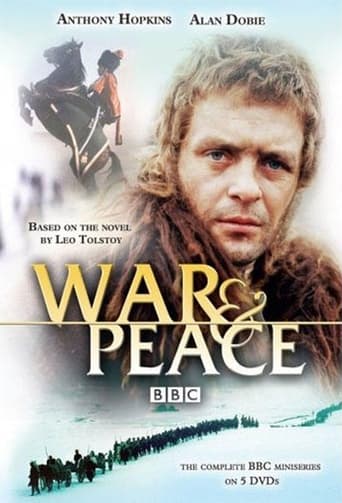
7.1The love story of young Countess Natasha Rostova and Count Pierre Bezukhov is interwoven with the Great Patriotic War of 1812 against Napoleon's invading army.
War & Peace
1972
 7.1
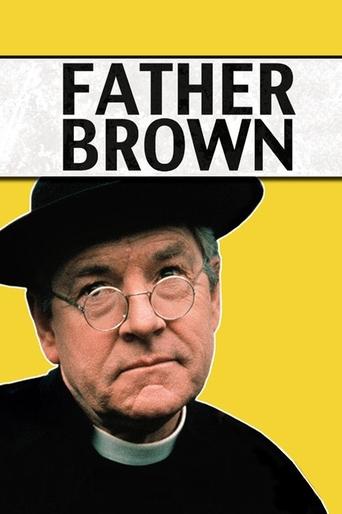
7.1Based on the short stories by G. K. Chesterton, Father Brown is a Roman Catholic priest and amateur detective.
Father Brown
1974
 7.3
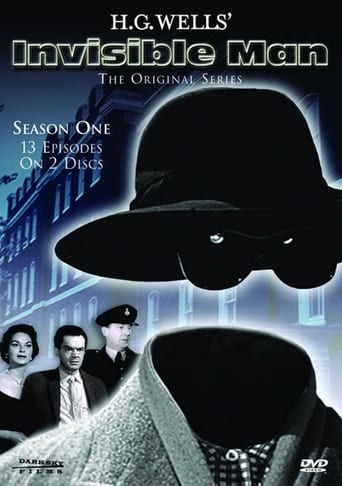
7.3British scientist Peter Brady, while working on an invisibility formula, suffers a tragic accident which turns himself invisible. Unfortunately, there is no antidote, so, while working on a method to regain his visibility, he undertakes missions for his government stopping bad guys.
The Invisible Man
1958
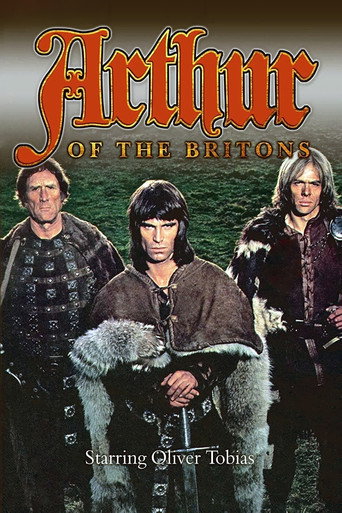 8.0
8.0This series strips away the elaborate medieval view of Camelot, and presents Arthur as the chief of a small Celt tribe in Dark-Ages Britain, a century or two after the withdrawal of Rome. Arthur struggles to weave the scattered tribes of Celts, Jutes, etc. into a union that can effectively oppose the Saxon invaders who are arriving in Britain in growing numbers. He is aided by his adoptive father, Llud, and his foster brother, Kai, who is himself a Saxon foundling.
Arthur of the Britons
1972
 8.0
8.0A half-hour anthology series.
Lilli Palmer Theatre
1955
 6.3
6.3Professor Bernard Quatermass of the British Experimental Rocket Group is sought to examine strange meteorite showers. His investigations lead to his uncovering a conspiracy involving alien infiltration at the highest levels of the British Government. As even some of Quatermass's closest colleagues fall victim to the alien influence, he is forced to use his own unsafe rocket prototype, which recently caused a nuclear disaster at an Australian testing range, to prevent the aliens from taking over mankind.
Quatermass II
1955
 6.0
6.0Armchair Theatre is a British television drama anthology series of single plays that ran on the ITV network from 1956 to 1974. It was originally produced by Associated British Corporation, and later by Thames Television from mid-1968.
Armchair Theatre
1956