
Acting
Noriko Honma
Born — Died
1911-11-29 — 2009-04-12
Place of birth
Yubari, Hokkaido, Japan
Known for
Acting
Credits
60 titles
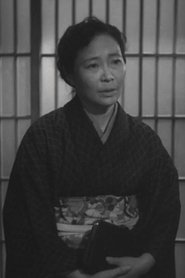
Noriko Honma (本間文子 Honma Noriko, born 29 November 1911 - 12 April 2009) is a Japanese actress whose film work occurred primarily during the 1950s. She was born in Hokkaido. She worked in many of Akira Kurosawa's films, first appearing in Kurosawa's Rashomon as the Miko, also in Ikiru, The Seven Samurai, Akahige, and Dreams.
Known for
 8.5
8.5A samurai answers a village's request for protection after he falls on hard times. The town needs protection from bandits, so the samurai gathers six others to help him teach the people how to defend themselves, and the villagers provide the soldiers with food.
Seven Samurai
1954
 8.3
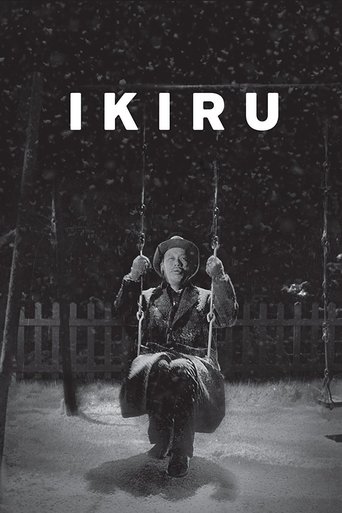
8.3Kanji Watanabe is a middle-aged man who has worked in the same monotonous bureaucratic position for decades. Learning he has cancer, he starts to look for the meaning of his life.
Ikiru
1952
 8.2
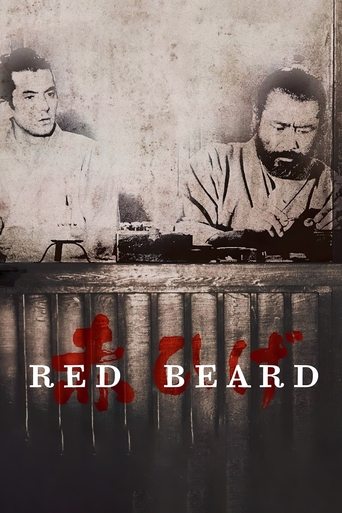
8.2Aspiring to an easy job as personal physician to a wealthy family, Noboru Yasumoto is disappointed when his first post after medical school takes him to a small country clinic under the gruff doctor Red Beard. Yasumoto rebels in numerous ways, but Red Beard proves a wise and patient teacher. He gradually introduces his student to the unglamorous side of the profession, ultimately assigning him to care for a prostitute rescued from a local brothel.
Red Beard
1965
 7.7
7.7Eight visually rich vignettes drawn from Kurosawa’s own dreams—fox weddings and vanished orchards, a soldier’s ghosts, a walk through Van Gogh’s canvases, nuclear nightmares, and a water-mill utopia—meditate on childhood, art, mortality, and humanity’s uneasy bond with nature.
Dreams
1990
 7.2
7.2An elderly Nagasaki hibakusha spends a summer caring for her four grandchildren, whose curiosity about the 1945 bombing stirs buried memories and moral questions. When an American nephew from Hawaii visits, the family confronts grief, guilt, and the possibility of reconciliation across generations.
Rhapsody in August
1991
 8.0
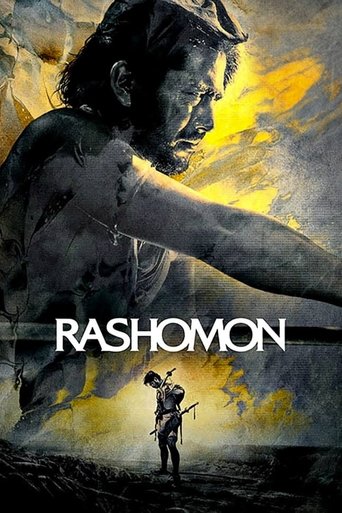
8.0Four people recount different versions of the story of a man's murder and the rape of his wife.
Rashomon
1950
Film credits
1990s · 3 titles
7.7Eight visually rich vignettes drawn from Kurosawa’s own dreams—fox weddings and vanished orchards, a soldier’s ghosts, a walk through Van Gogh’s canvases, nuclear nightmares, and a water-mill utopia—meditate on childhood, art, mortality, and humanity’s uneasy bond with nature.
Dreams
1990
7.2An elderly Nagasaki hibakusha spends a summer caring for her four grandchildren, whose curiosity about the 1945 bombing stirs buried memories and moral questions. When an American nephew from Hawaii visits, the family confronts grief, guilt, and the possibility of reconciliation across generations.
Rhapsody in August
1991
 7.3
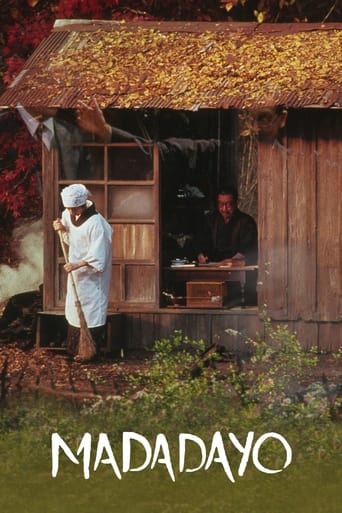
7.3In postwar Tokyo, beloved writer-professor Hyakken Uchida retires and is buoyed through hardship by the fierce devotion of his former students, who honor him each year with a raucous “Not yet!” birthday toast. Told in warm, gently comic vignettes, Kurosawa’s farewell celebrates aging, friendship, and the sustaining ritual of teacher and pupils refusing to say goodbye.
Madadayo
1993
1960s · 14 titles
8.2Aspiring to an easy job as personal physician to a wealthy family, Noboru Yasumoto is disappointed when his first post after medical school takes him to a small country clinic under the gruff doctor Red Beard. Yasumoto rebels in numerous ways, but Red Beard proves a wise and patient teacher. He gradually introduces his student to the unglamorous side of the profession, ultimately assigning him to care for a prostitute rescued from a local brothel.
Red Beard
1965
 8.1
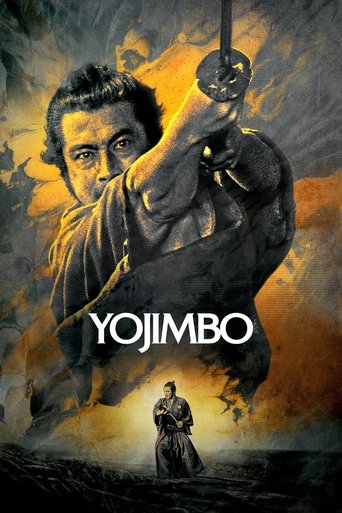
8.1A nameless ronin, or samurai with no master, enters a small village in feudal Japan where two rival businessmen are struggling for control of the local gambling trade. Taking the name Sanjuro Kuwabatake, the ronin convinces both silk merchant Tazaemon and sake merchant Tokuemon to hire him as a personal bodyguard, then artfully sets in motion a full-scale gang war between the two ambitious and unscrupulous men.
Yojimbo
1961
 6.3
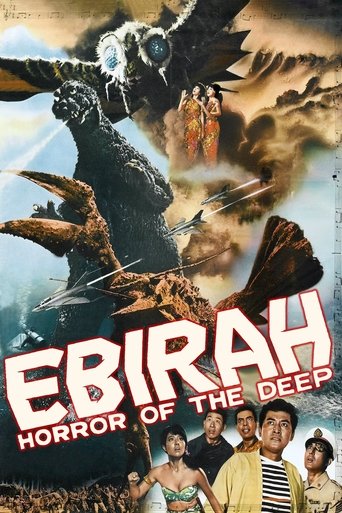
6.3Searching for his brother, Ryota stows away on a boat belonging to a criminal alongside two other teenagers. The group shipwrecks on Letchi island and discover the Infant Island natives have been enslaved by a terrorist organization controlling a crustacean monster. Finding a sleeping Godzilla, they decide to awaken him to defeat the terrorists and liberate the natives.
Ebirah, Horror of the Deep
1966
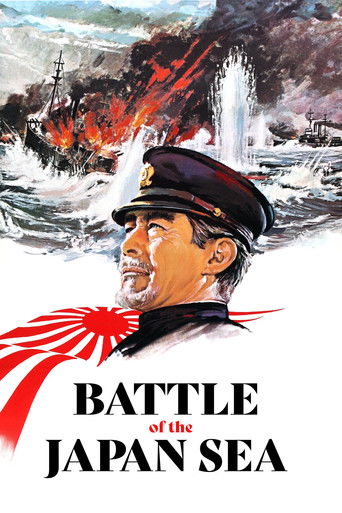 6.4
6.4Japan and Russia clash in what comes to be known as the Russo-Japanese War. An attempt by the Japanese fleet and army to take Port Arthur fails, and a Russian fleet bears down on the Sea of Japan. Admiral Heihachiro Togo sends his fleet to confront the Russians, with results which stun both nations. Meanwhile, Major Genjiro Akashi makes secret negotiations with the Bolshevik revolutionaries in Russia, negotiations that have repercussions far beyond the conflict at hand.
Battle of the Japan Sea
1969
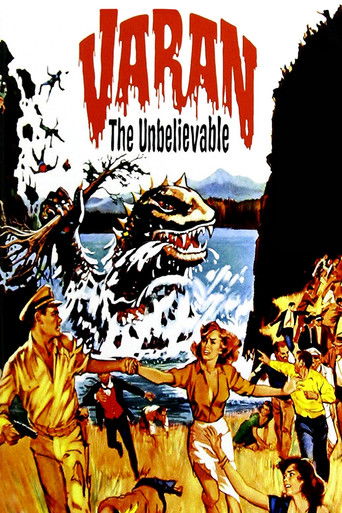 4.4
4.4In an effort to find an economic means of purifying salt water, a joint U.S.-Japanese military command is set up on an isolated Japanese island where an unusual salt water lake is situated. However, their purifying experiments arouse the prehistoric monster Obaki from hibernation at the lake's bottom, and it proceeds to attack Japan. Although made by a U.S. independent film company, this film was based on a Japanese Toho monster film of 1958, "Daikaiju Varan", from which all of the monster effects scenes and a few incidental dramatic shots were edited into it.
Varan the Unbelievable
1962
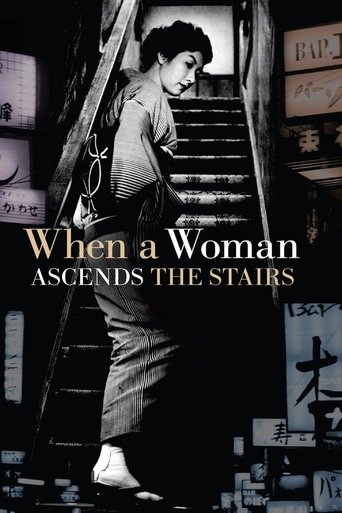 8.0
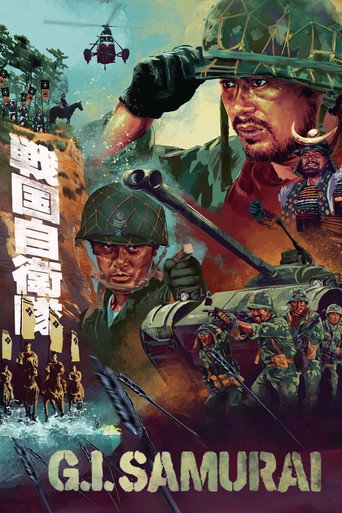
8.0Keiko, whom everyone calls Mama, narrates her story: she's a hostess on the Ginza, 30, a widow. She describes life's vicious cycle: acting cheerful around drunks, dressing and living well to convey confidence, needing money for these expenses and for her demanding mother and brother, and knowing she's growing older.
When a Woman Ascends the Stairs
1960
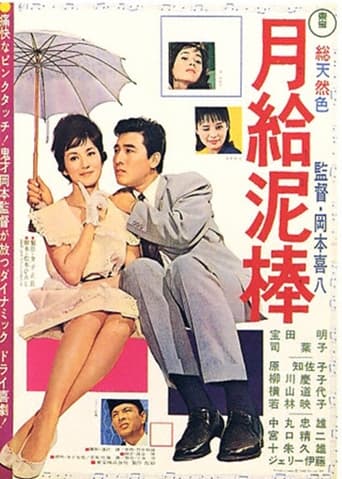 7.0
7.0A "hustler's hustler" (Takarada), works his way up the corporate ladder at a camera company. His biggest scheme involves winning the business of a foreign visitor by setting him up with a beautiful "model" (Tsukasa), actually a bar hostess, but the plan backfires when the would-be executive falls for the woman himself.
Anything For Success
1962
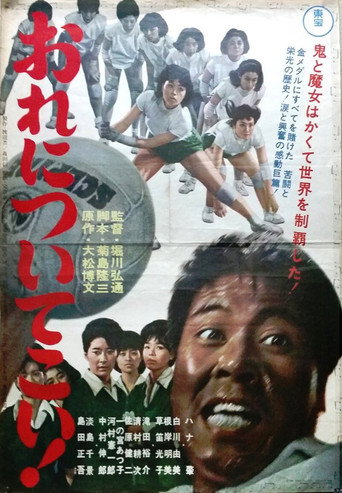 NR
NRNo synopsis available yet.
You Can If You Try
1965
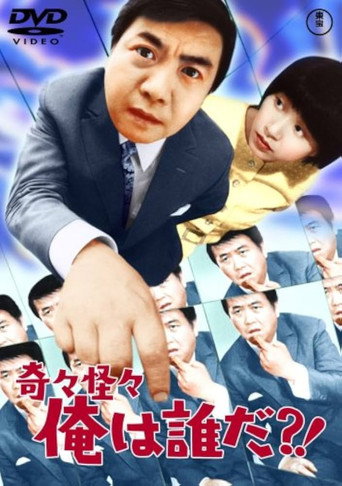 NR
NRComedy starring the Crazy Cats' Kei Tani as a salaryman suffering from amnesia.
Monstrous! Who Am I?!
1969
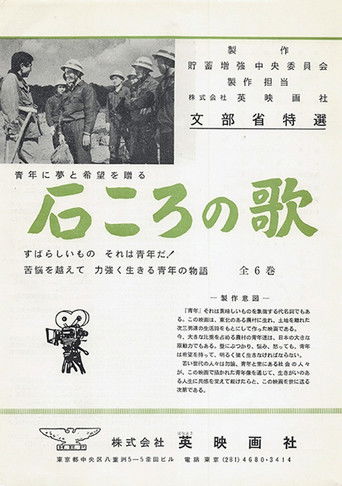 NR
NRNo synopsis available yet.
石ころの唄
1962
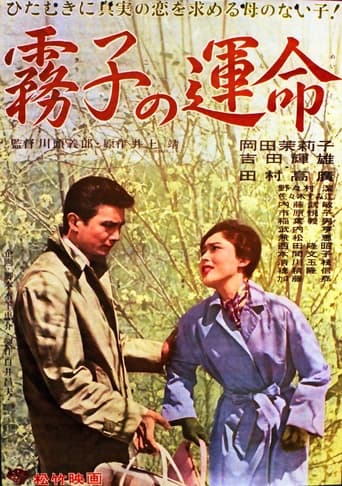 NR
NR1962 Japanese movie
Kiriko no unmei
1962
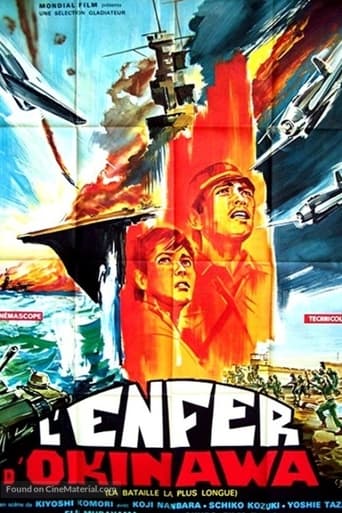 8.0
8.0The last fight put up by remaining forces and a special volunteer nursing corps in 1944-5.
The Pacific War and Himeyuri Corps
1962
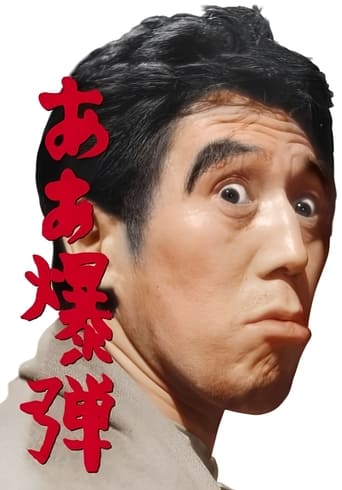 7.8
7.8During the mayoral election, two ex-prisoners decide to replace the lucky pen of an annoying candidate with a mini-bomb.
Oh, Bomb!
1964
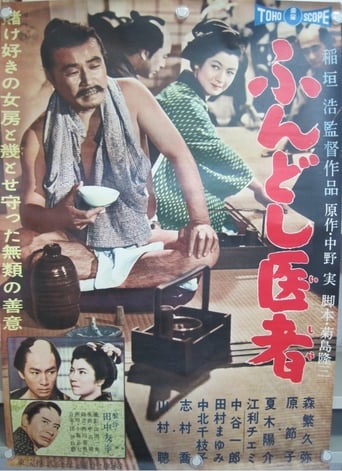 8.5
8.5A skilled country doctor's talents are such that he can even perform operations as difficult and novel as removing a patient's kidney for the first time in Japan. Unfortunately for him, however, his wife's addiction to gambling is of such a magnitude that he is down to selling his underwear to make money. The image sticks and he becomes known as the 'underwear doctor.' On the other hand, his successful surgery's patient is so grateful he himself wants to become a physician.
Life of a Country Doctor
1960
1950s · 39 titles
8.5A samurai answers a village's request for protection after he falls on hard times. The town needs protection from bandits, so the samurai gathers six others to help him teach the people how to defend themselves, and the villagers provide the soldiers with food.
Seven Samurai
1954
8.3Kanji Watanabe is a middle-aged man who has worked in the same monotonous bureaucratic position for decades. Learning he has cancer, he starts to look for the meaning of his life.
Ikiru
1952
8.0Four people recount different versions of the story of a man's murder and the rape of his wife.
Rashomon
1950
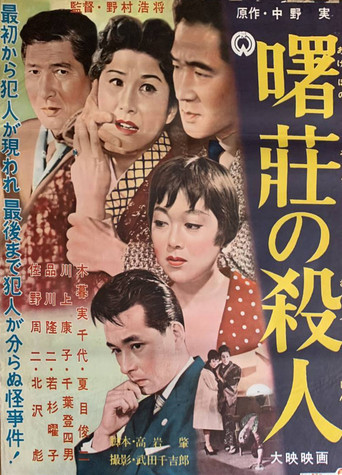 NR
NRA body is found poisoned in a room of a luxury apartment late at night and a beautiful mother turns herself in to protect her rebellious daughter.
Akebono sō no satsujin
1957
 7.2
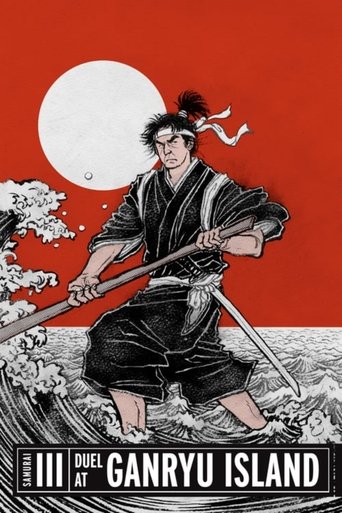
7.2A humble and simple Takezo abandons his life as a knight errant. He's sought as a teacher and vassal by Shogun, Japan's most powerful clan leader. He's also challenged to fight by the supremely confident and skillful Sasaki Kojiro. Takezo agrees to fight Kojiro in a year's time but rejects Shogun's patronage, choosing instead to live on the edge of a village, raising vegetables. He's followed there by Otsu and later by Akemi, both in love with him. The year ends as Takezo assists the villagers against a band of brigands. He seeks Otsu's forgiveness and accepts her love, then sets off across the water to Ganryu Island for his final contest.
Samurai III: Duel at Ganryu Island
1956
 7.3
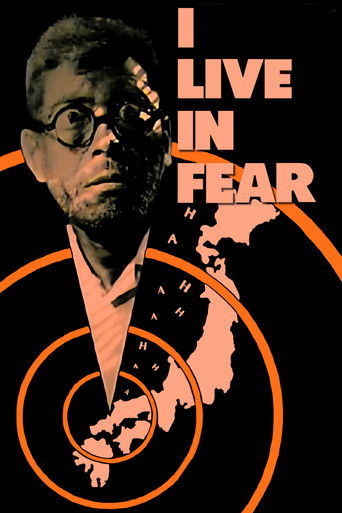
7.3An aging foundry patriarch, gripped by terror of nuclear annihilation, tries to uproot his family to Brazil. When they petition to have him declared incompetent, a family-court counselor witnesses his obsession slide into ruin—and asks whether ignoring the atomic threat is any saner.
I Live in Fear
1955
 6.3
6.3The eldest daughter of a rural family Mon returns home from Tokyo pregnant after an affair with a college student Kobata, which causes a scandal that will threaten the marriage prospects of the younger sister San, in her cash-strapped family. The ill-tempered eldest brother Inokichi decides to take on the role of disciplinarian, with harrowing results.
Brother and Sister
1953
 NR
NRNo synopsis available yet.
Come Back Soon
1957
 7.0
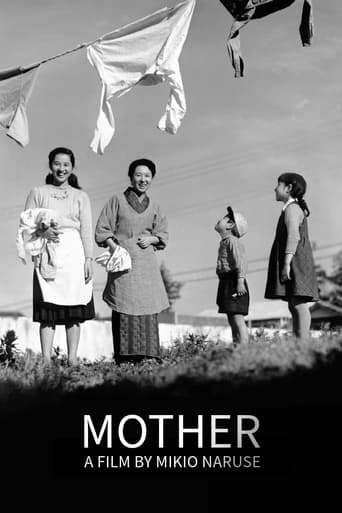
7.0A teenaged girl witnesses her widowed mother's attempt to sustain her family.
Mother
1952
 NR
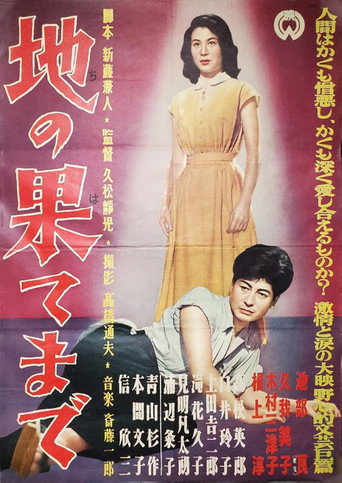
NRIn this downbeat, emotionally gripping drama, a lone guardian of some small huts on one of the northernmost, small islands off Japan remembers his once happier past and the events that destroyed everyone he held dear.
To the Ends of the Earth
1953
 7.5
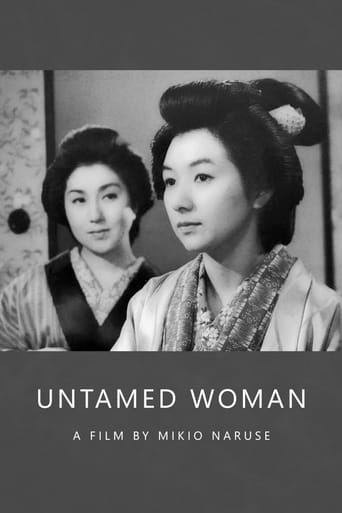
7.5A woman marries, gives birth to a stillborn child, and divorces, falls in love with a hotel-keeper, only to find herself subordinated to his drive for success, takes up with a tailor who cannot console himself with her strong personality.
Untamed Woman
1957
 5.8
5.8When a rare species of butterfly is found in a mysterious valley in Japan, a pair of entomologists go to investigate and find more. They discover Varan, a giant monster, who decides to leave the valley and head straight for Tokyo.
Varan
1958
 6.9
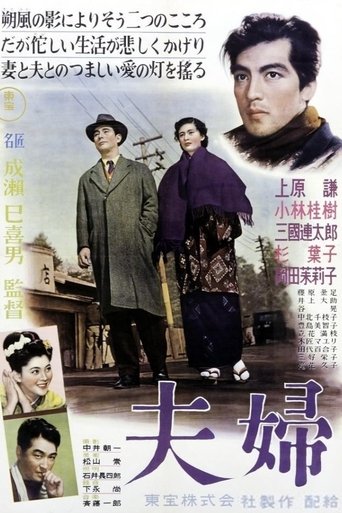
6.9A married couple looking for an apartment move in with the husband's co-worker, a widower. The husband becomes jealous of the widower and his wife.
Husband and Wife
1953
 NR
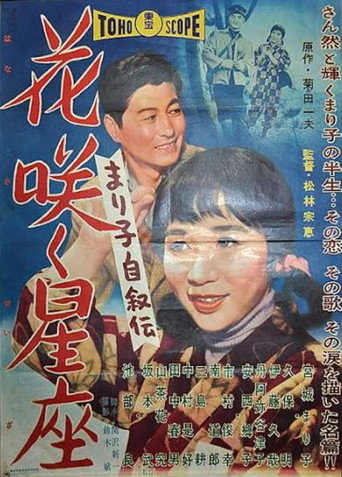
NRNo synopsis available yet.
Mariko's Autobiography: Flowing Constellation
1959
 5.6
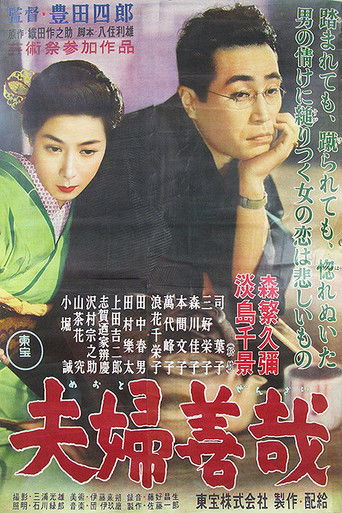
5.6Ryukichi, the pampered heir to a cosmetics wholesaler, abandons his wife and child to pursue a scandalous affair with a famous geisha named Choko. This betrayal leads his father to disown him, leaving the unskilled Ryukichi with no way to earn a living. To keep them afloat, Choko is forced to continue working as a geisha while secretly scraping together a nest egg to start their own business. However, Ryukichi remains trapped in his hedonistic lifestyle, eventually squandering Choko’s hard-earned savings on his own self-indulgence.
Marital Relations
1955
 7.2
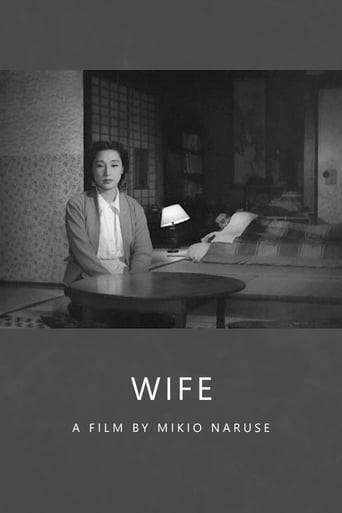
7.2Ten years into a marriage, the wife is disappointed by the husband's lack of financial success, meaning she has to work and can't treat herself and the husband finds the wife slovenly and mean-spirited: she neither cooks not cleans particularly well and is generally disagreeable. In turn, he alternately ignores her and treats her as a servant. Neither is particularly happy, not helped by their unsatisfactory lodgers. The husband is easily seduced by an ex-colleague, a widow with a small child who needs some security, and considers leaving his wife.
Wife
1953
 10.0
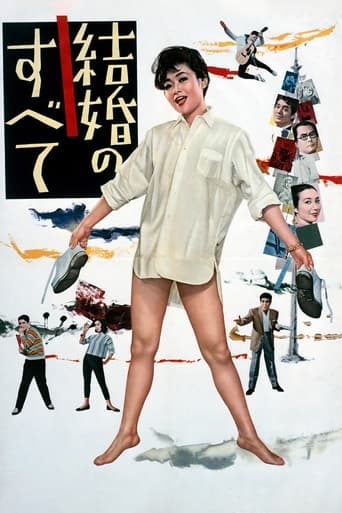
10.0Ultra-perky model likes single freedom but feels ryosai kenbo ("good wife, wise mother") pressure, exemplified by her bored-to-tears sister.
All About Marriage
1958
 6.5
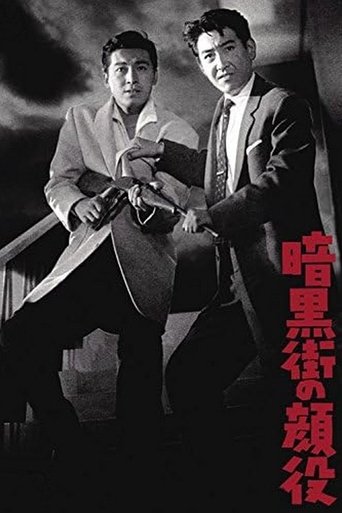
6.5Ryuta and Mineo Komatsu are brothers, both yakuza (gangsters). Mineo, although complicit in crime, even murder, wants out of the gangster life, hoping to become a successful singer instead. Ryuta loves his brother, but Mineo's possible defection presents problems for the gang, and Ryuta realizes he must kill his brother if he wants to survive.
The Big Boss
1959
 7.5
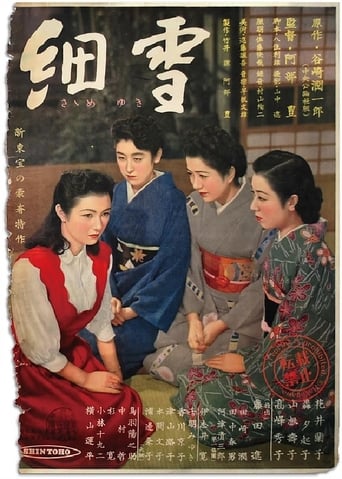
7.5No synopsis available yet.
Snow-Flake
1950
 NR
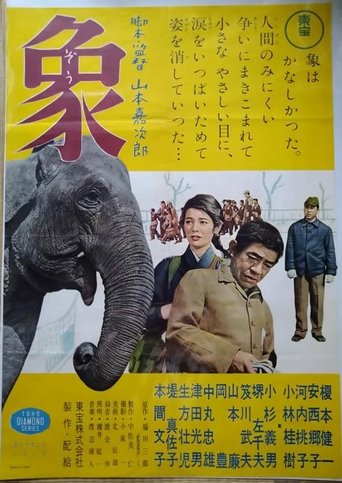
NRThe fifth film in the Toho Diamond series, following "The Hateful Thing." Based on the true story of "Zoo Story" by author Fukuda Saburo. During the Tokyo air raids of World War II, Zen-san, an elephant keeper at Ueno Zoo, is faced with the heartbreaking task of euthanizing Tonki, a beloved elephant, due to food shortages and wartime pressures. Unable to carry out the order, Zen-san secretly feeds Tonki, but the elephant is ultimately shot by the military police. The film poignantly captures Zen-san’s despair and the devastation of war, as he reflects on his powerlessness amid the chaos.
Elephant from "Zoo Story"
1957
 NR
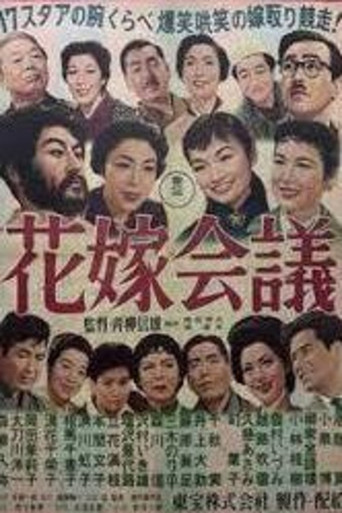
NRNo synopsis available yet.
All Sold Out
1956
 7.7
7.7A war widow with a young boy manages a farm with her bossy mother-in-law. When a reporter comes to interview her, the two begin an affair. He turns out to be married and won't leave his wife. Her older brother tries to marry off his children and hang on to/ extend his farm through an advantageous marriage in the face of threatened land confiscation and the desire of his children to get comfortable urban jobs instead of the backbreaking work in the paddy fields under parental control.
Summer Clouds
1958
 7.5
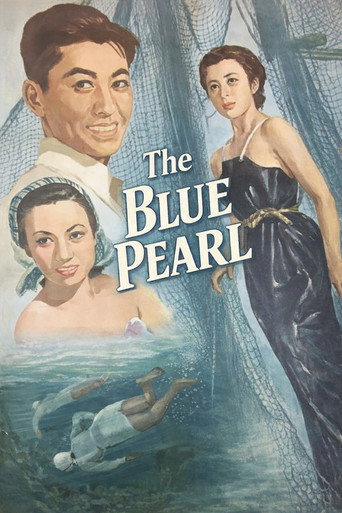
7.5The Blue Pearl depicts the interplay between a young man from Tokyo and two ama (pearl divers; literally “women of the sea”) in a superstitious coastal town. Though raised within the same tradition-bound crucible, the two women – Noe and Riu – are portrayed as diametric opposites; the former meek but affectionate, the latter strong-willed but jaded by a tryst with metropolitan life.
The Blue Pearl
1951
 6.9
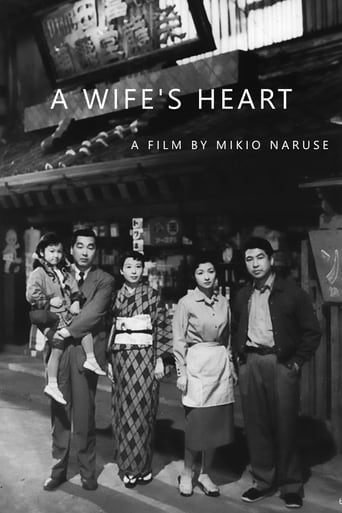
6.9A young woman tries to raise money to open her own coffee shop. She arranges a loan when her rigid family won't help and then her husband becomes jealous of the loan officer.
A Wife's Heart
1956
 9.0
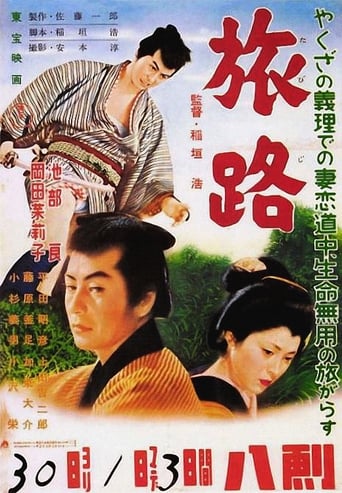
9.0Forced on the road by yakuza obligations, a man sets out on a reckless journey to Tsumagoi. Movie posters for local cinemas were often displayed at sento (public baths) too. The handwritten text on the bottom here announces the film will play at Hassen for 3 days.
The Lone Journey
1955
 9.0
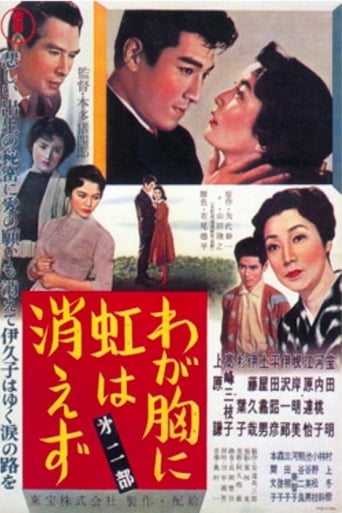
9.0An Ishiro Honda film. The second part of A Rainbow Plays in My Heart released the same day as the first film.
A Rainbow Plays in My Heart: Part 2
1957
 6.6
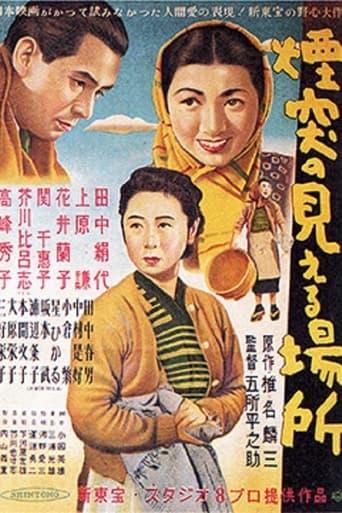
6.6Where Chimneys Are Seen focuses primarily on the interconnected lives of two couples in a lower-middle-class neighborhood in Senju, a poor industrial section of Tokyo.
Where Chimneys Are Seen
1953
 NR
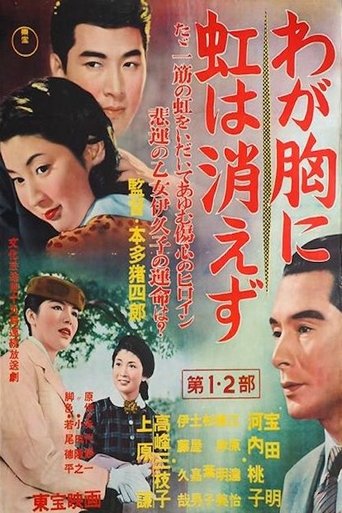
NRAn Ishiro Honda film. The first part of A Rainbow Plays in My Heart released the same day as the second film.
A Rainbow Plays in My Heart: Part 1
1957
 10.0
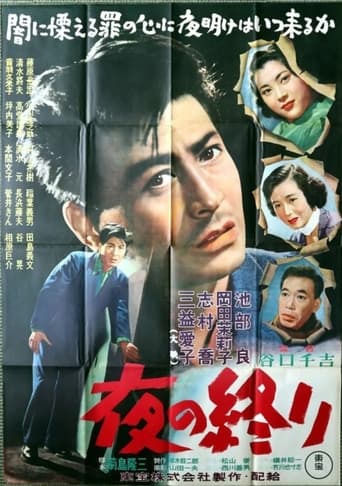
10.0Walking home late one night, a down-on-his-luck sewage worker runs into a drunk businessman with a briefcase full of cash. His impulsive decision will lead to a long, dark night of the soul, while his lady love, a bar hostess, tries to cope with her sudden change of fortune.
The End of the Night
1953
 10.0
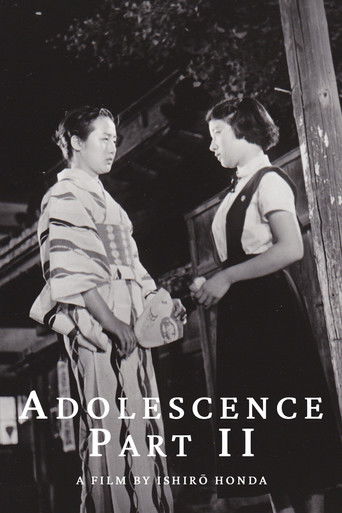
10.0A story of unhappy youths and the perils of lack of sex education.
Adolescence Part II
1953
 8.0
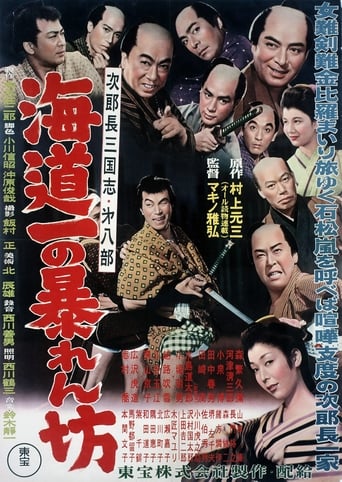
8.0A legendary gangster raises himself out of a small town and gathers followers on his rise to power.
Last of the Wild Ones
1954
 NR
NRNo synopsis available yet.
Sisters at the Hot Springs
1956
 8.0
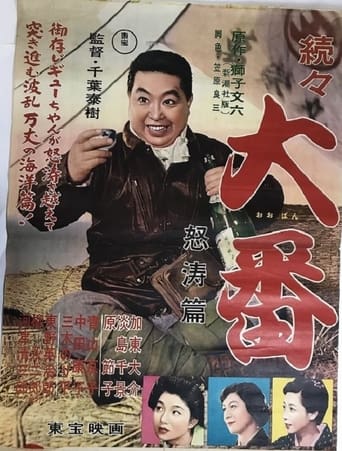
8.0Ushinosuke returns to his hometown to become a farmer. Part three (of four) of the film adaptation of Bunroku Shishi’s novel, Oban.
Zokuzoku Ôban: Dotô hen
1957
 7.5
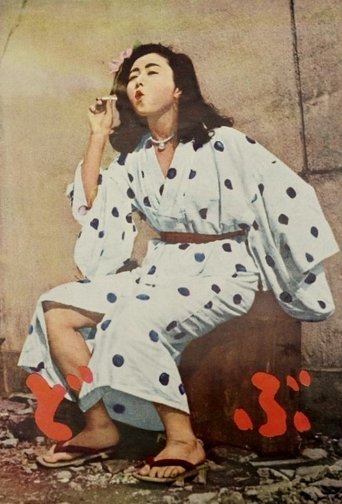
7.5Postwar Tokyo. Pin and Toku live in the squatter area of Kappanuma. Pin and Toku are avid gamblers. They take in Tsuru, a slightly demented woman who has run away from a geisha house.
Ditch
1954
 8.0
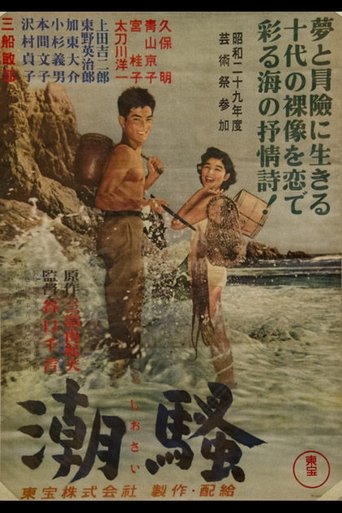
8.0Lonely youth Shinji meets Hatsue, a pretty pearl diver, on the beach and the two fall in love. But Shinji has a rival for Hatsue's affections, Yasuo.
The Surf
1954
 6.5
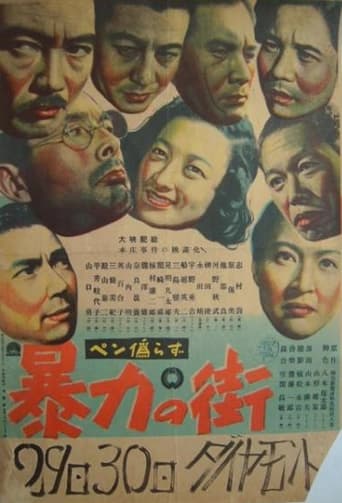
6.5An attempt is made to suppress a journalist's investigation of collusion between a rural police chief and the local gangster bosses.
Town of Violence
1950
 5.5
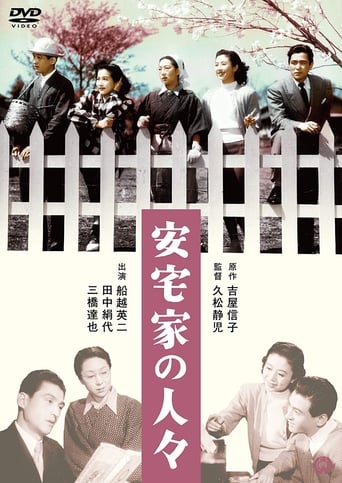
5.5Soichi Ataka is the eldest son of Ataka family. Although mentally challenged, he's a person with a gentle heart. Soichi's wife, Kuniko is devoted to her husband and together the couple runs the family farm. Their happy family life comes to an abrupt halt when Soichi's half-brother, Joji returns with his wife Masako after failing in a business.
The Ataka Family
1952
 8.0
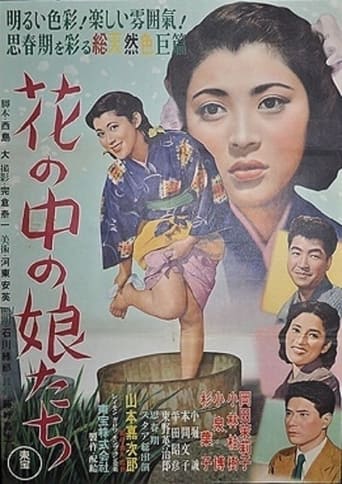
8.0Girls in the Orchard (1953) is about tension between the life of a family in a rural area with all the traditions (continuing family business, taking care of the land)-- and the modernity and lure of a life in the city.
Girls in the Orchard
1953
 9.0
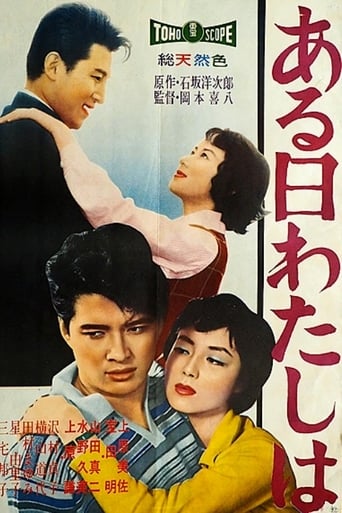
9.0A modern love story involving different affairs.
Someday I'll Know
1959
1930s · 2 titles
 6.7
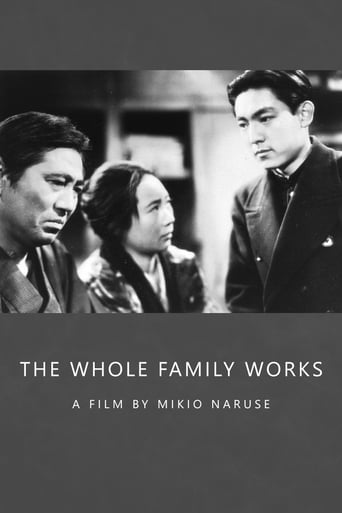
6.7A large family scrapes by on the meager salaries of the father and three eldest sons, who left school in order to work and support the family. The fourth eldest is soon to graduate and follow in their footsteps, though he'd rather continue schooling. The eldest finally decides to break free and set out on his own against his parents' wishes, with the support and sympathy of his siblings.
The Whole Family Works
1939
 6.8
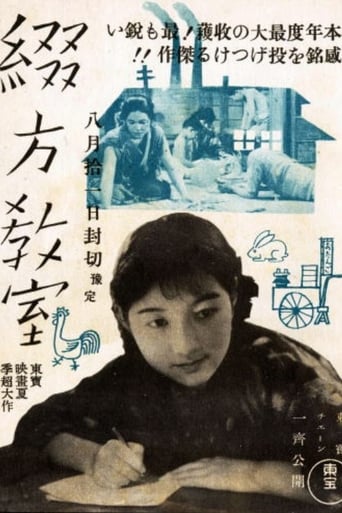
6.8Masako, the daughter of an impoverished itinerant tinsmith, wins a grammar school composition contest with an essay about her neighborhood. The much publicized essay ends up causing the family problems and their chronic money troubles threaten Masako's further education.
Composition Class
1938