

Acting
Masayuki Mori
Born — Died
1911-01-13 — 1973-10-07
Place of birth
Sapporo, Hokkaido, Japan
Known for
Acting
Credits
60 titles
From Wikipedia, the free encyclopedia. Masayuki Mori (森 雅之 Mori Masayuki, January 13, 1911 – October 7, 1973) Born in Sapporo, Hokkaido prefecture) was a Japanese actor, the son of Takeo Arishima, a Japanese novelist active during the late Meiji and Taishō periods. Mori appeared in many of Akira Kurosawa 's films such as Rashomon and The Idiot. He also starred in pictures by Kenji Mizoguchi (Ugetsu), Mikio Naruse (Floating Clouds) and other prominent directors. Description above from the Wikipedia article Masayuki Mori, licensed under CC-BY-SA, full list of contributors on Wikipedia
Known for
 8.0
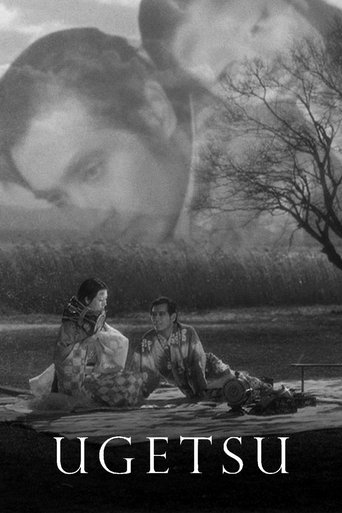
8.0In 16th century Japan, peasants Genjuro and Tobei sell their earthenware pots to a group of soldiers in a nearby village, in defiance of a local sage's warning against seeking to profit from warfare. Genjuro's pursuit of both riches and the mysterious Lady Wakasa, as well as Tobei's desire to become a samurai, run the risk of destroying both themselves and their wives, Miyagi and Ohama.
Ugetsu
1953
 8.0
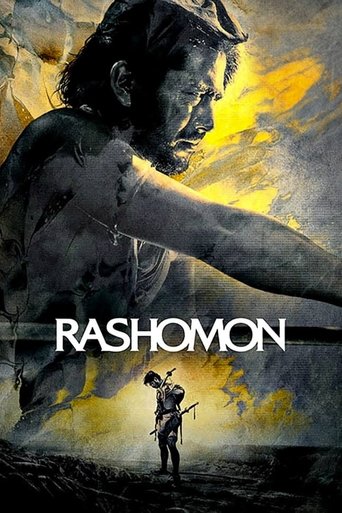
8.0Four people recount different versions of the story of a man's murder and the rape of his wife.
Rashomon
1950
 7.7
7.7In this loose adaptation of "Hamlet," illegitimate son Kôichi Nishi climbs to a high position within a Japanese corporation and marries the crippled daughter of company vice president Iwabuchi. At the reception, the wedding cake is a replica of their corporate headquarters, but an aspect of the design reminds the party of the hushed-up death of Nishi's father. It is then that Nishi unleashes his plan to avenge his father's death.
The Bad Sleep Well
1960
 7.5
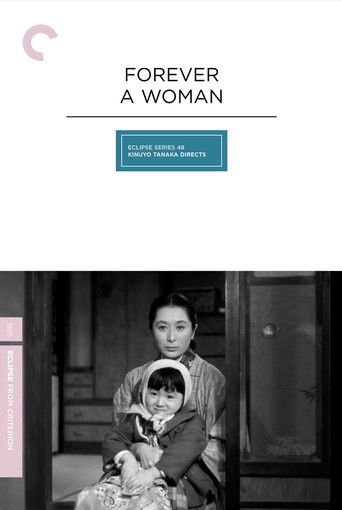
7.5Fumiko, mother of two and wife to an unfaithful man, shares her family life with her budding vocation as a poet. The beginning of her successful literary career coincides with her divorce and her breast cancer diagnosis. In her final stages, Fumiko meets a young journalist from Tokyo who wants to write a story on her experiences.
Forever a Woman
1955
 8.0
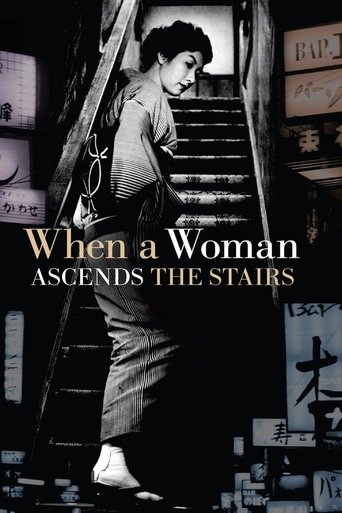
8.0Keiko, whom everyone calls Mama, narrates her story: she's a hostess on the Ginza, 30, a widow. She describes life's vicious cycle: acting cheerful around drunks, dressing and living well to convey confidence, needing money for these expenses and for her demanding mother and brother, and knowing she's growing older.
When a Woman Ascends the Stairs
1960
 7.7
7.7A married Japanese forester during WWII is sent to Indochina to manage forests. He meets a young Japanese typist and promises to leave his wife. He doesn't and after the war, she turns up and the affair resumes.
Floating Clouds
1955
Film credits
1960s · 18 titles
7.7In this loose adaptation of "Hamlet," illegitimate son Kôichi Nishi climbs to a high position within a Japanese corporation and marries the crippled daughter of company vice president Iwabuchi. At the reception, the wedding cake is a replica of their corporate headquarters, but an aspect of the design reminds the party of the hushed-up death of Nishi's father. It is then that Nishi unleashes his plan to avenge his father's death.
The Bad Sleep Well
1960
8.0Keiko, whom everyone calls Mama, narrates her story: she's a hostess on the Ginza, 30, a widow. She describes life's vicious cycle: acting cheerful around drunks, dressing and living well to convey confidence, needing money for these expenses and for her demanding mother and brother, and knowing she's growing older.
When a Woman Ascends the Stairs
1960
 8.5
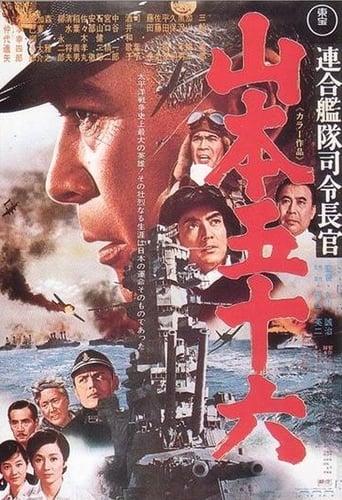
8.5As Japan joins in a political pact with Nazi Germany and fascist Italy, Admiral Isoroku Yamamoto is appointed supreme commander of the Japanese fleet. With Japan headed inexorably toward war, Yamamoto, despite his misgivings, believes the only possible victory lies in destroying the American fleet by surprise at Pearl Harbor. The attack succeeds, but fails to sink the American carrier fleet. Thus Yamamoto must lead the Japanese navy into war with ever-diminishing likelihood of success.
Admiral Yamamoto
1968
 6.7
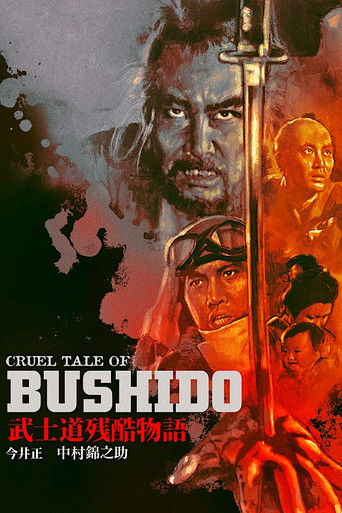
6.7After a salary-man's fiancée attempts suicide, he recounts his gruesome family history which saw generations of his ancestors suffer and sacrifice themselves for the sake of their cruel lords.
Bushido: The Cruel Code of the Samurai
1963
 8.3
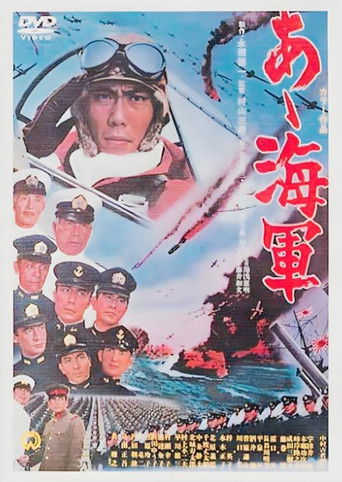
8.3A young man leaves his widowed mother on her improverished farm and makes his career in the Japanese navy.
Gateway to Glory
1969
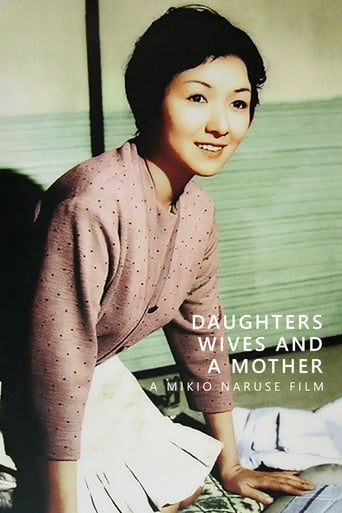 7.3
7.3Sanae is left a widow after her prestigious husband dies, but holds the proceeds of a million yen insurance policy. Being childless, her former in-laws have no objection to her return to her own family.
Daughters, Wives and a Mother
1960
 9.0
9.0On the day of college graduation, Mieko (Sayuri Yoshinaga) stood on stage as the valedictorian for the Department of English. During her university years she made sure that she would always come out on top, and she did. With a victorious graduation behind her, she plans out the next chapter of her life: become a successful novelist and go out with a classmate she's been secretly eyeing for the past couple of years.
Bright Sea
1963
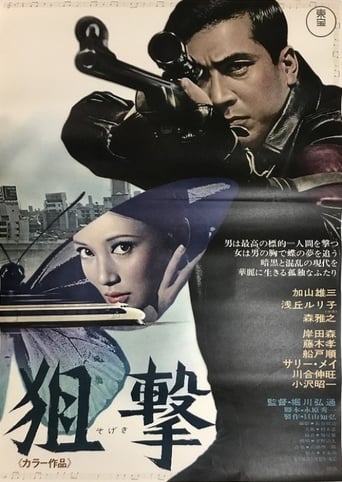 7.5
7.5Suspense drama about an assassin charged with breaking up a gold smuggling ring, and the contract subsequently purchased against him and his employer.
Sun Above, Death Below
1968
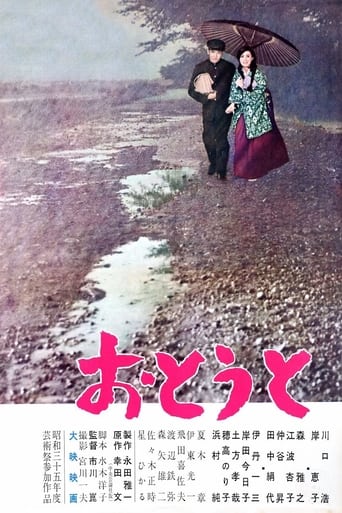 7.1
7.1Set in 1926 when Japanese tradition was much stronger, this drama looks at the inner workings of a small family, especially the relationship between a sister and brother.
Her Brother
1960
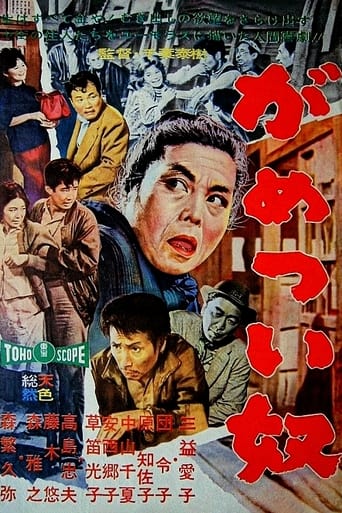 10.0
10.0A kind of modern dress "Donzoko" "The Lower Depths", about slum life in Osaka, where a greedy widow (Mimasu) takes advantage of her poor roomers, including her own son, who makes a meagre living stripping taxicabs.
This Greedy Old Skin
1960
 9.0
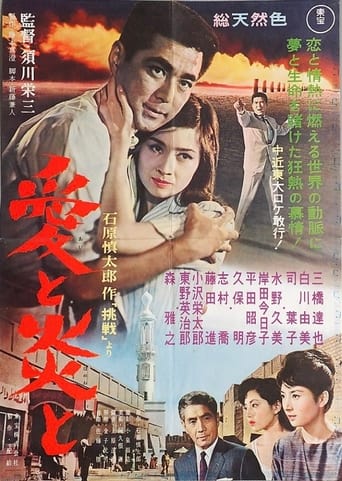
9.0An employee at an oil cartel (Mihashi) is haunted by an act years before when he euthanized a fellow soldier when the two were adrift at sea during the Pacific War. Matters are complicated further when he falls in love with the soldier's younger sister (Tsukasa).
Challenge to Live
1961
 6.3
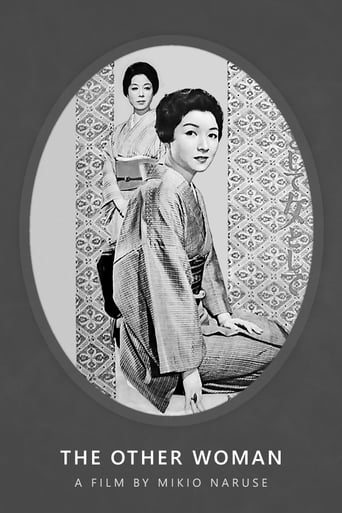
6.3The real mother of the two children of a respectable university professor is not his wife, but his mistress, the hostess of a Ginza bar the family frequents.
The Other Woman
1961
 6.5
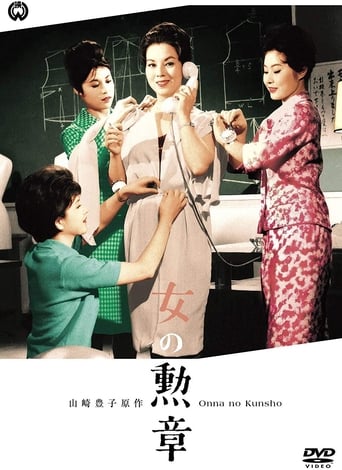
6.5Shikiko Oba is nimble with her fingers and teaches dressmaking and designing. Among her pupils are Rinko, Katsumi and Tomie. Ginshiro, who is as shrewd as the shrewdest of the older generation of dyed-in-the-wool Osaka businessmen, steps into picture and Shikiko soon feels that he is indispensable to her. But the advent of a man in their midst breaks up the harmony that has existed among the four women, as gradually he forces himself on them with promises of love.
A Design for Dying
1961
 9.0
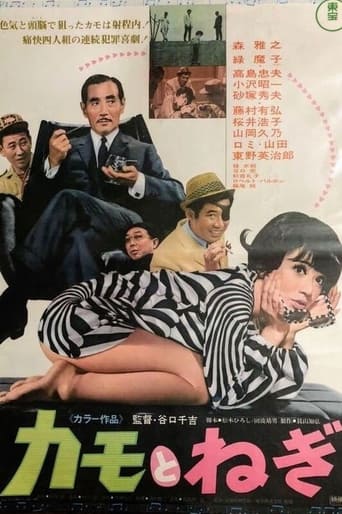
9.0The four-member con group, including the intellectual boss Nobukichi Ishiguro (Masayuki Mori), who is called an "aristocrat con man" for his elegant appearance; the amorous Kyuhei Maruki (Tadao Takashima); the inventive Yosuke Mori (Hideo Sunatsuka); and the amorous Mami (Mako Midori), set one bizarre trap after another in their quest for the perfect crime in this wry crime comedy.
Wild Ducks and Green Onions
1968
 6.7
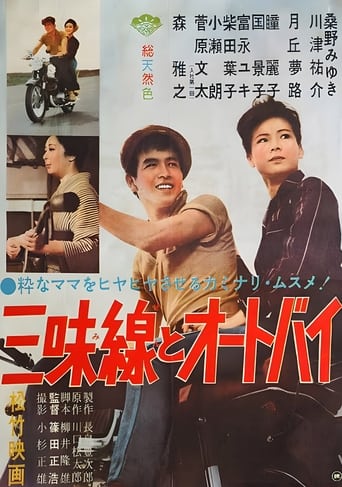
6.7A woman brings her injured daughter to the hospital, only to realize that the doctor is the estranged father of her child.
Love New and Old
1961
 7.0
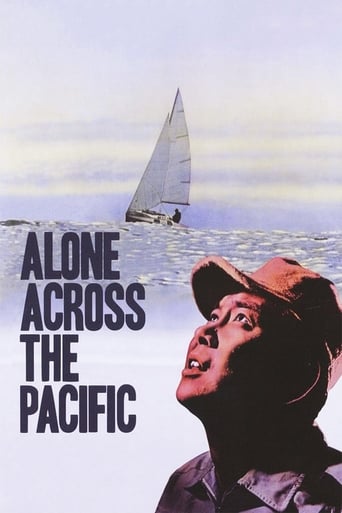
7.0Kenichi Horie is determined to challenge his family, the law and the nature crossing the Pacific to America in a small sailboat. Despite his careful planning, many unforeseen events will test his determination.
Alone Across the Pacific
1963
 7.0
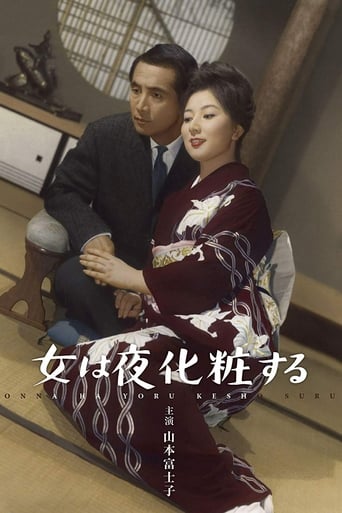
7.0A woman has to give up her dream of becoming an actress when her family goes into debt, but she catches the eye of a businessman while working at a nightclub. He sets her up with her own nightclub, but with expectations attached.
Nocturne of a Woman
1961
 NR
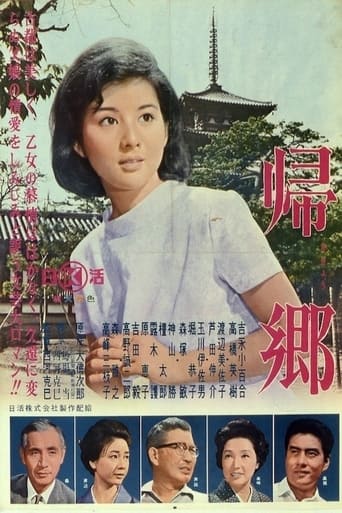
NRMoriya Tomoko, a young girl working for a publishing company, is told by a woman art dealer that her real father did not die, as everyone believes, during the revolution in Cuba, but is now living in Japan. Tomoko's mother has remarried a strict, narrow-minded university professor, whose only worry is protecting his family name from the slightest blemish.
Homecoming
1964
1950s · 31 titles
8.0In 16th century Japan, peasants Genjuro and Tobei sell their earthenware pots to a group of soldiers in a nearby village, in defiance of a local sage's warning against seeking to profit from warfare. Genjuro's pursuit of both riches and the mysterious Lady Wakasa, as well as Tobei's desire to become a samurai, run the risk of destroying both themselves and their wives, Miyagi and Ohama.
Ugetsu
1953
8.0Four people recount different versions of the story of a man's murder and the rape of his wife.
Rashomon
1950
7.5Fumiko, mother of two and wife to an unfaithful man, shares her family life with her budding vocation as a poet. The beginning of her successful literary career coincides with her divorce and her breast cancer diagnosis. In her final stages, Fumiko meets a young journalist from Tokyo who wants to write a story on her experiences.
Forever a Woman
1955
7.7A married Japanese forester during WWII is sent to Indochina to manage forests. He meets a young Japanese typist and promises to leave his wife. He doesn't and after the war, she turns up and the affair resumes.
Floating Clouds
1955
 6.7
6.7In 8th-century China, the Emperor grieves the death of his wife. The Yang family wants to provide the Emperor with a consort so that they may consolidate their court influence. General An Lushan finds a distant relative working in their kitchen, whom they groom to present to the Emperor. The Emperor falls in love and she becomes the Princess Yang Kwei-fei. The Yangs are then appointed important ministers, though An Lushan is not given the court position he covets.
Princess Yang Kwei-fei
1955
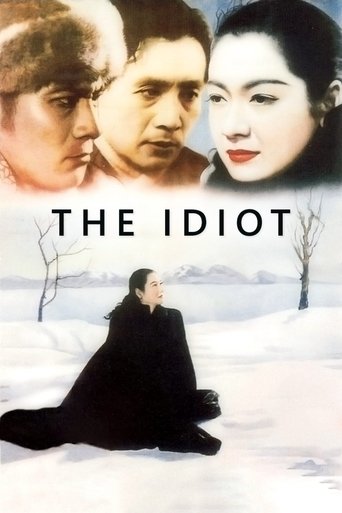 7.0
7.0A gentle, war-shattered ex-soldier, Kinji Kameda, arrives in wintry Hokkaidō and is pulled into a volatile tangle of love and pity between the disgraced Taeko Nasu, the proud Ayako, and his possessive friend Akama. Kameda’s saintly compassion exposes everyone’s wounds, steering the quartet toward jealousy, violence, and inexorable tragedy. Adapted from Dostoevsky’s novel.
The Idiot
1951
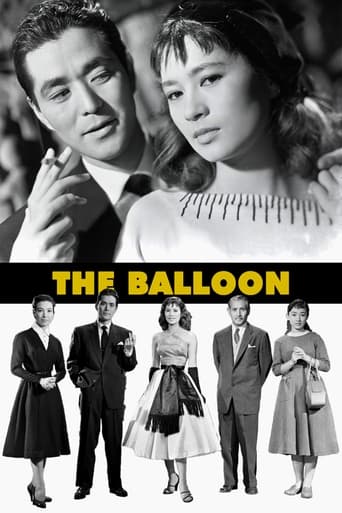 6.3
6.3Haruki Murakami is a successful family man and the head of a camera company. Unbeknownst to Murakami, his arrogant son oscillates between a mistress and a new lover who sings at a nightclub. When Murakami’s daughter befriends the mistress, the affair throws the family into turmoil.
The Balloon
1956
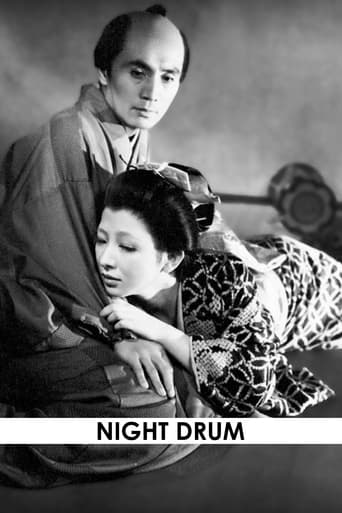 5.9
5.9Following a yearlong attendance upon his shogun in Edo, samurai Hikokuro makes a long-awaited return to his home and doting wife, Dane. Initially greeted by the effusive welcome of his family, spiteful whispers also reach his ear about an adulterous affair carried on, in his long absence, between his wife and a famous drummer. With Hikokuro’s honor imperiled by rumor, his family insists on a formal investigation into the veracity of the gossip. Through the combined testimony of many witnesses, a tale unwinds around the visits of a traveling musician hired to tutor the family heir, the spurned attentions of the man who started the rumor, and the ultimate truth behind the accusations. The conclusion of events prove as much an indictment of bushidō as it is of the reluctant parties involved. Adapted from a 1706 play by Chikamatsu Monzaemon and based on a true case.
Night Drum
1958
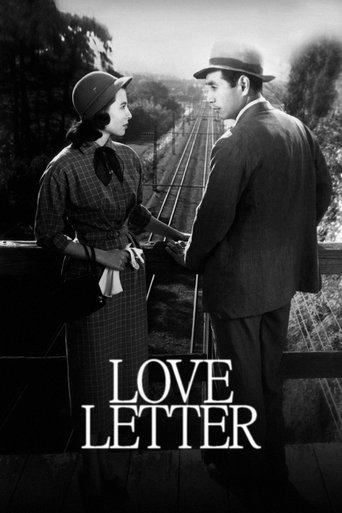 6.9
6.9Five years after the end of the Second World War, Reikichi, a repatriated veteran, translates love letters for Japanese women to American GIs, while searching for his lost love, Michiko.
Love Letter
1953
 6.3
6.3The eldest daughter of a rural family Mon returns home from Tokyo pregnant after an affair with a college student Kobata, which causes a scandal that will threaten the marriage prospects of the younger sister San, in her cash-strapped family. The ill-tempered eldest brother Inokichi decides to take on the role of disciplinarian, with harrowing results.
Brother and Sister
1953
 7.5
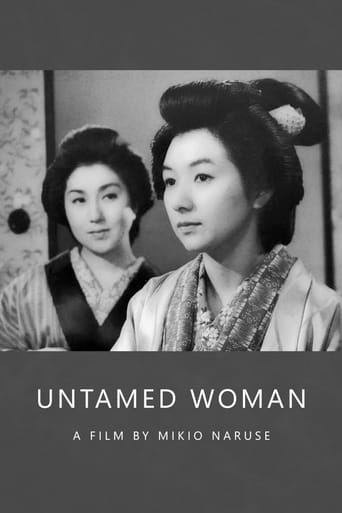
7.5A woman marries, gives birth to a stillborn child, and divorces, falls in love with a hotel-keeper, only to find herself subordinated to his drive for success, takes up with a tailor who cannot console himself with her strong personality.
Untamed Woman
1957
 7.0
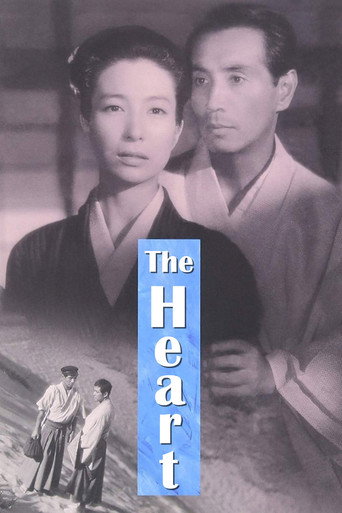
7.0In the dying months of the Meiji era, a sympathetic student befriends a married couple, but soon realizes they share a curiously strained relationship stemming from an unknown incident in their past.
The Heart
1955
 6.3
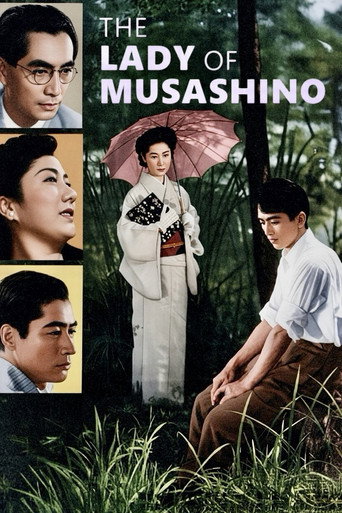
6.3In post-war Japan, Michiko, a disillusioned young woman trapped in a loveless marriage, confides in her younger cousin, Tsutomo, and the two become close, but decide not to consummate their affair. He instead becomes involved with the flirtatious Tomiko, who is also conducting an affair with Michiko's husband. When Michiko finds that her husband has abandoned her, she decides to take her fate into her own hands.
The Lady of Musashino
1951
 NR
NRNo synopsis available yet.
Midori no nakama
1954
 8.0
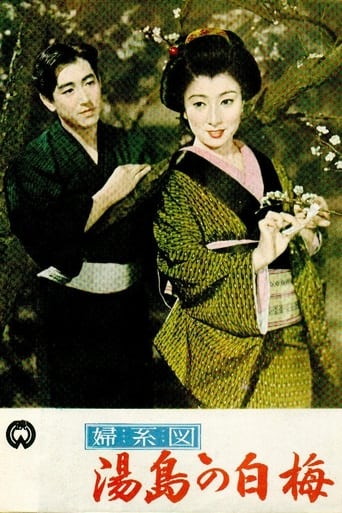
8.0Hayase, a schoolteacher, assists Sakai in editing a German-Japanese dictionary. Hayase owes much to Sakai, as Sakai raised him for 13 years after Hayase lost his parents in a war. Hayase has been secretly married to Otsuta, a former geisha, and has been unable to tell Sakai of the marriage, aware as he is that Sakai wants him to marry his daughter, Taeko. Otsuta wants Hayase to tell Sakai about her, but understands the difficulty of his position. At a festival, Otsuta is mistaken for a pickpocket and taken to the police. Because of her background as a geisha, newspaper reporters eagerly delve into her past and report that she has been married to Hayase. Unaware of what has been printed in the papers, Hayase decides to tell Sakai about his marriage. Sakai shows the newspaper to him and orders Hayase to part with Otsuta. Given no chance to explain, Hayase accepts Sakai's order.
The Romance of Yushima
1955
 6.7
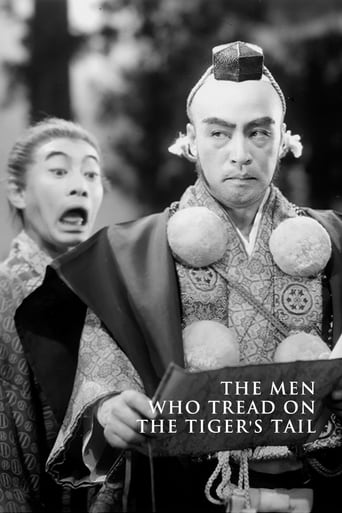
6.7A fugitive lord and his six retainers disguise themselves as monks to bluff their way through a hostile checkpoint.
The Men Who Tread on the Tiger's Tail
1952
 7.0
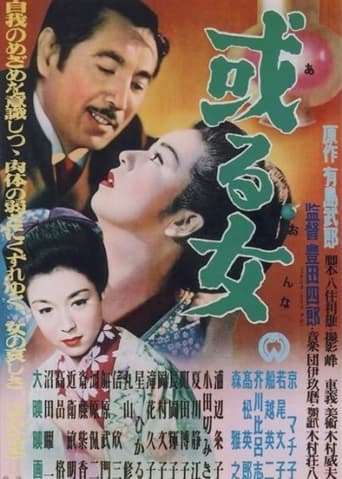
7.0No synopsis available yet.
A Certain Woman
1954
 5.8
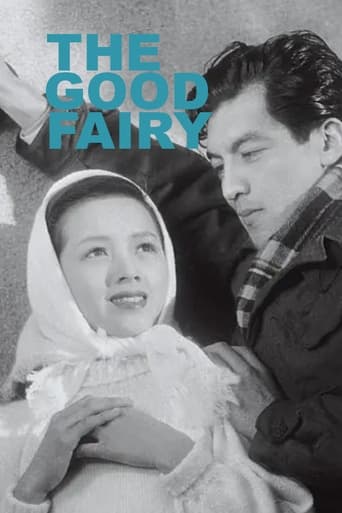
5.8The wife of an elite government official left her husband, and a young journalist is sent to investigate the case. But his boss has a hidden agenda.
The Good Fairy
1951
 NR
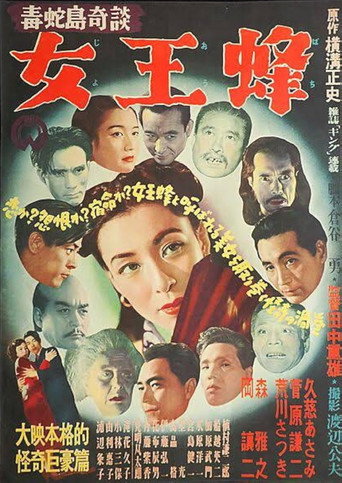
NRA mystery story set on a haunted island: a student is murdered, followed by the suicide of his lover.
Dokuja-tō kidan: Joōbachi
1952
 NR
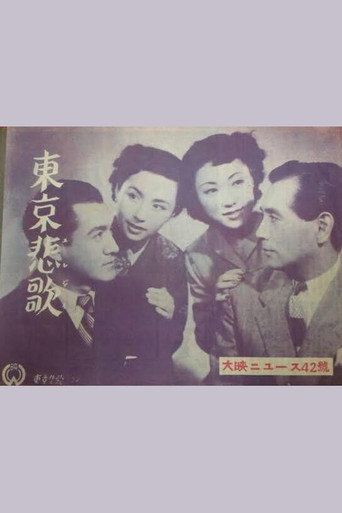
NRIn 1945, in a Shanghai filled with a palpable sense of unease as the war was still raging, Atsuko Kijima and Ryuji Kudo fell in love and exchanged promises of marriage. Ryuji was deployed shortly thereafter, and after the war ended, he was taken to Siberia as a prisoner of war. Atsuko, who had returned to Tokyo, clung to the promise she had made with Ryuji—that if he were safe, he would “come to the garden of St. Nicholas Cathedral at noon on Christmas Day.” Relying on that promise, she went to St. Nicholas Cathedral at noon on Christmas Day in both 1946 and 1947, but Ryuji never appeared.
Tokyo Elegy
1951
 8.0
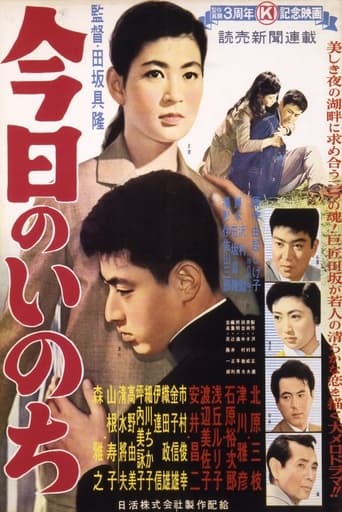
8.0No synopsis available yet.
This Day's Life
1957
 NR
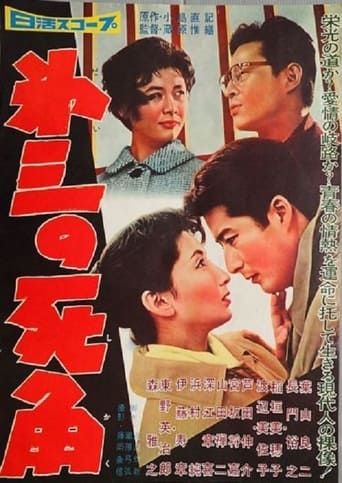
NRYoshikawa and Kaji are alumni - Yoshikawa leads a life loyal to his company Toho Corporation, whilst Kaji works in the underground world for Aoyama, a fixer trying to buy Toho out. One day, Yoshikawa is ordered to take a look into the information leakage which had resulted in a serious fall of the company stock price. Following his order, Yoshikawa reunites with Kaji but their relationship gets complicated through the presence of Akiko, the daughter of Kubo, chairman of Toho Corporation. There is an obvious financial conspiracy and several men are killed - Who is the true mastermind behind all the plots?
The Third Dead Angle
1959
 NR
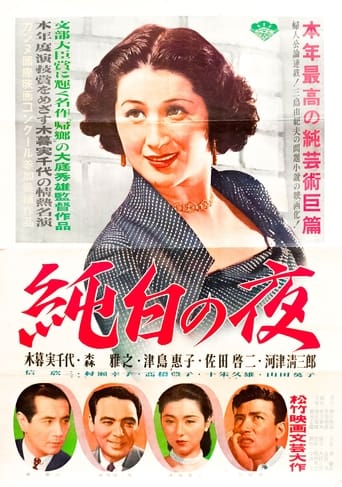
NR"Pure White Nights" - A romantic tale that depicts love between married people and the psychology of their marriage with elegant and a controversial touch. Love, art and suffering until the tragic and absurd ending.
Pure White Nights
1951
 10.0
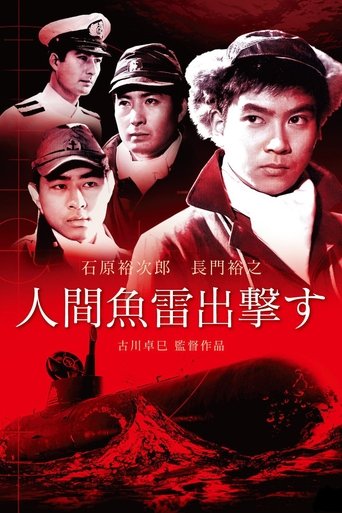
10.0No synopsis available yet.
Human Torpedoes Attack
1956
 NR
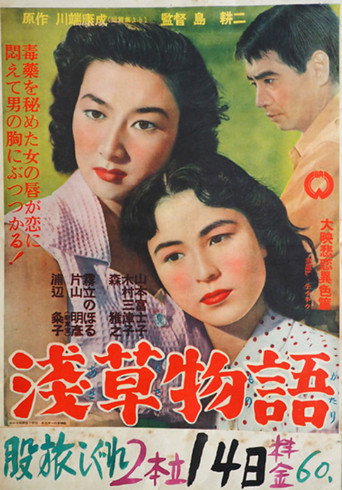
NRNo synopsis available yet.
Asakusa monogatari
1953
 NR
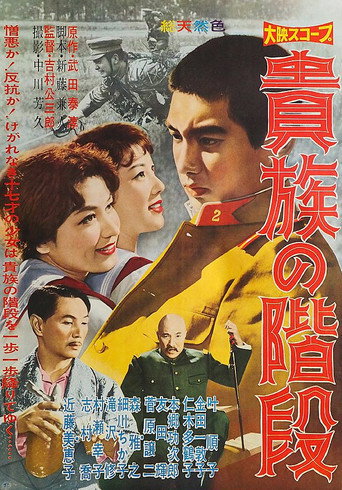
NRA romantic tale depicting the beautiful and tragic love between a young man and woman from aristocratic families who are caught in the crossfire of the February 26 Incident.
The Aristocrat's Stairs
1959
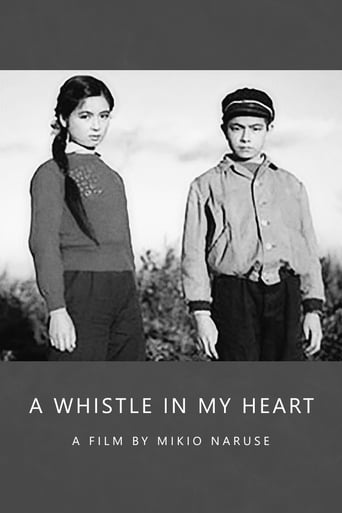 6.7
6.7The story is about the social problems faced by Japan's indigenous Ainu, mostly centered on the reactions of the characters to their oppressed state.
A Whistle in My Heart
1959
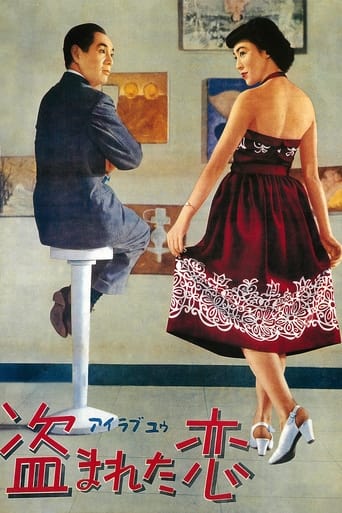 10.0
10.0Romantic melodrama
Stolen Love
1951
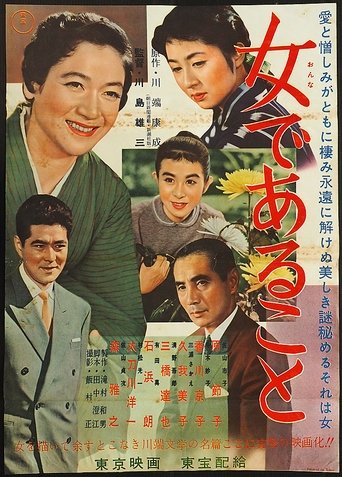 8.0
8.0A childless lawyer and his wife take in the quiet daughter of an imprisoned client, whose presence eventually creates romantic tension with the husband. The household dynamic is further disrupted by the arrival of a bold friend from Osaka and the wife's chance encounter with a former flame.
Woman Unveiled
1958
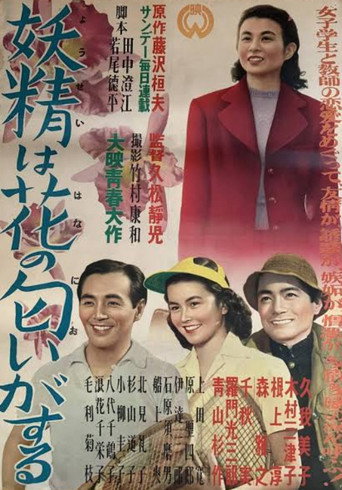 NR
NRA romance between a female student and a young professor, where friendship, temptation, and jealousy intertwine.
Yōsei wa hana no nioi gasuru
1953
 NR
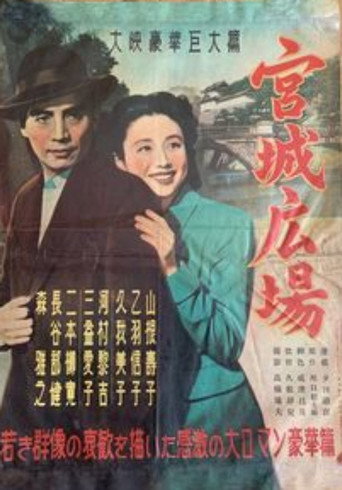
NRNo synopsis available yet.
Kyūjō hiroba
1951
1940s · 10 titles
 6.0
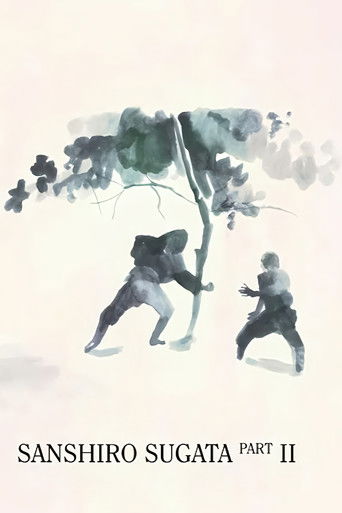
6.0A few years after his breakthrough, Sanshiro resumes his path to judo mastery—testing his discipline against an American prizefighter and later facing vengeful karate brothers. As rival schools and public spectacle push him toward violence, he must reconcile strength with restraint and the true spirit of his art.
Sanshiro Sugata, Part Two
1945
 7.0
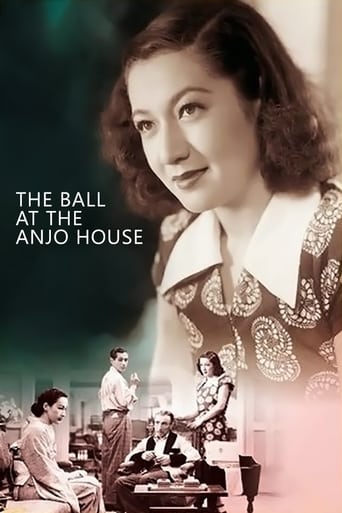
7.0After Japan's defeat in the war, the Anjo family lose their peerage and wealth. Since their mansion is due to pass into the hands of a creditor, the family holds one last ball before leaving.
The Ball at the Anjo House
1947
 9.0
9.0Adaptation of Junichiro Tanizaki's novel whit the same name. It is perversely erotic relationship between a young salaryman and his teenage wife whom he 'adopted' at first as to 'train' her to be his idealistic modern woman.
A Fool's Love
1949
 7.0
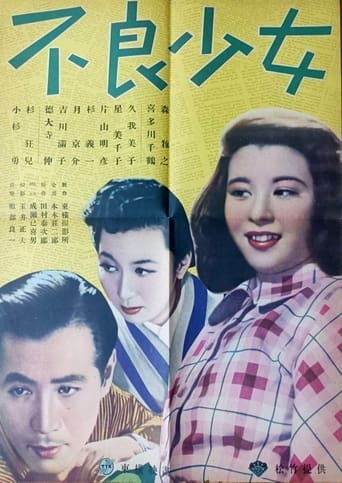
7.0A melodramatic love story, a would-be apprenticeship between the titular bad girl and the optimistic scholar returning from the big city. It is considered to be a lost film.
Delinquent Girl
1949
 10.0
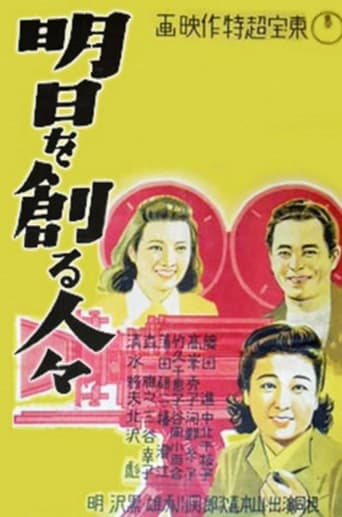
10.0In postwar Japan, two sisters—a film studio script girl and a revue dancer—become swept up in the growing labor movement when workers around them strike for better conditions. As their conservative father opposes their activism, his own dismissal forces him to confront the realities of class struggle and join their fight for a fairer future. Now considered a lost film, Those Who Make Tomorrow was produced by Toho to promote unionization during Japan’s Allied Occupation.
Those Who Make Tomorrow
1946
 10.0
10.0Three IJN flyers Mikami (Susumu Fujita), Kawakami (Masayuki Mori) and Murakami (Akitake Kono) are good friends, and they are all renowned for their torpedo techniques. Mikami is posted as a staff officer at a base on an island in the Pacific. Kawakami and Murakami later joins him as the base squardron is reinforced. The enemy task force approaches the island and all three of them attack the fleet, killing themselves in the process.
Battle Troop
1944
 6.7
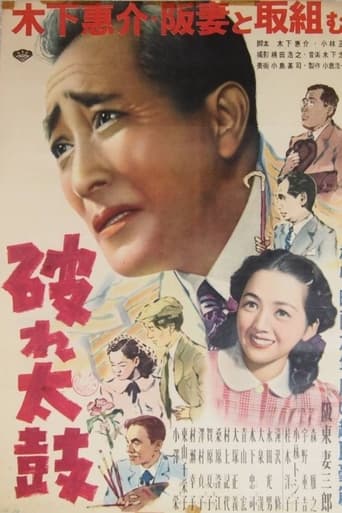
6.7When the future of his construction company falls into danger, a controlling father pushes his children into unsatisfying marriages and careers in order to regain financial stability.
Broken Drum
1949
 9.0
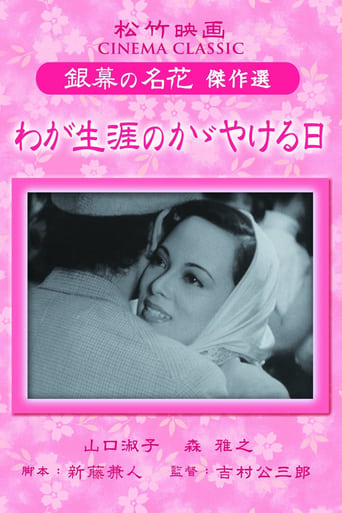
9.0Life and love in corrupt postwar Tokyo, as a young couple struggles against both the law and the mob.
The Most Beautiful Day of My Life
1948
 8.0
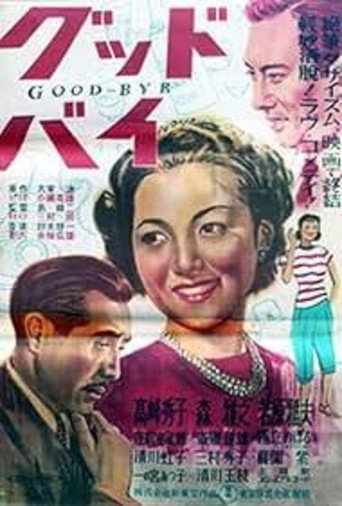
8.0No synopsis available yet.
Good-Bye!
1949
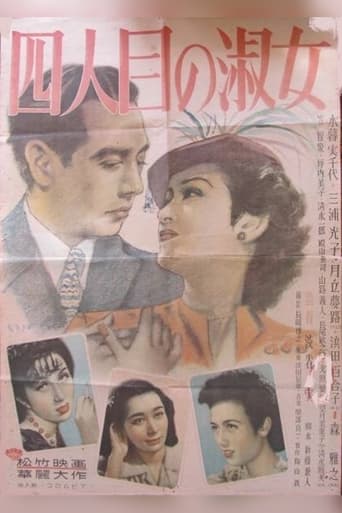 NR
NRIt was the first time in six years that I was able to step on the land of my homeland, the land of my nostalgia. It was Tokyo that had turned to burnt earth. A Tokyo with no one to rely on.
The Fourth Lady
1948