
Acting
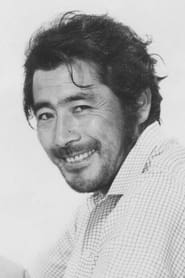
Toshirō Mifune
Born — Died
1920-04-01 — 1997-12-24
Place of birth
Qingdao, China
Known for
Acting
Credits
78 titles
Toshirō Mifune (April 1, 1920 - December 24, 1997) was a Japanese actor who is widely regarded as one of the greatest actors in the history of Japanese cinema. He was born in Qingdao, China, but was raised in Japan. Mifune's career spanned over 50 years, during which he collaborated extensively with renowned director Akira Kurosawa, creating some of the most iconic films in Japanese cinema. Mifune gained international recognition for his performances in Kurosawa's films, particularly in samurai films. He portrayed strong, dynamic, and often rebellious characters, bringing a raw intensity to his roles. Some of his notable collaborations with Kurosawa include "Rashomon" (1950), "Seven Samurai…
Known for
 8.5
8.5A samurai answers a village's request for protection after he falls on hard times. The town needs protection from bandits, so the samurai gathers six others to help him teach the people how to defend themselves, and the villagers provide the soldiers with food.
Seven Samurai
1954
 8.4
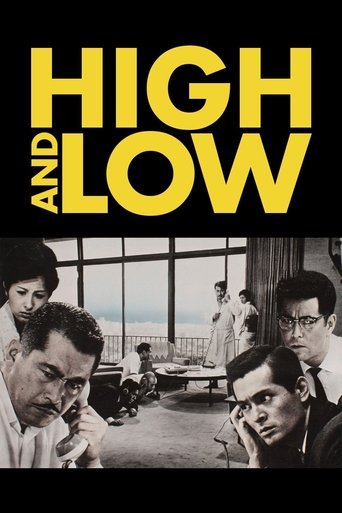
8.4A Yokohama shoe executive faces a wrenching choice when kidnappers mistakenly seize his chauffeur’s son but demand the ransom anyway.
High and Low
1963
 7.6
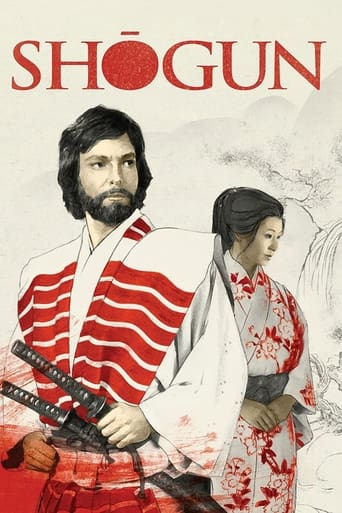
7.6An English navigator becomes both a player and pawn in complex political games in feudal Japan.
Shōgun
1980
 8.2
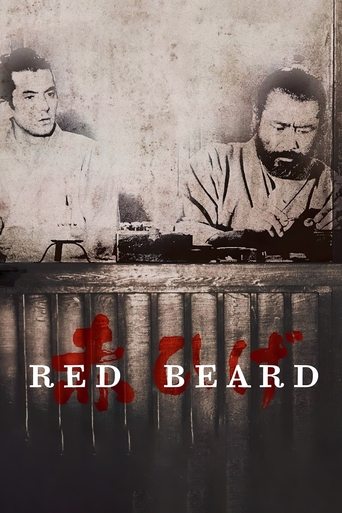
8.2Aspiring to an easy job as personal physician to a wealthy family, Noboru Yasumoto is disappointed when his first post after medical school takes him to a small country clinic under the gruff doctor Red Beard. Yasumoto rebels in numerous ways, but Red Beard proves a wise and patient teacher. He gradually introduces his student to the unglamorous side of the profession, ultimately assigning him to care for a prostitute rescued from a local brothel.
Red Beard
1965
V.I.P.-Schaukel is a 45 minute documentary-family-news-talk show starring Margret Dünser as Host. The series premiered on Sun May 09, 1971 on ZDF and Folge 37 - Final Show last aired on Fri May 09, 1980.
V.I.P. Schaukel
1971
 6.6
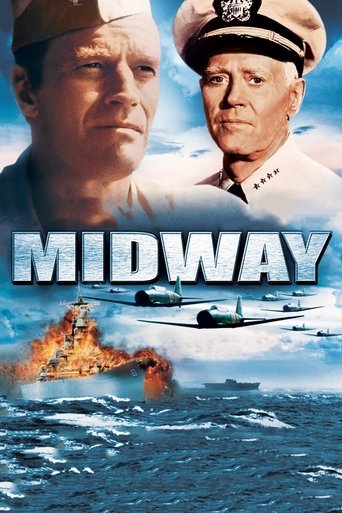
6.6This war drama depicts the U.S. and Japanese forces in the naval Battle of Midway, which became a turning point for Americans during World War II.
Midway
1976
Film credits
2010s · 2 titles
 7.5
7.5A film where anything can happen - the hero and the heroine changes their faces, age, look, names, and so on. The only same thing: The love between man and woman... in an archetypical love story cut from 500 classics from all around the world.
Final Cut: Ladies and Gentlemen
2012
 7.0
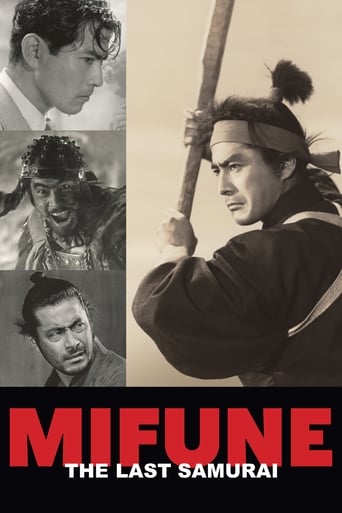
7.0An account of the life and work of legendary Japanese actor Toshirō Mifune (1920-97), the most prominent actor of the Golden Age of Japanese cinema.
Mifune: The Last Samurai
2016
1990s · 2 titles
 6.0
6.0In the 1930s, Agaguk lives his traditional Inuit life. But one day, there is a murder in the tribe and Agaguk becomes a suspect. Soon he becomes persecuted by Henderson, a mean mountie, and he must flee through the cold winter of Northern Quebec.
Shadow of the Wolf
1992
 6.5
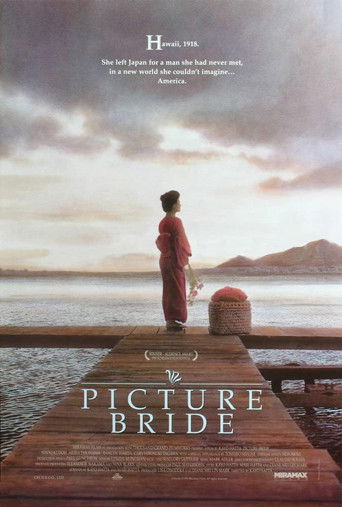
6.5Riyo, an orphaned 17-year old, sails from Yokohama to Hawaii in 1918 to marry Matsuji, a man she has never met. Hoping to escape a troubled past and start anew, Riyo is bitterly disappointed upon her arrival: her husband is twice her age. The miserable girl finds solace with her new friend Kana, a young mother who helps Riyo accept her new life.
Picture Bride
1995
1980s · 9 titles
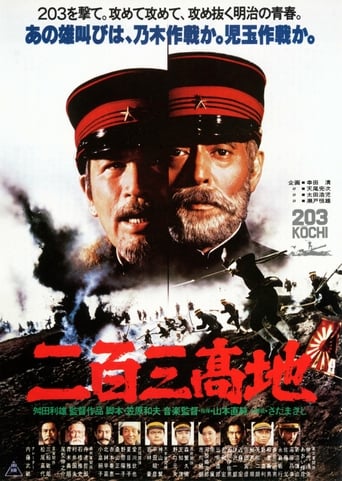 7.4
7.4Depicts the bloody siege of the fortress of Port Arthur, one of the most strongly fortified positions in the world, during the Russo-Japanese War of (1904 - 1905). In the story dominated the character Lt Takeshi Kogyo (Teruhiko Aoi), teachers, and a reserve officer who became commander of the platoon and later company. At the same time monitors the conduct of the army commander general Nogi (Tatsuya Nakadai), which was commissioned of the emperor Matsuhito (Toshirô Mifune) to the conquest of the fort.
Port Arthur
1980
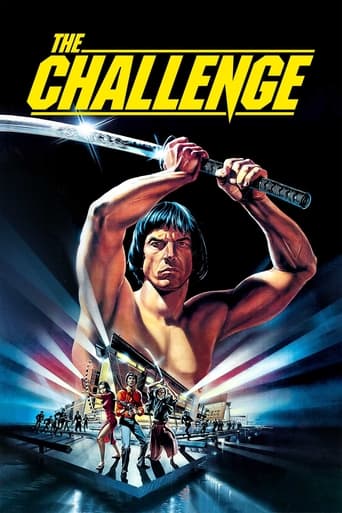 5.9
5.9Rick, a down-and-out American boxer, is hired to transport a sword to Japan, unaware that the whole thing is a set up in a bitter blood-feud between two brothers, one who follows the traditional path of the samurai and the other a businessman. At the behest of the businessman, Rick undertakes samurai training from the other brother, but joins his cause. He also becomes romantically involved with the samurai's daughter.
The Challenge
1982
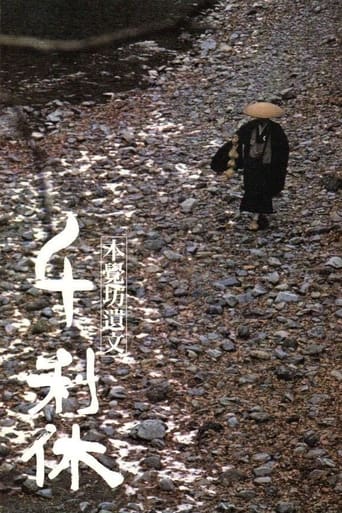 5.6
5.6Years after the death of legendary tea master Rikyu, his disciple Honkakubo attempts to resolve the mystery of the master's death.
Death of a Tea Master
1989
 5.3
5.3A steel samurai blade that was to be given to the American ambassador by the Emperor of Japan is stolen. American sailors and Japanese samurai are sent to find it.
The Bushido Blade
1981
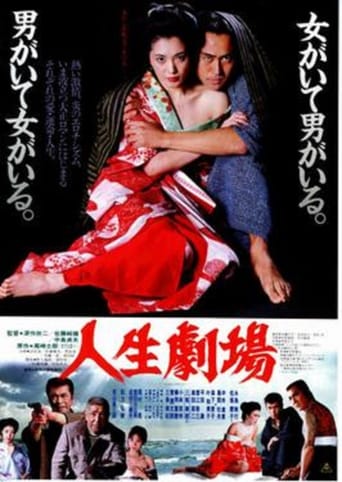 9.0
9.0Adaptation of Shiro Ozaki's novel.
Theater Of Life
1983
 7.7
7.7The story of Japan's victory in the battle of Tsushima Strait.
Battle Anthem
1983
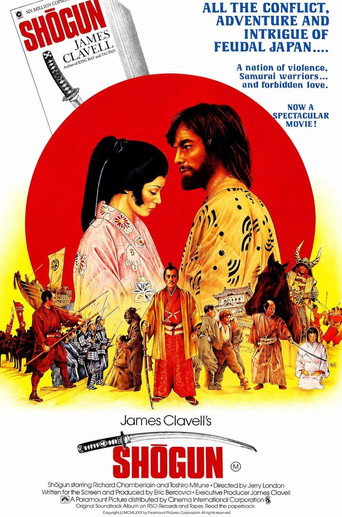 5.7
5.7Englishman John Blackthorne, serving the Netherlands as navigator of the "Erasmus," is sailing a merchant fleet bound for uncharted Japan. In Asian waters, the fleet is caught in a violent storm and capsizes. This is a compilation of footage from the miniseries, intended for international theatrical release.
Shogun
1980
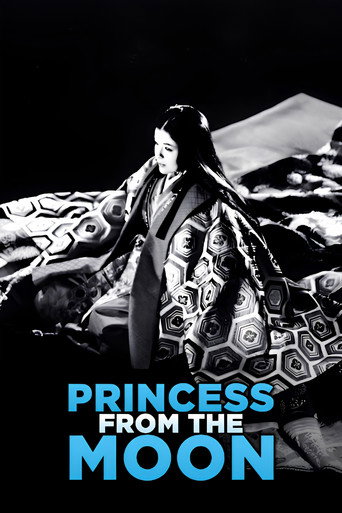 6.4
6.4Two poor, married farmers have recently lost their only child; after a freak visitation, they pry open an alien cocoon to greet their new daughter.
Princess from the Moon
1987
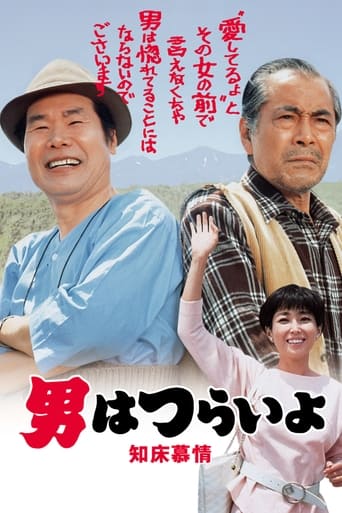 9.0
9.0When his travels take him to rural Hokkaido, Tora-san helps a cantankerous old veterinarian (Mifune) in his relationships with his estranged daughter, and a woman in whom he is secretly interested.
Tora-san Goes North
1987
1970s · 11 titles
6.6This war drama depicts the U.S. and Japanese forces in the naval Battle of Midway, which became a turning point for Americans during World War II.
Midway
1976
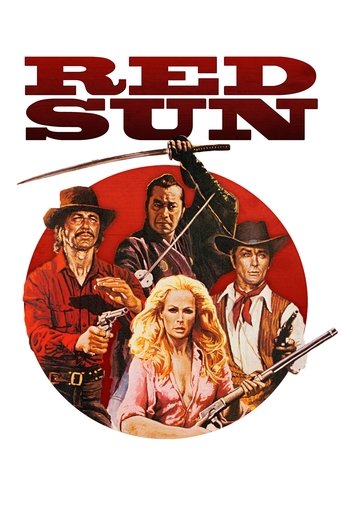 6.8
6.8In 1870, Japanese ambassador Sakaguchi and his entourage travel by train to Washington to deliver a valuable sword to the President of the United States, a gift from the Emperor of Japan. On board the same train are two robbers, Link and Gauche, ready to make their move…
Red Sun
1971
 5.8
5.8In the days after the attack on Pearl Harbor, panic grips California, where a military officer leads a mob chasing a Japanese sub.
1941
1979
 5.7
5.7The younger brother of an assassinated US President is led down a rabbit hole of conspiracies and dead ends after learning of a man claiming to be the real shooter.
Winter Kills
1979
 7.2
7.2The three-film saga comes to a conclusion as three leaders of the underworld battle it out to determine who will become Don of Japan.
Japanese Godfather: Conclusion
1978
 6.8
6.8Zatoichi treks to a village that has always been a favorite spot of his, only to discover that it’s become a living hell, plagued by feuding father and son yakuza as well as the younger crime boss’s bodyguard, scruffy, smart-mouthed, cash-hungry Yojimbo of legend.
Zatoichi Meets Yojimbo
1970
 6.4
6.4Obayashi's take on the famous Kosuke Kindaichi series, made popular partly thanks to the numerous movie-adaptions by Kon Ichikawa, the most known being The Inugami Family. Kosuke Kindaichi is the most famous detective in Japan. Kindaichi gets a new case to figure out who has beheaded a valuable statue and made off with its head.
The Adventures of Kosuke Kindaichi
1979
 7.0
7.0Following the death of the second Tokugawa shogun, it is revealed that he was poisoned by retainers of his son Iemitsu in hopes of gaining him the shogunate despite the stammer and birthmark which undermine his respect. Iemitsu and his brother Tadanaga become bitter rivals for the shogunate, and the land is split into factions, eventually erupting into warfare. Iemitsu's mentor, his fencing instructor Yagyu, is fixated upon securing Iemitsu the shogunate and ends up betraying everyone, even his own family, in pursuit of the goal.
Shogun's Samurai: The Yagyu Clan Conspiracy
1978
 6.8
6.8This is the story of "The Forty-Seven Ronin." Based on historical events in 1701-2, the movie tells the tale of the Asano clan's downfall and the revenge of its former samurai on the perpetrator of the catastrophe. Lord Asano was goaded, or tricked, into drawing his sword inside the Shogun's palace -- a crime which carried the death penalty. The newly installed Shogun was furious at Asano and ordered all his clan's assets seized, meaning some 20,000 samurai and commoners were unemployed and landless at a stroke. Forty-seven of these ronin (masterless samurai) banded together to take attempt revenge on Lord Kira, who had goaded Asano into drawing his sword.
The Fall of Ako Castle
1978
 7.8
7.8When an American is murdered in a Japanese inn, Tokyo police detective Munesue follows the trail of the killer to New York. There he is joined by a New York City detective named Shuftan and together they sort out the crime.
Proof of the Man
1977
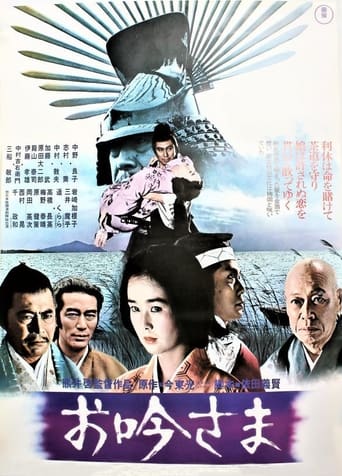 6.4
6.4Sen Rikyu is a ceremonial tea master who advises warlord Hideyoshi in sixteenth-century feudal Japan. His daughter, the beautiful Lady Ogin, has an unrequited love for Lord Ukon, who has angered Hideyoshi by becoming a Christian convert. Ogin's father Rikyu also displeases Hideyoshi by opposing the warlord's plan to invade China and Korea. When the animalistic Hideyoshi is rejected by Ogin, he threatens her and her father with arrest and worse.
Love and Faith
1978
1960s · 19 titles
8.4A Yokohama shoe executive faces a wrenching choice when kidnappers mistakenly seize his chauffeur’s son but demand the ransom anyway.
High and Low
1963
8.2Aspiring to an easy job as personal physician to a wealthy family, Noboru Yasumoto is disappointed when his first post after medical school takes him to a small country clinic under the gruff doctor Red Beard. Yasumoto rebels in numerous ways, but Red Beard proves a wise and patient teacher. He gradually introduces his student to the unglamorous side of the profession, ultimately assigning him to care for a prostitute rescued from a local brothel.
Red Beard
1965
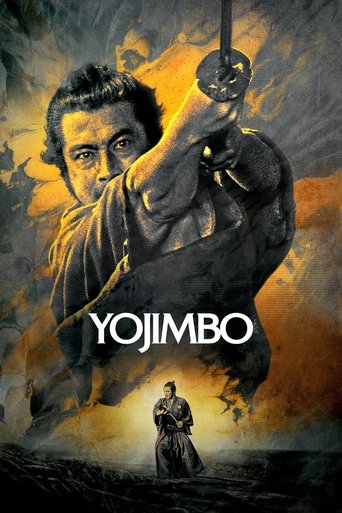 8.1
8.1A nameless ronin, or samurai with no master, enters a small village in feudal Japan where two rival businessmen are struggling for control of the local gambling trade. Taking the name Sanjuro Kuwabatake, the ronin convinces both silk merchant Tazaemon and sake merchant Tokuemon to hire him as a personal bodyguard, then artfully sets in motion a full-scale gang war between the two ambitious and unscrupulous men.
Yojimbo
1961
 7.3
7.3The most daring drivers in the world have gathered to compete for the 1966 Formula One championship. After a spectacular wreck in the first of a series of races, American wheelman Pete Aron is dropped by his sponsor. Refusing to quit, he joins a Japanese racing team. While juggling his career with a torrid love affair involving an ex-teammate's wife, Pete must also contend with Jean-Pierre Sarti, a French contestant who has previously won two world titles.
Grand Prix
1966
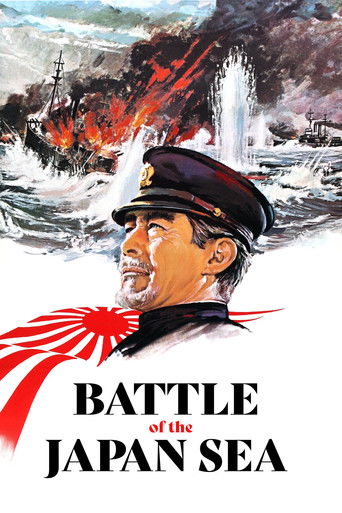 6.4
6.4Japan and Russia clash in what comes to be known as the Russo-Japanese War. An attempt by the Japanese fleet and army to take Port Arthur fails, and a Russian fleet bears down on the Sea of Japan. Admiral Heihachiro Togo sends his fleet to confront the Russians, with results which stun both nations. Meanwhile, Major Genjiro Akashi makes secret negotiations with the Bolshevik revolutionaries in Russia, negotiations that have repercussions far beyond the conflict at hand.
Battle of the Japan Sea
1969
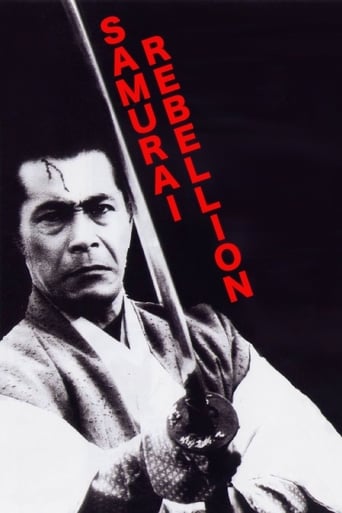 8.2
8.2The mother of a feudal lord's only heir is kidnapped by the lord. Her husband and his samurai father must decide whether to accept the unjust decision, or risk death to rescue her.
Samurai Rebellion
1967
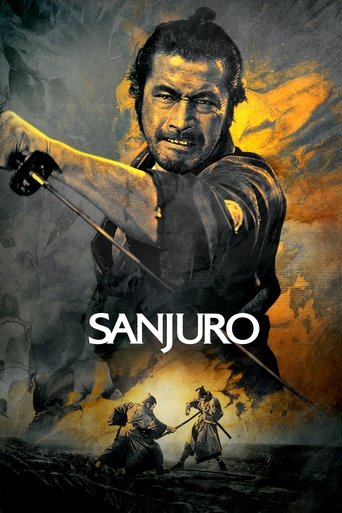 7.9
7.9In this companion piece and sequel to "Yojimbo," jaded samurai Sanjuro helps an idealistic group of young warriors weed out their clan's evil influences, and in the process turns their image of a proper samurai on its ear.
Sanjuro
1962
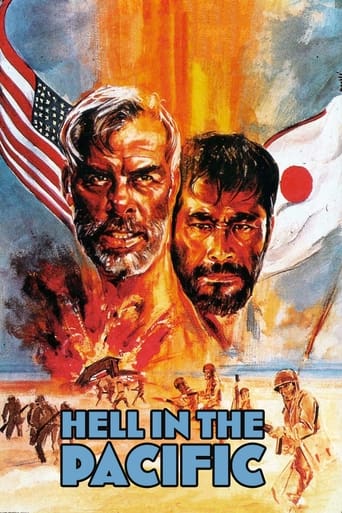 7.0
7.0During World War II, a shot-down American pilot and a marooned Japanese navy captain find themselves stranded on the same small uninhabited island in the Pacific Ocean.
Hell in the Pacific
1968
 7.7
7.7In this loose adaptation of "Hamlet," illegitimate son Kôichi Nishi climbs to a high position within a Japanese corporation and marries the crippled daughter of company vice president Iwabuchi. At the reception, the wedding cake is a replica of their corporate headquarters, but an aspect of the design reminds the party of the hushed-up death of Nishi's father. It is then that Nishi unleashes his plan to avenge his father's death.
The Bad Sleep Well
1960
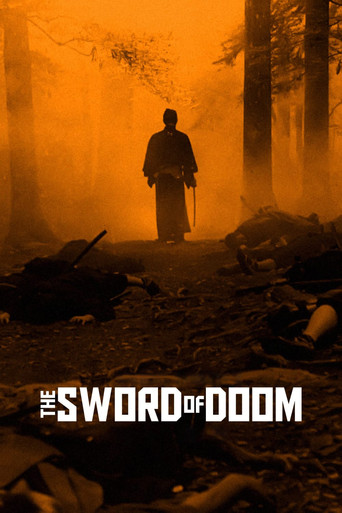 7.8
7.8Ryunosuke, a gifted swordsman plying his trade during the turbulent final days of Shogunate rule, has no moral code and kills without remorse. It’s a way of life that leads to madness.
The Sword of Doom
1966
 6.2
6.2Osami, a soldier-of-fortune from Japan, joins with priest Ensai in a quest for the ashes of the great Buddha. Their journey takes them to a kingdom in the Middle East, where they find intrigue and romance in the court of an evil king.
Adventure in Kigan Castle
1966
 6.0
6.0Lt. Koji Kitami is a navigator-bombardier in Japan's Naval Air Force. He participates in the Japanese raid on the U.S. Naval Base at Pearl Harbor in 1941 and is welcomed with pride in his hometown on his return. As Japan racks up victory after victory in the Pacific War, Kitami is caught up in the emotion of the time and fights courageously for the standard of Japanese honor. But his assuredness of his government's righteousness is shaken after the Japanese navy is defeated in the debacle of Midway.
The Storm of the Pacific
1960
 7.3
7.3Japan, 1860. The men of the Mito clan, victims of the Ansei purge, anxiously prowl around the Sakurada Gate of Edo Castle with the intention of assassinating Naosuke Ii of Hikone, tairō of the Tokugawa shogunate and responsible for their misfortune.
Samurai Assassin
1965
 5.9
5.9An adventurous and daring sailor sets sail to the castle of an ailing king to stop an evil premier, hungry for power and wealth, from succeeding the throne and marrying the king's beautiful daughter. Along the way, with the help of some courageous rebels and a lustful wizard, he must overcome the powers of a bewitching witch, a band of ruthless pirates, and the castle's Imperial guards. He must also free those kidnapped into slavery and restore the king's reputation.
Samurai Pirate
1963
 7.1
7.1After their lord is tricked into committing ritual suicide, forty-seven samurai warriors await the chance to avenge their master and reclaim their honor.
Chûshingura
1962
 7.9
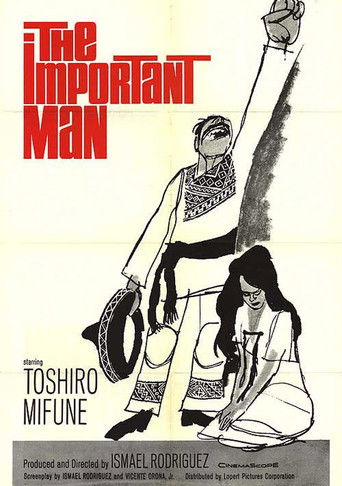
7.9Animas Trujano is a colorful but irresponsible Indian in a small Mexican village. He hopes above all things someday to be chosen mayordomio of his village, a place of great honor usually conferred upon the wealthiest and most respected citizens. Animas has a loyal wife, but cheats on her and gambles away every cent they raise. Chances arise for Animas to turn over a new leaf and even hope realistically for the honor of mayordomio.
The Important Man
1961
 7.3
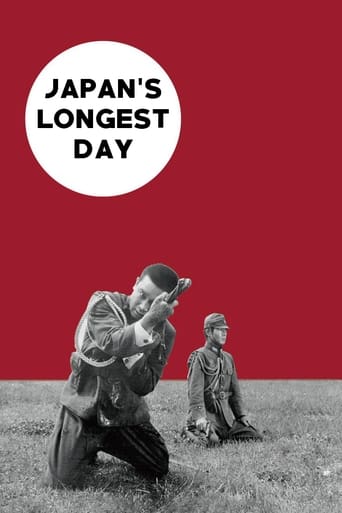
7.3A dramatisation of the 24-hour period in which the Japanese government was deadlocked over the decision to accept or reject the Allies' demand for an unconditional surrender following the bombings of Hiroshima and Nagasaki.
Japan's Longest Day
1967
 7.4
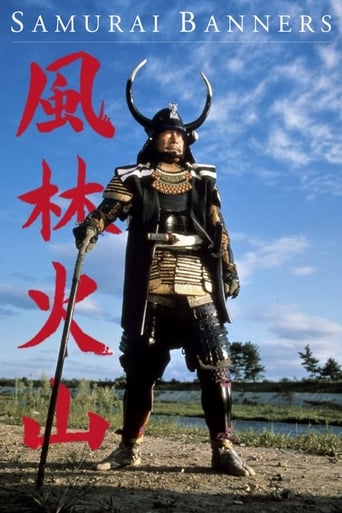
7.4Kansuke Yamamoto is a samurai who dreams of a country united, peaceful from sea to sea. He enters the service of Takeda, the lord of Kai domain. He convinces Takeda to kill the lord of neighboring Suwa and take his wife as a concubine. He then convinces the widow, Princess Yu, to accept this arrangement and to bear Takeda a son. He pledges them his life. He then spends years using treachery, poetic sensibility, military and political strategy to expand Takeda's realm, advance the claim of Yu's son as the heir, and prepare for an ultimate battle with the forces of Echigo. Has Kansuke overreached? Are his dreams, blinded by love, too big?
Samurai Banners
1969
 6.2
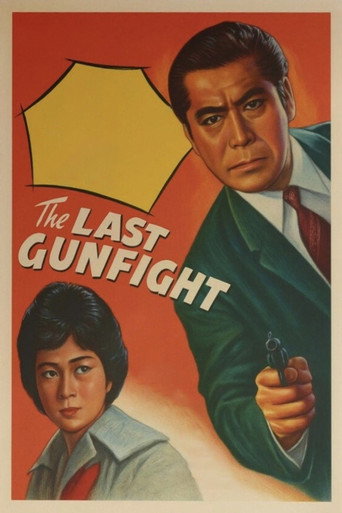
6.2Japanese police detective Saburo Fujioka is suspected of corruption, demoted, and sent to the city of Kojin. Kojin is the scene of fierce fighting between rival gangs. Fujioka is assigned to investigate the death of the wife of gangster Tetsuo Maruyama of the Kozuka gang, probably at the hands of one of the Oka gang. During a gang gunfight, Maruyama is rescued by Detective Fujioka and the two become friends. But Maruyama insists on avenging his wife's murder, even if it means conflict with his new friend.
The Last Gunfight
1960
1950s · 14 titles
8.5A samurai answers a village's request for protection after he falls on hard times. The town needs protection from bandits, so the samurai gathers six others to help him teach the people how to defend themselves, and the villagers provide the soldiers with food.
Seven Samurai
1954
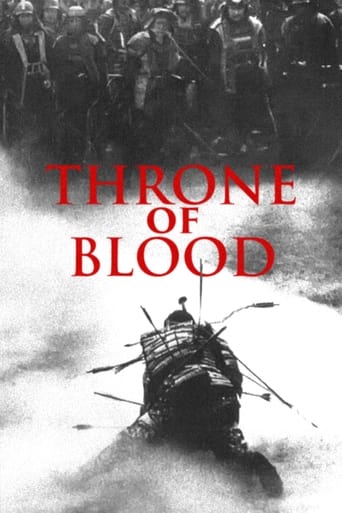 7.9
7.9Returning to their lord's castle, samurai warriors Washizu and Miki are waylaid by a spirit who predicts their futures. When the first part of the spirit's prophecy comes true, Washizu's scheming wife, Asaji, presses him to speed up the rest of the spirit's prophecy by murdering his lord and usurping his place. Director Akira Kurosawa's resetting of William Shakespeare's "Macbeth" in feudal Japan is one of his most acclaimed films.
Throne of Blood
1957
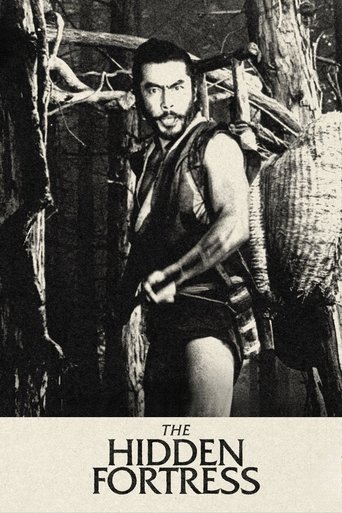 8.0
8.0In feudal Japan, during a bloody war between clans, two cowardly and greedy peasants, soldiers of a defeated army, stumble upon a mysterious man who guides them to a fortress hidden in the mountains.
The Hidden Fortress
1958
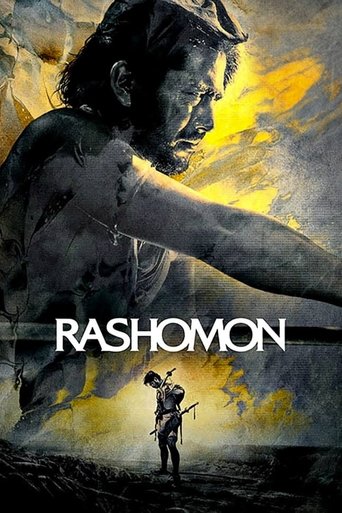 8.0
8.0Four people recount different versions of the story of a man's murder and the rape of his wife.
Rashomon
1950
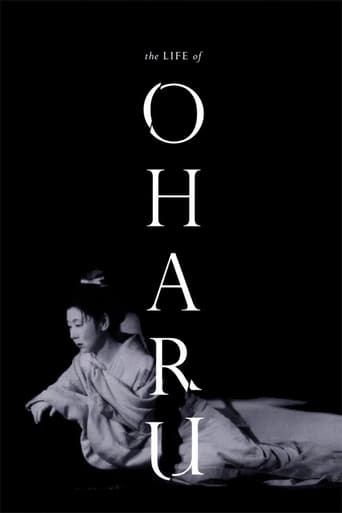 7.8
7.8During the Edo Period, a noblewoman's banishment for her love affair with a lowly page signals the beginning of her inexorable fall.
The Life of Oharu
1952
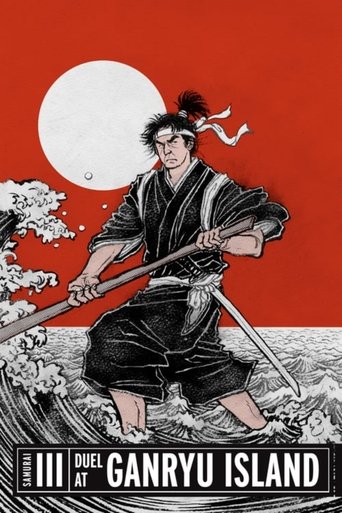 7.2
7.2A humble and simple Takezo abandons his life as a knight errant. He's sought as a teacher and vassal by Shogun, Japan's most powerful clan leader. He's also challenged to fight by the supremely confident and skillful Sasaki Kojiro. Takezo agrees to fight Kojiro in a year's time but rejects Shogun's patronage, choosing instead to live on the edge of a village, raising vegetables. He's followed there by Otsu and later by Akemi, both in love with him. The year ends as Takezo assists the villagers against a band of brigands. He seeks Otsu's forgiveness and accepts her love, then sets off across the water to Ganryu Island for his final contest.
Samurai III: Duel at Ganryu Island
1956
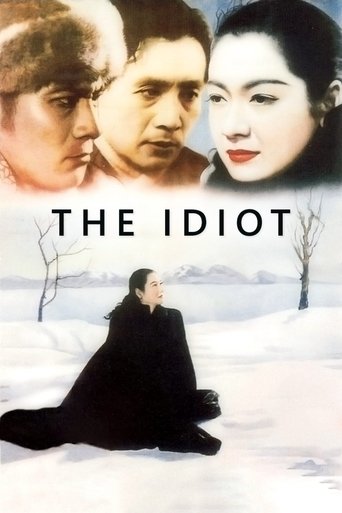 7.0
7.0A gentle, war-shattered ex-soldier, Kinji Kameda, arrives in wintry Hokkaidō and is pulled into a volatile tangle of love and pity between the disgraced Taeko Nasu, the proud Ayako, and his possessive friend Akama. Kameda’s saintly compassion exposes everyone’s wounds, steering the quartet toward jealousy, violence, and inexorable tragedy. Adapted from Dostoevsky’s novel.
The Idiot
1951
 7.2
7.2A poor rickshaw driver finds himself helping a young woman and her son after the woman's husband dies suddenly.
The Rickshaw Man
1958
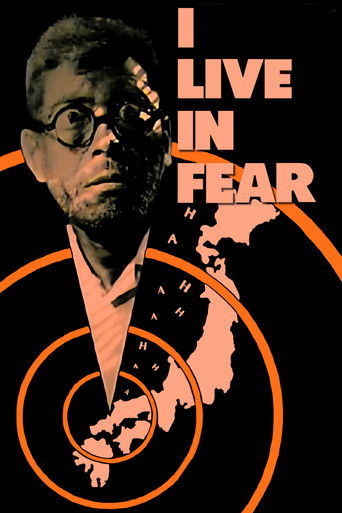 7.3
7.3An aging foundry patriarch, gripped by terror of nuclear annihilation, tries to uproot his family to Brazil. When they petition to have him declared incompetent, a family-court counselor witnesses his obsession slide into ruin—and asks whether ignoring the atomic threat is any saner.
I Live in Fear
1955
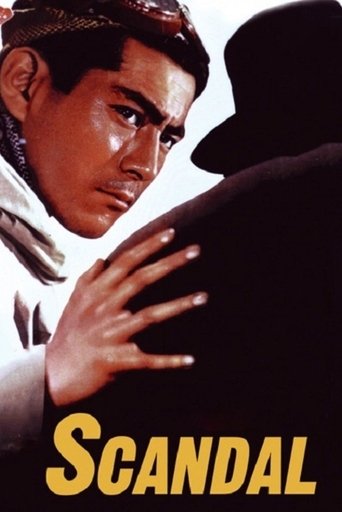 6.9
6.9A celebrity photograph sparks a court case as a tabloid magazine spins a scandalous yarn over a painter and a famous singer.
Scandal
1950
 5.5
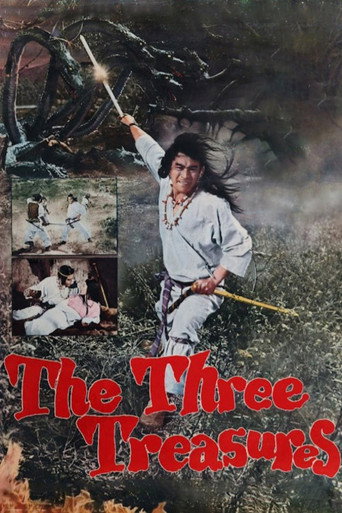
5.5The legend of the birth of Shintoism. In Fourth Century Japan, the Emperor's son Ouso expects to succeed his father on the throne, but Otomo, the Emperor's vassal, prefers Ouso's stepbrother, and conspires to have Ouso die on a dangerous mission he has contrived. But Ouso prevails in the mission and returns to his father's castle under a new name, Prince Yamato Takeru. Otomo plots to have the Prince sent into even greater danger, but Otomo is unaware that the gods have favored the Prince and the outcome is far from what any of them expected.
The Three Treasures
1959
 7.2
7.2After years on the road establishing his reputation as Japan's greatest fencer, Takezo returns to Kyoto. Otsu waits for him, yet he has come not for her but to challenge the leader of the region's finest school of fencing. To prove his valor and skill, he walks deliberately into ambushes set up by the school's followers.
Samurai II: Duel at Ichijoji Temple
1955
 7.1
7.1Residents of a rundown boardinghouse in 19th-century Japan, including a mysterious old man and an aging actor, get drawn into a love triangle that turns violent. When amoral thief Sutekichi breaks off his affair with landlady Osugi to romance her younger sister, Okayo, Osugi extracts her revenge by revealing her infidelity to her jealous husband.
The Lower Depths
1957
 7.2
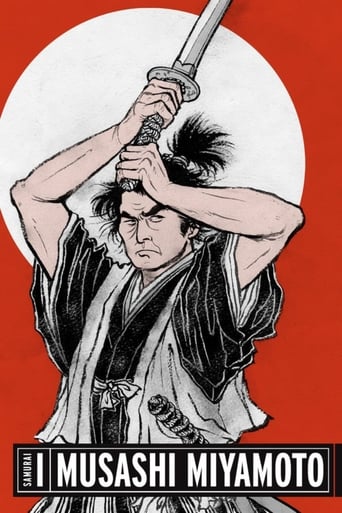
7.2Struggling to elevate himself from his low caste in 17th century Japan, Miyamoto trains to become a mighty samurai warrior.
Samurai I: Musashi Miyamoto
1954
1940s · 3 titles
 7.6
7.6In postwar Tokyo, a blunt, alcohol-soaked doctor diagnoses a swaggering young yakuza with tuberculosis, forging an uneasy bond that’s tested when the gangster’s ruthless former boss returns and drags him back toward the swampy underworld he can’t escape.
Drunken Angel
1948
 7.6
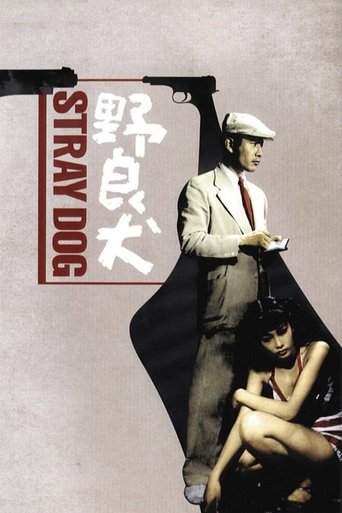
7.6A bad day gets worse for young detective Murakami when a pickpocket steals his gun on a hot, crowded bus. Desperate to right the wrong, he goes undercover, scavenging Tokyo’s sweltering streets for the stray dog whose desperation has led him to a life of crime. With each step, cop and criminal’s lives become more intertwined and the investigation becomes an examination of Murakami’s own dark side.
Stray Dog
1949
 7.3
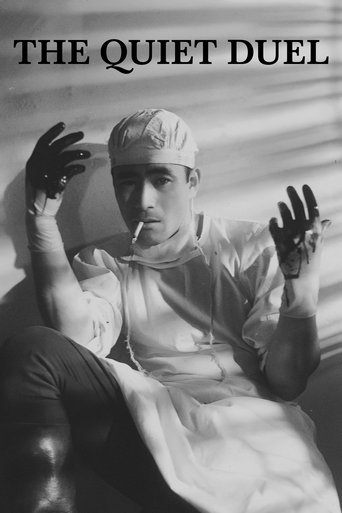
7.3A young army surgeon, Kyoji Fujisaki, accidentally contracts syphilis during a WWII field operation. Back at his father’s clinic, he treats himself in secret and breaks off his engagement rather than risk his fiancée’s future, even as he confronts the irresponsible patient who infected him—testing his ethics, pride, and capacity for sacrifice.
The Quiet Duel
1949
Series credits
7.6An English navigator becomes both a player and pawn in complex political games in feudal Japan.
Shōgun
1980
V.I.P.-Schaukel is a 45 minute documentary-family-news-talk show starring Margret Dünser as Host. The series premiered on Sun May 09, 1971 on ZDF and Folge 37 - Final Show last aired on Fri May 09, 1980.
V.I.P. Schaukel
1971
Set in the eighteenth century, during the reign of the fifth Tokugawa shōgun Tokugawa Tsunayoshi. Akō-han is demolished by the Tokugawa shogunate. Hotta Hayato is a ronin who is living a desperate life because of his sad past. But one day he starts working for Chisaka Takafusa, the Chief retainer of the Uesugi clan. The Uesugi clan and Chisaka are wary of Ōishi Kuranosuke and Ako Roshi's movements, so Chisaka orders Hotta to observe Ōishi Kuranosuke.
The 47 Ronins of Ako
1979
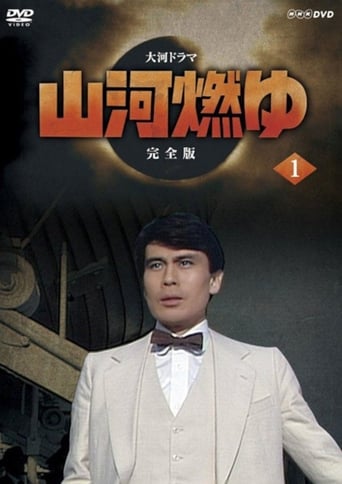 8.0
8.0The three Amaba brothers are second-generation Japanese Americans, whose allegiances are torn by the bombing of Pearl Harbor. Determined to show his loyalty to his adopted country, Isamu volunteers for the U.S. Army and is shipped off to fight in Europe. A second brother, studying in Japan at the outbreak of hostilities, is conscripted to fight against the Americans as a Japanese soldier. The third brother Kenji (Matsumoto) avoids conflict by enlisting as a military interpreter, in which capacity he witnesses the war crimes trials that followed Japan's defeat.
Burning Mountain River
1984
 NR
NR"Tuesday Suspense Theater" was broadcast every Tuesday from 21:00 to 22:54 ( JST ) on the Nippon Television network for 24 years from September 29 , 1981 to September 27, 2005. It was a two-hour drama slot. As a general rule, suspense dramas with one complete episode (very rarely, two parts) were broadcast every week from 21:00 to 22:54 ( JST ). It is a broadcast frame. Some episodes also aired horror, historical dramas, and special effects dramas.
Tuesday Suspense Theater
1981
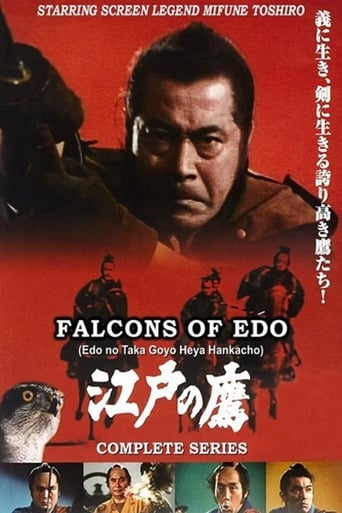 8.5
8.5In the 1770's, the shrewdest man of the age, Tanuma Okitsugu, had abused his political power, and the corruption of government officials and moral decay of the public were prevalent. At that time, there was a box for complaints made by the general public. It was called "Meyasubako" and was placed at the front gate of the central government's Supreme Court. The appeals went directly to the shogun who assigned the “Otakagumi” (Falconers Unit) to investigate. Led by Uchiyama Kanbei (samurai superstar Mifune Toshiro) they fought injustice and helped the oppressed. Not only were they skilled swordsmen, but their trained falcons would swoop down on enemy troops, especially those using firearms. Superb fighting throughout with Mifune at the forefront in one of his finest roles. As the vile Tanuma Okitsugu continues to abuse his political power, more and more clashes with the Falcons of Edo, who stand for justice and morality are bound to occur, leading to a conclusion the likes of which has never been seen. Putting his life on the line, time and time again, Uchiyama Kanbei fights to prevent Tanuma from destroying the falconers’ group and take him to task for his vicious treatment of the Japanese people. Aided by his trusty Vice-Chief Ichiyanagi Kakuto, he wades bravely into battle in a land where “Take no prisoners” is the mantra. Brilliant fighting and a clever story line create a highly charged action series that brings out the best in samurai cinema. Can the Falcons of Edo prevail and save Japan from being crushed underfoot!
Falcons of Edo
1978
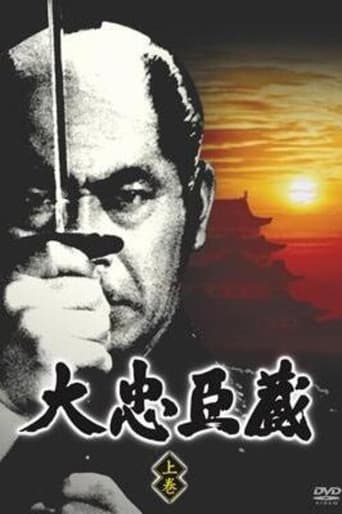 9.0
9.0Daichūshingura is a television dramatization of the events of the Forty-seven Ronin. The first episode aired on January 5, 1971, and the 52nd and final episode appeared on December 28 of the same year. The NET network broadcast it in the Tuesday evening 9:00–9:56 prime-time slot in Japan. The series featured an all-star cast. The central actor was Toshiro Mifune, who portrayed Ōishi Kuranosuke; Yoko Tsukasa his wife; and kabuki actor Onoe Kikugorō VII their son Chikara.
Epic Chushingura
1971
 10.0
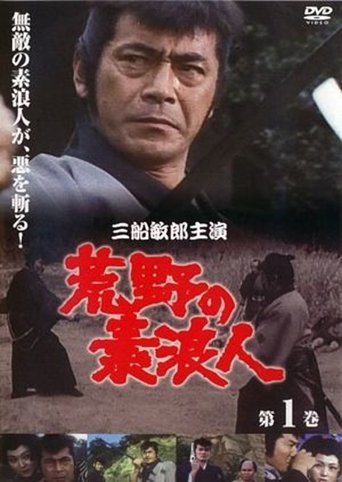
10.0Continuing the tradition of the Yojimbo movies, Mifune Toshiro stars as Toge Kujuro, a wandering ronin searching for his own fame and happiness. With a sense of justice, he travels the countryside, with his motley collection of outcasts - a pistol-carrying ronin, a two-bit con artist and woman seeking revenge, following close behind, unwittingly righting wrongs and protecting the common man.
Ronin of the Wastelands
1972
 6.5
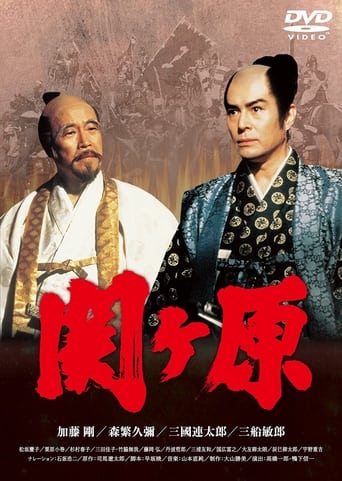
6.5Blockbuster drama based on the novel Sekigahara by Ryotaro Shiba, a program dedicated to the 30th anniversary of TBS. A total of 120 actors, 3,500 extras and about 500 horses recreated the largest battle in history, the Battle of Sekigahara, in which 200,000 warriors clashed from east and west. The battle, which can be called a turning point in the history of Japan, depicts the conflict, love and hate between people on a grand scale and with a great cast.
Sekigahara
1981
 8.0
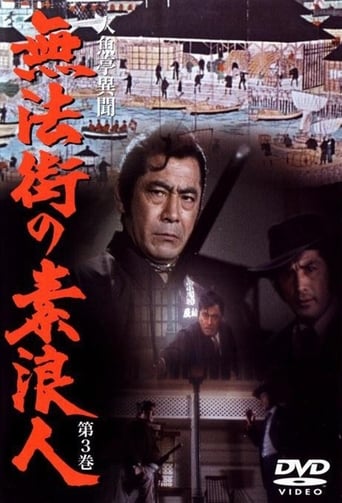
8.0A wildly unusual story set in the earliest days of the Meiji era. The story centers around a gathering place called The Mermaid Saloon, where scantily clad pearl divers put on a show while two residents of the inn upstairs...
Ronin in a Lawless Town
1976
 NR
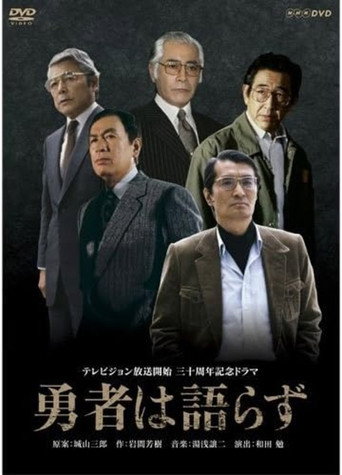
NRA four-episode TV drama commemorating the 30th anniversary of the start of television broadcasting, set in the automobile industry.
The Brave Man Says Little
1983
Behind the camera
8.2The mother of a feudal lord's only heir is kidnapped by the lord. Her husband and his samurai father must decide whether to accept the unjust decision, or risk death to rescue her.
Samurai Rebellion
1967
7.4Kansuke Yamamoto is a samurai who dreams of a country united, peaceful from sea to sea. He enters the service of Takeda, the lord of Kai domain. He convinces Takeda to kill the lord of neighboring Suwa and take his wife as a concubine. He then convinces the widow, Princess Yu, to accept this arrangement and to bear Takeda a son. He pledges them his life. He then spends years using treachery, poetic sensibility, military and political strategy to expand Takeda's realm, advance the claim of Yu's son as the heir, and prepare for an ultimate battle with the forces of Echigo. Has Kansuke overreached? Are his dreams, blinded by love, too big?
Samurai Banners
1969
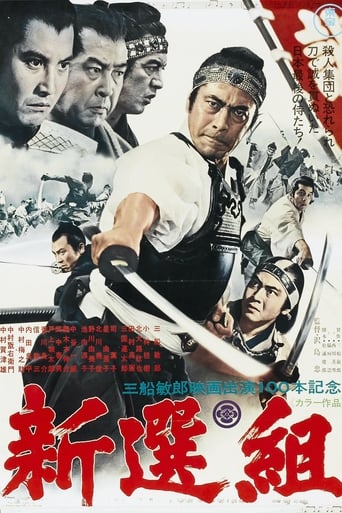 6.9
6.9Near the end of the nineteenth century, as the balance of power shifts from Shogunate towards the Emperor, Japan restlessly awaits the dawning of a new age. But not all are content...The Shinsengumi, a small army of samurai, farmers and peasants, band together to do battle against the tide of history. Their leader, Isami Kondo is a man who rises from farmer to fighter to head the fierce Shinsengumi brigade. Using a stern hand and a heart of gold, he rallies his men in defense of the tottering Shogunate. But bloodshed and treachery lurk around every corner.
Shinsengumi: Assassins of Honor
1969
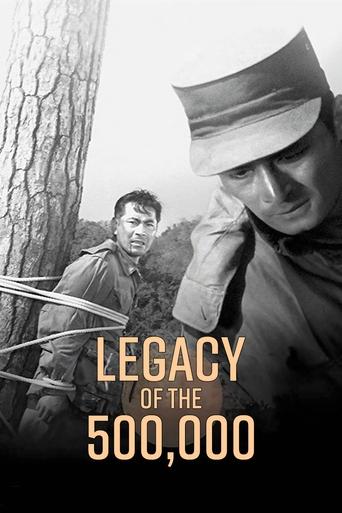 6.9
6.9During World War II, Japan sends gold to the Phillipines. After the war, the gold is lost in the bay of Manille. Former soldier Takeichi Matsuo is now working as a business executive. He meets Mintsura Gunji, the boss of a large company, who offers him to go to the Philippines and bring back the gold.
Legacy of the 500,000
1963
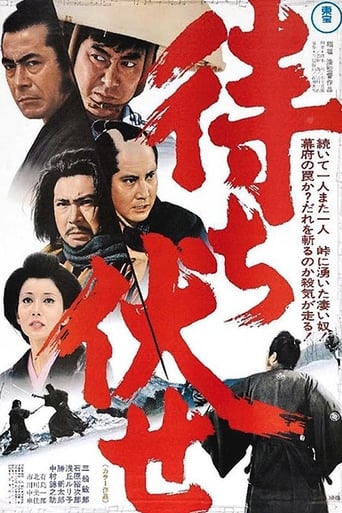 6.9
6.9In the Edo period, a nameless ronin accepts an assignment to go to a mountain pass and wait. Near the pass he stops at an inn where a collection of characters gather, including a gang set on stealing shogunate gold that's soon to come over the pass. When the Ronin's assignment becomes clear, to help the gang, he's ordered to kill the inn's residents, including a woman he's rescued from an abusive husband. He's reluctant to murder innocent people; then he learns that the gold shipment is a trap and he's part of a double cross. How he sorts through these divided loyalties tests of his samurai honor, and perhaps of his love for a woman.
Incident at Blood Pass
1970
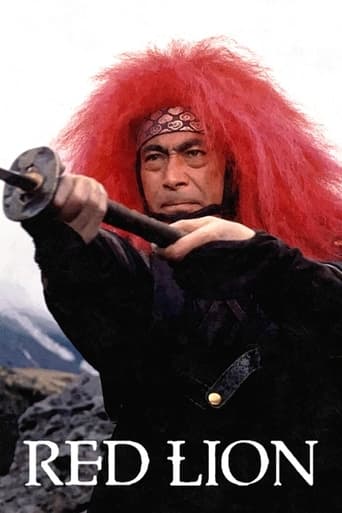 6.5
6.5Japan, February 1868. As the Tokugawa shogunate declines and the power of Emperor Meiji grows, Gonzo, a soldier of the Restoration Army, returns to Sawando, his hometown, to announce the end of tyranny.
Red Lion
1969
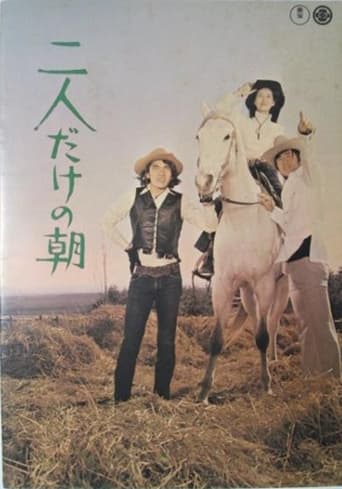 8.0
8.0While Keisuke and Jiro were brothers, the characters of the two were opposite. My older brother Keisuke was a sophomore college graduate, a honest and passionate young man, but his brother Jiro was only a student of a ronin who failed in taking the university and was playing. Such two people had a dream. Keisuke traveled wandering at his own trailer house, Jiro became a racer, had a dream of surrounding the world.
Morning for Two
1971