
Writing
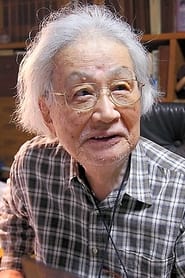
Shinobu Hashimoto
Born — Died
1918-04-18 — 2018-07-19
Place of birth
Tsurui, Ichikawa, Hyōgo, Japan
Known for
Writing
Credits
46 titles
Shinobu Hashimoto (Japanese: 橋本 忍, Hashimoto Shinobu; 18 April 1918 – 19 July 2018) was a Japanese screenwriter, film director and producer. A frequent collaborator of Akira Kurosawa, he wrote the scripts for such internationally acclaimed films as Rashomon and Seven Samurai.
Known for
 8.5
8.5A samurai answers a village's request for protection after he falls on hard times. The town needs protection from bandits, so the samurai gathers six others to help him teach the people how to defend themselves, and the villagers provide the soldiers with food.
Seven Samurai
1954
 8.3
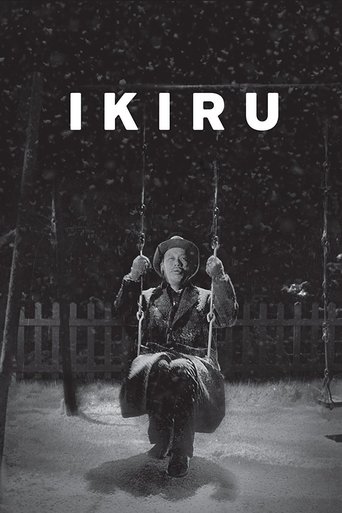
8.3Kanji Watanabe is a middle-aged man who has worked in the same monotonous bureaucratic position for decades. Learning he has cancer, he starts to look for the meaning of his life.
Ikiru
1952
 8.5
8.5Down-on-his-luck veteran Tsugumo Hanshirō enters the courtyard of the prosperous House of Iyi. Unemployed, and with no family, he hopes to find a place to commit seppuku—and a worthy second to deliver the coup de grâce in his suicide ritual. The senior counselor for the Iyi clan questions the ronin’s resolve and integrity, suspecting Hanshirō of seeking charity rather than an honorable end. What follows is a pair of interlocking stories which lay bare the difference between honor and respect, and promises to examine the legendary foundations of the Samurai code.
Harakiri
1962
 8.0
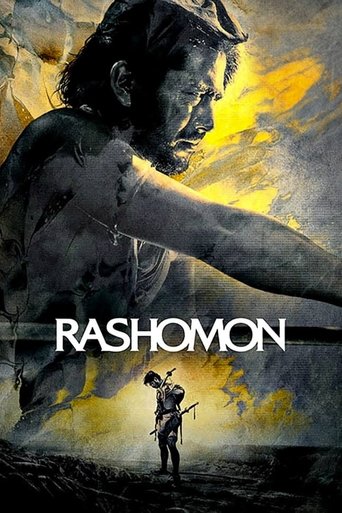
8.0Four people recount different versions of the story of a man's murder and the rape of his wife.
Rashomon
1950
 7.9
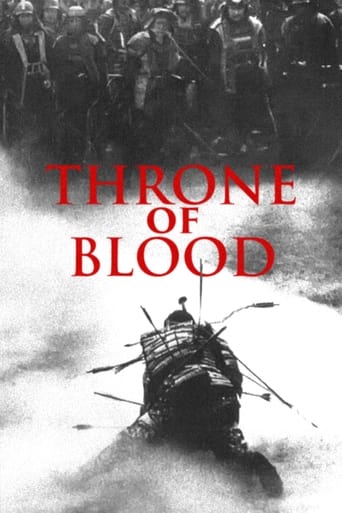
7.9Returning to their lord's castle, samurai warriors Washizu and Miki are waylaid by a spirit who predicts their futures. When the first part of the spirit's prophecy comes true, Washizu's scheming wife, Asaji, presses him to speed up the rest of the spirit's prophecy by murdering his lord and usurping his place. Director Akira Kurosawa's resetting of William Shakespeare's "Macbeth" in feudal Japan is one of his most acclaimed films.
Throne of Blood
1957
 8.0
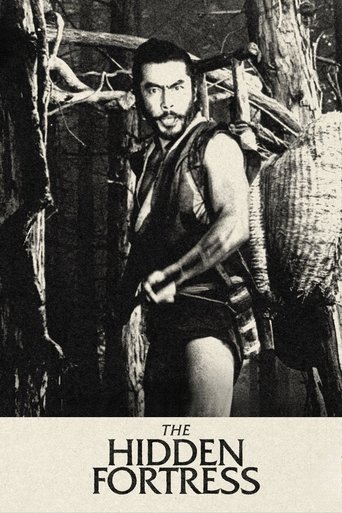
8.0In feudal Japan, during a bloody war between clans, two cowardly and greedy peasants, soldiers of a defeated army, stumble upon a mysterious man who guides them to a fortress hidden in the mountains.
The Hidden Fortress
1958
Film credits
2000s · 6 titles
 7.0
7.0Documentary on film maker Akira Kurosawa
Kurosawa
2000
 NR
NRDocumentary made by Toho for the Masterworks reissue of all of its Kurosawa films. This one focuses on "Ikiru" (1952).
Akira Kurosawa: It Is Wonderful to Create: 'Ikiru'
2002
 NR
NRDocumentary made by Toho for the Masterworks reissue of all of its Kurosawa films. This one focuses on "The Bad Sleep Well" (1960).
Akira Kurosawa: It Is Wonderful to Create: 'The Bad Sleep Well'
2002
 NR
NRIn this documentary, script supervisor Teruyo Nogami, who first worked with Akira Kurosawa on RASHOMON, catches up with many members of the crew, including cowriter Shinobu Hashimoto and assistant director Tokuzo Tanaka. They talk about the screenplay’s evolution, difficulties during the shooting of the film, and Kurosawa’s working methods.
A Testimony as an Image
2002
 NR
NRDocumentary made by Toho for the Masterworks reissue of all of its Kurosawa films. This one focuses on "Dodes'ka-den" (1970).
Akira Kurosawa: It Is Wonderful to Create: 'Dodes'ka-den'
2002
 10.0
10.0Documentary made by Toho for the Masterworks reissue of all of its Kurosawa films. This one focuses on "Seven Samurai" (1954).
Akira Kurosawa: It Is Wonderful to Create: 'Seven Samurai'
2002
Behind the camera
8.5A samurai answers a village's request for protection after he falls on hard times. The town needs protection from bandits, so the samurai gathers six others to help him teach the people how to defend themselves, and the villagers provide the soldiers with food.
Seven Samurai
1954
8.3Kanji Watanabe is a middle-aged man who has worked in the same monotonous bureaucratic position for decades. Learning he has cancer, he starts to look for the meaning of his life.
Ikiru
1952
8.5Down-on-his-luck veteran Tsugumo Hanshirō enters the courtyard of the prosperous House of Iyi. Unemployed, and with no family, he hopes to find a place to commit seppuku—and a worthy second to deliver the coup de grâce in his suicide ritual. The senior counselor for the Iyi clan questions the ronin’s resolve and integrity, suspecting Hanshirō of seeking charity rather than an honorable end. What follows is a pair of interlocking stories which lay bare the difference between honor and respect, and promises to examine the legendary foundations of the Samurai code.
Harakiri
1962
8.0Four people recount different versions of the story of a man's murder and the rape of his wife.
Rashomon
1950
7.9Returning to their lord's castle, samurai warriors Washizu and Miki are waylaid by a spirit who predicts their futures. When the first part of the spirit's prophecy comes true, Washizu's scheming wife, Asaji, presses him to speed up the rest of the spirit's prophecy by murdering his lord and usurping his place. Director Akira Kurosawa's resetting of William Shakespeare's "Macbeth" in feudal Japan is one of his most acclaimed films.
Throne of Blood
1957
8.0In feudal Japan, during a bloody war between clans, two cowardly and greedy peasants, soldiers of a defeated army, stumble upon a mysterious man who guides them to a fortress hidden in the mountains.
The Hidden Fortress
1958
 7.7
7.7In this loose adaptation of "Hamlet," illegitimate son Kôichi Nishi climbs to a high position within a Japanese corporation and marries the crippled daughter of company vice president Iwabuchi. At the reception, the wedding cake is a replica of their corporate headquarters, but an aspect of the design reminds the party of the hushed-up death of Nishi's father. It is then that Nishi unleashes his plan to avenge his father's death.
The Bad Sleep Well
1960
 7.3
7.3Two detectives are tasked to investigate the murder of an old man, found bludgeoned to death in a Tokyo rail yard.
The Castle of Sand
1974
7.3Two detectives are tasked to investigate the murder of an old man, found bludgeoned to death in a Tokyo rail yard.
The Castle of Sand
1974
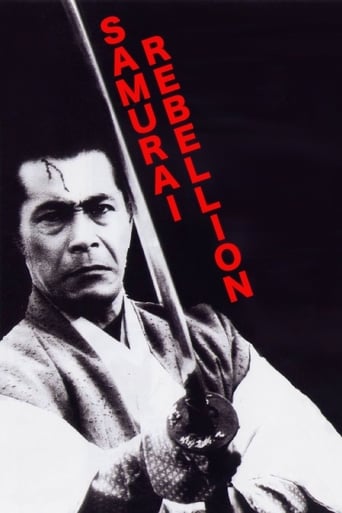 8.2
8.2The mother of a feudal lord's only heir is kidnapped by the lord. Her husband and his samurai father must decide whether to accept the unjust decision, or risk death to rescue her.
Samurai Rebellion
1967
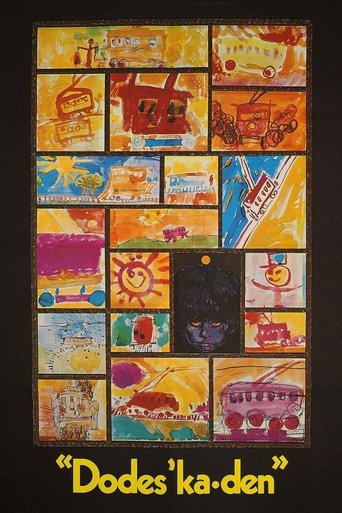 7.1
7.1On a Tokyo dump’s shantytown edge, interwoven vignettes follow residents scraping by: a boy who “drives” an imaginary trolley, a homeless father and son designing a dream house, a young woman brutalized at home, drunks, schemers, and saints of small kindnesses. Kurosawa crafts a ragged mosaic of hardship, fantasy, and flickers of grace that keep people moving forward.
Dodes'ka-den
1970
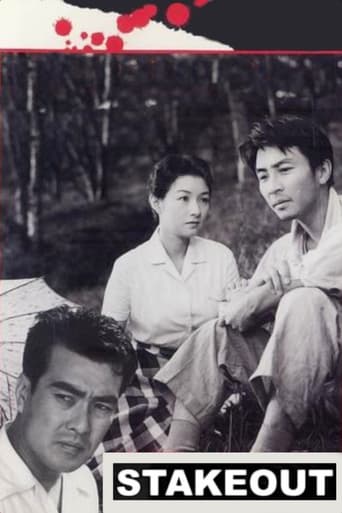 7.1
7.1Two detectives begin a stakeout based on the slim chance of catching a murderer whom they suspect will try to reunite with an old flame.
Stakeout
1958
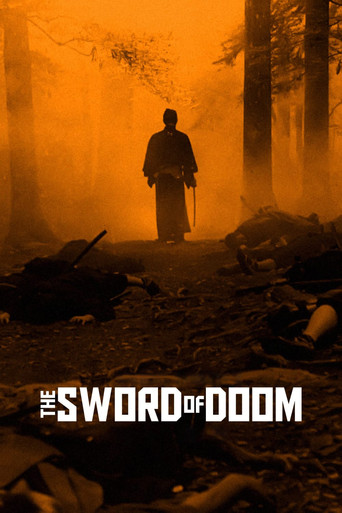 7.8
7.8Ryunosuke, a gifted swordsman plying his trade during the turbulent final days of Shogunate rule, has no moral code and kills without remorse. It’s a way of life that leads to madness.
The Sword of Doom
1966
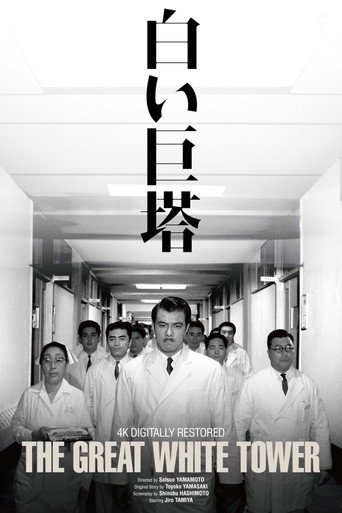 7.3
7.3The story contrasts the life of two doctors, former classmates and now both assistant professors at Naniwa University Hospital in Osaka. The brilliant and ambitious surgeon Goro Zaizen stops at nothing to rise to a position of eminence and authority, while the friendly Shuji Satomi busies himself with his patients and research.
The Great White Tower
1966
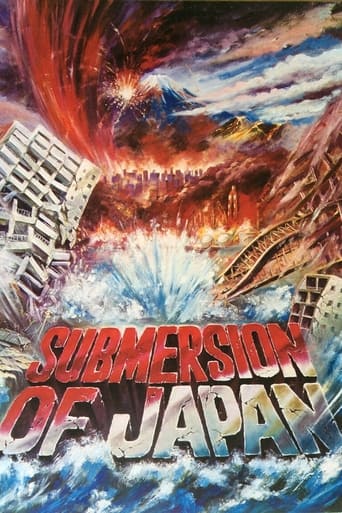 7.0
7.0A team of geophysicists investigating seismic activity on the seafloor discover that the islands of Japan, after suffering from massive volcanic eruptions and earthquakes, will be pulled into the ocean, killing millions.
Submersion of Japan
1973
 7.0
7.0A ronin desperately seeks a way out of financial straits; he allies with the Tosa clan under the ruthless leader Takechi, who quickly takes advantage.
Tenchu!
1969
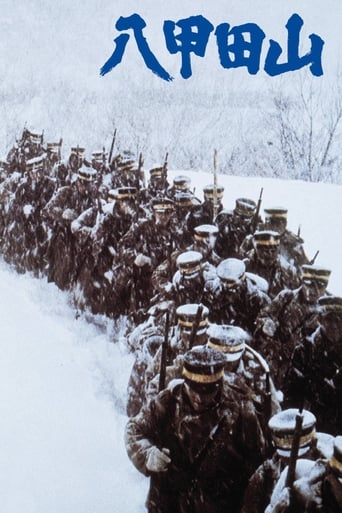 6.6
6.6Two infantry regiments of the Imperial Japanese Army—210 men overall—tackled Mt. Hakkoda in the winter of 1902 to prepare for war with Russia.
Mount Hakkoda
1977
6.6Two infantry regiments of the Imperial Japanese Army—210 men overall—tackled Mt. Hakkoda in the winter of 1902 to prepare for war with Russia.
Mount Hakkoda
1977
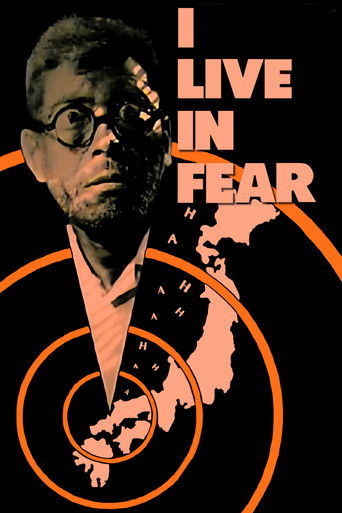 7.3
7.3An aging foundry patriarch, gripped by terror of nuclear annihilation, tries to uproot his family to Brazil. When they petition to have him declared incompetent, a family-court counselor witnesses his obsession slide into ruin—and asks whether ignoring the atomic threat is any saner.
I Live in Fear
1955
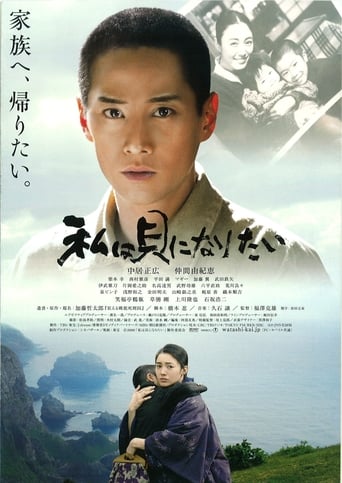 8.3
8.31944, in the depths of World War II. Toyomatsu Shimizu is a completely typical barber from a remote sea-side town who lives frugally but happily with his wife Fusae and their five-year-old son. Eventually, though, the army beckons and he is drafted. One day an officer on the battle-field orders him to kill a captive U.S. soldier. Although Toyomatsu lacks the spirit to kill the man, and only wounds him in the arm, the victorious U.S. soldiers will not accept this, and Toyomatsu is arrested and tried as a war-criminal. And he receives the cruelest sentence possible...
I Want to Be a Shellfish
2008
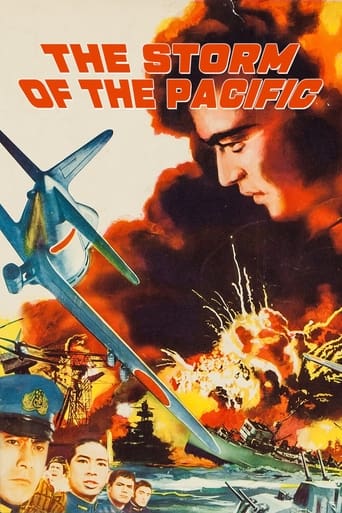 6.0
6.0Lt. Koji Kitami is a navigator-bombardier in Japan's Naval Air Force. He participates in the Japanese raid on the U.S. Naval Base at Pearl Harbor in 1941 and is welcomed with pride in his hometown on his return. As Japan racks up victory after victory in the Pacific War, Kitami is caught up in the emotion of the time and fights courageously for the standard of Japanese honor. But his assuredness of his government's righteousness is shaken after the Japanese navy is defeated in the debacle of Midway.
The Storm of the Pacific
1960
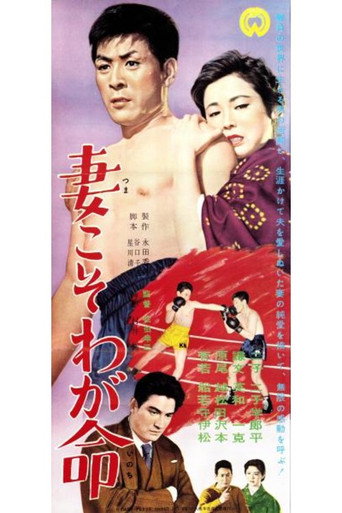 NR
NRThis story depicts the struggles of a man living in the cutthroat world of competition and the pure love of his wife.
Tsuma koso waga inochi
1957
 7.3
7.3Japan, 1860. The men of the Mito clan, victims of the Ansei purge, anxiously prowl around the Sakurada Gate of Edo Castle with the intention of assassinating Naosuke Ii of Hikone, tairō of the Tokugawa shogunate and responsible for their misfortune.
Samurai Assassin
1965
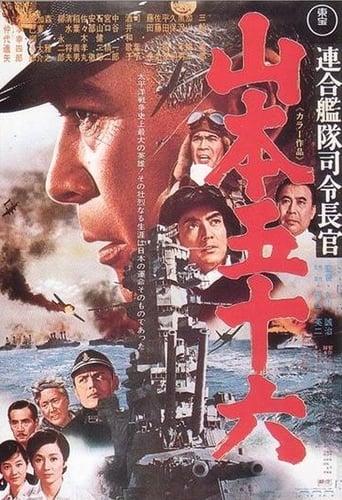 8.5
8.5As Japan joins in a political pact with Nazi Germany and fascist Italy, Admiral Isoroku Yamamoto is appointed supreme commander of the Japanese fleet. With Japan headed inexorably toward war, Yamamoto, despite his misgivings, believes the only possible victory lies in destroying the American fleet by surprise at Pearl Harbor. The attack succeeds, but fails to sink the American carrier fleet. Thus Yamamoto must lead the Japanese navy into war with ever-diminishing likelihood of success.
Admiral Yamamoto
1968
 7.3
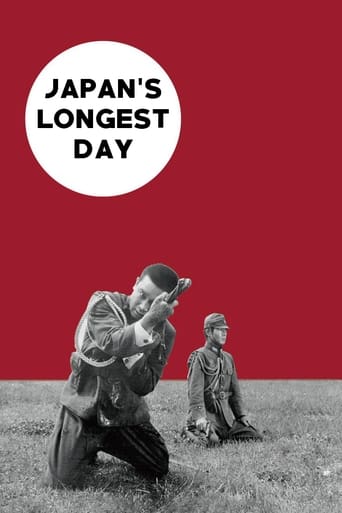
7.3A dramatisation of the 24-hour period in which the Japanese government was deadlocked over the decision to accept or reject the Allies' demand for an unconditional surrender following the bombings of Hiroshima and Nagasaki.
Japan's Longest Day
1967
 5.9
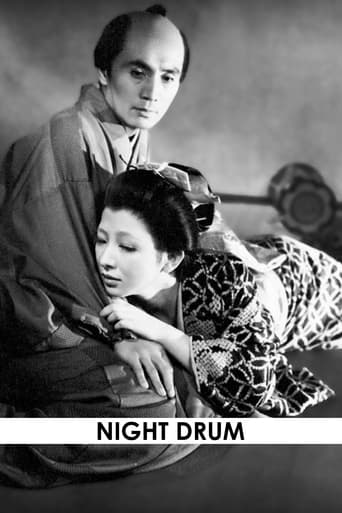
5.9Following a yearlong attendance upon his shogun in Edo, samurai Hikokuro makes a long-awaited return to his home and doting wife, Dane. Initially greeted by the effusive welcome of his family, spiteful whispers also reach his ear about an adulterous affair carried on, in his long absence, between his wife and a famous drummer. With Hikokuro’s honor imperiled by rumor, his family insists on a formal investigation into the veracity of the gossip. Through the combined testimony of many witnesses, a tale unwinds around the visits of a traveling musician hired to tutor the family heir, the spurned attentions of the man who started the rumor, and the ultimate truth behind the accusations. The conclusion of events prove as much an indictment of bushidō as it is of the reluctant parties involved. Adapted from a 1706 play by Chikamatsu Monzaemon and based on a true case.
Night Drum
1958
 7.7
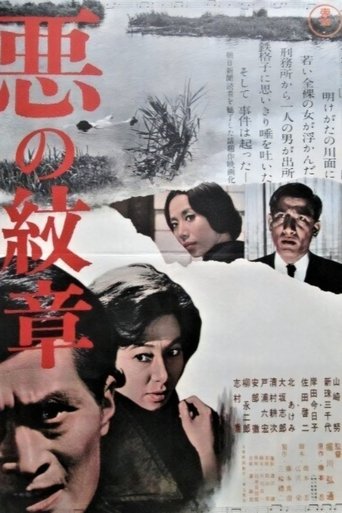
7.7A Jonan Station detective, Kikuchi, is framed for smuggling drugs and sent to prison. When he is paroled, he joins a private detective agency, where he is asked to investigate Mitsue Takazawa, the wife of a local trading firm president. While secretly conducting his own research, he finds out that Takazawa's husband is the one, responsible for Kikuchi's imprisonment, who also have set sights on Setsuko, a woman Kikuchi becomes romantically involved with.
Brand of Evil
1964
 7.0
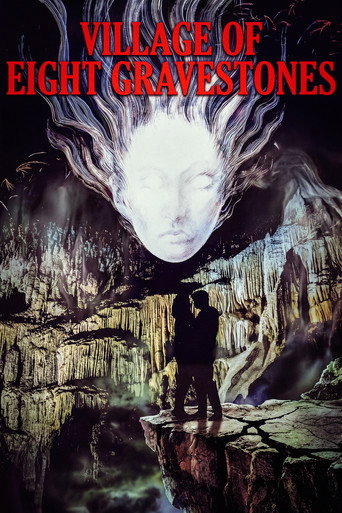
7.0The heir to a family fortune discovers that a curse has been placed on it, put there centuries before by a band of samurai warriors. Adaptation of novel by Seishi Yokomizo
Village of Eight Gravestones
1977
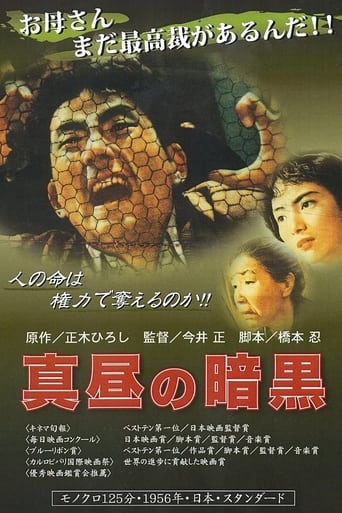 6.9
6.9Police beat a murder confession out of four innocent men who are then sentenced to death. Based on a true story.
Darkness at Noon
1956
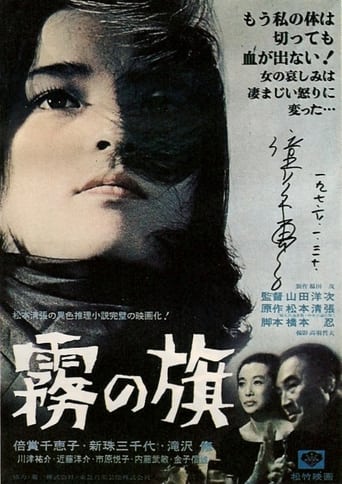 7.1
7.1When her only relative, her elder brother is accused of robbing and murdering an old woman loan-shark, pretty, young Kiriko travels from her home in Kyushu to Tokyo to get Japan's top lawyer to defend her brother. Unfortunately her naive idealism is shattered when the lawyer refuses to take the case based on her insufficient funds. What follows is a long determined revenge plot that sees the heroine become a Tokyo bar hostess and worse to punish the lawyer. The plot thickens with another murder mystery and a sleuthing reporter.
A Trap
1965
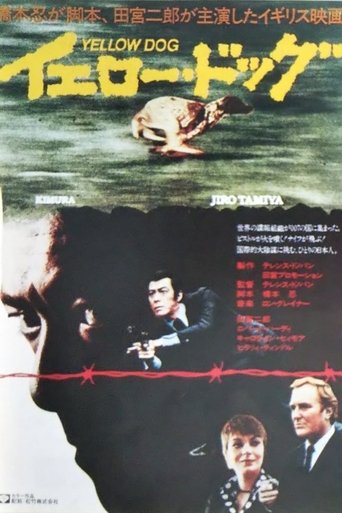 4.9
4.9A Japanese cop is sent to join the London police force on a secret investigation.
Yellow Dog
1973
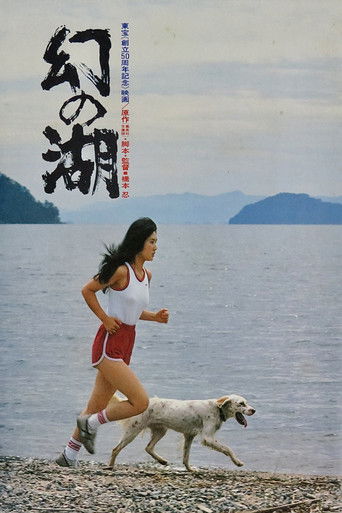 4.0
4.0A free-spirited girl living in a Japanese province spends her time working in a brothel and running with her dog. When her routine is shattered she gets on a path of hate and self discovery.
Lake of Illusions
1982
4.0A free-spirited girl living in a Japanese province spends her time working in a brothel and running with her dog. When her routine is shattered she gets on a path of hate and self discovery.
Lake of Illusions
1982
4.0A free-spirited girl living in a Japanese province spends her time working in a brothel and running with her dog. When her routine is shattered she gets on a path of hate and self discovery.
Lake of Illusions
1982
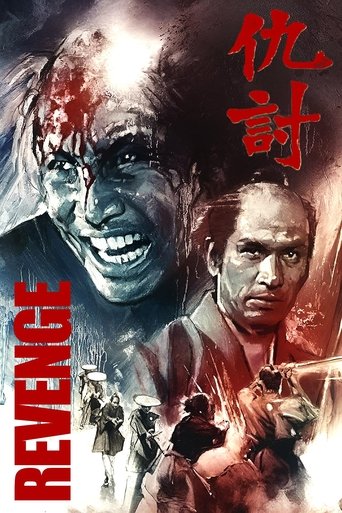 7.6
7.6An innocuous comment during a weapon inspection wounds the pride of low-ranking samurai Shinpachi, leading to an argument with his superior. The situation snowballs out of control, leading to a deadly duel and political fallout which threatens the entire clan. Declared mentally unstable by the corrupt authority, Shinpachi begins his descent into true insanity…
Revenge
1964
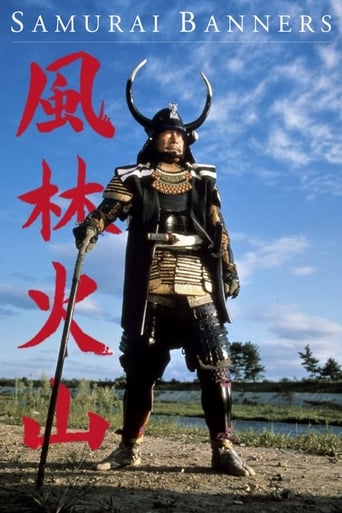 7.4
7.4Kansuke Yamamoto is a samurai who dreams of a country united, peaceful from sea to sea. He enters the service of Takeda, the lord of Kai domain. He convinces Takeda to kill the lord of neighboring Suwa and take his wife as a concubine. He then convinces the widow, Princess Yu, to accept this arrangement and to bear Takeda a son. He pledges them his life. He then spends years using treachery, poetic sensibility, military and political strategy to expand Takeda's realm, advance the claim of Yu's son as the heir, and prepare for an ultimate battle with the forces of Echigo. Has Kansuke overreached? Are his dreams, blinded by love, too big?
Samurai Banners
1969
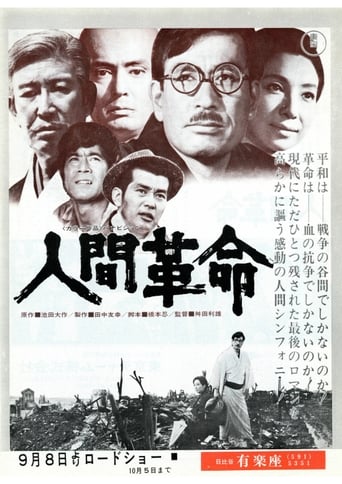 7.0
7.0No synopsis available yet.
The Human Revolution
1973
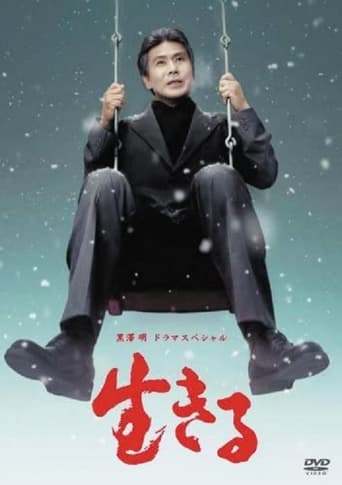 NR
NRIn a Post-War Tokyo, when the bureaucratic chief of department of the City Hall Kanji Watanabe finds that he has a terminal cancer, he decides to intensively live his last months of life. While dying, he finds the meaning of life, and fights for the construction of a playground in a poor zone of the city and the legacy of his existence.
Ikiru
2007
 7.0
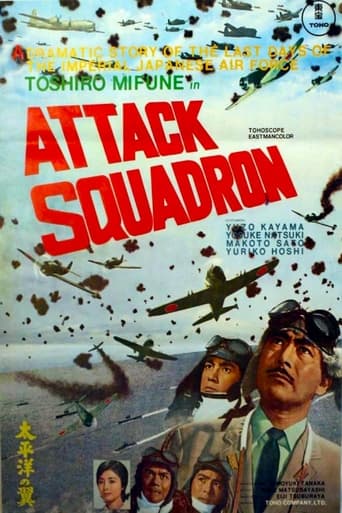
7.0Lt. Col. Senda resists the idea of sending Japanese fighter pilots on suicide missions. He believes that what is really necessary for Japan to regain momentum in the war is for the air force to gather its most brilliant pilots into an elite squadron and use the unit to pinpoint attacks on the Americans. Disrespected by the kamikaze pilots who think the "non-suicidal" pilots are afraid, the unit redeems itself by stunning victories. But success leads the military leaders to expect too much of the unit, and new orders portend disaster.
Attack Squadron
1963
 6.7
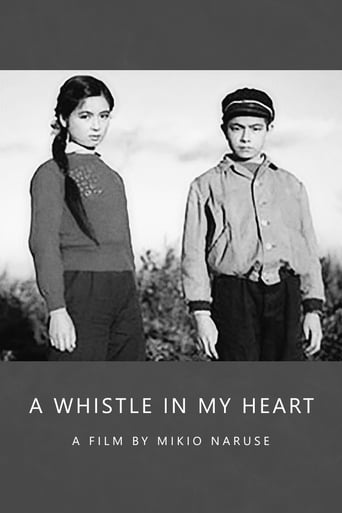
6.7The story is about the social problems faced by Japan's indigenous Ainu, mostly centered on the reactions of the characters to their oppressed state.
A Whistle in My Heart
1959