
Directing
Rainer Simon
Born
1941-01-11 (85)
Place of birth
Hainichen, Germany
Known for
Directing
Credits
30 titles
Rainer Simon is a distinguished German film director and screenwriter, recognized for his contributions to East German cinema. He studied directing at the Deutsche Hochschule für Filmkunst in Potsdam-Babelsberg from 1961 to 1964. Simon's directorial debut was the short children's film Peterle und die Weihnachtsgans Auguste, based on a story by Friedrich Wolf. His notable works include Till Eulenspiegel (1975), a film based on Renaissance stories, and The Woman and the Stranger (1985), which won the Golden Bear at the 35th Berlin International Film Festival. Simon's films often explore historical and social themes, contributing significantly to German cinema.
Known for
 5.3
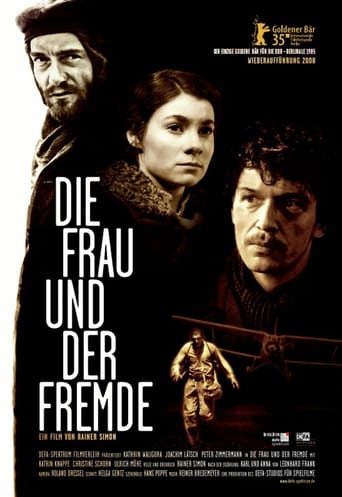
5.3Based on a switched identity, in circumstances that are found in real life as well as fiction, this drama tells the story of two soldiers fighting together in World War I. Karl (Joachim Latsch) and Richard (Hans-Use Bauer) become close friends while serving time in a German POW camp. One day Karl manages a successful escape and goes to Richard's home where he seeks refuge posing as Richard. But Richard's wife Anna (Kathrin Waligura) has never given up hope that her husband is still alive -- a possibility that would shatter Karl's proposed new life. In fact, Richard did not die in the POW camp. This film shared the Grand Prix award at the 1985 Berlin Film Festival.
The Woman and the Stranger
1985
Berlin during the Great Depression of 1929. Unemployed cab driver Emanuel sees no more opportunities for himself in the city and wants to try his luck somewhere outside. His friend Fritz lends him his cab for one last trip. In the process, he meets the dancing girl Susi. She is young, beautiful, carefree, self-confident and persuades him to stay. During a demonstration by the unemployed, a policeman is stabbed to death. Emanuel is suspected. He is arrested in the evening at Susi's revue. Frida and Gerda and other young people with their problems and their longing for a little security and social safety are also there.
Junge Leute in der Stadt
1985
 4.7
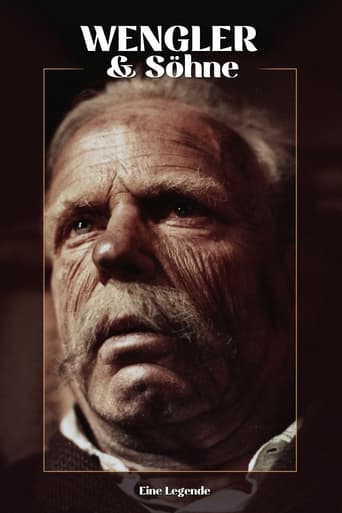
4.7A story spanning three generations, from 1871 to 1945. When Gustav Wengler, a farmer’s son, returns from the Franco-German war in 1871, he goes to work for a precision mechanics and optical company, where he soon becomes a master craftsman. Wengler loyally promises the owner on his deathbed that his sons and grandsons will also stand by the company.
Wengler & Sons
1987
The 16-year-old Umberto, who lives in an East German small town with his mother and his little half-sister Bianca, dreams of Pa-isch, the country to which Bianca's Angolan father returned long ago. Pa-isch, a verballhorn of the Portuguese word for country, is far enough to no longer have to see the changing men's acquaintances of his drinking mother. When the family moves to Hamburg, everything gets even worse. The mother professionalises her constant partner changes and becomes ill with all abundance. Umberto's flame Tschibo also turns out to be a prostitute. Umberto is full of nose. He steals a heavy machine and breaks up to Africa with Bianca.
Fernes Land Pa-Isch
2000
 6.4
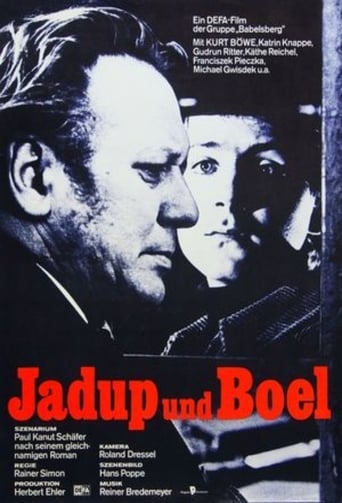
6.4In a small town, everyone has tried to forget what happened shortly after WWII. That is, until a stranger finds a book that Jadup (Kurt Böwe) gave to the young refugee Boel (Katrin Knappe), who resettled in the town over 30 years ago. Painful memories about Boel and the post-war period begin to surface and shake up the whole town. Boel vanished back then and nobody knew why. Word spread about a rape and some tried to blame a Russian soldier. Jadup, the town's respected and popular mayor, remembers, though, how he mistrusted Boel and did not help her through this difficult time; HE didn't even notice THAT Boel loved him. Jadup's confrontation with the past gives him a new, critical view of his current situation and surroundings.
Jadup and Boel
1988
 5.3
5.3The King of Malabunt has won another war, after decorating himself and his three wooden marshals, he dismisses his army with a low wages. One of his soldiers protest this and is thrown into jail, but he swears to someday return and take all the wealth of the king.
Sechse kommen durch die Welt
1972
Film credits
Behind the camera
5.3Based on a switched identity, in circumstances that are found in real life as well as fiction, this drama tells the story of two soldiers fighting together in World War I. Karl (Joachim Latsch) and Richard (Hans-Use Bauer) become close friends while serving time in a German POW camp. One day Karl manages a successful escape and goes to Richard's home where he seeks refuge posing as Richard. But Richard's wife Anna (Kathrin Waligura) has never given up hope that her husband is still alive -- a possibility that would shatter Karl's proposed new life. In fact, Richard did not die in the POW camp. This film shared the Grand Prix award at the 1985 Berlin Film Festival.
The Woman and the Stranger
1985
5.3Based on a switched identity, in circumstances that are found in real life as well as fiction, this drama tells the story of two soldiers fighting together in World War I. Karl (Joachim Latsch) and Richard (Hans-Use Bauer) become close friends while serving time in a German POW camp. One day Karl manages a successful escape and goes to Richard's home where he seeks refuge posing as Richard. But Richard's wife Anna (Kathrin Waligura) has never given up hope that her husband is still alive -- a possibility that would shatter Karl's proposed new life. In fact, Richard did not die in the POW camp. This film shared the Grand Prix award at the 1985 Berlin Film Festival.
The Woman and the Stranger
1985
Berlin during the Great Depression of 1929. Unemployed cab driver Emanuel sees no more opportunities for himself in the city and wants to try his luck somewhere outside. His friend Fritz lends him his cab for one last trip. In the process, he meets the dancing girl Susi. She is young, beautiful, carefree, self-confident and persuades him to stay. During a demonstration by the unemployed, a policeman is stabbed to death. Emanuel is suspected. He is arrested in the evening at Susi's revue. Frida and Gerda and other young people with their problems and their longing for a little security and social safety are also there.
Junge Leute in der Stadt
1985
4.7A story spanning three generations, from 1871 to 1945. When Gustav Wengler, a farmer’s son, returns from the Franco-German war in 1871, he goes to work for a precision mechanics and optical company, where he soon becomes a master craftsman. Wengler loyally promises the owner on his deathbed that his sons and grandsons will also stand by the company.
Wengler & Sons
1987
4.7A story spanning three generations, from 1871 to 1945. When Gustav Wengler, a farmer’s son, returns from the Franco-German war in 1871, he goes to work for a precision mechanics and optical company, where he soon becomes a master craftsman. Wengler loyally promises the owner on his deathbed that his sons and grandsons will also stand by the company.
Wengler & Sons
1987
The 16-year-old Umberto, who lives in an East German small town with his mother and his little half-sister Bianca, dreams of Pa-isch, the country to which Bianca's Angolan father returned long ago. Pa-isch, a verballhorn of the Portuguese word for country, is far enough to no longer have to see the changing men's acquaintances of his drinking mother. When the family moves to Hamburg, everything gets even worse. The mother professionalises her constant partner changes and becomes ill with all abundance. Umberto's flame Tschibo also turns out to be a prostitute. Umberto is full of nose. He steals a heavy machine and breaks up to Africa with Bianca.
Fernes Land Pa-Isch
2000
6.4In a small town, everyone has tried to forget what happened shortly after WWII. That is, until a stranger finds a book that Jadup (Kurt Böwe) gave to the young refugee Boel (Katrin Knappe), who resettled in the town over 30 years ago. Painful memories about Boel and the post-war period begin to surface and shake up the whole town. Boel vanished back then and nobody knew why. Word spread about a rape and some tried to blame a Russian soldier. Jadup, the town's respected and popular mayor, remembers, though, how he mistrusted Boel and did not help her through this difficult time; HE didn't even notice THAT Boel loved him. Jadup's confrontation with the past gives him a new, critical view of his current situation and surroundings.
Jadup and Boel
1988
6.4In a small town, everyone has tried to forget what happened shortly after WWII. That is, until a stranger finds a book that Jadup (Kurt Böwe) gave to the young refugee Boel (Katrin Knappe), who resettled in the town over 30 years ago. Painful memories about Boel and the post-war period begin to surface and shake up the whole town. Boel vanished back then and nobody knew why. Word spread about a rape and some tried to blame a Russian soldier. Jadup, the town's respected and popular mayor, remembers, though, how he mistrusted Boel and did not help her through this difficult time; HE didn't even notice THAT Boel loved him. Jadup's confrontation with the past gives him a new, critical view of his current situation and surroundings.
Jadup and Boel
1988
5.3The King of Malabunt has won another war, after decorating himself and his three wooden marshals, he dismisses his army with a low wages. One of his soldiers protest this and is thrown into jail, but he swears to someday return and take all the wealth of the king.
Sechse kommen durch die Welt
1972
5.3The King of Malabunt has won another war, after decorating himself and his three wooden marshals, he dismisses his army with a low wages. One of his soldiers protest this and is thrown into jail, but he swears to someday return and take all the wealth of the king.
Sechse kommen durch die Welt
1972
 4.4
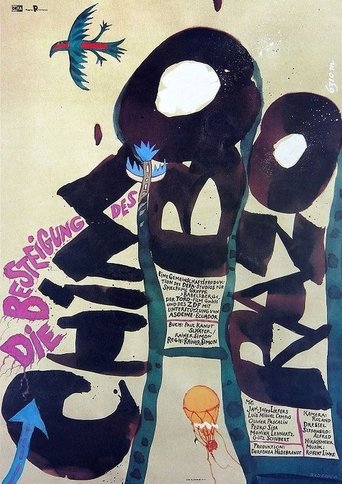
4.4The life of Alexander von Humboldt up to his attempt to climb the Chimborazo in 1802.
The Ascent of Chimborazo
1989
4.4The life of Alexander von Humboldt up to his attempt to climb the Chimborazo in 1802.
The Ascent of Chimborazo
1989
 5.4
5.4In medieval Germany, poor and witty Till Eulenspiegel fools and cheats citizens, churchmen, and landlords. Although in most cases he uses his wit for personal well-being, he often helps the poor and weak. Eventually, he gains an influential but also dangerous position as royal fool at the court of the emperor.
Till Eulenspiegel
1975
5.4In medieval Germany, poor and witty Till Eulenspiegel fools and cheats citizens, churchmen, and landlords. Although in most cases he uses his wit for personal well-being, he often helps the poor and weak. Eventually, he gains an influential but also dangerous position as royal fool at the court of the emperor.
Till Eulenspiegel
1975
 5.6
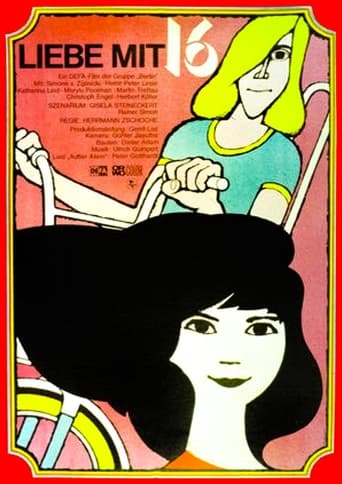
5.6Although at first Ina barely takes any notice of Matti, the two teenagers gradually fall in love at their dance classes and begin their first real relationship. Their parents are upset about this development and try to prevent their children from seeing each other. But Ina and Matti continue to meet in secret and their first sexual experience together brings mixed feelings for Ina.
Love at 16
1974
 NR
NRA 13-year-old Indian boy is found unconscious after being attacked in the jungle by the evil spirit Fayu Ujmu. A shaman attempts to ritually tame the spirit and advises the boy’s father to capture it. This story is based on a Chachi Indian legend; it was shot with indigenous inhabitants of the jungle community of Loma Linda, on the Rio Cayapas.
The Call of Fayu Ujmu
2002
NRA 13-year-old Indian boy is found unconscious after being attacked in the jungle by the evil spirit Fayu Ujmu. A shaman attempts to ritually tame the spirit and advises the boy’s father to capture it. This story is based on a Chachi Indian legend; it was shot with indigenous inhabitants of the jungle community of Loma Linda, on the Rio Cayapas.
The Call of Fayu Ujmu
2002
 NR
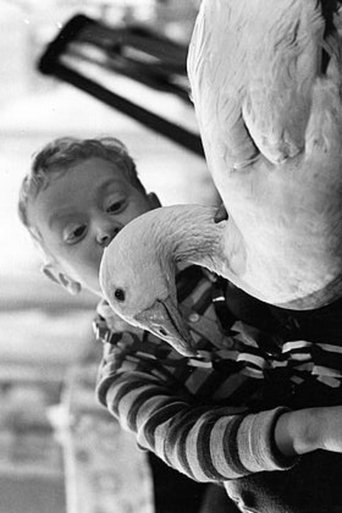
NRPeterle throws snow from the sidewalk into the open window of his sisters' room and is made to come inside immediately by his mother. Meanwhile, his father buys a goose at the Christmas market and brings it home to the delight of the children, who pet and love it. Peterle does not rest until "Guste", as he calls her, is allowed to sleep in his room, as he thinks she is freezing in the cellar. The children and their parents have become so accustomed to the animal that their father cannot bring himself to slaughter "Guste". His attempt to sedate her with sleeping pills beforehand does not have the desired effect either. The plucked goose wakes up in the fridge. Her mother gives her a knitted suit for Christmas. Peterle now proudly takes his "Guste" for a walk, to the amazement of passers-by.
Peterle und die Weihnachtsgans Auguste
1964
 4.7
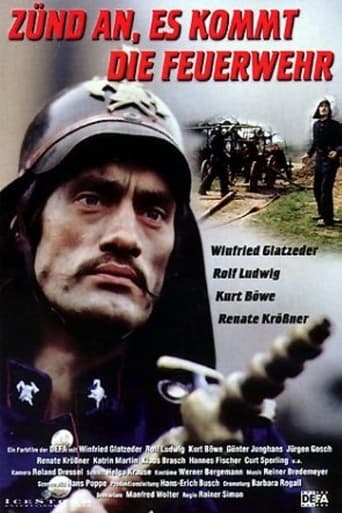
4.7A morality tale from the time of the Saxon Kingdom. The von Siebenthal volunteer fire department has nothing to do. When their local pub is in a very dilapidated state, but the landlord has no money to renovate it, the fire department tries to help out by setting fire to it themselves, but it doesn't quite work. They look for a new object to set fire to, the supposedly empty prison. But there is only one prisoner, who is heroically rescued by Captain Kaden.
Zünd an, es kommt die Feuerwehr
1979
4.7A morality tale from the time of the Saxon Kingdom. The von Siebenthal volunteer fire department has nothing to do. When their local pub is in a very dilapidated state, but the landlord has no money to renovate it, the fire department tries to help out by setting fire to it themselves, but it doesn't quite work. They look for a new object to set fire to, the supposedly empty prison. But there is only one prisoner, who is heroically rescued by Captain Kaden.
Zünd an, es kommt die Feuerwehr
1979
 5.4
5.4A farmer receives land from the king and discovers a buried golden mortar. He decides to give it to the king out of gratitude, but his clever daughter warns him that the king will surely want him to bring a corresponding pestle as well. When the king throws the farmer into jail for fraud, he bemoans the fact that he did not listen to his daughter.
The Farmer's Clever Daughter
1969
5.4A farmer receives land from the king and discovers a buried golden mortar. He decides to give it to the king out of gratitude, but his clever daughter warns him that the king will surely want him to bring a corresponding pestle as well. When the king throws the farmer into jail for fraud, he bemoans the fact that he did not listen to his daughter.
The Farmer's Clever Daughter
1969
 7.8
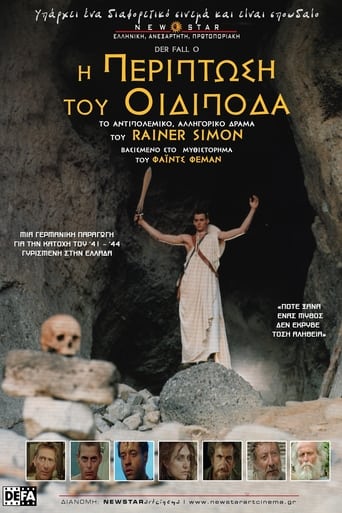
7.8During the Greek summer in the war year of 1944, a German military unit sets up camp on the plateau of Thebes. Armed with a 16 mm camera, the captain of the unit, a former professor for classical Greek philology, comes up with the idea to film the myth of Oedipus.
Der Fall Ö.
1991
7.8During the Greek summer in the war year of 1944, a German military unit sets up camp on the plateau of Thebes. Armed with a 16 mm camera, the captain of the unit, a former professor for classical Greek philology, comes up with the idea to film the myth of Oedipus.
Der Fall Ö.
1991
 9.0
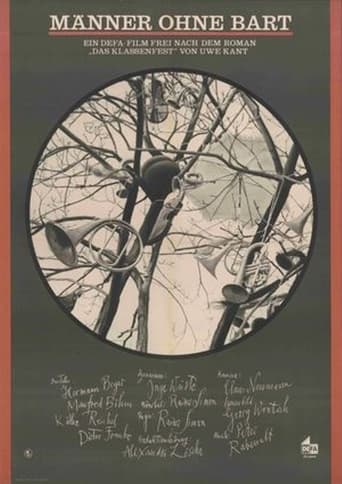
9.0In his daydreams, 15-year old Otto is a real hero who masters dangerous situations by the dozen. But in reality, the rather imaginative ninth grader has trouble moving up to the next grade. Fortunately, his teacher Nickel notices that Otto does not lack intelligence, but the ability to use his imagination for the requirements of everyday school life. Together with school director Menschke, Nickel tries to change Otto’s attitude. Although this is easier said than done, Otto eventually realizes that he has to try to build his cloud-castles only after school has ended. And his teacher is going to support him in his attempts.
Men Without Beard
1971
9.0In his daydreams, 15-year old Otto is a real hero who masters dangerous situations by the dozen. But in reality, the rather imaginative ninth grader has trouble moving up to the next grade. Fortunately, his teacher Nickel notices that Otto does not lack intelligence, but the ability to use his imagination for the requirements of everyday school life. Together with school director Menschke, Nickel tries to change Otto’s attitude. Although this is easier said than done, Otto eventually realizes that he has to try to build his cloud-castles only after school has ended. And his teacher is going to support him in his attempts.
Men Without Beard
1971
 3.3
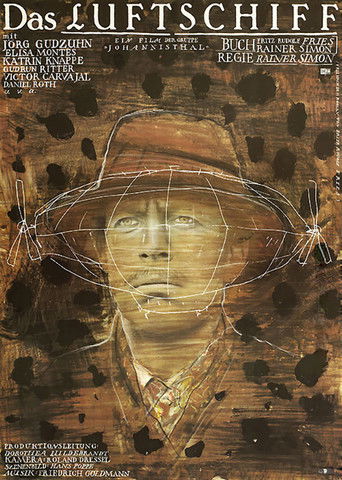
3.3Franz Xavier Stannebein, a young boy at the turn of the 20th century, wants to do nothing more than fly. He carries this dream through his years at an orphanage and into adulthood as a merchant in Spain. He eventually invests everything he has into building his own version of an airship. He later meets some industrialists in Germany who want to support his idea, and they ask him to build an airfield in Spain. When he sees the Nazis use the field during the Spanish Civil War, however, he feels betrayed and goes to Germany to protest. There he is thrown into an insane asylum in Leipzig. After WWII, his grandson and other survivors of the family searches for him, only to find the empty asylum... Based on the novel Das Luft-Schiff. Biografische Nachlasse zu den Fantasien meines Grossvaters (1974) by Fritz Rudolf Fries. The non-camera animation in the film was created by internationally known director Lutz Dammbeck.
The Airship
1983
3.3Franz Xavier Stannebein, a young boy at the turn of the 20th century, wants to do nothing more than fly. He carries this dream through his years at an orphanage and into adulthood as a merchant in Spain. He eventually invests everything he has into building his own version of an airship. He later meets some industrialists in Germany who want to support his idea, and they ask him to build an airfield in Spain. When he sees the Nazis use the field during the Spanish Civil War, however, he feels betrayed and goes to Germany to protest. There he is thrown into an insane asylum in Leipzig. After WWII, his grandson and other survivors of the family searches for him, only to find the empty asylum... Based on the novel Das Luft-Schiff. Biografische Nachlasse zu den Fantasien meines Grossvaters (1974) by Fritz Rudolf Fries. The non-camera animation in the film was created by internationally known director Lutz Dammbeck.
The Airship
1983