
Acting
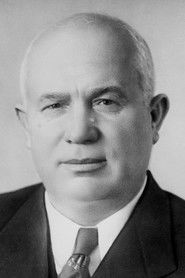
Nikita Khrushchev
Born — Died
1894-04-15 — 1971-09-11
Place of birth
Kalinovka, Dmitriyev Uyezd, Kursk Governorate, Russian Empire [now Khomutovka Raion, Kursk Oblast, Russia]
Known for
Acting
Credits
75 titles
Nikita Sergeyevich Khrushchev (15 April [O.S. 3 April] 1894 – 11 September 1971) led the Soviet Union as the First Secretary of the Communist Party of the Soviet Union from 1953 to 1964 and as chairman of the country's Council of Ministers from 1958 to 1964. During his rule, Khrushchev stunned the communist world with his denunciation of Stalin's crimes and began de-Stalinization. He sponsored the early Soviet space program, and enactment of relatively liberal reforms in domestic policy. After some false starts, and a narrowly avoided nuclear war over Cuba, he conducted successful negotiations with the United States to reduce Cold War tensions. His proclivity toward recklessness led the Krem…
Known for
 6.5
6.5TV's most-watched history series brings to life the compelling stories from our past that inform our understanding of the world today.
American Experience
1988
 8.0
8.0With firsthand accounts and access to prominent figures around the world, this comprehensive docuseries explores the Cold War and its aftermath.
Turning Point: The Bomb and the Cold War
2024
 5.3
5.3Blending in-depth interviews, rare archival footage, and cinematic recreations, this docuseries on the lives of America's most iconic First Ladies is a bold revision of each woman's traditional portrayal, revealing how they were impacted during their time in the White House, and how their achievements fundamentally shaped American and global history.
First Ladies
2020
 7.7
7.7Oliver Stone's re-examination of under-reported events in American history.
Oliver Stone's Untold History of the United States
2012
 7.9
7.9From executive producers Kevin Spacey and Dana Brunetti, CNN Original Series "Race for the White House" captures the drama of how a high-stakes presidential election can turn on a single issue and so much more.
Race for the White House
2016
 7.7
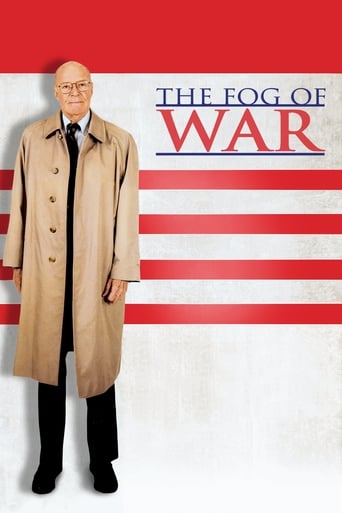
7.7Former corporate whiz kid Robert McNamara was the controversial Secretary of Defense in the Kennedy and Johnson administrations, during the height of the Vietnam War. Augmented by archival footage and cabinet conversation recordings, Errol Morris gives the conflicted McNamara a platform on which he attempts to confront his and the U.S. government's actions in Southeast Asia in light of the horrors of modern warfare, the end of ideology and the punitive judgment of history.
The Fog of War
2003
Film credits
2020s · 10 titles
 7.8
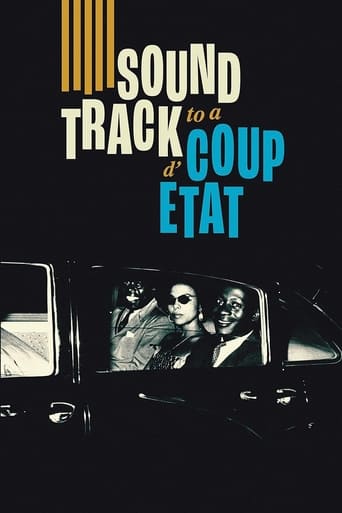
7.8Jazz and decolonization are intertwined in a powerful narrative that recounts one of the tensest episodes of the Cold War.
Soundtrack to a Coup d'Etat
2024
 9.0
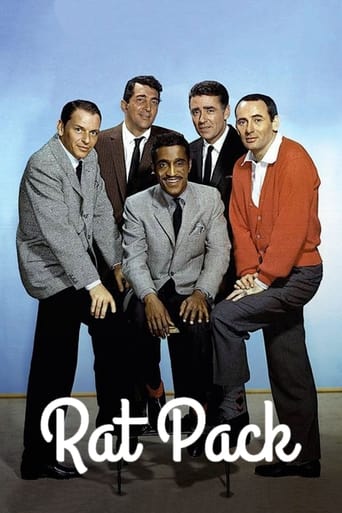
9.0In the 1950s, a small group of artists monopolized the attention of the cameras and the public. Frank Sinatra, Dean Martin, Sammy Davis Jr., Joey Bishop and Peter Lawford together form the "rat pack": they sing the most popular hits of the moment, star in the most profitable Hollywood films and are already making a splash on television . This documentary, produced by a recognized specialist in the history of Hollywood, recounts the exceptional destiny of this informal group which flirted with the greats of this world, notably through Sinatra, personal friend of American President Kennedy.
Rat Pack
2022
 8.3
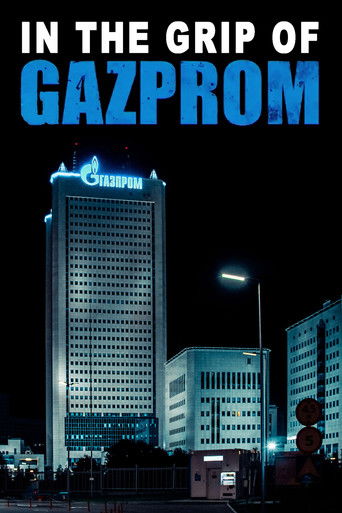
8.3The war in the Ukraine has changed the way many European countries view Russian politics. Suddenly it became clear how dependent countries had become on Russian gas imports for decades and what Vladimir Putin was up to. However, no country needs more gas than Germany. It was only after Russia's invasion of the Ukraine that the German government realized that Russia had long used gas as a weapon to impose its will on states. The instrument created for this purpose is the natural gas production company GAZPROM. So how did Germany become so dependent on Russian gas? The documentary shows how, over several decades and several changes of government, a broad alliance of politicians and business representatives did everything possible to secure Germany's energy supply with cheap Russian gas, while the Kremlin's foreign policy became increasingly aggressive and the warnings of experts went unheeded.
In the Grip of Gazprom
2023
 8.0
8.0An examination of the United States’ involvement in war, focusing on its impact on political decisions, national identity, and the lives of its people.
America at War
2025
 7.2
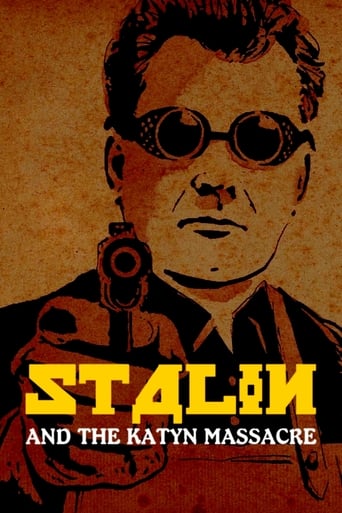
7.2The Katyn massacre, carried out by the Soviet NKVD in 1940, was only one of many unspeakable crimes committed by Stalin's ruthless executioners over three decades. The mass murder of thousands of Polish officers was part of a relentless purge, the secrets and details of which have only recently been partially revealed.
Stalin and the Katyn Massacre
2020
 NR
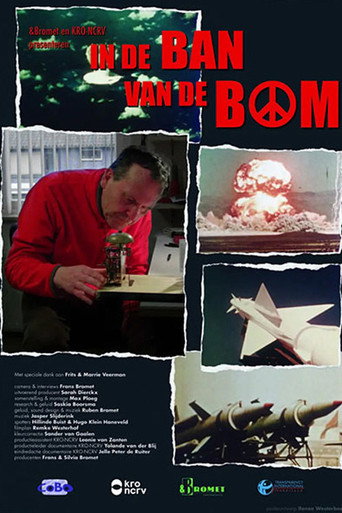
NRDocumentary about whistleblower Frits Veerman, who in the 1970s exposed the nuclear espionage at Urenco in which his Pakistani colleague Abdul Khan smuggled nuclear data out of the country. He was fired and fought for 40 years for rehabilitation. Frans Bromet examines the moral compass of the headstrong whistleblower in the politically shadowy and high-profile espionage scandal. Bromet wants to understand what underlies years of backroom politics, an intelligence agency that refuses to grant access to the file, and international interests that apparently prevail over the protection of an observant citizen by his government. The fact that the Dutch State takes no responsibility in this matter weighs heavily, literally and figuratively, on Veerman. The threat of a nuclear bomb remains real. Will a potential rehabilitation offer the satisfaction he has been waiting for forty years?
Under the spell of the bomb
2021
 7.5
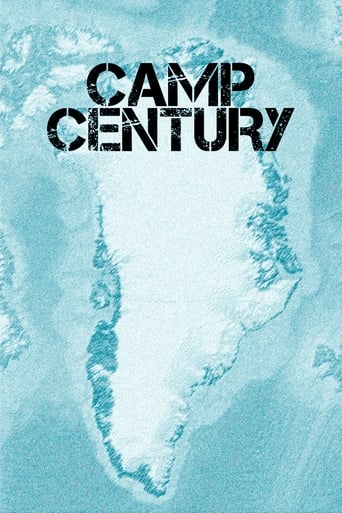
7.5How in 1959, during the heat of the Cold War, the government of the United States decided to create a secret military base located in the far north of Greenland: Camp Century, almost a real town with roads and houses, a nuclear plant to provide power and silos to house missiles aimed at the Soviet Union.
Camp Century: The Hidden City Beneath the Ice
2020
 NR
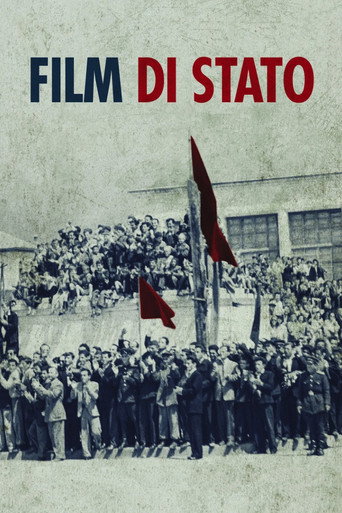
NRThrough rare archive footage, the documentary traces the forty years of Enver Hoxha's communist regime in Albania, revealing cinema as a weapon of power.
A State Film
2026
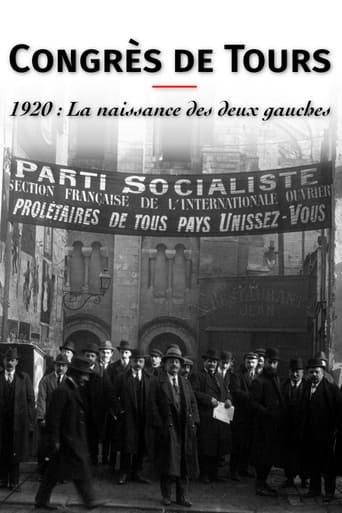 8.0
8.0No synopsis available yet.
Congrès de Tours 1920: The Birth of the French Communist Party
2020
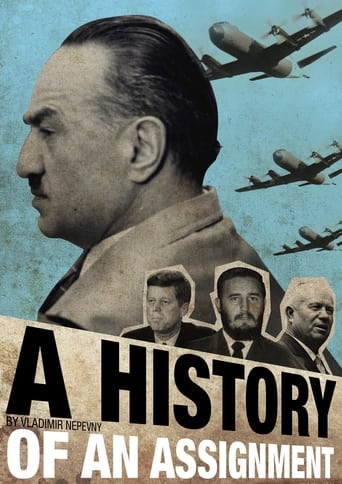 NR
NR1962 year. Cuban Missile Crisis. The world is on the brink of nuclear disaster. Khrushchev has no leverage over the stubborn commander. The only thing he could do was send someone to Cuba whom he trusted, someone who could convince Castro. This person was Anastas Mikoyan. He was accompanied on his mission by Roman Carmen, a legendary cameraman who filmed the Spanish Civil War, World War II and the Nuremberg Trials. Mikoyan's business trip lasted almost a month. Day after day, step by step, like a real psychologist, he talked with Castro and Che Guevara, listened to their calls to "die beautifully" and destroy the enemy with one blow, and tried to persuade Cuba to compromise to save the world. This film was born thanks to recently declassified documents.
A History of an Assignment
2021
2010s · 22 titles
 6.8
6.8Ndola, Northern Rhodesia (currently Zambia), September 18, 1961. Swedish economist and diplomat Dag Hammarskjöld, Secretary General of the UN, dies mysteriously in a plane crash. Decades later, Danish journalist and filmmaker Mads Brügger and Swedish researcher Göran Björkdahl investigate the case in search of definitive closure.
Cold Case Hammarskjöld
2019
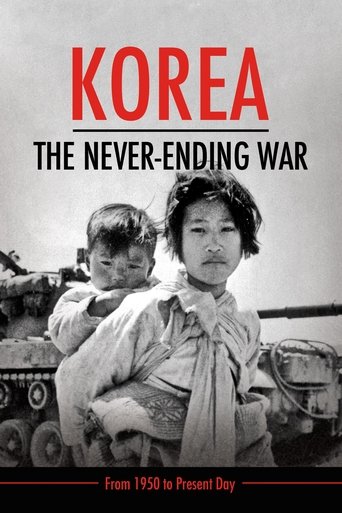 7.8
7.8Shedding new light on a geopolitical hot spot, the film — written and produced by John Maggio and narrated by Korean-American actor John Cho — confronts the myth of the “Forgotten War,” documenting the post-1953 conflict and global consequences.
Korea: The Never-Ending War
2019
 7.0
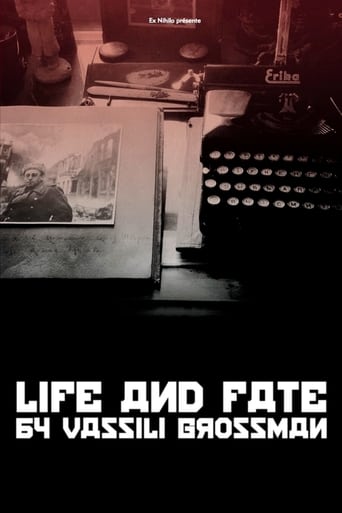
7.0The convoluted and moving story of Russian writer Vassili Grossman (1905-64) and his novel Life and Fate (1980), a literary masterpiece, a monumental and epic account of life under Stalin's regime of terror, a defiant cry that the KGB tried to suffocate.
Life and Fate by Vassili Grossman
2018
 8.5
8.5July 20, 1969. Apollo 11 lands on the surface of the Moon. Such a feat was apparently performed to the greater glory of all mankind, but actually it marked the end of the space race disputed by the two great superpowers of the time in their eagerness to arrive before and the beginning of the spread of the Cold War into space. Nowadays, the struggle continues, but the main competitors and their purposes are others.
Moon: The Battles of Space
2019
 NR
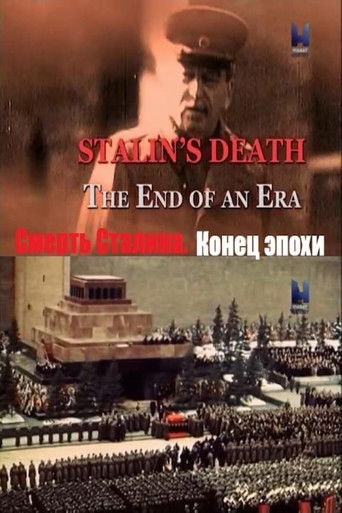
NRMoscow, March 5th 1953. Stalin is dead. One day later, he is lying in state in an open coffin. Over one and a half million people move through the streets of Moscow. A last farewell for the man they worship like a god. Eyes full of tears. For three days they mourn in deep grief the loss of their "Leader" - their "Father", the "Greatest Man of our Time". During five minutes of silence throughout the East Bloc time seems to stop, as the coffin is laid to rest in the Mausoleum at the Red Square. They can't believe that he has left them. How can we go on without Stalin? What will become of us? The sudden death of Stalin creates a gigantic vacuum. The documentary takes a in-depth look at the story of a dramatic historical impact in the middle of the 20th Century. It tells about the tremor, the fear and the hope of the people. The contrariness appears as much as the bizarre and the absurd. 1953 strongly changed the history of the Soviet Union and the Eastern Bloc.
Stalin’s Death - The End of An Era
2013
 NR
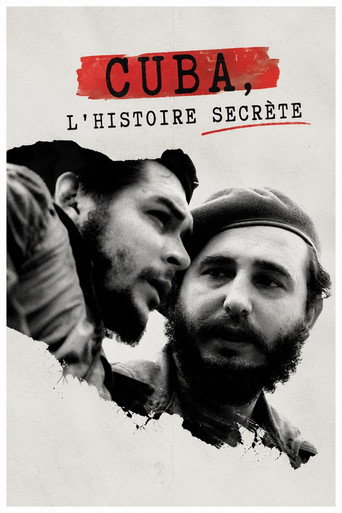
NRNo synopsis available yet.
Cuba, l'histoire secrète
2016
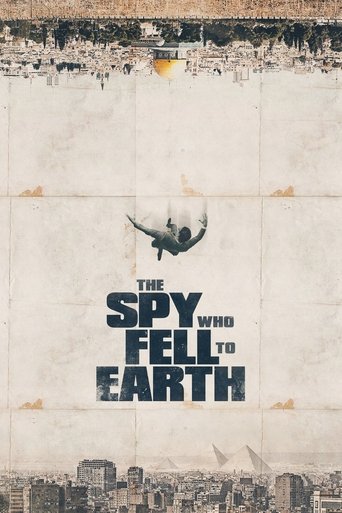 6.7
6.7Based on Dr. Ahron Bregman's book, this documentary examines the life and mysterious death of Ashraf Marwan, an Egyptian billionaire and double agent.
The Spy Who Fell to Earth
2019
 NR
NRWith Britain's first-ever political leaders' television debate imminent, award-winning reporter Michael Cockerell uncovers what it's like to take part in these contests and how leaders try to win them. He tells the inside story of why it has taken so long for such debates to arrive in the UK. The programme features candid interviews with US Presidents and their advisers on the tricks of the debate trade. Blending new film and behind-the-scenes footage, some never seen before, it's a tragicomic tale of high politics and low cunning. From John F Kennedy and Richard Nixon through to Barack Obama, candidates are seen being prepared for their debates, then in the sometimes funny, sometimes disastrous results on live television. Cockerell shows why for our would-be next Prime Ministers - Gordon Brown, David Cameron and Nick Clegg - the three debate stages across Britain will be what one former US President calls 'Tension City'.
How to Win the TV Debate
2010
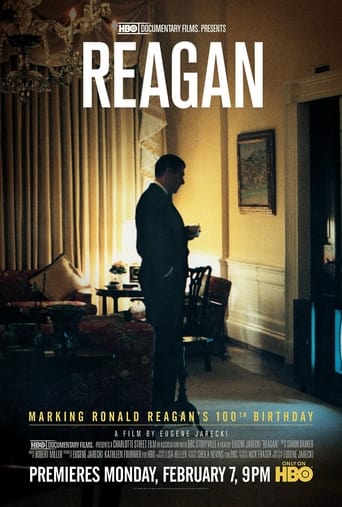 6.1
6.1Based on the story of Americas enigmatic career of one of the revered architects of the modern world - icon, screen star, and two-term president, Ronald Reagan.
Reagan
2011
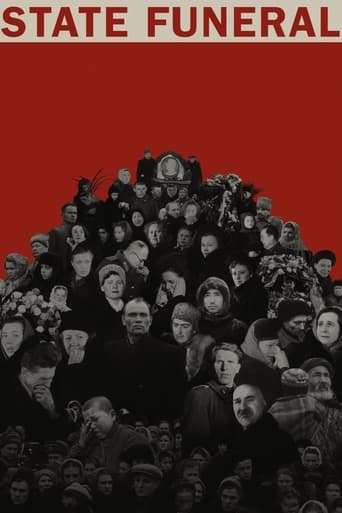 6.6
6.6The enigma of the personality cult is revealed in the grand spectacle of Stalin’s funeral. The film is based on unique archive footage, shot in the USSR on March 5 - 9, 1953, when the country mourned and buried Joseph Stalin.
State Funeral
2019
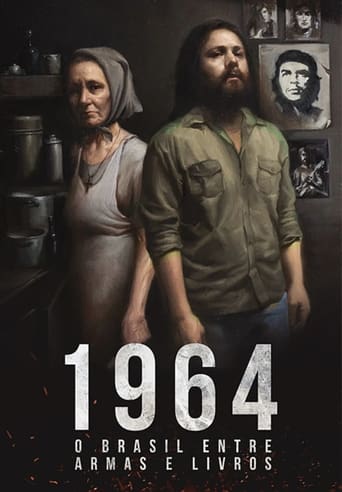 6.6
6.6We question the most unquestionable period in our history. The result was an international investigation with part of secret attempts, discovery of Soviet documents and a lot of investigation by the Brazilian media. It was all under our eyes.
1964: Brazil between weapons and books
2019
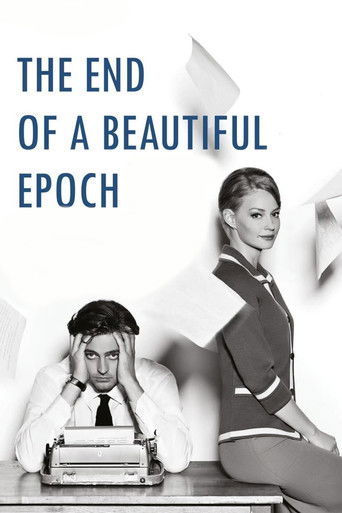 6.4
6.4Drama based on life and stories of one of the most popular Soviet/Russian writers - Sergei Dovlatov.
The End of a Beautiful Epoch
2015
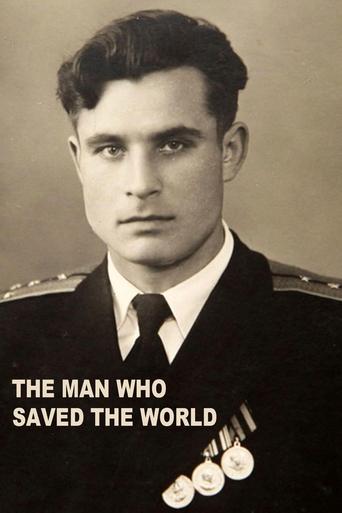 8.0
8.0During the Cuban Missile Crisis of 1962, Soviet Navy officer Vasily Arkhipov refused to launch a nuclear strike and saved the world from nuclear war and total destruction.
The Man Who Saved the World
2012
 7.0
7.0Musicians inspired by the Moon. Since the Apollo landings, the Moon has entered popular consciousness like never before. A journey through pop music's lunar obsession.
How the Moon Conquered Pop
2019
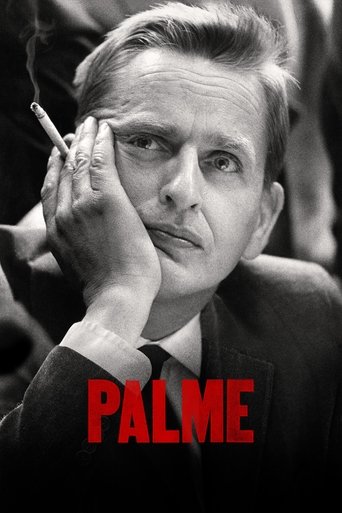 7.6
7.6Swedish Prime Minister Olof Palme was openly shot to death on a February evening 1986 on the streets of Stockholm. In one night, the country of Sweden was transfigured. “Palme” is about his life, his time, and about the Sweden he had created. About a man who altered history.
Palme
2012
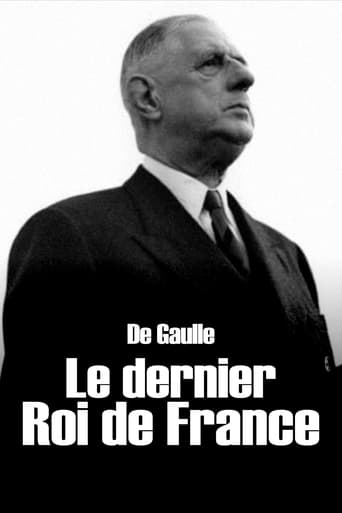 7.0
7.0Charles de Gaulle, the first president (1958-1969) of the Vth Republic, France’s current system of government, left his mark on the country . He was statesman of action and has been compared to a monarch. This film depicts the general’s personality through the great events of his presidential term, at a time when the world was undergoing considerable changes.
De Gaulle, the Last King of France
2017
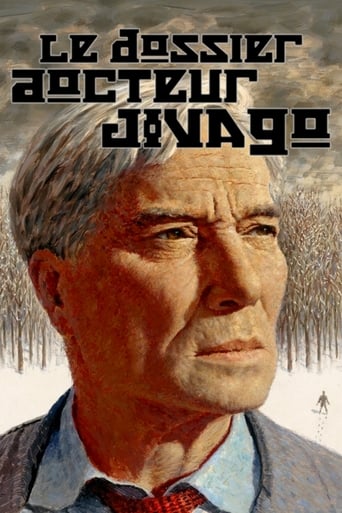 7.0
7.0As Russian writer Boris Pasternak (1890-1960) thinks it is impossible that his novel Doctor Zhivago is published in the Soviet Union, because it supposedly shows a critical view of the October Revolution, he decides to smuggle several copies of the manuscript out of the country. It is first published in 1957 in Italia and the author receives the Nobel Prize in Literature in 1958, which has consequences.
I Invite You to My Execution
2019
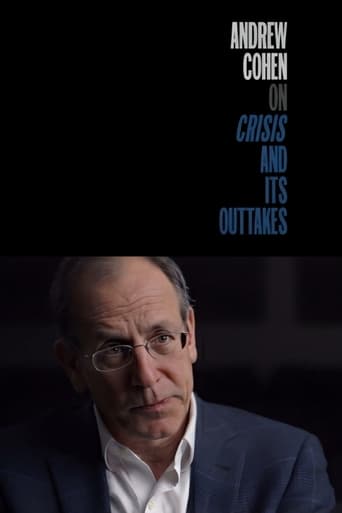 8.0
8.0Historian Andrew Cohen discusses Robert Drew's 1963 documentary Crisis: Behind a Presidential Commitment.
Andrew Cohen on Crisis and Its Outtakes
2016
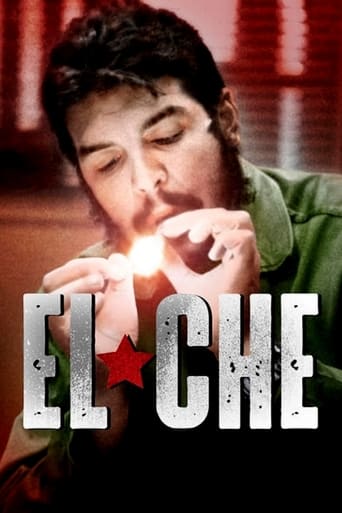 6.3
6.3Ernesto "Che" Guevara's controversial story told by the Mexican writer Paco Ignacio Taibo II. He revisits places where the guerrilla and revolutionary leader has passed and interviews people who knew Che, making revelations about this important figure in Cuba's political history.
El Che
2017
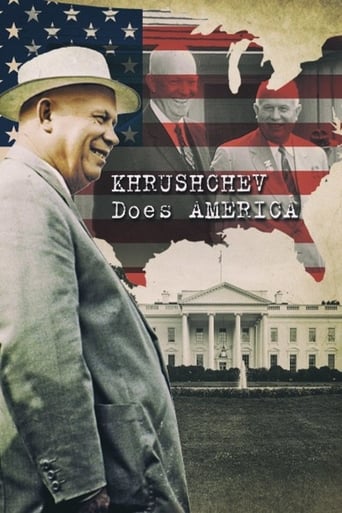 6.5
6.5The story of the unconditional, no-holds-barred tour of America by Soviet Premier Nikita Khrushchev, leader of World Communism and America's arch nemesis, during 13 sun-filled days in the fall of 1959.
Khrushchev Does America
2013
 NR
NRCold War Roadshow tells the story of one of the most bizarre episodes in the annals of modern history — the unprecedented barnstorming across America in the fall of 1959 by Soviet Premier Nikita Khrushchev, the world leader of communism and America’s arch nemesis. At the very height of the Cold War, with American schoolchildren practicing duck-and-cover drills, the man who Americans feared could incinerate them in a rain of hydrogen bombs arrived in Washington, D.C. at the invitation of President Eisenhower. For both men, the visit was an opportunity to halt the escalating threats of the Cold War and chart a new course toward peaceful coexistence. For the American press, it was the media blockbuster story of the year.
Cold War Roadshow
2014
1964 - the year when Astrid Lindgren's 'Vi på Saltkråkan' is shown on TV, UN Swedes smuggle weapons, Khrushchev is visiting, car testing starts, the KDS is formed and the long-haired fashion starts trending - for guys.
Året var 1964
2014
2000s · 7 titles
7.7Former corporate whiz kid Robert McNamara was the controversial Secretary of Defense in the Kennedy and Johnson administrations, during the height of the Vietnam War. Augmented by archival footage and cabinet conversation recordings, Errol Morris gives the conflicted McNamara a platform on which he attempts to confront his and the U.S. government's actions in Southeast Asia in light of the horrors of modern warfare, the end of ideology and the punitive judgment of history.
The Fog of War
2003
 6.2
6.2A visual montage portrait of our contemporary world dominated by globalized technology and violence.
Naqoyqatsi
2002
 7.1
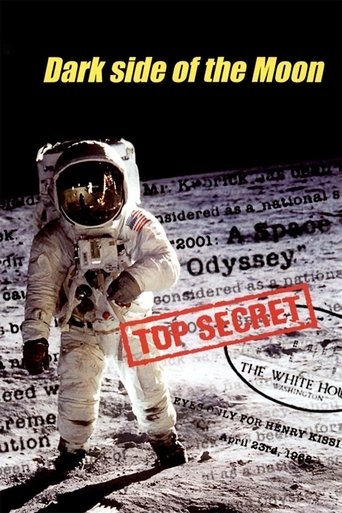
7.1A French documentary or, one might say more accurately, a mockumentary, by director William Karel which originally aired on Arte in 2002 with the title Opération Lune. The basic premise for the film is the theory that the television footage from the Apollo 11 Moon landing was faked and actually recorded in a studio by the CIA with help from director Stanley Kubrick.
Dark Side of the Moon
2002
 6.5
6.5The story of America's rise to power starting with 1959, using archival footage and US pop music to highlight the consequences to the rest of the world and in the peoples' minds.
It Felt Like a Kiss
2009
illustrates how directors pushed boundaries and altered the art of filmmaking during the turbulent, swinging 1960s. Narrated by Woody Harrelson, "Reel Radicals" features clips from such seminal films as Arthur Penn's "Bonnie and Clyde" (1967); Mike Nichols' "The Graduate" (1967); Dennis Hopper's "Easy Rider" (1969); John Frankenheimer's "The Manchurian Candidate" (1962); Stanley Kubrick's "Dr. Strangelove" (1964) and "2001: A Space Odyssey" (1968); John Schlesinger's "Midnight Cowboy" (1969); Richard Brooks' "Elmer Gantry" (1960) and "In Cold Blood" (1967); and Norman Jewison's "In the Heat of the Night" (1967) and "The Thomas Crown Affair" (1968). Frankenheimer, Jewison, Hopper, Schlesinger, Penn, Buck Henry, Paul Mazursky, Roger Corman and Arthur Hiller are among the filmmakers who discuss the decade.
Reel Radicals: The Sixties Revolution in Film
2002
 7.0
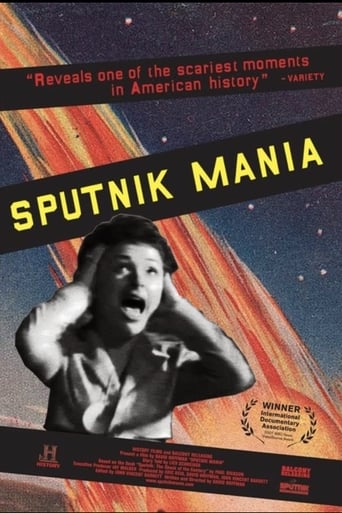
7.0Fifty years ago, at the height of the Cold War, the USSR launched Sputnik, the first satellite to orbit the earth, bringing America to its knees in awe - then fear. Initially thrilling as a marvel of science, Sputnik was soon viewed by America a weapon of mass destruction.
Sputnik Mania
2007
 6.0
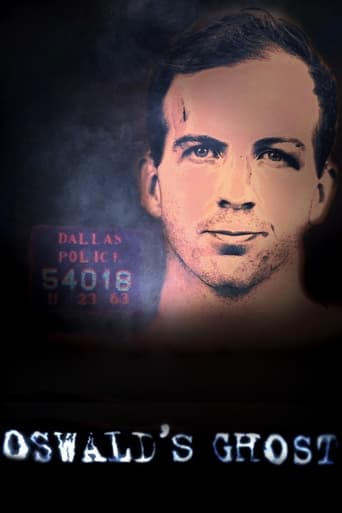
6.0The assassination of President John F. Kennedy in Dallas on November 22, 1963 left a psychic wound on America that is with us still today. Few Americans then or now accept that a lone, inconsequential gunman could bring down a president and alter history. In that breach, a culture of conspiracy has arisen that points to sinister forces at work in the shadows. Drawing upon rarely seen archival footage and interviews with key participants, Oswald's Ghost takes a fresh look at Kennedy's assassination, the public's reaction to the tragedy, and the government investigations that instead of calming fears lead to a widespread loss of trust in the institutions that govern our society.
Oswald's Ghost
2007
1990s · 7 titles
 NR
NRThe history of the Polygoon cinema newsreel is the recent history of The Netherlands and beyond, narrated by the distinctive voice of Philip Bloemendal. Using numerous clips, various individuals involved recount their contributions to the newsreels.
The World of Polygoon
1994
 7.2
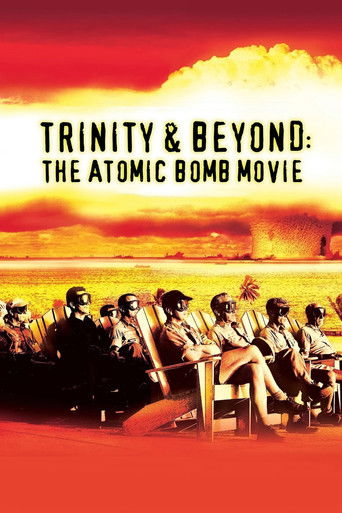
7.2"Trinity and Beyond" is an unsettling yet visually fascinating documentary presenting the history of nuclear weapons development and testing between 1945-1963. Narrated by William Shatner and featuring an original score performed by the Moscow Symphony Orchestra, this award-winning documentary reveals previously unreleased and classified government footage from several countries.
Trinity and Beyond: The Atomic Bomb Movie
1995
 NR
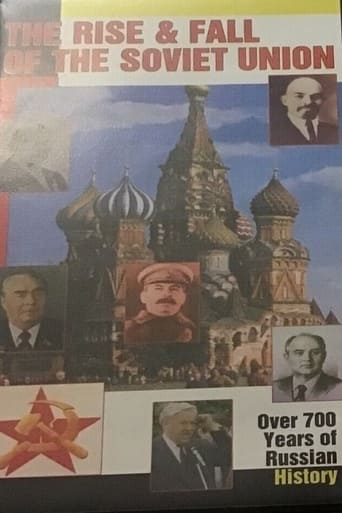
NRHistoric Russian battles to repel invaders serve as prelude to the story of events that redrew the map of Eastern Europe and parts of Asia in the 20th century. Following the turmoil of the Bolshevik Revolution, Communist Russia faces the venom of Nazi aggression. 1940's film footage reveals the harsh reality of total war, as the Red Army and Soviet civilians alike confront a brutal and tenacious enemy. The following decades are darkened by tensions between the USSR and foreign powers, and violent measures taken to silence voices of dissent. Finally, the Soviet people's yearning for a freer society leads to accelerating reforms and the ultimate dissolution of the USSR.
Soviet Union: The Rise and Fall - Part 2
1996
 NR
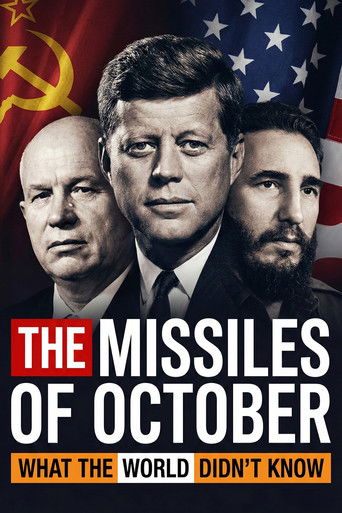
NRThis documentary by ABC News commemorates the 30th anniversary of the 1962 Cuban Missile Crisis. It provides a behind-the-scenes look at how close the U.S. and Soviet Union actually came to catastrophe.
The Missiles of October: What the World Didn't Know
1992
 7.3
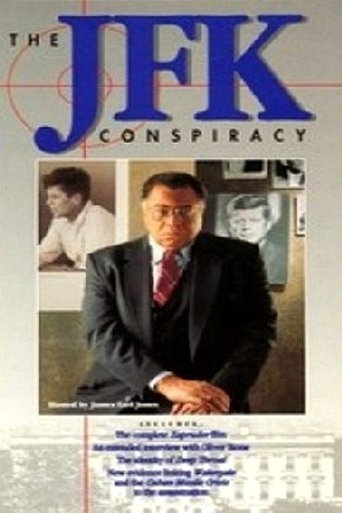
7.3Up to now, no one knows the truth about the JFK assassination. But now, in a fast-paced two-hours, learn what really happened, who ordered it, and how the truth was hushed up for all these years.
The JFK Conspiracy
1992
The film talks about the rise and fall of the two most influential protagonists in GDR-politics. In succession, over long stretches even together, Ulbricht and Honecker determined the course of the GDR, of course without ever getting out of being a satellite state to the big brother in Moscow. The film looks for the caesura and crucial points in the power game between Ulbricht and Honecker.
Die Sekretäre
1999
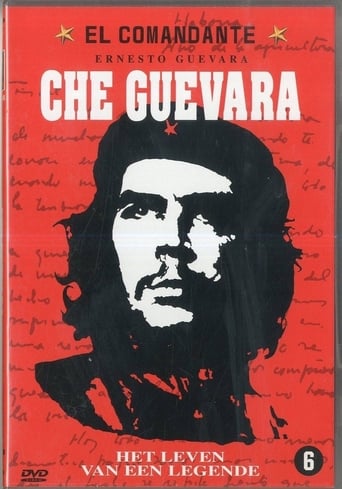 8.0
8.0Documentary about the life of revolutionary Cuban leader Ernesto "Che" Guevara.
Ernesto Che Guevara
1995
1980s · 2 titles
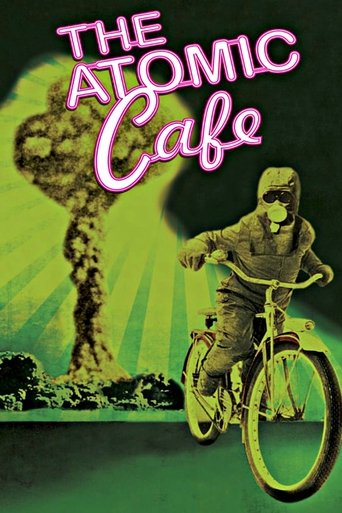 7.3
7.3A disturbing collection of 1940s and 1950s United States government-issued propaganda films designed to reassure Americans that the atomic bomb was not a threat to their safety.
The Atomic Cafe
1982
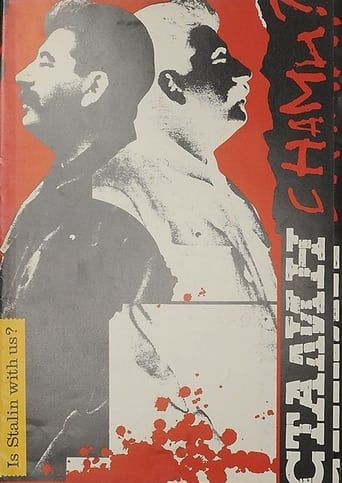 8.0
8.0A documentary shows several contemporary Soviet citizens who are staunch supporters of the discredited Stalin. They include a public prosecutor, a factory foreman, a taxi driver and a schoolmistress.
Is Stalin With Us?
1989
1970s · 3 titles
Soviet documentary on Beijing's anti-Vietnam policies before the 1979 border war
Beijing's Cards
1979
1979 Soviet film criticizing the internal situation and expansionist policies of post-Mao China
Incendiaries from the Celestial Empire
1979
A documentary examining Maoism and its consequences for China
Maoism: A Tragedy for China
1978
1960s · 4 titles
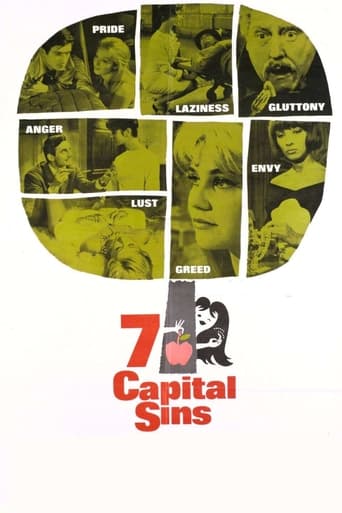 5.9
5.9Seven directors each dramatize one of the seven deadly sins in a short film. In "Anger," a domestic argument over a fly in the Sunday soup escalates into nuclear war. In "Sloth," a movie star would rather pay someone to tie his shoe than bend over to do it himself, and he can't be bothered to accept a starlet's sexual favors. In "Gluttony," a peasant family on its way to the funeral of a relative who died from indigestion stops regularly to eat and drink en route, arriving in time to eat some more. In "Greed," a high-class prostitute refunds the price of a cadet's lottery ticket. In "Pride," an unfaithful wife finds reason to reform. And so on through lust and envy.
The Seven Deadly Sins
1962
 8.0
8.0A brilliant documentary about the growth of Israel into the Jewish homeland. Seventy-three years of struggle for religious freedom is vividly recorded using rare archive film footage and photographs of historic events in the development of 20th century Israel. Beginning with the Dreyfus Affair in 1894, the film covers Theodor Herzl, founder of modern Zionism; the earliest immigration and settlements; the formation of kibbutzim; the Balfour Declaration; the rise of European anti-Semitism; the British occupation of Palestine; Arab confrontations; the United Nations resolution; the "Exodus" incident, and the Six Day War.
A Wall in Jerusalem
1968
 7.0
7.0Documentary footage (from the 1950s) and accompanying commentary to attempt to answer the existential question, Why are our lives characterized by discontent, anguish, and fear? The film is in two completely separate parts, and the directors of these respective sections, left-wing Pier Paolo Pasolini and conservative Giovanni Guareschi, offer the viewer contrasting analyses of and prescriptions for modern society. Part I, by Pasolini, is a denunciation of the offenses of Western culture, particularly those against colonized Africa. It is at the same time a chronicle of the liberation and independence of the former African colonies, portraying these peoples as the new protagonists of the world stage, holding up Marxism as their "salvation", and suggesting that their "innocent ferocity" will be the new religion of the era. Guareschi's part, by contrast, constitutes a defense of Western civilization and a word of hope, couched in traditional Christian terms, for man's future.
La Rabbia
1963
A cut-out of Soviet leader Nikita Khrushchev sails over newspaper articles as they take place. Combines live photography and collage animation in one film.
Achooo Mr. Kerrooschev
1960
1950s · 2 titles
 5.5
5.5March 9th, 1953. A gray, sad day. Clouds float low over the Kremlin towers. A city that unrecognizably grew, prettier and matured - this Moscow froze in solemn grief. The country escorts its father and leader, Joseph Stalin.
Velikoye proshchaniye
1953
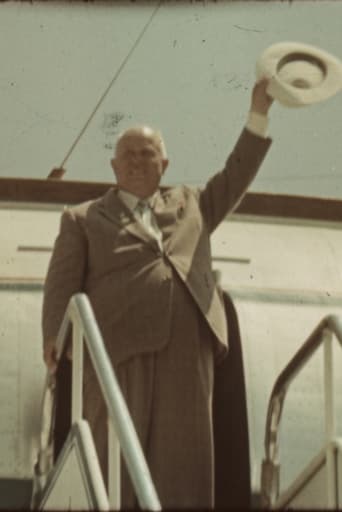 NR
NRThis newsreel presents the one and only visit to Albania by Soviet premier Nikita Khrushchev. But behind the bear hugs and airport kisses, Enver Hoxha bristled at Khrushchev’s suggestion that the Albanian leader attempt reforms and back off from the demigod status accorded to the Russian dictator Joseph Stalin. Within a year, Albania would create shock waves in the communist universe after Hoxha denounced Khrushchev at a 1960 Moscow party congress.
Kinoreportazh Nr. 1
1959
1940s · 1 titles
1930s · 1 titles

Series credits
6.5TV's most-watched history series brings to life the compelling stories from our past that inform our understanding of the world today.
American Experience
1988
8.0With firsthand accounts and access to prominent figures around the world, this comprehensive docuseries explores the Cold War and its aftermath.
Turning Point: The Bomb and the Cold War
2024
5.3Blending in-depth interviews, rare archival footage, and cinematic recreations, this docuseries on the lives of America's most iconic First Ladies is a bold revision of each woman's traditional portrayal, revealing how they were impacted during their time in the White House, and how their achievements fundamentally shaped American and global history.
First Ladies
2020
7.7Oliver Stone's re-examination of under-reported events in American history.
Oliver Stone's Untold History of the United States
2012
7.9From executive producers Kevin Spacey and Dana Brunetti, CNN Original Series "Race for the White House" captures the drama of how a high-stakes presidential election can turn on a single issue and so much more.
Race for the White House
2016
 NR
NRNo synopsis available yet.
Legends of Cinema
2016
 4.0
4.0250 years on from the country’s Declaration of Independence, the image of the United States has become tarnished. By drawing parallels between cowboys and populism, Thanksgiving and Charlie Kirk, this documentary demonstrates that Trump’s politics differ from those of his predecessors and are not in line with the values upon which the history of the American nation was founded.
America Who Are You?
2026
 9.5
9.5A six-year project from conception to completion, "Vietnam: A Television History" carefully analyzes the costs and consequences of a controversial but intriguing war. From the first hour through the last, the series provides a detailed visual and oral account of the war that changed a generation and continues to color American thinking on many military and foreign policy issues.
Vietnam: A Television History
1983
 7.8
7.8Historic footage and leading voices of the era examine the "Bobby Phenomenon" of the 1960s and the legacy of the man who helped redefine the country.
Bobby Kennedy for President
2018
 8.5
8.5Communism spread to all of the continents of the word, lasting through four generations and over seven decades. Hundreds of millions of men and women were affected by this political system, one of the most unjust and bloodiest in history. Using newly discovered propaganda films and archival photos, these four episodes explore the mysteries of this totalitarian political machine that lured its share of important followers into the fold. Known as the red church, communism seduced its ardent followers like some earthly religion.
Faith of the Century: A History of Communism
1999
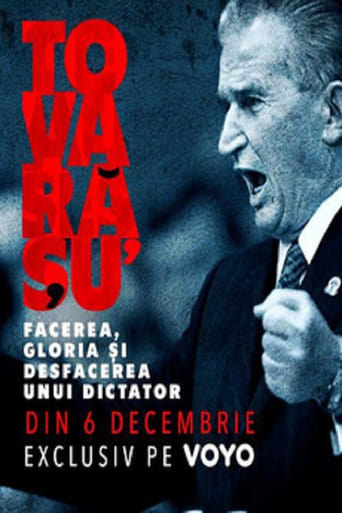 8.2
8.2In-depth documentary mini-series presenting the rise, rule and fall of communist Romanian dictator Nicolae Ceaușescu and the way he shaped both Romanian and international history.
Comrade: The Making, Glory and Unmaking of a Dictator
2023
 NR
NRNo synopsis available yet.
Загадки века с Сергеем Медведевым
2016
No synopsis available yet.
Легенды музыки
2015
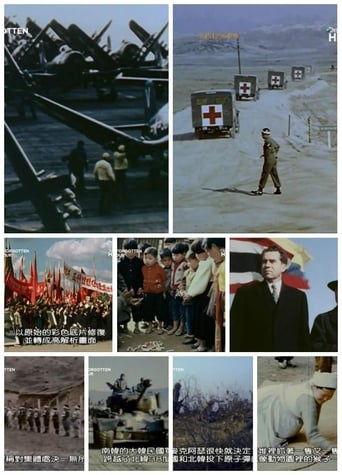 NR
NRNo synopsis available yet.
Korea: The Forgotten War in Colour
2010
 NR
NRNo synopsis available yet.
Great Literary Tour
2016