
Acting
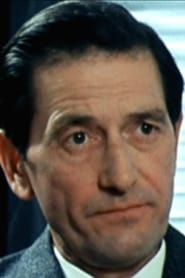
Richard Butler
Born — Died
1924-10-30 — 2003-04-23
Place of birth
Bradford, Yorkshire, England
Known for
Acting
Credits
34 titles
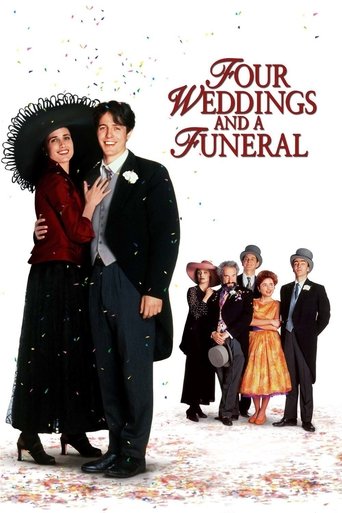
Richard Butler was a Bradford born British actor who appeared mostly on television in a career that stretched back to the live broadcasts of the early 1950s. He is perhaps best known for playing the vicar officiating at Charles and Henrietta's abortive wedding in the 1994 film Four Weddings and a Funeral. He died on April 23, 2003 in Surrey, England.
Known for
 7.1
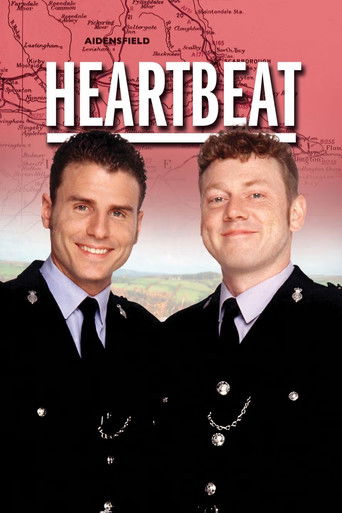
7.1Set during the 1960s in the fictional North Yorkshire village of Aidensfield, this enduringly popular series interweaves crime and medical storylines.
Heartbeat
1992
 6.5
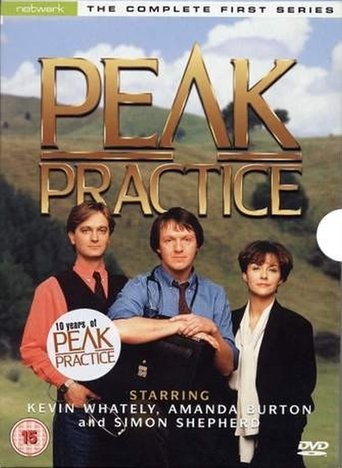
6.5Peak Practice is a British drama series about a GP surgery in Cardale — a small fictional town in the Derbyshire Peak District — and the doctors who worked there. It ran on ITV from 10 May 1993 to 30 January 2002 and was one of their most successful series at the time. It originally starred Kevin Whately as Dr Jack Kerruish, Amanda Burton as Dr Beth Glover and Simon Shepherd as Dr Will Preston, though the roster of doctors would change many times over the course of the series. Cardale was based on the Staffordshire village of Longnor for the final series, but was previously based in the Derbyshire village of Crich, although certain scenes were filmed at other nearby Derbyshire towns and villages, most notably Matlock, Belper and Ashover.
Peak Practice
1993
 6.5
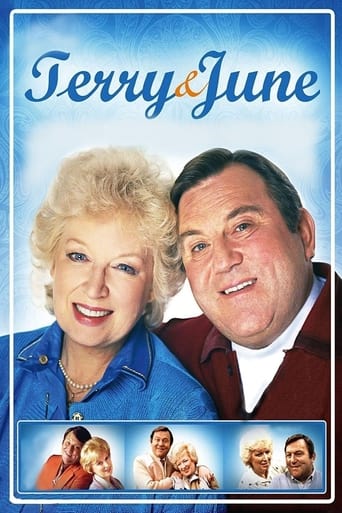
6.5Middle-aged Terry and June Medford are beginning to find the trials of life more difficult as they try to succeed in their daily lives. The couple have just moved to Purley, south-east London... Aunt Lucy and the mynah bird have disappeared, as had the occasionally visiting daughters. Terry and June now mixed with friendly next door neighbour Beattie; Terry's chatty work colleague, Malcolm; and their gruff boss Sir Dennis Hodge. Otherwise, things were much as before, with Terry's pigheaded childishness causing no end of problems, usually thwarting June's attempts at leading a cosy life.
Terry and June
1979
 7.2
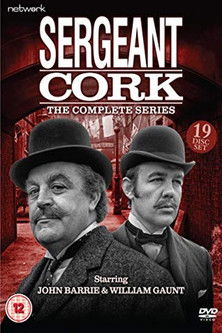
7.2Sergeant Cork is a British detective television series which first aired between 1963 and 1968 on ITV. It was a police procedural show that followed the efforts of two police officers and their battle against crime in Victorian London. In all 66 hour-long episodes were aired during the five-year run, although the last episode was not broadcast until January 1968, 16 months after the others. Journalist Tom Sutcliffe has credited it as a first example of the use of the Victorian-era policeman in a television crime series. A 1969 review in The Age opined that rather than suspense, the strengths of the series were its "excellent period settings and wonderfully thick pea-soupers" which "add up to splendid evocative stuff", as well as the performance of star John Barrie. At no time during the whole series is Sergeant Cork's first name given.
Sergeant Cork
1963
 7.2
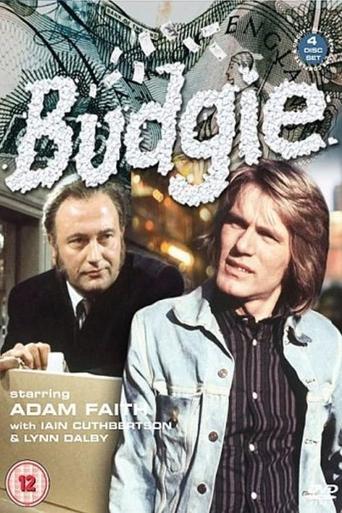
7.2Budgie is a popular British television series starring former popstar Adam Faith which was produced by ITV company London Weekend Television and broadcast on the ITV network between 1971 and 1972. The series was created by Keith Waterhouse and Willis Hall . The show was produced by Verity Lambert, Rex Firkin was the Executive producer.
Budgie
1971
 6.8
6.8Over the course of five social occasions, a committed bachelor must consider the notion that he may have discovered love.
Four Weddings and a Funeral
1994
Film credits
1990s · 3 titles
6.8Over the course of five social occasions, a committed bachelor must consider the notion that he may have discovered love.
Four Weddings and a Funeral
1994
 6.8
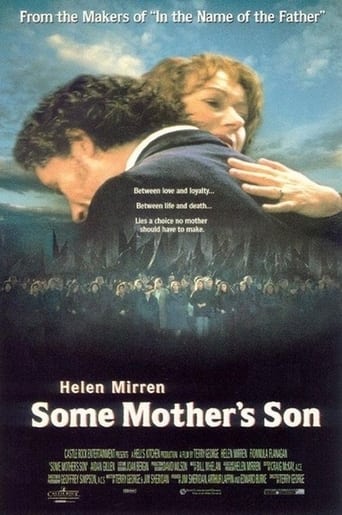
6.8Based on the true story of the 1981 hunger strike in a British prison, in which IRA prisoner Bobby Sands led a protest against the treatment of IRA prisoners as criminals rather than as prisoners of war. The film focuses on the mothers of two of the strikers, and their struggle to save the lives of their sons.
Some Mother's Son
1996
 NR
NRShoot to Kill is a four-hour drama documentary reconstruction of the events that led to the 1984–86 Stalker Inquiry into the shooting of six terrorist suspects in Northern Ireland in 1982 by a specialist unit of the Royal Ulster Constabulary (RUC), allegedly without warning (the so-called shoot-to-kill policy); the organised fabrication of false accounts of the events; and the difficulties created for the inquiry team in their investigation.
Shoot to Kill
1990
1980s · 6 titles
 6.3
6.3When SAS Captain Peter Skellen is thrown out of the service for gross misconduct due to unnecessary violence and bullying, he is soon recruited by The People's Lobby, a fanatical group aiming to hold several US dignitaries hostage. But Skellen's dismissal is a front to enable him to get close to the terrorist group. Can he get close enough to stop the Lobby from creating an international incident?
Who Dares Wins
1982
 NR
NRA witch weds a widowed king. Finding that his children pose a threat to her, she transforms the three boys into ravens. The girl escapes but is told she must remain silent for three years, or the boys will be trapped in raven form forever.
The Storyteller: The Three Ravens
1988
 7.8
7.8A new teacher at a highly problematic comprehensive school feels that corporal punishment may just be inflaming the problems, and so begins to campaign against it.
Birth of a Nation
1983
 5.2
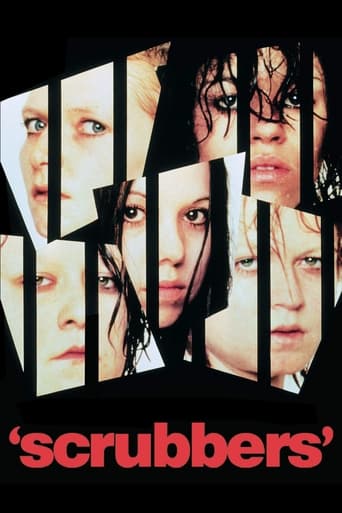
5.2Inmates fight, pair off, try suicide and attempt escape at a British reform school for girls.
Scrubbers
1982
 7.0
7.0An old man remembers the troubled relationship he had with his mother, the erotic games, and the phantasms in which she managed to attract him. The main line gives but a small idea of the film, of its erotic style, its choreographic dimension, its strange fragmentation. The film drifts along an ever-renewed invention, intertwining lavish dances, mask games, musical comedy, parodies, permanent repression of the body offering itself as an object of desire to the viewer who is literally seduced.’
Further and Particular
1988
 NR
NRIn 1960, at the age of 56, Dr. Barbara Moore became a national hero by walking from John O'Groats to Land's End. One of the last great English eccentrics, even though she was Russian.
'That Crazy Woman'
1980
1970s · 7 titles
 6.7
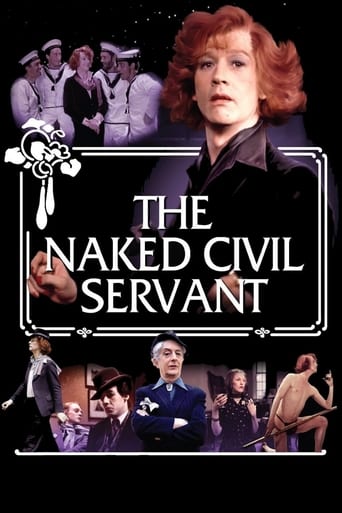
6.7Story of the life of Quentin Crisp, an Englishman who was brave enough to live his life according to his own style even in the hostile days of WW2.
The Naked Civil Servant
1975
 7.2
7.2Carlin is a new reform school inmate with a reputation as a hard case. The authorities encourage gang leader Pongo to humble Carlin, but Carlin overtakes Pongo as Daddy of the ward. The guards institute a reign of terror and neglect, with Carlin emerging as an unlikely leader.
Scum
1977
 7.0
7.0Boysie discovers he has 'second sight' but neither his girlfriend Gloria nor his work-mate Brian will accept his 'gift'. He sets out on a spiritual voyage that leads to Adler, a 'sensitive', and finally to the devil himself.
The Man with the Power
1976
 NR
NRAn Alcoholics Anonymous meeting
One Day at a Time
1977
 NR
NR"Why don't you keep that missus o' yours under control? She ain't exactly doin' you a packet o' good, is she? If she was mine I'd bloody put 'er right, I'll tell yer." The marriage of an introverted Scottish army sergeant and his loving, but independent wife is threatened by military life.
The Vanishing Army
1978
 9.0
9.0A prison visitor becomes involved with a convicted sex offender.
Chariot of Fire
1970
 NR
NRA middle class man finds life as a Labour MP challenging.
The Nearly Man
1974
Series credits
7.1Set during the 1960s in the fictional North Yorkshire village of Aidensfield, this enduringly popular series interweaves crime and medical storylines.
Heartbeat
1992
6.5Peak Practice is a British drama series about a GP surgery in Cardale — a small fictional town in the Derbyshire Peak District — and the doctors who worked there. It ran on ITV from 10 May 1993 to 30 January 2002 and was one of their most successful series at the time. It originally starred Kevin Whately as Dr Jack Kerruish, Amanda Burton as Dr Beth Glover and Simon Shepherd as Dr Will Preston, though the roster of doctors would change many times over the course of the series. Cardale was based on the Staffordshire village of Longnor for the final series, but was previously based in the Derbyshire village of Crich, although certain scenes were filmed at other nearby Derbyshire towns and villages, most notably Matlock, Belper and Ashover.
Peak Practice
1993
6.5Middle-aged Terry and June Medford are beginning to find the trials of life more difficult as they try to succeed in their daily lives. The couple have just moved to Purley, south-east London... Aunt Lucy and the mynah bird have disappeared, as had the occasionally visiting daughters. Terry and June now mixed with friendly next door neighbour Beattie; Terry's chatty work colleague, Malcolm; and their gruff boss Sir Dennis Hodge. Otherwise, things were much as before, with Terry's pigheaded childishness causing no end of problems, usually thwarting June's attempts at leading a cosy life.
Terry and June
1979
7.2Sergeant Cork is a British detective television series which first aired between 1963 and 1968 on ITV. It was a police procedural show that followed the efforts of two police officers and their battle against crime in Victorian London. In all 66 hour-long episodes were aired during the five-year run, although the last episode was not broadcast until January 1968, 16 months after the others. Journalist Tom Sutcliffe has credited it as a first example of the use of the Victorian-era policeman in a television crime series. A 1969 review in The Age opined that rather than suspense, the strengths of the series were its "excellent period settings and wonderfully thick pea-soupers" which "add up to splendid evocative stuff", as well as the performance of star John Barrie. At no time during the whole series is Sergeant Cork's first name given.
Sergeant Cork
1963
7.2Sergeant Cork is a British detective television series which first aired between 1963 and 1968 on ITV. It was a police procedural show that followed the efforts of two police officers and their battle against crime in Victorian London. In all 66 hour-long episodes were aired during the five-year run, although the last episode was not broadcast until January 1968, 16 months after the others. Journalist Tom Sutcliffe has credited it as a first example of the use of the Victorian-era policeman in a television crime series. A 1969 review in The Age opined that rather than suspense, the strengths of the series were its "excellent period settings and wonderfully thick pea-soupers" which "add up to splendid evocative stuff", as well as the performance of star John Barrie. At no time during the whole series is Sergeant Cork's first name given.
Sergeant Cork
1963
7.2Budgie is a popular British television series starring former popstar Adam Faith which was produced by ITV company London Weekend Television and broadcast on the ITV network between 1971 and 1972. The series was created by Keith Waterhouse and Willis Hall . The show was produced by Verity Lambert, Rex Firkin was the Executive producer.
Budgie
1971
A series of plays from Birmingham by new writers.
Second City Firsts
1973
 6.7
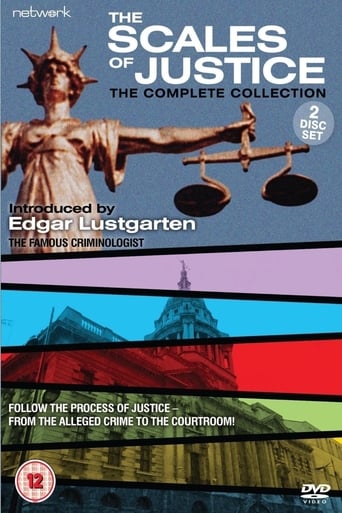
6.7The Scales of Justice is a series of thirteen British cinema featurettes produced from 1962 to 1967 for Anglo-Amalgamated at Merton Park Studios in London. The first nine were made in black and white, and the last four in colour. The finale, Payment in Kind, was Merton Park's final production. Episodes were based on criminal cases, and each film was introduced by criminologist Edgar Lustgarten. The series derives its title from the symbolic scales held by the statue of Justice, situated above the dome of London's Central Criminal Court, The Old Bailey. The opening narration describes her as having "in her right hand, the Sword of Power and Retribution, and in her left – The Scales of Justice".
The Scales of Justice
1962
 NR
NRThis spin-off from The Odd Man (1962) starred William Mervyn as the acerbic Inspector Rose, who, alongside the soft-hearted pensive Det. Sgt. Swift (Keith Barron), are joined by Anthony (John Carson) and Alice Brand (June Toblin), a barrister and his journalist wife, though not for long. By the second season, the Brands and Swift departed, leaving the calm, cold Rose in prime position, supported by newcomers DS Hunter (Anthony Ainley), his girlfriend Claire (Veronica Strong), and her boozy reporter friend Fred Blaine (John Stratton).
It's Dark Outside
1964
 NR
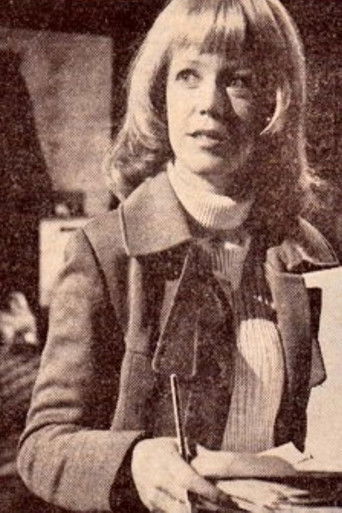
NRHolly Elliot is a university graduate taking an evening class in art appreciation. Her husband, David, on the other hand, works for a mail-order firm and is trying hard to keep up with Holly by taking an extramural degree in his spare time. Their lives are about to be irrevocably upended.
Holly
1972
 NR
NRAn anthology of six plays, contemporary twists on well-loved tales with dark endings.
Bedtime Stories
1974
 6.8
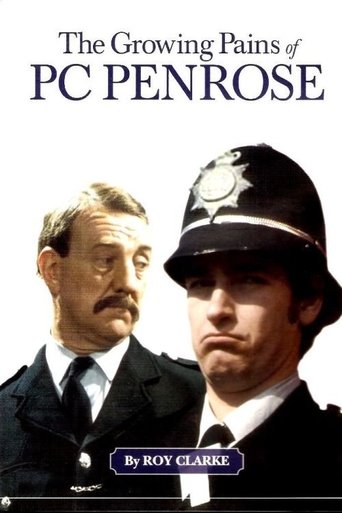
6.8Earnest new recruit PC Penrose has left his hometown and joined the force in the Yorkshire town of Slagcaster. He's young and naive but seasoned officer Sergeant Flagg takes him under his wing and shows him the ropes, though his methods can be a little unconventional.
The Growing Pains of PC Penrose
1975
Forward thinking anthology of dramas about the emerging problems of a city.
City '68
1967
 10.0
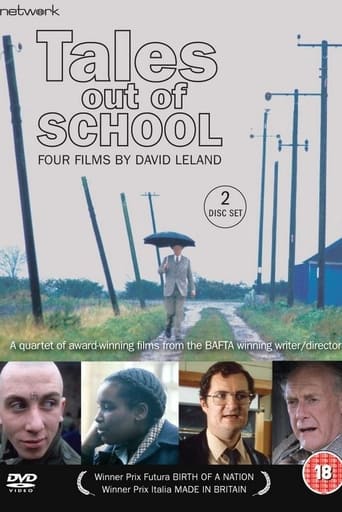
10.0Tales Out of School is a British anthology of television plays by David Leland: Birth of a Nation, Flying Into the Wind, R.H.I.N.O.: Really Here in Name Only, and Made in Britain.
Tales Out of School
1983
Divorced single mother Julia Merrygrove works as a local councillor whilst also holding down a job in a biscuit factory. She begins an affair with George Rudge, her opposite number on the council.
Rich Tea and Sympathy
1991
This show was a series of six plays in which the hero of one was the villain in another, thus illustrating the good and bad sides of the characters.
Six Shades of Black
1965
Drama with Paul Freeman and Judy Loe
Yesterday's Dreams
1987