
Acting
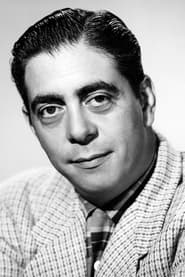
Robert Strauss
Born — Died
1913-11-08 — 1975-02-20
Place of birth
The Bronx, New York City, New York, USA
Known for
Acting
Credits
78 titles
From Wikipedia, the free encyclopedia Robert Strauss (November 8, 1913 – February 20, 1975) was a gravel-voiced American actor. Description above from the Wikipedia article Robert Strauss (actor), licensed under CC-BY-SA, full list of contributors on Wikipedia.
Known for
 7.6
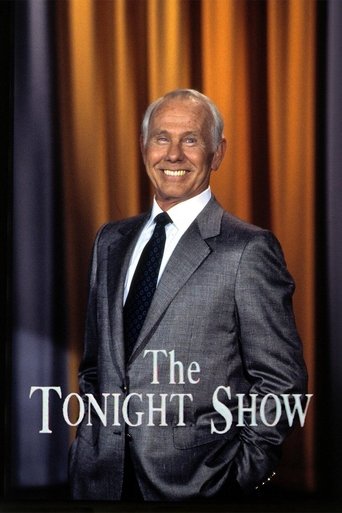
7.6The Tonight Show Starring Johnny Carson is a talk show hosted by Johnny Carson under The Tonight Show franchise from 1962 to 1992. It originally aired during late-night. For its first ten years, Carson's Tonight Show was based in New York City with occasional trips to Burbank, California; in May 1972, the show moved permanently to Burbank, California. In 2002, The Tonight Show Starring Johnny Carson was ranked #12 on TV Guide's 50 Greatest TV Shows of All Time.
The Tonight Show Starring Johnny Carson
1962
 5.8
5.8The Mike Douglas Show is an American daytime television talk show hosted by Mike Douglas that originally aired only in the Cleveland area during much of its first two years on the air. It then went into syndication in 1963 and remained on television until 1982. It was distributed by Westinghouse Broadcasting and for much of its run, originated from studios of two of the company's TV stations in Cleveland and Philadelphia.
The Mike Douglas Show
1961
 7.7
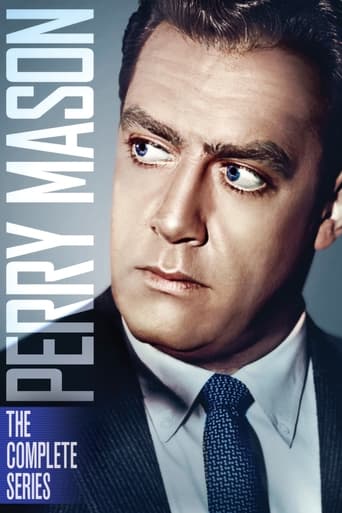
7.7The cases of master criminal defense attorney Perry Mason and his staff who handled the most difficult of cases in the aid of the innocent.
Perry Mason
1957
 7.8
7.8Samantha Stephens is a seemingly normal suburban housewife who also happens to be a genuine witch, with all the requisite magical powers. Her husband Darrin insists that Samantha keep her witchcraft under wraps, but situations invariably require her to indulge her powers while keeping her bothersome mother Endora at bay.
Bewitched
1964
 8.0
8.0Maxwell Smart, a hilariously inept and maladroit secret agent for CONTROL, battles the nefarious—though equally incompetent—KAOS.
Get Smart
1965
 7.9
7.9A continuation of the anthology series “Alfred Hitchcock Presents”, hosted by the master of suspense and featuring thrillers and mysteries.
The Alfred Hitchcock Hour
1962
Film credits
1970s · 4 titles
 6.7
6.7After the superstardom and early death of Bruce Lee, 20th Century Fox decided to cobble together a couple of theatrical feature films from this property, of which this 1974 effort is the first. The bulk of the film consists of four episodes crudely spliced together. Scattered throughout are bizarrely irrelevant fight scenes from other episodes, which make the already disjointed plotting quite surreal. The television image was cropped to make a widescreen film, which means the tops of heads and hats are lopped off the frame with alarming regularity.
The Green Hornet
1974
Bob's favorite memories and funniest moments on TV The biggest Stars! ... The biggest laughs! On DVD for the first time, this special 90 minute collection proves that laughter is the universal language with a sidesplitting salute to slapstick, satire, sketch comedy and zingers. Featuring Bob's funniest moments on television, this tribute includes a virtual who's who of legendary entertainers like Bing Crosby, Jackie Gleason, Roy Rogers, Ingrid Bergman, Bob Newhart, Lucille Ball, Ann-Margret, Jack Benny, Angie Dickinson, Steve Allen, Johnny Carson, Danny Thomas, Don Rickles, Milton Berle, Redd Foxx, Dorothy Lamour, Frank Sinatra, John Wayne, Dyan Cannon, Debbie Reynolds, Lassie and more.
Bob Hope's World of Comedy
1976
 4.4
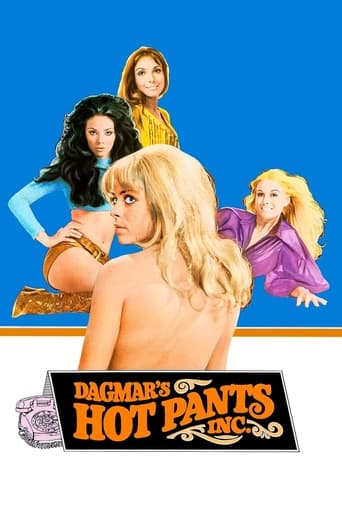
4.4Known to her clients as Dagmar, she's a classy Swedish call girl in Copenhagen. After two years, she's ready quit, and we follow her on what she hopes is her last day in the trade. She wakes at 9 AM, gets her first call and a marriage proposal, checks in with her doctor, pays final visits to various clients, arranges to lease her flat, passes on her black book to a colleague, tries to beg off on an impromptu session with Japanese businessmen, has a quick conversation with her brother, and makes a couple of charitable contributions. All the while, her eyes on the clock, there's the threat of her pimp finding out about her plans. If she pulls it off, what awaits?
Dagmar's Hot Pants, Inc.
1971
 5.9
5.9Noah, the sole remaining survivor on our planet after a nuclear holocaust, finds himself unable to to accept his unique predicament. To cope with his loneliness, he creates an imaginary companion, then a companion for his companion and finally an entire civilization - a world of illusion in which there is no reality but Noah, no rules but those of the extinct world of his memory - our world.
The Noah
1975
1960s · 15 titles
 5.6
5.6Johnny is a riverboat entertainer with a big gambling problem. After a psychic tells Johnny how he can change his luck, the appearance of a new 'lady luck' soon causes a catfight with Johnny's girlfriend, Frankie.
Frankie and Johnny
1966
 5.4
5.4When he learns that his boss is retiring to Arizona, sailor Ross Carpenter has to find a way to buy the Westwind, a boat that he and his father built. Meanwhile, he's also caught between two women: insensitive club singer Robin and sweet Laurel.
Girls! Girls! Girls!
1962
 7.1
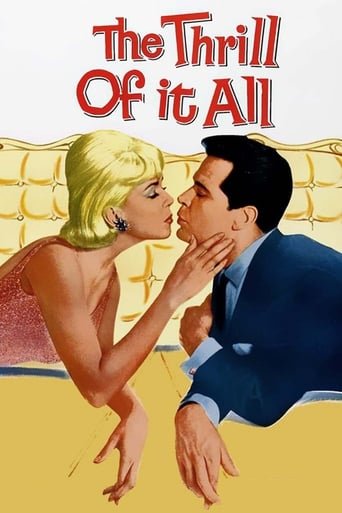
7.1A housewife's sudden rise to fame as a soap spokesperson leads to chaos in her home life.
The Thrill of It All
1963
 6.4
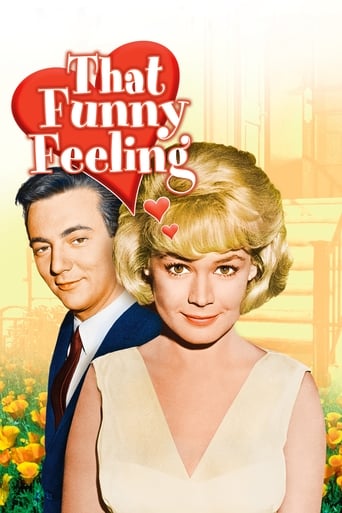
6.4Joan Howell, a young and pretty maid-for-hire, meets and begins dating wealthy New York City businessman Tom Milford. Embarrassed about bringing him back to her tiny apartment that she shares with her roommate Audrey, Joan brings Tom over to a fancy apartment that she cleans on a daily basis not knowing that it's his place. Tom plays along with the charade despite not knowing who Joan really is, while she tries to tidy up Tom's place not knowing who he really is.
That Funny Feeling
1965
 6.3
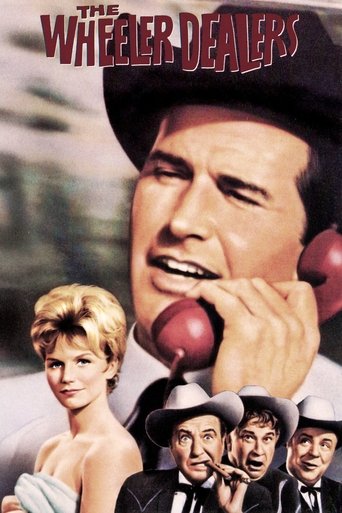
6.3Henry J. Tyroon leaves Texas, where his oil wells are drying up, and arrives in New York with a lot of oil money to play with in the stock market. He meets stock analyst Molly Thatcher, who tries to ignore the lavish attention he spends on her but, in the end, she falls for his charm.
The Wheeler Dealers
1963
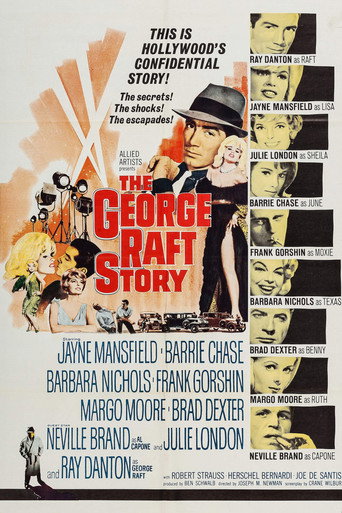 5.6
5.6The 1961 film biography of the nightclub dancer-turned-movie star George Raft.
The George Raft Story
1961
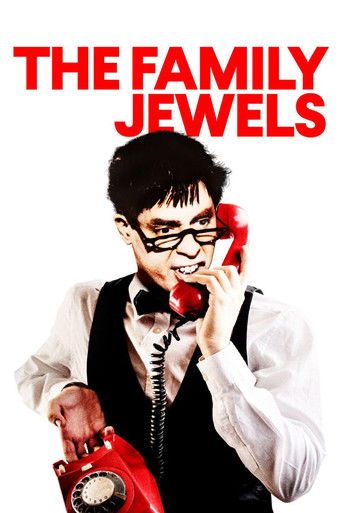 6.5
6.5A young heiress must choose between six uncles, one of which is up to no good and out to harm the girl's beloved bodyguard who practically raised her.
The Family Jewels
1965
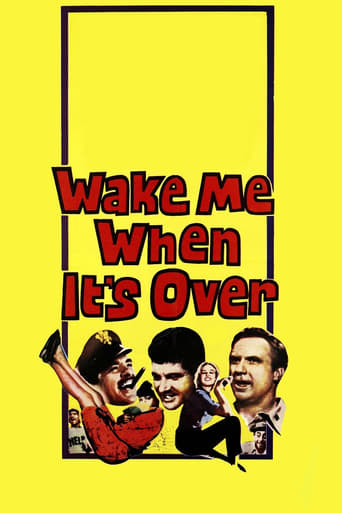 6.7
6.7The war may be over, but that doesn't keep the hapless Gus Brubaker from being drafted and posted on a forgotten little Japanese Island...and that's just the beginning of this wacky Air Force adventure!
Wake Me When It's Over
1960
 6.4
6.4An aging sheriff is put in the position of having to arrest the outlaw father and two sons with whom he was raised.
Stage to Thunder Rock
1964
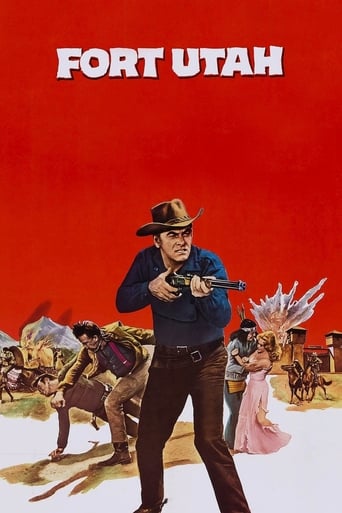 4.3
4.3An ex-gunfighter goes up against a man who is trying to stir up trouble with the Indians to enrich himself.
Fort Utah
1967
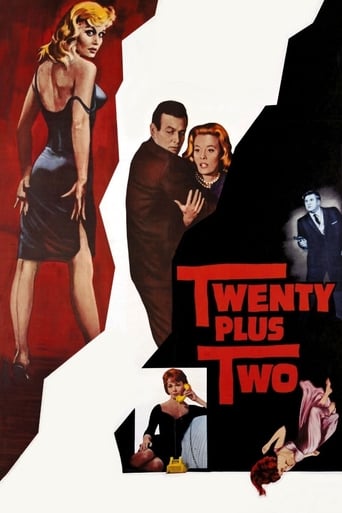 6.8
6.8A famous movie star's fan club secretary has been brutally murdered. She has in her office old newspaper clippings regarding a missing heiress. Did the secretary know something about the mystery of the heiress?
Twenty Plus Two
1961
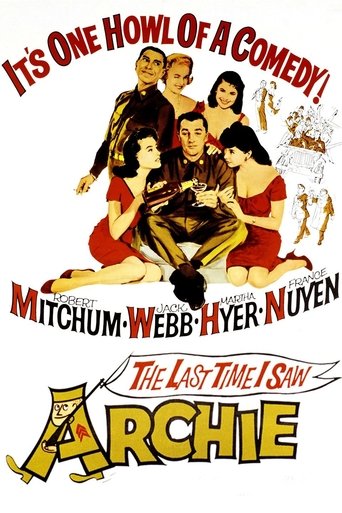 6.0
6.0Two Air Force friends have fun during their enlistment.
The Last Time I Saw Archie
1961
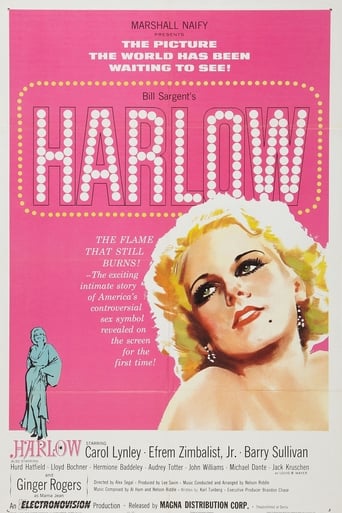 4.7
4.7Loosely based biography of 1930s star Jean Harlow as she begins her climb to stardom. One of two "Harlow" film biographies that appeared in 1965, this one stars Carol Lynley in the title role that begins as Jean Harlow, a bit player in Laurel and Hardy comedies, is invited to test for director Jonathan Martin for the lead in Howard Hughes's "Hell's Angels." She is an instantaneous sensation, and in a series of films devoted more to her body than her talent, she becomes Hollywood's "Platinum Blonde."
Harlow
1965
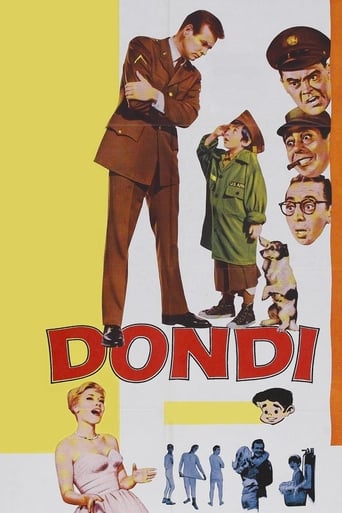 4.1
4.1World War II GIs adopt an Italian war orphan.
Dondi
1961
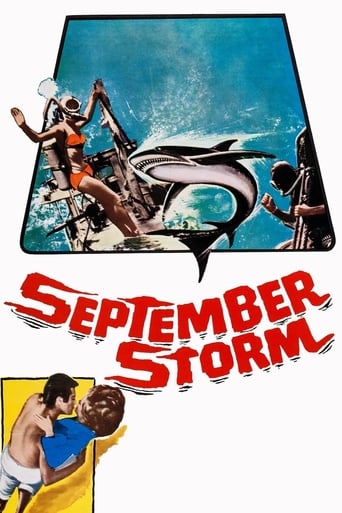 5.6
5.6American fashion model Anne Traymore, swimming off the isle of Majorca, loses a bracelet, which the handsome Manuel del Rio Montoya returns to her. She believes he owns a beautiful yacht called The Swan, but he merely works on it for the wealthy Rene LeClerc.
September Storm
1960
1950s · 18 titles
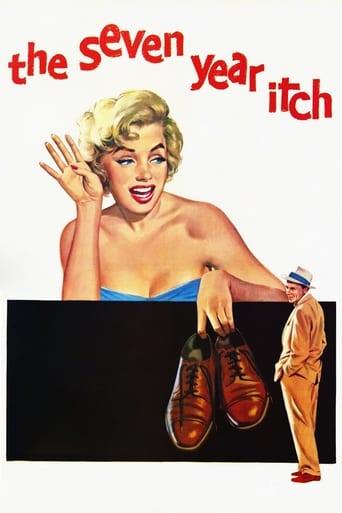 7.0
7.0When his family goes away for summer vacation, a hitherto faithful publishing executive with an overactive imagination is tempted by an attractive new neighbor.
The Seven Year Itch
1955
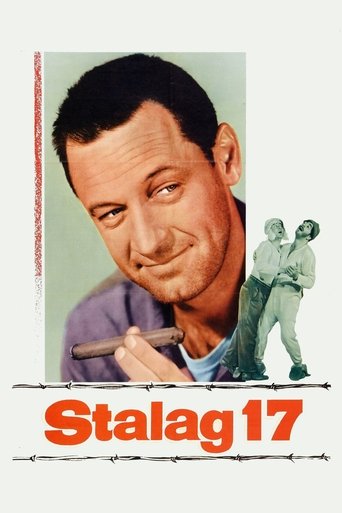 7.7
7.7After two American prisoners are killed by guards in the act of escaping from a German POW camp in World War II, barracks black marketeer J.J. Sefton is suspected of being an informer.
Stalag 17
1953
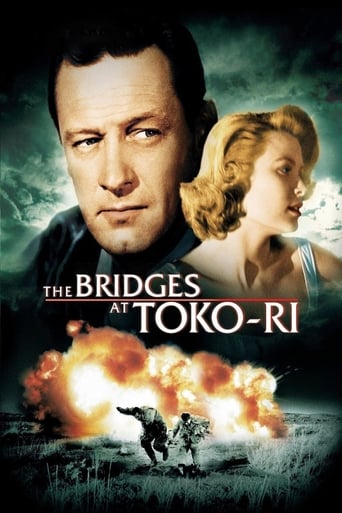 6.0
6.0A U.S. Navy pilot and his squad are assigned to bomb a group of heavily defended bridges deep behind enemy lines during the Korean War.
The Bridges at Toko-Ri
1954
 7.1
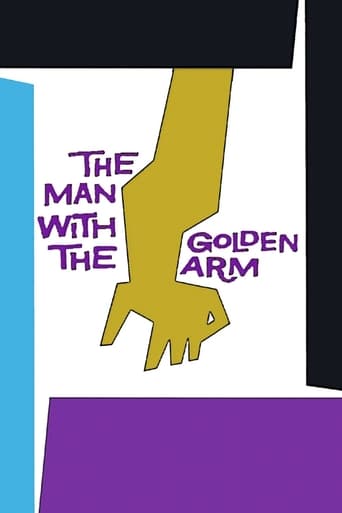
7.1When illegal card dealer and recovering heroin addict Frankie Machine gets out of prison, he decides to straighten up. Armed with nothing but an old drum set, Frankie tries to get honest work as a drummer. But when his former employer and his old drug dealer re-enter his life, Frankie finds it hard to stay clean and eventually finds himself succumbing to his old habits.
The Man with the Golden Arm
1955
 6.3
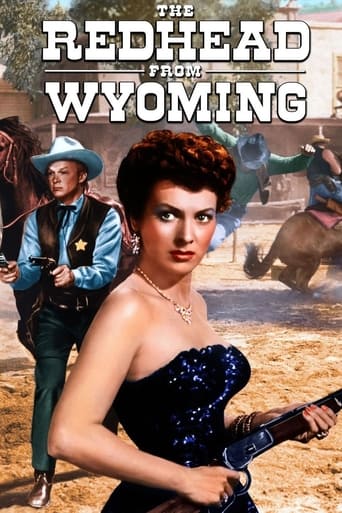
6.3A saloonkeeper sides with the sheriff for justice after she's framed for rustling.
The Redhead from Wyoming
1953
 6.8
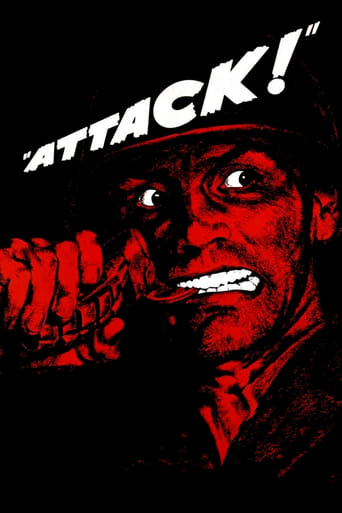
6.8Battle of the Bulge, World War II, 1944. Lieutenant Costa, an infantry company officer who must establish artillery observation posts in a strategic area, has serious doubts about Captain Cooney's leadership ability.
Attack
1956
 6.5
6.5Nightclub entertainer Hap Smith has a new act since his former partner Chick Allen joined the army. With his lovely new female partner, Hap now plays a clownish parody of a soldier. When Chick organises a soldier show at Fort Benning, he realizes he needs his former partner's help—so, to get onto the base, Hap impersonates a hapless real soldier, but circumstances force them to prolong the masquerade, creating an increasingly tangled Army-sized SNAFU.
Jumping Jacks
1952
 6.2
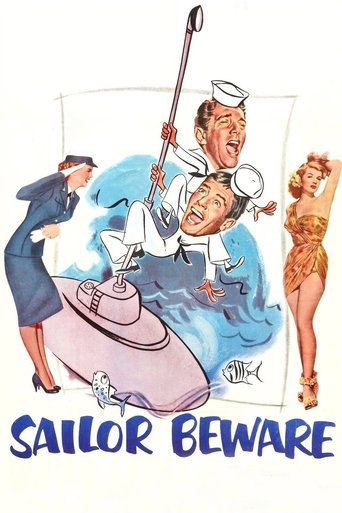
6.2Meeting in a navy recruiting line, Al Crowthers and Melvin Jones become friends. Al has tried to enlist before, but was always rejected. He keeps trying so that he can impress women. Melvin, is allergic to women's cosmetics and his doctor prescribed ocean travel, so he decided to join the navy.
Sailor Beware
1952
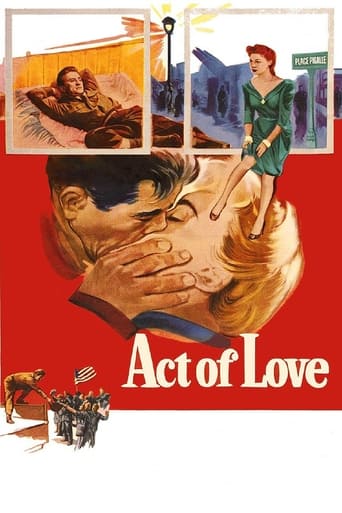 6.9
6.9While on holiday on the French Riviera, former soldier Robert Teller recounts his time in WWII-era France, where he meets and falls in love with a poor girl named Lise. However, they're unable to marry when Lise is accused of prostitution and Teller's commanding officer forbids the match. The couple's love is again tested when Teller learns the truth about his would-be wife's whereabouts.
Act of Love
1953
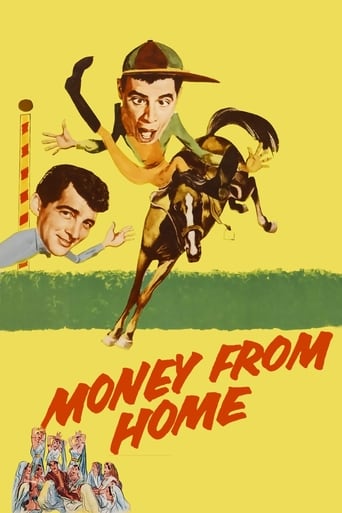 6.0
6.0Herman owes a lot of gambling debts. To pay them off, he promises the mob he'll fix a horse, so that it does not run. He intends to trick his animal-loving cousin Virgil, an apprentice veterinarian, into helping him. Of course, he doesn't tell Virgil what he is really up to. Mistaken identities are assumed, while along the way, Virgil meets a female vet and Herman falls for the owner of the horse.
Money from Home
1953
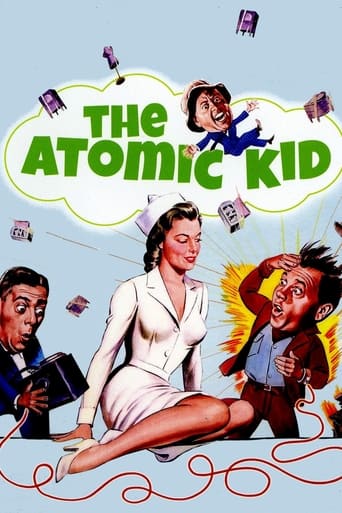 5.0
5.0A uranium prospector is eating a peanut butter sandwich in the desert where atom bomb tests are being done. He becomes radioactive, and helps the FBI break up an enemy spy ring.
The Atomic Kid
1954
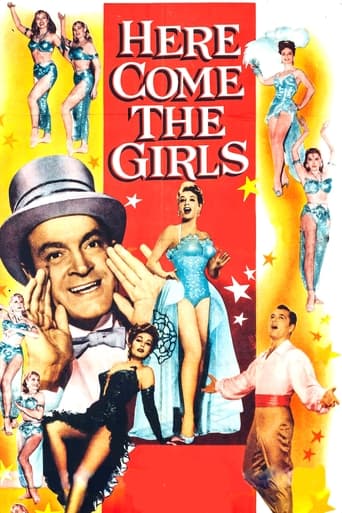 4.6
4.6Bob Hope stars as an inept member of the chorus boy in a turn of the century stage show. After being fired, he finds himself starring acting as a decoy when a killer goes after the real star.
Here Come the Girls
1953
 6.0
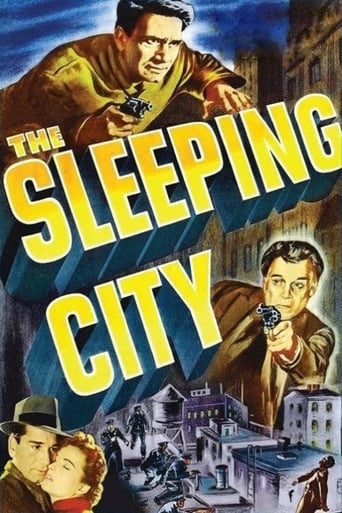
6.0A young doctor taking a break from work is shot in the head, and the police can't find a clue even as to a possible motive. Inspector Al Gordon (John Alexander) decides that he has to put some men on duty at the hospital, and one of them is Fred Rowan (Richard Conte), a detective with experience as an army medic, masquerading as an intern. What Rowan finds is a high-pressure world in which interns are hopelessly squeezed for time, sleep, energy, and -- most of all -- money, and walk a fine line on the edge of personal and professional disaster.
The Sleeping City
1950
 5.8
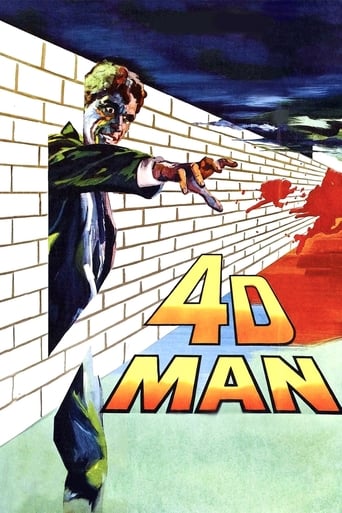
5.8Two brothers, scientists Scott and Tony Nelson, develop an amplifier which enables a person to enter a 4th dimensional state, allowing him to pass through any object. Scott experiments on himself and discovers that each time he passes through something he ages rapidly. He begins killing people, sucking out their life energies and regaining his youth as a result.
4D Man
1959
 6.8
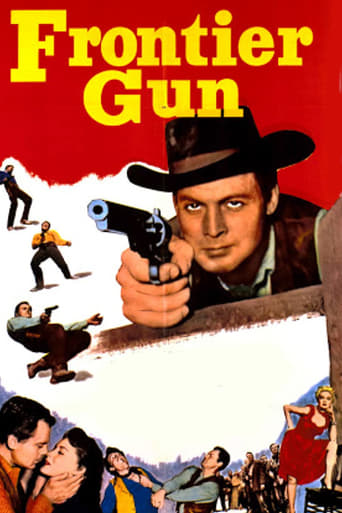
6.8Small-town sheriff discovers that gun-fighting is the only way to clean up the town.
Frontier Gun
1958
 6.4
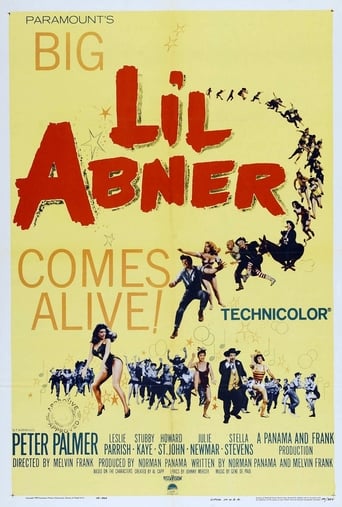
6.4A comedy musical based on the comic strip charcters created by Al Capp. When residents of Dogpatch, USA are notified by the government that they must evacuate because of atomic bomb testing, they try to persuade the government that their town is worth saving. Meanwhile, Earthquake McGoon wants to marry Daisy Mae; Daisy Mae wants to marry Li'l Abner, and Li'l Abner just wants to go fishing.
Li'l Abner
1959
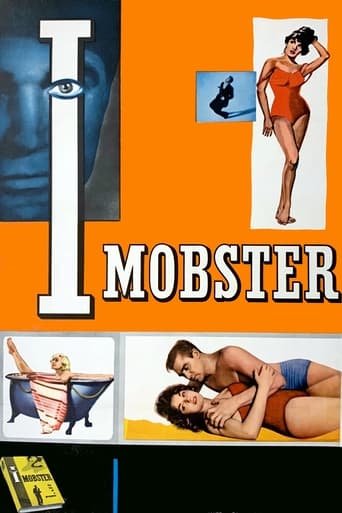 6.6
6.6The rise and fall of gang lord Joe Sante. A crime boss appears before a Senate subcommittee. A flashbacks tell his story.
I, Mobster
1959
 5.8
5.8A mob assassin holds innocent hostages at an airport in upstate New York.
Inside the Mafia
1959

Series credits
7.6The Tonight Show Starring Johnny Carson is a talk show hosted by Johnny Carson under The Tonight Show franchise from 1962 to 1992. It originally aired during late-night. For its first ten years, Carson's Tonight Show was based in New York City with occasional trips to Burbank, California; in May 1972, the show moved permanently to Burbank, California. In 2002, The Tonight Show Starring Johnny Carson was ranked #12 on TV Guide's 50 Greatest TV Shows of All Time.
The Tonight Show Starring Johnny Carson
1962
5.8The Mike Douglas Show is an American daytime television talk show hosted by Mike Douglas that originally aired only in the Cleveland area during much of its first two years on the air. It then went into syndication in 1963 and remained on television until 1982. It was distributed by Westinghouse Broadcasting and for much of its run, originated from studios of two of the company's TV stations in Cleveland and Philadelphia.
The Mike Douglas Show
1961
7.7The cases of master criminal defense attorney Perry Mason and his staff who handled the most difficult of cases in the aid of the innocent.
Perry Mason
1957
7.7The cases of master criminal defense attorney Perry Mason and his staff who handled the most difficult of cases in the aid of the innocent.
Perry Mason
1957
7.8Samantha Stephens is a seemingly normal suburban housewife who also happens to be a genuine witch, with all the requisite magical powers. Her husband Darrin insists that Samantha keep her witchcraft under wraps, but situations invariably require her to indulge her powers while keeping her bothersome mother Endora at bay.
Bewitched
1964
8.0Maxwell Smart, a hilariously inept and maladroit secret agent for CONTROL, battles the nefarious—though equally incompetent—KAOS.
Get Smart
1965
7.9A continuation of the anthology series “Alfred Hitchcock Presents”, hosted by the master of suspense and featuring thrillers and mysteries.
The Alfred Hitchcock Hour
1962
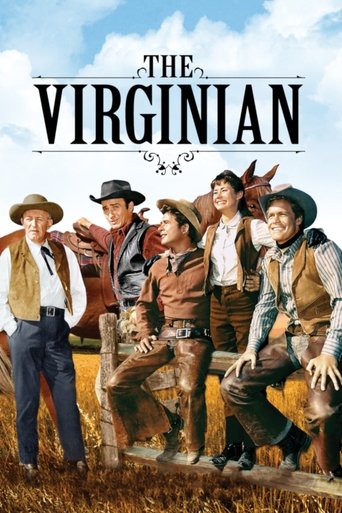 6.5
6.5The Shiloh Ranch in Wyoming Territory of the 1890s is owned in sequence by Judge Henry Garth, the Grainger brothers, and Colonel Alan MacKenzie. It is the setting for a variety of stories, many more based on character and relationships than the usual western.
The Virginian
1962
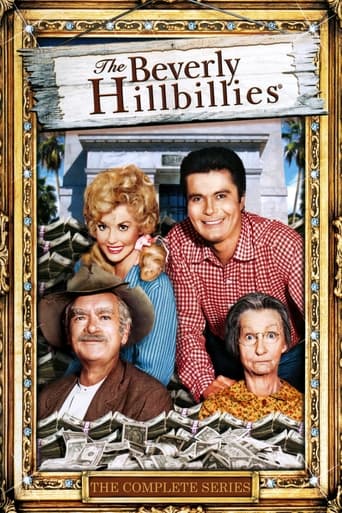 6.9
6.9Jed Clampett's swamp is loaded with oil. When a wildcatter discovers the huge pool, Jed sells his land to the O.K. Oil Company and at the urging of cousin Pearl, moves his family to a 35-room mansion in Beverly Hills, California.
The Beverly Hillbillies
1962
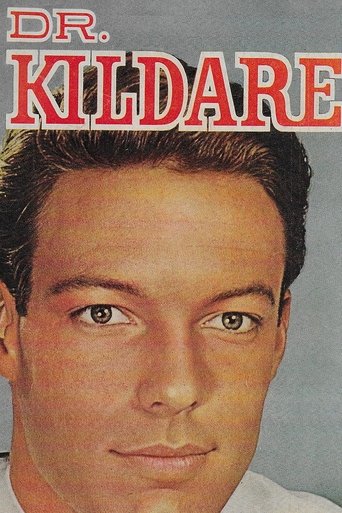 5.7
5.7The story of a young intern in a large metropolitan hospital trying to learn his profession, deal with the problems of his patients, and win the respect of the senior doctor in his specialty, internal medicine.
Dr. Kildare
1961
 5.4
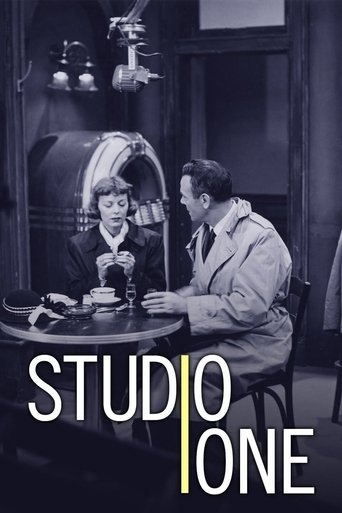
5.4An American radio–television anthology series, created in 1947 by Canadian director Fletcher Markle, who came to CBS from the CBC. Studio One, presented by Westinghouse, was one of the first of the anthology TV programs. The episodes were often abridged remakes of movies from years gone by and many future well-known television and movie actors appeared in the productions.
Studio One
1948
 7.2
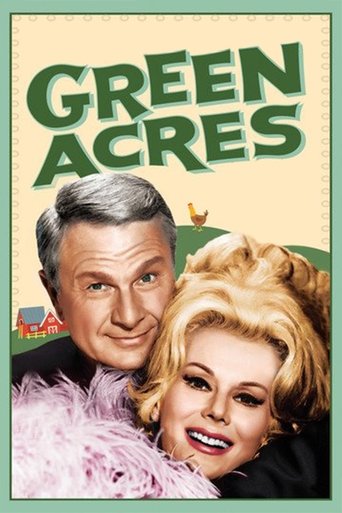
7.2Green Acres is an American sitcom starring Eddie Albert and Eva Gabor as a couple who move from New York City to a rural country farm. Produced by Filmways as a sister show to Petticoat Junction, the series was first broadcast on CBS, from September 15, 1965 to April 27, 1971. Receiving solid ratings during its six-year run, Green Acres was cancelled in 1971 as part of the "rural purge" by CBS. The sitcom has been in syndication and is available in DVD and VHS releases. In 1997, the two-part episode "A Star Named Arnold is Born" was ranked #59 on TV Guide's 100 Greatest Episodes of All Time.
Green Acres
1965
 7.6
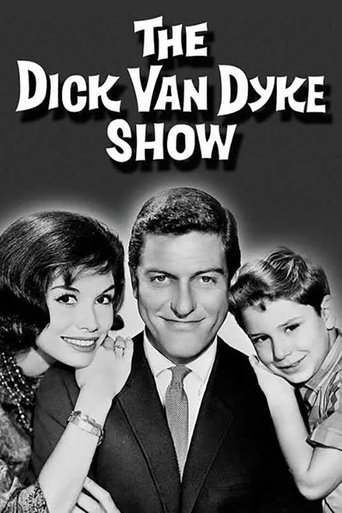
7.6The Dick Van Dyke Show centers around the work and home life of television comedy writer Rob Petrie. The plots generally revolve around problems at work, where Rob got into various comedic jams with fellow writers Buddy Sorrell, Sally Rogers and producer Mel Cooley.
The Dick Van Dyke Show
1961
No synopsis available yet.
Bob Hope Presents the Chrysler Theatre
1963
No synopsis available yet.
Bob Hope Presents the Chrysler Theatre
1963
 7.3
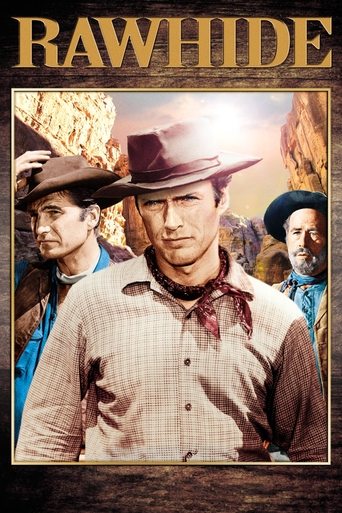
7.3The tale of trail boss Gil Favor and his trusty foreman Rowdy Yates as they drives cattle across the old west. Along the way they meet up with adventure and drama.
Rawhide
1959
 7.1
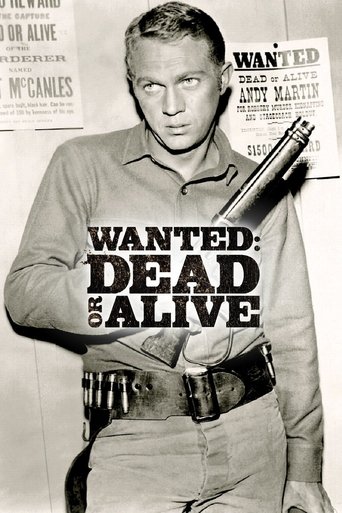
7.1Wanted: Dead or Alive is an American Western television series starring Steve McQueen as the bounty hunter Josh Randall. It aired on CBS for three seasons from 1958–61. The black-and-white program was a spin-off of a March 1958 episode of Trackdown, a 1957–59 western series starring Robert Culp. Both series were produced by Four Star Television in association with CBS Television. The series launched McQueen into becoming the first television star to cross over into comparable status on the big screen.
Wanted: Dead or Alive
1958
 6.8
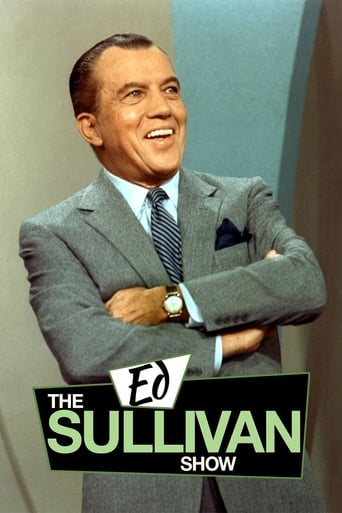
6.8The Ed Sullivan Show is an American TV variety show that originally ran on CBS from Sunday June 20, 1948 to Sunday June 6, 1971, and was hosted by New York entertainment columnist Ed Sullivan. It was replaced in September 1971 by the CBS Sunday Night Movie, which ran only one season and was eventually replaced by other shows. In 2002, The Ed Sullivan Show was ranked #15 on TV Guide's 50 Greatest TV Shows of All Time.
The Ed Sullivan Show
1948
 6.9
6.9The Colgate Comedy Hour is an American comedy-musical variety series that aired live on the NBC network from 1950 to 1955. The show starred many notable comedians and entertainers of the era, including Eddie Cantor, Dean Martin and Jerry Lewis, Fred Allen, Donald O'Connor, Bud Abbott and Lou Costello, Bob Hope, Jimmy Durante, Ray Bolger, Gordon MacRae, Ben Blue, Robert Paige, Tony Curtis, Burt Lancaster, Broadway dancer Wayne Lamb and Spike Jones and His City Slickers.
The Colgate Comedy Hour
1950
 7.9
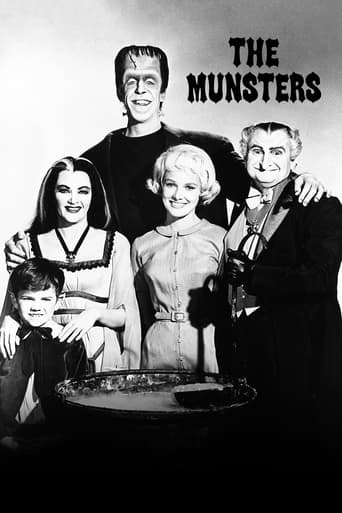
7.9A family of friendly monsters that have misadventures all while never quite understanding why people react to them so strangely.
The Munsters
1964
 6.4
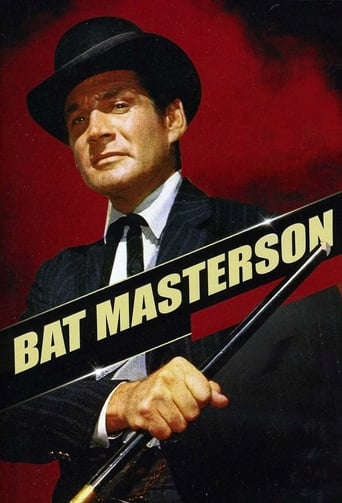
6.4Bat Masterson is an American Western television series which showed a fictionalized account of the life of real-life marshal/gambler/dandy Bat Masterson. The title character was played by Gene Barry and the half-hour black-and-white shows ran on NBC from 1958 to 1961. The series was produced by Ziv Television Productions, the company responsible for such hit series as Sea Hunt and Highway Patrol.
Bat Masterson
1958
 6.5
6.5Micky, Mike, Peter, and Davy are four young men in mid-1960s LA, members of a struggling country-folk-rock band looking for their big break amid madcap encounters with a variety of people straight out of TV and movie central casting, with full knowledge that their existence is part of a weekly television series.
The Monkees
1966
 7.2
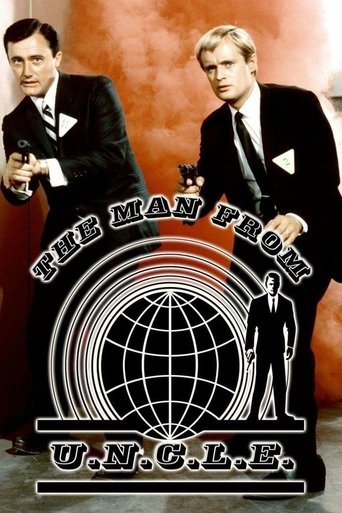
7.2Agents Napoleon Solo and Illya Kuryakin work for a secret intelligence service working under the auspices of the U.N. Their immediate superior is Mr. Waverly. Together they operate out of a secret base beneath the streets of New York City, and accesses through several cover business such as Del Floria's Tailor Shop and the Masque Club. This secret intelligence service is called U.N.C.L.E. United Network Command for Law and Enforcement.
The Man from U.N.C.L.E.
1964
 6.4
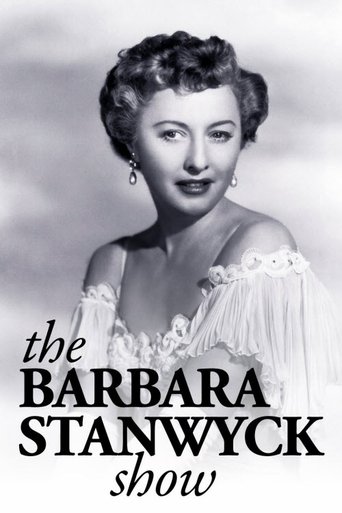
6.4An American anthology drama television series hosted by Barbara Stanwyck served.
The Barbara Stanwyck Show
1960
 7.4
7.4The Green Hornet is a television series on the ABC US television network that aired for the 1966–1967 TV season starring Van Williams as the Green Hornet/Britt Reid and Bruce Lee as Kato.
The Green Hornet
1966
 6.3
6.3Westinghouse Desilu Playhouse is an American television anthology series produced by Desilu Productions. The show ran on CBS television between 1958 and 1960. Two of its 48 episodes served as pilots for the 1950s television series The Twilight Zone and The Untouchables.
Westinghouse Desilu Playhouse
1958
 6.8
6.8Startime, an anthology of drama, comedy and variety, was one of the first American television shows broadcast in color.
Startime
1959
 7.2
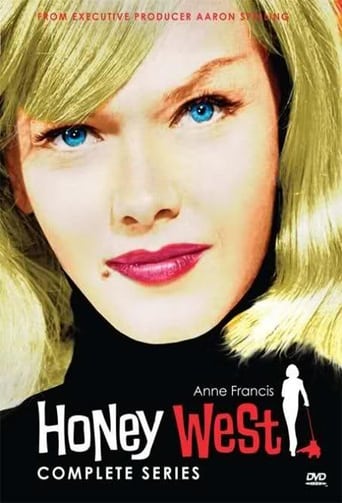
7.2After her father's death, Honey West takes over his high-tech private-detective firm, assisted by rugged Sam Bolt--and her pet ocelot Bruce.
Honey West
1965
 4.6
4.6Cavalcade of America is an anthology drama series that was sponsored by the DuPont Company, although it occasionally presented a musical, such as an adaptation of Show Boat, and condensed biographies of popular composers. It was initially broadcast on radio from 1935 to 1953, and later on television from 1952 to 1957. Originally on CBS, the series pioneered the use of anthology drama for company audio advertising. Cavalcade of America documented historical events using stories of individual courage, initiative and achievement, often with feel-good dramatizations of the human spirit's triumph against all odds. This was consistent with DuPont's overall conservative philosophy and legacy as an American company dating back to 1802. The company's motto, "Maker of better things for better living through chemistry," was read at the beginning of each program, and the dramas emphasized humanitarian progress, particularly improvements in the lives of women, often through technological innovation.
Cavalcade of America
1952
 NR
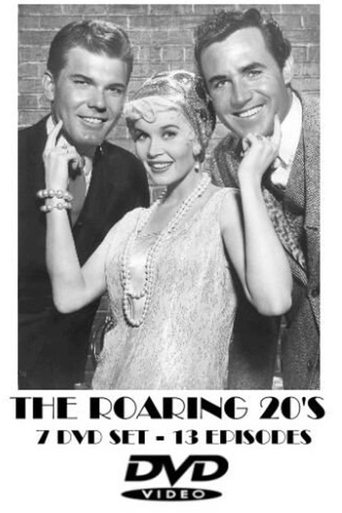
NRThe adventures of a newspaper reporter covering the world of cops and gangsters in 1920s Chicago.
The Roaring 20's
1960
 6.0
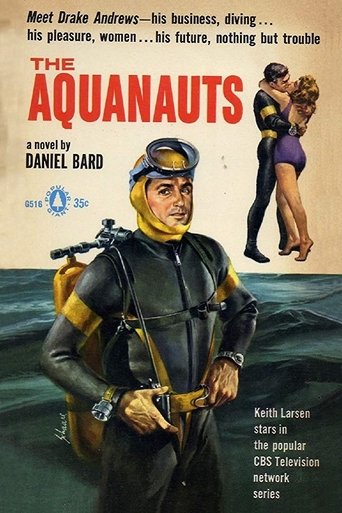
6.0The Aquanauts is an American adventure/drama series that aired on CBS in the 1960-1961 season. The series stars Keith Larsen, Jeremy Slate and Ron Ely.
The Aquanauts
1960
 7.0
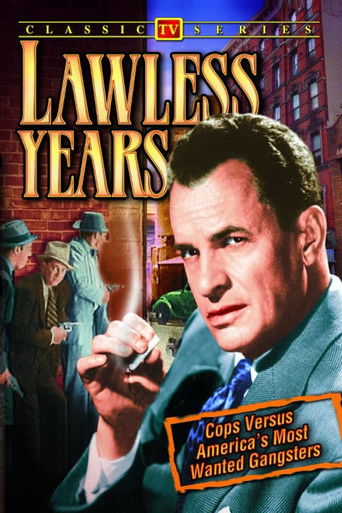
7.0The Lawless Years is an American crime drama series that aired on NBC from April 16 1959, to September 22, 1961. The series is the first of its kind set set during the Roaring 20s, having predated ABC's far more successful The Untouchables by six months. The series stars James Gregory and Robert Karnes.
The Lawless Years
1959
 5.8
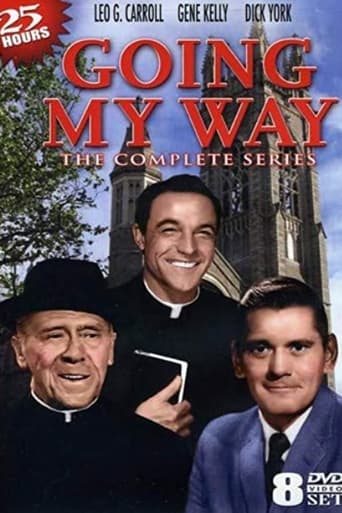
5.8Going My Way is an American comedy-drama series
Going My Way
1962
 7.7
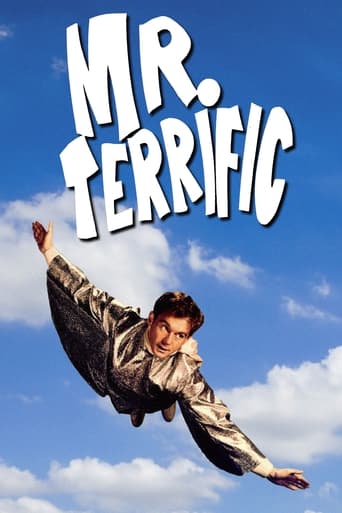
7.7Mister Terrific is an American TV sitcom that aired on CBS Television from January 9, to May 8, 1967. It starred Stephen Strimpell in the title role, and lasted 17 episodes. The show was similar to NBC's Captain Nice, which followed Mister Terrific on Monday nights during its run. Riding the tide of the camp superhero craze of the 1960s, the show's premise involved gas station attendant Stanley Beamish, a mild-mannered scrawny youth who secretly worked to fight crime for a government organization, The Bureau of Secret Projects, in Washington. All he needed to do was take a "power pill" which gave him the strength of a thousand men and enabled him to fly, much like Superman, albeit by furious flapping while wearing the top half of a wingsuit. Unfortunately, he was the only person on whom the pills worked. It was established that, although the pill would give him great strength, he was still vulnerable to bullets. Furthermore, each power pill had a time limit of one hour, although he generally had two 10-minute booster pills available per episode. Much of the show's humor revolved around Stanley losing his superpowers before he completed his given assignment.
Mr. Terrific
1967
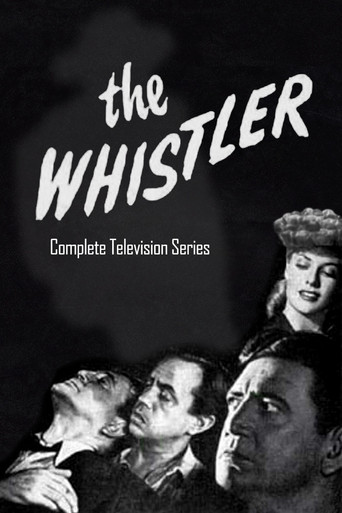 NR
NRNo synopsis available yet.
The Whistler
1954
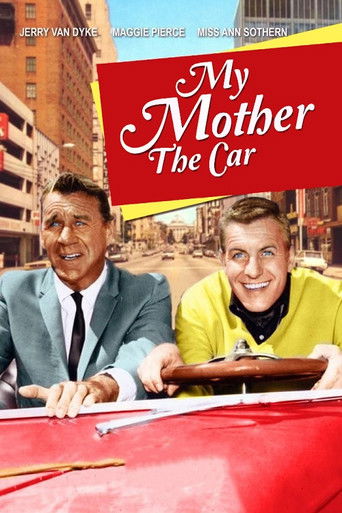 4.8
4.8The story of the relationship between a man and his mother, the latter having been reincarnated as a 1928 Porter automobile.
My Mother the Car
1965
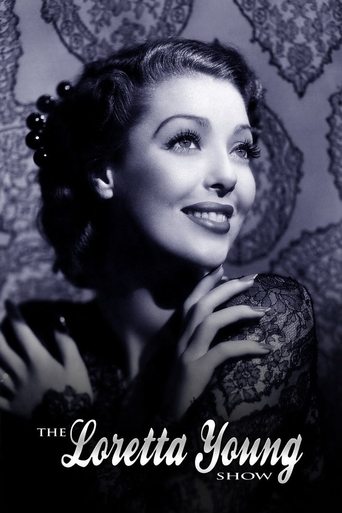 6.6
6.6Letter to Loretta is an American anthology drama series telecast on NBC from September 1953 to June 1961 for a total of 165 episodes. The filmed show was hosted by Loretta Young who also played the lead in various episodes. Letter to Loretta was sponsored by Procter & Gamble from 1953 through 1960. The final season's sponsor was Warner-Lambert's Listerine.
Letter to Loretta
1953
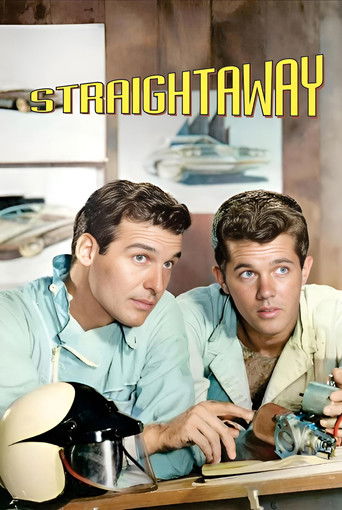 9.0
9.0Straightaway is a 26-week half-hour adventure/drama television series which aired on ABC during the 1961–1962 season – the story of two young men who operate a garage and engage in auto racing. John Ashley and Brian Kelly played race car designers Clipper Hamilton and Scott Ross, respectively. Scott designs the vehicles, and Clipper is the mechanic. Asa Maynor was cast in four episodes as Dixie. Most episodes center on the clients who bring a race car to the Straightaway Garage. The series was originally planned to be named “The Racers”, but the title had to be altered because of sponsor problems. Straightaway ran at 7:30 Eastern on Fridays opposite CBS’s Rawhide with Clint Eastwood and Eric Fleming. Straightaway was moved to Wednesdays effective January 10, 1962, for the remainder of its brief run.
Straightaway
1961
 NR
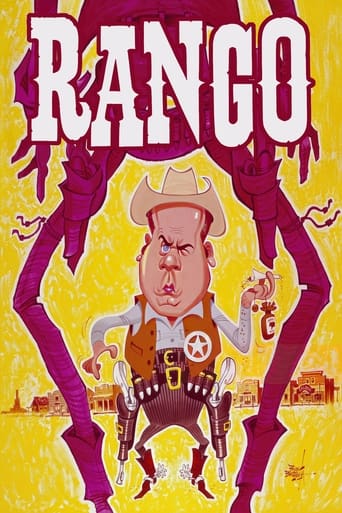
NRRango is an American Western situation comedy starring comedian Tim Conway which was broadcast in the United States on the ABC television network in 1967. In Rango, Conway played an inept Texas Ranger who had been assigned to the quietest post the Rangers had, Deep Wells, so as to keep him from creating unnecessary trouble. The Rangers apparently had wanted him removed from the service altogether but were prevented from doing so by the fact that his father was their commander. But he seemed to bring his own trouble with him, as crime suddenly returned to a place that had seen very little of it the prior 20 years. Also appearing in Rango was the American Indian character Pink Cloud, an overly-assimilated Indian who was very fond of the ways of the whites and whose command of the English language was generally better than theirs. The theme song co-written by Earle Hagen and sung by Frankie Laine. The series ran for less than a year. TV Guide ranked the series number 47 on its TV Guide's 50 Worst Shows of All Time list in 2002.
Rango
1967
 7.5
7.5Run, Buddy, Run is an American situation comedy starring Jack Sheldon, which ran on CBS from September 12, 1966, until January 2, 1967.
Run, Buddy, Run
1966