
Directing
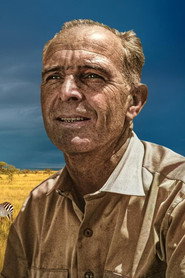
Bernhard Grzimek
Born — Died
1909-04-24 — 1987-03-13
Place of birth
Neisse, Silesia, Germany [now Nysa, Opolskie, Poland]
Known for
Directing
Credits
22 titles
Bernhard Grzimek was a German veterinarian, zoologist, animal rights activist, and behavioral scientist, long-time director of Frankfurt Zoo, wildlife filmmaker, author and editor of animal books, an encyclopedia of the animal kingdom named after him, and president of the Frankfurt Zoological Society. In the 1960s and 1970s, he was Germany's best-known animal expert, regularly appearing on television programs for Hessischer Rundfunk. His documentary film Serengeti Shall Not Die was the first German film after World War II to win an Oscar in 1960. He initially published under the pseudonym Clemens Hoffbauer.
Known for
No synopsis available yet.
Die Drehscheibe
1964
 9.0
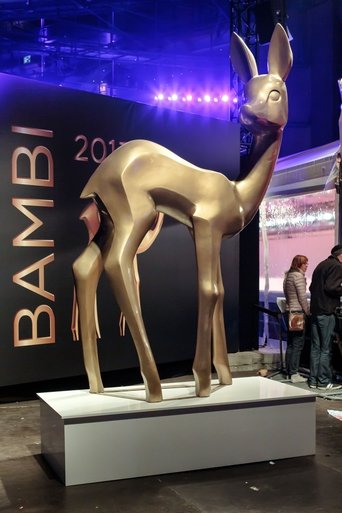
9.0The Bambi, often called the Bambi Award and stylised as BAMBI, is a German award presented annually by Hubert Burda Media to recognize excellence in international media and television to personalities in the media, arts, culture, sports, and other fields "with vision and creativity who affected and inspired the German public that year", both domestic and foreign. First held in 1948, it is the oldest media award in Germany. The trophy is named after Felix Salten's book Bambi, A Life in the Woods and its statuettes are in the shape of the novel's titular fawn character. They were originally made of porcelain until 1958, when the organizers switched to using gold, with the casting done by the art casting workshop of Ernst Strassacker in Süßen.
Bambi
1948
No synopsis available yet.
Zum blauen Bock
1957
 7.0
7.0No synopsis available yet.
Heut' abend
1980
 7.0
7.0No synopsis available yet.
Planet Wissen
2002
 8.0
8.0No synopsis available yet.
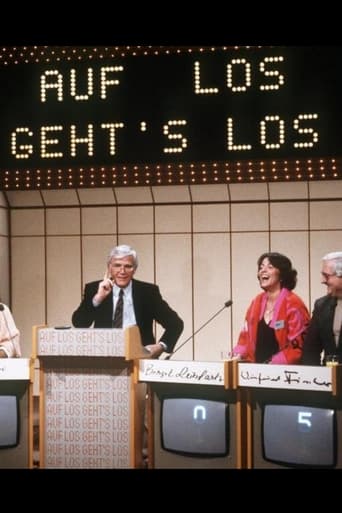
Auf los geht's los
1977
Film credits
1980s · 1 titles
Series credits
No synopsis available yet.
Die Drehscheibe
1964
9.0The Bambi, often called the Bambi Award and stylised as BAMBI, is a German award presented annually by Hubert Burda Media to recognize excellence in international media and television to personalities in the media, arts, culture, sports, and other fields "with vision and creativity who affected and inspired the German public that year", both domestic and foreign. First held in 1948, it is the oldest media award in Germany. The trophy is named after Felix Salten's book Bambi, A Life in the Woods and its statuettes are in the shape of the novel's titular fawn character. They were originally made of porcelain until 1958, when the organizers switched to using gold, with the casting done by the art casting workshop of Ernst Strassacker in Süßen.
Bambi
1948
No synopsis available yet.
Zum blauen Bock
1957
7.0No synopsis available yet.
Heut' abend
1980
7.0No synopsis available yet.
Planet Wissen
2002
8.0No synopsis available yet.
Auf los geht's los
1977
No synopsis available yet.
Das ist Ihr Leben
1976
No synopsis available yet.
Ein Platz für Tiere
1956
Behind the camera
 6.5
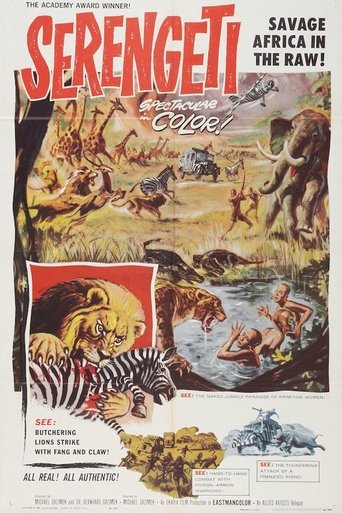
6.5The film tells of the beginnings of the Serengeti National Park in Tanzania. At the end of the 1950s, the Tanzanian National Park Administration wanted to fence in the protected area around the Ngorongoro Crater. Bernhard and Michael Grzimek were invited by the national park administration in 1957 to get a precise picture of the animal migrations and to provide the national park administration with the values they needed for their project. Using a new counting method with two airplanes, the Grzimeks found out that the migration of the herds was different than assumed.
Serengeti Shall Not Die
1959
6.5The film tells of the beginnings of the Serengeti National Park in Tanzania. At the end of the 1950s, the Tanzanian National Park Administration wanted to fence in the protected area around the Ngorongoro Crater. Bernhard and Michael Grzimek were invited by the national park administration in 1957 to get a precise picture of the animal migrations and to provide the national park administration with the values they needed for their project. Using a new counting method with two airplanes, the Grzimeks found out that the migration of the herds was different than assumed.
Serengeti Shall Not Die
1959
6.5The film tells of the beginnings of the Serengeti National Park in Tanzania. At the end of the 1950s, the Tanzanian National Park Administration wanted to fence in the protected area around the Ngorongoro Crater. Bernhard and Michael Grzimek were invited by the national park administration in 1957 to get a precise picture of the animal migrations and to provide the national park administration with the values they needed for their project. Using a new counting method with two airplanes, the Grzimeks found out that the migration of the herds was different than assumed.
Serengeti Shall Not Die
1959
Report on an expedition to Lake Edward in Central Africa.
Auf Nilpferdpfaden
1955
 6.9
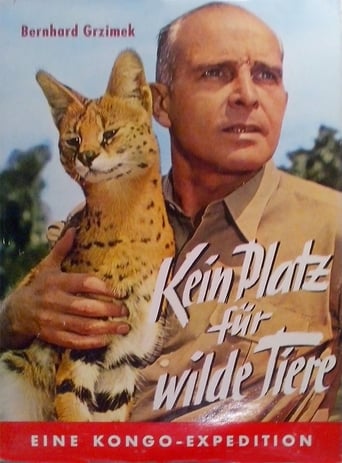
6.9Almost 70 years ago, the then director of Frankfurt Zoo, Prof. Bernhard Grzimek (1909-1987), shot this famous animal documentary about the African continent with his son Michael. The documentary was considered an impressive plea for the preservation of Africa's animal paradises at the time. It vividly illustrates the far-reaching consequences of the impending loss of what were then still largely untouched natural landscapes. Despite visible signs of age, the film has retained much of its fascination as a contemporary document to this day.
No Place for Wild Animals
1956
6.9Almost 70 years ago, the then director of Frankfurt Zoo, Prof. Bernhard Grzimek (1909-1987), shot this famous animal documentary about the African continent with his son Michael. The documentary was considered an impressive plea for the preservation of Africa's animal paradises at the time. It vividly illustrates the far-reaching consequences of the impending loss of what were then still largely untouched natural landscapes. Despite visible signs of age, the film has retained much of its fascination as a contemporary document to this day.
No Place for Wild Animals
1956
Describes the journey of the okapi “Epulu,” which was brought from the Congo to Frankfurt Zoo in Germany as the first of its kind ever. The film shows the capture of the animal, its loading, and its flight of over 10,000 kilometers from one continent to another, until it finally arrives at Frankfurt Airport.
Ein Fabeltier fliegt nach Deutschland
1955
Describes the journey of the okapi “Epulu,” which was brought from the Congo to Frankfurt Zoo in Germany as the first of its kind ever. The film shows the capture of the animal, its loading, and its flight of over 10,000 kilometers from one continent to another, until it finally arrives at Frankfurt Airport.
Ein Fabeltier fliegt nach Deutschland
1955
No synopsis available yet.
Ein Tag im Frankfurter Zoo
1951
No synopsis available yet.
Besuch bei Tieren
1953
A film about the cruelty of humans towards animals.
Schwalben am Spieß
1958
 NR
NRAn insight into the life of a pygmy tribe.
Gast der Bambuti
1954