

Acting
Kenjirō Ishiyama
Born — Died
1903-10-09 — 1976-05-10
Place of birth
Hiroshima, Hiroshima Prefecture, Japan
Known for
Acting
Credits
61 titles
Kenjiro Ishiyama (石山 健二郎) was a Japanese actor. Born on 10 October 1903 in Hiroshima, Japan, he was known for High and Low (1963), Shiosai (1964) and Las Vegas Free-for-All (1967). He died on 10 May 1976.
Known for
 8.4
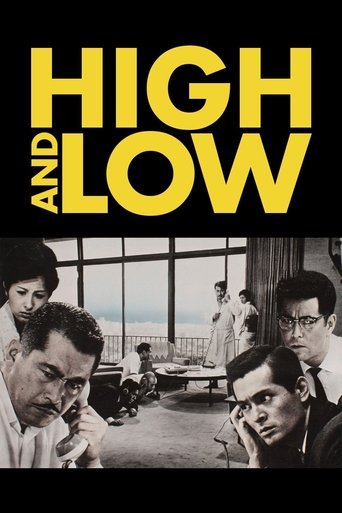
8.4A Yokohama shoe executive faces a wrenching choice when kidnappers mistakenly seize his chauffeur’s son but demand the ransom anyway.
High and Low
1963
 8.0
8.0Monjiro was born into a poor farm family in Mikazuki Village, Nitta County, Ueshu, and abandoned his hometown when he was 10 years old. He has been traveling aimlessly with a long toothpick in his mouth. Monjiro avoided getting involved in anything, but wherever he went, he ended up getting involved in incidents
Kogarashi Monjiro
1972
 7.7
7.7Taking its title from an archaic Japanese word meaning "ghost story," this anthology adapts four folk tales. A penniless samurai marries for money with tragic results. A man stranded in a blizzard is saved by Yuki the Snow Maiden, but his rescue comes at a cost. Blind musician Hoichi is forced to perform for an audience of ghosts. An author relates the story of a samurai who sees another warrior's reflection in his teacup.
Kwaidan
1965
 7.3
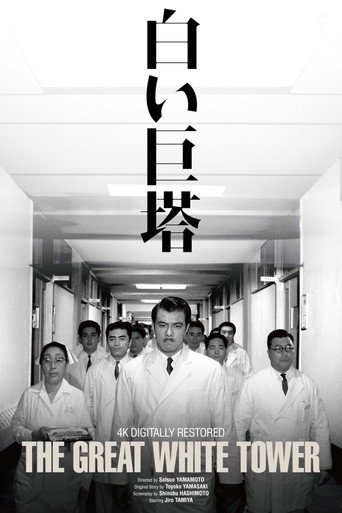
7.3The story contrasts the life of two doctors, former classmates and now both assistant professors at Naniwa University Hospital in Osaka. The brilliant and ambitious surgeon Goro Zaizen stops at nothing to rise to a position of eminence and authority, while the friendly Shuji Satomi busies himself with his patients and research.
The Great White Tower
1966
 7.2
7.2Discover 4 famous Japanese murderers: Takahashi Oden, the last woman beheaded in Japan, Sada Abe, a crazy lover, Kunihiko Kodaira, a rapist-killer and finally, the Toyokaku case, a woman who did everything to own a hotel.
Love and Crime
1969
 6.8
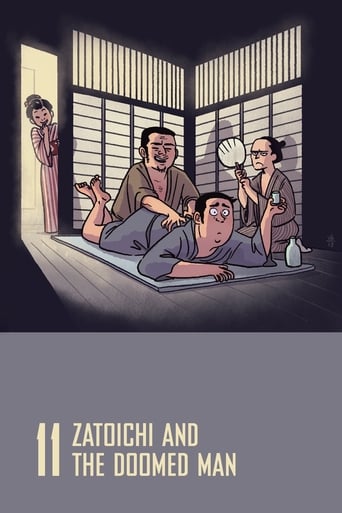
6.8Blind swordsman Zatoichi, jailed briefly, is implored by another prisoner to aid him in proving his innocence of a crime for which he is sentenced to death. Zatoichi is reluctant to get involved, because he knows how often such involvement has led to trouble in the past. But events conspire to thrust him repeatedly into involvement, and gradually he comes to believe in the man's innocence and determines to free him.
Zatoichi and the Doomed Man
1965
Film credits
1970s · 10 titles
 7.3
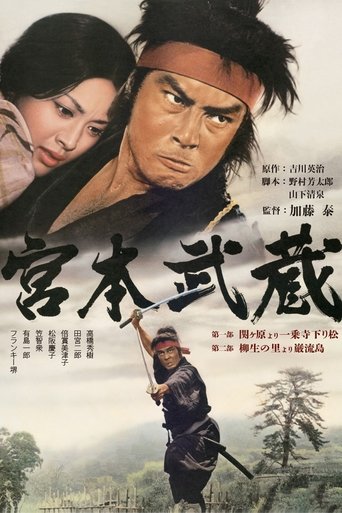
7.3In Part I we see the young would-be swordsman setting out to achieve greatness in war, achieving nothing because fighting on the losing side, & then beginning his long period of wandering & training, with the goal always in mind of his duel with Kojiro. Part II builds toward that great duel on Ganryu Island, with considerable focus on Musashi's planning & forethought as to how to gain an advantage.
Miyamoto Musashi
1973
 7.8
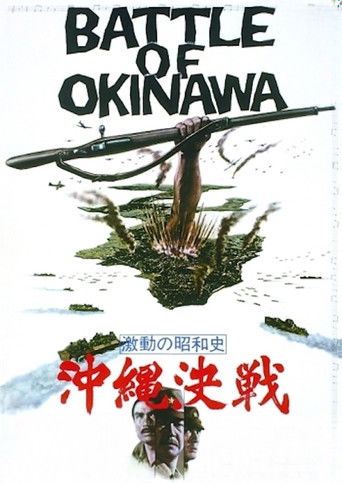
7.8The Americans are swiftly closing on Okinawa, an island just south of the Japanese mainland. The Imperial command sends top generals and several army divisions to defend it at all costs. The mission quickly degenerates as vital resources and troops are diverted to other islands. After a civilian evacuation ends in tragedy most of non-combatants are forced to remain on the island. Many convert to soldier status. Tokyo sends mixed messages that squander time and resources, as when they order the defenders to build an airstrip for aircraft that never come. The truth soon becomes obvious: the high command decides that the island cannot be held and effectively abandons the Okinawan defenders. When the Americans land many troops are deployed in the wrong places. As the slaughter mounts, a suicidal attitude takes hold. Okinawa becomes a death trap, for civilian volunteers and non-combatants as well.
The Battle of Okinawa
1971
 7.8
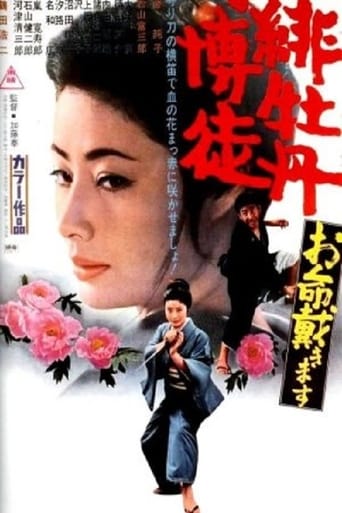
7.8The seventh chapter of the stunning Hibotan Bakuto series. Many years have passed since Oryu the Red Peony began her soul-searching journey after her father was killed. In her travels, she meets villagers whose crops and livelihoods are being destroyed by pollution from a local factory. They seem to work out an agreement, but Oryu must help the poor villagers when the greedy factory owner and corrupt politicians betray them…
Red Peony Gambler: Here to Kill You
1971
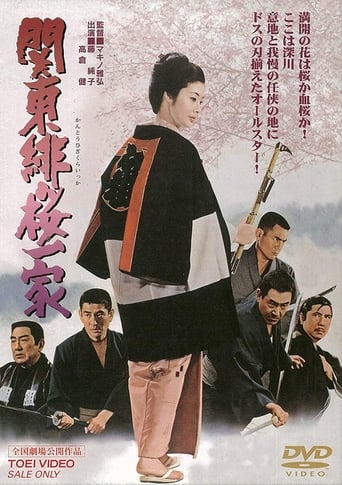 6.8
6.8The Ni Family is the most well know and respected group of firefighters in the Kanto region. When their leader dies and the successor disappears, Tsuruji, a beautiful yet tough geisha, becomes the boss. But will she be able to confront a yakuza gang trying to take over the area?
The Kanto Scarlet Cherry Gang
1972
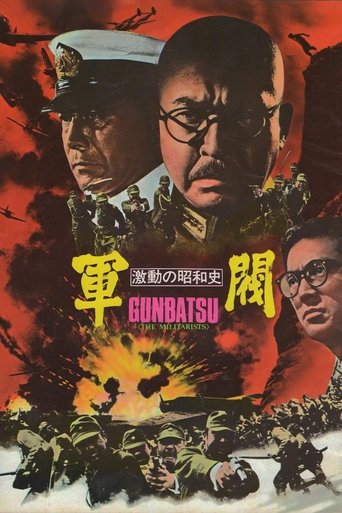 7.5
7.5The second film in Toho's series on the military history of the Showa era, Hiromichi Horikawa's war drama offers a look at the career of controversial politician Hideki Tojo and the strained relationships between Japan's government, military, and the media.
The Militarists
1970
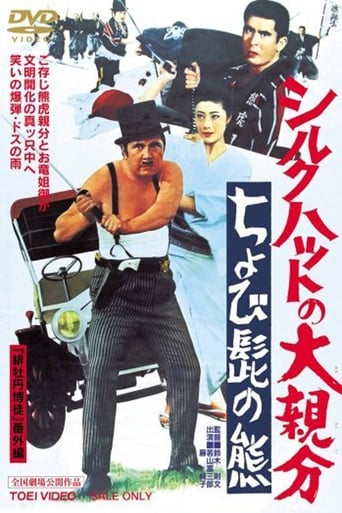 6.5
6.5The Silk Hat Boss becomes involved in a car imports business during his trip to Atami.
The Silk Hat Boss 2
1970
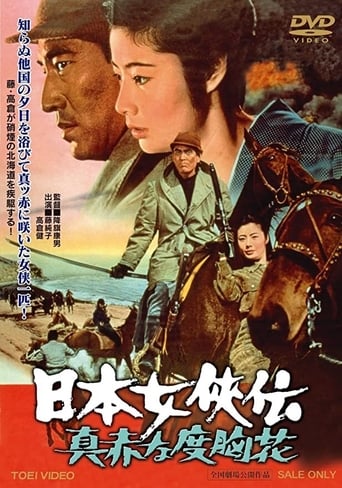 6.8
6.8An exciting tale of action on the distant northern island of Hokkaido around the beginning of the 20th Century starring two of the biggest names in Yakuza film history, Fuji Junko and Takakura Ken. Since the death of death of her father, Yuki who has traveled from her home in the southernmost part of Japan must fight corrupt local officials seeking to fill her late father's post. As her life is in danger a mysterious rifleman, played by Takakura Ken watches from the shadows. Can she finish the work her dear departed father started in an untamed land?
Brave Red Flower of the North
1970
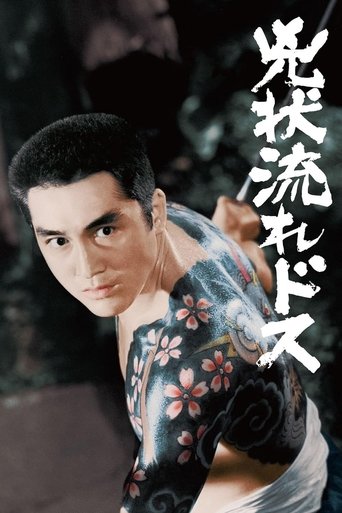 NR
NRStory about a gambler who gets involved in a struggle between companies.
The Angry Sword
1970
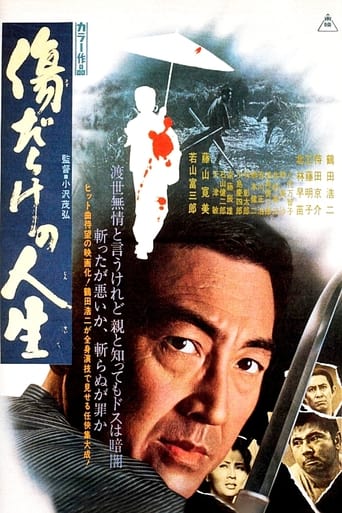 8.0
8.0Set in Osaka, during the devastated time of post-war Japan, this is a tale of the yakuza who set about rebuilding after the death of their Oyabun (big boss). Battles erupt as tempers explode as someone seeks to fill the seat of power.
A Scarred Life
1971
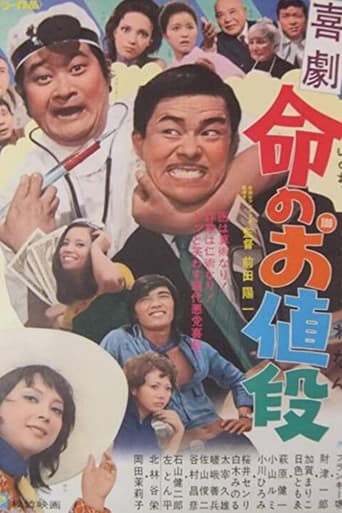 NR
NRComedy of a phony doctor.
Price of Life
1971
1960s · 45 titles
8.4A Yokohama shoe executive faces a wrenching choice when kidnappers mistakenly seize his chauffeur’s son but demand the ransom anyway.
High and Low
1963
7.7Taking its title from an archaic Japanese word meaning "ghost story," this anthology adapts four folk tales. A penniless samurai marries for money with tragic results. A man stranded in a blizzard is saved by Yuki the Snow Maiden, but his rescue comes at a cost. Blind musician Hoichi is forced to perform for an audience of ghosts. An author relates the story of a samurai who sees another warrior's reflection in his teacup.
Kwaidan
1965
7.3The story contrasts the life of two doctors, former classmates and now both assistant professors at Naniwa University Hospital in Osaka. The brilliant and ambitious surgeon Goro Zaizen stops at nothing to rise to a position of eminence and authority, while the friendly Shuji Satomi busies himself with his patients and research.
The Great White Tower
1966
7.2Discover 4 famous Japanese murderers: Takahashi Oden, the last woman beheaded in Japan, Sada Abe, a crazy lover, Kunihiko Kodaira, a rapist-killer and finally, the Toyokaku case, a woman who did everything to own a hotel.
Love and Crime
1969
6.8Blind swordsman Zatoichi, jailed briefly, is implored by another prisoner to aid him in proving his innocence of a crime for which he is sentenced to death. Zatoichi is reluctant to get involved, because he knows how often such involvement has led to trouble in the past. But events conspire to thrust him repeatedly into involvement, and gradually he comes to believe in the man's innocence and determines to free him.
Zatoichi and the Doomed Man
1965
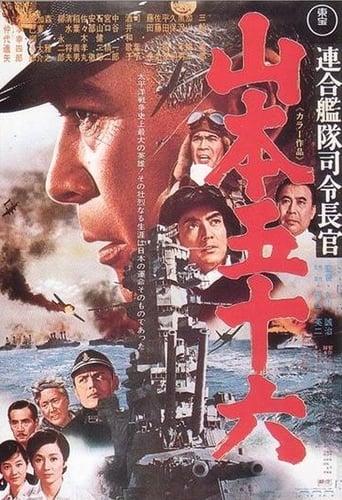 8.5
8.5As Japan joins in a political pact with Nazi Germany and fascist Italy, Admiral Isoroku Yamamoto is appointed supreme commander of the Japanese fleet. With Japan headed inexorably toward war, Yamamoto, despite his misgivings, believes the only possible victory lies in destroying the American fleet by surprise at Pearl Harbor. The attack succeeds, but fails to sink the American carrier fleet. Thus Yamamoto must lead the Japanese navy into war with ever-diminishing likelihood of success.
Admiral Yamamoto
1968
 6.7
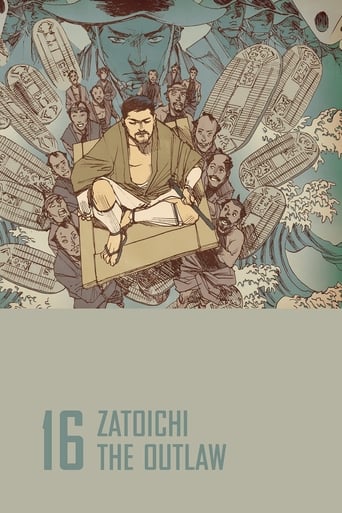
6.7When a local gambling house kidnaps some peasants because they failed to pay their debts, a rival gambling house pays their debts and sets them free.
Zatoichi the Outlaw
1967
 7.3
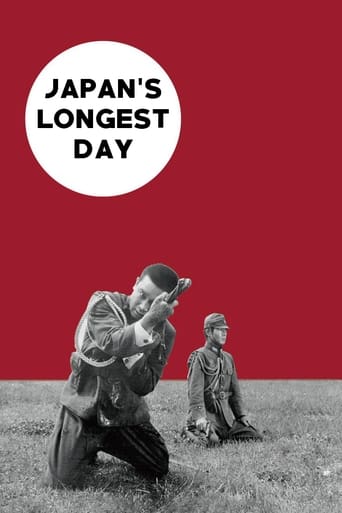
7.3A dramatisation of the 24-hour period in which the Japanese government was deadlocked over the decision to accept or reject the Allies' demand for an unconditional surrender following the bombings of Hiroshima and Nagasaki.
Japan's Longest Day
1967
 NR
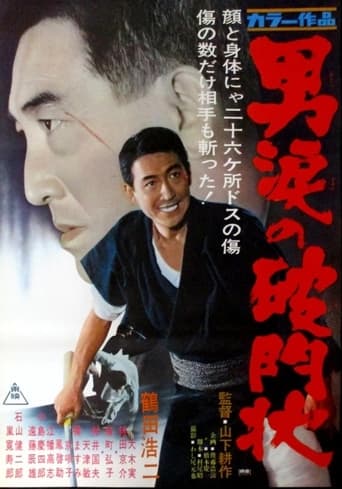
NRNinkyo with Kôji Tsuruta. An elderly yakuza brother tries to clear an underling’s name.
Tears of Banishment
1967
 7.0
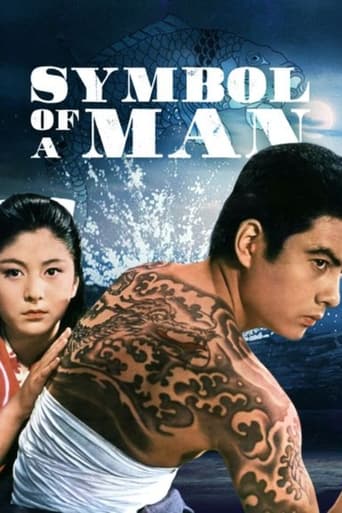
7.0A Japanese intelligence officer faces personal crises in the years preceding the Manchurian conflict.
The Symbol of a Man
1963
 10.0
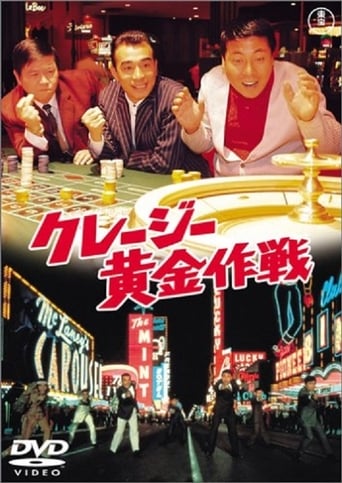
10.0The Crazy Cats, a Japanese musical-comedy group, were showcased a series of comic adventures throughout the 1960s. Las Vegas Free-For-All, one of their most popular movies, featured scenes filmed on location in Las Vegas, Los Angeles, and Hawaii. Appearing with the seven Cats were the lovely Mie Hama and such Japanese musical artists as The Peanuts, The Johnnys, The Drifters, and Jackie Yoshikawa & the Blue Comets.
Las Vegas Free-For-All
1967
 6.2
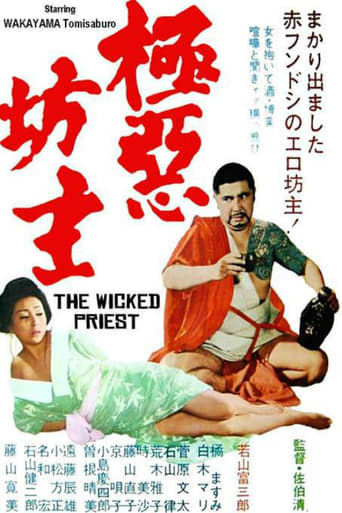
6.2Shinkai, a Buddhist monk with a penchant for drinking and gambling, sets sinners straight with judo throws rather than sermons. After fighting off a gang of street thugs, Shinkai is placed on probation but manages to escape his superiors’ watchful eyes to covertly indulge in life’s pleasures. But when he hears of rogue priests in his order consorting with yakuza, Shinkai must make them see the error of their ways and reach enlightenment, one punch at a time.
Wicked Priest
1968
 7.0
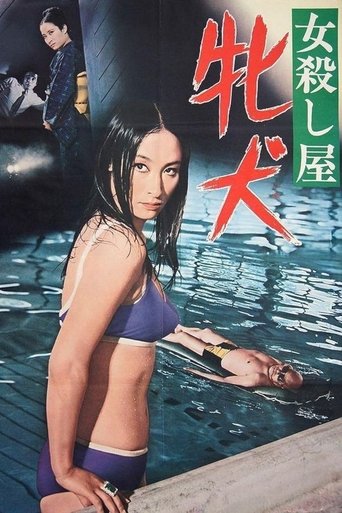
7.0A beautiful hostess of a small restaurant moonlights as a well-trained assassin tasked with taking the life of a wealthy businessman...
Art of Assassination
1969
 7.0
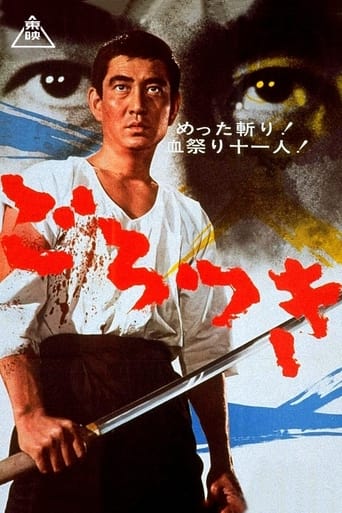
7.0Coal miner Isamu Oba is forced to quit his village and leave his mother and siblings behind. Mining buddy Ichiro accompanies him to Tokyo, and the pair enjoy several "fish-out-of-water" sequences before finding employment at a boxing gym with trainer Sawada and his spunky sister Tomoko. The boys also find part time night jobs as roving minstrels in the club district courtesy of benevolent gang boss Asakawa. Of course, they run afoul of boss Karasawa's cruel gang. Karasawa also has it in for Asakawa, and this indirectly throws a spanner into the works as far as Isamu's burgeoning success as a kickboxer. When Asakawa's HQ is burned to the ground by Karasawa's men, Asakawa tries to kill Karasawa - which, of course, leads to his own gruesome death. Isamu goes on the rampage with his sword, wiping out Karasawa and men.
Rogue
1968
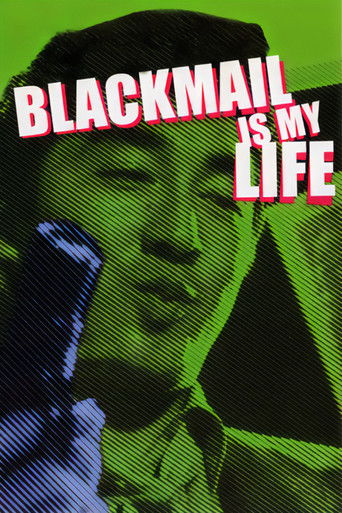 6.6
6.6Though he has come from a rough background on the streets, Muraki quickly rises through the ranks by means of his well-honed blackmailing instincts. Desperate to keep rolling with his freewheeling lifestyle, Muraki sees his luck begin to crumble when he sets his sights on the business partners of a powerful gang boss.
Blackmail Is My Life
1968
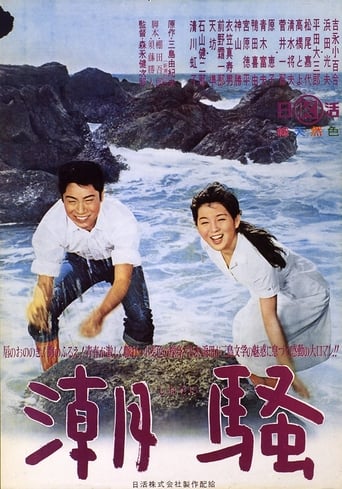 7.0
7.0On a small island, inhabited by only fourteen hundred people, a young fisherman's son, Shinji falls in love with Hatsue, the daughter of the richest and most difficult man on the island. Despite their differences in class, they begin to meet and rumors spread of them having an illicit affair. Soon after, Shinji jumps into a stormy sea to help a ship in distress. The vessel turns out to be owned by Hatsue's arrogant father, who now becomes an understanding and sympathetic parent and allows the two lovers to marry.
The Sound of Waves
1964
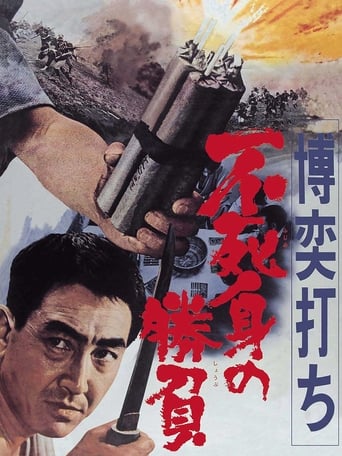 6.0
6.0Tsunetaro Asakura AKA "Dynamite Tsune" is a talented gambler, but not infallable. After losing his Boss's money in a dice game he repays his debt by serving as a pit boss for a struggling coal mine in Kyuushu. Quickly there's trouble with the local mining competition, who doesn't always play a fair game. True to his hot-headed nickname, Tsune only gets into deeper trouble.
Gambler: Victory Without Death
1967
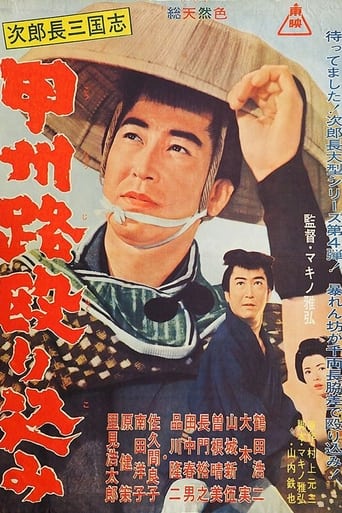 8.0
8.0The continuing adventures of the Jirocho gang.
The Kingdom of Jirocho 4
1965
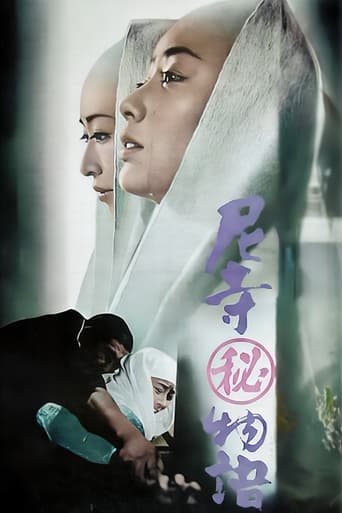 5.5
5.5Erotic Pinku film showcasing he life of Buddhist nuns during the Edo Period.
Nunnery Confidential
1968
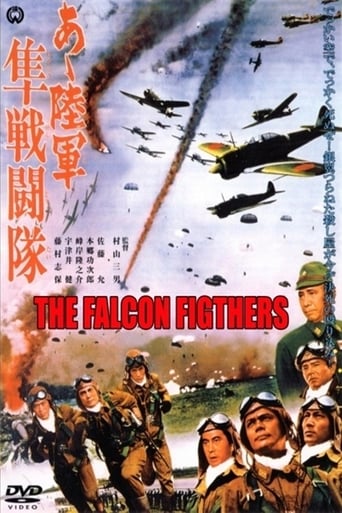 10.0
10.0In the prewar days leading up to the Second Sino-Japanese War of 1937, head flight instructor Lt. Katō Tateo of the Imperial Japanese Army-Air Corps trains new volunteers from the Army's Infantry to become Japan's next generation of fighter pilots at the Tokorozawa Flying School. Flying Kawasaki Ko-4 biplanes, Lt. Katō will train both friend and future foe alike. But as war in China breaks out, Katō now in command of the 5th Rentai will take his untested men flying antiquated planes into aerial combat against the Chinese Air Force who is now headed by Lt. Cho who Katō both earlier befriended and personally trained himself. While Katō's squadron ultimately achieves air superiority over the skies of Manchuria, it comes at a high price in men to which each loss carries a heavy burden that he alone must carry. As the war widens into the Second World War, Captain Katō must battle an ever advancing array of deadlier new enemies flying ever more modern fighter planes.
The Falcon Fighters
1969
 6.3
6.3Kogure, an industrial spy, is tasked by Sawada, head of the research department of the Nisshin Corporation, to learn the secrets of the design of a new engine invented by a rival company. Kogure manages to obtain the secrets, but Sawada's goal was not the secrets themselves, but to use them to obtain the position of president of the company. Angered by Sawada's dirty tricks, Kigure begins to take revenge.
Industrial Spy
1968
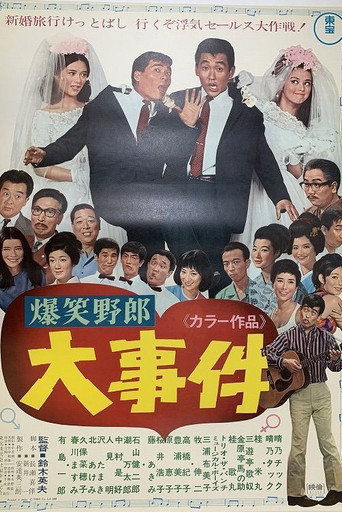 NR
NRComedy starring the manzai team of Chick and Tack, and set in the world of salarymen.
Great Incidents
1967
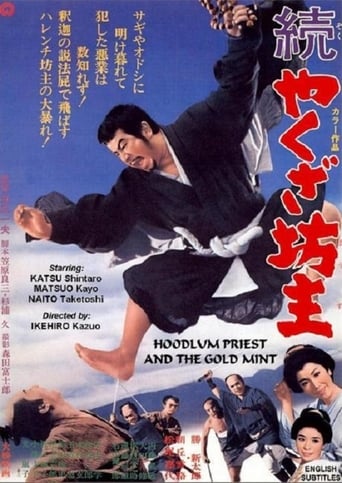 6.0
6.0It’s cross and double-cross in these further adventures of Ryuzen, the wayward priest played by Katsu Shintaro as he tries to help a woman who may be the heir to a fortune get what is rightfully hers. Matsuo Kayo, who first rose to international stardom as ‘the supreme ninja’ in “Shogun Assassin” gives an outstanding performance in this clever and exciting caper tale set in the samurai era. Ryuzen agrees to help her, but is he just in it for himself, and is she really who she claims to be? When they come up against Boss Tobei it’s a virtual free-for-all as everyone struggles to walk away with a fortune in gold!
Hoodlum Priest And The Gold Mint
1968
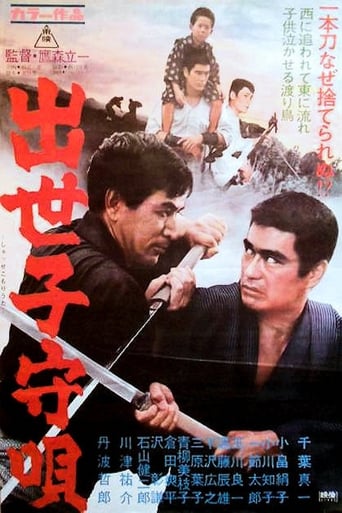 5.0
5.0Bungo, fulfilling his duty as a yakuza, kills a man from a rival gang. Since then, he has escaped the clan's vengeance by staying on the road with his son Kenichi. Tired of running, the two settle in a mountain town. Bungo finds work as a lumberjack for the Iwasaki family and Kenichi becomes a student at the local elementary school. Regrettably, their good fortune doesn't last. The yakuza boss, Tomitaka, wants control of the town's lumber and is willing to destroy the Iwasaki to get it. Natsue, Kenichi's estranged no-good mother, returns wanting to take part in the boy's upbringing. And shortly thereafter, a mysterious stranger arrives in town to lay claim on Bungo's life...
Game of Chance 3
1967
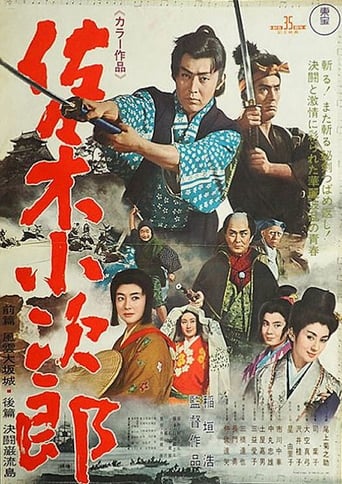 8.0
8.0Sasaki Kojiro tells the story of the genius who staked his love, glory, and life on a duel with the supreme master of the sword, Miyamoto Musashi (Tatsuya Nakadai). Oscar winning Hiroshi Inagaki directs this epic motion picture based on Genzo Murakami’s fascinating story. Despite his humble birth, the orphan Sasaki Kojiro (Onoe Kikunosuke) is determined to become the foremost swordsman in all Japan, a title that traditionally belongs to a nobleman. At fencing school, young Kojiro receives the contempt of his classmates because of his superior swordsmanship. When rumors of the upcoming civil war between Toyotomi and Tokugawa clans spread, Kojiro leaves the school and sets out, seizing every opportunity to realize his dream.
Kojiro
1967
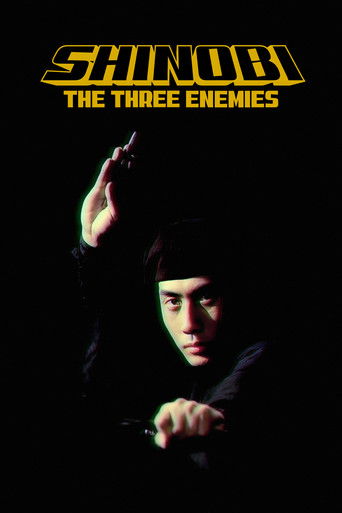 6.2
6.2[Period Covered: 1570-1573] Towards the end of the Tenmon Era, Shogun Ashikaga`s powers were weakening by the day and many were there who planned to overthrow him. It was the beginning of the Sengoku (Warring States) period. Three men attack a gunpowder maker in a farmhouse, the first chopping off his arm with his sickle-&-chain weapon, the second blinding him with sword, the third giving the killing blow. His son Kojiro Kosume escapes the attackers as everything he has known up to then explodes into conflagration. He grows up & enters the start of the Tokugawa Era, intent on avenging his father.
Shinobi no mono 8: The Three Enemies
1966
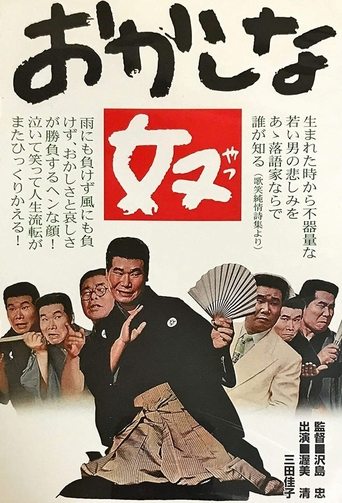 NR
NRNo synopsis available yet.
Okashina yatsu
1963
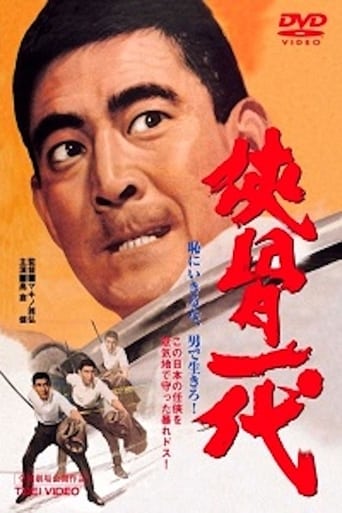 8.5
8.5Ryoma is a former military man who gets to know the leader of a yakuza group and begins to work with them, helping them defend themselves against other yakuza gangs.
The Chivalrous Life
1967
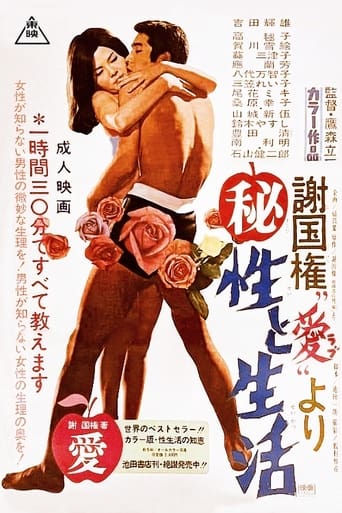 10.0
10.0Dr. Mikami is an elderly somewhat clumsy, very popular therapist, his patients turn to him with all possible and impossible questions. Because Dr. Mikami's specialty is sexual clarification... The world's best-selling sex literature was filmed here in a manner close to the original. And the openness of the image shows the shocking conflicts of young people in scenes that were never filmed. Shocking documents about sex life from the doctor's office.
Sex and Life
1969
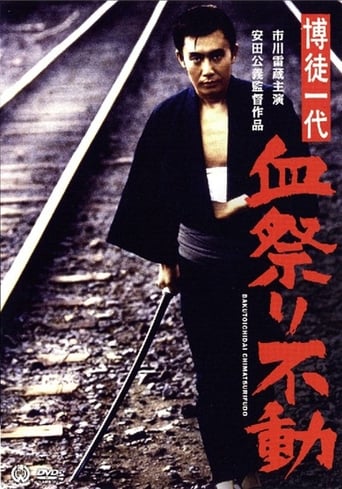 8.3
8.3Ichikawa Raizo’s last film. He plays a Yakuza enforcer who kills a man on his boss's orders. He’s then sent to a provincial town to lie low, only to be caught in another war orchestrated by his original boss who has set him up.
Sworn Brothers
1969
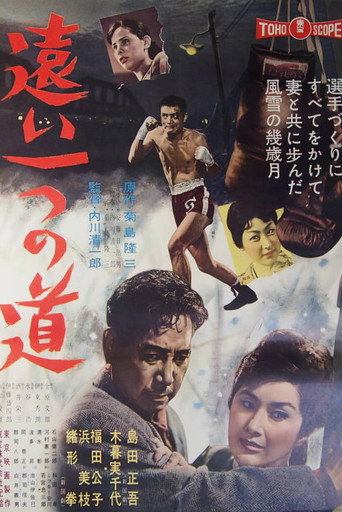 NR
NRFormer bantamweight champion Takeshi Kuwata retired, opened a gym, and is now devoting himself to training the next generation.
12 Ounces to Glory
1960
 6.5
6.5A story of young students trained to become Kamikaze pilots in World War II.
Classmates
1967
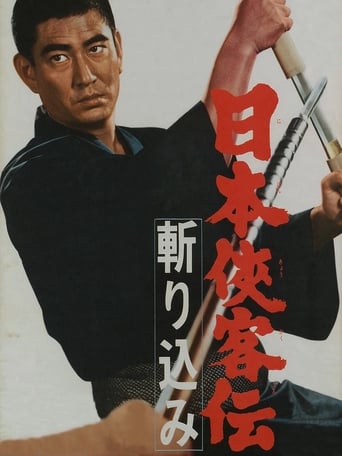 10.0
10.0The Domain: Where The Blade Enters
The Domain: Where The Blade Enters
1967
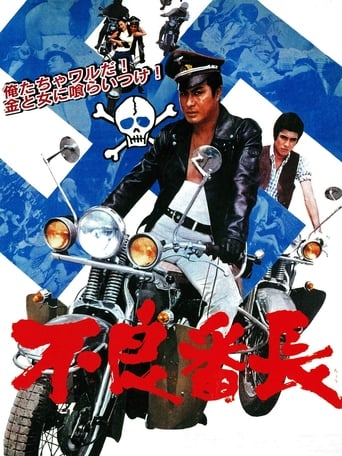 NR
NRThe first in what would become Toei's most successful, longest-running bosozoku film series. It lasted from 1968 till 1972 through sixteen films.
The Bad Boss
1968
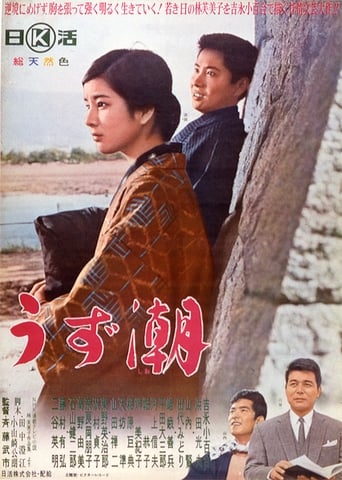 NR
NRIt is 1922 and Fumiko is a high school student. Her family is poor but she loves to study literature. Her father, a peddler, does not return home and Fumiko finds herself in financial trouble, not being able to pay for her schooling and her school excursion trip. Still, she gets a temporary job at a factory and tries to make ends meet. A film about bright side of youth adapted from the television serial of the same name.
Eddy Currents of Life
1964
 9.0
9.0Ninth film in the long-running series Daiei Studio's Woman Gambler with Kyoko Enami starring where she plays the woman gambler Ogin.
Champion Woman Gambler
1968
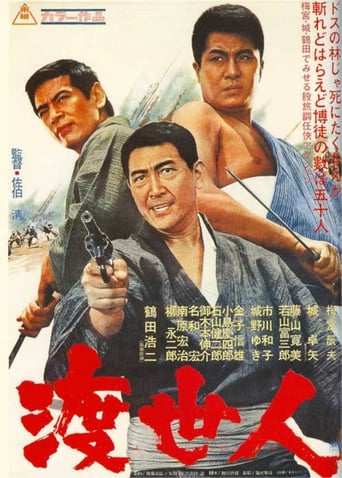 NR
NRNo synopsis available yet.
Gambler's World
1967
 10.0
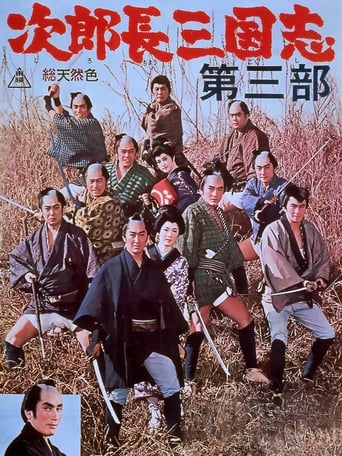
10.0The third part of the story about feudal boss Jirocho and his underlings.
The Kingdom of Jirocho 3
1964
 NR
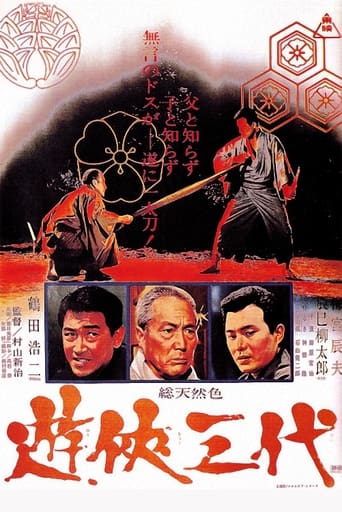
NRThe film depicts the fate of a young yakuza boss and his father, who confront each other, not knowing that they are relatives, and become victims of a brutal war for territory between the clans according to the merciless laws of the yakuza.
Three Generations of Yakuza
1966
 10.0
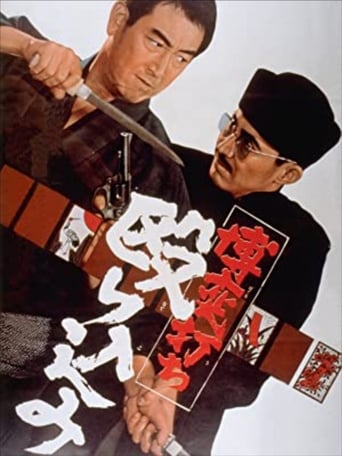
10.05th entry in the Bakuchi-uchi series.
Gamblers: The Raid
1968
 NR
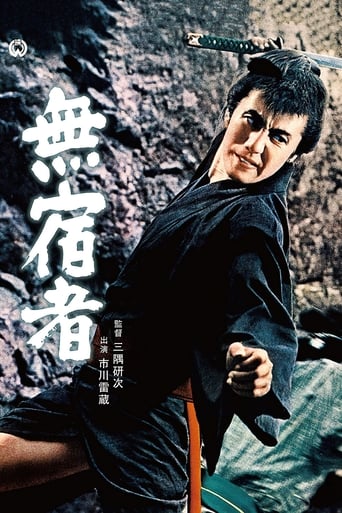
NRA wandering gambler strolls into a village searching for his father's killer, unaware that the village is run by criminals who sell the poorest peasants into slavery.
On the Road Forever
1964
 10.0
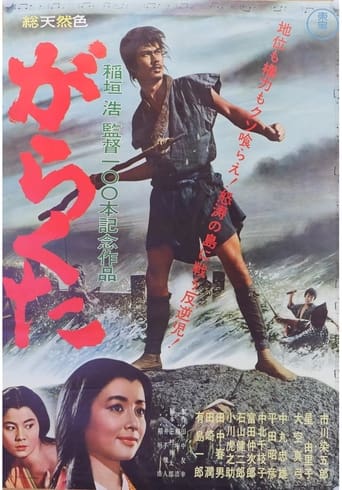
10.01964 Japanese movie
The Rabble
1964
 NR
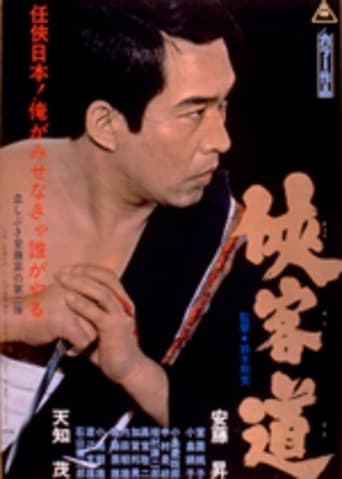
NRNo synopsis available yet.
The Gambler's Law
1967
 7.0
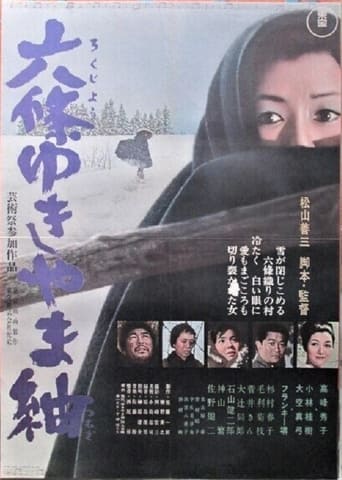
7.0Young widow Ine is suffering under the harsh treatment of her mother in law. As a former Geisha, Ine had struggled to be accepted into the well-established Rokujo family from the beginning. With the support of Jiro, a young man Ine's late husband had saved from homelessness as a young boy, Ine tries to keep the family's heritage of silk processing alive. Their close relationship soon causes gossip among the villagers and threaten Ine's position in the family even further ...
Rokujō yukiyama tsumugi
1965
 10.0
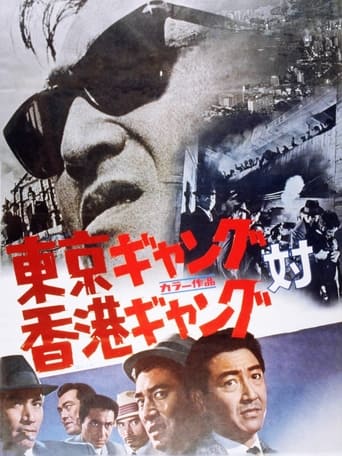
10.0No synopsis available yet.
Tokyo Gang vs. Hong Kong Gang
1964
1950s · 5 titles
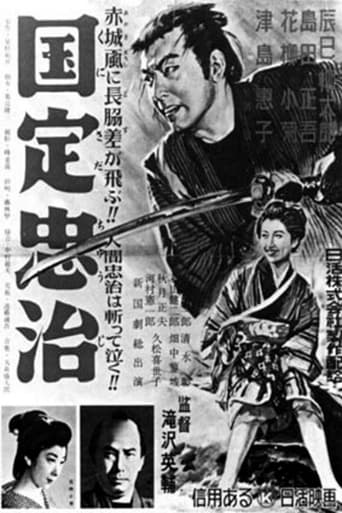 9.0
9.0Kunisada Tadaharu, a peasant of Kunisada Village in Joshu Sai County, could not stand the bad government and poor harvest of Takebe Genhan, the governor of the time. entered the world of As he played more and more games at the gambling hall, he became feared as "Chuji the gambling robber", and became a boss who had a share of Inui such as Nikko's Enzo and Shimizu's Kentetsu. However, due to a disagreement, he killed his benefactor Isaburo Boss, and was abandoned by Yasugoro and was chased. However, Chuji cleverly took advantage of the peasant uprising, shut himself up on Mt. Akagi, opened a gambling hall, and was touted as the greatest boss in the Kanto region. The magistrate, who learned of the close relationship between the peasants and Chuji, finally arranged for Chuji to go on a trip. Chuji, who doesn't know that he was weighed, gleefully descends the mountain, but...
Kunisada Chūji
1954
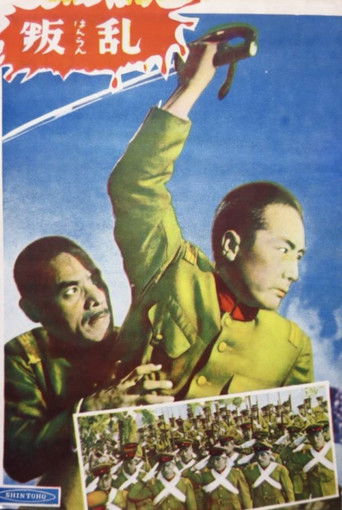 NR
NRNo synopsis available yet.
Hanran
1954
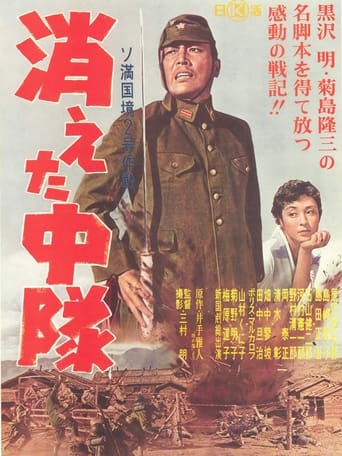 7.0
7.0In June 1941, Captain Kagawa (Ryutaro Tatsumi), who had just graduated from the military academy, was assigned as the captain of a sentry patrol in Beiman, which was located on the opposite side of the Heilongjiang River from the Semidomka region of the Soviet Union. His predecessor, Lieutenant Kishi (Kawamura Kenichiro), a mild-mannered middle-aged man, had earned the trust of his men and the villagers by relaxing his military duties. However, newly appointed Lieutenant Kagawa thinks that Kishi's way of doing things is sloppy and begins to train the soldiers furiously in order to teach them a lesson.
Vanished Enlisted Man
1955
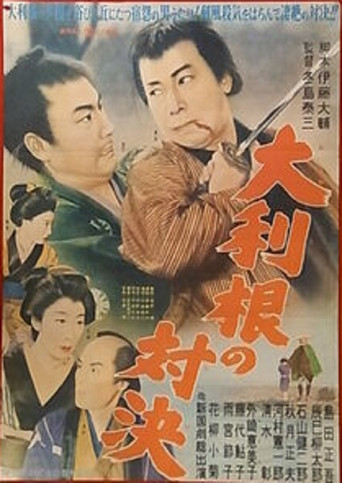 NR
NRIn the town of Yumoto, Asakichi, a left-arm-less gambler who had been winning at the gambling hall, was attracted by the sound of a faintly heard storyteller, Saman, and left his seat. Asakichi was fascinated by the voice of Oyasu, who sounded exactly like his wife Ochiyo, who had died three years earlier. Asakichi told Oyasu that Ochiyo had fled with him to his home town of Omigawa just before he was deposed by the samurai Shingo Inaba, but that he had put her through a lot of hardship to make her die. Oyasu's husband Tokujiro was a palace carpenter in Edo, but his skills were damaged and he came to take a cure. Asakichi heard about Oyasu's story and offered him money, and Tokujiro's arm was almost completely healed by Oyasu's nursing care.
Ootone no Taiketsu
1955
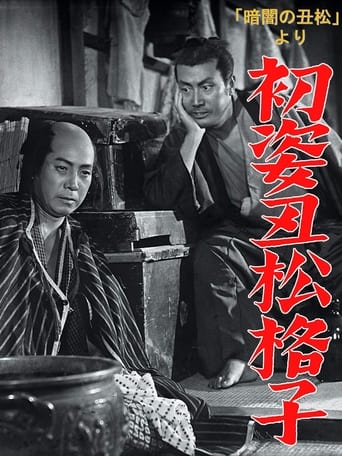 NR
NRFukagawa's chef Ushimatsu of the restaurant Kawatake fell in love with a maid named Omame and changed dramatically. He stopped gambling and womanizing much to the surprise of his friends. As their wedding day approached, Minosuke who had long been infatuated with Omame threatened her mother Okuma by using a promissory note for three ryō that he lent to her.
Hatsu sugata ushimatsu gōshi
1954