

Acting
Shinsuke Ashida
Born — Died
1917-03-14 — 1999-01-09
Place of birth
Shimane Prefecture, Japan
Known for
Acting
Credits
68 titles
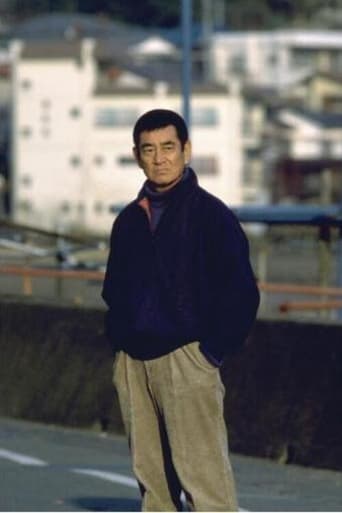
Shinsuke Ashida (芦田伸介, Ashida Shinsuke, 14 March 1914 – 10 January 1999) was a Japanese actor. He appeared in more than 90 films between 1952 and 1996.
Known for
 7.0
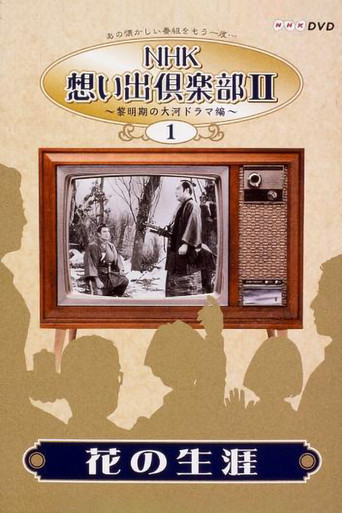
7.0The story chronicles the life of Ii Naosuke.
Life of a Flower
1963
 8.0
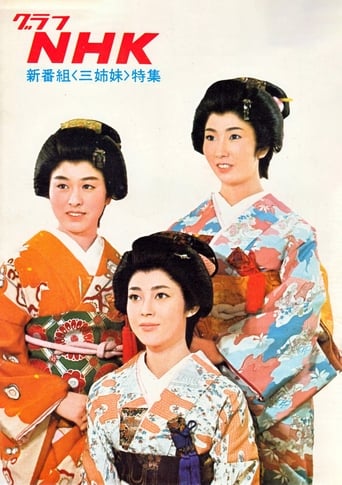
8.0The Story is about three daughters of a "Hatamoto" during the end of the Edo period and the Meiji Restoration.
Three Sisters
1967
 8.2
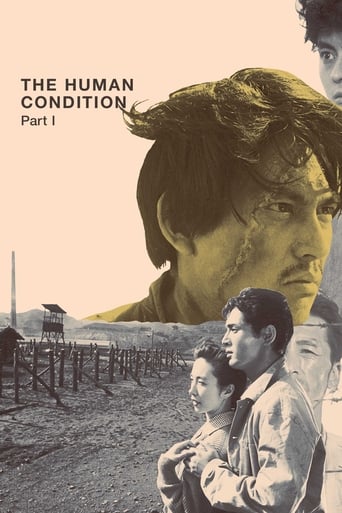
8.2After handing in a report on the treatment of Chinese colonial labor, Kaji is offered the post of labour chief at a large mining operation in Manchuria, which also grants him exemption from military service. He accepts and moves with his newlywed wife Michiko, but when he tries to put his ideas of more humane treatment into practice, he finds himself at odds with scheming officials, cruel foremen, and the military police.
The Human Condition I: No Greater Love
1959
 NR
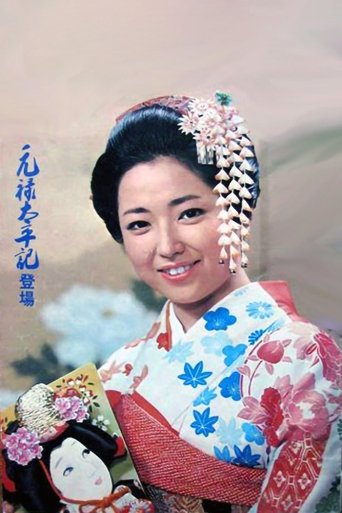
NRNo synopsis available yet.
Genroku Taiheiki
1975
 NR
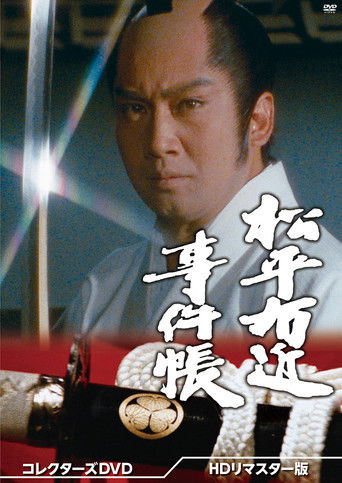
NRIn this gripping period drama, Matsudaira Ukon, the younger brother of the 11th Tokugawa Shogun Ienari, lives in the city as Yabutaro, a doctor in the Ukiyo Koji district, while fighting the evil that has infested the city of Edo.
Matsudaira Ukon Jikencho
1982
 6.7
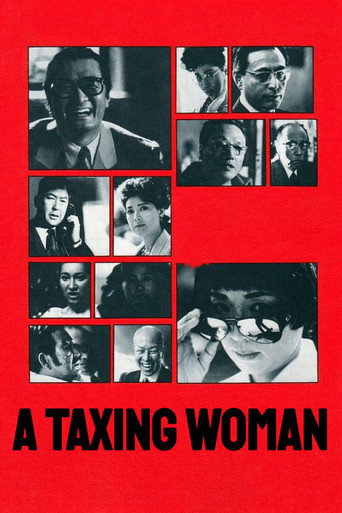
6.7Intrepid tax investigator Ryoko Itakura sets her sights on the mysterious and philandering Hideki Gondo, a suspected millionaire and proprietor of a thriving chain of seedy hourly hotels, who has for years succeeded at hiding the true extent of his assets from the Japanese authorities. Itakura and Gondo soon find themselves engaged in a complicated, satirical battle of wits.
A Taxing Woman
1987
Film credits
1990s · 3 titles
 7.7
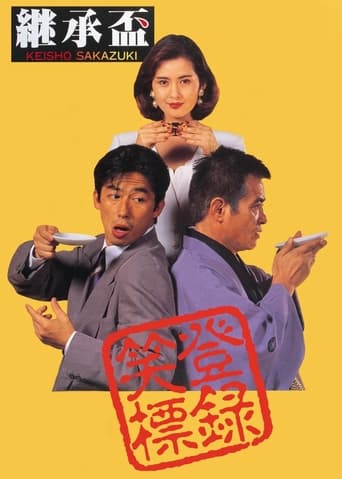
7.7A bumbling stockbroker-turned-yakuza is tasked with ensuring that an alcoholic boss is up to the task of arbitrating his syndicate's succession ceremony.
Succession
1992
 7.5
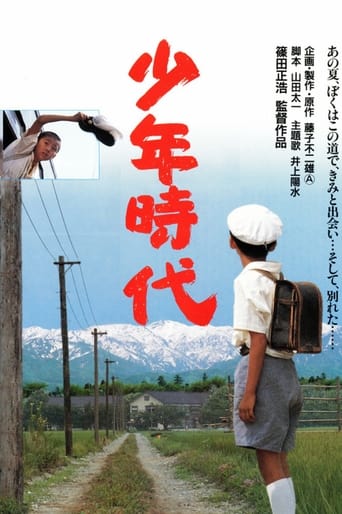
7.5A city boy, Shinji, is sent to live in the countryside to escape the Tokyo bombings, where he experiences the complexities of rural school life, including a power struggle with the local class leader, Takeshi.
Takeshi: Childhood Days
1990
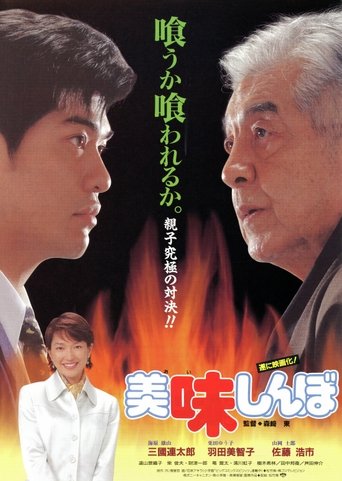 6.5
6.5Based on the comic by Tatsu Kariya. Featuring journalist Shiro Yamaoka who works for Touzai Shimbun. He is a cynical food critic who is tasked by the newspaper's owner, along with the young Yuko Kurita, to provide recipes for the "ultimate menu".
Oishinbo
1996
1980s · 12 titles
6.7Intrepid tax investigator Ryoko Itakura sets her sights on the mysterious and philandering Hideki Gondo, a suspected millionaire and proprietor of a thriving chain of seedy hourly hotels, who has for years succeeded at hiding the true extent of his assets from the Japanese authorities. Itakura and Gondo soon find themselves engaged in a complicated, satirical battle of wits.
A Taxing Woman
1987
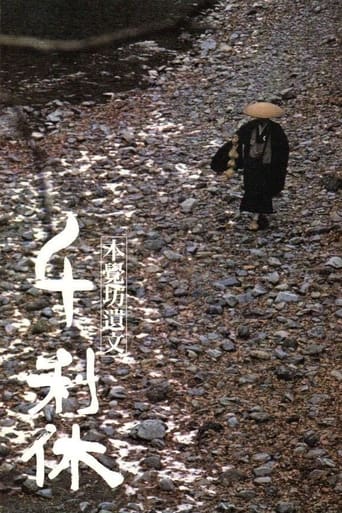 5.6
5.6Years after the death of legendary tea master Rikyu, his disciple Honkakubo attempts to resolve the mystery of the master's death.
Death of a Tea Master
1989
 6.2
6.2Prostitutes in burnt out Tokyo ghetto of post-WWII Japan peddle their flesh and save one-third of their money for a proposed dancehall to be named Paradise. The hookers live in a bombed-out building, but they accept the precarious situation with typical resolve.
Gate of Flesh
1988
 7.3
7.3Based on the "2.26 Incident", an attempted coup d'état in Japan 1936, launched by radical ultra-nationalist parts of the military. Several leading politicians were killed and the center of Tokyo was briefly held by the insurgents before the coup was suppressed.
Four Days of Snow and Blood
1989
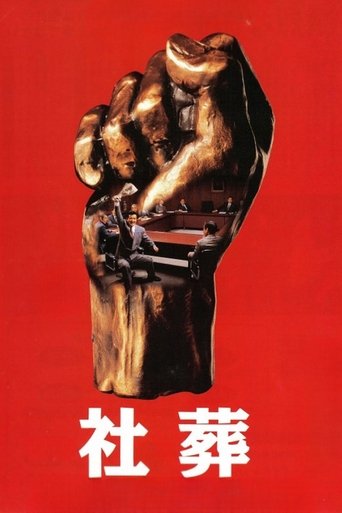 6.6
6.6A fierce succession battle ignites at a newspaper company when the president passes away.
Company Executives
1989
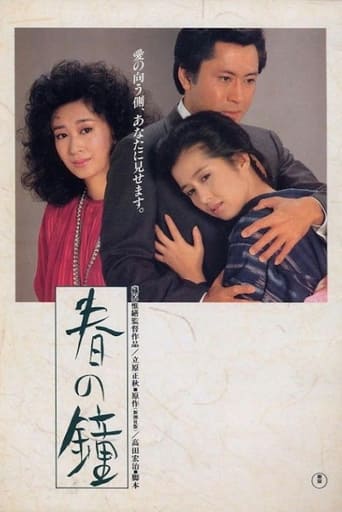 7.2
7.2Rokuheita Narumi is fascinated by oriental art and works as the director of the Saho Art Museum in Nara. His wife, Noriko, is unable to leave Tokyo, despite his wishes, and the two live separately. Feeling lonely and neglected by her husband, she immerses herself in the depraved life of the city and continues to have a loveless relationship with a doctor, Katsumori. One day, Narumi arrives in Tokyo and learns of Noriko's affair, but he cannot divorce her for the sake of their child, so he devotes himself to his work.
Spring Bell
1985
 6.2
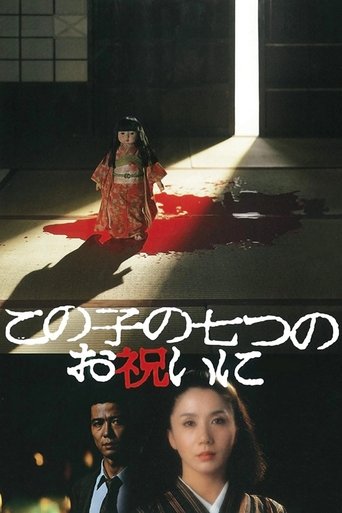
6.2Also known as: For My Daughter's 7th Birthday. Many years following her mother’s suicide, Maya seeks out her father, who deserted them, for revenge. All intertwined with the investigation of journalists into local murders, the manipulations of a palmist known as the “blue moth”, and political corruption.
Lullaby of Death
1982
 9.0
9.0Adaptation of the classic masterpiece about the relationship between parents and their children.
The Story of Jiro
1987
 NR
NRWho will be the next prime minister? As two candidates start to compete, political game and brutal murder ensue. And the existence of secret love letters changes the situation.
The Politicians
1983
 NR
NRNo synopsis available yet.
The Tale of Genji
1981
 6.3
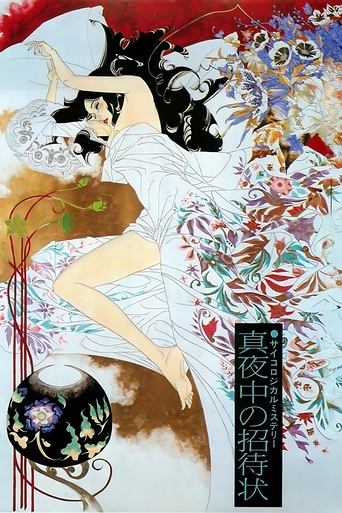
6.3Keiko Inagawa pays a visit to neurologist Aizawa about her fiancé Tatsuo Tamura. A mysterious case involving the disappearance of Tatsuo’s three brothers, one after the other, is yet to be resolved and now Tatsuo, seized with the idea that he too may disappear, has had a nervous breakdown. Aizawa suggests that Tatsuo recount his dreams as a means of solving the mystery, since human beings have an instinct that foretells the near future in the form of a dream. Keiko and Tatsuo eventually discover that the three disappearances have a strange connection…
Call from Darkness
1981
 7.0
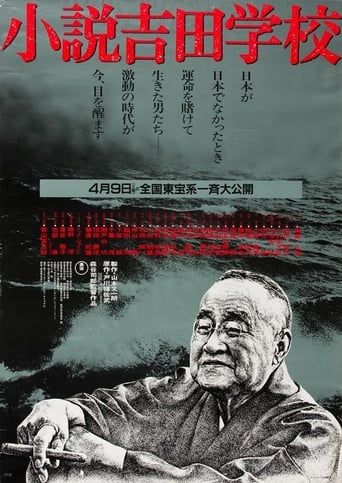
7.0Coinciding with the LDP presidential election of the entire national public, a masterpiece depicting the reverse side of Showa political history released, superimposed cast, a group image of real politicians centered on Shigeru Yoshida and political history after the war.
The Yoshida School
1983
1970s · 14 titles
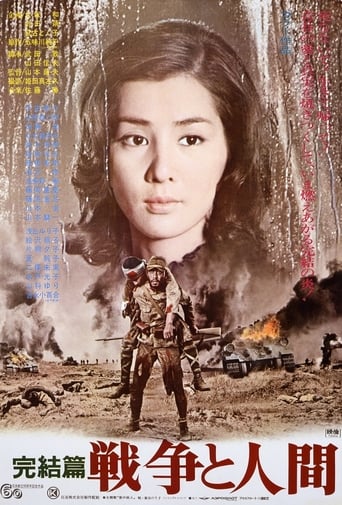 6.1
6.1As Japan's war of aggression against China intensifies, beginning with the Nanjing Massacre in December 1937, Kohei, who had secretly married Junko, the second daughter of the Godai family, deploys to the front lines, witnessing the atrocities of the Japanese army firsthand. Meanwhile, Shunsuke also takes to the front lines of the battlefield, engaging in a fierce battle against the Soviet army at Nomonhan.
Men and War III: The Final Chapter
1973
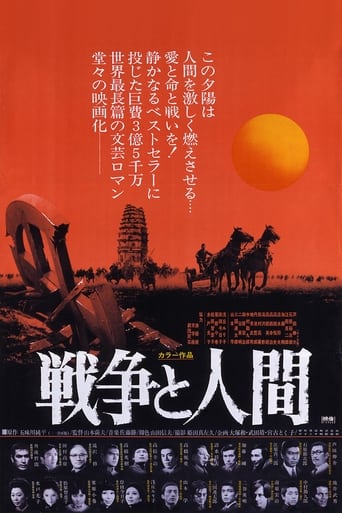 6.8
6.8The upstart Godai family conglomerate plans to strengthen ties with the hardliners in the Kwantung Army as they plan military expansion into Manchuria.
Men and War I: Prelude to Destiny
1970
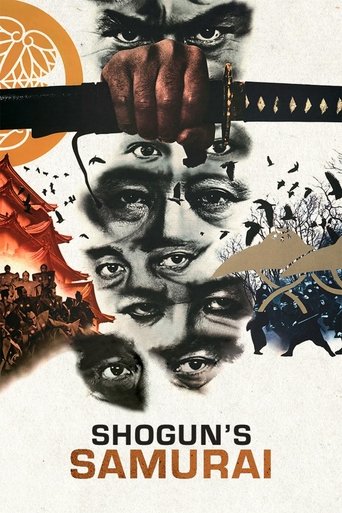 7.0
7.0Following the death of the second Tokugawa shogun, it is revealed that he was poisoned by retainers of his son Iemitsu in hopes of gaining him the shogunate despite the stammer and birthmark which undermine his respect. Iemitsu and his brother Tadanaga become bitter rivals for the shogunate, and the land is split into factions, eventually erupting into warfare. Iemitsu's mentor, his fencing instructor Yagyu, is fixated upon securing Iemitsu the shogunate and ends up betraying everyone, even his own family, in pursuit of the goal.
Shogun's Samurai: The Yagyu Clan Conspiracy
1978
 6.1
6.1UFOs appear on Earth, and people who actually see them suddenly find that their blood has turned blue. Soon panic and hysteria result in the new "blue-bloods" being persecuted by the rest of mankind, and eventually certain all-too-familiar measures begin to be taken against them.
Blood Type: Blue
1978
 6.4
6.4Special forces officer Ajisawa leaves his paramilitary group to take care of his newly-adopted daughter, Yoriko: the sole survival of a bloodbath for which he is responsible. Years later, Ajisawa is forced to return to the scene of the tragedy for his new job as a claims adjuster where he is subsequently arrested for his suspected involvement. But the threat of jail time is the least of his worries as his former organization comes gunning for him.
Never Give Up
1978
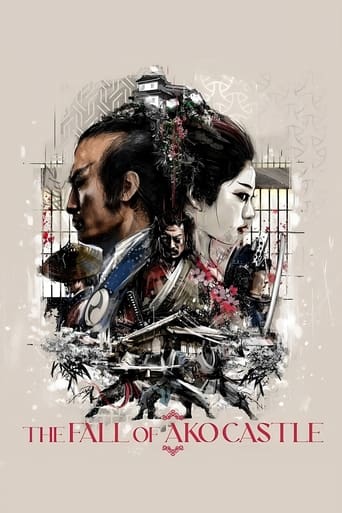 6.8
6.8This is the story of "The Forty-Seven Ronin." Based on historical events in 1701-2, the movie tells the tale of the Asano clan's downfall and the revenge of its former samurai on the perpetrator of the catastrophe. Lord Asano was goaded, or tricked, into drawing his sword inside the Shogun's palace -- a crime which carried the death penalty. The newly installed Shogun was furious at Asano and ordered all his clan's assets seized, meaning some 20,000 samurai and commoners were unemployed and landless at a stroke. Forty-seven of these ronin (masterless samurai) banded together to take attempt revenge on Lord Kira, who had goaded Asano into drawing his sword.
The Fall of Ako Castle
1978
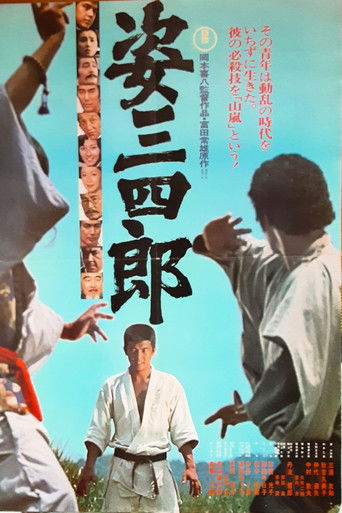 10.0
10.0The story of Sanshiro Sugata, a young man who wants to learn the new art of judo. A wise teacher reveals to Sanshiro that judo is not merely a means of combat nor a demonstration of physical skill, but an art which reveals the artist to himself.
Sugata Sanshiro
1977
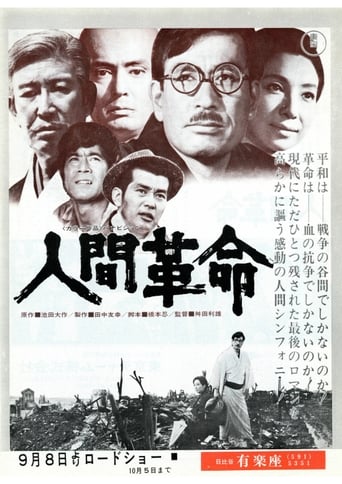 7.0
7.0No synopsis available yet.
The Human Revolution
1973
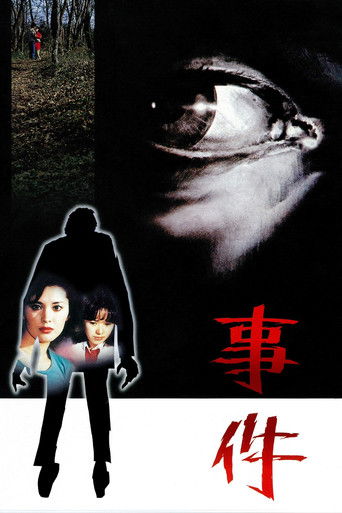 7.2
7.2The body of Sakai Hatsuko, a woman of 23 who has been slain with a knife, has been found in a forest. Some days later, Ueda Hiroshi, a 19-year-old shipyard worker, is arrested and charged with the murder. At Ueda's trial, a complex story unfolds.
The Incident
1978
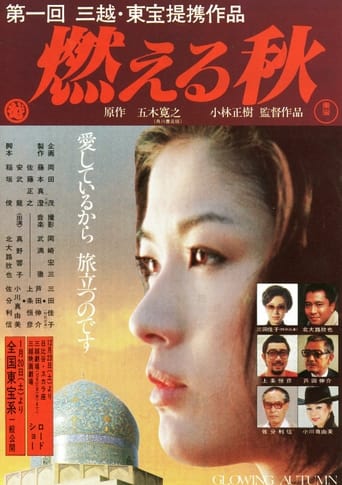 8.0
8.0A very beautiful Japanese woman is in love with Persian carpets. She is being chased by lecherous Saburi Shin and a handsome young photographer. Lecherous Saburi Shin knows what she wants, and is able to produce it for her.
Glowing Autumn
1978
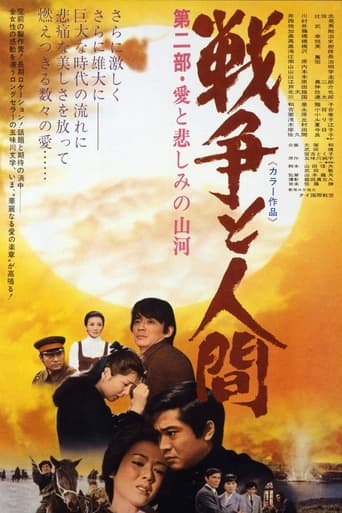 6.4
6.4As the Japanese military has established the puppet state of Manchukuo and is advancing its invasion of Asia, fighting intensifying battles against anti-Japanese partisans, the Godai zaibatsu becomes involved in large-scale opium smuggling. Shunsuke, second son of the Godai family, falls in love with a married woman. Meanwhile, Kohei, the love of the second daughter, Junko, throws himself into the anti-war movement.
Men and War II: Land of Love and Sorrow
1971
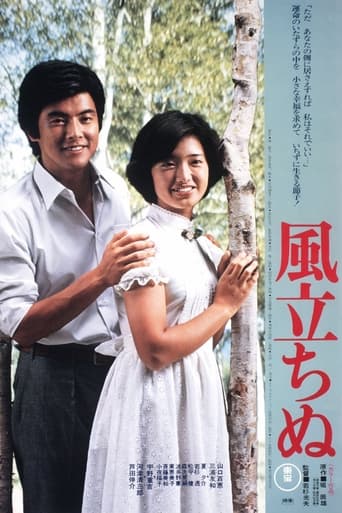 7.0
7.0The story began in the early summer of 1942 when 'Tatsurou' met 'Setsuko' at Karuizawa. Its love at first sight but sadly 'Setsuko' was pledged to marry a stranger by her parent. She ran away from her hometown and arrived at Tokyo in search of her love one. War erupted then and Tatsurou was summoned to service. As be set foot on a snow-capped mountain before his imminent departure, they promised to each other to press on until they meet again. But, soon she was fallen very ill to TB
Autumn Interlude
1976
 5.7
5.7When a married man begins an affair with a woman from his past, he comes to suspect her young son intends to murder him.
The Shadow Within
1970
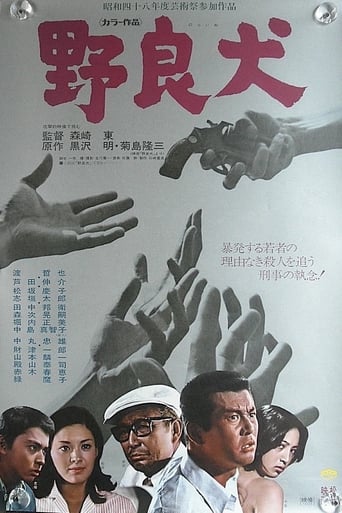 7.9
7.9When his pistol is stolen, police detective Murakami is humiliated, especially when the gun is later implicated in a crime. Working with his superior, Chief Detective Sato, Murakami works feverishly to trace the location of his pistol, ultimately clashing with a gang of youthful Okinawans.
Stray Dog
1973
1960s · 14 titles
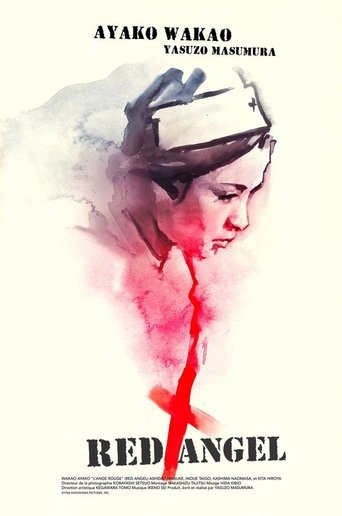 7.6
7.6In 1939, Sakura Nishi is a young army nurse who is sent to the field hospitals in China during the Sino-Japanese war. She has to assist the surgeon Dr. Okabe with an incredible number of amputations. In the crowded wards, she gives sympathy to some of the soldiers, including sexually servicing one who has lost both arms and has no hope of returning home. She falls in love with Dr. Okabe, and follows him to the front, even though he is impotent from his morphine addiction.
Red Angel
1966
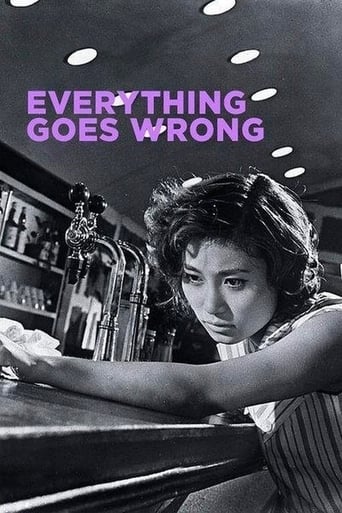 6.7
6.7Everything goes wrong when Jiro tries to break up his mother's relationship with a business man. The young rebel Jiro has to deal with an environment of crime and prostitution, and the impact of its choices on personal relationships: one with his mother, one with her business man lover and one with the girl in love with him.
Everything Goes Wrong
1960
 6.8
6.8A newspaper reporter's search for his girlfriend's missing father lead him into heart of the criminal underworld of Yokohama's Chinatown.
The Sleeping Beast Within
1960
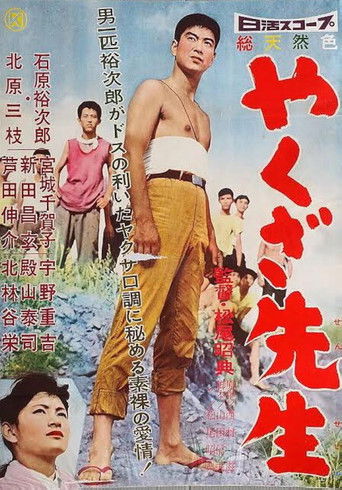 7.0
7.0No synopsis available yet.
Yakuza sensei
1960
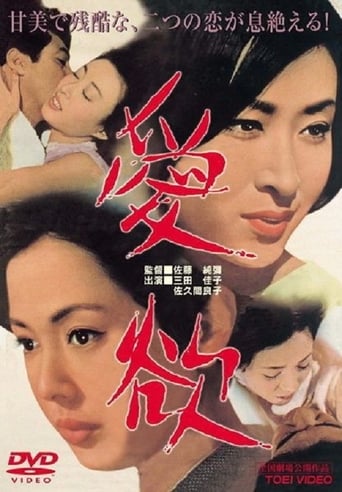 6.0
6.0Natsuko, a Tokyo bar proprietress, and Yuki, a Kyoto Ryokan owner, vie for the affections of an advertising professional.
Thirst for Love
1966
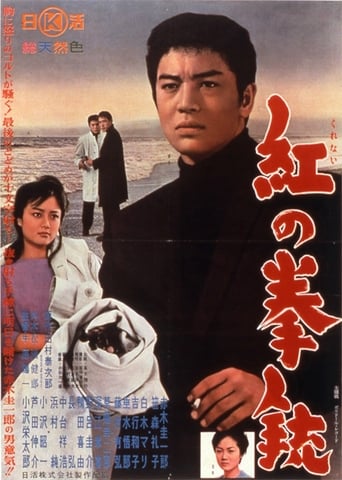 7.0
7.0Nakata (Keiichiro Akagi) is a nihilistic young buck who is willing to do anything to get money in his pockets. As he knocks back a couple drinks that he knows he won't be able to afford, a former marksman-turned-bad, Ishioka approaches him. Ishioka is looking for an unaffiliated hit-man who is willing to handle some business. Nakata is just the right man for the job.
A Killer Without a Grave
1961
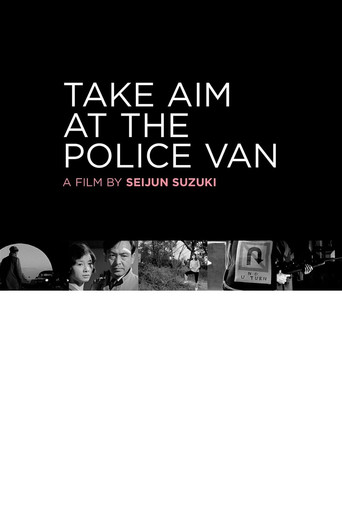 6.2
6.2A sniper kills two prisoners in a police van, and the driver sets out to find the killer.
Take Aim at the Police Van
1960
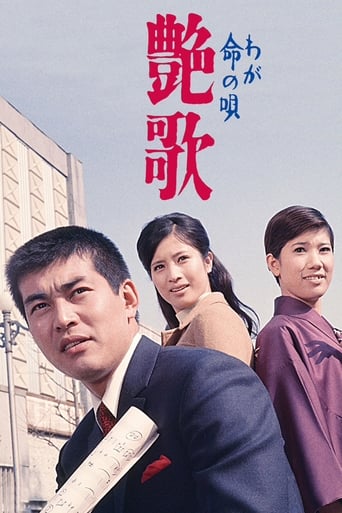 NR
NRNo synopsis available yet.
Song of my Life
1968
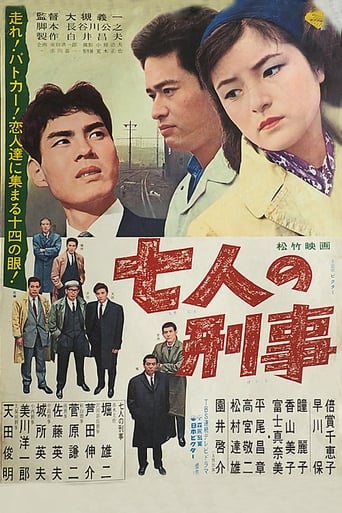 NR
NRMiyoko Sekiguchi, who works at a second-rate trading company, and car mechanic Koji Fukumoto are in love. The morning after Koji and Miyoko went out for a drive, the strangled corpse of a call girl is discovered in Toyamagahara. Chief Akagi, Detective Sergeant Sawada, and the other detectives begin to suspect Koji during their investigation. Koji insists he's innocent, but has no evidence to prove it. Even when detectives come to Miyoko's home and workplace and her coworkers begin to look down on her, Miyoko continues to trust and love Koji...
Shichinin no keiji
1963
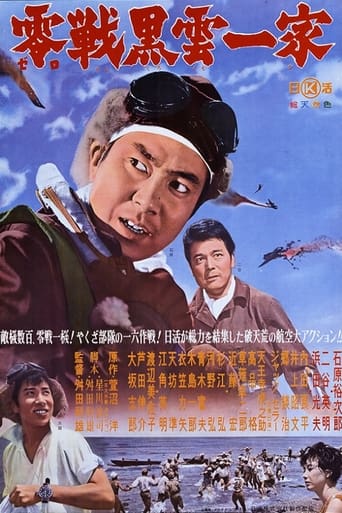 NR
NRNo synopsis available yet.
零戦黒雲一家
1962
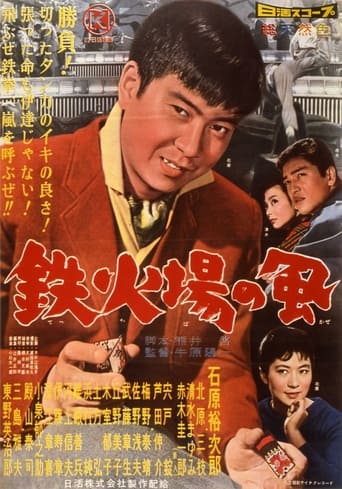 NR
NRA 1960 crime film
The Cards Will Tell
1960
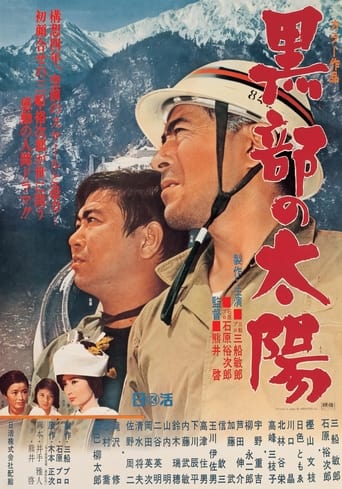 7.0
7.0Kitagawa is an engineer charged with construction of a gigantic tunnel through the Japan Alps for the transportation of equipment in the building of the massive Kurobe Dam. The tunnel crosses an earthquake fault and Kitagawa is beleaguered not only by cave-ins and flooding, but by strife between management and the workers's union. Adding to Kitagawa's stress is the knowledge that as his attention is pulled inexorably toward the tunnel construction, his youngest daughter is dying from leukemia.
The Sands of Kurobe
1968
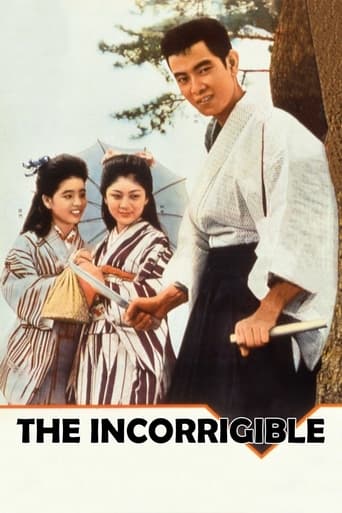 7.2
7.2Based on the loosely autobiographical novel of the same name by Toko Kon. Ken Yamanouchi stars as Togo Konno, the titular bastard.
The Incorrigible
1963
 7.5
7.5Hidejiro is a wandering yakuza with a ‘karashi botan’ (Chinese lion and peony) tattoo. Owing a favor to the Soda Family, he kills the boss of the rival Sakaki Family. When the Soda attacks the Sakaki and double-crosses him, with sword in hand, Hidejiro seeks brutal retribution.
Contemporary Tales of Chivalry 2
1966
1950s · 17 titles
8.2After handing in a report on the treatment of Chinese colonial labor, Kaji is offered the post of labour chief at a large mining operation in Manchuria, which also grants him exemption from military service. He accepts and moves with his newlywed wife Michiko, but when he tries to put his ideas of more humane treatment into practice, he finds himself at odds with scheming officials, cruel foremen, and the military police.
The Human Condition I: No Greater Love
1959
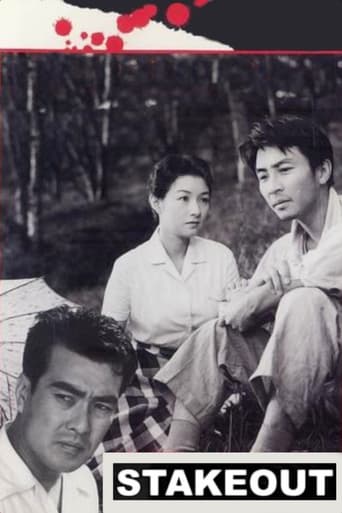 7.1
7.1Two detectives begin a stakeout based on the slim chance of catching a murderer whom they suspect will try to reunite with an old flame.
Stakeout
1958
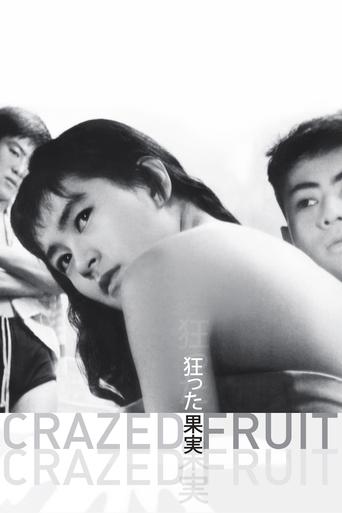 6.9
6.9Two brothers compete for the amorous favors of a young woman during a seaside summer of gambling, boating, and drinking.
Crazed Fruit
1956
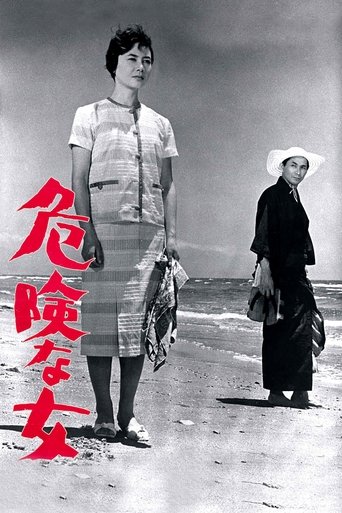 6.0
6.0Based on the Seichō Matsumoto's story The Woman Who Took the Local Paper.
Kikenna onna
1959
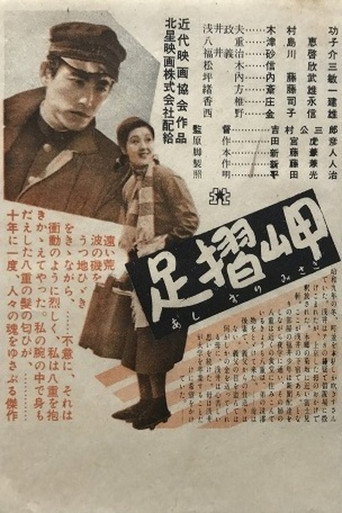 9.0
9.0Among Yoshimura’s complex and political works, this episodic film, set in the early 1930s, follows the life of a young left-wing student activist disenchanted by the increasingly hawkish state of Japanese society.
Cape Ashizuri
1954
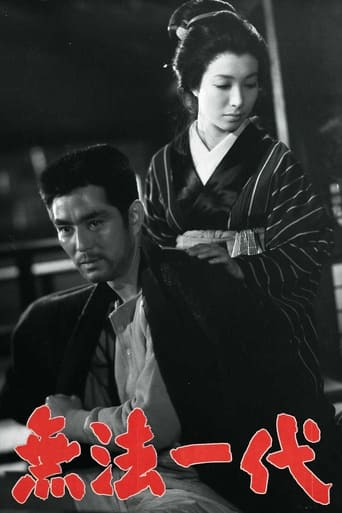 NR
NRThe movie is about a man who started a brothel to make money out of his poor circumstances in the late Meiji period.
Muhō Ichidai
1957
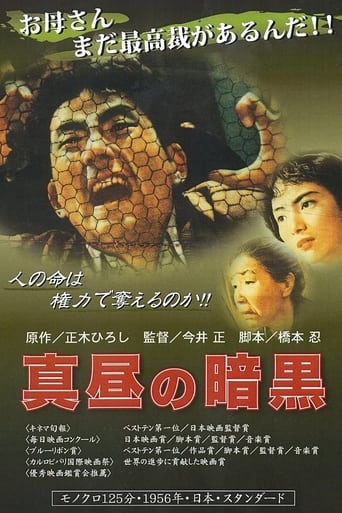 6.9
6.9Police beat a murder confession out of four innocent men who are then sentenced to death. Based on a true story.
Darkness at Noon
1956
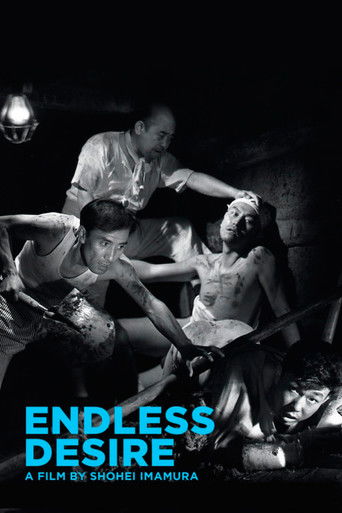 6.8
6.8Set in post-war Japan, a group of five, four men and one woman, gathers in the basement of a butcher shop to dig up a cache of morphine buried during the war. A grimly humorous tale of twisted relationships as one by one each of the group is eliminated.
Endless Desire
1958
 NR
NRComedy about a car salesman delivering a late model station wagon from Tokyo to Izumo to a representative of the Japanese Diet, who plans to use the car in a bribe.
Fancy Talker
1958
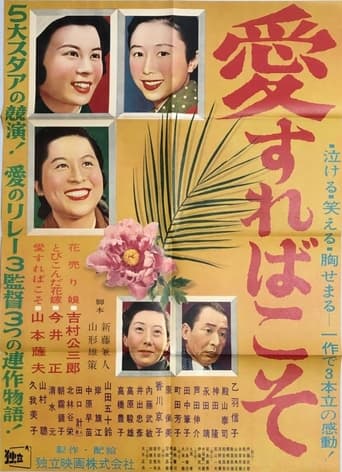 10.0
10.0The film consists of three short stories. Tomiko, the heroine of the first story, "The Flower Girl" (dir. Kozaburo Yoshimura), is a little girl who bears the unbearable burden of caring for her family. Tomiko's father has been unable to find work for a long time, and her older sister is terminally ill—it is unlikely that she will ever recover. To feed her family, Tomiko runs around the city from morning until late at night selling flowers... The second novella (dir. Tadashi Imai) also depicts the lives of the poor. An unfamiliar girl brings young Kavano a letter from his mother. It turns out that the girl's name is Kuniko, she is very hardworking, but her family is dying of hunger. Therefore, her mother decided to send Kuniko to her son so that he would marry her. The short story is called "The Unexpected Bride." The third short story, which gave the film its title, is particularly interesting: "When You Love" (dir. Satsuo Yamamoto). It shows the family of a young peace activist.
If Indeed One Loves
1955
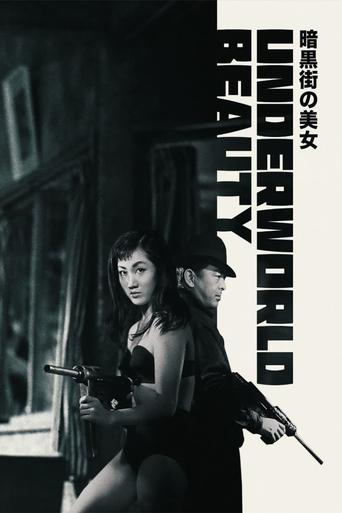 5.9
5.9The moment he's released from prison, the honorable gangster Miyamoto recovers the stolen diamonds he had stashed before getting pinched. When he returns to his haunt to make good by friend who took a bullet for him, he is diverted by the greedy boss Oyane and his insatiable taste for Miyamoto's precious stones.
Underworld Beauty
1958
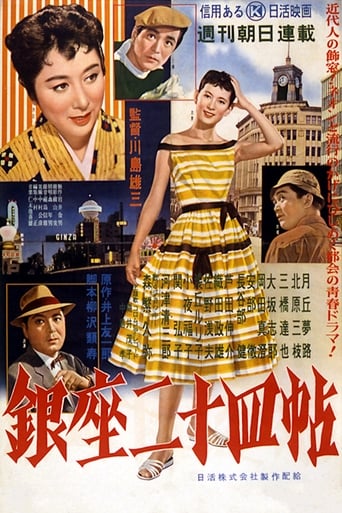 7.0
7.0In the thriving Tokyo neighborhood of Ginza, a woman in the process of selling her estranged husband’s art collection attempts to identify the man who painted her own portrait fifteen years prior.
Tales of Ginza
1955
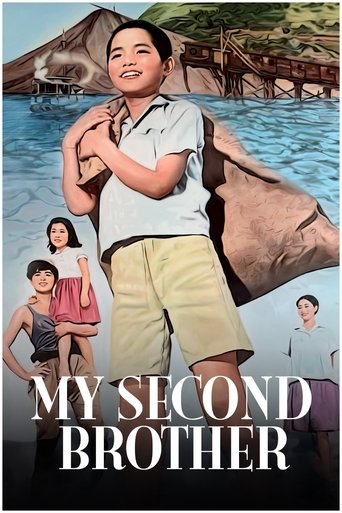 6.6
6.6The film tells the story of four orphans living in an impoverished mining town. An adaptation of a best-selling book based on the diary of a ten-year-old zainichi (ethnic Korean Japanese) girl, it was one of the first films to deal with the subject of zainichi identity and struggles in Japan.
My Second Brother
1959
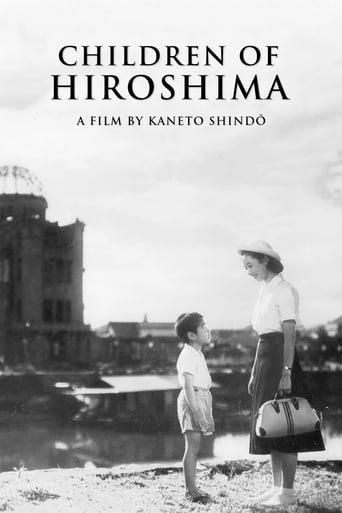 7.1
7.1Shows the devastation caused by the atomic bomb, and by use of a fictional storyline, portrays the struggle of the ordinary Japanese people in dealing with the aftermath.
Children of Hiroshima
1952
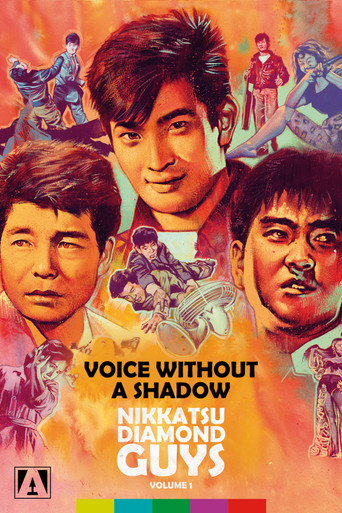 6.2
6.2Asako, a former telephone operator once heard the voice of a murder suspect which has continued to haunt her. Years later her husband invites his boss, Hamazaki, over for dinner and she realises his voice is suspiciously like that of the killer. Before she can investigate further, Hamazaki is found dead and her husband becomes the prime suspect.
Voice Without a Shadow
1958
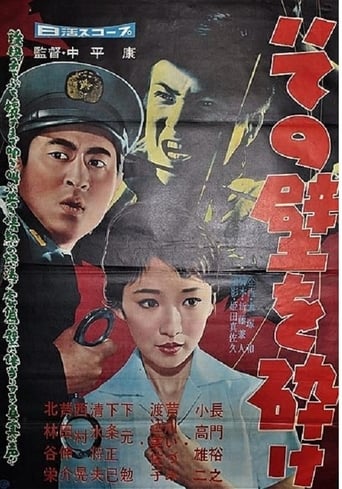 7.5
7.5A man is wrongfully accused of murder.
Break Down that Wall
1959
 9.0
9.0While traveling alone through the scenic Izu Peninsula, a lonely Tokyo student named Mizuhara encounters a troupe of itinerant performers and develops a bittersweet first-love attachment to a young dancer named Kaoru.
Dancing Girls of Izu
1954
Series credits
7.0The story chronicles the life of Ii Naosuke.
Life of a Flower
1963
8.0The Story is about three daughters of a "Hatamoto" during the end of the Edo period and the Meiji Restoration.
Three Sisters
1967
NRNo synopsis available yet.
Genroku Taiheiki
1975
NRIn this gripping period drama, Matsudaira Ukon, the younger brother of the 11th Tokugawa Shogun Ienari, lives in the city as Yabutaro, a doctor in the Ukiyo Koji district, while fighting the evil that has infested the city of Edo.
Matsudaira Ukon Jikencho
1982
 NR
NRBased on the novel of the same name by Jiro Ikushima, this drama series aired on NET TV (now TV Asahi) in 1972 for a total of 26 episodes. Starring the talented actor Kinnosuke Yorozuya, who had previously shown his skills in various period films such as "Mabuta no Haha," "Seki no Yatappe," and "Kutsukake Tokijiro: Yoyo ichi-hiki," the show follows the tragic hero and is sure to captivate audiences with its compelling storyline. Viewers are sure to be drawn into the drama and root for the protagonist as the story unfolds.
Wandering Wolf: Ryu the Branded Cross
1972
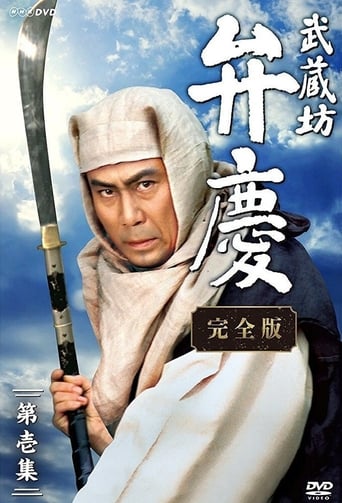 NR
NRAfter being carried in his mother’s womb for three years, Benkei is born with long hair and teeth and the body of a small child. It is said that he immediately laughed and commented on the brightness of the outside world, leading local people in his native Kii (modern Wakayama) to proclaim that he is a devil. Abandoned on a mountainside, he is adopted by Dainagon, a Kyoto resident who rears him until age seven when he leaves to become a monk. Thrown out of the monastery for his violent behavior, Benkei wanders Japan in search of enlightenment, though only trouble seems to find him. After accidentally causing a temple to burn down, he decides to begin a quest to defeat 1,000 of the hated Heike samurai in battle and donate their swords to a temple. Obtaining the first 999 swords proves relatively easy but the final weapon belongs to Yoshitsune, a young boy whose appearance belies his great skill as a warrior.
Musashibo Benkei
1986
 NR
NRThrough the lives of people aging in a seaside retirement home, the drama depicts the aging process that comes to everyone.
Korekara: Umibe no Tabibitotachi
1993
 NR
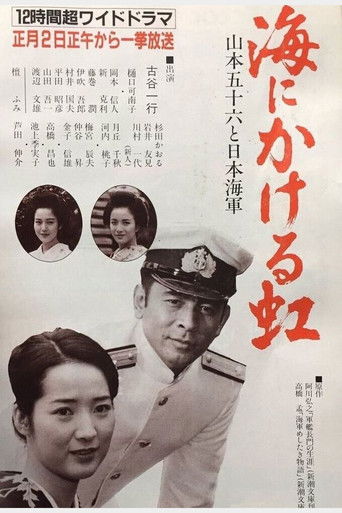
NRThe tumultuous life of the fallen Isoroku Yamamoto is depicted, along with his family, friends, and subordinates, his bonds with the women who loved and watched over him, and the sorrows of the nameless people who have disappeared in the torrent of history.
Umi ni kakeru Niji: Yamamoto Isoroku to Nippon Kaigun
1983