
Acting
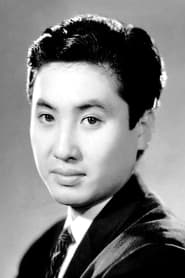
Kinnosuke Nakamura
Born — Died
1932-11-20 — 1997-03-10
Place of birth
Tokyo, Japan
Known for
Acting
Credits
76 titles
From Wikipedia, the free encyclopedia Yorozuya Kinnosuke (萬屋錦之介) was a Japanese kabuki actor. Born Kin'ichi Ogawa (小川 錦一 Ogawa Kin'ichi), son of kabuki actor Nakamura Tokizō III, he entered kabuki and became the first in the kabuki tradition to take the name Nakamura Kinnosuke. He took on his guild name (yagō) Yorozuya as his surname in 1971. In addition to his kabuki activity, Kinnosuke had an extensive film career. A specialist in jidaigeki, Kinnosuke appeared in more than 140 films. These include a 1957 Mito Kōmon and a 1961 appearance as the title character in the Toei Company's Miyamoto Musashi series (a role he reprised in 1962, 1963, 1964, and 1965, and again in 1971). A versatile a…
Known for
 8.1
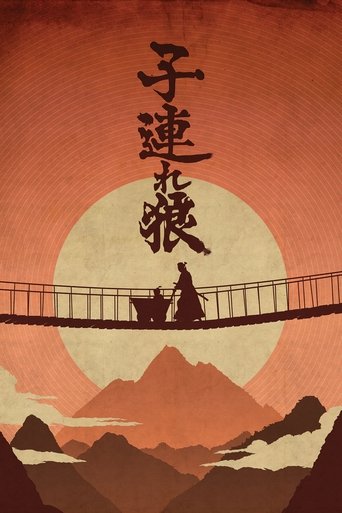
8.1Ogami Itto is a master swordsman who holds a position of high power in the Tokugawa Shogunate. Highly trusted by the Shogun, he serves as the official decapitator, assisting lords and samurai who have been ordered by the Shogun to commit seppuku. One day, Itto’s wife and members of his household are brutally murdered by a clan seeking to avenge their lord’s execution, which had been carried out by Itto. In the wake of the attack, two items are left in Itto’s home: his unhurt infant son, Daigoro, and a symbol meant to signify Itto’s betrayal of the Shogun. Disgraced by the false symbol, Itto is labeled a traitor and forced to forfeit his position. He becomes a ronin, wandering the country with his son, searching for the men who killed his wife, seeking to clear his name and avenge her death.
Lone Wolf and Cub
1973
 NR
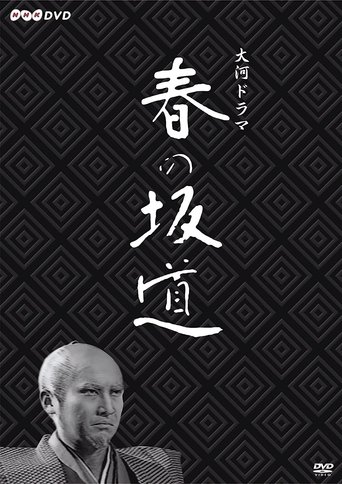
NRThe story chronicles the life of Yagyū Munenori.
Haru no Sakamichi
1971
 7.0
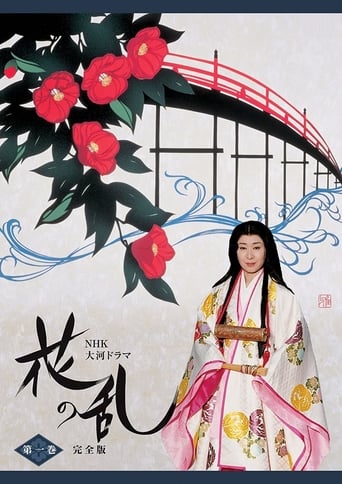
7.0The story takes place during the Muromachi period of Ancient Japan, in the midst of the Ōnin War. The main character in the series is Tomiko Hino, a historical figure with a bad reputation because of her actions to rebuild Kyoto after the Ōnin War.
Hana no Ran
1994
 10.0
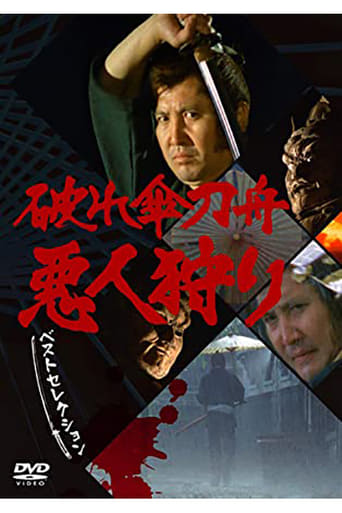
10.0Set in the Edo period, Kanou Toshu studied medicine in Nagasaki and lives on the outskirts of Senju-juku . He is also a master of the Mugai Ryu sword style. Although he has skills in medicine, he is also a big drinker and often drinks all day and falls asleep, or drinks at night and does not go home. He does not charge for treatment and medicine costs from poor patients such as tradesmen and farmers, but occasionally he'll buy their produce or drink with them. When he senses injustice by the rich and powerful, he takes matters into his own hands and doles out justice as he sees fit.
Swordsman With the Torn Umbrella
1974
 NR
NRBased on the novel of the same name by Jiro Ikushima, this drama series aired on NET TV (now TV Asahi) in 1972 for a total of 26 episodes. Starring the talented actor Kinnosuke Yorozuya, who had previously shown his skills in various period films such as "Mabuta no Haha," "Seki no Yatappe," and "Kutsukake Tokijiro: Yoyo ichi-hiki," the show follows the tragic hero and is sure to captivate audiences with its compelling storyline. Viewers are sure to be drawn into the drama and root for the protagonist as the story unfolds.
Wandering Wolf: Ryu the Branded Cross
1972
 NR
NRBased on Kazuo Koike's extensive manga (over 110 volumes), this Edo-period drama follows an unlikely pair of law enforcement officers. One is a serious, skilled investigator, while the other is a witty, unconventional problem-solver, creating a dynamic partnership. The series also features the charmingly unorthodox detective Suruyoshi in a notable period drama debut. A memorable and catchy soundtrack complements the engaging stories brought to life by a large and talented cast.
A Tale of Two Truncheons
1984
Film credits
1980s · 4 titles
 5.6
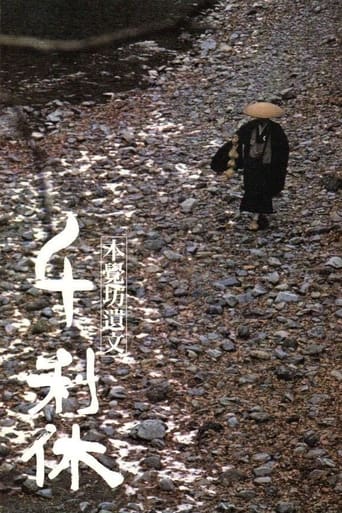
5.6Years after the death of legendary tea master Rikyu, his disciple Honkakubo attempts to resolve the mystery of the master's death.
Death of a Tea Master
1989
 5.7
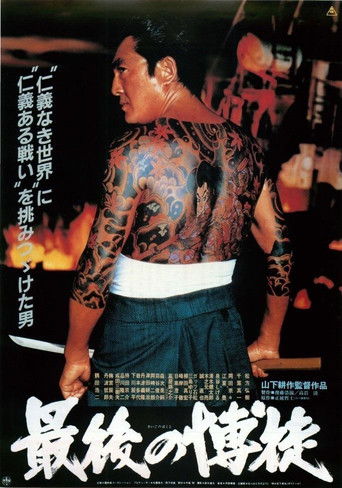
5.7A made man during the height of Hiroshima's yakuza turf war must maneuver through the violence and betrayal inside the criminal underworld.
The Last True Yakuza
1985
 10.0
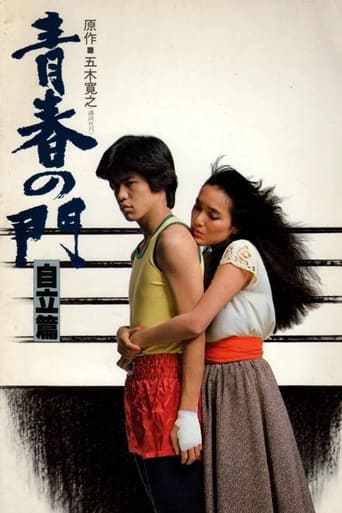
10.0Mid 50s: the trials and tribulations of Shinsuke Ibuki, freshly arrived in Tokyo from Kyushu.
Gate of Youth 2
1982
 9.0
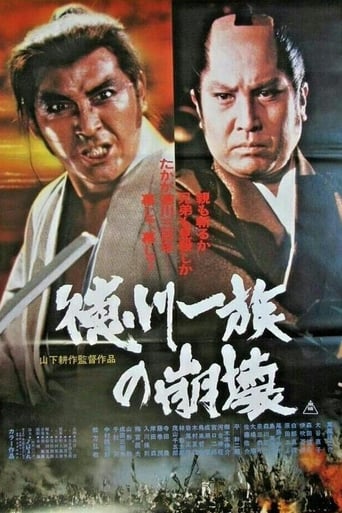
9.0No synopsis available yet.
Tokugawa Ichizoku no Houkai
1980
1970s · 5 titles
 7.0
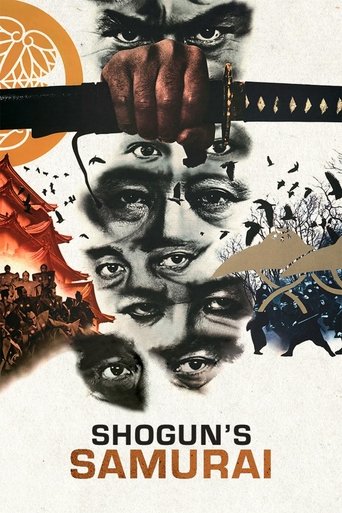
7.0Following the death of the second Tokugawa shogun, it is revealed that he was poisoned by retainers of his son Iemitsu in hopes of gaining him the shogunate despite the stammer and birthmark which undermine his respect. Iemitsu and his brother Tadanaga become bitter rivals for the shogunate, and the land is split into factions, eventually erupting into warfare. Iemitsu's mentor, his fencing instructor Yagyu, is fixated upon securing Iemitsu the shogunate and ends up betraying everyone, even his own family, in pursuit of the goal.
Shogun's Samurai: The Yagyu Clan Conspiracy
1978
 6.8
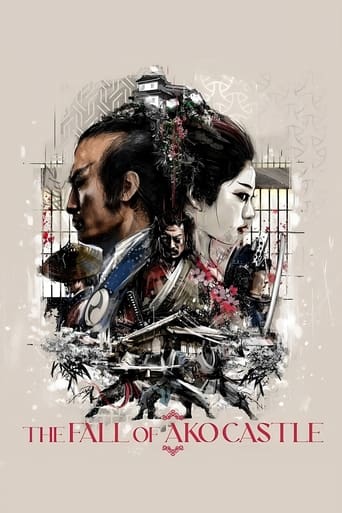
6.8This is the story of "The Forty-Seven Ronin." Based on historical events in 1701-2, the movie tells the tale of the Asano clan's downfall and the revenge of its former samurai on the perpetrator of the catastrophe. Lord Asano was goaded, or tricked, into drawing his sword inside the Shogun's palace -- a crime which carried the death penalty. The newly installed Shogun was furious at Asano and ordered all his clan's assets seized, meaning some 20,000 samurai and commoners were unemployed and landless at a stroke. Forty-seven of these ronin (masterless samurai) banded together to take attempt revenge on Lord Kira, who had goaded Asano into drawing his sword.
The Fall of Ako Castle
1978
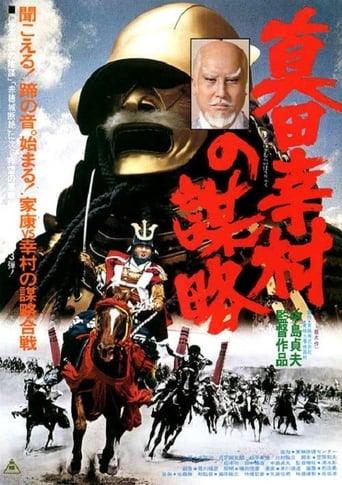 5.4
5.4This is a film about a real person. Sanada Yukimura fought a war against Tokugawa Ieyasu.
The Shogun Assassins
1979
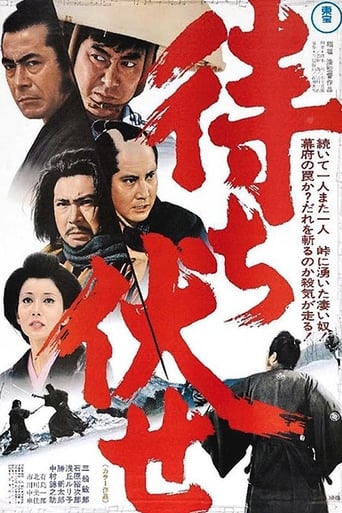 6.9
6.9In the Edo period, a nameless ronin accepts an assignment to go to a mountain pass and wait. Near the pass he stops at an inn where a collection of characters gather, including a gang set on stealing shogunate gold that's soon to come over the pass. When the Ronin's assignment becomes clear, to help the gang, he's ordered to kill the inn's residents, including a woman he's rescued from an abusive husband. He's reluctant to murder innocent people; then he learns that the gold shipment is a trap and he's part of a double cross. How he sorts through these divided loyalties tests of his samurai honor, and perhaps of his love for a woman.
Incident at Blood Pass
1970
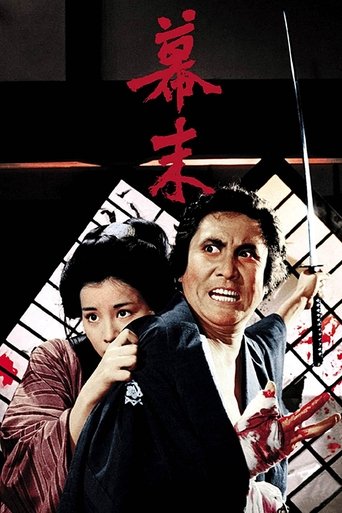 7.3
7.3The story of Ryoma Sakamoto, considered to be the architect behind the downfall of the Tokugawa shogunate. He was considered an outlaw by his own clan, hunted by his government, and was despised by supporters of the Shogun as well as the Loyalists for desiring the opening of Japan to the West in order to learn its technology, in the hopes of one day defeating the West with a modern army and navy.
The Ambitious
1970
1960s · 27 titles
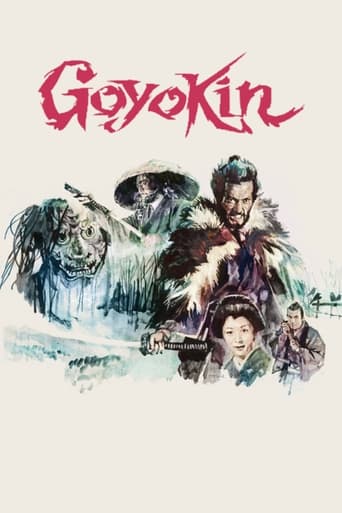 7.5
7.5A guilt-haunted samurai warrior attempts to stop a massacre taking place.
Goyokin
1969
 7.1
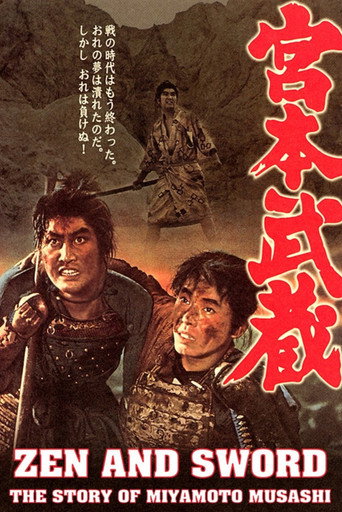
7.1In this first episode, we are introduced to Takezo, what Musashi used to be before he became the man of legend. His beginning are not exactly auspicious. He sides with the Toyotomi at Sekigahara, and as a result finds himself on the losing side of the historic battle. He and his friend Matahachi manage to escape the slaughter although the latter is wounded in his leg. They stumble across the young Akemi who makes her living with her mother Oko by robbing corpses of their armor and anything else they can sell. Oko takes it into her head to seduce Matahachi, which she does first by skillfully sucking the gangrene from his blood, and then just by sucking.
Miyamoto Musashi
1961
 7.1
7.1In the fourth installment, Musashi's potentially greatest opponent Kojiro jumps in and out of the story at the oddest and most coincidental moments. As his great love Otsu has succumbed to madness. Musashi then sets off to beat the functionaries of a treacherous clan in an arranged duel. 73 against one. Boastful Kojiro watches, secure in the knowledge that only he is a worthy opponent.
Miyamoto Musashi IV: The Duel at Ichijo-ji Temple
1964
 10.0
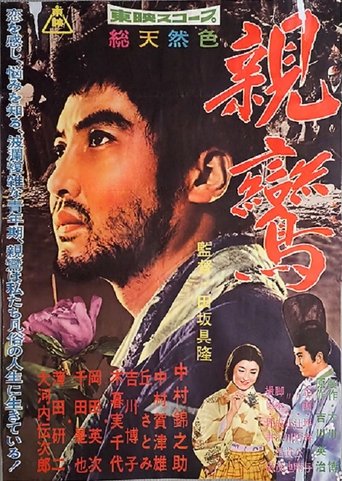
10.0A biographical movie about Shinran
Shinran
1960
 7.6
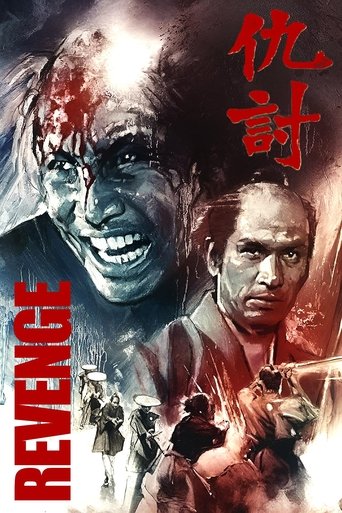
7.6An innocuous comment during a weapon inspection wounds the pride of low-ranking samurai Shinpachi, leading to an argument with his superior. The situation snowballs out of control, leading to a deadly duel and political fallout which threatens the entire clan. Declared mentally unstable by the corrupt authority, Shinpachi begins his descent into true insanity…
Revenge
1964
 7.4
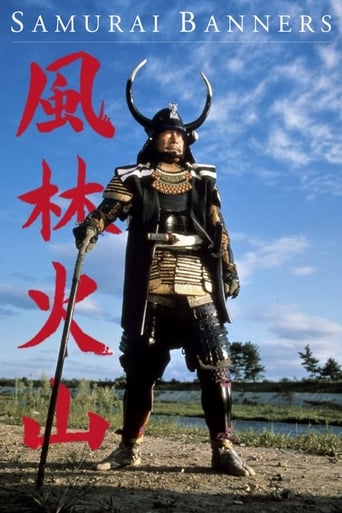
7.4Kansuke Yamamoto is a samurai who dreams of a country united, peaceful from sea to sea. He enters the service of Takeda, the lord of Kai domain. He convinces Takeda to kill the lord of neighboring Suwa and take his wife as a concubine. He then convinces the widow, Princess Yu, to accept this arrangement and to bear Takeda a son. He pledges them his life. He then spends years using treachery, poetic sensibility, military and political strategy to expand Takeda's realm, advance the claim of Yu's son as the heir, and prepare for an ultimate battle with the forces of Echigo. Has Kansuke overreached? Are his dreams, blinded by love, too big?
Samurai Banners
1969
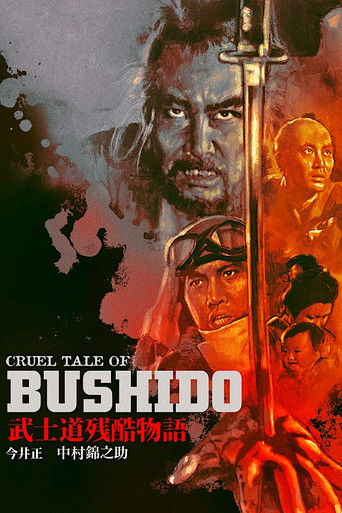 6.7
6.7After a salary-man's fiancée attempts suicide, he recounts his gruesome family history which saw generations of his ancestors suffer and sacrifice themselves for the sake of their cruel lords.
Bushido: The Cruel Code of the Samurai
1963
 6.7
6.7Young lord Saburo Nobuyasu struggles to find comfort in life. His arranged marriage to Tokuhime, daughter of one-time family enemy Oda Nobunaga, provides little happiness. His manipulative mother adds further complications through her constant interference and attempts at defeating the Nobunaga family.
The Conspirator
1961
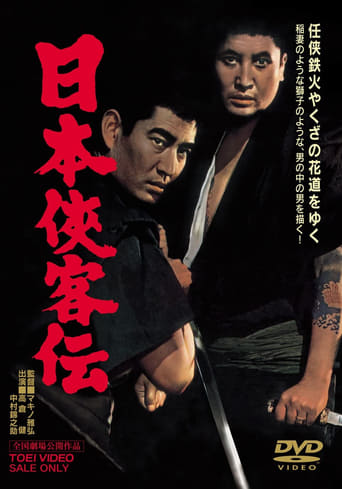 6.5
6.5The feud between two rival delivery companies, Kibamasa and Okiyama, heats up as the head of Kibamasa falls ill.
The Domain
1964
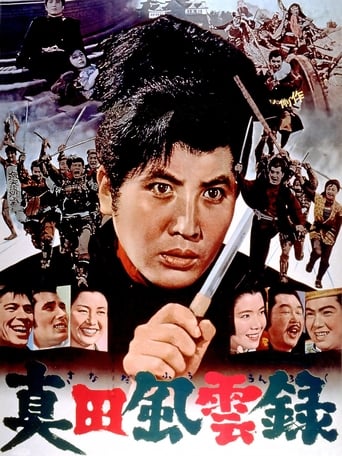 6.6
6.6Osaka in the early 1600s, aftermath of the historical Battle of Sekigahara; a group of orphan children are wandering through the battlefield scavenging for armour when they encounter a young boy named Sasuke with magical powers he says came from a meteor that crashed onto the Earth…
Sasuke and His Comedians
1963
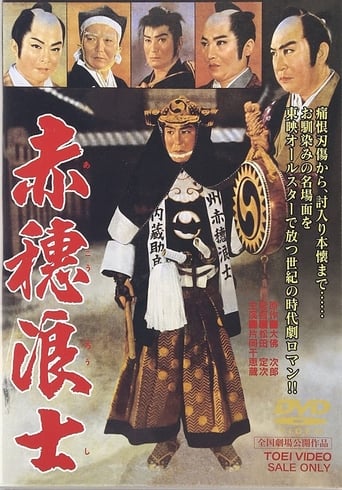 6.0
6.0Toei’s 10th anniversary film, featuring an all-star cast from the golden movie era of the 1960s. A famous story of the 47 loyal samurai. When Lord Asano is unjustly executed, his loyal retainers strike back for revenge.
The Ako Retainers
1961
 7.5
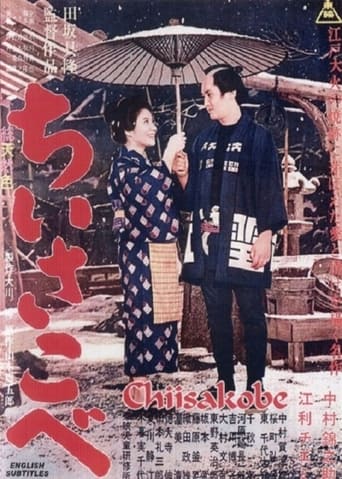
7.5A carpenter, Shigetsugu, learns a lesson of love and humanity from five orphaned children and an affectionate woman named Oritsu. It's a winning combination of drama and humor. The warm friendship that grows between the carpenter, the woman and the children making this into a true masterpiece.
A Carpenter and Children
1962
 7.8
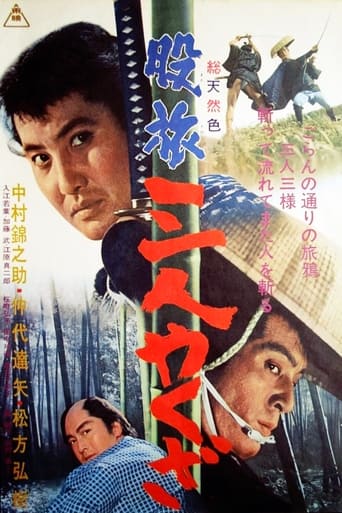
7.8A tale of three Yakuza gamblers who traveled Japan during the samurai era living by their wits and sword skills. Told in 3 separate vignettes, each part tells the story of a different drifter’s life. Part 1: A man is on the run after killing two Hasshu Officials to avenge his Boss. He must make a life or death decision as he is asked to protect a gang from attack. Part 2: A pair of gamblers chased out of a crooked game must fight not only their pursuers, but the ghosts of their pasts as well. Part 3: A wanderer who wants to live according to the Yakuza Code, but is not sure that he can do so when asked to save a town from an evil official.
Three Yakuza
1965
 6.9
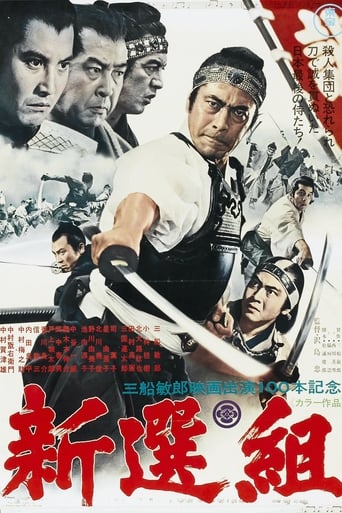
6.9Near the end of the nineteenth century, as the balance of power shifts from Shogunate towards the Emperor, Japan restlessly awaits the dawning of a new age. But not all are content...The Shinsengumi, a small army of samurai, farmers and peasants, band together to do battle against the tide of history. Their leader, Isami Kondo is a man who rises from farmer to fighter to head the fierce Shinsengumi brigade. Using a stern hand and a heart of gold, he rallies his men in defense of the tottering Shogunate. But bloodshed and treachery lurk around every corner.
Shinsengumi: Assassins of Honor
1969
 7.0
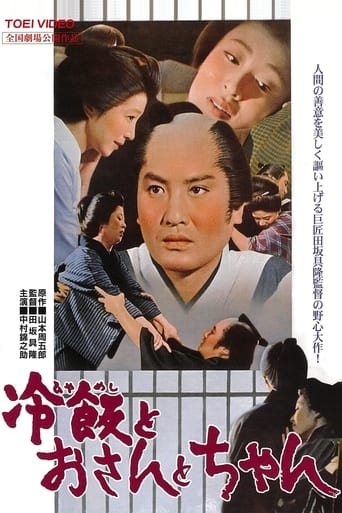
7.0Three stories revolve around independence, a man searching for his wife, and a poor craftsman trying to make money.
Cold Rice, Osan, Chan
1965
 10.0
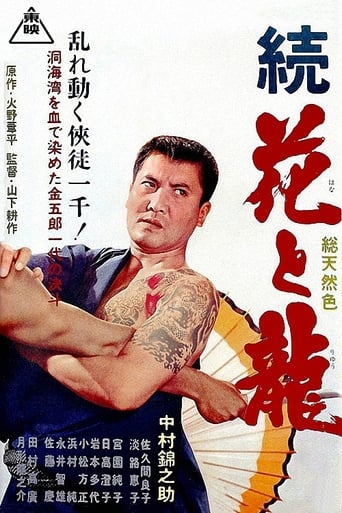
10.0The sequel of "Flower and Dragon". Kingoro Tamai founded a family in the port of Wakamatsu. He unites people with his courage, and revolts against the entrepreneur Oki Nakashi, who is teeming with vices. Kingoro and his family are also forced to fight against the Ezaki-Gumi group, which is opposed by Tomoda Kizo, who is trying to control the port of Wakamatsu.
Flower and Dragon: Duel of the Sea Caves
1966
 8.0
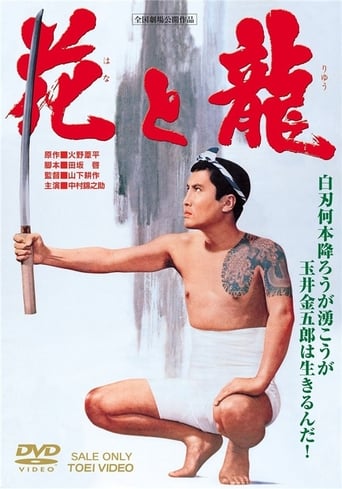
8.0A story of manly life and the beauty of conjugal love. A story about a man and a woman establishing a family of longshoreman, centering on their love and struggle.
The Flower and the Dragon
1965
 6.9
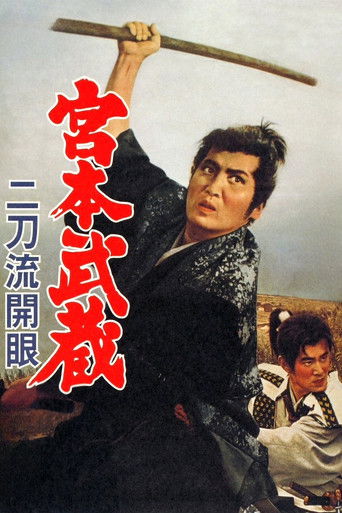
6.9In the third installment of Yoshikawa's novel Musashi, things continue from the 2nd film at the end of battle, where Miyamoto continues on a mission of learning; with the introduction of his arch-rival Sasaki Kojiro; and lastly the large cast of characters rendezvouses for a fateful finale.
Miyamoto Musashi III: Birth of Two Sword Style
1963
 9.0
9.0A film adaptation of Masatsugu Nobuhiko's novel of the same name, directed by Tasaka Tomotaka and starring Nakamura Kinnosuke. This literary epic tells the story of how the protagonist, who has become mired in evil due to his poverty and low position, eventually awakens to humanity through an encounter with a nun. Shark was born without a father in a fishing village where the main occupation is catching sharks. In his poor and humiliating life, his only source of comfort is the tender love of his mother. However, on the night of a festival, the village burns to the ground and his mother dies. Left alone, Shark sets off for Kyoto with an old caster.
The Sharks
1964
 NR
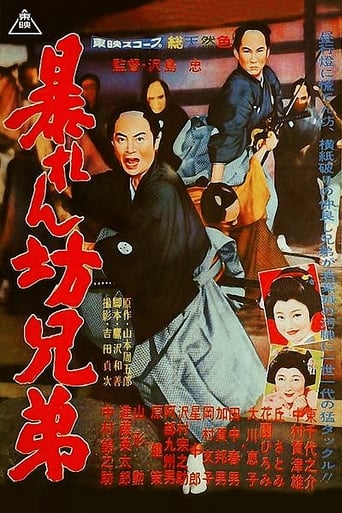
NRTaisuke is kind-hearted but overall lacks ambition. Taizo is smarter, but given to fits of emotion and impulsive violence. The samurai brothers fight against corruption in a castle.
Unwieldy Brothers
1960
 5.8
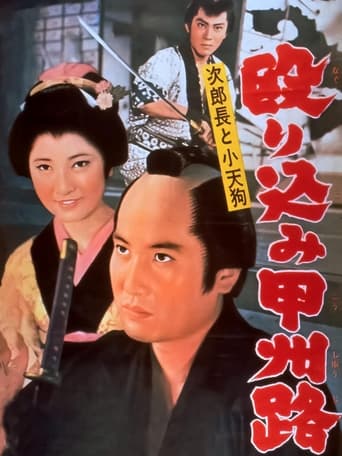
5.8In this tale of bravery and honor among the roving gamblers of old Japan, the heroic Jirocho, Boss of the Tokaido is called upon to help a young yakuza named Eijiro after he runs afoul of the new samurai officials who have taken over his hometown. Expertly portrayed by Kitaoji Kinya (son of the all-time great star Ichikawa Utaemon), this young man stands up for the townspeople and puts his life on the line. Jirocho, played by superstar Nakamura Kinnosuke, a boss known for his honor and valor soon finds himself involved in the feud which will only end in a brutal showdown.
A Revengeful Raid
1962
 7.2
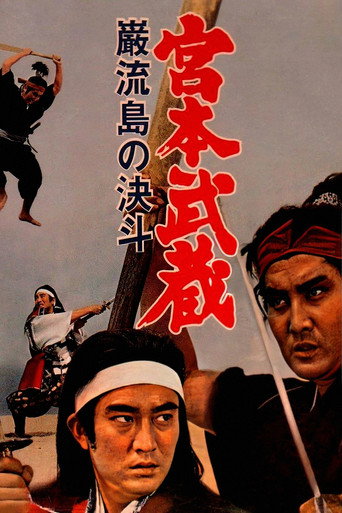
7.2The fifth and final installment with the build up of the epic battle between Sasaki Kojiro and Miyamoto Musashi. With all the familiar characters making appearances: Otsu (Musashi's great love), Akemi, Matahachi (his former fellow soldier), old lady Osugi (still doggedly trying to defeat Musashi), and even the return of Priest Takuan (the man responsible for his journey towards enlightenment). But most of all, the boastful, long-haired and long-sworded Sasaki Kojiro.
Miyamoto Musashi V: Musashi vs Kojiro
1965
 7.9
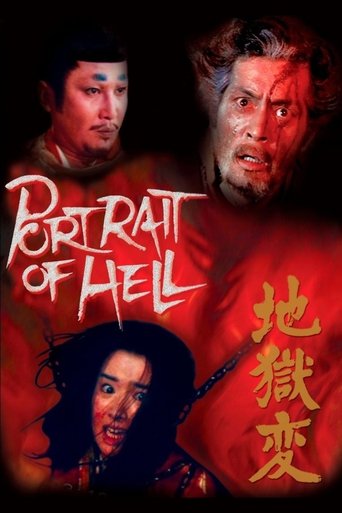
7.9The story, set in the Heian era, depicts the conflict between Korean painter Yoshihide (Nakadai) and his Japanese patron, the cruel and egotistical daimyo Horikawa (Nakamura). It is based on the 1918 short story Hell Screen by Ryūnosuke Akutagawa.
Portrait of Hell
1969
 7.2
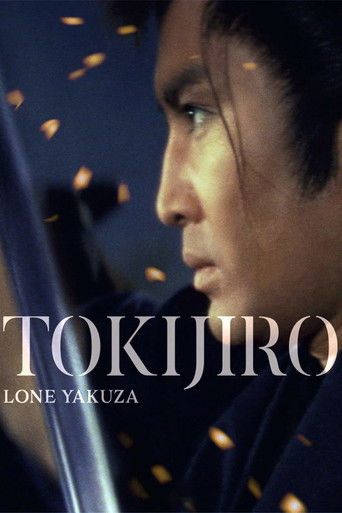
7.2Tokijiro has the unfortunate duty according to the code of the gamblers to join in the fighting when afforded a night’s stay and meals at the home of a town boss. Though he dislikes killing, the strength of his swordsmanship will be tested time and time again in the bloody tale.
Tokijiro: Lone Yakuza
1966
 7.0
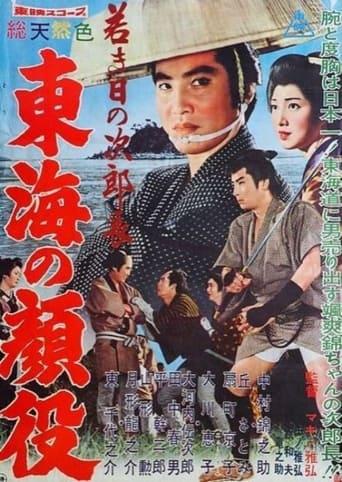
7.0His skill and courage were the best in Japan! The life story of Jirocho, a man who protected people on the Tokaido Road. The fearless Kinnosuke Nakamura enthusiastically plays the young Jirocho from Shimizu in this chivalrous story.
Jirocho’s Days of Youth: Boss of the Tokai Region
1960
 6.5
6.5Fishmonger Tasuke and Shogun Iemitsu swap their identities in pretence for the protection of Iemitsu.
The Shogun and the Fishmonger
1961
 7.3
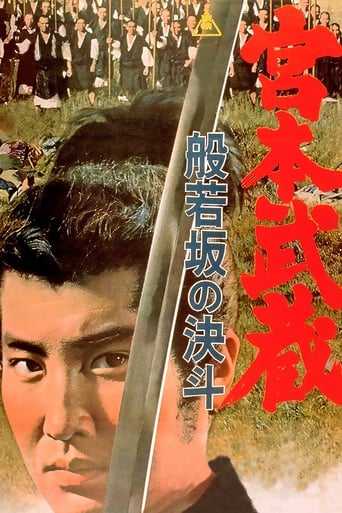
7.3The remake of Yoshikawa's novel continues with the second installment in which Takezo, soon to be Miyamoto Musashi, emerges from the Himeji Castle after three years of intense contemplation and philosophical study and starting on his epic quest to complete his skill in the Way.
Miyamoto Musashi: Showdown at Hannyazaka Heights
1962
1950s · 23 titles
 5.2
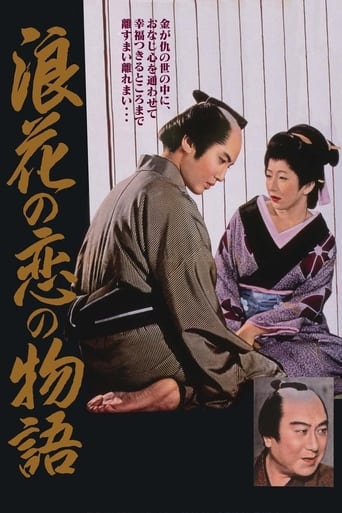
5.2Chubei, the adopted son of an Osaka courier, falls desperately in love with the courtesan Umegawa. To prevent a wealthy client from purchasing her, he steals money from his employer to buy her freedom himself. Now hunted criminals, the lovers flee toward Yamato, pursued by the law.
Chikamatsu's Love in Osaka
1959
 7.0
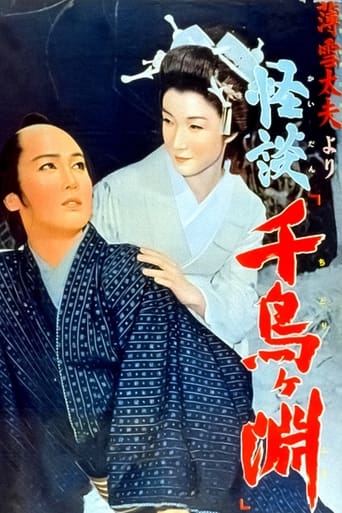
7.0A man’s wife dies in a swamp. Her ghost returns to haunt him.
The Swamp
1956
 NR
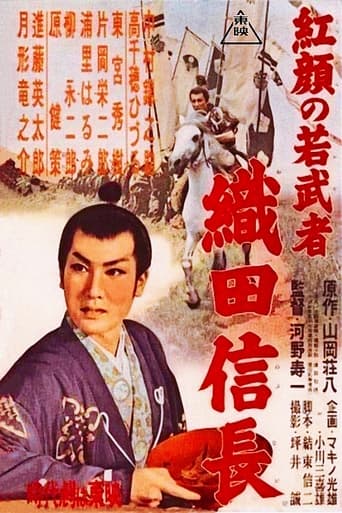
NRA dynamic story depicting the rise to power of Oda Nobunaga. The story of a young man on the battlefields of the Sengoku era, who possessed character and courage, and who became a great commander and ruler, while some called him a great dictator. A film adaptation of the novel by Sohachi Yamaoka.
Young Ruddy Warrior: Nobunaga Oda
1955
 NR
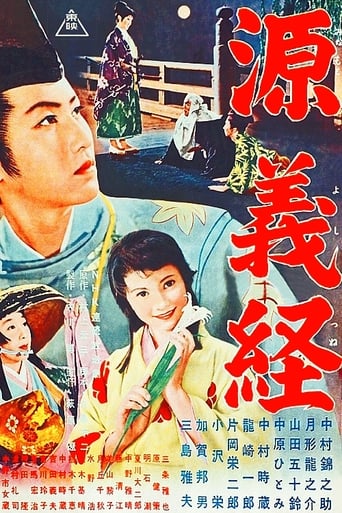
NRA historical scroll depicting the story of the tragic fate of the young samurai Minamoto Yoshitsune, based on the novel by Genzo Murakami. The action of the first part takes place in the late Heian period, when the Taira clan came to power, and Genji was oppressed. The great dream and ambitions of Genkuro Yoshitsune in his youth are depicted, he joins forces with his older brother Yoritomo to raise an army to defeat the Taira clan, and the second part depicts the fall of the clan, persecution and murder.
Minamoto Yoshitsune
1955
 7.0
7.0Thanks to a secret message hidden on the two sacred swords Kaen and Suien, the samurai Genji Kurô (Nakamura Kinnosuke) found the hidden treasure of Lord Yoshitsune. When he gives a piece of the treasure to a couple of poor but honest people so they can pay their debts, it attracts the unwanted attention of several dishonest people, such as pirates, greedy merchants and rebels. While the government is fighting a battle for power against rebels and royalists, all want the treasure by any means possible.
Tales of Young Genji Kuro 2
1958
 NR
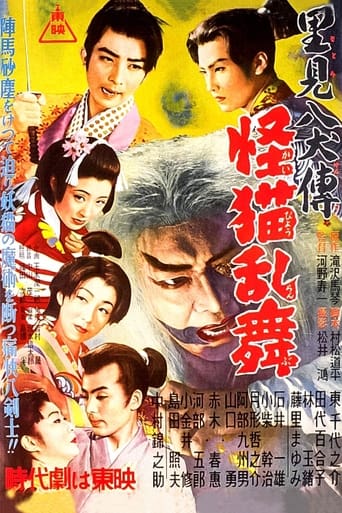
NRThe third part of the series of films based on the Japanese epic novel Nanso Satomi Hakkenden by Kyokutei Bakin.
Sorcerer's Orb: Part 3
1954
 7.5
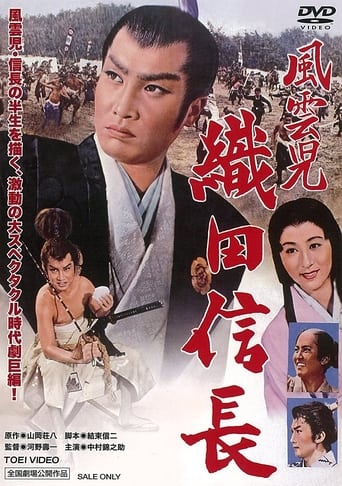
7.5Oda Nobunaga (1534–1582) was a major daimyo during the Warring State period of Japanese history. He was the second son of Oda Nobuhide, a deputy military governor with land holdings in Owari province. Nobunaga lived a life of continuous military conquest, eventually conquering a third of Japanese daimyo before his death in 1582. Telling the story of his rise to prominence as he leads an army of 4,000 men against the 40,000 troops of Lord Imagawa Yoshimoto to prevent the arrogant daimyo from crushing the Oda clan and taking control of the entire nation. From a newly restored anamorpic widescreen print, this is the ultimate warlord movie.
Lucky Adventurer Nobunaga Oda
1959
 7.0
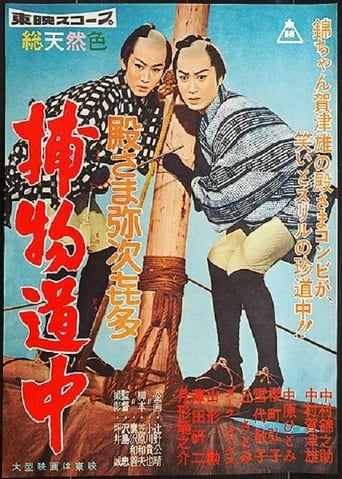
7.0Two thrill seeking young lords sneak out of their castles and travel under the disguise of townsmen.
Diary of a Wandering Lord
1959
 6.6
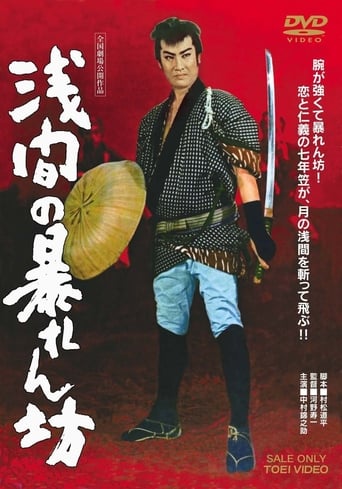
6.6When Boss Juzo's Shinmachi Yakuza family struck fear into the hearts of his adversaries, Boss Shohei's Okabe Yakuza family with a merciless gang of raiders, Itaro of Asama was missing. With the courage of a lion he had gone off to face the enemy and settle the score all by himself. As a result he had to take the blame in place of Boss Shohei, and went off to adventures on his own.
Roughneck From Asama
1958
 7.0
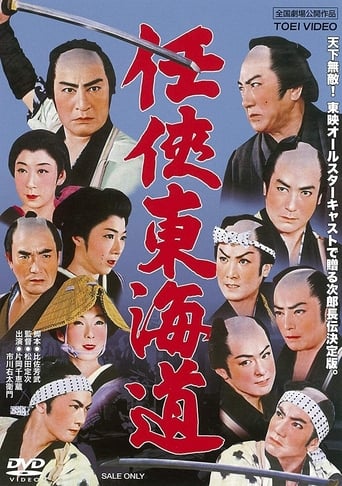
7.0An all-star cast highlights this Jidai-Geki classic. Set in the samurai era, this is the tale of period Yakuza. One of the real classics in this genre. Jirocho, an honorable and respected gang boss, uncovers a conspiracy organized by his rivals while on a quest to bring justice to three murders. Some of the most famous actors from Toei studios make this a must-see for everyone! Featuring a very young Nakamura Kinnosuke, who went on to become one of Japan's mosted noteworthy actors under the name Yorosuya Kinnosuke. This is one of the best examples his early work.
A Chivalrous Spirit
1958
 7.0
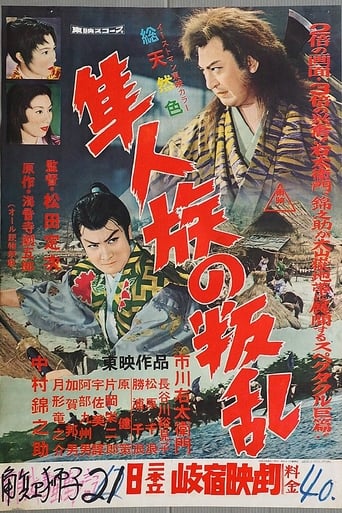
7.0In the mist of the warring age (Sengoku Era), the Kyushu based Hayato Clan is faced with a monumental battle to determine their survival.
Rebellion
1957
 8.0
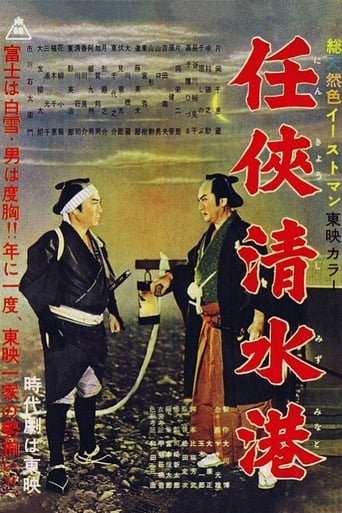
8.0An all-star cast highlights this Jidai-Geki classic. Set in the samurai era, this is the tale of period Yakuza. One of the real classics in this genre. In this dramatic portrayal of the real-life gambling boss Jirocho, a good-hearted and honest boss sets out to take revenge for a fellow boss. At the same time, the other local bosses, in a bid to increase their own power, plot to dispose of Jirocho. Starring Kataoka Chiezo in one of his signature roles, this is an excellent portrayal of a figure who is not well known outside of Japan. Co-starring Nakamura Kinnosuke, this exciting tale of period yakuza brings history to life.
Shimizu Port of Chivalry
1957
 7.0
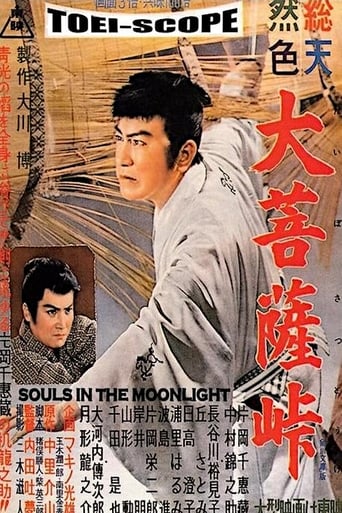
7.0First part of the famous Dai-bosatsu toge trilogy, based on Kaizan Nakazato’s unfinished long series of novels (41 books, written from 1913 to 1941). Set in the last period of the Tokugawa Shogunate, Daibosatsu Toge tells the story of Tsuke Ryunosuke, a nihilistic swordmaster who doesnt hesitate to kill anyone, bad or good. Despite the authors explicit refusal, the series were later made into plays and movies several times.
Souls in the Moonlight
1957
 9.0
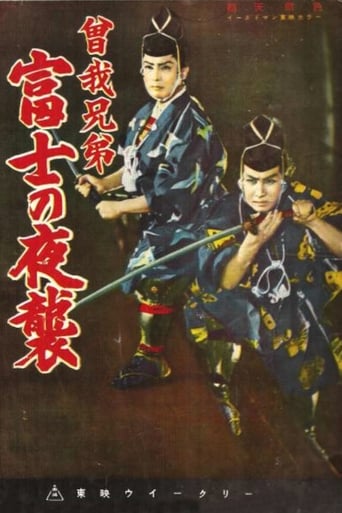
9.0No synopsis available yet.
Avenging Father
1956
 NR
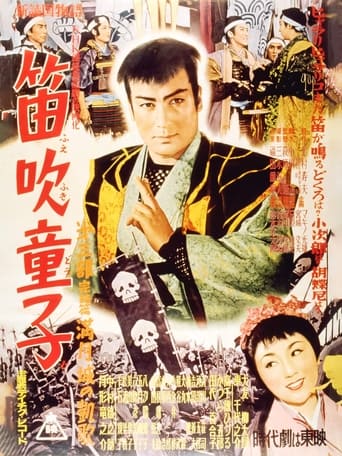
NRAfter the Onin War ended in 1477, Kyoto was left in ashes and the nation was in complete disorder. Bands of roving samurai called the "nobushi" terrorized the country under the leadership of Akagaki Genba and overthrew Mangetsu Castle in Tanba Province scattering the few survivors. Lord Niwa's two sons have been studying in China and return to Japan upon hearing of the tragedy in an attempt to restore the clan. On Mt. Oe they meet magician Kiri no Kojiro and try to enlist his aid. With touches of the supernatural and rousing sword-play can they succeed against the evil villains whose symbol is the skull mask?
Clan Revival
1954
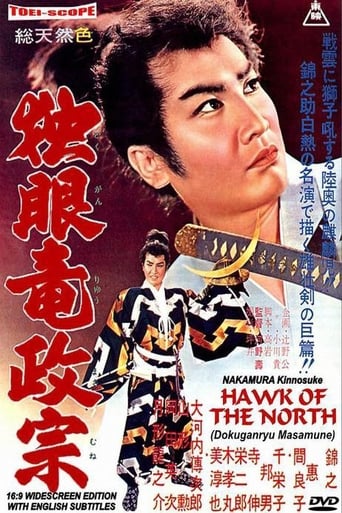 5.3
5.3During the latter part of the 16th Century, Japan's Warring States era was coming to a close. After crushing almost all of his enemies, Date Masamune aka the "Hawk of the North" sets his eyes on Hatakeyama's lands. The young warlord is about to face his greatest challenge.
Hawk of the North
1959
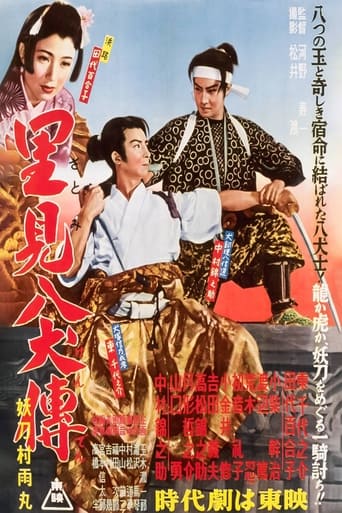 NR
NRThe first part of the series of films based on the Japanese epic novel Nanso Satomi Hakkenden by Kyokutei Bakin
Sorcerer's Orb: Part 1
1954
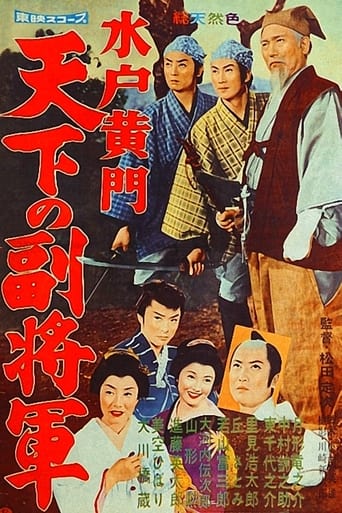 8.2
8.2After settling the matter of shogunal succession, the retired Old Lord of Mito finds himself in a sea of trouble when he gets involved in the succession of the Takamatsu clan. The usurpers try by every means to effect their takeover, even if it leads to blood being spilled. Along with Kaku and Suke, the elder must face the most dangerous time of his life, in a battle against those corrupt individuals who would use any means to further their dastardly conspiracy, regardless of how many lives might be destroyed. The great Misora Hibari gives a bravura performance, as does the rest of this all-star cast. This is another outstanding effort on the part of the Toei Films, blending fact and fiction to bright back Japan’s golden era of the Genroku period.
Lord Mito 2: The Nation's Vice Shogun
1959
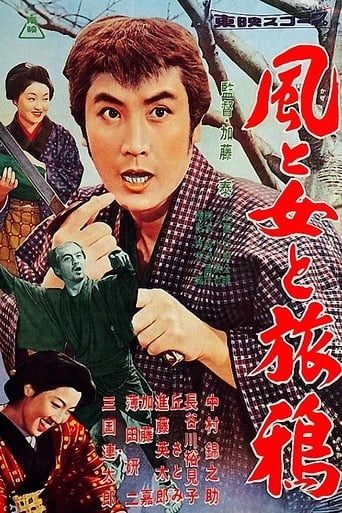 7.8
7.8A chance meeting between two traveling gamblers leads to a case of mistaken identity when the farmers transporting gold to the governor think they are about to be robbed as the two gamblers face off against each other swords in hand.
Wind, Woman and Road
1958
 6.6
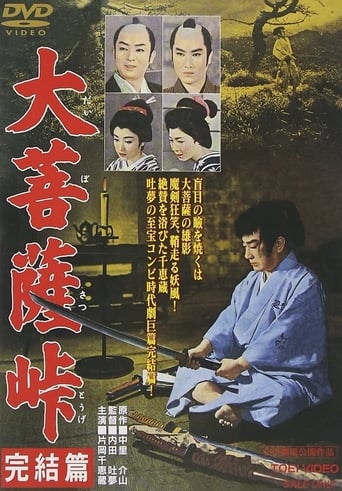
6.6Master swordsman, Tsukue Ryunosuke is confronted by the families of his victims. Will justice be served for the lost innocent lives? The conclusion of the famed Jidaigeki series is an amazing film, with a completely different perspective on the story from the later versions. While the international audience is more familiar with the “Sword of Doom” and “Satan’s Sword” versions of Daibosatsu Toge (The Great Bodhisattva Pass), the “Souls in the Moonlight” trilogy casts an entirely different light on Ryunosuke and his motives. Can this brutal killer be brought to justice, or is living his life as a blind wanderer a more terrible fate? His sword skills have not diminished, nor has his desire to kill!
Souls in the Moonlight III
1959
 6.5
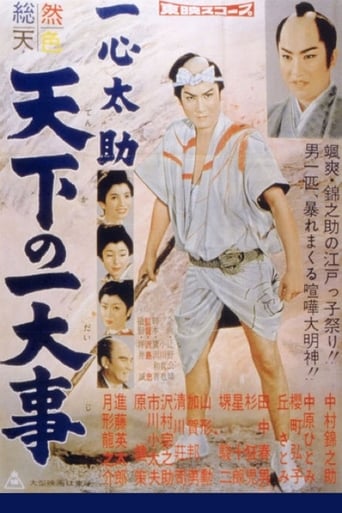
6.5Tasuke stumbles across Kokichi, a distraught man whom having lost his fiancee to Lord Kawakatsu is ready to commit suicide. Tasuke learns that Kokichi's fiancee, Otoyo, was a chambermaid whom Kawakatsu abducted in order to make her his concubine and Tasuke feels compelled to right this wrong. Meanwhile Kawakatsu is dealing in black-market lumber and receiving kick-backs but unbeknownst to him he is under investigation by Lord Izu, one of the Shogun Elders. Will Tasuke be able to rescue Otoyo from the clutches of Lord Kawakatsu and can Lord Izu put an end to his money hungry evildoings.
Isshin Tasuke: A World in Danger
1958
 NR
NRIn the third entry into this mega-hit series, Isshin Tasuke, a spirited fishmonger in Edo who looks just like Shogun Iemitsu undergoes a series of unforeseen troubles in his newly wedded life.
Isshin Tasuke: A Man Among Men
1959
 NR
NRThe 5th and final part of the series of films based on the Japanese epic novel Nanso Satomi Hakkenden by Kyokutei Bakin
Sorcerer's Orb: Part 5
1954
Series credits
8.1Ogami Itto is a master swordsman who holds a position of high power in the Tokugawa Shogunate. Highly trusted by the Shogun, he serves as the official decapitator, assisting lords and samurai who have been ordered by the Shogun to commit seppuku. One day, Itto’s wife and members of his household are brutally murdered by a clan seeking to avenge their lord’s execution, which had been carried out by Itto. In the wake of the attack, two items are left in Itto’s home: his unhurt infant son, Daigoro, and a symbol meant to signify Itto’s betrayal of the Shogun. Disgraced by the false symbol, Itto is labeled a traitor and forced to forfeit his position. He becomes a ronin, wandering the country with his son, searching for the men who killed his wife, seeking to clear his name and avenge her death.
Lone Wolf and Cub
1973
NRThe story chronicles the life of Yagyū Munenori.
Haru no Sakamichi
1971
7.0The story takes place during the Muromachi period of Ancient Japan, in the midst of the Ōnin War. The main character in the series is Tomiko Hino, a historical figure with a bad reputation because of her actions to rebuild Kyoto after the Ōnin War.
Hana no Ran
1994
10.0Set in the Edo period, Kanou Toshu studied medicine in Nagasaki and lives on the outskirts of Senju-juku . He is also a master of the Mugai Ryu sword style. Although he has skills in medicine, he is also a big drinker and often drinks all day and falls asleep, or drinks at night and does not go home. He does not charge for treatment and medicine costs from poor patients such as tradesmen and farmers, but occasionally he'll buy their produce or drink with them. When he senses injustice by the rich and powerful, he takes matters into his own hands and doles out justice as he sees fit.
Swordsman With the Torn Umbrella
1974
NRBased on the novel of the same name by Jiro Ikushima, this drama series aired on NET TV (now TV Asahi) in 1972 for a total of 26 episodes. Starring the talented actor Kinnosuke Yorozuya, who had previously shown his skills in various period films such as "Mabuta no Haha," "Seki no Yatappe," and "Kutsukake Tokijiro: Yoyo ichi-hiki," the show follows the tragic hero and is sure to captivate audiences with its compelling storyline. Viewers are sure to be drawn into the drama and root for the protagonist as the story unfolds.
Wandering Wolf: Ryu the Branded Cross
1972
NRBased on Kazuo Koike's extensive manga (over 110 volumes), this Edo-period drama follows an unlikely pair of law enforcement officers. One is a serious, skilled investigator, while the other is a witty, unconventional problem-solver, creating a dynamic partnership. The series also features the charmingly unorthodox detective Suruyoshi in a notable period drama debut. A memorable and catchy soundtrack complements the engaging stories brought to life by a large and talented cast.
A Tale of Two Truncheons
1984
 NR
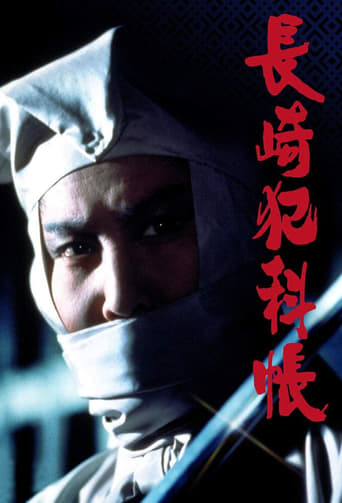
NRThe drama depicts in the late Edo period in Nagasaki, Hiramatsu takes up Nagasaki bugyō`s head post. He likes alcohol and women. Furthermore He is always willing to accept a bribe from villains so they consider it is easy to manipulate him. But he is just pretending to be idiot and he kills villains who escape justice despite their crimes.
The Nagasaki Crime Chronicles
1975
 8.0
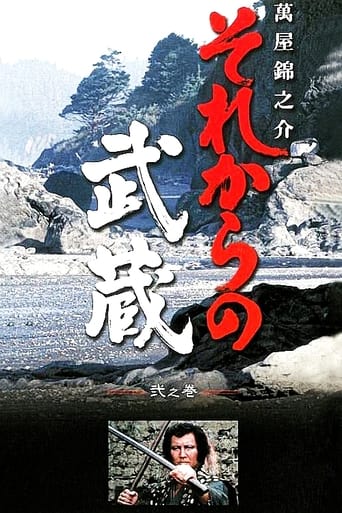
8.0After 2 years of completely isolation in mountains, Musashi comes back in order to live a normal life. However, after his duel against Kojiro Sasaki he has many enemies who want to kill him...
The Man of Five Rings
1981
 NR
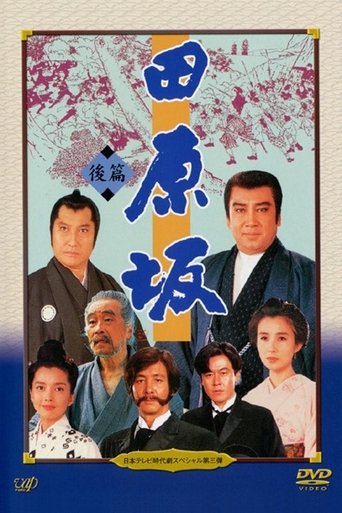
NRKnown as the ”Last Samurai” Saigo Takamori was a stout giant of a man with a huge head and a neck like a bear. As the leader of Satsuma’s anti-Western faction, he was instumental in establishing the Sat-Cho Alliance dreamed of by Sakamoto Ryoma. After the fall of the Tokugawa, Saigo rose to major prominence before falling in disfavor. In 1876 Saigo Takamori resigned from his government post and went back to Kagoshima. He founded a local military school and dissatisfied samurai gathered around him in large numbers. In late 1876 it came to an open conflict when samurai rebels raided and occupied ammunition and weapon depots of the central government. The samurai rebels urged and proclaimed Saigo Takamori as their leader.
Tabaruzaka
1987
No synopsis available yet.
子連れ狼
1984
 NR
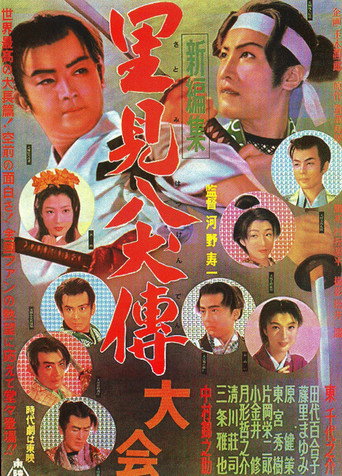
NRNo synopsis available yet.
Sorcerer’s Orb
1954
 NR
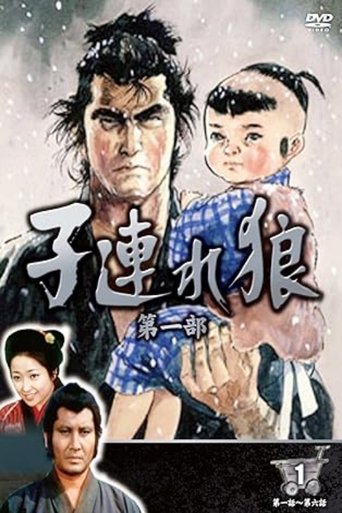
NRNo synopsis available yet.
子連れ狼 (萬屋錦之介版)
1973
 NR
NRNo synopsis available yet.
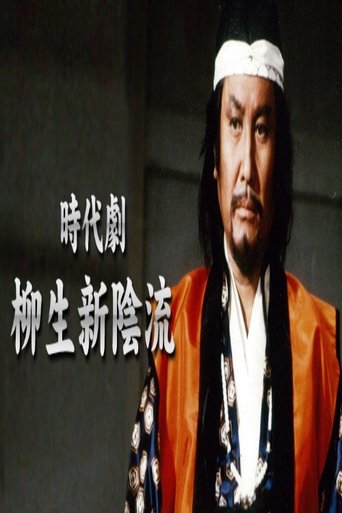
柳生新陰流
1982
 NR
NRNo synopsis available yet.
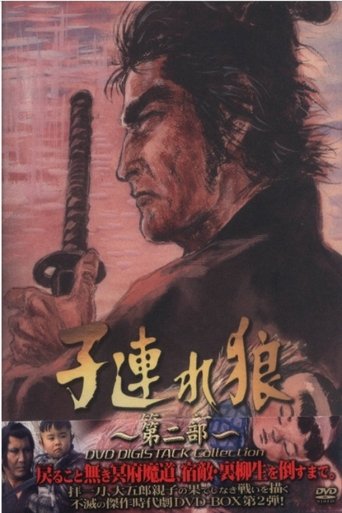
子連れ狼2
1974
 NR
NRNo synopsis available yet.
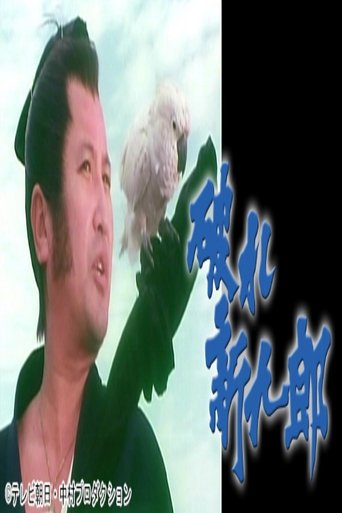
破れ新九郎
1978
 NR
NRNo synopsis available yet.
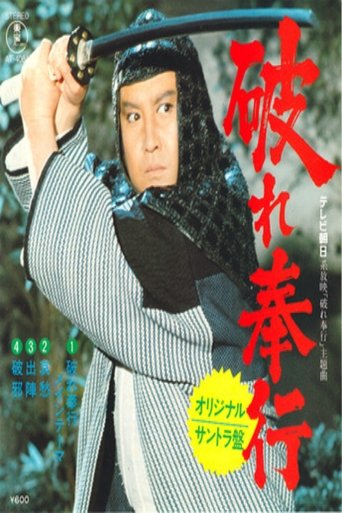
破れ奉行
1977