
Sound
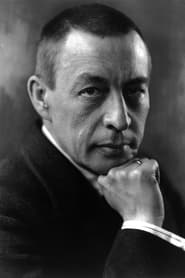
Sergey Rachmaninoff
Born — Died
1873-04-01 — 1943-03-28
Place of birth
Semеnovo, Novgorodskaya guberniya, Rossiyskaya imperiya (Russia)
Known for
Sound
Credits
4 titles
Sergei Vasilyevich Rachmaninoff was a Russian composer, virtuoso pianist and conductor of the late Romantic period, some of whose works are among the most popular in the Romantic repertoire. Born into a musical family, Rachmaninoff took up the piano at age four. He graduated from the Moscow Conservatory in 1892, having already composed several piano and orchestral pieces. In 1897, following the negative critical reaction to his Symphony No. 1, Rachmaninoff entered a four-year depression and composed little until successful therapy allowed him to complete his enthusiastically received Piano Concerto No. 2 in 1901. For the next sixteen years, Rachmaninoff conducted at the Bolshoi Theatre, re…
Known for
 NR
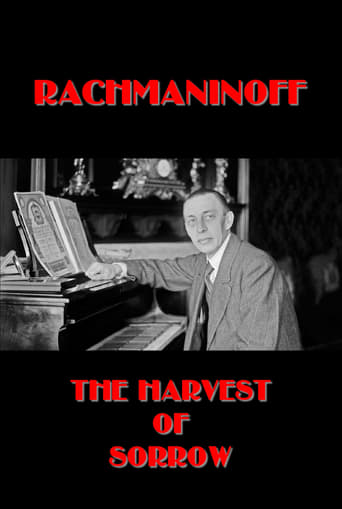
NRTony Palmer tells the life story of Sergei Rachmaninoff through the use of home movies, concert footage, and interviews. John Gielgud reads from Rachmaninoff's diaries in a voiceover.
Rachmaninoff: The Harvest of Sorrow
1998
 7.5
7.5Documentary about the birth of bossa-nova, in Brazil, and the major stars of this musical style.
Coisa Mais Linda - Histórias e Casos da Bossa Nova
2005
 NR
NRAlexander Scriabin (1872–1915) born in Moscow, was an innovative, mystical, avant-garde Russian pianist and composer. This film explores Scriabin’s profound vision of art's unity — where music, movement, light and colour merge to create transcendent experiences. Some claim Scriabin pioneered atonality before Schoenberg. Key works: Poème, Op. 32 No. 1 (1903) and Vers la flamme, Op. 72 (1914). Featuring commentary from esteemed musicians like Eduard Artemyev, Vladimir Ashkenazy and Vladimir Horowitz, Artist: Hermann Nitsch, conductor Mikhail Pletnev and insights from Scriabin’s daughter: Marina Scriabine, this documentary offers a unique glimpse into the life and works of one of music’s most enigmatic figures. Shot across stunning locales in Switzerland, Italy and Russia, enriched with Scriabin’s own writings and rare archival materials. The highlight includes a historic recording of Scriabin himself, playing his Poem Op. 32 No. 1 on a Welte Mignon player-piano, recorded in 1908.
Alexander Scriabin – Towards the Light / Calculation and Ecstasy
1996
 7.0
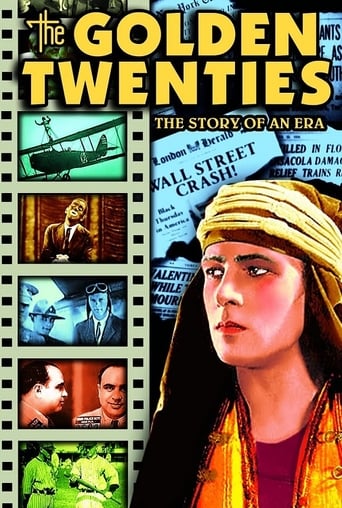
7.0Feature-length compilation of 1920s newsreel footage, with commentary about news, sports, lifestyles, and historical figures.
The Golden Twenties
1950
Film credits
1990s · 2 titles
NRTony Palmer tells the life story of Sergei Rachmaninoff through the use of home movies, concert footage, and interviews. John Gielgud reads from Rachmaninoff's diaries in a voiceover.
Rachmaninoff: The Harvest of Sorrow
1998
NRAlexander Scriabin (1872–1915) born in Moscow, was an innovative, mystical, avant-garde Russian pianist and composer. This film explores Scriabin’s profound vision of art's unity — where music, movement, light and colour merge to create transcendent experiences. Some claim Scriabin pioneered atonality before Schoenberg. Key works: Poème, Op. 32 No. 1 (1903) and Vers la flamme, Op. 72 (1914). Featuring commentary from esteemed musicians like Eduard Artemyev, Vladimir Ashkenazy and Vladimir Horowitz, Artist: Hermann Nitsch, conductor Mikhail Pletnev and insights from Scriabin’s daughter: Marina Scriabine, this documentary offers a unique glimpse into the life and works of one of music’s most enigmatic figures. Shot across stunning locales in Switzerland, Italy and Russia, enriched with Scriabin’s own writings and rare archival materials. The highlight includes a historic recording of Scriabin himself, playing his Poem Op. 32 No. 1 on a Welte Mignon player-piano, recorded in 1908.
Alexander Scriabin – Towards the Light / Calculation and Ecstasy
1996