
Directing
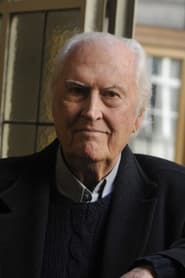
Fernando E. Solanas
Born — Died
1936-02-16 — 2020-11-06
Place of birth
Olivos, Buenos Aires, Argentina
Known for
Directing
Credits
67 titles
Fernando Ezequiel 'Pino' Solanas was an Argentine film director, screenwriter and politician. His films include La hora de los hornos (The Hour of the Furnaces) (1968), Tangos: el exilio de Gardel (1985), Sur (1988), El viaje (1992), La nube (1998) and Memoria del saqueo (2004), among many others. He was National Senator representing the Autonomous City of Buenos Aires for six years, from 2013 to 2019. In 2019, following the end of his term as senator, he was appointed as Argentina's ambassador to UNESCO; he served in the position until his death in Neuilly-sur-Seine, France, on 6 November 2020. From Wikipedia, the free encyclopedia
Known for
 5.5
5.5No synopsis available yet.
Peor es nada
1990
 6.6
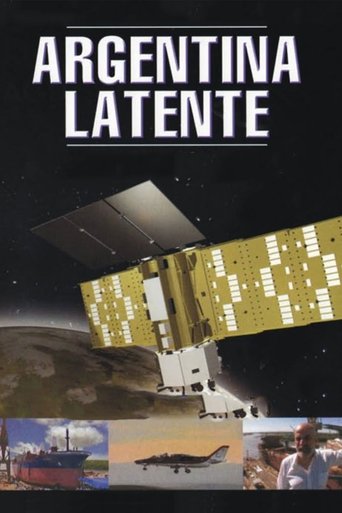
6.6As the third installment in an ongoing series of muckraking documentaries by Argentine filmmaker Fernando Solanas that investigate various sociological aspects of South America's second-largest nation (following 2004's Memoria del saqueo and 2005's La Dignidad de los nadies), Latent Argentina springboards from a truth little-known to most of the titular country's residents: Argentina owns more wealth and more innate natural resources than almost any nation on its continent. The possessor of a bountiful shoreline, endless acres of tillable farmland, the fourth largest metal reserves on the planet and a remarkable space program (the fourth in the world to send a human being into space), Argentina nevertheless remains a prisoner of backward and disadvantageous economical, political and social systems.
Dormant Argentina
2007
 NR
NRNo synopsis available yet.
Resistencia Cultural
2021
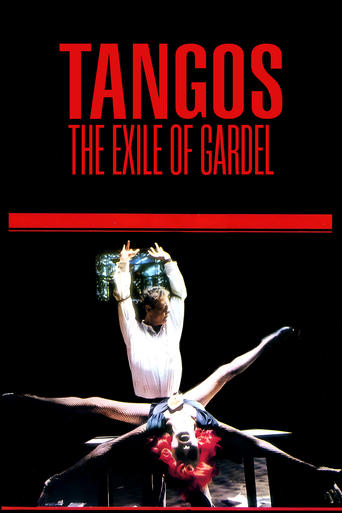 6.8
6.8Some Argentinians, exiled in Paris, decide to put on a tango-ballet, dedicated to Carlos Gardel, a legendary Argentinian tango star.
Tangos, the Exile of Gardel
1985
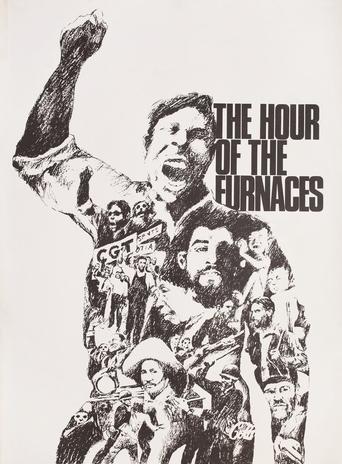 6.9
6.9An impassioned three-part documentary of the liberation struggle waged throughout Latin America, using Argentina as a historical example of the imperialist exploitation of the continent. Part I: Neo-Colonialism and Violence is a historical, geographic, and economic analysis of Argentina. Part II: An Act For Liberation examines the ten-year reign of Juan Perón (1945-55) and the activities of the Peronist movement after his fall from power. Part III: Violence and Liberation studies the role of violence in the national liberation process and constitutes a call for action.
The Hour of the Furnaces
1968
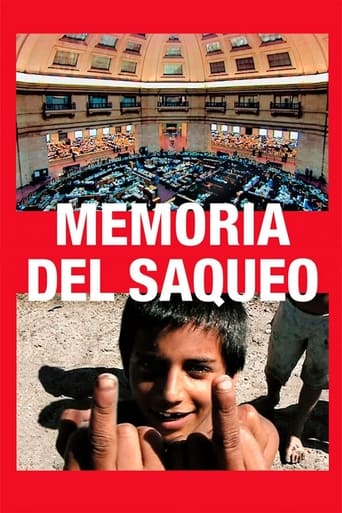 8.2
8.2After the fall of the military dictatorship in 1983, successive democratic governments launched a series of reforms purporting to turn Argentina into the world's most liberal and prosperous economy. Less than twenty years later, the Argentinians have lost literally everything: major national companies have been sold well below value to foreign corporations; the proceeds of privatizations have been diverted into the pockets of corrupt officials; revised labour laws have taken away all rights from employees; in a country that is traditionally an important exporter of foodstuffs, malnutrition is widespread; millions of people are unemployed and sinking into poverty; and their savings have disappeared in a final banking collapse. The film highlights numerous political, financial, social and judicial aspects that mark out Argentina's road to ruin.
Social Genocide
2004
Film credits
2020s · 7 titles
NRNo synopsis available yet.
Resistencia Cultural
2021
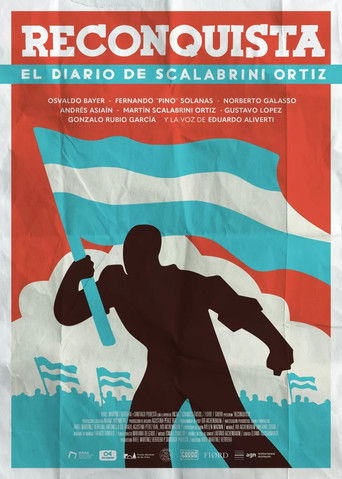 NR
NRNo synopsis available yet.
Reconquista: El diario de Scalabrini Ortiz
2025
 NR
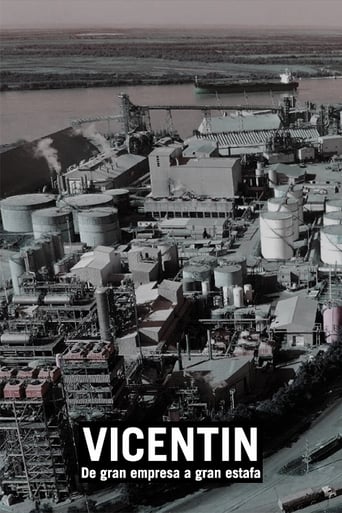
NRFifty intense minutes for the viewer to review the history of the company and the political, social and economic consequences that the bankruptcy and the various scams carried out by Vicentin have had and still have in the lives of thousands of Argentines and Argentines and in the fabric of the national economy.
Vicentin, de gran empresa a gran estafa
2020
 NR
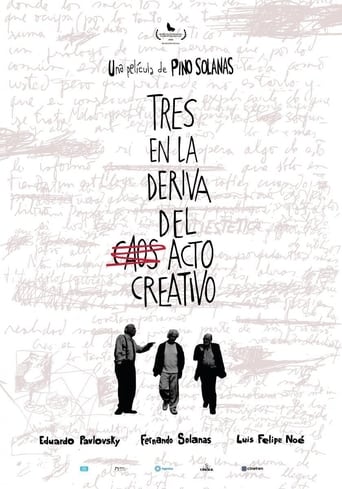
NRLast homage to the great director Fernando Solanas, dear to our hearts, who came multiple times in Competition to the Festival and two times to Cannes Classics. Through this documentary rich in sensibility and visual flair aided by stunning graphics, “Pino” Solanas evokes creation.
Three in the Drift of the Creative Act
2021
 NR
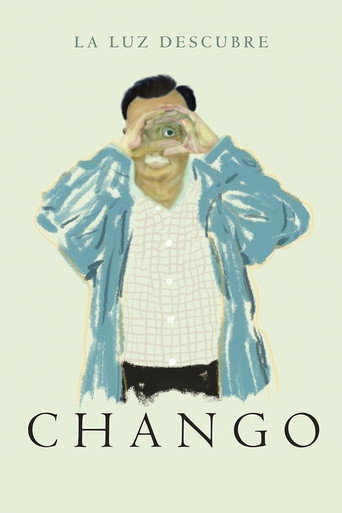
NRFélix Monti is synonymous with cinematography in Argentina. From his early steps in the legendary San Miguel studios to his recent work in large-scale Argentine film productions, Chango has never stopped working. Directors Alejandra Martín and Paola Rizzi, also colleagues of his, chose not to shoot a motionless documentary and filled it with vitality –the same vitality the experienced cinematographer moves around with in every shoot or stage he sets foot in.
Chango, the Light Uncovers
2021
 9.0
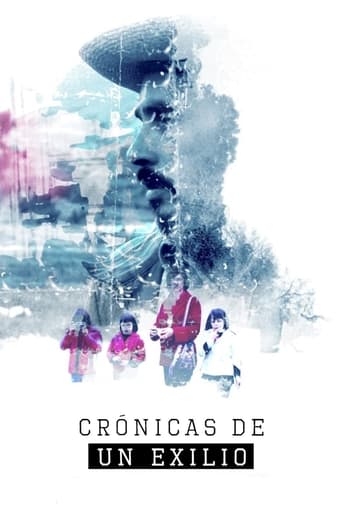
9.0Director Octavio Getino is exiled in Lima. Through letters, archive footage and the protagonist’s voice, the feel tells of the director’s vast life experience in an in-depth study where the biographical outline is offered as a footnote to recent Argentine history.
Chronicles of an Exile
2021
 NR
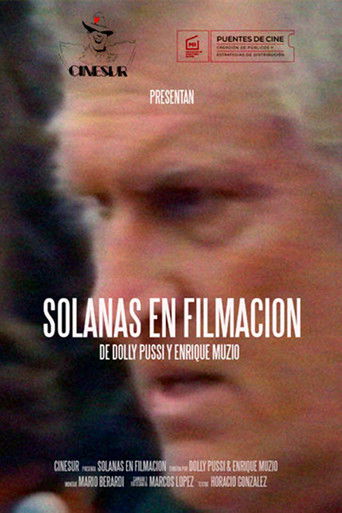
NRSolanas en filmación is an unpublished documentary about the cinematographic direction work of Fernando “Pino” Solanas during the shooting of the movie El viaje.
Solanas en filmación
2021
2010s · 5 titles
 6.5
6.5Documentary about the independence and history of Latin America.
The Inconclusive Independence
2010
 NR
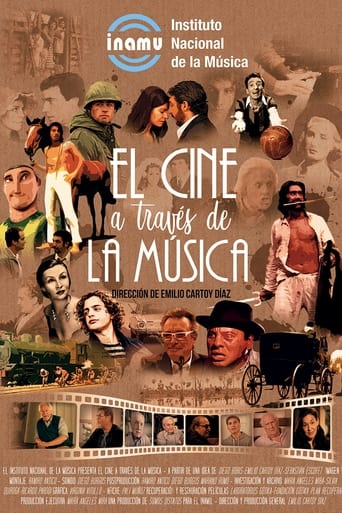
NRTribute documentary on the relationship between music and image in the cinema, as a constitutive part of it, with great musical moments in Argentine films together with the words of those who compose and direct.
El cine a través de la música
2019
 NR
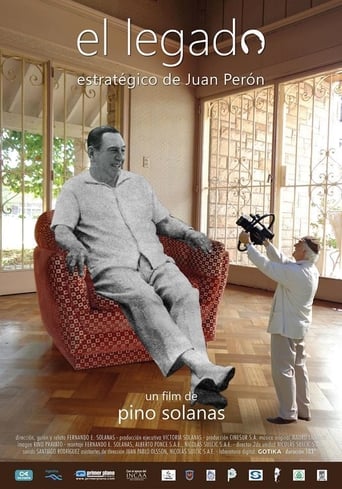
NRIn 1971, during the Spain of the last Franco, Solanas and Getino frequented Juan Perón's residence in Puerta de Hierro to film - secretly - two long documentaries with the former president. They were six months of travel between Madrid and Rome, where the montage was made, hiding the negatives that were filmed and avoiding López Rega's claim to take possession of them. In the summer of 2012, Solanas began filming The Legacy in the residence that Perón and Evita built in San Vicente in 1947. During three years the film was being put together and at the same time photographic archives and documents were investigated. For the first time, fragments of unpublished recordings of the informal conversations that Solanas and Getino had with Perón are used.
The Strategic Legacy of Juan Perón
2016
 6.3
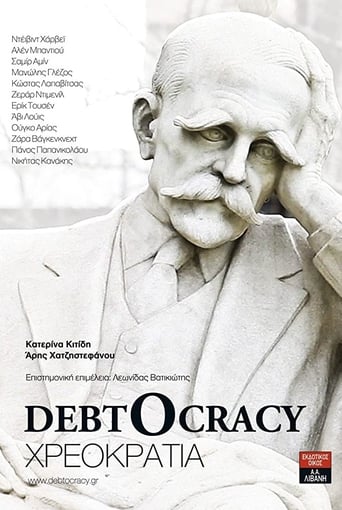
6.3Debtocracy seeks the causes of the Greek debt crisis and proposes solutions sidelined by the government and the dominant media. It follows countries like Ecuador that created debt Audit Commissions and tracks this process in Greece.
Debtocracy
2011
 4.0
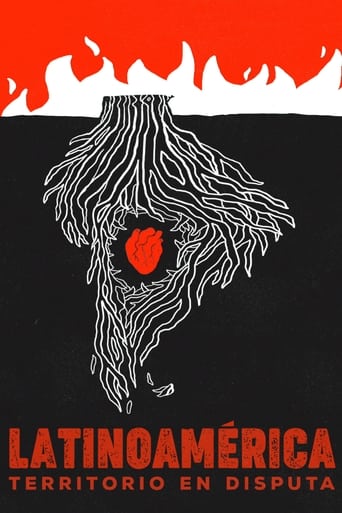
4.0Documantary film on the dispute for the hegemony of the Latin American continent between conservative forces and popular movements.
Latinoamérica, territorio en disputa
2019
2000s · 7 titles
8.2After the fall of the military dictatorship in 1983, successive democratic governments launched a series of reforms purporting to turn Argentina into the world's most liberal and prosperous economy. Less than twenty years later, the Argentinians have lost literally everything: major national companies have been sold well below value to foreign corporations; the proceeds of privatizations have been diverted into the pockets of corrupt officials; revised labour laws have taken away all rights from employees; in a country that is traditionally an important exporter of foodstuffs, malnutrition is widespread; millions of people are unemployed and sinking into poverty; and their savings have disappeared in a final banking collapse. The film highlights numerous political, financial, social and judicial aspects that mark out Argentina's road to ruin.
Social Genocide
2004
 7.0
7.0Until the 1970s, Italian cinema dominated the international scene, even competing with Hollywood. Then, in just a few years, came its rapid decline, the flight of our greatest producers, a crisis among the best writer-directors, the collapse of production. But what are the true causes and circumstances of this decline? In an attempt to provide an answer to this question, Di Me Cosa Ne Sai strives to depict this great cultural change. Begun as a loving examination of Italian cinema, the film transformed into a docu-drama that alternates between interviews with the great names of the past and fragments of cultural and political life of the last 30 years. It is a travel diary that shows Italy from north to south, through movie theatres; television-addicted kids; Berlusconi and Fellini; shopping centers; TV news editors; stories of impassioned film exhibitors and directors who fight for their films; and interviews with itinerant projectionists and great European directors.
What Do You Know About Me
2009
 10.0
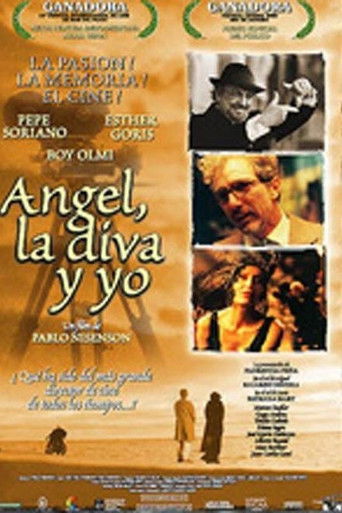
10.0Buenos Aires at the end of the millennium a young filmmaker hopeless about their future decides to film his last act.
Ángel, la diva y yo
2000
 NR
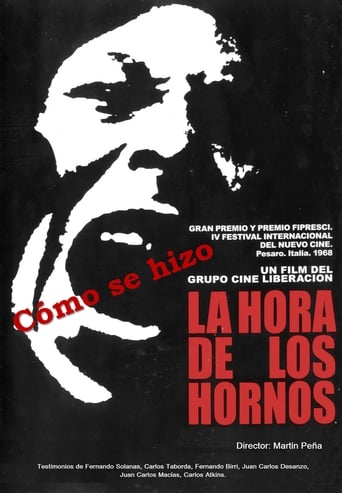
NRAn extensive interview with Fernando Solanas and an important amount of unpublished material, the documentary describes the process of making the most influential film of Latin American cinema. It was done exclusively to accompany its home release.
Cómo se hizo "La hora de los hornos"
2007
A journey through the life and work of artist Ricardo Carpani, his artistic and ideological formation, and the importance of his pictorial output, considered a symbol of the political struggle of the 1950s, 1960s, and 1970s. Once the rise of state terrorism began, Carpani was forced into exile and spent ten years in Europe. During this period, he continued his political commitment, creating works that denounce the horrors experienced in Argentina during those years.
Carpani, vida y obra
2009
 7.1
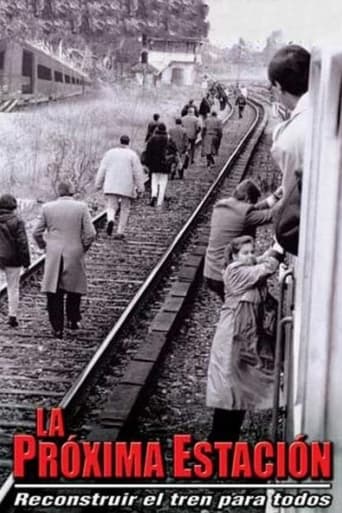
7.1The history of the Argentine railways, from 1857 until the crisis of the current transport system. The closing of branches of the railway lines turned towns whose main source of work was the train into ghost towns. The privatization of the lines caused the dismissal of tens of thousands of workers as well as the deterioration of public service, causing in turn the increase of motor transport and the multiplication of automobile accidents.
The Next Station
2008
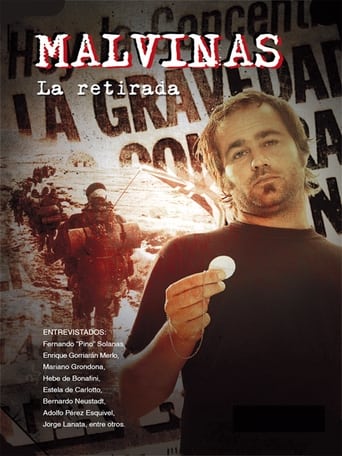 7.0
7.0In the midst of a profound economic, political, and social crisis, in April 1982, the armed forces led by the then de facto president, the alcoholic General Leopoldo Galtieri, launched the reconquest of the Falkland Islands. This marked the beginning of a military adventure in the South Atlantic against a world power that laid bare the errors and horrors of the Argentine military regime. This documentary depicts the final act of a bloody dictatorship.
Malvinas: La retirada
2007
1990s · 2 titles
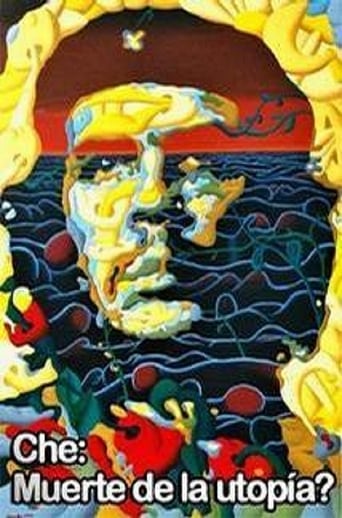 7.0
7.0What does Che Guevara"s mythic presence represent to people at the turn of the century, and how do people define their concept of utopia?
Che: muerte de la utopia?
1999
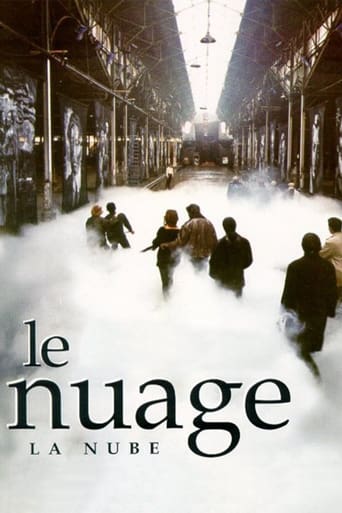 6.2
6.2A black cloud brings 1600 days of rain to Buenos Aires, while traffic and pedestrians move backwards. Aging actor Max (Eduardo Pavlovsky) runs the Mirror Theater in a former fish market, but lack of funding means a possible demolition. Max is attracted to Brazilian dancer Fulo (Angela Correa), who worries about her daughter back home. Amid political corruption and police brutality, Max's elderly colleague Enrique leads a protest for unpaid old-age pensions. The pensioners succeed in their demands, only to learn from a government official that no money is available to pay them.
The Cloud
1998
1980s · 2 titles
 NR
NRDocumentary in four parts on Latin American cinema. Second episode, evoking the border between fiction and documentary. With his film Tire dié (1960), the Argentinian Fernando Birri proposed this manifesto: to create a realistic and critical national cinema, closer to society without falling into populism.
Claves, 2: We will return younger
1984
NRDocumentary in four parts on Latin American cinema. Third episode: from the 1960s, France and Europe showed a real enthusiasm for Latin American cinema, but the latter remained hampered by numerous economic and political obstacles.
Claves, 3: Small mother country, great mother country
1984
1960s · 3 titles
6.9An impassioned three-part documentary of the liberation struggle waged throughout Latin America, using Argentina as a historical example of the imperialist exploitation of the continent. Part I: Neo-Colonialism and Violence is a historical, geographic, and economic analysis of Argentina. Part II: An Act For Liberation examines the ten-year reign of Juan Perón (1945-55) and the activities of the Peronist movement after his fall from power. Part III: Violence and Liberation studies the role of violence in the national liberation process and constitutes a call for action.
The Hour of the Furnaces
1968
 8.0
8.0A bourgeois family reluctantly watches a home documentary about the horrors of the Second World War.
Sin memoria
1962
 6.7
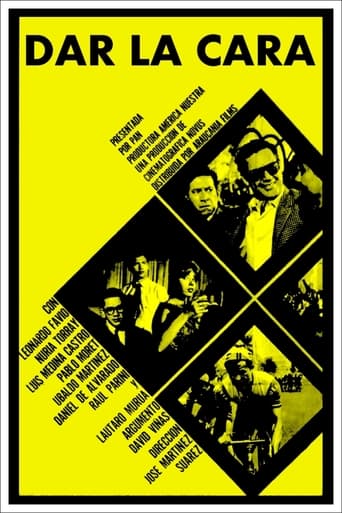
6.7Three boys from very different backgrounds who have just finished their military service must face the complex social reality of Argentina.
Dar la cara
1962
Series credits
Behind the camera
6.6As the third installment in an ongoing series of muckraking documentaries by Argentine filmmaker Fernando Solanas that investigate various sociological aspects of South America's second-largest nation (following 2004's Memoria del saqueo and 2005's La Dignidad de los nadies), Latent Argentina springboards from a truth little-known to most of the titular country's residents: Argentina owns more wealth and more innate natural resources than almost any nation on its continent. The possessor of a bountiful shoreline, endless acres of tillable farmland, the fourth largest metal reserves on the planet and a remarkable space program (the fourth in the world to send a human being into space), Argentina nevertheless remains a prisoner of backward and disadvantageous economical, political and social systems.
Dormant Argentina
2007
6.6As the third installment in an ongoing series of muckraking documentaries by Argentine filmmaker Fernando Solanas that investigate various sociological aspects of South America's second-largest nation (following 2004's Memoria del saqueo and 2005's La Dignidad de los nadies), Latent Argentina springboards from a truth little-known to most of the titular country's residents: Argentina owns more wealth and more innate natural resources than almost any nation on its continent. The possessor of a bountiful shoreline, endless acres of tillable farmland, the fourth largest metal reserves on the planet and a remarkable space program (the fourth in the world to send a human being into space), Argentina nevertheless remains a prisoner of backward and disadvantageous economical, political and social systems.
Dormant Argentina
2007
6.6As the third installment in an ongoing series of muckraking documentaries by Argentine filmmaker Fernando Solanas that investigate various sociological aspects of South America's second-largest nation (following 2004's Memoria del saqueo and 2005's La Dignidad de los nadies), Latent Argentina springboards from a truth little-known to most of the titular country's residents: Argentina owns more wealth and more innate natural resources than almost any nation on its continent. The possessor of a bountiful shoreline, endless acres of tillable farmland, the fourth largest metal reserves on the planet and a remarkable space program (the fourth in the world to send a human being into space), Argentina nevertheless remains a prisoner of backward and disadvantageous economical, political and social systems.
Dormant Argentina
2007
6.8Some Argentinians, exiled in Paris, decide to put on a tango-ballet, dedicated to Carlos Gardel, a legendary Argentinian tango star.
Tangos, the Exile of Gardel
1985
6.8Some Argentinians, exiled in Paris, decide to put on a tango-ballet, dedicated to Carlos Gardel, a legendary Argentinian tango star.
Tangos, the Exile of Gardel
1985
6.8Some Argentinians, exiled in Paris, decide to put on a tango-ballet, dedicated to Carlos Gardel, a legendary Argentinian tango star.
Tangos, the Exile of Gardel
1985
6.9An impassioned three-part documentary of the liberation struggle waged throughout Latin America, using Argentina as a historical example of the imperialist exploitation of the continent. Part I: Neo-Colonialism and Violence is a historical, geographic, and economic analysis of Argentina. Part II: An Act For Liberation examines the ten-year reign of Juan Perón (1945-55) and the activities of the Peronist movement after his fall from power. Part III: Violence and Liberation studies the role of violence in the national liberation process and constitutes a call for action.
The Hour of the Furnaces
1968
6.9An impassioned three-part documentary of the liberation struggle waged throughout Latin America, using Argentina as a historical example of the imperialist exploitation of the continent. Part I: Neo-Colonialism and Violence is a historical, geographic, and economic analysis of Argentina. Part II: An Act For Liberation examines the ten-year reign of Juan Perón (1945-55) and the activities of the Peronist movement after his fall from power. Part III: Violence and Liberation studies the role of violence in the national liberation process and constitutes a call for action.
The Hour of the Furnaces
1968
6.9An impassioned three-part documentary of the liberation struggle waged throughout Latin America, using Argentina as a historical example of the imperialist exploitation of the continent. Part I: Neo-Colonialism and Violence is a historical, geographic, and economic analysis of Argentina. Part II: An Act For Liberation examines the ten-year reign of Juan Perón (1945-55) and the activities of the Peronist movement after his fall from power. Part III: Violence and Liberation studies the role of violence in the national liberation process and constitutes a call for action.
The Hour of the Furnaces
1968
8.2After the fall of the military dictatorship in 1983, successive democratic governments launched a series of reforms purporting to turn Argentina into the world's most liberal and prosperous economy. Less than twenty years later, the Argentinians have lost literally everything: major national companies have been sold well below value to foreign corporations; the proceeds of privatizations have been diverted into the pockets of corrupt officials; revised labour laws have taken away all rights from employees; in a country that is traditionally an important exporter of foodstuffs, malnutrition is widespread; millions of people are unemployed and sinking into poverty; and their savings have disappeared in a final banking collapse. The film highlights numerous political, financial, social and judicial aspects that mark out Argentina's road to ruin.
Social Genocide
2004
8.2After the fall of the military dictatorship in 1983, successive democratic governments launched a series of reforms purporting to turn Argentina into the world's most liberal and prosperous economy. Less than twenty years later, the Argentinians have lost literally everything: major national companies have been sold well below value to foreign corporations; the proceeds of privatizations have been diverted into the pockets of corrupt officials; revised labour laws have taken away all rights from employees; in a country that is traditionally an important exporter of foodstuffs, malnutrition is widespread; millions of people are unemployed and sinking into poverty; and their savings have disappeared in a final banking collapse. The film highlights numerous political, financial, social and judicial aspects that mark out Argentina's road to ruin.
Social Genocide
2004
8.2After the fall of the military dictatorship in 1983, successive democratic governments launched a series of reforms purporting to turn Argentina into the world's most liberal and prosperous economy. Less than twenty years later, the Argentinians have lost literally everything: major national companies have been sold well below value to foreign corporations; the proceeds of privatizations have been diverted into the pockets of corrupt officials; revised labour laws have taken away all rights from employees; in a country that is traditionally an important exporter of foodstuffs, malnutrition is widespread; millions of people are unemployed and sinking into poverty; and their savings have disappeared in a final banking collapse. The film highlights numerous political, financial, social and judicial aspects that mark out Argentina's road to ruin.
Social Genocide
2004
 7.0
7.0No synopsis available yet.
Seguir andando
1962
 6.1
6.1A young man living in a cold southern village in South America, decides to start a trip looking for his father. By doing this he discovers unexpected facts about his Latin American essence.
The Journey
1992
6.1A young man living in a cold southern village in South America, decides to start a trip looking for his father. By doing this he discovers unexpected facts about his Latin American essence.
The Journey
1992
6.1A young man living in a cold southern village in South America, decides to start a trip looking for his father. By doing this he discovers unexpected facts about his Latin American essence.
The Journey
1992
 6.6
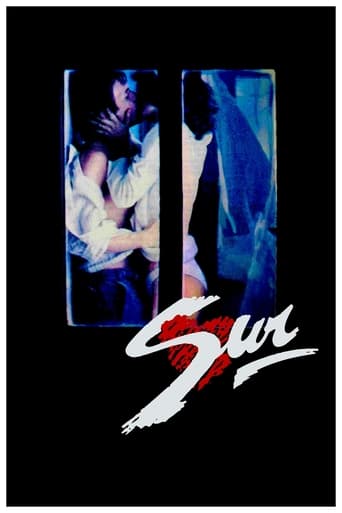
6.6After the end of the military dictatorship in Argentina in 1983, Floreal is released from prison. Instead of returning to his wife, he wanders through the night of Buenos Aires. He meets some people from his past–most of which are only imaginary–and remembers the events of his imprisonment.
The South
1988
6.6After the end of the military dictatorship in Argentina in 1983, Floreal is released from prison. Instead of returning to his wife, he wanders through the night of Buenos Aires. He meets some people from his past–most of which are only imaginary–and remembers the events of his imprisonment.
The South
1988
6.6After the end of the military dictatorship in Argentina in 1983, Floreal is released from prison. Instead of returning to his wife, he wanders through the night of Buenos Aires. He meets some people from his past–most of which are only imaginary–and remembers the events of his imprisonment.
The South
1988
 6.4
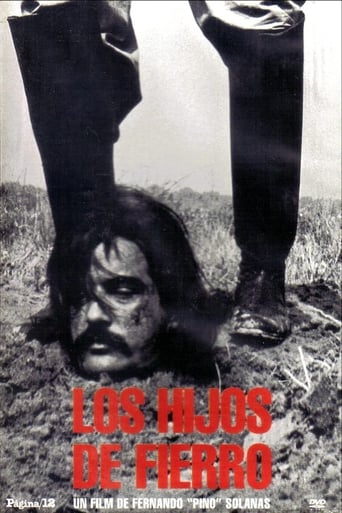
6.4Peronist view of its history between the fall in 1955 and the electoral triumph of 1973 using a metaphor of the poem Martin Fierro.
The Children of Fierro
1978
6.4Peronist view of its history between the fall in 1955 and the electoral triumph of 1973 using a metaphor of the poem Martin Fierro.
The Children of Fierro
1978
6.4Peronist view of its history between the fall in 1955 and the electoral triumph of 1973 using a metaphor of the poem Martin Fierro.
The Children of Fierro
1978
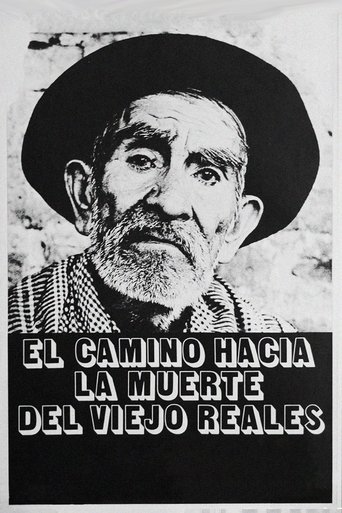 6.6
6.6Documentary with staged events about a poor rural family in Argentina.
Viejo Reales' Long Journey to Death
1971
6.6Documentary with staged events about a poor rural family in Argentina.
Viejo Reales' Long Journey to Death
1971
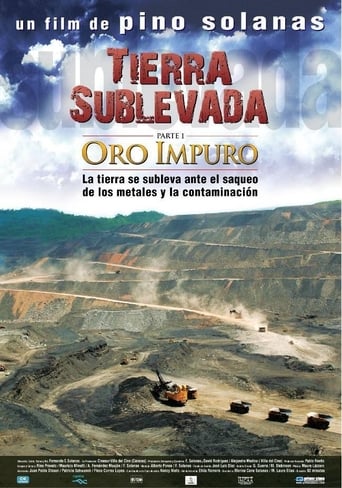 9.0
9.0After Memoria del saqueo, La dignidad de los nadies, Argentina latente and La próxima estación, Solanas begins with Oro puro a diptych on the plundering of mineral resources (metals and hydrocarbons). This remarkable and powerful documentary denounces the open-pit cyanide mining operations carried out by multinationals in the northwest with the support of politicians, exposes the progressive contamination of soil and water, and exalts social resistance movements through moving individual and collective examples.
Land in Revolt: Impure Gold
2009
9.0After Memoria del saqueo, La dignidad de los nadies, Argentina latente and La próxima estación, Solanas begins with Oro puro a diptych on the plundering of mineral resources (metals and hydrocarbons). This remarkable and powerful documentary denounces the open-pit cyanide mining operations carried out by multinationals in the northwest with the support of politicians, exposes the progressive contamination of soil and water, and exalts social resistance movements through moving individual and collective examples.
Land in Revolt: Impure Gold
2009
9.0After Memoria del saqueo, La dignidad de los nadies, Argentina latente and La próxima estación, Solanas begins with Oro puro a diptych on the plundering of mineral resources (metals and hydrocarbons). This remarkable and powerful documentary denounces the open-pit cyanide mining operations carried out by multinationals in the northwest with the support of politicians, exposes the progressive contamination of soil and water, and exalts social resistance movements through moving individual and collective examples.
Land in Revolt: Impure Gold
2009
 10.0
10.0No synopsis available yet.
Reflexión ciudadana
1963
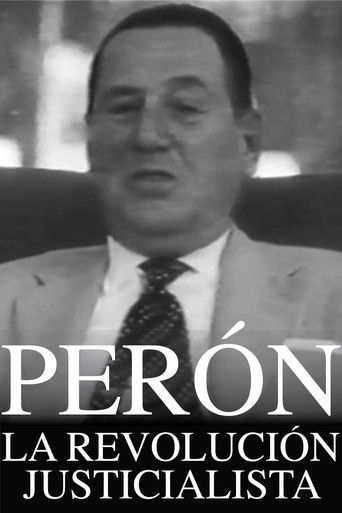 8.0
8.0Lengthy interviews, exclusive to this movie, with Juan Peron, describing his military career and the reforms he instituted as leader of the Argentine government.
Perón: The Justicialist Revolution
1971
8.0Lengthy interviews, exclusive to this movie, with Juan Peron, describing his military career and the reforms he instituted as leader of the Argentine government.
Perón: The Justicialist Revolution
1971
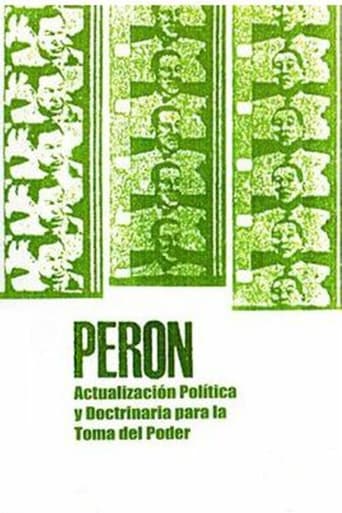 7.4
7.4A series of interviews with Juan Domingo Perón in Madrid, where he was exiled. Filmed between June and October 1971, Perón talks about the current situation of the Justicialist movement and the steps to be taken to win the presidential elections again.
Perón: Political Update and Doctrine for the Seizure of Power
1971
NRLast homage to the great director Fernando Solanas, dear to our hearts, who came multiple times in Competition to the Festival and two times to Cannes Classics. Through this documentary rich in sensibility and visual flair aided by stunning graphics, “Pino” Solanas evokes creation.
Three in the Drift of the Creative Act
2021
NRLast homage to the great director Fernando Solanas, dear to our hearts, who came multiple times in Competition to the Festival and two times to Cannes Classics. Through this documentary rich in sensibility and visual flair aided by stunning graphics, “Pino” Solanas evokes creation.
Three in the Drift of the Creative Act
2021
NRLast homage to the great director Fernando Solanas, dear to our hearts, who came multiple times in Competition to the Festival and two times to Cannes Classics. Through this documentary rich in sensibility and visual flair aided by stunning graphics, “Pino” Solanas evokes creation.
Three in the Drift of the Creative Act
2021
 8.0
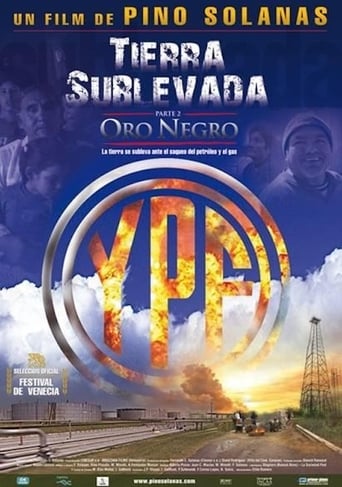
8.0The epic of popular resistance to the privatization of oil in Argentina and its tragic consequences: thousands of layoffs, poverty and environmental pollution. It was one of the biggest scams and failures of national history: the country was self-sufficient in oil and gas reserves and twenty years later, you must import them.
Land in Revolt: Black Gold
2011
8.0The epic of popular resistance to the privatization of oil in Argentina and its tragic consequences: thousands of layoffs, poverty and environmental pollution. It was one of the biggest scams and failures of national history: the country was self-sufficient in oil and gas reserves and twenty years later, you must import them.
Land in Revolt: Black Gold
2011
8.0The epic of popular resistance to the privatization of oil in Argentina and its tragic consequences: thousands of layoffs, poverty and environmental pollution. It was one of the biggest scams and failures of national history: the country was self-sufficient in oil and gas reserves and twenty years later, you must import them.
Land in Revolt: Black Gold
2011
 6.5
6.5A Journey to the Fumigated Towns is the final episode made by Fernando Solanas in a series of 8 films dedicated to the Argentinian’s crisis in the 21st century. Based on testimonies, re-creations, archives and photos, this investigative documentary reveals not only the after-effects of the soya’s model and other GMO’s grain productions with agrochemicals, on the health of the Argentinian people, but also the global and environmental consequences.
A Journey to the Fumigated Towns
2018
6.5A Journey to the Fumigated Towns is the final episode made by Fernando Solanas in a series of 8 films dedicated to the Argentinian’s crisis in the 21st century. Based on testimonies, re-creations, archives and photos, this investigative documentary reveals not only the after-effects of the soya’s model and other GMO’s grain productions with agrochemicals, on the health of the Argentinian people, but also the global and environmental consequences.
A Journey to the Fumigated Towns
2018
6.5A Journey to the Fumigated Towns is the final episode made by Fernando Solanas in a series of 8 films dedicated to the Argentinian’s crisis in the 21st century. Based on testimonies, re-creations, archives and photos, this investigative documentary reveals not only the after-effects of the soya’s model and other GMO’s grain productions with agrochemicals, on the health of the Argentinian people, but also the global and environmental consequences.
A Journey to the Fumigated Towns
2018