Acting
Andrzej Łapicki
Born — Died
1924-11-11 — 2012-07-21
Place of birth
Riga, Latvia
Known for
Acting
Credits
64 titles
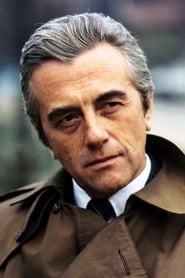
Andrzej Łapicki (11 November 1924 – 21 July 2012) was a Polish film actor, theater director and actor. He enjoyed a long career, appearing in 50 films between 1947 and 1999.
Known for
 3.0
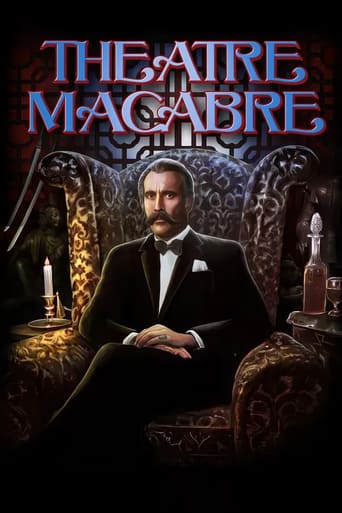
3.0Horror legend Christopher Lee hosts this anthology in the tradition of Alfred Hitchcock Presents, each half-hour episode adapting a story from a classic author, with tales by Edgar Allen Poe, Fyodor Dostoevsky, Ambrose Bierce, Robert Louis Stevenson, and Oscar Wilde.
Theatre Macabre
1971
 7.4
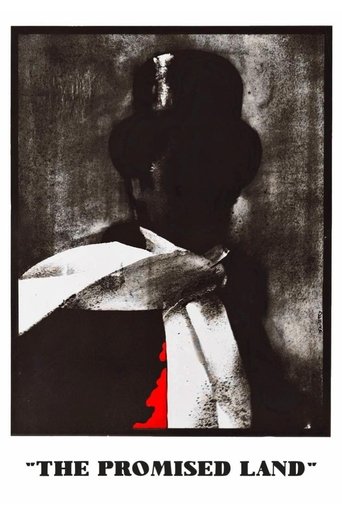
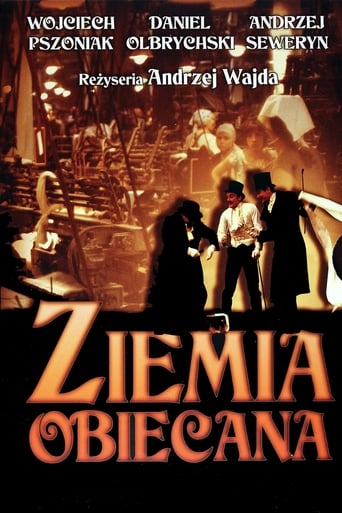
7.4At the turn of the century, Lodz, Poland, was a quick-paced manufacturing center for textiles, replete with cutthroat industrialists and unsafe working conditions. Three young friends, a Pole, a Jew, and a German, pool their money together to build a factory.
The Promised Land
1975
 5.5
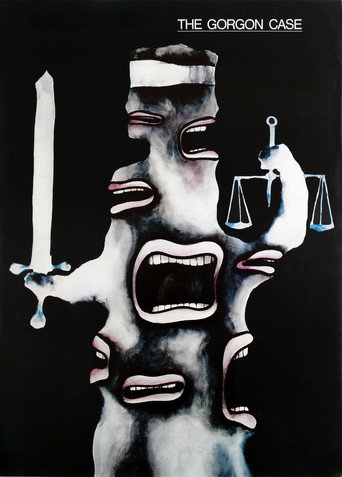
5.5In 1931, just before the New Year, in a house of architect Henryk Zaremba scream rips the night. The daughter of Zaremba is found killed in her bedroom, obviously killed with a pickaxe. The police arrives and starts the investigation. Rita Gorgonova, the governess of the girl and also lover of Zaremba becomes the main suspect.
The Gorgon Case
1977
 5.5
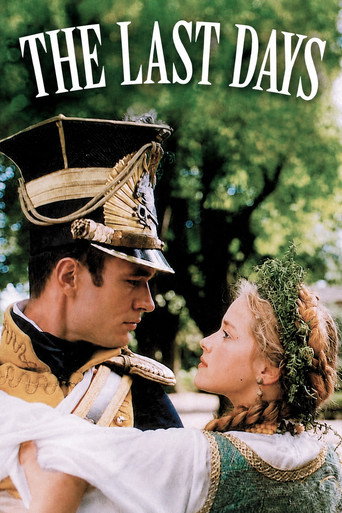
5.5Romance brings two warring families together in this historical drama. As citizens fight for independence in 1810s Lithuania, Tadeusz, the son of a murderer, and Zosia, a young woman, come together for a wedding against a backdrop of changing politics, ancient traditions, and the uncertain future of a country.
The Last Days
1999
 8.0
8.0No synopsis available yet.
Ziemia obiecana
1978
 8.4
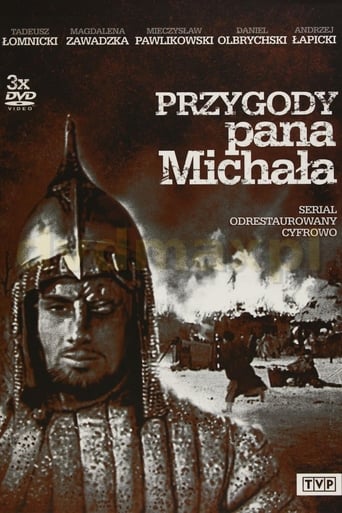
8.4No synopsis available yet.
Przygody pana Michała
1969
Film credits
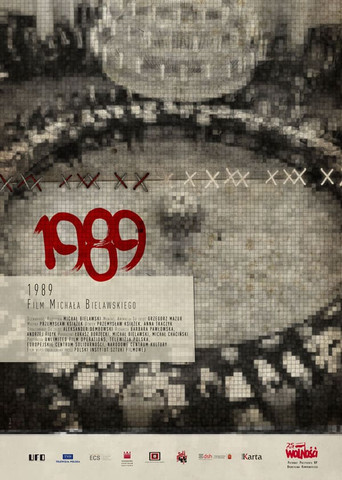
1990s · 2 titles
5.5Romance brings two warring families together in this historical drama. As citizens fight for independence in 1810s Lithuania, Tadeusz, the son of a murderer, and Zosia, a young woman, come together for a wedding against a backdrop of changing politics, ancient traditions, and the uncertain future of a country.
The Last Days
1999
 NR
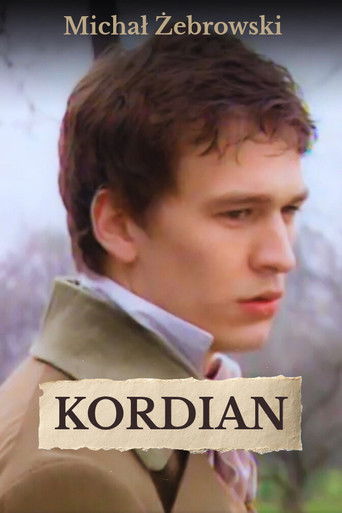
NRThe staging of "Kordian" by Juliusz Słowacki, refers to the November Uprising and attempts to understand the reasons for its defeat. It tells the story of a young boy who attempts to liberate the Polish nation, while struggling with internal dilemmas and moral difficulties.
Kordian
1994
1980s · 8 titles
 4.6
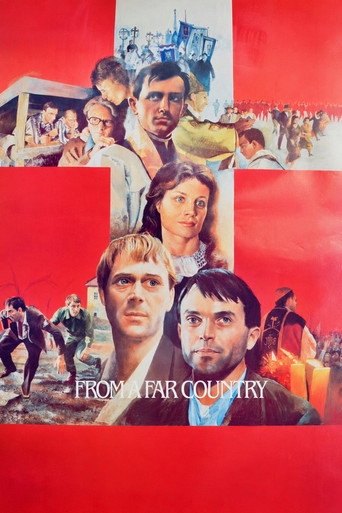
4.6This heroic story follows the life of Karol Wojtyla, a Polish Roman catholic who ascends the throne of St. Peter as Pope John Paul II. As a young boy, Karol is a bright and talented student. Archbishop Sapieha recognizes the very special, moving qualities Karol possesses and encourages him to consider the priesthood. Although determined to study Polish literature, Karol turns to the church; he is ordained and studies in Italy, France, and Belgium. Torn by fear and repression in post-Stalin Eastern Europe, Karol becomes a poisonous thorn in the communists' side. His deer reverence and commitment return him to Poland as Pope John Paul II.
From a Far Country
1981
 6.0
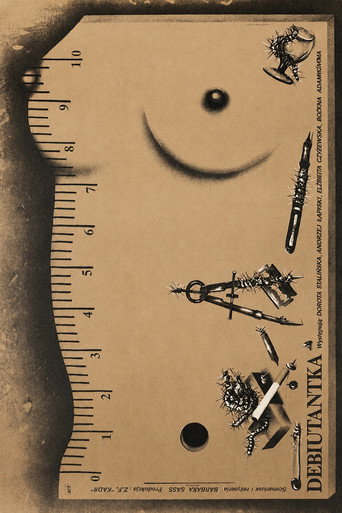
6.0Ewa is a young ambitious engineer who starts to work for the team of an acclaimed architect Jerzy. Gradually she becomes aware of the bizarre relations he has with his wife and lovers.
Debutante
1982
 5.6
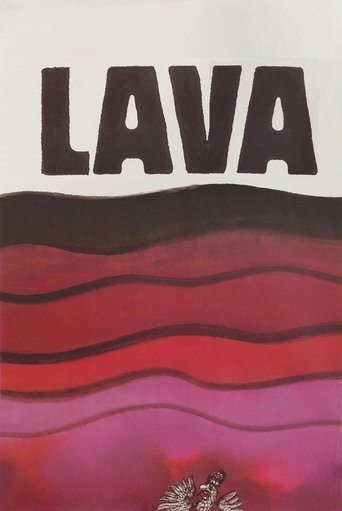
5.6On the eve of the Day of the Dead, among mysterious old rituals of the Vilnius region, ghosts of the past and present start to appear.
Lava
1989
 4.5
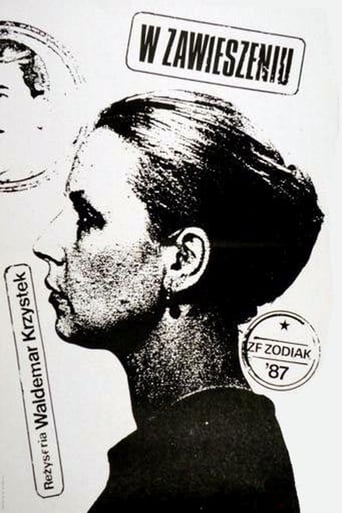
4.5Anna, a nurse, meets her wartime lover Marcel in 1951. Learning that he has been sentenced to death for his role in the Home Army, she hides him in her cellar for five years. She gets pregnant with his child and has the baby out of the wedlock. Despite the hardships and gossip she holds much better than he. In 1956 when the political climate changes, he resurfaces and is arrested, but then acquitted by the court.
Suspended
1987
 6.5
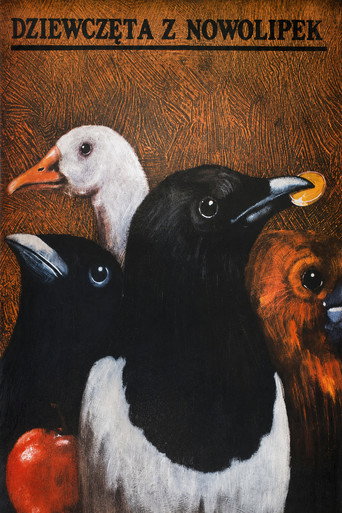
6.5Coming of age story of four girls living in the same poor district of Warsaw just before the outbreak of World War One.
The Girls of Nowolipki
1986
 5.5
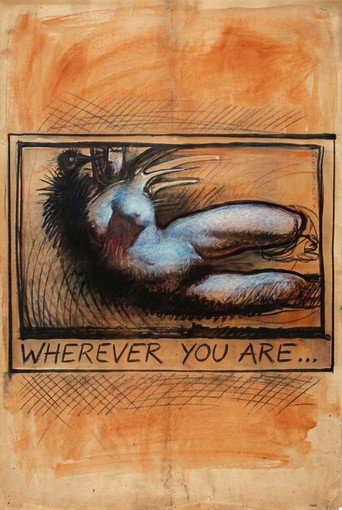
5.5An Uruguayan diplomat brings his new wife with him on a business trip to Poland in the summer immediately preceding the outbreak of World War II.
Wherever You Are...
1988
 6.5
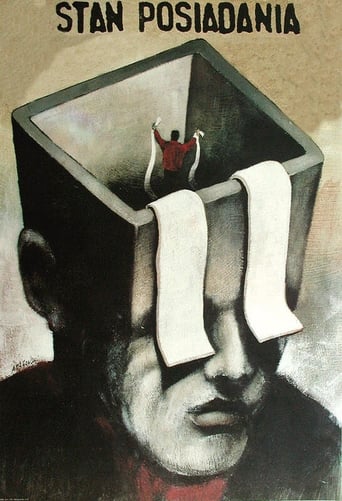
6.5Difficulty of human relations in a 3-cornered tale: a neurotic woman, idealistic young man and his mother. Tomek is a clean-cut, high-minded geography student. He lives with his mother Zofia, a sensitive, practicing Catholic, like her son. When he meets Julia, a depressed woman older than he, he first tries to comfort her, then invites her to stay with him and his mother. Tomek makes a trip to West Berlin to visit his well-off father. He refuses to take money from him and looks for work as a house painter. Julia ends up in a rest home for treatment, while Tomek is trying to make their relationship work.
Inventory
1989
 8.5
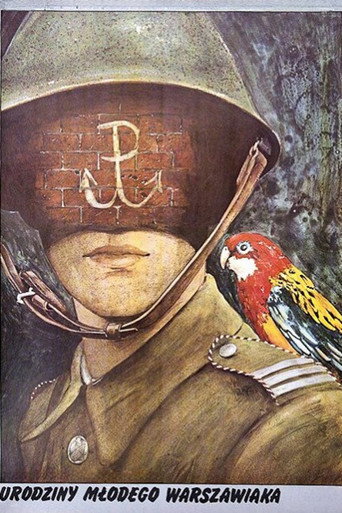
8.5The four sequences in the film cover four days in a life of young Warsaw lad in September 1938, 1939, 1943 and 1944. In the first sequence Jurek decides not to study in the Sorbonne but enlists in a Polish military school instead. In the second sequence the war starts and Warsaw is occupied. In the third sequence he works in the underground resistance. The final sequence takes place during the Warsaw uprising.
The Birthday
1980
1970s · 9 titles
7.4At the turn of the century, Lodz, Poland, was a quick-paced manufacturing center for textiles, replete with cutthroat industrialists and unsafe working conditions. Three young friends, a Pole, a Jew, and a German, pool their money together to build a factory.
The Promised Land
1975
5.5In 1931, just before the New Year, in a house of architect Henryk Zaremba scream rips the night. The daughter of Zaremba is found killed in her bedroom, obviously killed with a pickaxe. The police arrives and starts the investigation. Rita Gorgonova, the governess of the girl and also lover of Zaremba becomes the main suspect.
The Gorgon Case
1977
 7.3
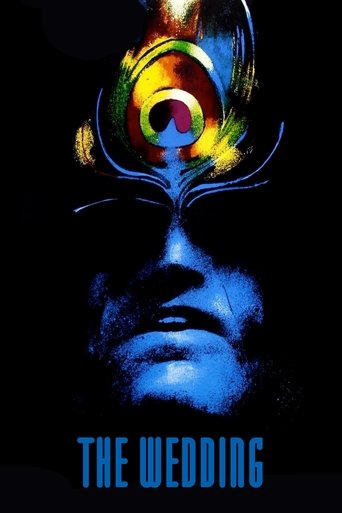
7.3Set at the turn of the century, the story concerns a Polish poet living in Cracow who has decided to marry a peasant girl. The wedding is attended by a heterogenous group of people from all strata of Polish society, who dance, get drunk and lament Poland's 100-year-long division under Russia, Prussia, and Austria. The bridegroom, a painter friend, and a journalist each in turn is confronted with spectres of Polish past.
The Wedding
1973
 5.1
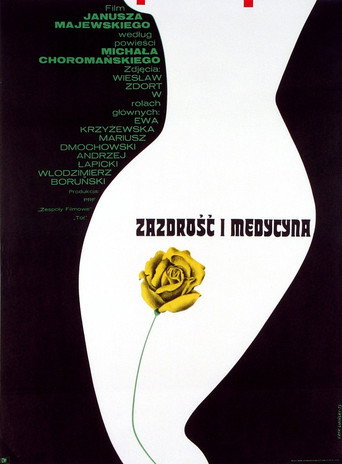
5.1In 1930s, a doctor has an affair with the wife of a wealthy industrialist in Poland.
Jealousy and Medicine
1973
 6.6
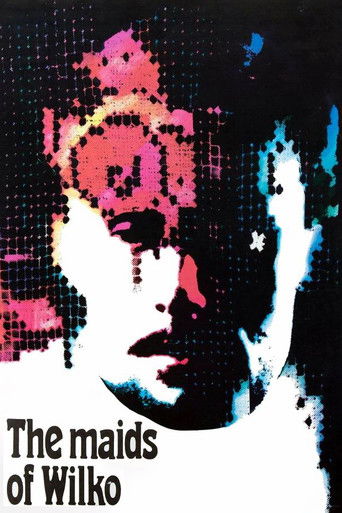
6.6Set in the late '20s. A thirtyish young man, who heads a small factory, faints at the funeral of a close friend. He decides to go home to his aunt and uncle for a while, but gets involved with a family of five women who had been in love with him at one time though he had apparently loved only one, who, unknown to him, has died since his departure. The women are mainly disillusioned with life or estranged from husbands while the youngest has a crush on him.
The Maids of Wilko
1979
 6.2
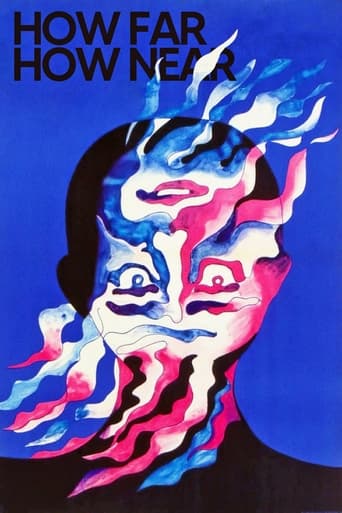
6.2A middle-aged man sets out on a symbolic journey through past, present, and future to learn why an old friend committed suicide, and learns much about his own life along the way.
How Far, How Near
1972
 6.8
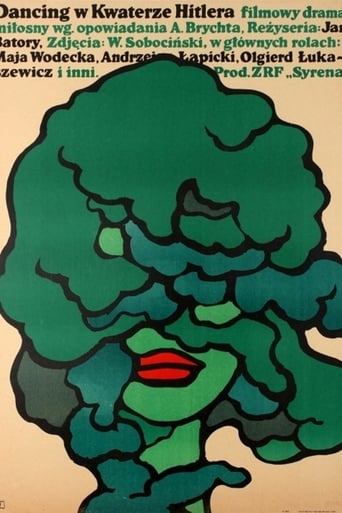
6.8Lives of three people intersect when they meet on a holiday in Mazury.
Dancing at Hitler's Headquarters
1971
 3.8
3.8Returning from Rome, Warsaw writer Wacław Kisielecki's car breaks down late one evening on a country road, forcing him and his chauffeur, Konstanty, to seek lodging at a nearby manor house. Its owner is a young man, Jan, who has been managing the dilapidated estate since his mother's death. All that remains of the former estate are the manor house, a vast orchard, and two servants: Stanisław, the caretaker, and his beautiful young wife, Faustyna, who runs Jan's household.
Lost Night
1974
 6.4
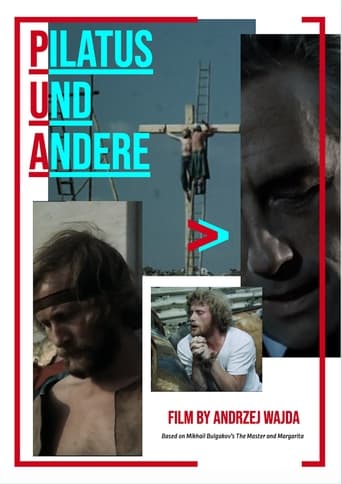
6.4The trial of Yeshua Ha-Notsri is led by prosecutor Pontius Pilate who believes in the innocence of the accused but is forced to sentence him to death. This biblical story is set in present-day Germany.
Pilate and Others
1972
1960s · 19 titles
 8.0
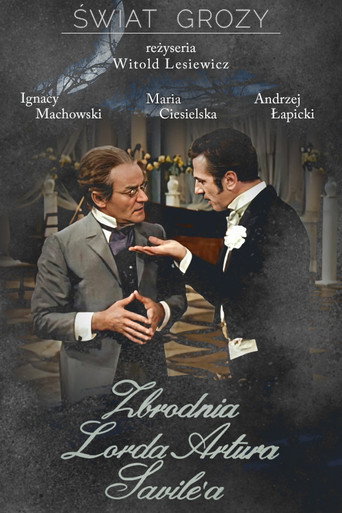
8.0The wealthy Lord Artur Savile learns from a palm reader that he's destined to become a murderer. Obsessed with the prophecy, he decides to commit the deed as quickly as possible.
Zbrodnia lorda Artura Savile'a
1968
 6.3
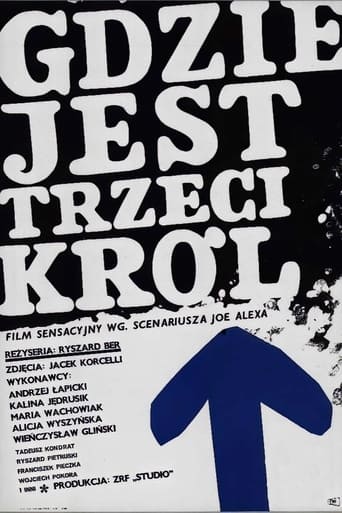
6.3Two militia officers are assigned to a museum in an undercover assignment to protect a valuable painting from an international group of art thieves.
Where Is the Third King?
1967
 7.3
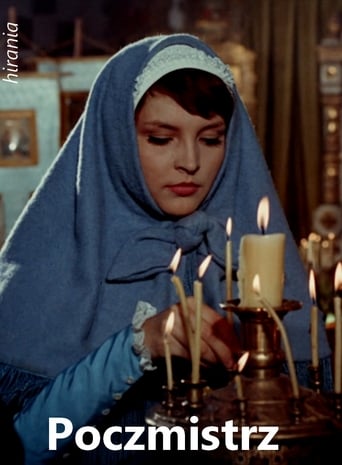
7.3Post clerk's young daughter runs away from home with a tsarist officer.
Poczmistrz
1968
 6.6
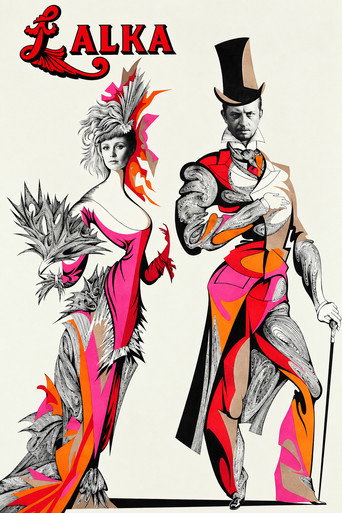
6.6Set in the 19th century Warsaw. The indolence of aristocrats who, secure with their pensions, are too lazy to undertake new business risks, frustrates Wokulski. His ability to make money is respected but his lack of family and social rank is condescended to. Because of his "help" (in secret) to "the doll's" impecunious but influential father, the girl becomes aware of his affection.
The Doll
1968
 6.1
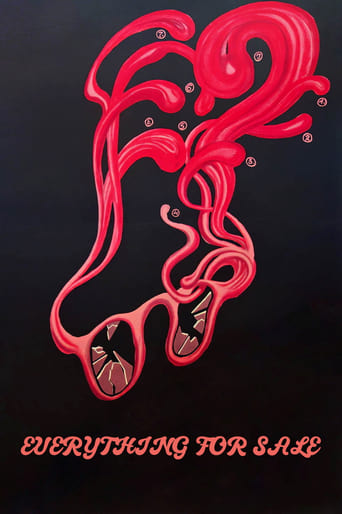
6.1Wajda's homage to Zbigniew Cybulski, the "Polish James Dean" who starred in the director's ASHES AND DIAMONDS and died young. The movie follows the tribulations of a director attempting to make a movie with a Cybulski-like star who never shows up.
Everything for Sale
1969
 6.4
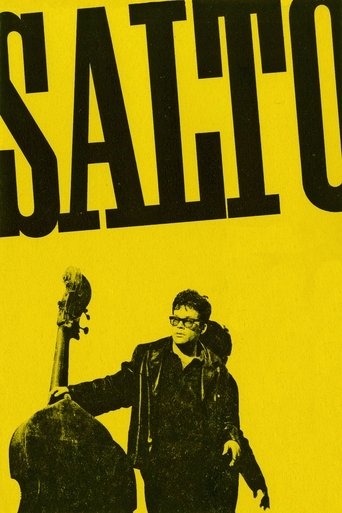
6.4A man jumps off a moving train and goes to a small town to face its inhabitants, who seem familiar, but odd.
Salto
1965
 NR
NRReportage from the set of the film "Everything for Sale", focusing on the director - Andrzej Wajda. At one stage of the filming, Wajda planned to include all the documentary material shot by Ziarnik in his film. Ultimately, however, he changed the concept.
On The Set
1968
 3.8
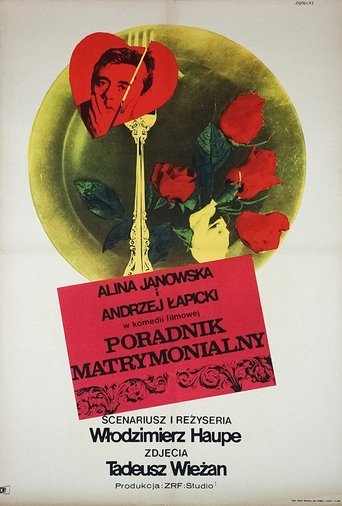
3.8Roksana is the editor of the heart advice section of a widely read magazine. Her problem is the handsome and loving husband Bogumił. The man was taken to the hospital, where he is looked after by his sister Krystyna.
Poradnik matrymonialny
1968
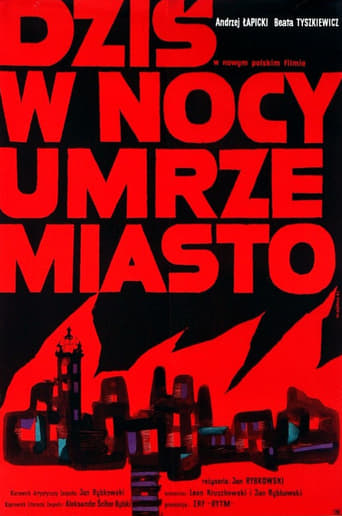 8.0
8.0An unlikely couple - a Polish concentration camp inmate and a young German girl - stick together and try to survive the RAF bombing of Dresden in February 1945.
Dziś w nocy umrze miasto
1961
Wacław Urbin joins an exclusive club, learning the secrets of its members.
Klub szachistów
1967
Actor Henryk bets his friend that he will make his ex, Tatiana, come back to him in half an hour.
Febliki Tatiany
1963
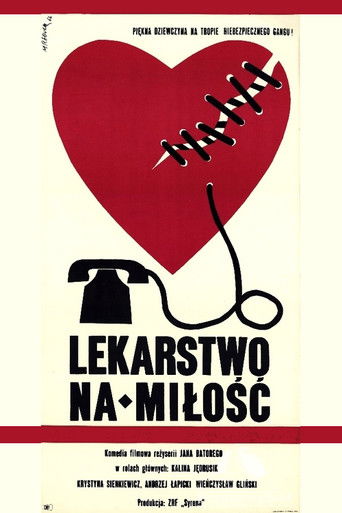 7.4
7.4An architect Joanna tells her friend Halina on the telephone about her love troubles and suddenly hears a nice man's voice: "The best cure for love is another love." Then she becomes a forgers dispatcher mistaken for Honorata by telephone and decides to work out a forgers secret and the secret of her new love Andrzej.
A Cure for Love
1966
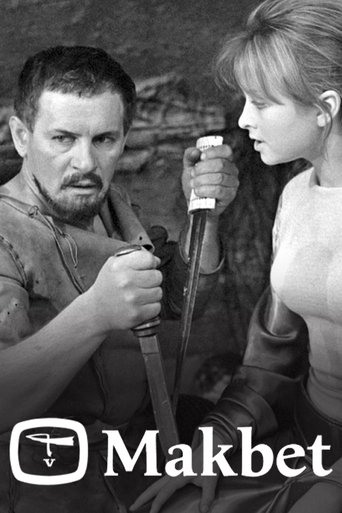 NR
NRA staging of William Shakespeare's tragedy, directed in 1969 by Andrzej Wajda. The roles of Macbeth and Lady Macbeth are played by Tadeusz Łomnicki and Magda Zawadzka - actors who at that time gained popularity in the series "Pan Wołodyjowski". This perverse use of the artists' images by the director was intended to serve an interpretation of the tragedy that emphasizes Shakespeare's question: where does evil in man come from?
Makbet
1969
Five interpretations of Hamlet's monologue.
Hamlet x 5
1966
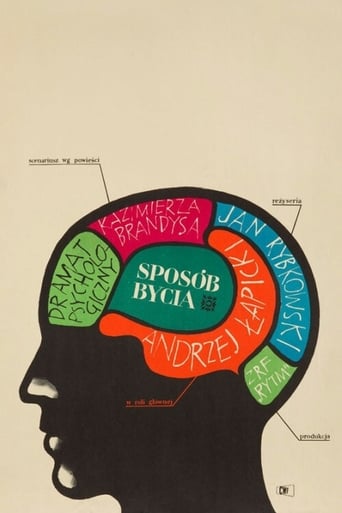 4.2
4.2A forty-year old man, destroyed physically and mentally by life experiences recounts his life.
Sposób bycia
1966
A television play produced for TVP based on Tadeusz Różewicz's drama of the same title. The play is a commentary on the state of post-war and post-Stalinist era Polish society, illustrated through three stories. The title of this play coined the term 'mała stabilizacja' (literally: 'little stabilization'), referring to the era of political stability that came in the early 1960s when the political climate changed.
Świadkowie albo nasza mała stabilizacja
1963
 5.7
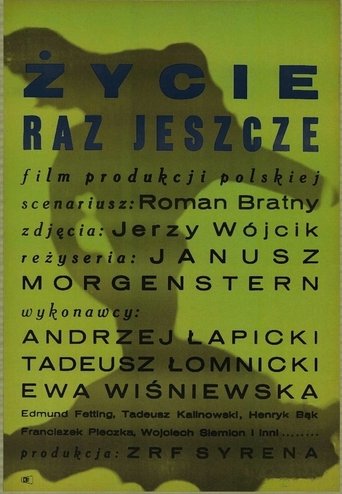
5.7Three idealists - a communist secretary, a former RAF pilot and a female political activist - need to face the hardships and accusations of postwar Stalinist years before being finally rehabilitated.
Life Again
1965
 10.0
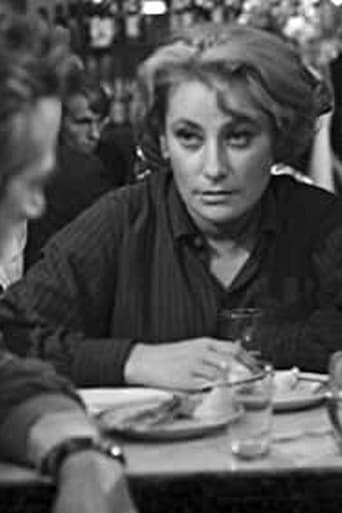
10.0A spy barely makes it out of a police ambush and goes on the run, taking a young woman with him along the way.
Cześć kapitanie
1968
 5.5
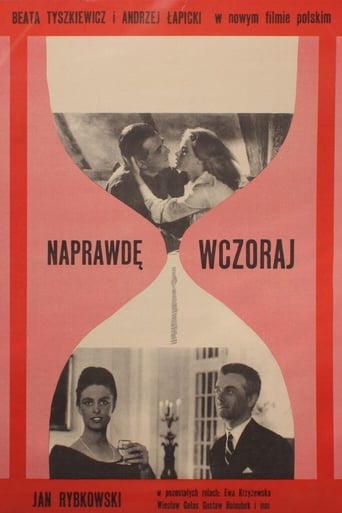
5.5The story concerns a succesful writer at the height of his career. He is in a state of crisis, unable to forget the girl he had a brief affair in the 40's. At the promotion of his new book he meets her after the years and reminisces about the past, when he was on a government mission to recover a missing art treasure, a triptych. After the years the girl, now married, barely remembers the whole thing, while he re-examines the affair which he has so much romanticized.
Naprawdę wczoraj
1963
1950s · 18 titles
Over a decade after the almost total wartime destruction, Warsaw still looks bruised and battered. Ruined houses are nevertheless inhabited which can be dangerous for the local population.
Warszawa 1956
1956
 6.4
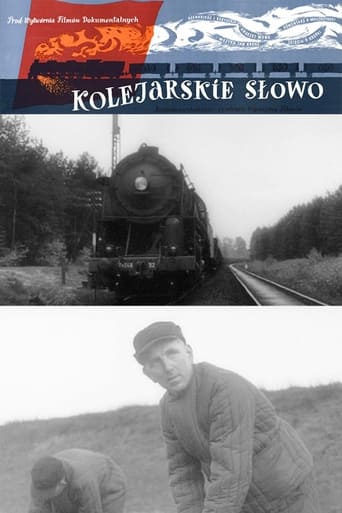
6.4A documentary about the hard work of railwaymen transporting coke from Tarnowskie Góry to Szczecin Iron works.
A Railwayman's Word
1953
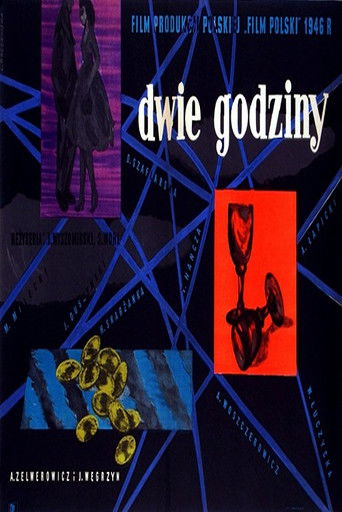 7.3
7.3Follows the lives of people shortly after World War 2 as they try to adjust to their new lives. Completed in 1946, it was banned from release by the communist government of Poland until 1957 in edited form.
Two Hours
1957
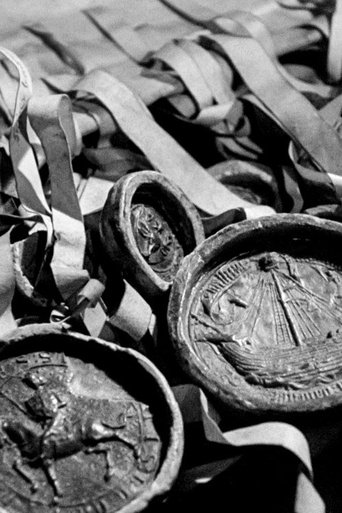 NR
NRThe protagonist of this documentary is Gdańsk and its history. The story begins on the shore of the Baltic Sea, in a Pomeranian town on the European Amber Road. It ends in the contemporary Gdańsk Shipyard.
The Story of Gdansk
1953
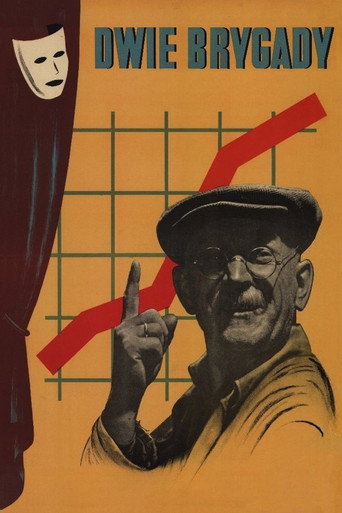 10.0
10.0A social drama that depicts a conflict between a young factory collective and a sympathetic but backward old specialist.
Two Brigades
1950
One of several films by the Hoffman-Skórzewski duo, made as part of the "black series" of Polish documentaries showing social problems hidden from viewers behind the façade of socialist realist productions until the mid-1950s. The subject of the film are the effects of alcoholism, whose innocent victims are children.
The Children Accuse
1956
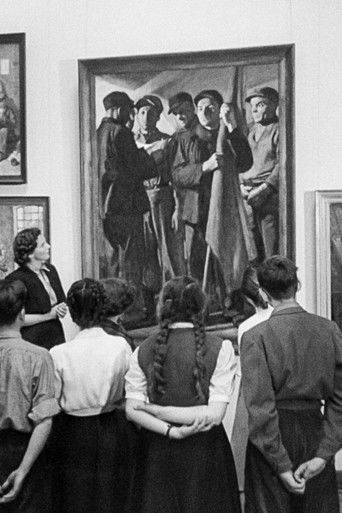 NR
NRA propaganda piece of reportage from the first Polish Nationwide Art Exhibition that was held in the National Museum in Warsaw in 1950. Makarczynski’s film is a typical example of a socialist realism documentary, realized in accordance with the instructions that had been presented to the filmmakers during the Wisla 1949 summit.
The New Art
1950
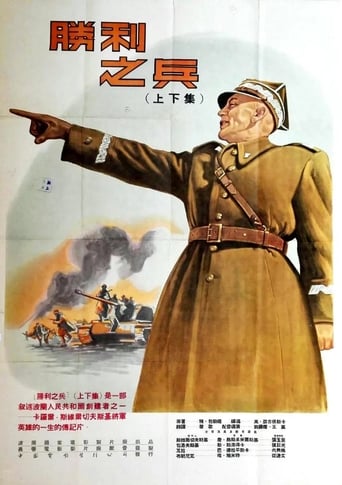 10.0
10.0Two-part biopic about General Karol Świerczewski, living embodiment of the party line, and the group of party members from his hometown fighting the fascist forces towards the socialist state of affairs.
Soldier of Victory
1953
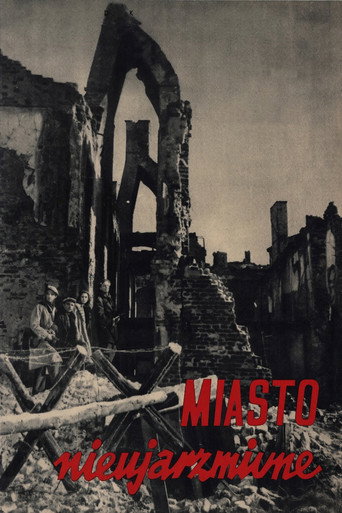 6.0
6.0Warsaw after the fall of the Warsaw Uprising. The Germans expel the civilian population and then proceed to systematically destroy the city. The capital is transformed into a sea of rubble, among which a few survivors hide – modern-day Robinsons. One of them is Piotr Rafalski, who rescues Krystyna, a wounded Jewish woman. Three soldiers of the People's Army, cooperating with a Soviet telegraph operator, are also in the city.
Unvanquished City
1950
The film shows the miners' dedicated work on the construction of a tunnel connecting two mines—lead and zinc.
Szarlejka
1955
 10.0
10.0In February 1956, after several months of construction, the largest rolling mill in Poland, the rolling mill of the Lenin Smelter, started to operate. The viewers could see the final preparations and the launch of the machine.
Rolling Mill
1956
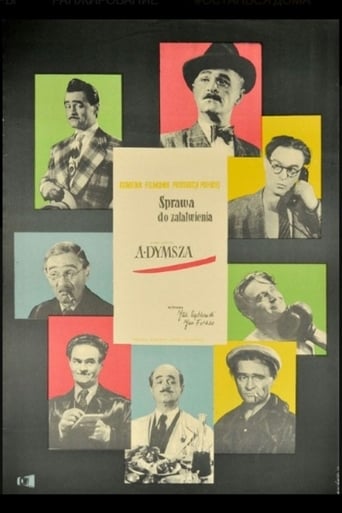 7.0
7.0A series of misfortunes plagues a journalist and his new friend.
Sprawa do załatwienia
1953
 NR
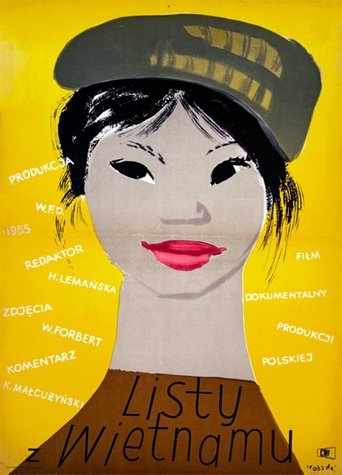
NRA series of twelve "letters" from different parts of Vietnam in the days following the 1954 Geneva Conference, written in images and narrated in voice-over.
Letters from Vietnam
1956
 NR
NRA poetic piece of reportage focusing on a convention of young shock workers in Warsaw. The climax of the event was the solemn oath of the youth of the Polish People's Republic. It took place on the 22nd of July 1952 – the day of the adoption of the constitution of the Polish People's Republic.
Vows
1952
 5.7
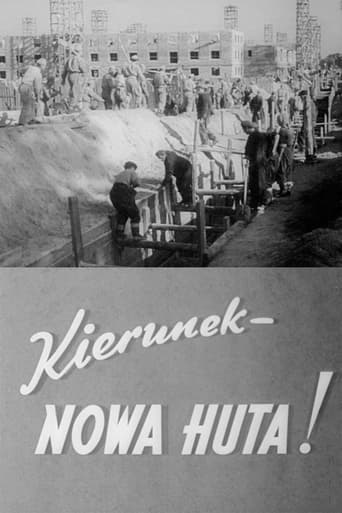
5.7This documentary describes the process of building and the first days of the combine and the city of Nowa Huta. Andrzej Munk realizes the postulates of socialist realism decreed in Polish cinematography in 1949.
Destination - Nowa Huta!
1951
 8.0
8.0A staged documentary that started the Polish Black Series. The film takes the form of a warning against indifference to the rogue behavior of hooligan groups and their pernicious effect on young people flowing into the cities.
Look Out, Hooligans!
1955
 6.5
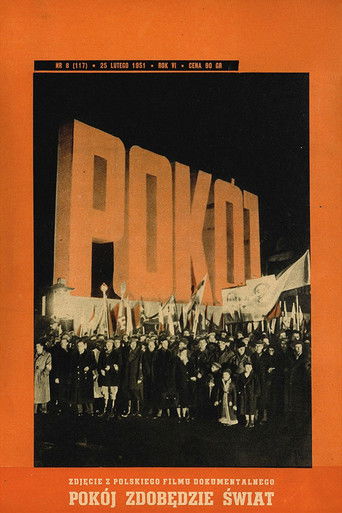
6.5"Peace Will Win" documents the Second World Congress of Peace Defenders, held in Warsaw in November 1950 after the event was relocated from Sheffield. The film records speeches, demonstrations, and international opposition to war during the early Cold War period.
Peace Will Win
1951
 NR
NRThe documentary shows the work of journalists and the importance of the press in building socialism. It is an exemplary implementation of the socialist-realist convention imposed on Polish cinema in 1949, in which all elements of the film structure were subordinated to the persuasive function.
A Letter at the Editorial Office
1950
1940s · 3 titles
 7.0
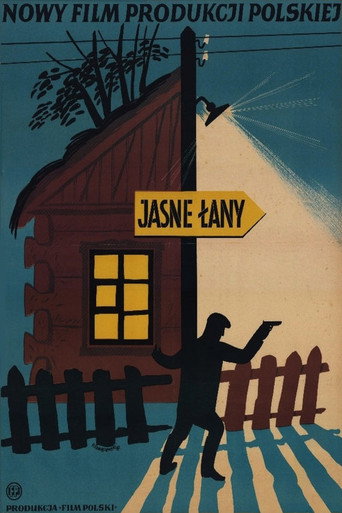
7.0A young teacher educates the peasants and electrifies the village, which the local miller does not like.
Jasne łany
1947
 7.3
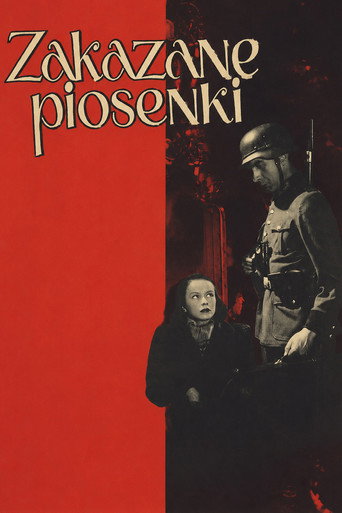
7.3Set during the German occupation of Warsaw during WWII, this musical tells the story of several inhabitants of the same tenement house.
Forbidden Songs
1947
A man returns to his homeland after war-forced emigration. He meets his ex-wife, who has changed much due to war traumas.
Spotkanie
1949
Series credits
3.0Horror legend Christopher Lee hosts this anthology in the tradition of Alfred Hitchcock Presents, each half-hour episode adapting a story from a classic author, with tales by Edgar Allen Poe, Fyodor Dostoevsky, Ambrose Bierce, Robert Louis Stevenson, and Oscar Wilde.
Theatre Macabre
1971
8.0No synopsis available yet.
Ziemia obiecana
1978
8.4No synopsis available yet.
Przygody pana Michała
1969