

Acting
Franciszek Pieczka
Born — Died
1928-01-18 — 2022-09-23
Place of birth
Godów, śląskie, Polska
Known for
Acting
Credits
71 titles
Franciszek Maksymilian Pieczka (18 January 1928 – 23 September 2022) was a Polish actor. A graduate of the National Higher School of Theatre in Warsaw (1954) he first made his debut in the theatre in Jelenia Góra. He won the award for Best Actor at the Polish Film Festival in 1976 for The Scar. He has starred in over a hundred films, both Polish and foreign. He has been awarded and honored many times for his individual roles, as well as his contribution to the development of theater and film art. He is an honorary citizen of the Godów commune. In 2015, he was awarded the Polish Academy Life Achievement Award. Description above from the Wikipedia article Franciszek Pieczka, licensed under CC…
Known for
 7.1
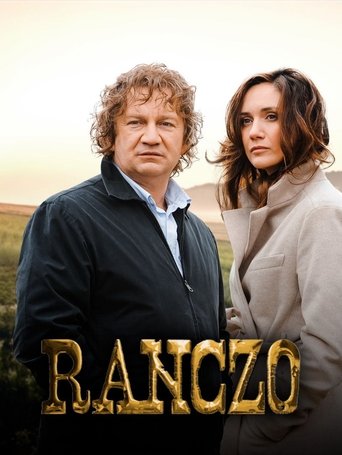
7.1Ranczo ["Ranch"] is a Polish television comedy series, directed by Wojciech Adamczyk, that has aired since March 2006 on TVP1. It follows the story of Lucy Wilska, a Polish-American who has inherited her grandmother's country home in the fictional small town of Wilkowyje. She arrives in Wilkowyje intent on selling the cottage but, after seeing the charm of the village, decides to stay.
Ranczo
2006
 7.8
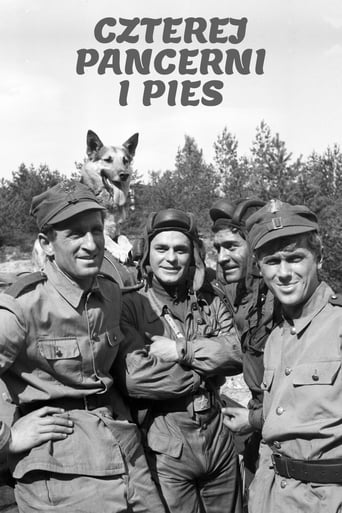
7.8Czterej pancerni i pies was a Polish black and white TV series based on the book by Janusz Przymanowski. Made between 1966 and 1970, the series is composed of 21 episodes of 55 minutes each, divided into three seasons. It is set in 1944 and 1945, during World War II, and follows the adventures of a tank crew and their T-34 tank in the 1st Polish Army. Although both the book and the TV series contain elements of pro-Soviet propaganda, they have achieved and retain a cult series status in Poland, Soviet Union and other Eastern Bloc countries. The T-34 tank Rudy with the identifying number "102", a German Shepherd dog from Siberia Szarik and to a lesser extent the crew Jan Kos, Gustaw Jeleń, Grigorij Saakaszwili, Tomasz Czereśniak, and their commander and mentor Olgierd Jarosz, as well as other heroes of the series, have become icons in Polish popular culture.
Four Tank-Men and a Dog
1966
 8.0
8.0Die Straßen von Berlin is a German television series.
Die Straßen von Berlin
1995
 9.0
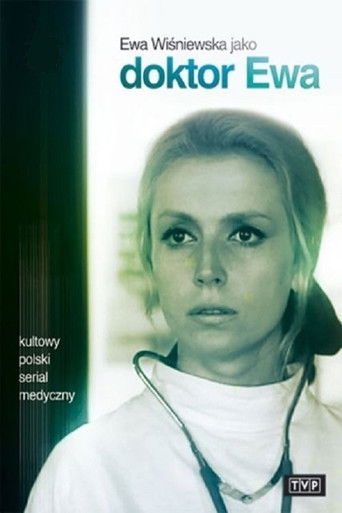
9.0Doctor Ewa Lipska, an attractive young woman just after graduation, with interesting professional prospects for the future, chooses the job of a village doctor. Brought up in a big city, she settles in the small town of Międzybórz in the Łódź Province. She is forced not only to overcome the daily difficulties resulting from medical practice in a rural health center, but also to learn to talk to people of a different mentality and gain the trust of her patients.
Doktor Ewa
1971
 6.8
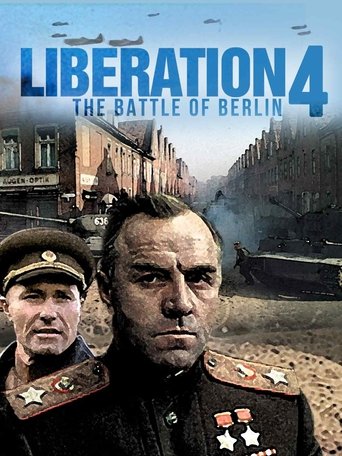
6.8In this the fourth episode, “Battle of Berlin,” the Soviets start their assault on Berlin, and Stalin negotiates with the other Allies.
Liberation - Part 4 : The Battle of Berlin
1971
 7.5
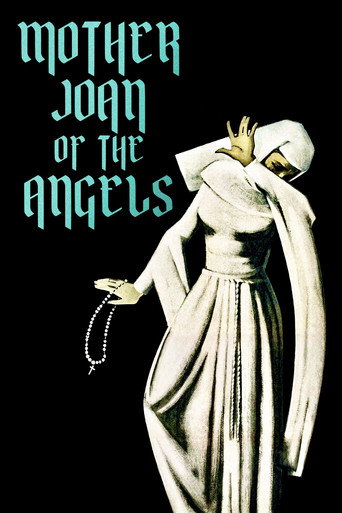
7.5A Polish priest arrives at a convent hoping to save the Mother Superior who is supposedly possessed by eight demons.
Mother Joan of the Angels
1961
Film credits
2010s · 1 titles
2000s · 6 titles
 5.6
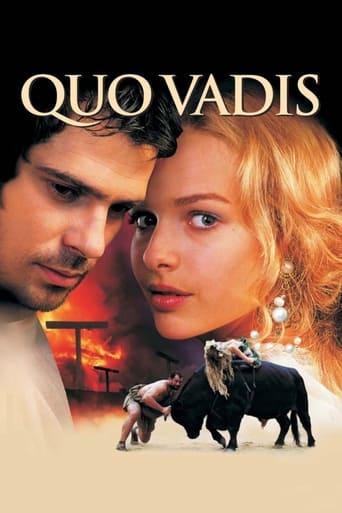
5.6Ancient Rome, during the time of Emperor Nero. Vinicius, a young patrician, falls in love with the beautiful Lygia, the daughter of a Barbarian commander who was killed in battle, and wants her for his concubine. For Lygia, a Christian, being a pagan's concubine is a severe sin and disgrace. However, when Vinicius is wounded, Lygia cares for him, and starts to reciprocate his feelings. Vinicius, in return, becomes interested in Christian learning and asks Apostle Peter to teach him. In the meantime, Emperor Nero accuses Christians of having started a great fire in Rome. He encourages the imprisonment, torture and murder of his Christian subjects.
Quo Vadis
2001
After her husband's death, Hanna Szendroy, the former primadonna, is caught in the claws of the real estate mafia. She looses her lavish home and ends up homeless at the Keleti train station. When she returns to her house, now full of homeless people moved in by the real estate mafia, an unexpected relationship brings hope into her life again.
The Eighth Day of the Week
2006
 6.5
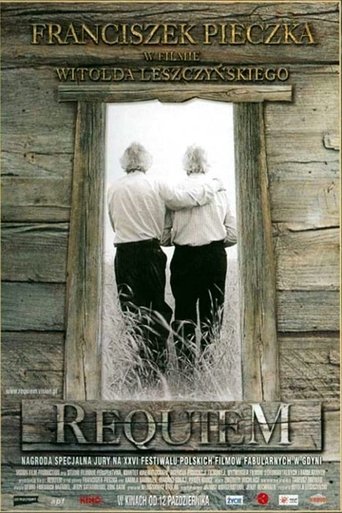
6.5Bartłomiej, community elder and orator, must choose an appropriate successor, but finds difficulty in the aftermath of a local girl's tragic hit-and-run death. A community's pain reverberates through fractured relationships and the burden of funereal responsibility.
Requiem
2001
 6.2
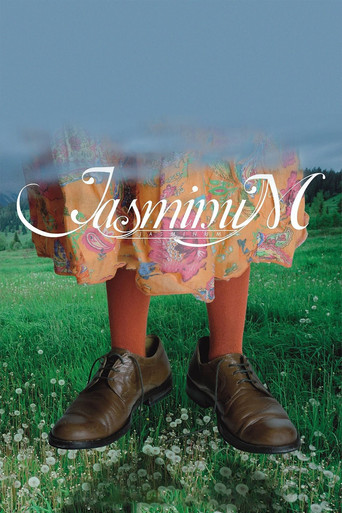
6.2The peaceful world of a monastery, in a small town Jasmine, is destroyed by the arrival of monument restorers, Natasha, along with her daughter Eugenia. The legend associated with the monastery bode revelation in him a saint in the near future. Despite initial reluctance, Natasha starts the maintenance of the image stored there. The secrets of the monastery are unraveled: the unhappy lovers bodies placed in the catacombs, the secret elixir of love, created with the smell of the monks.
Jasminum
2006
 5.2
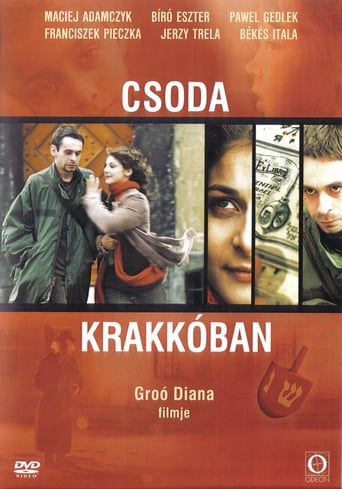
5.2Pyotr, a Polish boy from Budapest, has been obsessed with books since childhood, especially one in particular. According to Jewish legend, this book - the Silver Crown - can raise the dead. It is with this book in her arms that Esther, a student from Pest, arrives to restore the tombstone of a rabbi in Krakow. The seemingly endless intrigue begins, seemingly driven by an ancient Jewish spinning game: the trenderli. It revolves around the fate of old and young, it evokes Pyotr's dead grandmother, and it is the mysterious game that is the story of the Miracle Worker, who appears out of nowhere.
Miracle in Cracow
2004
 5.6
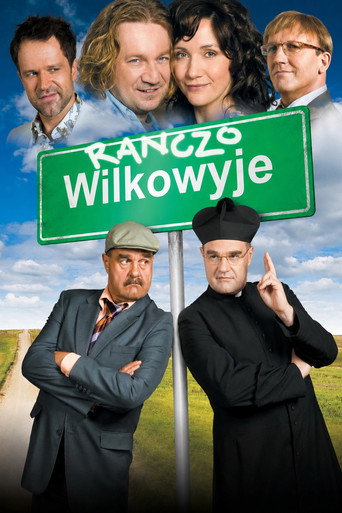
5.6Lucy and Kusy have to face quite a problem. From the States suddenly arrives Lucy's mysterious husband Louis. It turns out that their divorce was not fully carried out. Louis fights for his wife's lost feelings, he wants the girl to return to the US with him. Kusy removes himself into the shadows, but over time begins to suspect Louis of not very pure intentions. In the background, there is a clash between the cunning Czerepach, in the role of an auditor from the Chamber of Accounts, and the Village Head. Desperate, the Village Head, together with the entrepreneur Więclawski, who has won all tenders in the municipality for years, is plotting against his eternal enemy. The bench regulars are also preparing a surprise.
Ranczo Wilkowyje
2007
1990s · 10 titles
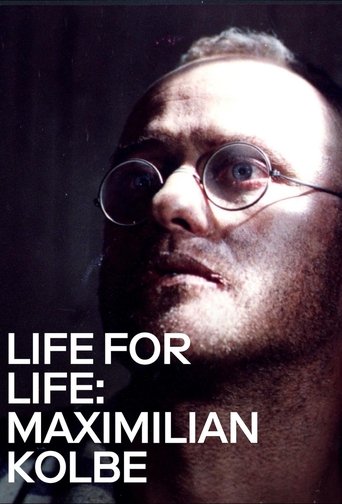 6.3
6.3The story of catholic saint Maximilian Kolbe (1894-1941), who volunteered to die in place of a stranger in the Nazi concentration camp of Auschwitz.
Life for Life: Maximilian Kolbe
1991
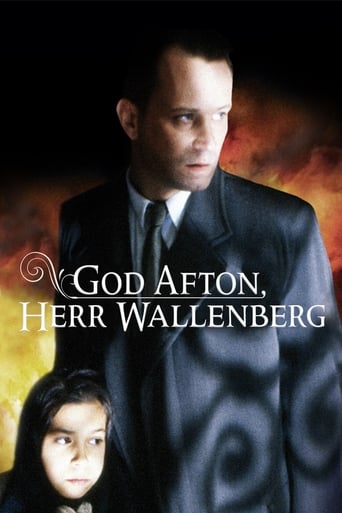 6.2
6.2Swedish account of Raoul Wallenberg, the man responsible for the largest rescue of Jews during World War II.
Good Evening, Mr. Wallenberg
1990
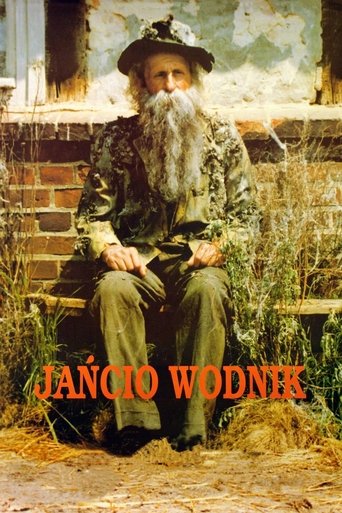 7.5
7.5On the road wandering minstrel finds a mare, which, upholstered and sickly, is dying. He buries mare and casts a curse in the village where the animal was tortured. In the village lives Jańcio, a philosopher, a man loving life and his young wife, Weronka. Jańcio lives in harmony with God and is not expecting that he will be put to the test by him. He is convinced he has the power to make miracles. He leaves his pregnant wife, and goes to see the world, promising to return before the due date.
Johnnie Waterman
1994
A deserter returns to his hometown and, with the help of his father, hides in the mountains.
Do domu
1990
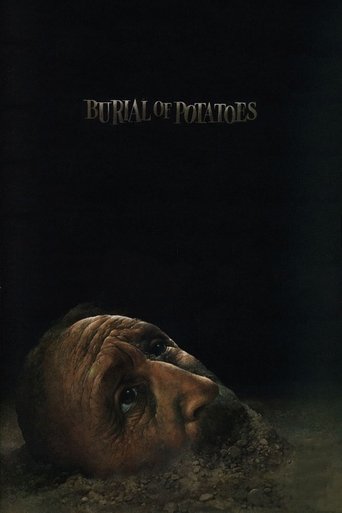 8.2
8.2Set in 1946, the film tells a story of a Polish villager returning home after years in a concentration camp. Mateusz is an old-timer, a saddler, who finds nothing but hostility when he makes it home after years away. He is not a Jew, though the villagers brand him one and give him a hard time. They feel guilty about the death of his son at the end of the war, and don't want the father around. In the background: beginnings of the Communist regime in Poland.
Burial of a Potato
1990
 8.0
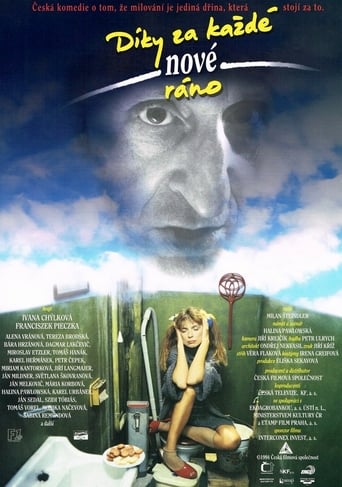
8.0This film is about life of a family, which lived in Prague since since 1968 to 1980. Father of the family comes from Ukraine and so every year someone from Ukraine to visit this family and to buy something more better than is in Ukraine. As the times go by, the friens of family live in Austria. And now for change the family visit "a better life" in west Europe and they found out how it is to be something second-rate.
Thanks for Every New Morning
1994
 7.1
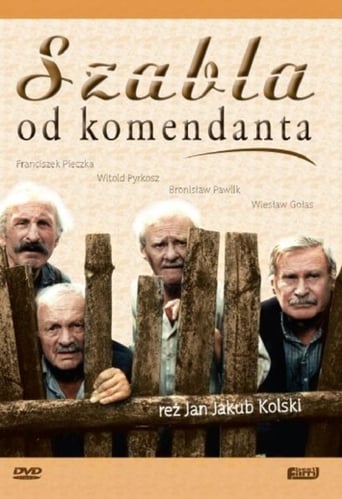
7.1In a fairy-tale village lives Jakubek, a former legionnaire. He buried his wife some time ago and now lives with his adult but very shy son Janeczek. Three of Jakubek's comrades-in-arms also live in the same village: Kotek, Ingatko, and Gniewisz. For some time now, the legionnaires have been talking more and more about dying. Jakubek, the oldest of them, already has a beautiful coffin prepared and longs for death because he misses Brzózka, his youthful love, very much.
Szabla od komendanta
1996
 5.8
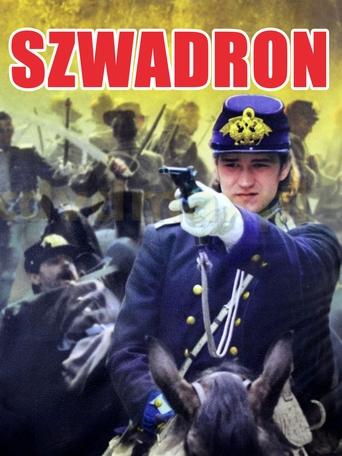
5.8A young Russian aristocrat, Baron Fyodor Jeremin, volunteers to serve with a Dragon squadron to impress the girl who rejected his love. Just at this time the 1863 insurrection explodes in Poland. He enlists to serve in the army being sent to suppress the revolt. He believes that now it's enough to defeat the Poles, become an officer and hero, get a bunch of medals, and then return and lay all of this at the feet of her beloved. However, the "little Polish war" looks completely different to the way that young Jeremin imagined it to be. In course of time, he learns to be on the wrong side. But there is no escape - he must kill or he will be killed. What's more, he falls in love with a beautiful Polish girl...
Squadron
1992
 NR
NRNo synopsis available yet.
Kein Wort von Einsamkeit
1990
Bronek Pekosinski lives in Zamosc, Poland. He is probably 83 years old. He has no family and does not really know who he is. Everything about his life is fictitious: symbolic is the date of birth - the day World War II broke out, as well as his surname - after PKOS, an abbreviation of a charitable institution, and the place of birth - the Nazi concentration camp, from where his mother threw him over a barbed wire fence. Even his friends and guardians turned out to be false. Only his loneliness and his hump seem to be authentic. Two great powers have vied for young Bronek's soul: Roman-Catholic church and a totalitarian state. He fell into alcoholism. Partially paralyzed as the effect of cerebral hemorrhage, he is fired with an ambition of acquiring a mastery in a game of chess.
The Case of Bronek Pekosinski
1993
1980s · 12 titles
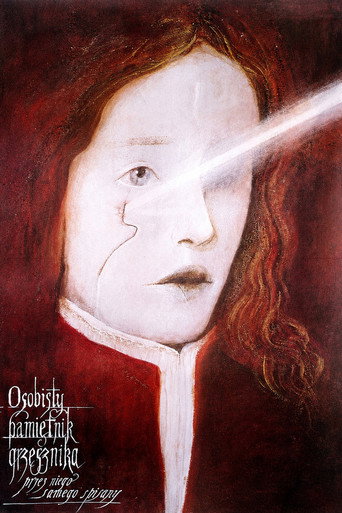 6.9
6.9A recently resurrected corpse recounts his life story, focusing on his strange relationship with a murderous alter-ego.
Memoirs of a Sinner
1986
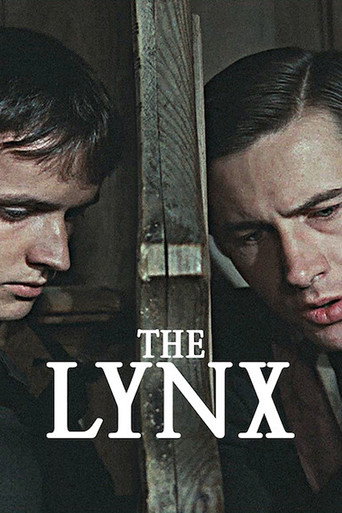 6.9
6.9Set during the German occupation of Poland during WWII. A priest in a small village meets a revolutionary who is on an assignment to kill a supposed Nazi collaborator.
The Lynx
1982
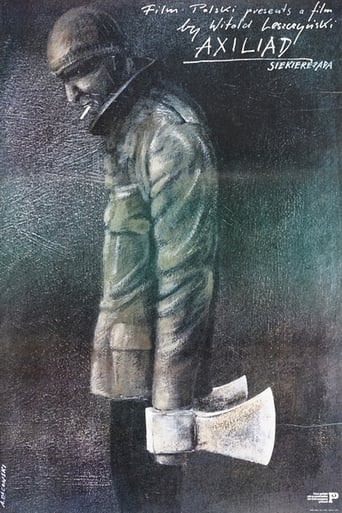 6.8
6.8A young, idealistic poet, turns his back on civilization and goes to small, backwood village, rents a bed in the house of an old woman, and decides to make his living as a lumberjack. Soon he realizes that the world around him is far from perfect.
Axiliad
1986
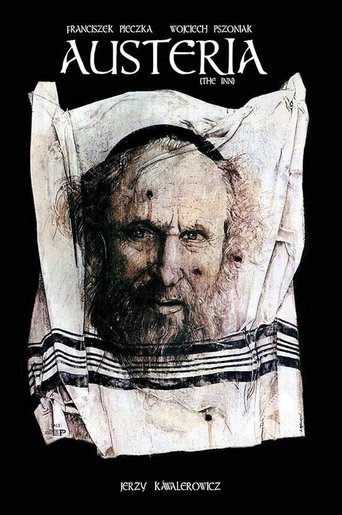 6.5
6.5During a pogrom in Poland on the eve of World War I, a group of Jews seek refuge from the Cossacks. The fugitives hide out in a rural inn, terrified that they may be given away at any moment.
Austeria
1983
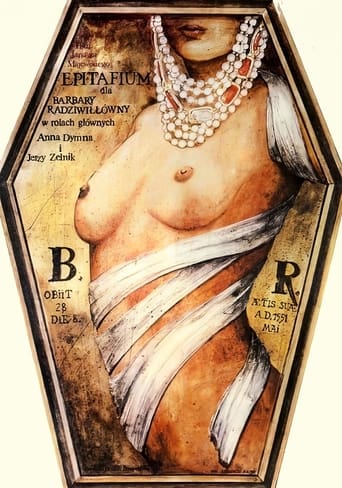 5.2
5.2A historical drama about Barbara Radziwiłł, whose controversial love affair and marriage with King Sigismund II Augustus defied political opposition in 16th-century Poland. The film follows their romance, Barbara’s untimely death, and her posthumous return to Vilnius, framed through the king’s memories of his beloved queen.
An Epitaph for Barbara Radziwill
1983
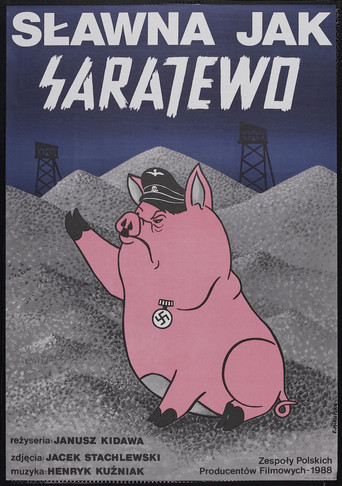 4.3
4.3The authorities in favor of the Nazis are trying to restore order in a small town in Silesia. Their actions are fiercely resisted by a small group of residents.
Famous Like Sarajevo
1988
A father and his sons want to catch a man who steals their apples.
Thief
1988
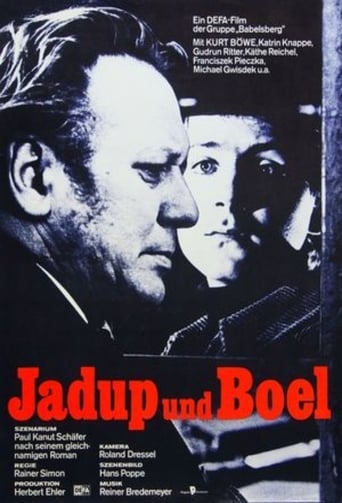 6.4
6.4In a small town, everyone has tried to forget what happened shortly after WWII. That is, until a stranger finds a book that Jadup (Kurt Böwe) gave to the young refugee Boel (Katrin Knappe), who resettled in the town over 30 years ago. Painful memories about Boel and the post-war period begin to surface and shake up the whole town. Boel vanished back then and nobody knew why. Word spread about a rape and some tried to blame a Russian soldier. Jadup, the town's respected and popular mayor, remembers, though, how he mistrusted Boel and did not help her through this difficult time; HE didn't even notice THAT Boel loved him. Jadup's confrontation with the past gives him a new, critical view of his current situation and surroundings.
Jadup and Boel
1988
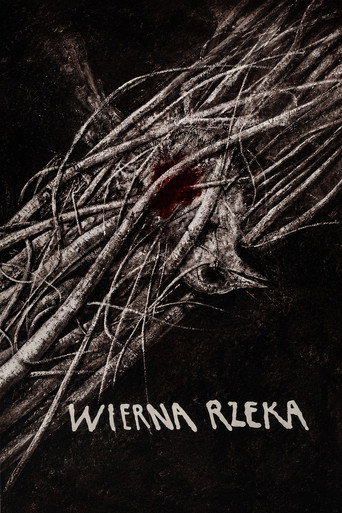 6.1
6.1Set during the insurgency of 1863, the story focuses on a tragic romance between a poor gentlewoman and a rebel noble. After a bloody battle a unit of insurgents have been wiped out and only one survived, but badly wounded. He eventually finds shelter and care from a landsteward's daughter, hiding in a burned-out manor with an old servant.
The Faithful River
1987
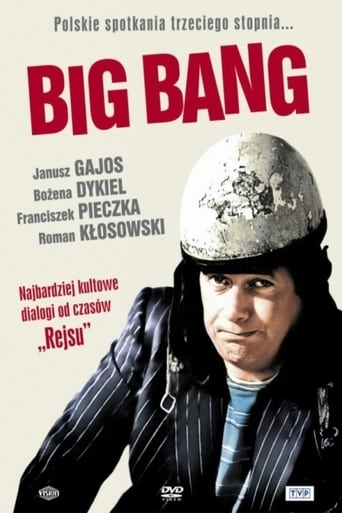 6.7
6.7A UFO lands at night in a typical Masovian village. The villagers feel honored and want to be as hospitable as possible for the unexpected alien guests.
Big Bang
1986
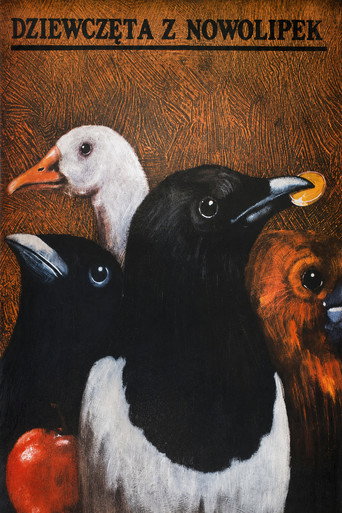 6.5
6.5Coming of age story of four girls living in the same poor district of Warsaw just before the outbreak of World War One.
The Girls of Nowolipki
1986
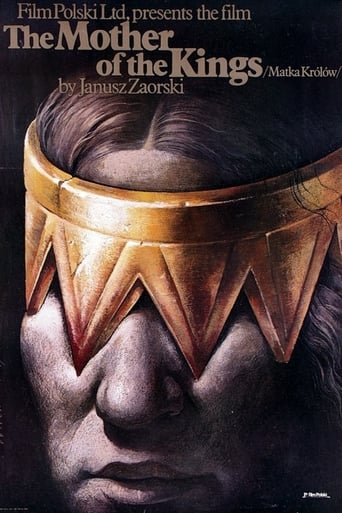 6.3
6.3In difficult times of political and social change, a mother raises four sons alone.
The Mother of the Kings
1987
1970s · 18 titles
6.8In this the fourth episode, “Battle of Berlin,” the Soviets start their assault on Berlin, and Stalin negotiates with the other Allies.
Liberation - Part 4 : The Battle of Berlin
1971
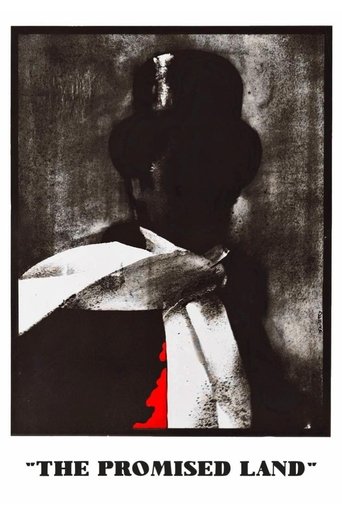 7.4
7.4At the turn of the century, Lodz, Poland, was a quick-paced manufacturing center for textiles, replete with cutthroat industrialists and unsafe working conditions. Three young friends, a Pole, a Jew, and a German, pool their money together to build a factory.
The Promised Land
1975
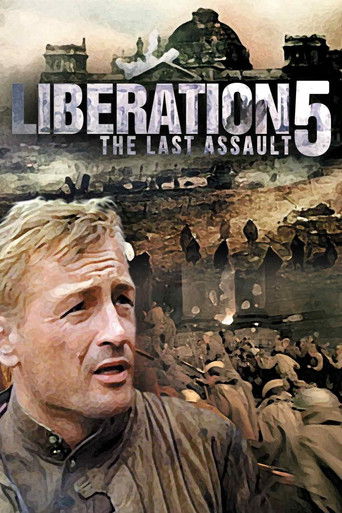 7.1
7.1In Berlin, Lieutenant Yartsev's infantry and Tzvetaev's battery fight their way in the U-Bahn. Captain Neustroev's company is selected to hoist the Victory Banner atop the Reichstag.
Liberation - Part 5 : The Last Assault
1971
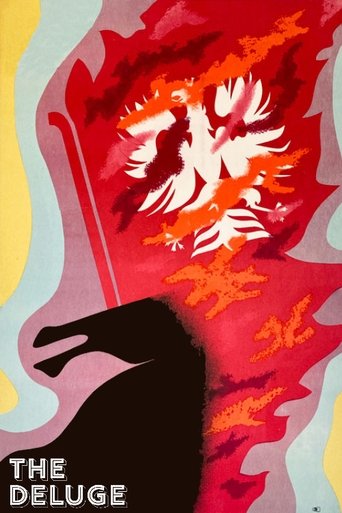 7.2
7.2During the Swedish invasion of Poland, the brave warrior Andrzej Kmicic, considered a traitor to the nation, fights for a country, redemption and love across the 17th-century Polish territories.
The Deluge
1974
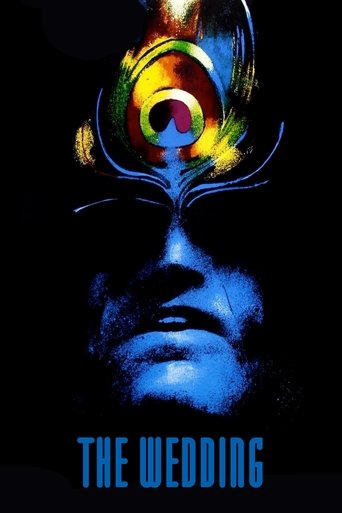 7.3
7.3Set at the turn of the century, the story concerns a Polish poet living in Cracow who has decided to marry a peasant girl. The wedding is attended by a heterogenous group of people from all strata of Polish society, who dance, get drunk and lament Poland's 100-year-long division under Russia, Prussia, and Austria. The bridegroom, a painter friend, and a journalist each in turn is confronted with spectres of Polish past.
The Wedding
1973
 6.1
6.1Told in flashback as Mieszko lies feverish in his bed just before the Battle of Cedynia, Gniazdo recounts how the revered leader extended Poland's borders, formed an alliance with Emperor Otto I, and ultimately strengthened his country's autonomy by achieving victory during that crucial battle in the year 972.
The Nest
1974
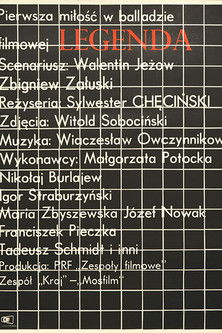 4.3
4.3Three children strike a deep friendship after a chance encounter during World War 2.
Legenda
1971
A study of the psyche of a sick, aging man who loses faith in the meaning of life.
Punkt wyjścia
1972
 5.4
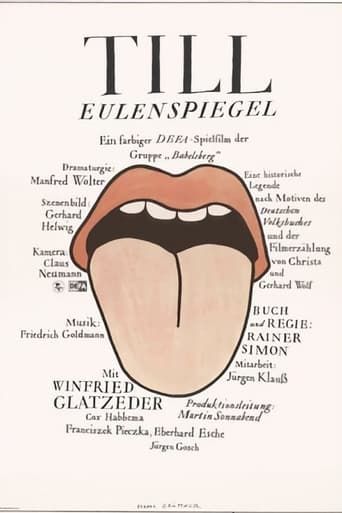
5.4In medieval Germany, poor and witty Till Eulenspiegel fools and cheats citizens, churchmen, and landlords. Although in most cases he uses his wit for personal well-being, he often helps the poor and weak. Eventually, he gains an influential but also dangerous position as royal fool at the court of the emperor.
Till Eulenspiegel
1975
 10.0
10.0Jacenty is nearing the end of his days. However, he wants to go on his own terms, bargaining until the very end.
Lazarus' Whims
1973
 5.8
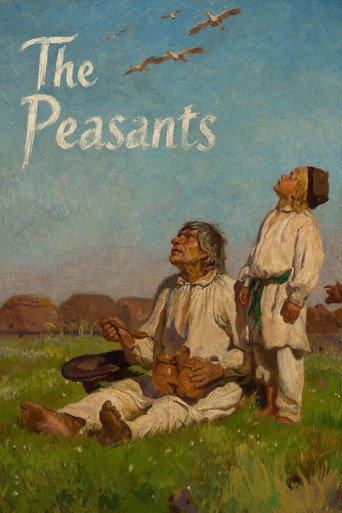
5.8In a bucolic Polish hamlet, the tense relationship between a father and son reaches a boiling point when the men lose their hearts to the same woman and vie for her affections. Based on Wladyslaw Reymont's Nobel Prize-winning book and helmed by Jan Rybkowski, this theatrical release (starring Krzystof Chamiec, Wladyslaw Hancza and Emilia Krakowska) was culled from a 13-episode miniseries that aired on Polish television in 1972.
The Peasants
1973
A nobleman and his servant have many misadventures together.
Kareta
1973
 5.3
5.3Although members of the Hitler Youth chant anti-Semitic paroles in front of his house during the Purim festival, Rabbi Singer is still profoundly convinced that Germany will stay a safe country for him, his family, and his fellow believers. But several years later, his son David is banned from going to school because he is a Jew. Shortly after, Rabbi Singer and his wife are deported. Now, young David also fears for his life. In constant fear of being detected, he tries to find a way to leave Germany.
David
1979
 5.8
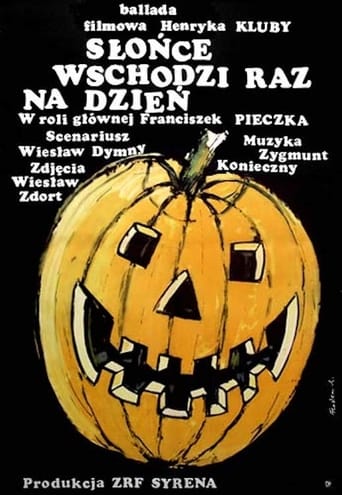
5.8After the war, the community of mountaineers is eager to start their own sawmill. When the communist authorities come to take over the sawmill, a rebellion starts.
The Sun Rises Once a Day
1972
 6.6
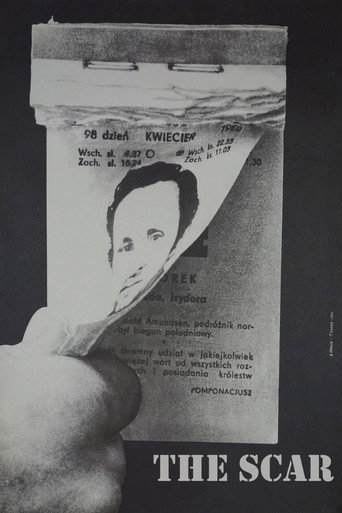
6.6When a political decision is made as to the location of a new large chemical factory, Stefan Bednarz is put in charge of it. This honest communist party man has to confront the local community opposing the construction.
The Scar
1976
 10.0
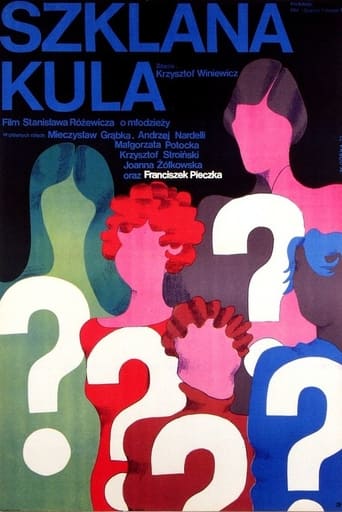
10.0Five teenagers on the cusp of their final year in high school ponder about their futures.
Glass Ball
1972
 9.0
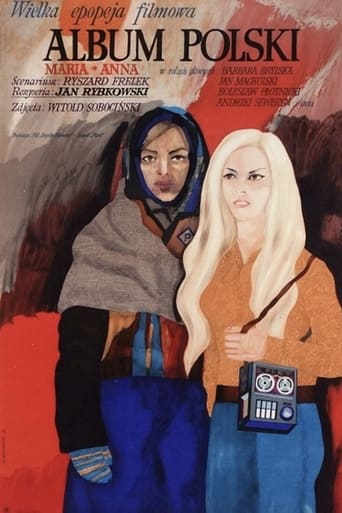
9.0University student Anna and her boyfriend Tomek use a precious photograph to trace and unveil the complex wartime and post-war past of their parents.
Album polski
1970
A middle-aged man's doubts about himself transform themselves into paranoia about his younger wife's behavior in this psychological thriller. The husband plants listening devices around their apartment and eventually drives the heretofore innocent woman into the arms of one of his co-workers.
The Woman Across the Way
1978
1960s · 11 titles
7.5A Polish priest arrives at a convent hoping to save the Mother Superior who is supposedly possessed by eight demons.
Mother Joan of the Angels
1961
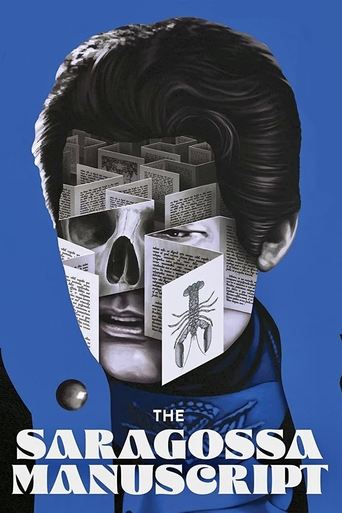 7.7
7.7During the Napoleonic wars, a Spanish officer and an opposing officer find a book written by the former's grandfather.
The Saragossa Manuscript
1966
 6.9
6.9A pair of lovers go off to a small hotel in a little town. The memories of war, however, intrude on their idyll. The girl and boy relive certain wartime experiences in flashback. She was a communist who drove a boy loving her to give himself up.
All Souls' Day
1961
 6.3
6.3Two militia officers are assigned to a museum in an undercover assignment to protect a valuable painting from an international group of art thieves.
Where Is the Third King?
1967
The cook prepares the soldier's favourite dish. The soldiers learn that the products come from the Majdanek camp.
Bigos
1966
 6.3
6.3An extraordinarily stylized tale of a prizefighter who ducks a fight to romance a beautiful blonde.
Walkover
1965
A boy accidentally gets involved in a fight between partisans and a German patrol.
Nad rzeką
1962
 6.3
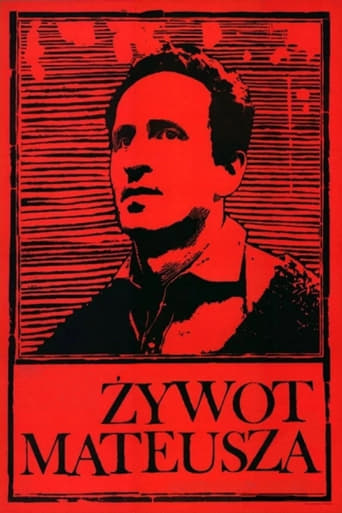
6.3A man who is socially inept and out of touch with the world lives with his sister in a small farmhouse. The overly sensitive man lives off his hard-working sibling, taking odd jobs as he gets them to secure his meager earnings. When he brings home a woodcutter from the forest, the sister and the newcomer fall in love. Terrified over a life without his sister, the man can't cope.
Matthew's Days
1968
 NR
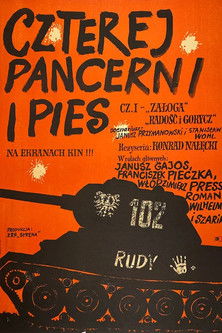
NRThe first of four theatrically released episode compilations of the TV series, featuring episodes 1 and 2. “The plot follows the adventures of the heroic crew of the Soviet tank “Rudy” and their loyal dog Szarik as they fight across the Eastern Front in World War II, blending thrilling battles with moments of friendship, compassion, and youthful innocence.
Four Tankmen and a Dog Part One
1968
 8.2
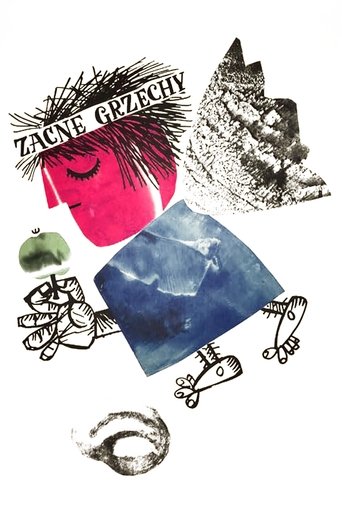
8.2A carmelite monk travels through 17th century Poland and experiences various mishaps along the way.
Good Sins
1963
 7.0
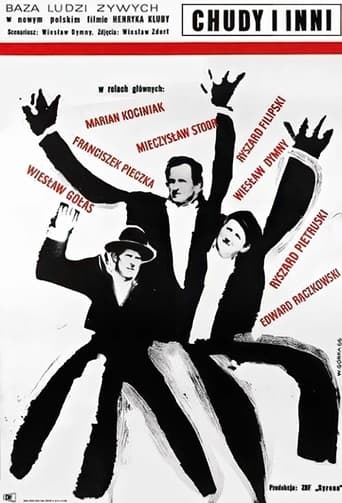
7.0A group of workers builds a bridge near a large dam. They get drunk with a visiting reporter, who falls into the river and disappears.
Skinny and Others
1967
1950s · 2 titles
 6.9
6.9Stach is a wayward teen living in squalor on the outskirts of Nazi-occupied Warsaw. Guided by an avuncular Communist organizer, he is introduced to the underground resistance—and to the beautiful Dorota. Soon he is engaged in dangerous efforts to fight oppression and indignity, maturing as he assumes responsibility for others’ lives.
A Generation
1955
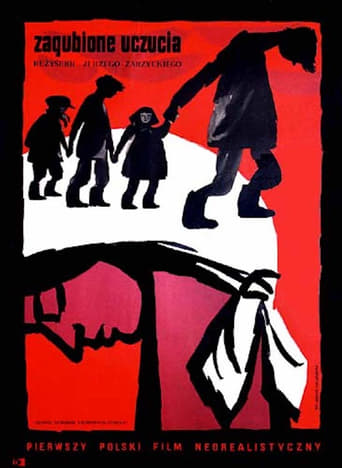 7.0
7.0One day in the miserable life of a female factory worker and single mother of four children. One of her sons - ridiculed by his peers - leaves home and gets into trouble.
Lost Feelings
1957
Series credits
7.1Ranczo ["Ranch"] is a Polish television comedy series, directed by Wojciech Adamczyk, that has aired since March 2006 on TVP1. It follows the story of Lucy Wilska, a Polish-American who has inherited her grandmother's country home in the fictional small town of Wilkowyje. She arrives in Wilkowyje intent on selling the cottage but, after seeing the charm of the village, decides to stay.
Ranczo
2006
7.8Czterej pancerni i pies was a Polish black and white TV series based on the book by Janusz Przymanowski. Made between 1966 and 1970, the series is composed of 21 episodes of 55 minutes each, divided into three seasons. It is set in 1944 and 1945, during World War II, and follows the adventures of a tank crew and their T-34 tank in the 1st Polish Army. Although both the book and the TV series contain elements of pro-Soviet propaganda, they have achieved and retain a cult series status in Poland, Soviet Union and other Eastern Bloc countries. The T-34 tank Rudy with the identifying number "102", a German Shepherd dog from Siberia Szarik and to a lesser extent the crew Jan Kos, Gustaw Jeleń, Grigorij Saakaszwili, Tomasz Czereśniak, and their commander and mentor Olgierd Jarosz, as well as other heroes of the series, have become icons in Polish popular culture.
Four Tank-Men and a Dog
1966
8.0Die Straßen von Berlin is a German television series.
Die Straßen von Berlin
1995
9.0Doctor Ewa Lipska, an attractive young woman just after graduation, with interesting professional prospects for the future, chooses the job of a village doctor. Brought up in a big city, she settles in the small town of Międzybórz in the Łódź Province. She is forced not only to overcome the daily difficulties resulting from medical practice in a rural health center, but also to learn to talk to people of a different mentality and gain the trust of her patients.
Doktor Ewa
1971
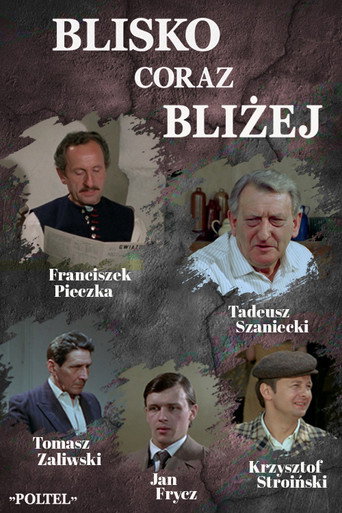 8.0
8.0The story stretches from 1863 to 1945. Its main characters are representatives of the Pasternik family, who live in the fictional village of Wielowice near Pszczyna. The protagonist of the first three episodes is Franciszek Pasternik, the following parts tell about the fate of his many children and even more grandchildren. The viewer follows their history against the backdrop of great changes and historical events that influenced the lives of Silesian Poles. So there is the Kulturkampf, Prussian rugi, the revolution of 1905, World War I and the Silesian Uprisings.
Blisko, coraz bliżej
1983
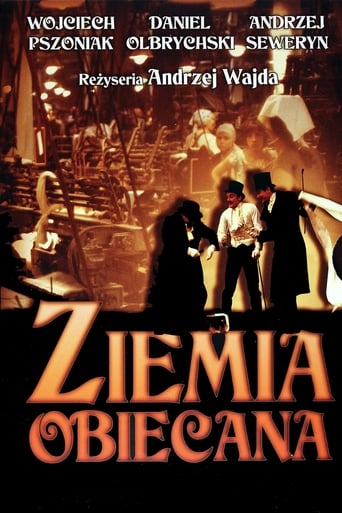 8.0
8.0No synopsis available yet.
Ziemia obiecana
1978
Series based on the stories of Jarosław Iwaszkiewicz “Młyn nad Utrata” (1936), “Młyn nad Lutyniu” (1946) and “Młyn nad Kamienna” (1950). The action of the miniseries takes place from 1928 to the 1950s.
Trzy młyny
1986
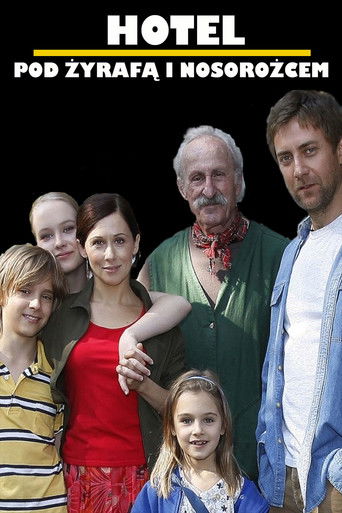 8.0
8.0After graduating, Ania and Roman Miłobędzcy moved to the Beskid Mountains to fulfill their youthful dreams. It was here that their children were born. After a dozen or so years of farming in the Beskid meadows, they were close to bankruptcy. They took advantage of a proposal from businessman Bury and traded their Beskid farm for a villa in a town near Warsaw. Their children, Ola, Janek, and Zuza, were deeply affected by the move. The family's hopes were mixed with sadness. The parents' plan proved a disaster. Instead of a villa, they found a dilapidated wooden house, inhabited, moreover, by the quirky and eccentric Franciszek Alba. It quickly became clear that the Miłobędzcy family had fallen victim to a fraud.
Hotel pod żyrafą i nosorożcem
2008
 7.5
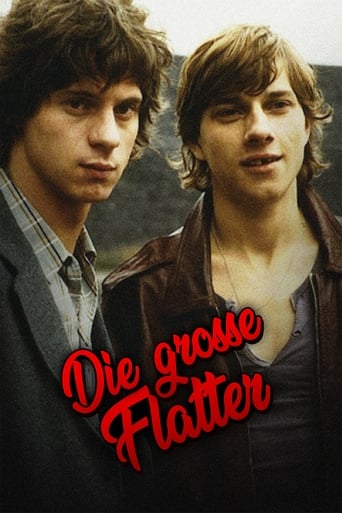
7.5A miniseries about a pair of teenagers living in a slum at the fringes of Berlin. Alcoholism, prostitution, and violence are just a few of the themes of the three movies.
The Great Runaway
1979
 7.0
7.0No synopsis available yet.
Quo Vadis
2003
 8.0
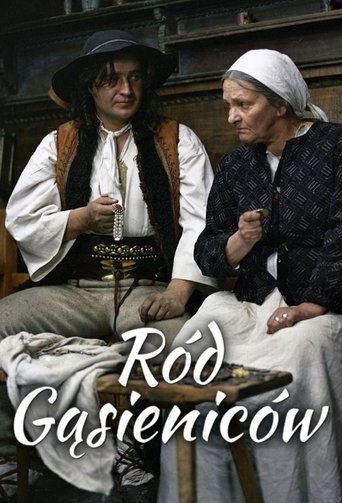
8.0The series is a picture of the formation of the Zakopane community and the entire Podhale region, seen through the prism of historical and socio-economic changes over the years 1825-1918. The plot of the episodes shows: events of social and historical importance on the symbolic example of a highlander family - the Gąsienica family; and "human" matters - the great ones, such as love, death, murder, and the ordinary, everyday ones, such as work, struggle for existence, entertainment and fun.
Ród Gąsieniców
1981